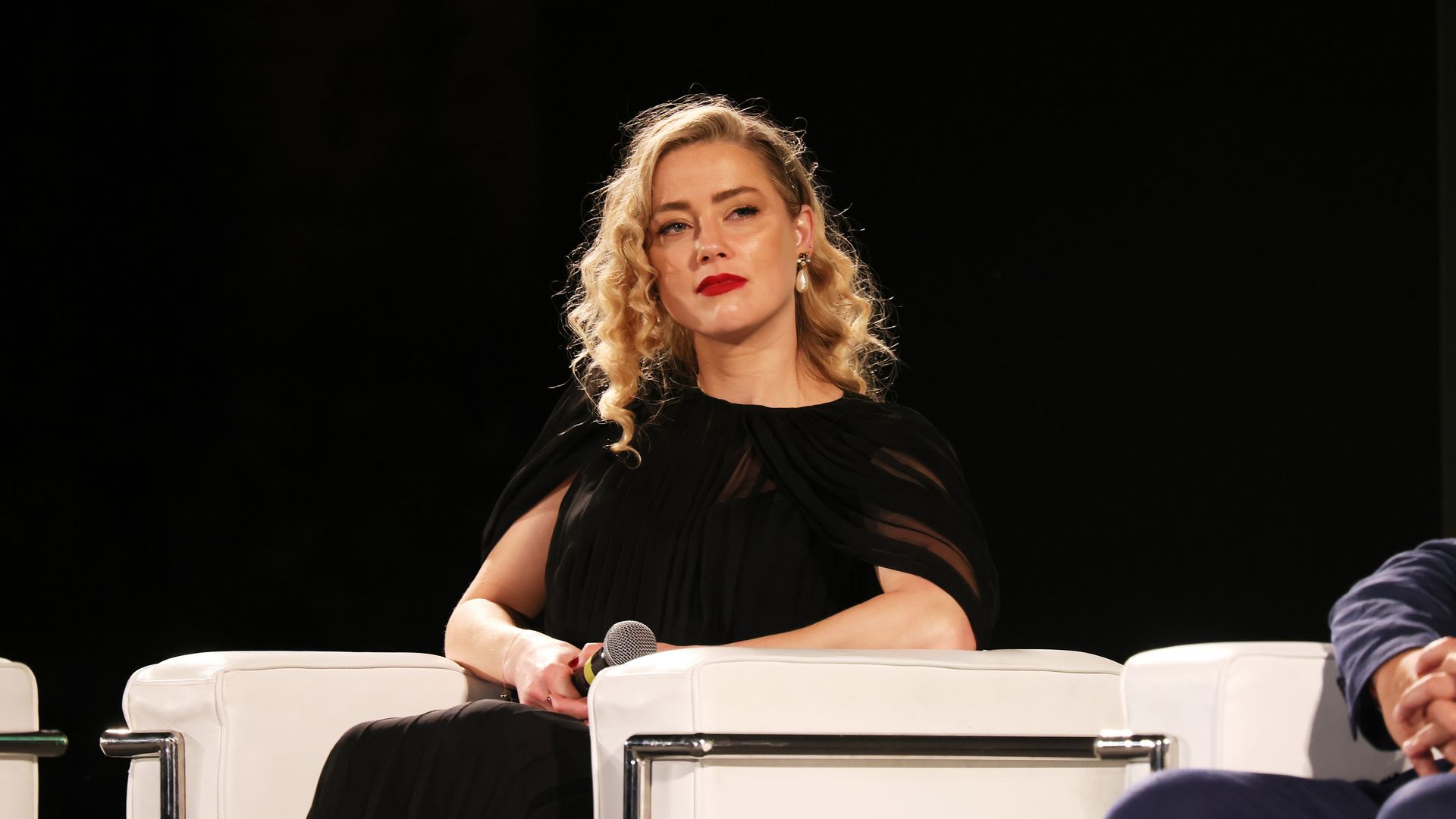
Amber Heard is stepping back into the public conversation with rare and reflective comments about her legal battles with ex-husband Johnny Depp, this time through the lens of a documentary focused on free speech and power. The actress, now 39, appears in “Silenced,” a film that examines how defamation laws can be used against people who speak publicly about their experiences.
The documentary screened at the 2026 Sundance Film Festival on Saturday, Jan. 24, drawing attention for its timely subject matter and for Heard’s decision to participate after years of intense scrutiny. Rather than revisiting courtroom drama, “Silenced” frames her experience as part of a much broader global pattern.
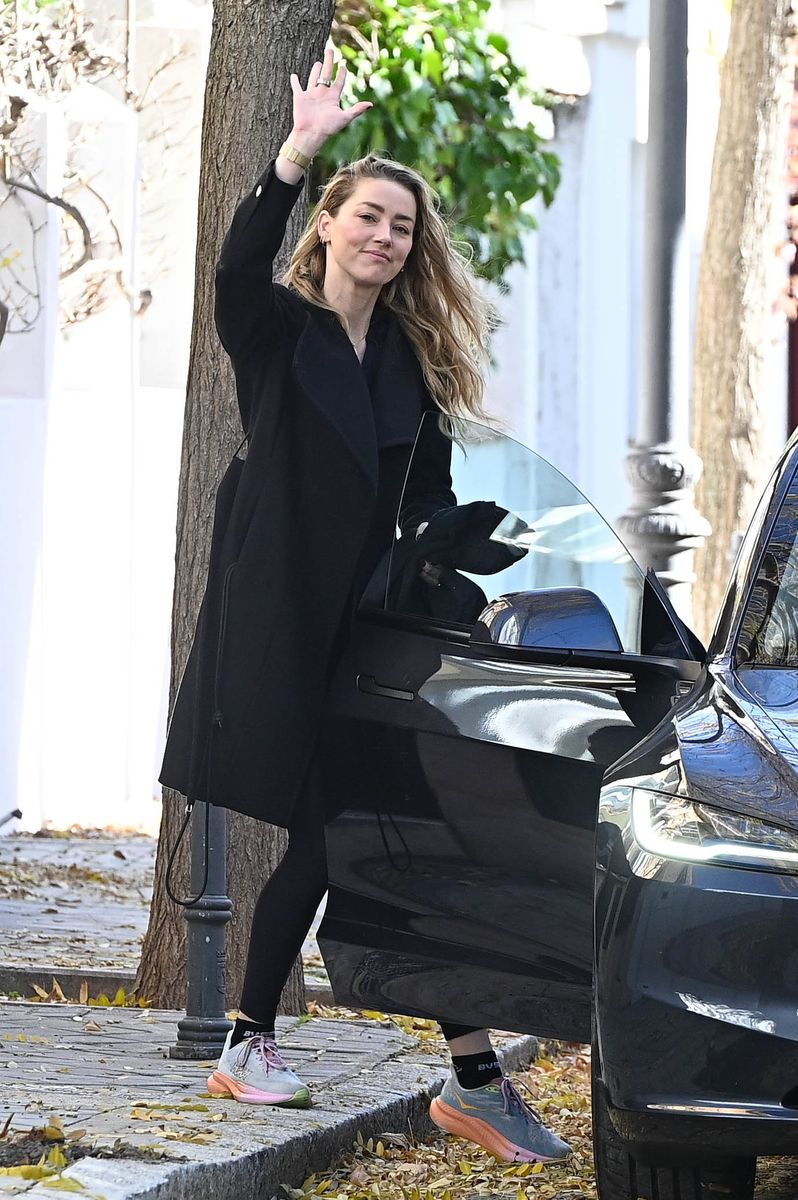 © Europa Press via Getty Images
A Documentary About Power, Speech, and Consequences
Directed by Selina Miles, “Silenced” explores how legal systems and public narratives can work to suppress voices, particularly those of women challenging powerful figures. Heard speaks candidly with Miles about the aftermath of the highly publicized defamation cases she and Depp faced, emphasizing that her involvement is not about personal vindication.
In the film, Heard explains that the experience fundamentally altered her relationship with speaking publicly. "This is not about me," Heard says. "I have lost my ability to speak. I am not here to tell my story. I don’t want to tell my story. In fact, I don’t want to use my voice anymore. That’s the problem."
Revisiting the Legal Fallout with a New Perspective
“Silenced” also features international human rights lawyer Jennifer Robinson, who worked with Heard during Depp’s lawsuit against British newspaper The Sun. That case, which centered on whether Depp could be described as a “wife beater,” became a critical precursor to later litigation in the United States.
Reflecting on the U.K. trial, Heard recounts a moment when she considered speaking to the press after proceedings concluded. At the time, she believed that enduring public hostility might make her point clearer.
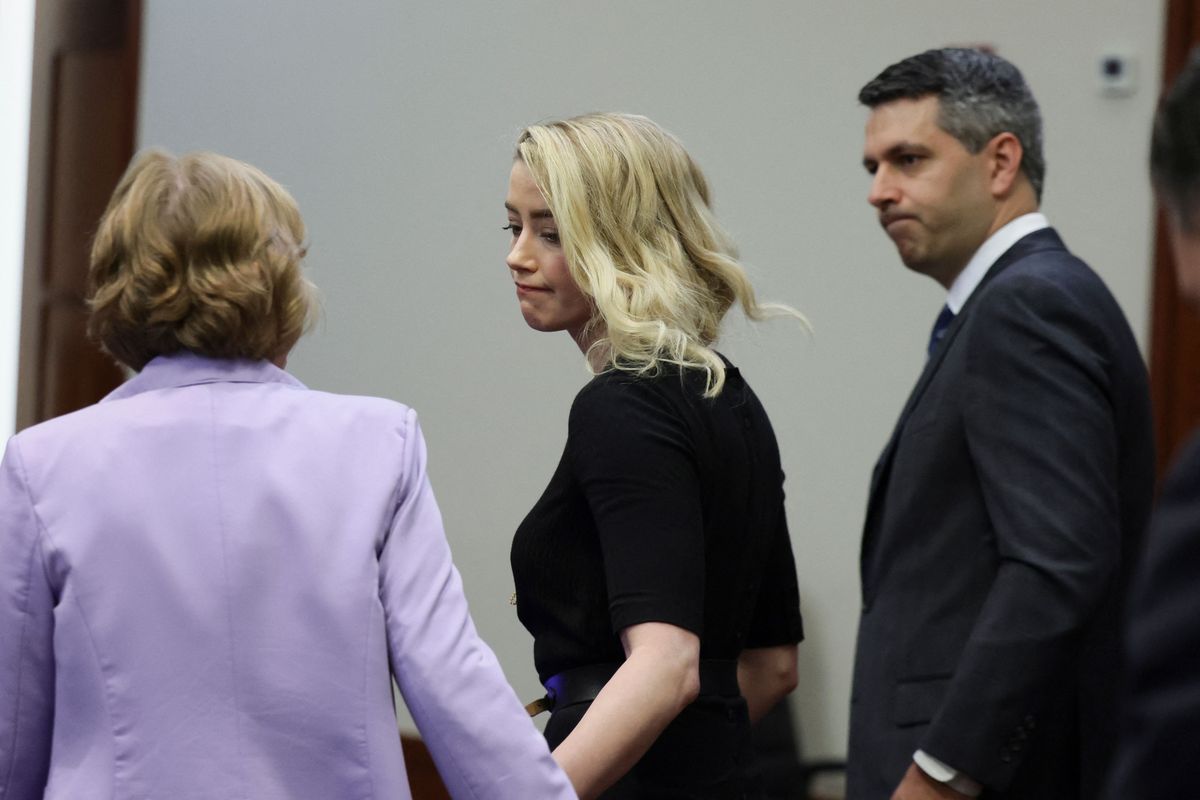 © POOL/AFP via Getty Images
"I remember at the close of the trial, the idea that I could say something to the press came up. [Robinson] asked if I was sure about that. [I thought], ‘If they throw things at me, it will make this point more obvious.’ I didn’t understand it could get so much worse for me as a woman, using my voice," she said.
In hindsight, she acknowledges that she underestimated how much worse the consequences could become for a woman who continues to speak out. The documentary uses this moment to illustrate how legal outcomes and media narratives can intersect in ways that discourage future speech.
Placing Heard’s Story in a Global Context
One of the film’s strengths is its refusal to isolate Heard’s experience. According to the Sundance Film Festival description, “Silenced” also follows Colombian journalist Catalina Ruiz Navarro and her fight for press freedom, as well as Brittany Higgins’ struggle within Australia’s political establishment. Together, these stories draw connections across borders, professions, and legal systems.
Heard also speaks about how motherhood has reshaped her outlook. She is a mom to three young children, twins Ocean and Agnes, and daughter Oonagh Paige. In the documentary, she says that seeing other women confront power imbalances gives her strength, especially as she watches her children grow and begin to engage with the world. "It gives me strength seeing other people take on the fight. Women brave enough to address the imbalance of power," she states. "Looking at my daughter’s face as she grows up and slowly starts to walk into this world … I believe it can be better."
 © @amberheard
Rather than expressing bitterness, Heard frames her experience as a source of cautious hope. She suggests that progress is possible when people continue to speak, even when doing so comes at a personal cost. This forward-looking tone aligns with the documentary’s broader message about resilience and reform.
A Brief Look Back at the Johnny Depp and Amber Heard Legal Saga
Heard and Depp separated in 2016, when Heard filed for divorce, citing irreconcilable differences and sought a temporary restraining order amid allegations of domestic violence. The divorce was finalized later that year with a $7 million settlement.
In 2019, Depp sued Heard for defamation over a 2018 opinion piece she wrote for The Washington Post about domestic abuse and public scrutiny. The six-week U.S. trial concluded with a verdict finding Heard liable on all three defamation counts related to the op ed, ordering her to pay $10.35 million in damages. Depp was ordered to pay $2 million after Heard prevailed on one count of her countersuit.
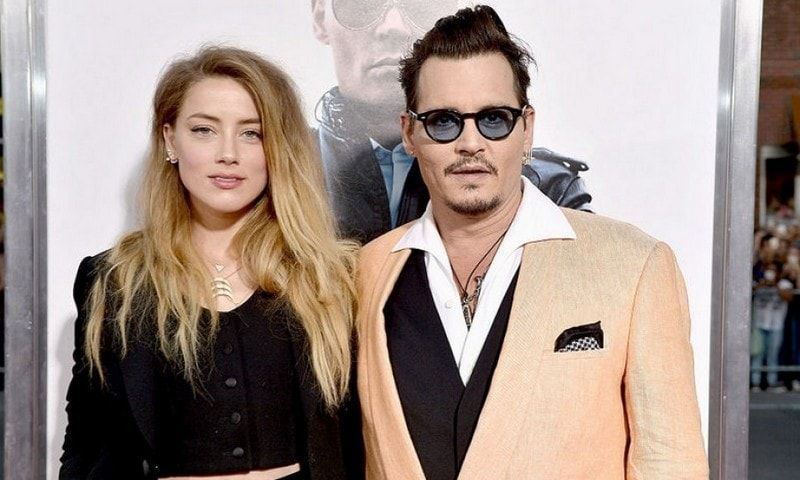 © Getty Images
Both parties initially appealed, but later reached a settlement in which Heard agreed to pay Depp $1 million, funds he pledged to donate to various charities.