In the royal world, no beauty choice is ever accidental, not even a manicure. Queen Letizia, for example, famously avoids nail polish to project natural elegance, as psychologist Ángel Luis Guillén has explained. Kate Middleton often uses fashion as a subtle tribute, nodding to Princess Diana through color or silhouette. Other queens, like Mary of Denmark and Queen Máxima of the Netherlands, embrace trend-driven shades such as bold blues, sending a message of modernity.
However, among the most symbolic royal manicures recently is Queen Rania of Jordan. During her trip to the Wadi Rum desert in southern Jordan, the queen wore a design that carried deep cultural meaning, turning her nails into a quiet yet powerful statement.
 © PPE
© PPEA protective manicure rooted in desert culture
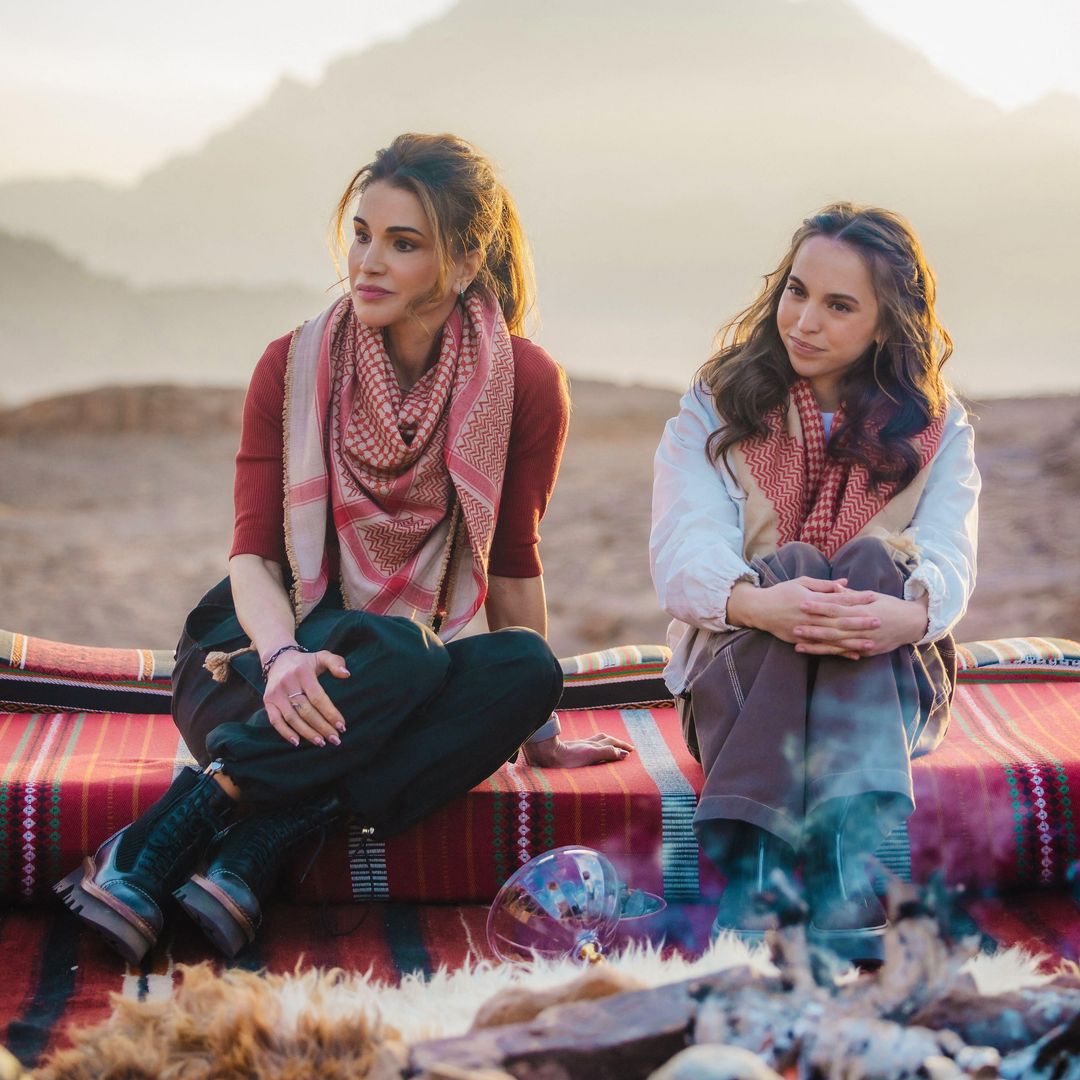
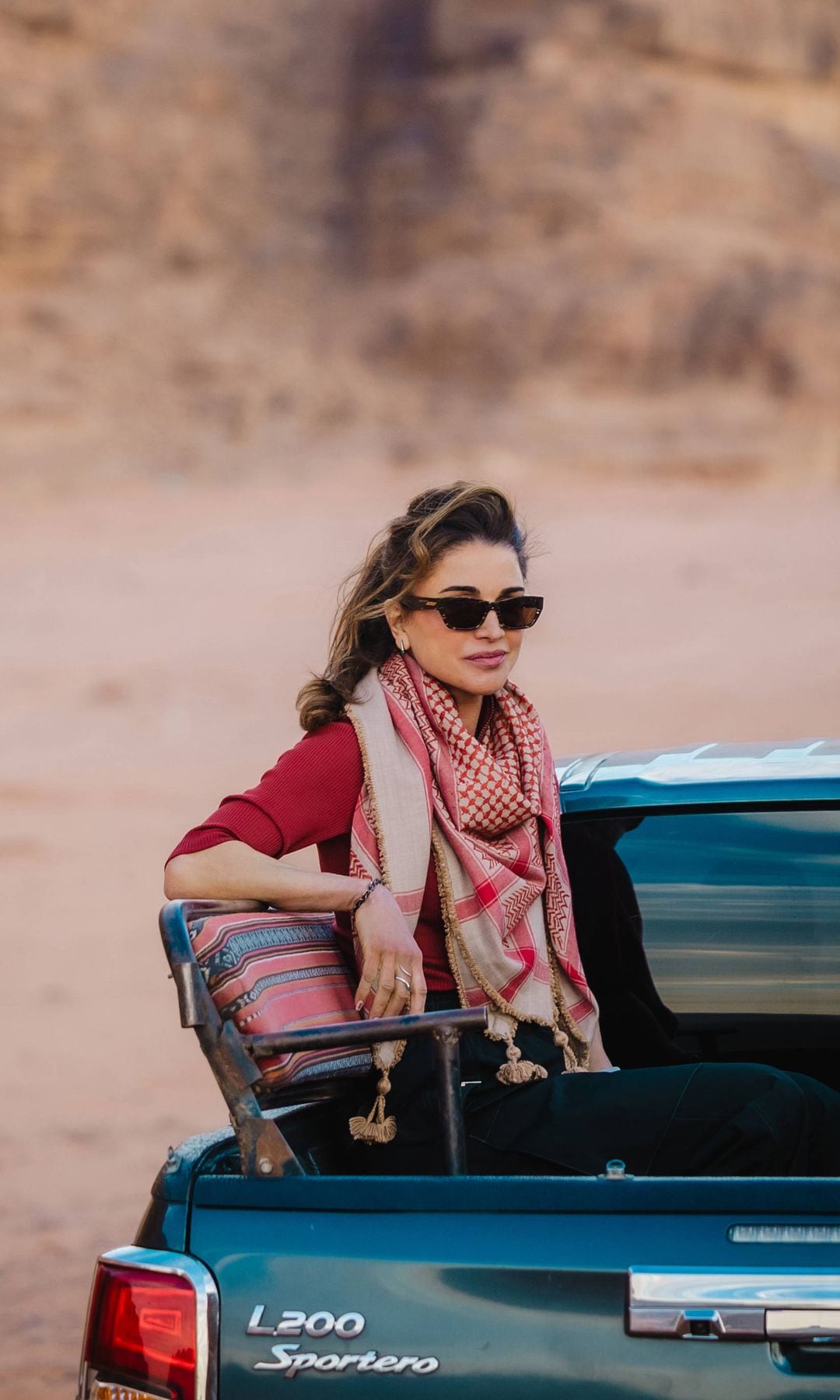
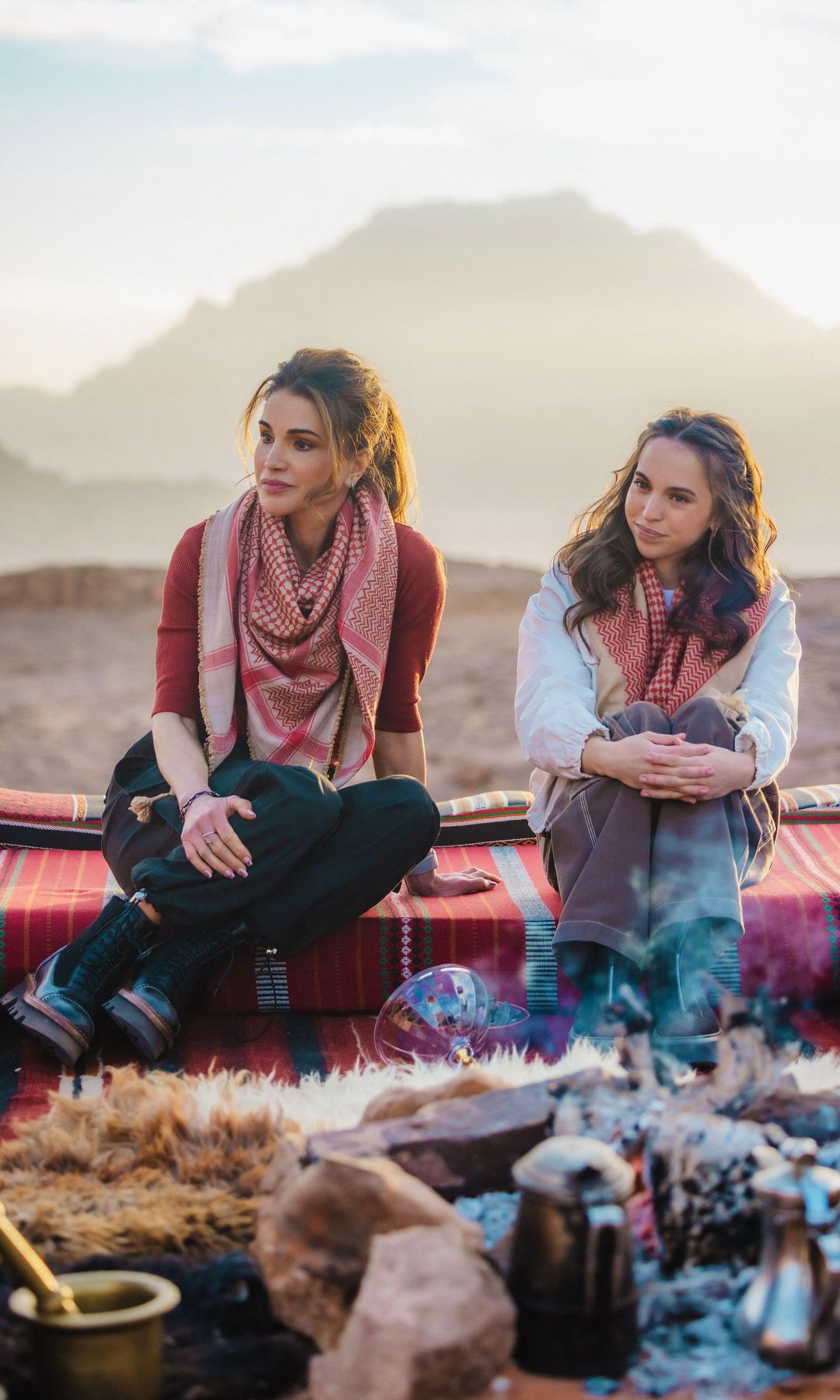
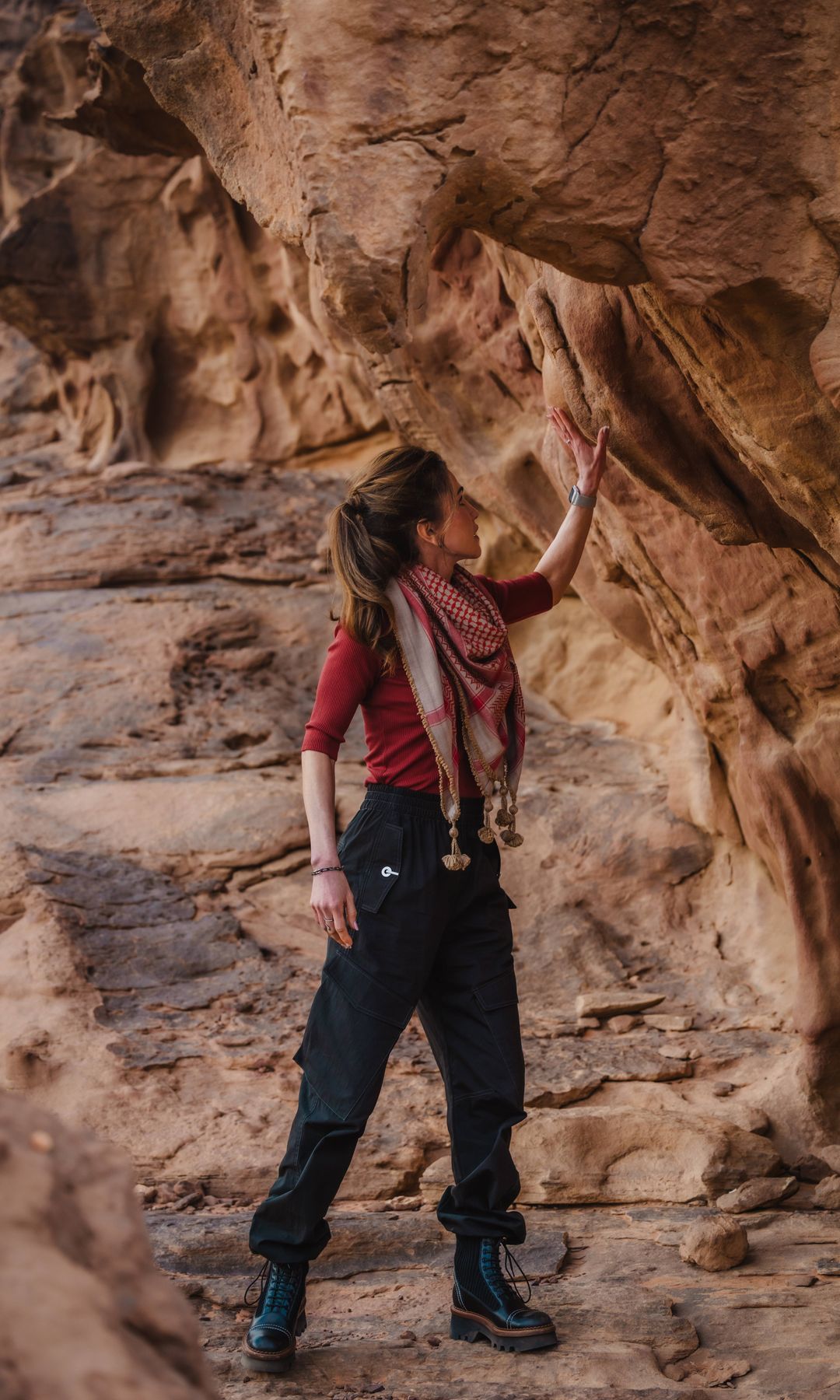
Before beginning her official 2026 agenda, Queen Rania traveled with her daughter, Princess Salma, to one of the most breathtaking places in the world: Wadi Rum, a desert region in southern Jordan recognized as a UNESCO World Heritage Site and often called the “Valley of the Moon.”
For the journey, mother and daughter opted for relaxed, practical outfits, simple clothing and boots, paired with one of the most iconic garments in Middle Eastern history: the Palestinian scarf, known as the kufiya, hatta, or shemagh. Beyond its identity and resistance symbolism, this piece is deeply practical in the desert, protecting against sun and sand.
 © Abaca Press
 © Abaca Press
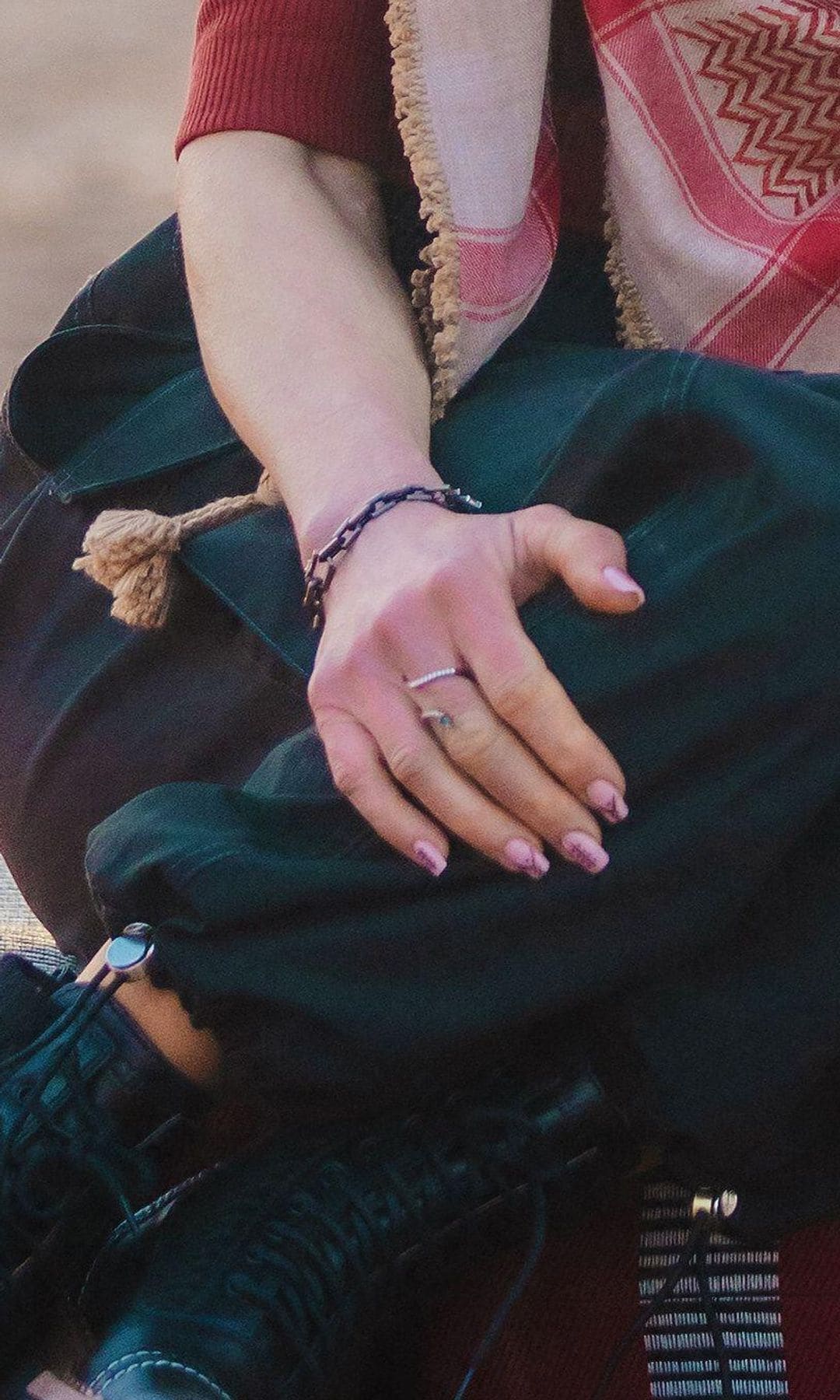
Queen Rania went one step further, however, by extending that cultural reference to her manicure. Over a soft pastel pink base, she wore delicate ethnic symbols inspired by the region’s Bedouin heritage. These motifs echo designs traditionally used by Amazigh communities and desert tribes, long seen in tattoos and jewelry.
 © PPE
© PPE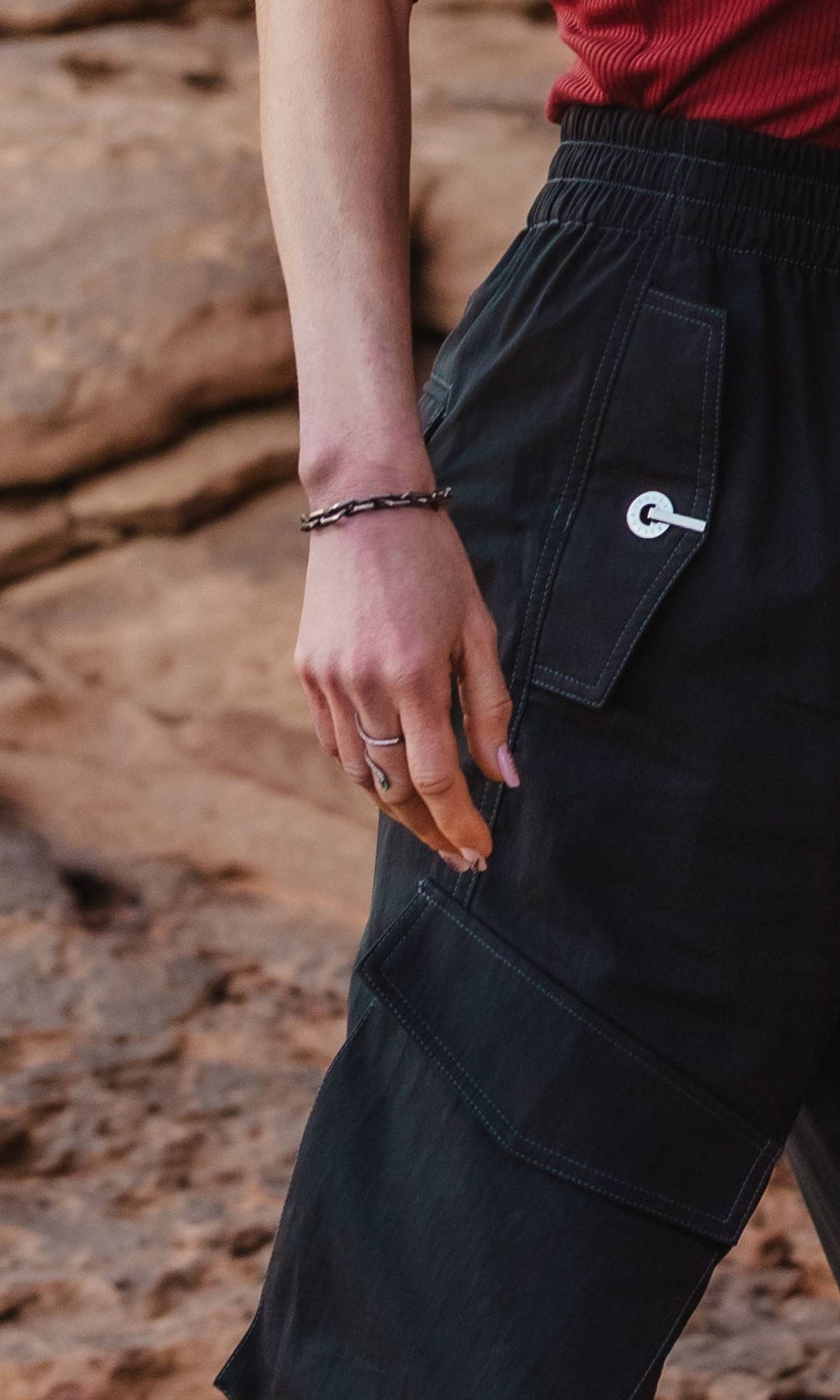 © PPE
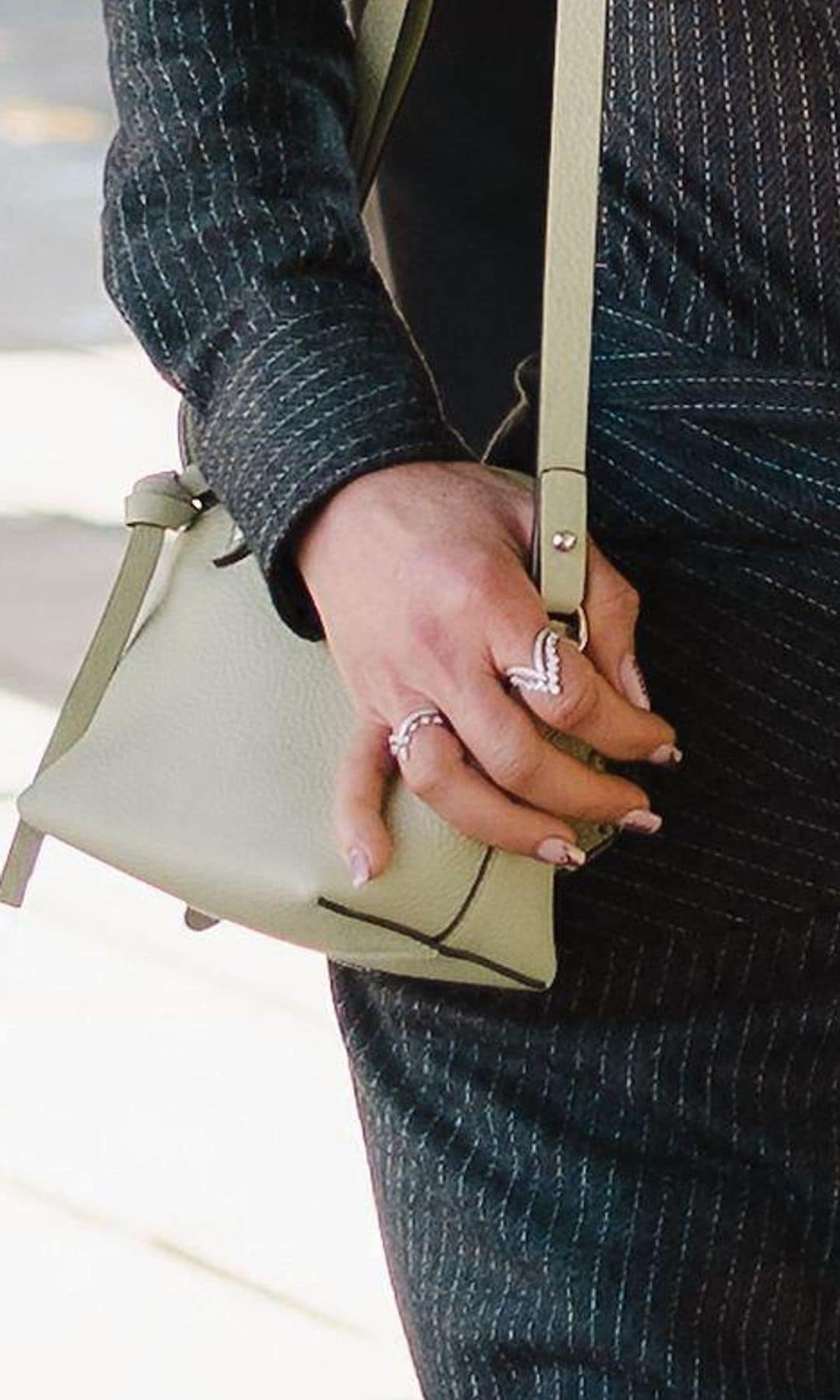
© PPEA closer look at her nails reveals symbols historically associated with land, ancestry, and sacred energy. Each mark identifies a tribe or belief, yet all share a common purpose: protection. These designs are believed to ward off negative forces and shield against the “evil eye,” acting as a bridge between the physical and spiritual worlds.
 © ABACAPRESS
 © Abaca Press
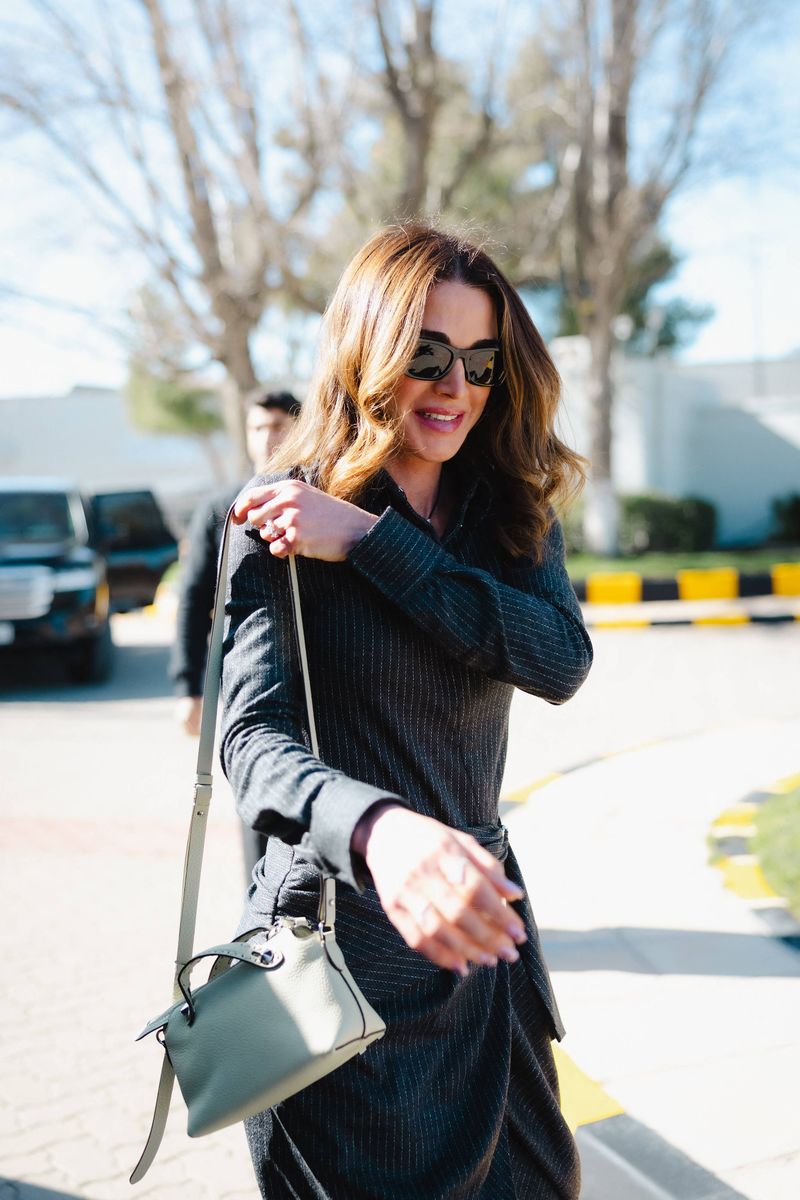
After her desert retreat, Queen Rania returned to her public duties with a visit to the Hikma pharmaceutical plant in Al Salt. She appeared in a polished, diplomatic look, a striped dress by Isabel Marant, gray Gianvito Rossi heels, and a green Fendi By The Way mini bag, while keeping the same meaningful manicure. A subtle reminder that elegance, tradition, and symbolism can coexist, even in the smallest details.