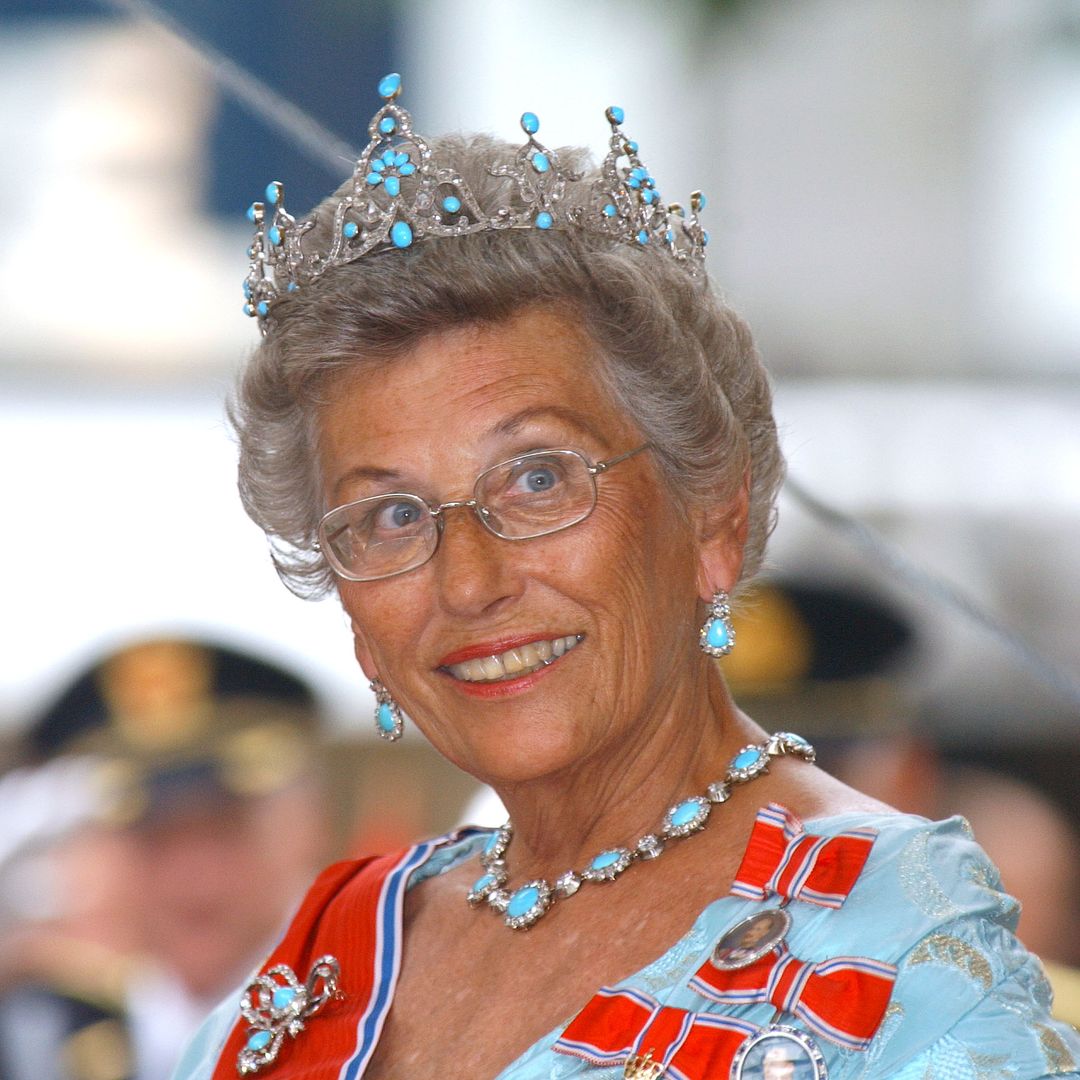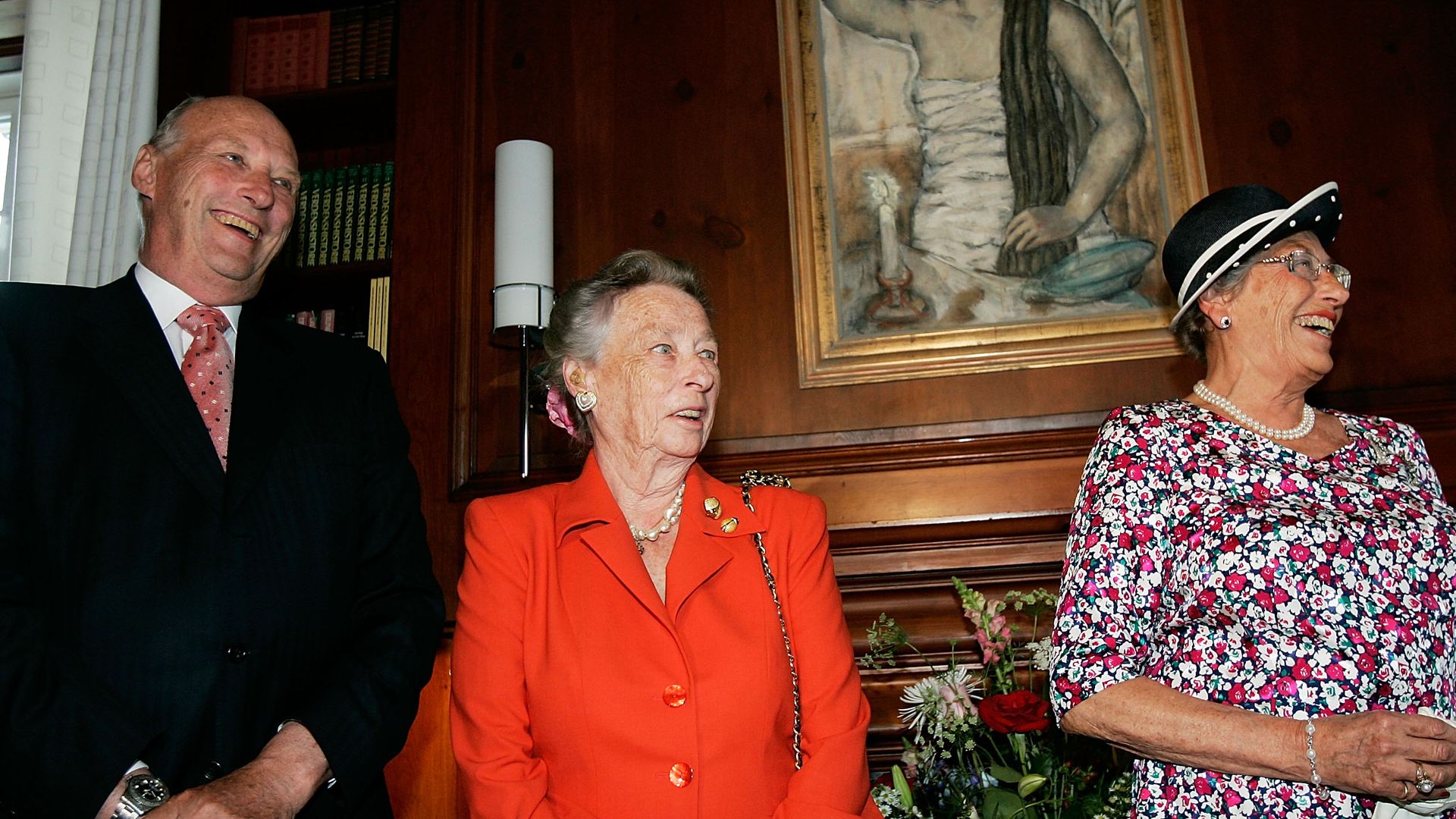
In early 2004, a Norwegian princess most of her countrymen had nearly forgotten, went on television and said what no member of the royal family is supposed to say out loud. From her home in Brazil, far removed from any official role, Princess Ragnhild turned her attention to the woman who would one day become Norway's queen. "I hope I die before the day Crown Princess Mette-Marit becomes queen of Norway. I truly hope that doesn't happen."
As it turned out, Ragnhild died 14 years before Mette-Marit took that title. But her words have outlived her, resurfacing again and again as the Norwegian monarchy has lurched from one crisis to the next. This week, they're echoing louder than ever.
 © Bettmann/CORBIS
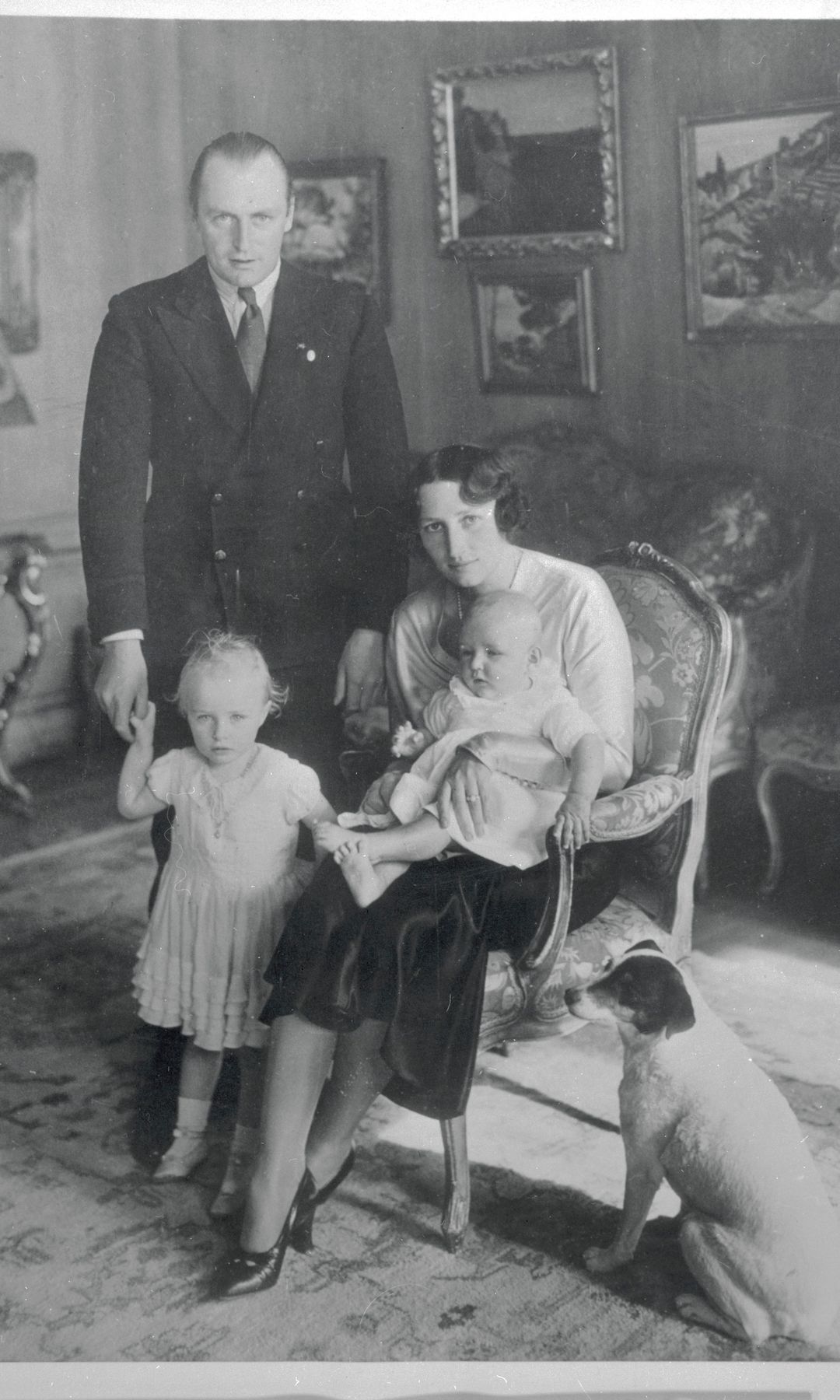
A family in mourning, twice over
Norway's royal house is grieving on top of grief. Princess Astrid died on September 11 at 94, two days after she sat in Oslo Cathedral for the state funeral of her younger brother, King Harald V.
On Wednesday, September 23, King Haakon VIII will lead the royal family in a final farewell to his aunt at Ris Church in Oslo, in a service that will be broadcast live. With Astrid's passing, the last survivor of her generation is gone.
What fewer people remember is that Harald and Astrid had another sister, a figure as controversial as she was captivating: Ragnhild of Norway.
 © Getty Images
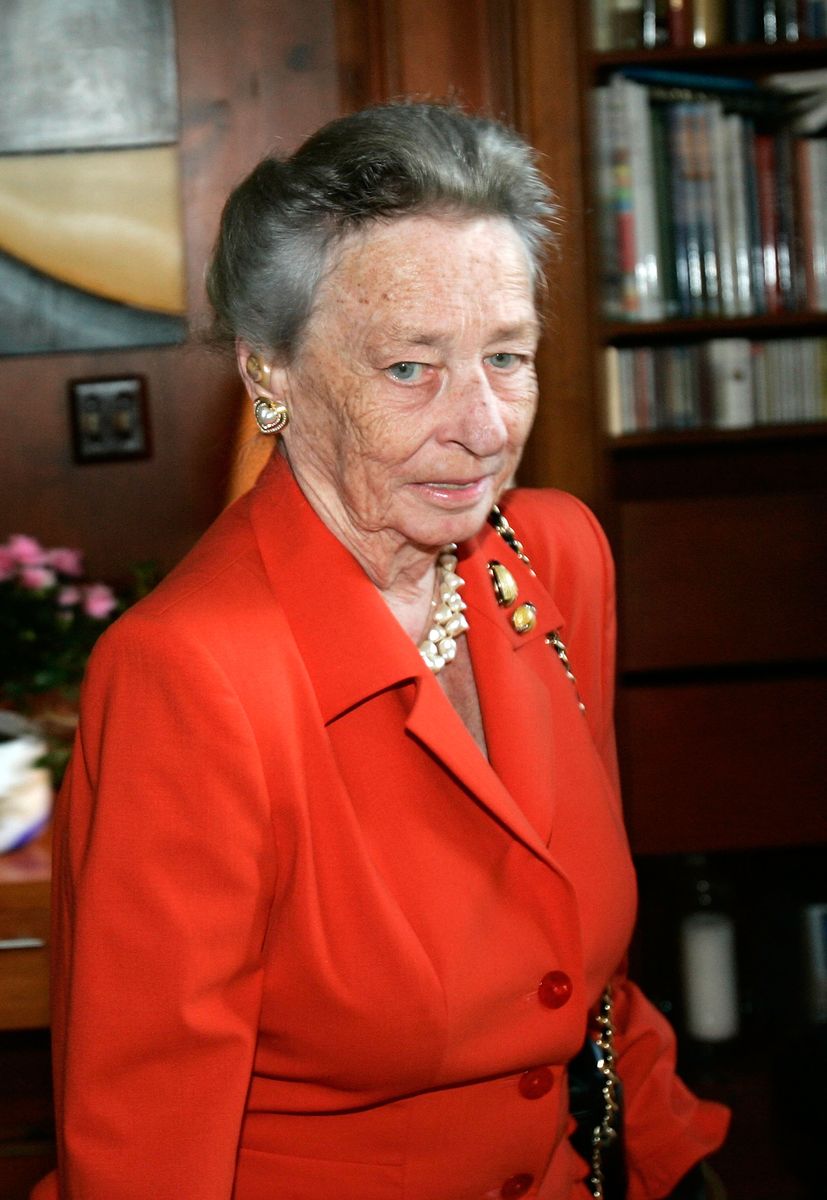
The princess who fell for her bodyguard
Ragnhild was an old-school princess, shaped by World War II and spending many years in exile. She watched her grandfather, King Haakon VII, and her father, the future King Olav V, rebuild the monarchy in an independent Norway, and early on she seemed ready, just like Astrid, to live by royal rules and serve the dynasty.
Love changed everything. Ragnhild fell for her bodyguard, Erling Sven Lorentzen, the son of a shipping magnate and a decorated veteran of Kompani Linge, the British-trained elite commando unit that fought the Nazi occupation of Norway.
Neither his family's standing nor his wartime heroism was enough to win over the court. The couple was reportedly ordered to spend a year apart. It changed nothing. They married in 1953 at Asker Church, but the social pressure was so intense that they eventually left for Brazil, where Lorentzen had business interests.
There, between Rio de Janeiro and California, they raised three children without royal titles, who in turn gave them six grandchildren.
 © Getty Images
The interview Norway never forgot
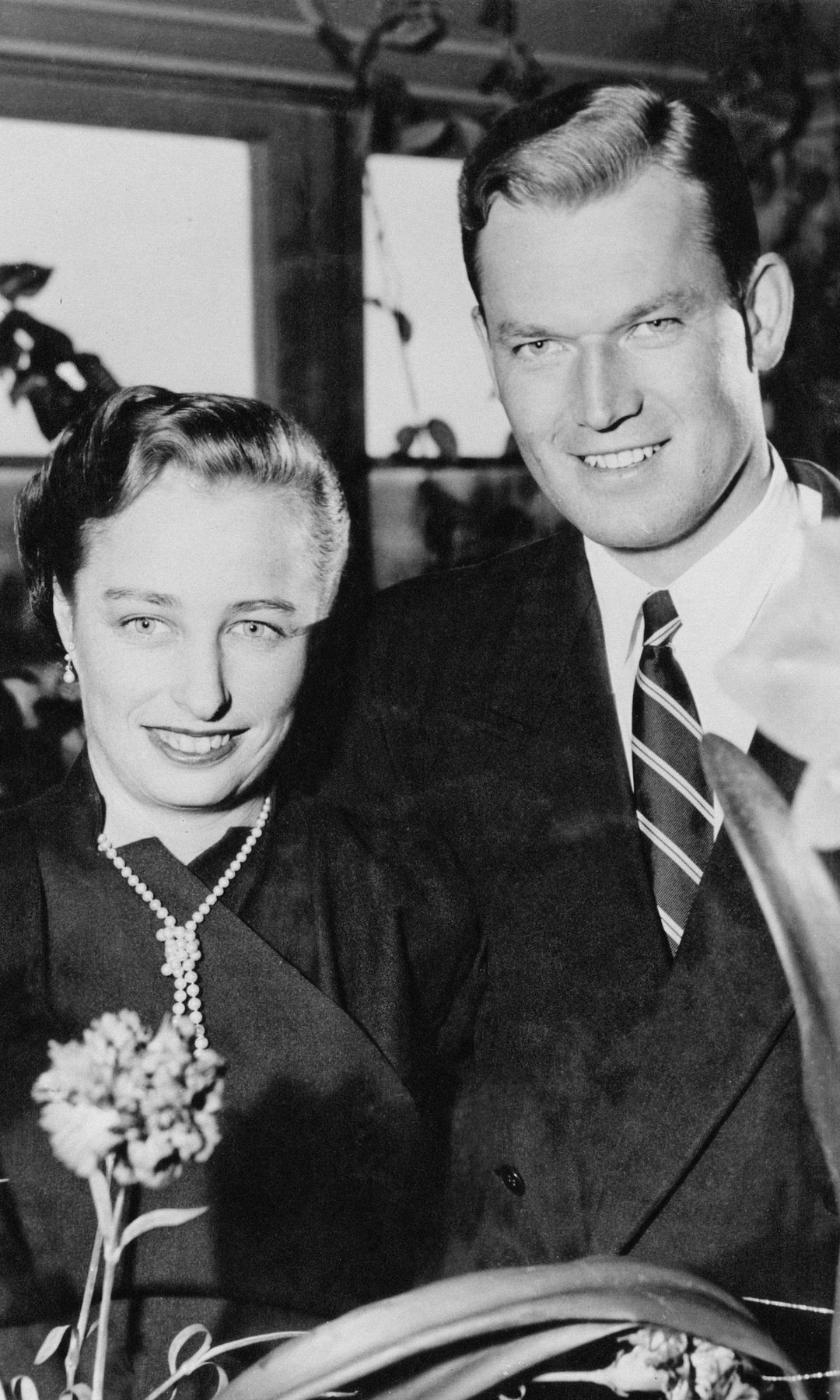
Over time, Ragnhild became the princess remembered mostly for one thing: daring to publicly criticize her brother, King Harald, for accepting his children's marriages.
She objected to Princess Märtha Louise's marriage to Ari Behn (She died without ever learning of Martha-Louise's second husband, Durek Verrett) and to Crown Prince Haakon's marriage to Mette-Marit. She also voiced concerns about how Mette-Marit's son, Marius Borg Høiby, would fit into royal life. In her view, the royal house she'd been born into had changed too much and was being poorly advised.
That 2004 interview has been replayed endlessly in recent years, as the Norwegian monarchy has weathered its deepest crisis in decades, but the context rarely comes with it. Her comments were part of a TV 2 documentary about her life in exile, recorded at her home in Rio in the fall of 2003.
While it was never confirmed, there was speculation at the time that her anger had another source entirely: the way she was treated during Harald's state visit to Brazil. According to reports, the king extended her no official invitation or special recognition, so she attended only a handful of events, introduced simply as the wife of a Norwegian businessman living in the country.
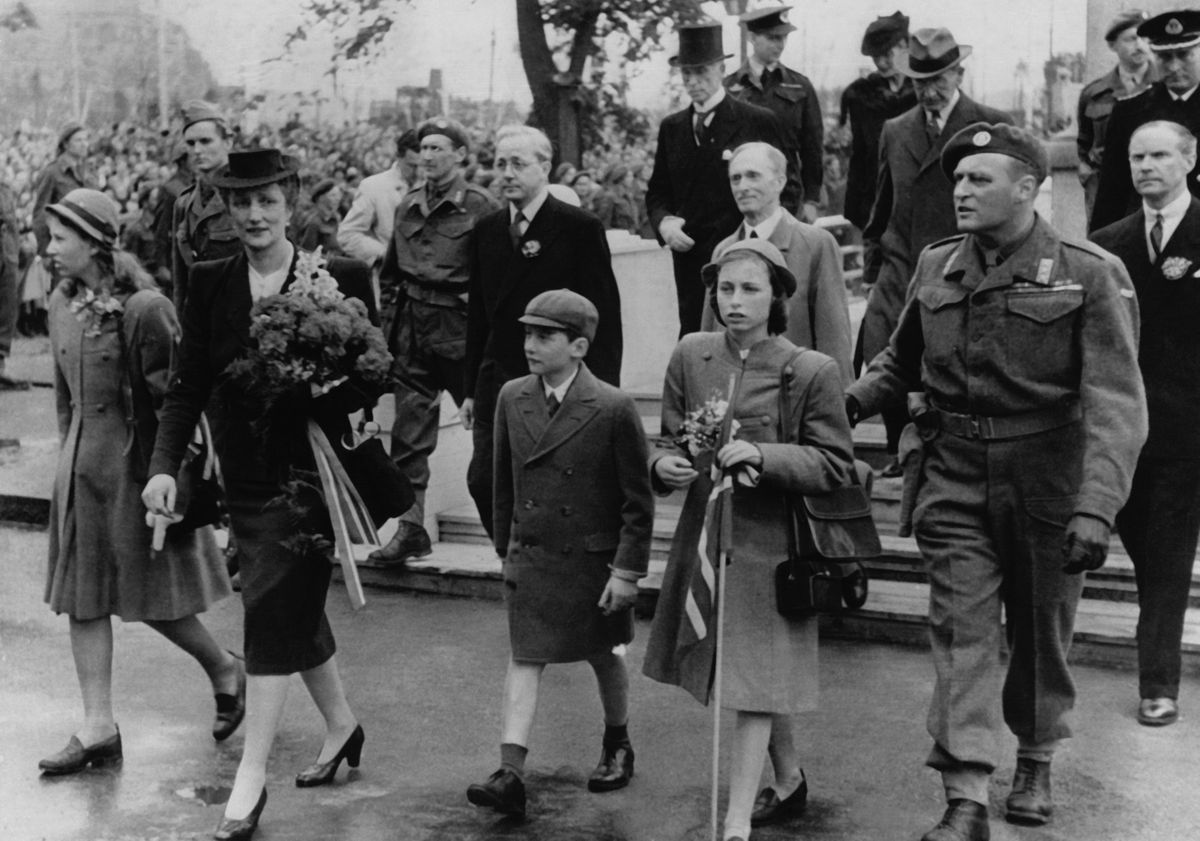 © Gamma-Keystone via Getty Images
A brooch with a story
This past March, Ragnhild's memory made a quieter appearance. On March 24, Mette-Marit, then crown princess and now queen of Norway, made a surprise return to public life after spending nearly two months out of view, days after addressing the scandal over her past friendship with Jeffrey Epstein.
Welcoming Belgium's King Philippe and Queen Mathilde for their state visit, she wore a diamond-and-pearl brooch that had belonged to Ragnhild.
The jewel's exact origins have never been officially confirmed, though royal jewelry experts believe it originally belonged to Queen Maud. It was Ragnhild's favorite brooch, one she wore in official portraits and at the most important occasions of her royal life. As the firstborn child of King Olav V, Ragnhild was a princess of real standing in her youth, even though Norway's succession law at the time, which reserved the throne for men, kept her out of the line of succession.
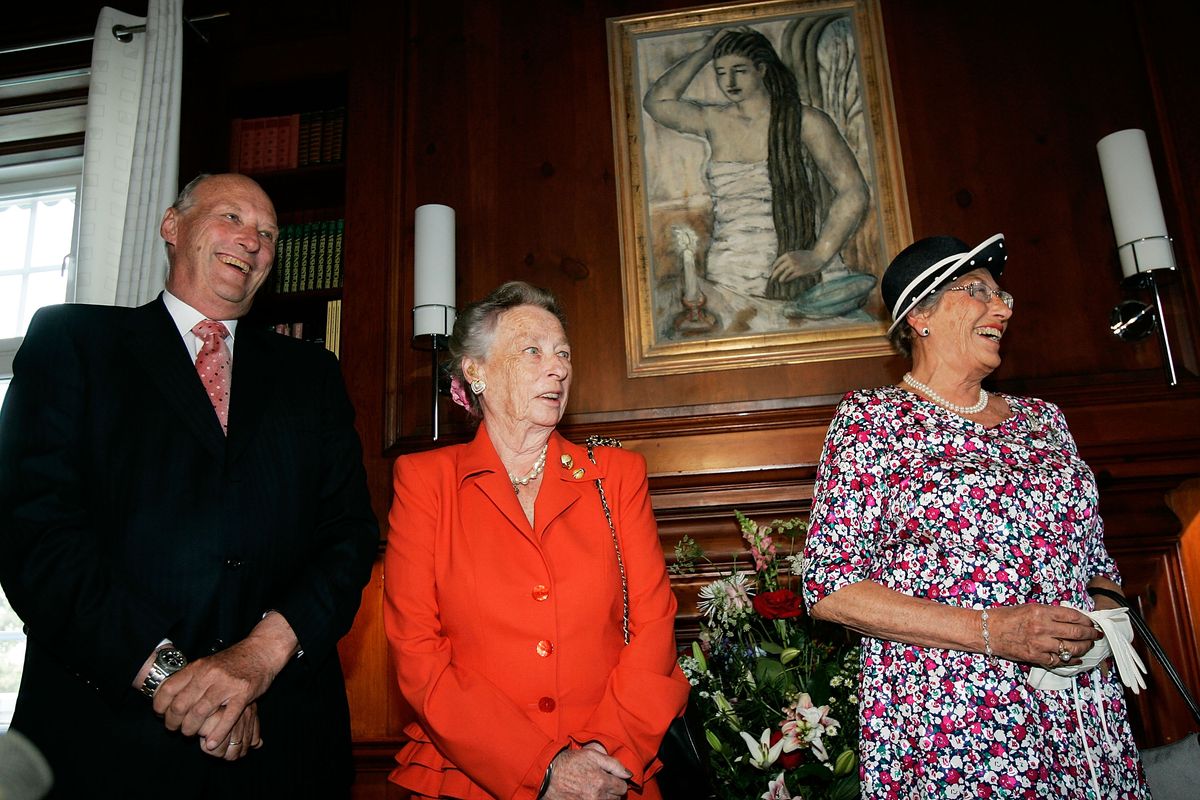 © Getty Images
A final journey home
Ragnhild died of cancer on September 16, 2012, at her home in Rio de Janeiro. Harald and Astrid received her body in Oslo. Alongside her husband, who lived until 2021, and her children, she was given a princess's funeral in the Royal Palace Chapel.
She was laid to rest at Asker Church, the same church where she'd married the bodyguard she refused to give up. Today, Erling Lorentzen lies beside her.