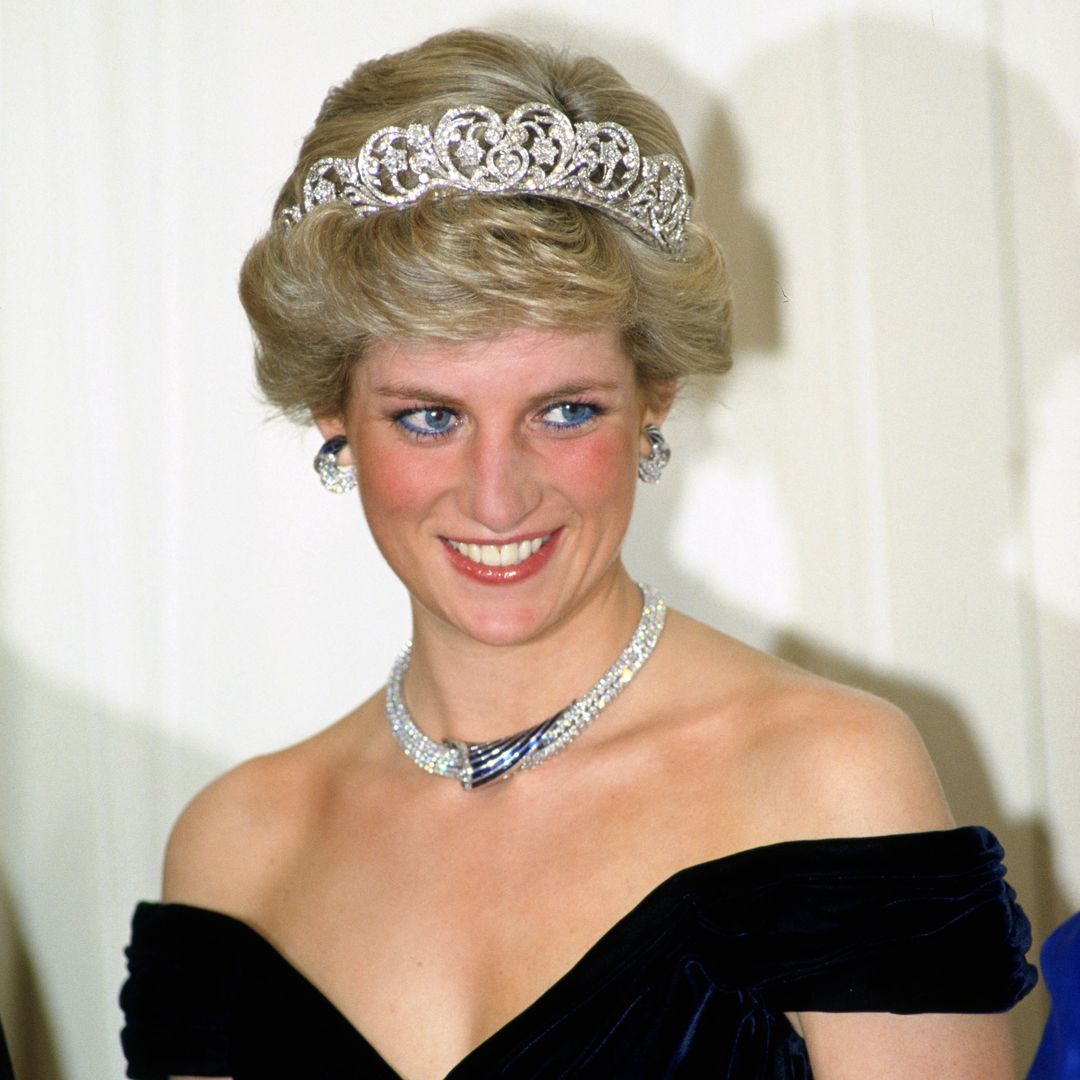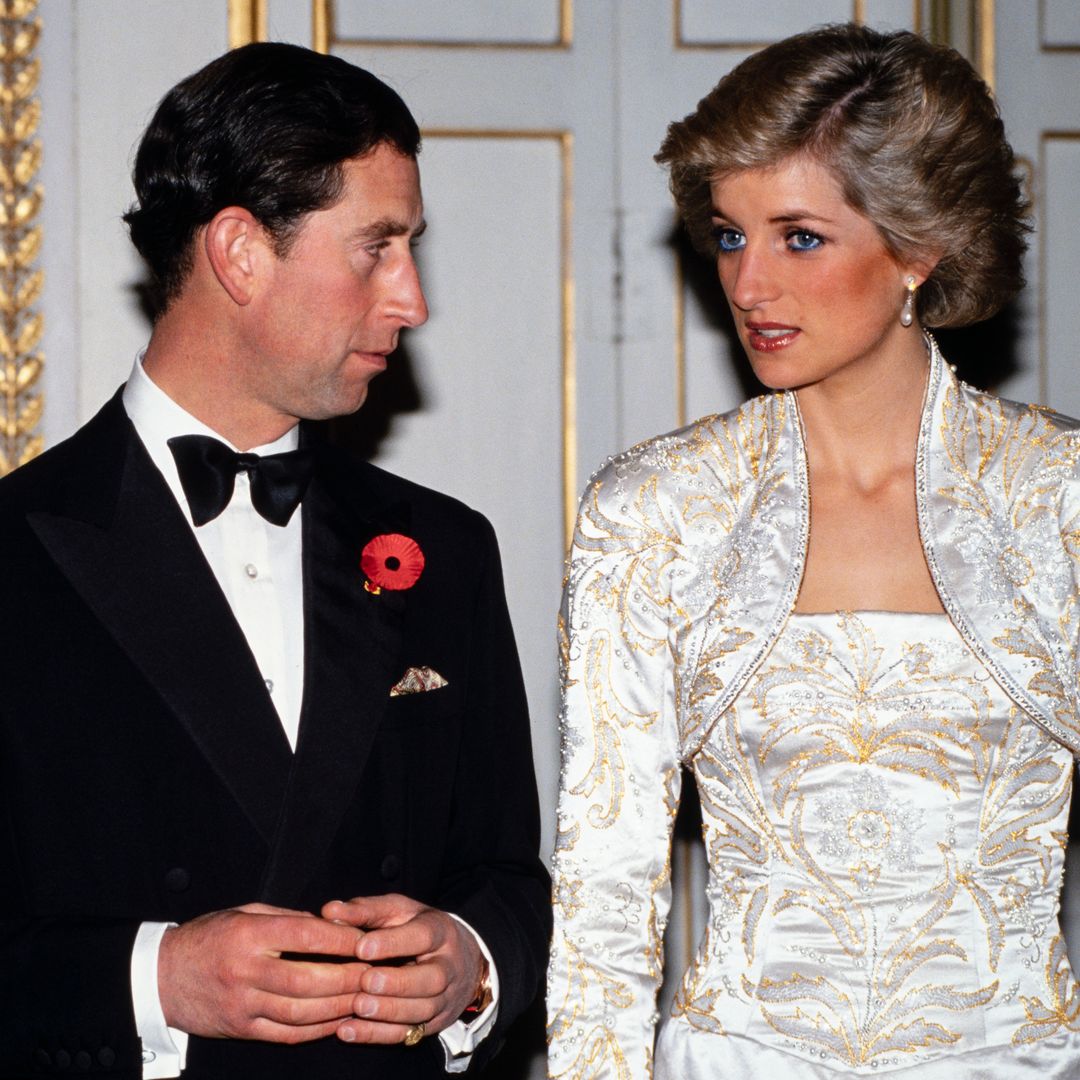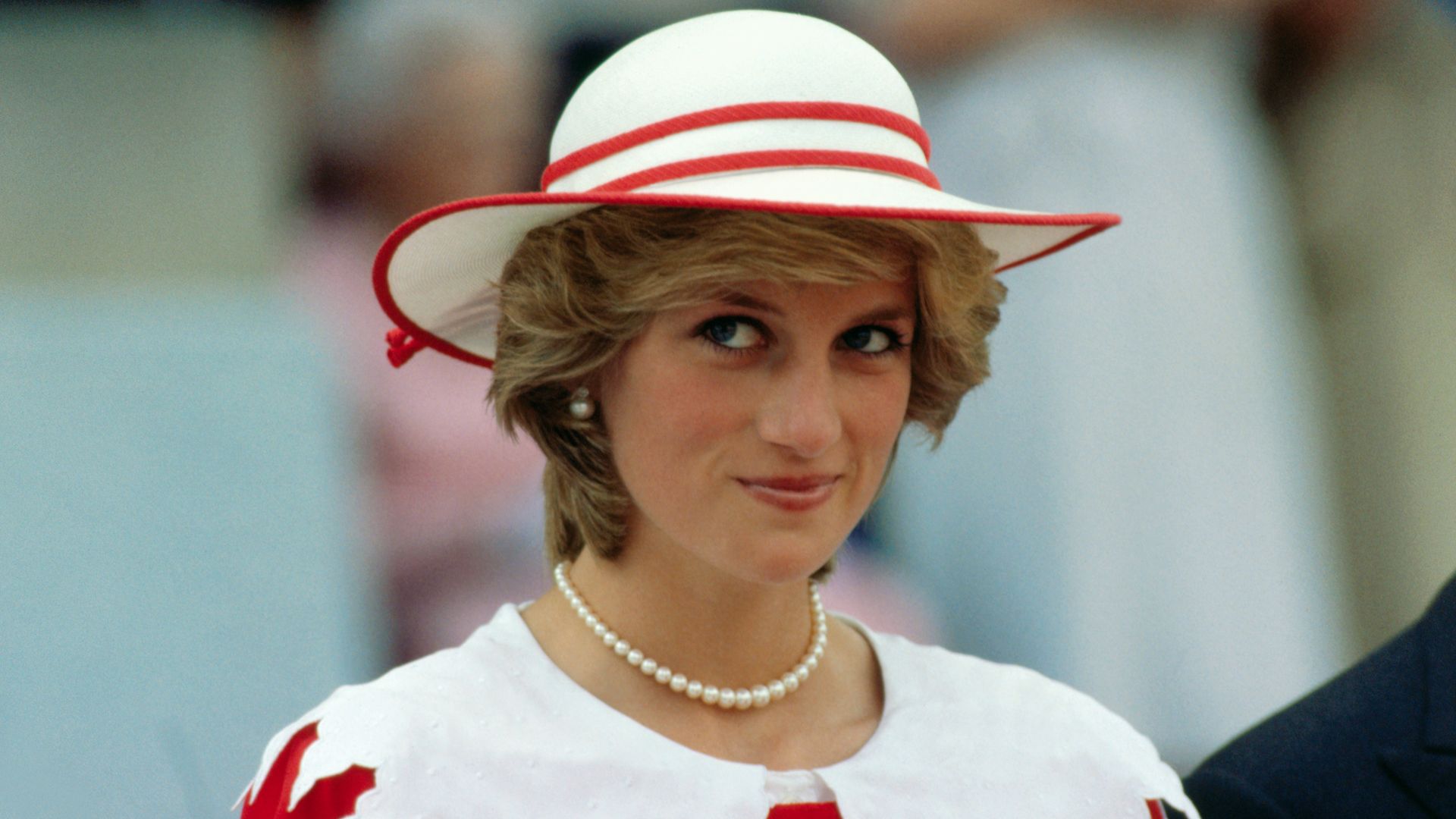
Princess Diana is one of the most discussed figures of the 20th century. Due to her tragic death, involvement with royalty, and notorious divorce, many myths surround her. Her brother, Prince Charles, would like to lay one to rest.
 © Tim Graham Photo Library via Get
The 9th Earl Spencer just published a memoir titled "Swan Song: Diana, My Sister," where he's shared his side of the story when it comes to Diana and the many stories that surrounded her.
In an interview with PEOPLE, he wanted to get one thing straight: Diana had a happy childhood.
“The childhood I remember us sharing was a really happy one,” he said. “Of course, there was the blight of my mother leaving home, but my father was a really caring father and made the house really joyful."
 © Anwar Hussein
Charles revealed that he spoke to people who knew Diana when she was a young girl, discovering that others also shared that perspective.
“We had a really lovely nanny called Sally and … she remembered Diana as this very happy little girl,” he said.
Still, he acknowledged that no one really knew what Diana was going through except herself. “So maybe there was stuff going on inside that was more personal than she was processing, but at the time I think we seemed very happy,” he said.
Charles' memoir has sparked a rare response from the Royal Palace
 © David Levenson
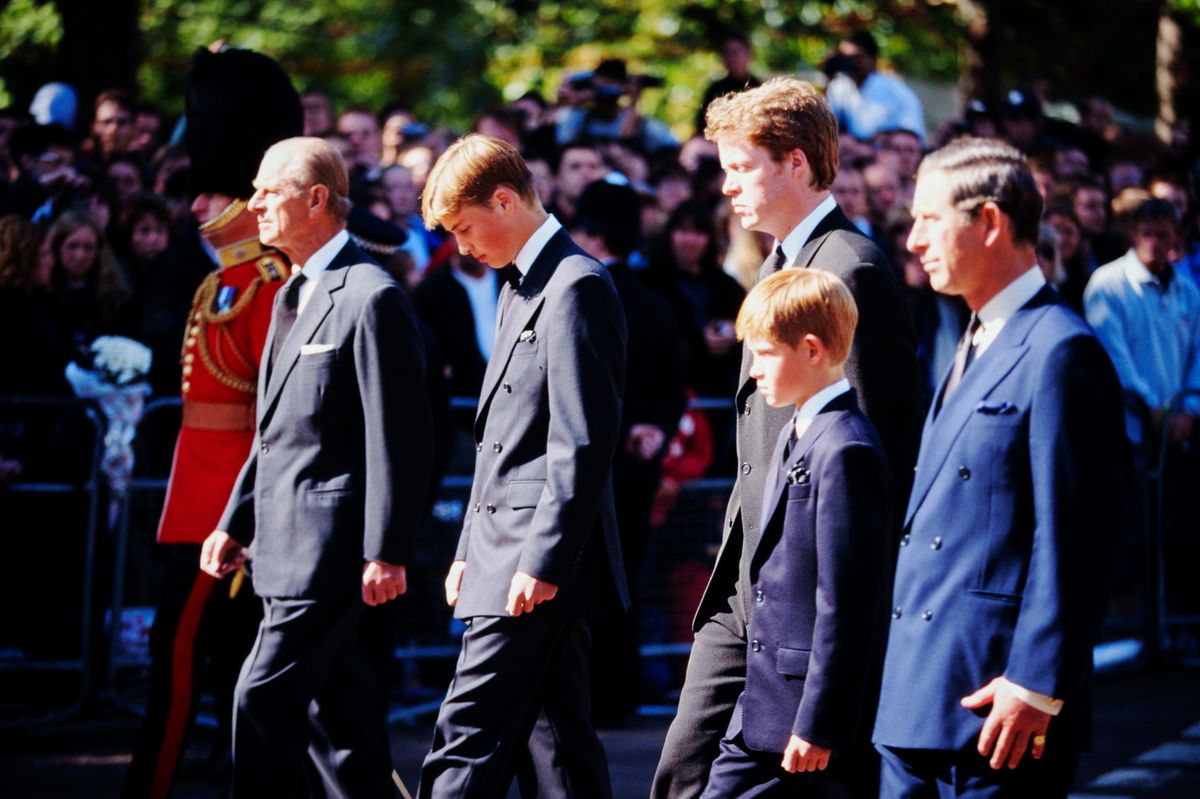
Published on September 22nd, "Swan Song: Diana, My Sister," features numerous stories about Diana, including some incendiary claims about Prince Charles, including a heated phone call debating whether Prince William and Prince Harry should walk behind their mother's coffin at her funeral.
According to Spencer, he opposed the idea, while Charles believed the opposite. “Rest assured,” Charles reportedly told Spencer. "We’ll forget her soon enough!”
“I can’t believe you just said that," Spencer reportedly replied. He then hung up the phone.
The book's publication prompted Buckingham Palace to share a statement, something that they rarely do. “While we do not comment on books as a matter of principle, His Majesty is mindful that the pain of fraternal grief can cloud reason, affect judgment and colour memory in ways others do not recognise, even many years after such a loss,” said the palace spokesperson.
 © Richard Baker