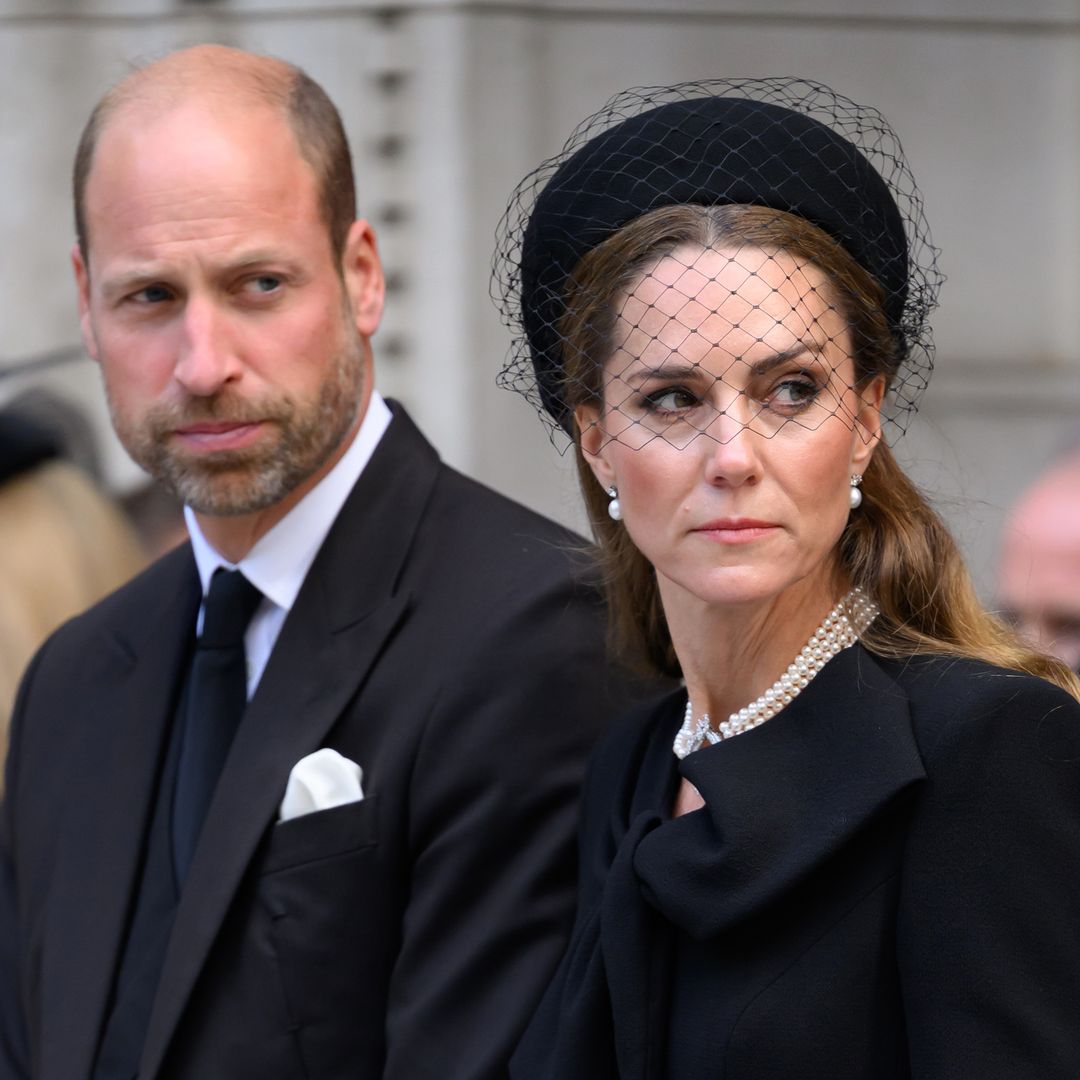
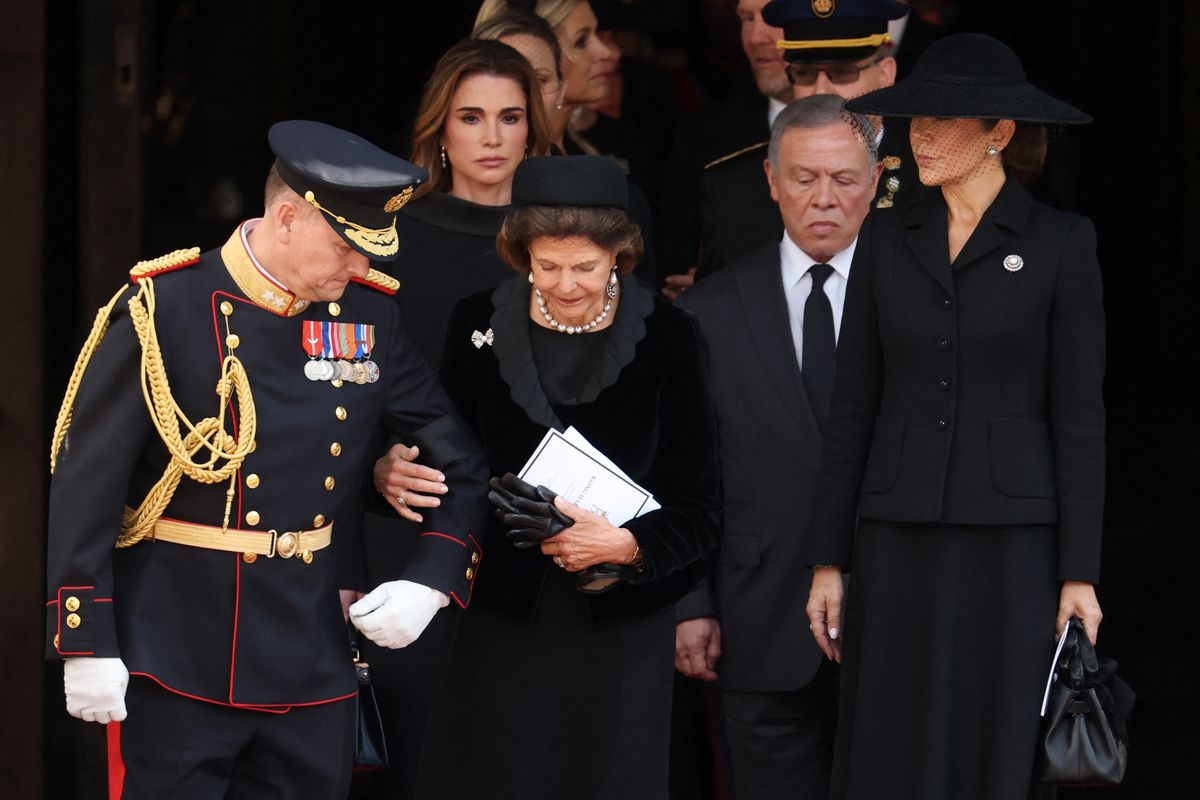
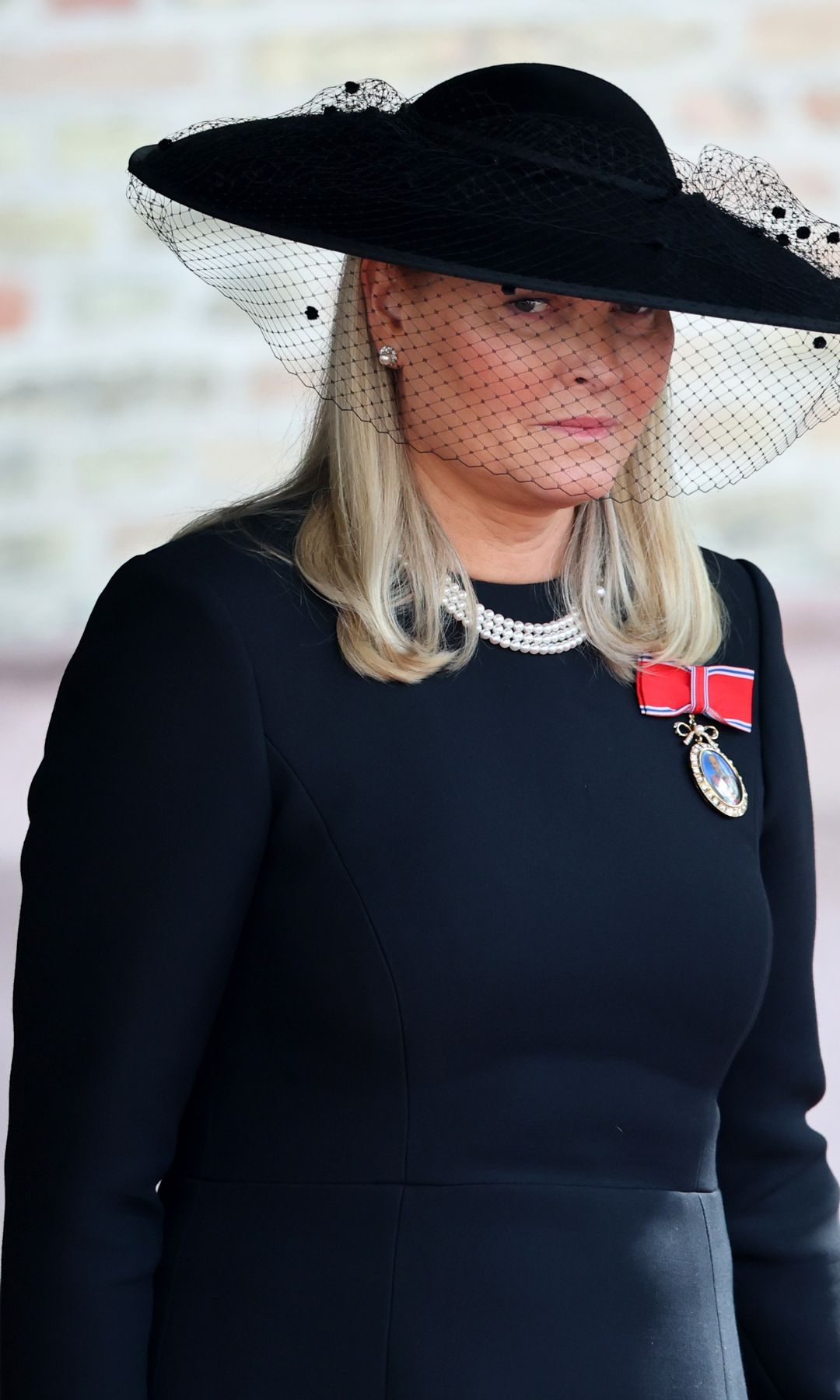
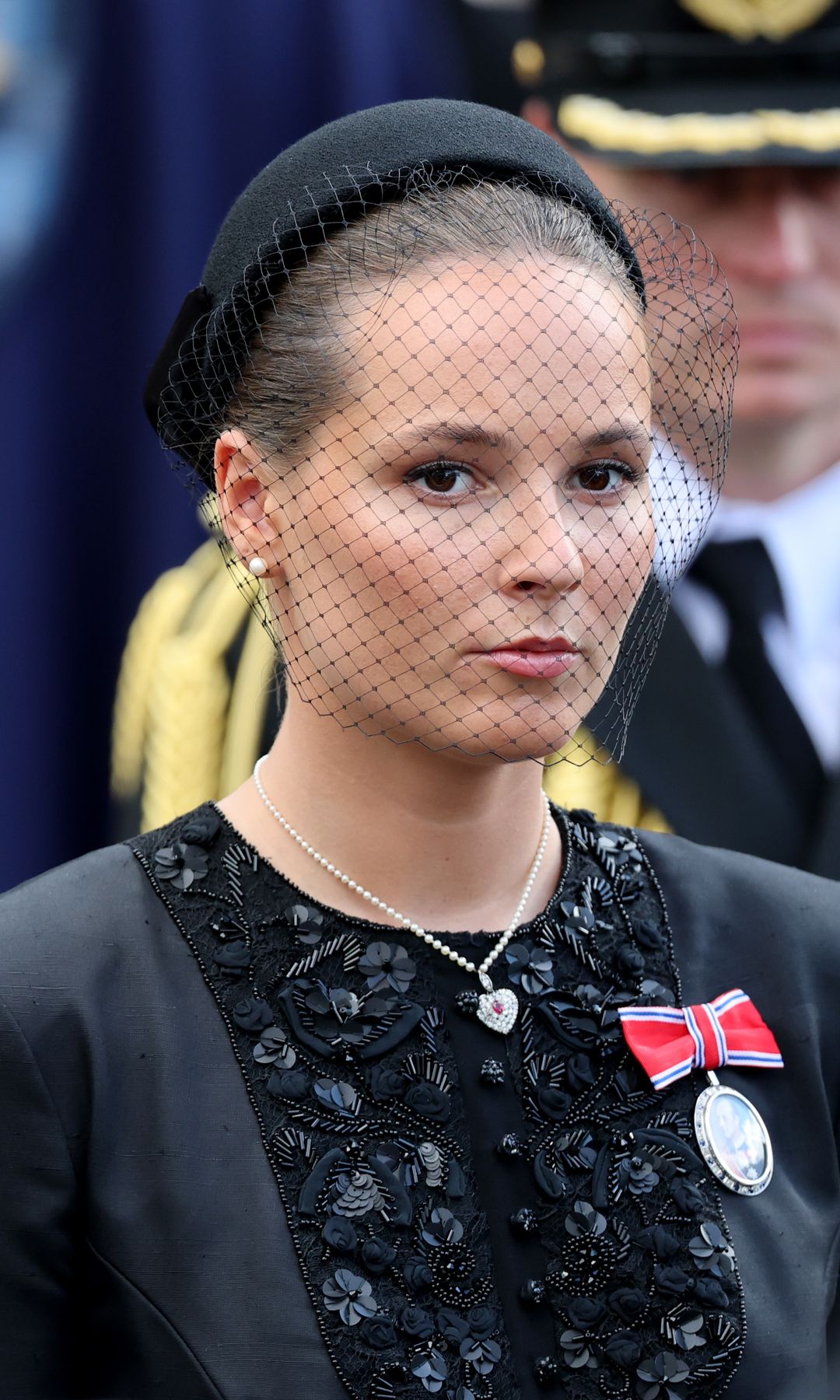
As the world watches King Harald V’s funeral today, royals from across Europe and beyond have gathered in Oslo to pay their respects. Along with the solemn ceremony and historic traditions, one detail is impossible to miss: the sea of black worn by royal mourners as they say their final farewell to the Norwegian monarch.
Royal mourning attire is far more than a matter of formality. From black dresses and veils to military uniforms, medals and carefully chosen accessories, what royals wear to a funeral is shaped by centuries of protocol, symbolism and tradition.
 © ODD ANDERSEN
So, as royal families come together in mourning for King Harald, we take a closer look at why royals wear black, the rules they are expected to follow and the history behind royal funeral dress codes.
 © Chris Jackson
 © Chris Jackson
Mourning period
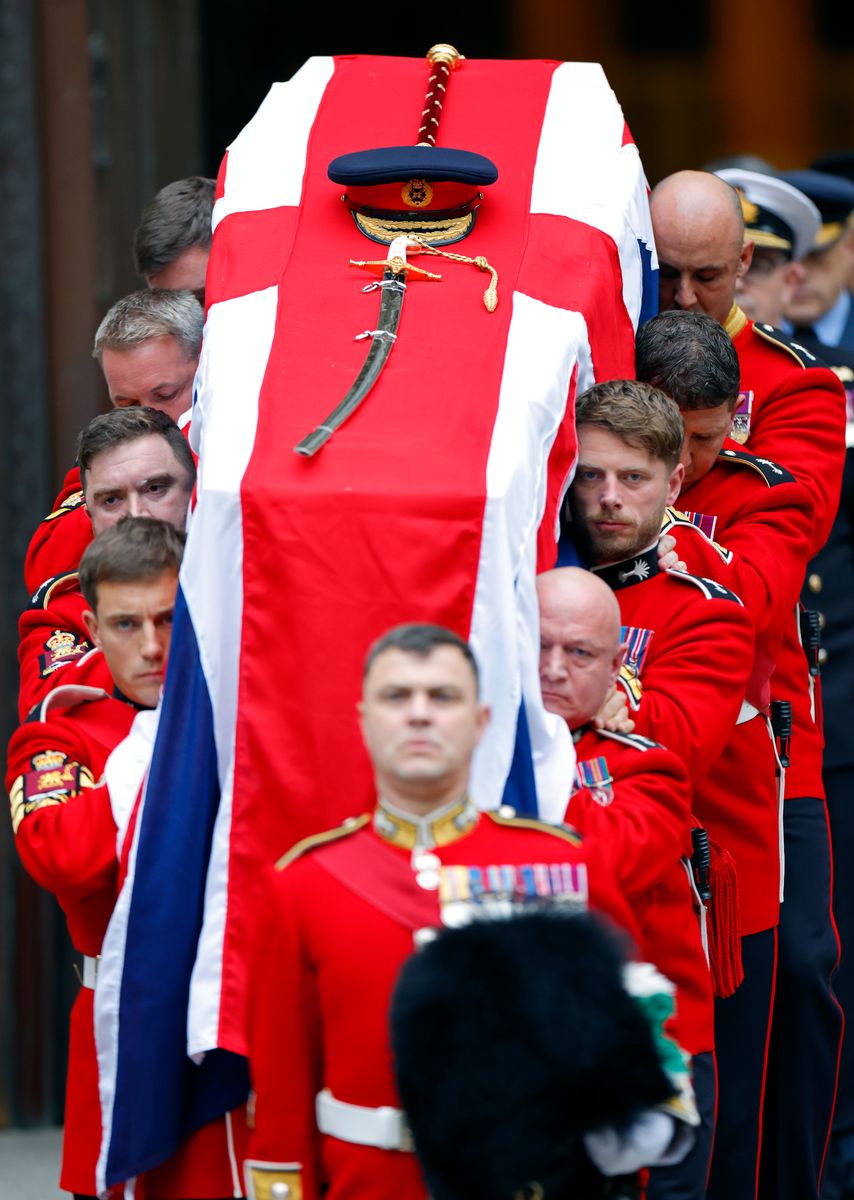
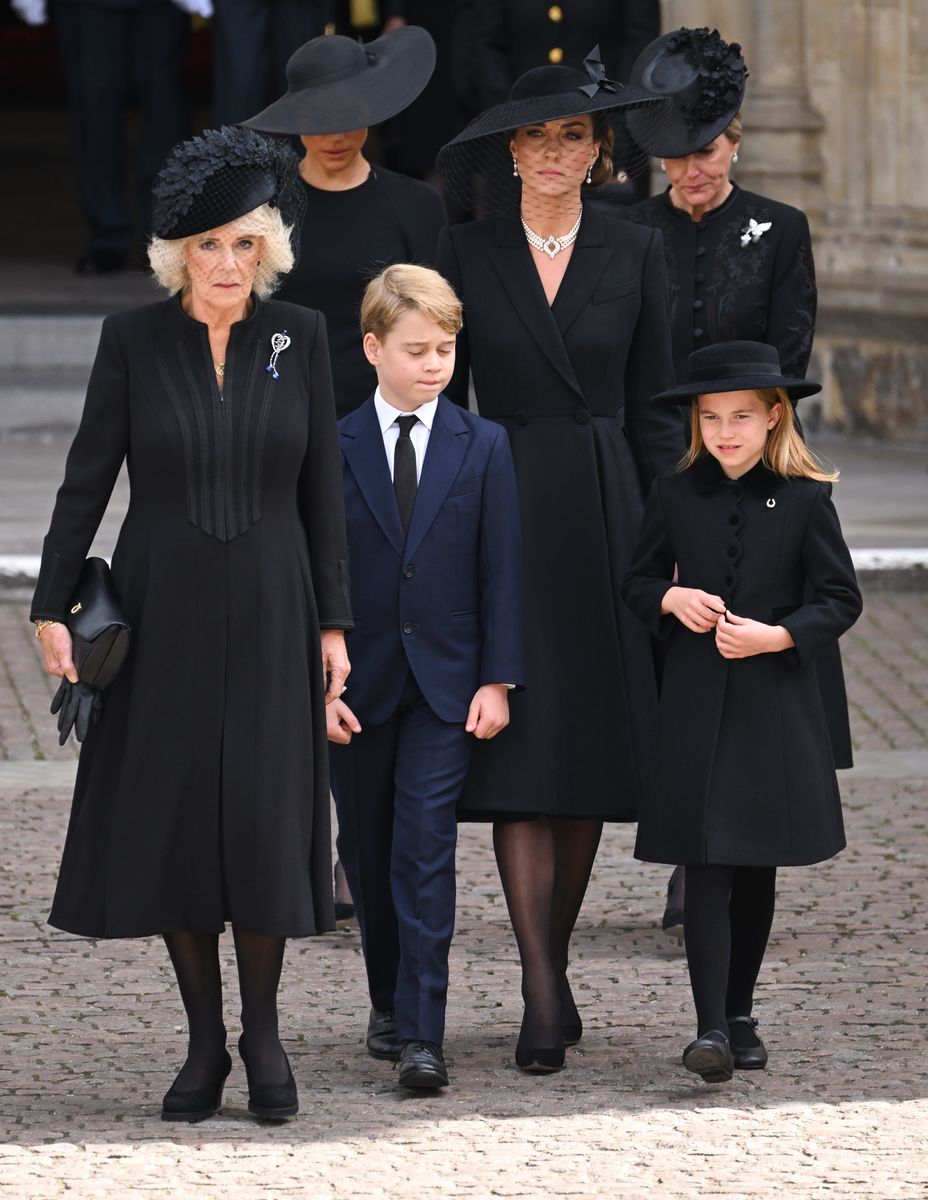
Members of the British royal family wore mourning attire, including formal black outfits and military medals, in the days following the death of Queen Elizabeth II at age 96 in 2022.
 © Max Mumby/Indigo
Military uniforms
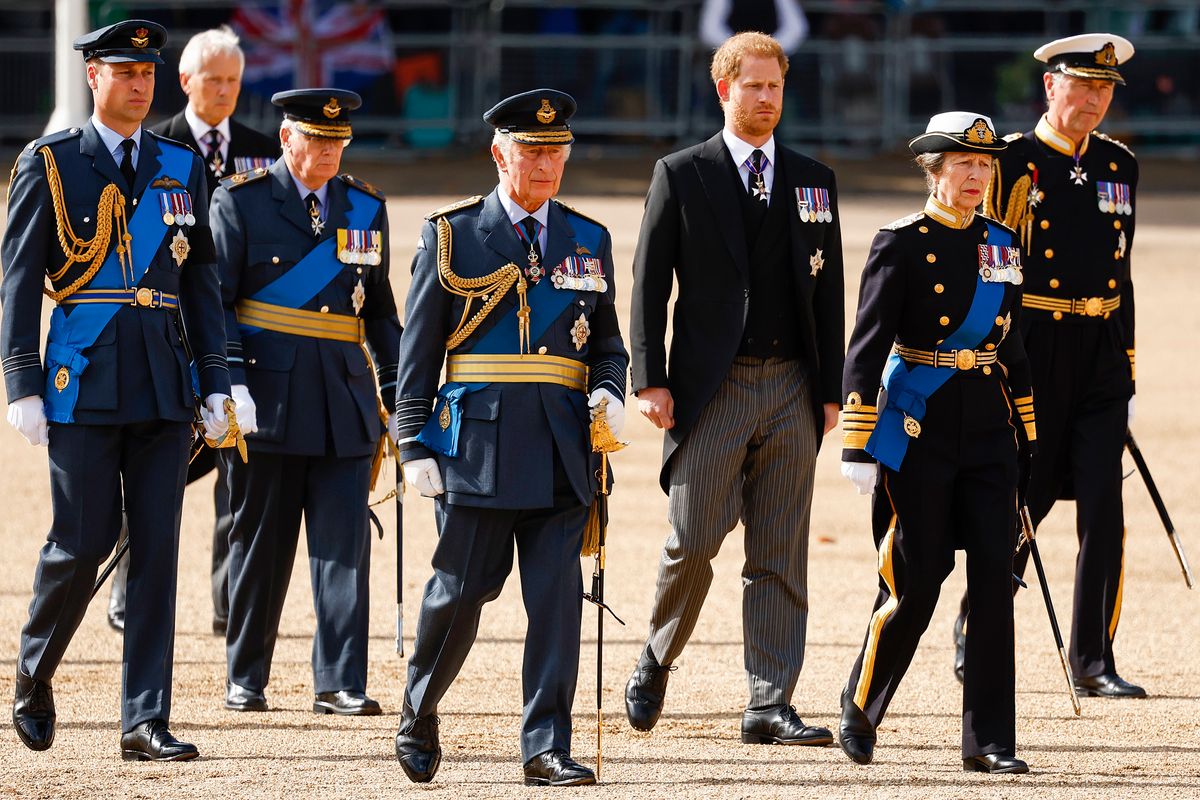
Working members of the British royal family traditionally wear military uniforms at funeral ceremonies to honor their roles as representatives of the Armed Forces and highlight the connection between the monarchy and the military.
 © Jeff J Mitchell
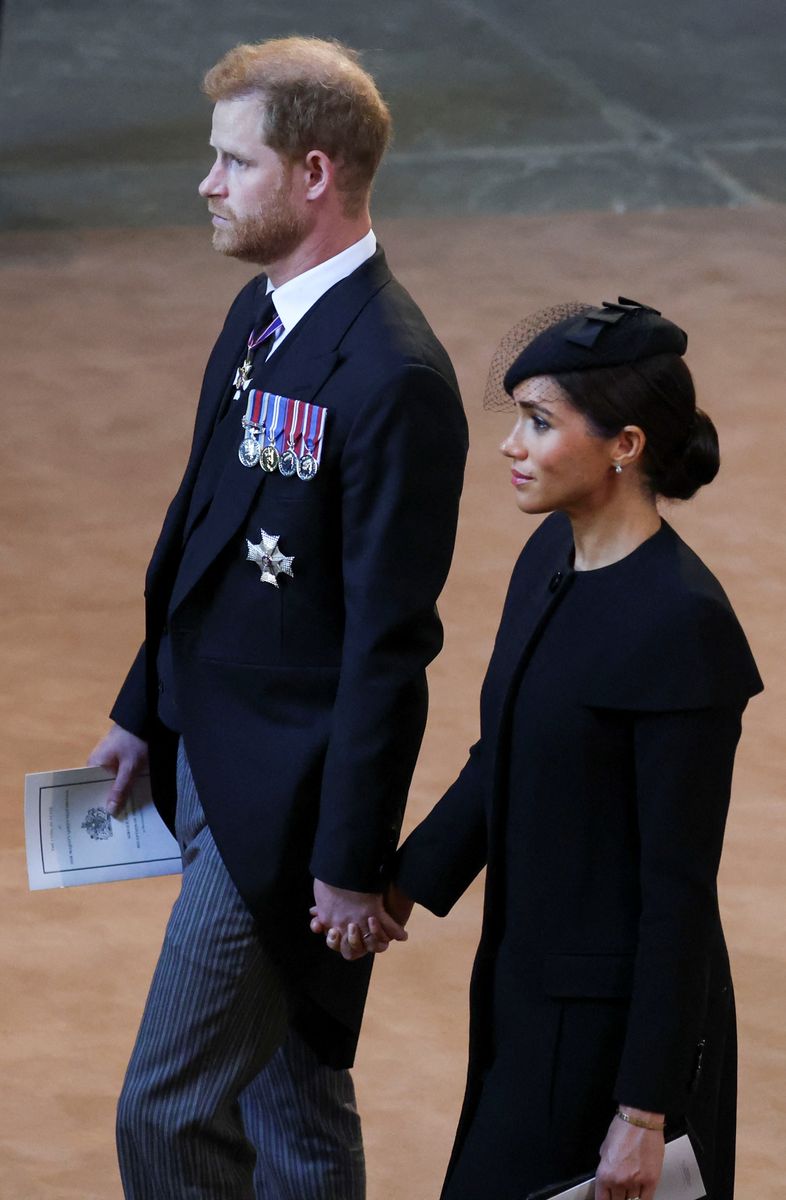
Prince Harry was not able to wear a military uniform to Queen Elizabeth II’s funeral because he and his wife, Meghan Markle, were no longer working members of the royal family in 2020.
However, King Charles granted his son a special exemption to wear military attire when he attended a vigil at the Queen’s coffin as her body lay in state at Westminster Hall.
 © WPA Pool
Rule changes
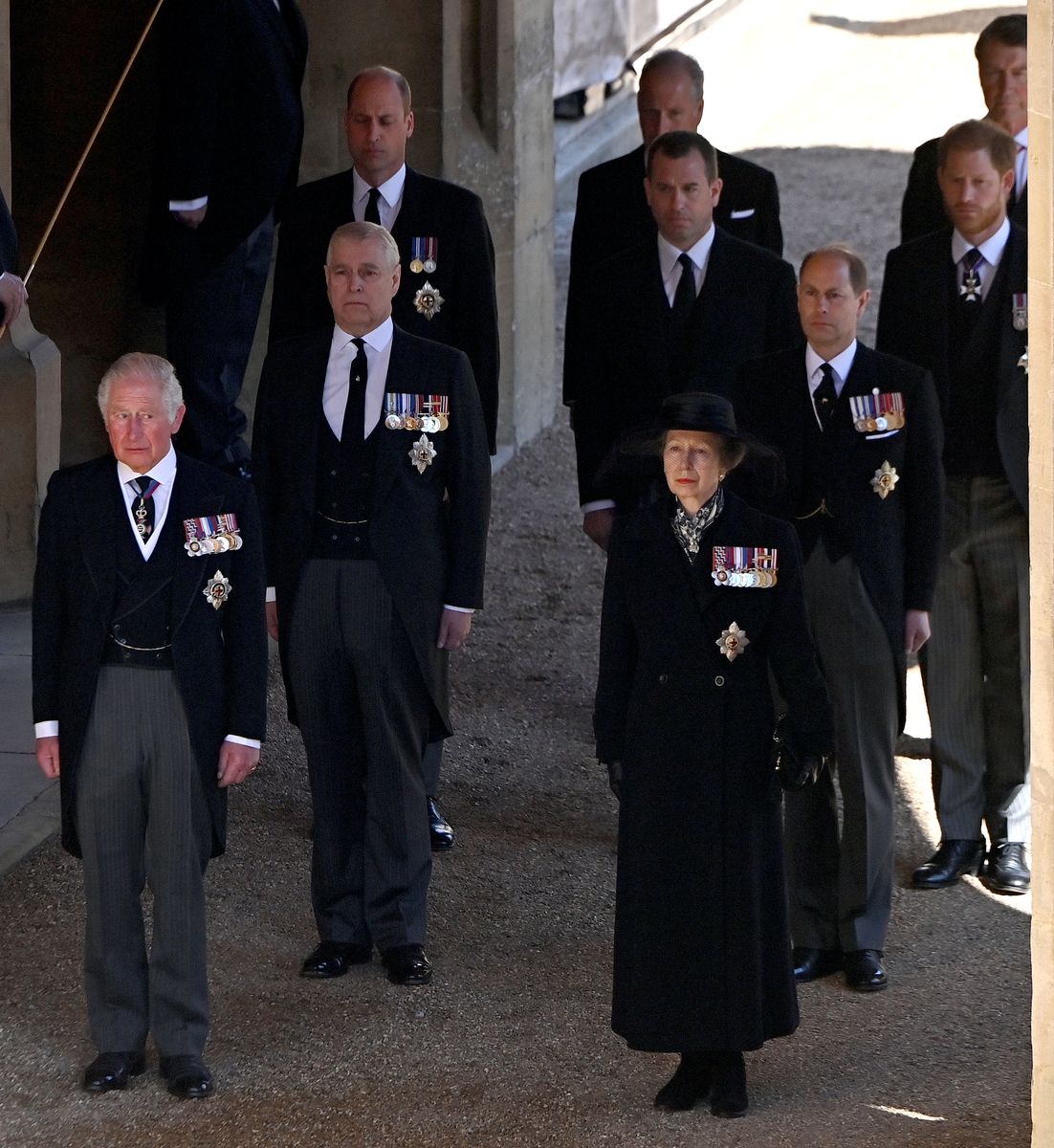
Senior members of the British royal family did not wear military uniforms for the funeral of Queen Elizabeth II’s husband, Prince Philip, in 2021.
Reports claimed that this was to spare both Prince Harry and Andrew Mountbatten-Windsor, who stepped back from royal duties amid his association with Jeffrey Epstein, from being the only royal guests not wearing uniforms.
 © Pool
The monarchy also adopted a no-uniform rule for the funerals of Princess Diana in 1997 and Princess Margaret in 2002, respectively.
History of mourning dress
Queen Victoria is believed to have started the tradition of royal mourning attire after she began wearing black following the death of her husband, Prince Albert, in 1861. She continued wearing black every day for the rest of her life.
Matthew Storey, curator at Historic Royal Palaces, told The Telegraph newspaper: “Mourning dress has been part of European royal culture for centuries, but it reached its peak in the 19th century with the influence of Queen Victoria, who set a standard for the rest of society to follow."
 © Karwai Tang
"When her beloved husband died in 1861, she abandoned the colorful clothes of her married life and, with the rest of the royal court, adopted black clothing as an outward sign of grief.”
Strict rules
Funeral attendees outside of the royal family are expected to follow the all-black dress code, and non-working female members of the royal family are required to wear black knee-length dresses.