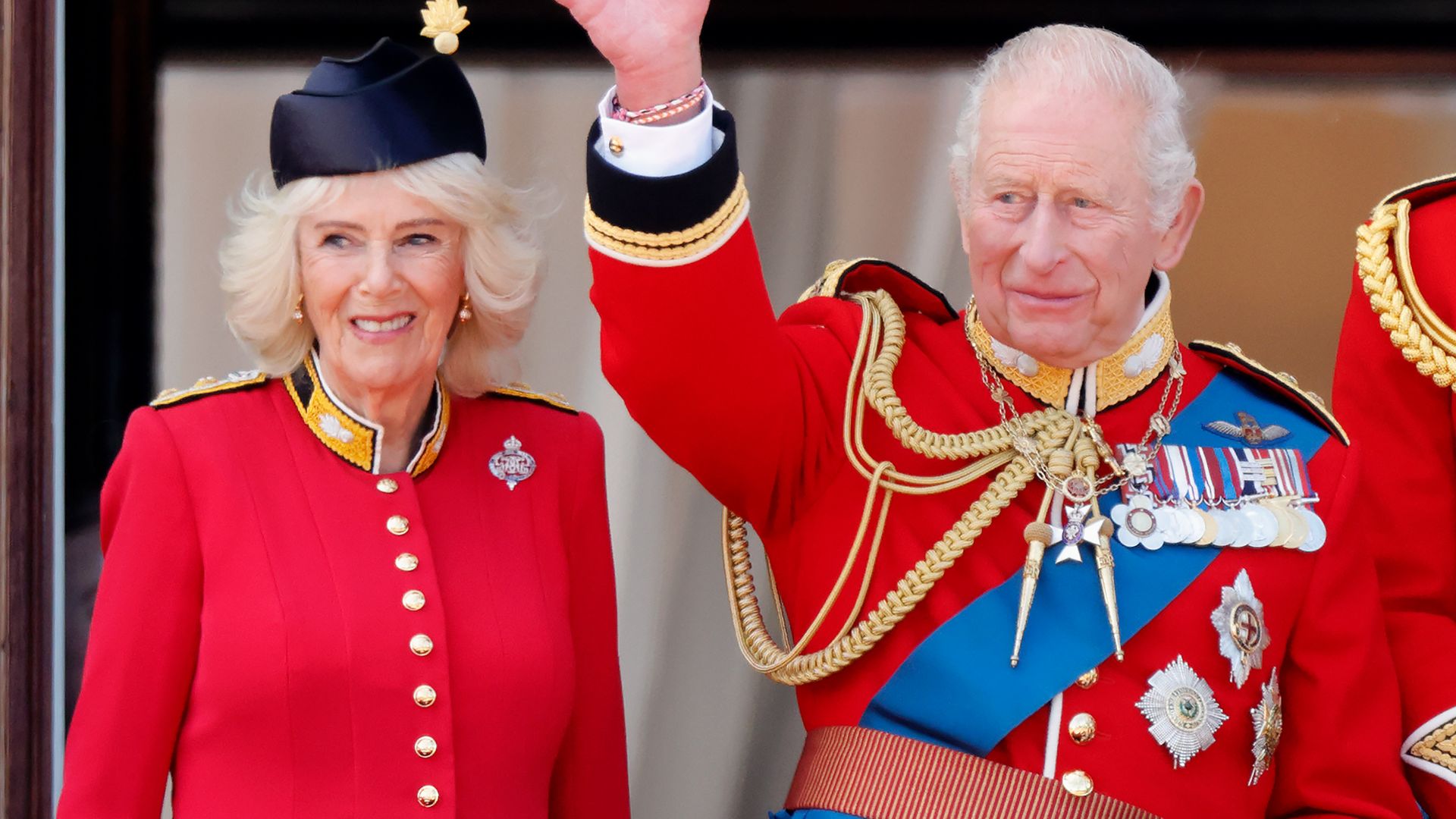
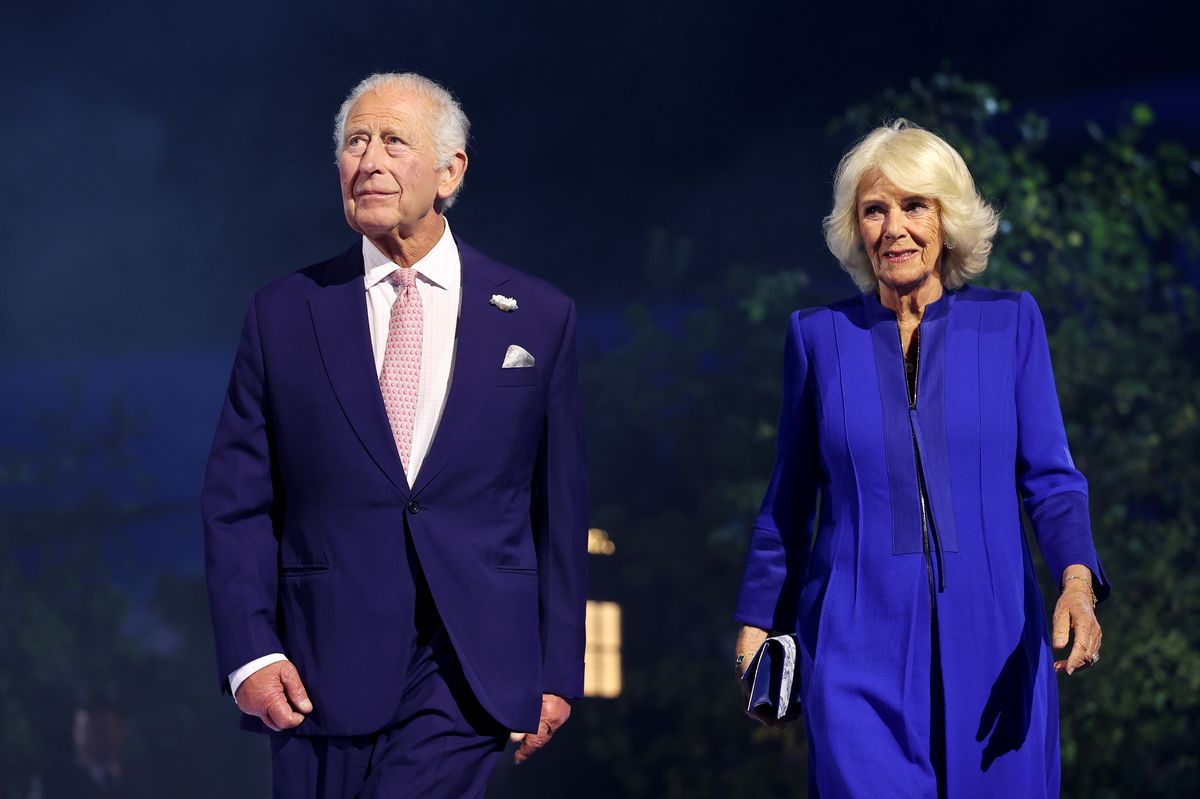
King Charles III confirmed that he and Queen Camilla will not make Buckingham Palace their permanent home once its extensive renovation project is completed, bringing an end to a royal tradition that dates back to Queen Victoria's reign in 1837.
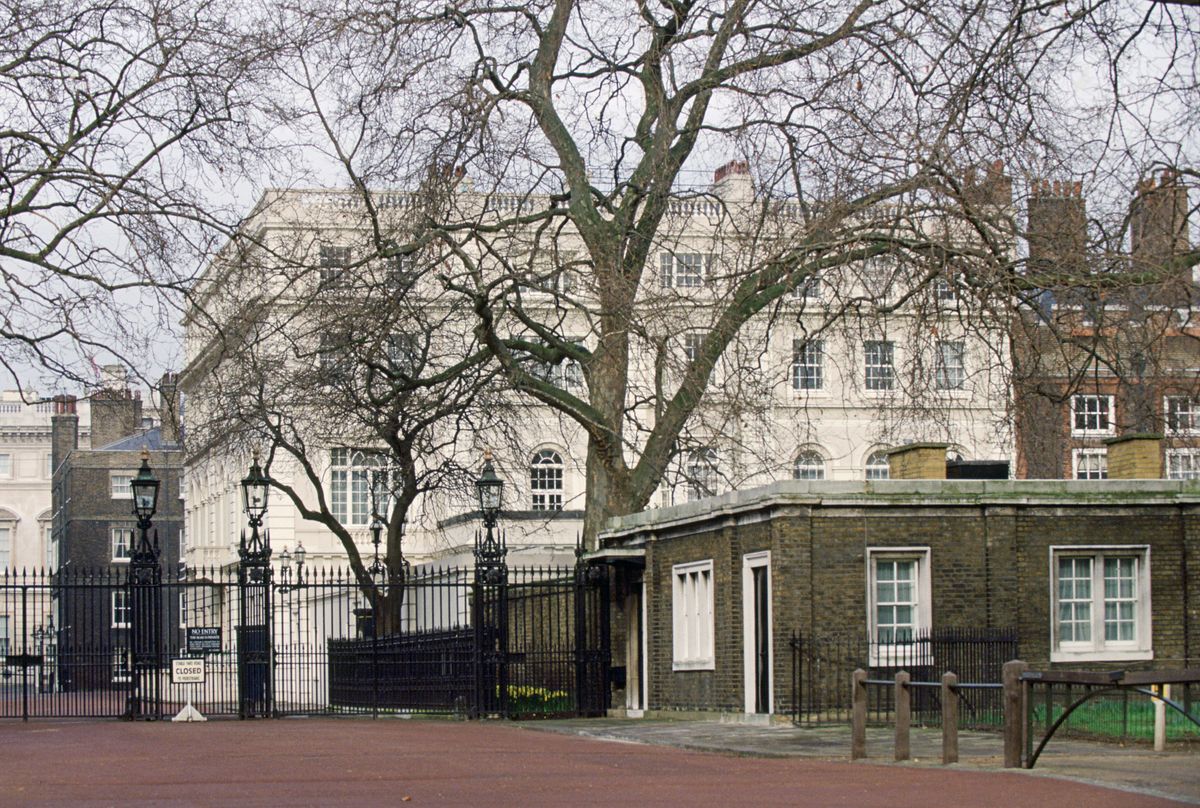
Instead, the King and Queen will continue living at Clarence House, their longtime London residence, while Buckingham Palace will remain the ceremonial and administrative headquarters of the British monarchy.
 © Francois Nel
The decision, announced by Buckingham Palace, represents one of the most significant changes to royal living arrangements in generations and signals a new chapter for the monarchy.
Why King Charles is staying at Clarence House:
Although Buckingham Palace has long been viewed as the symbolic heart of the monarchy, royal officials say it was never considered the ideal family home for Charles and Camilla.
 © Universal History Archive
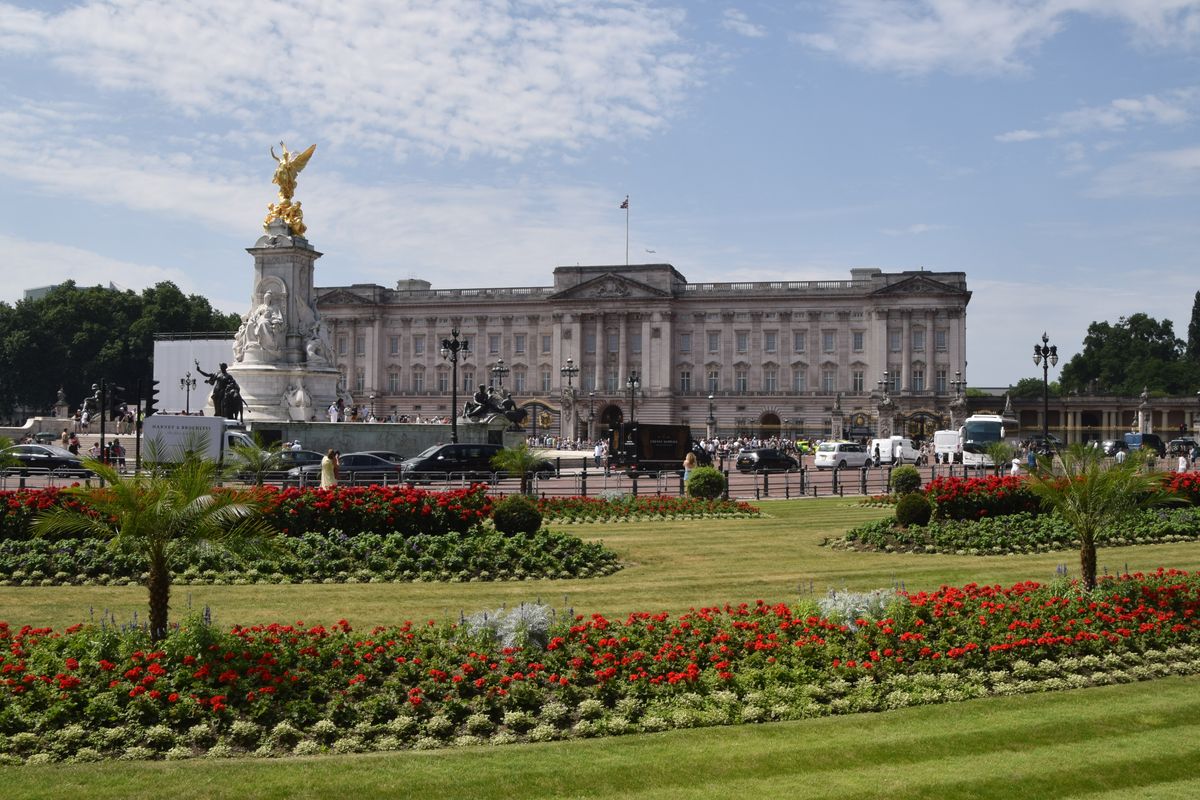
With its 775 rooms, the palace functions more as a working government building than a private residence. Royal aides have described it as the headquarters of the monarchy rather than a comfortable place to live, with King Charles preferring to keep a clear distinction between his official duties and his personal life.
Clarence House, located just steps away along The Mall, has been Charles' London home since 2003 and holds decades of personal memories. Rather than relocating after the renovation is completed, the couple has chosen to remain there permanently.
 © Tim Graham
Buckingham Palace will continue hosting state banquets, investitures, diplomatic receptions and other major royal events while serving as the Royal Household's operational headquarters.
A palace that will belong more to the public:
One of the biggest reasons behind the decision is public access.
 © SOPA Images
Without a resident monarch occupying the private apartments, officials plan to expand opportunities for visitors to explore more areas of Buckingham Palace throughout the year instead of limiting access primarily to the summer opening.
The move aligns with King Charles' long-standing efforts to present a more modern, streamlined monarchy while preserving one of Britain's most recognizable landmarks as both a working institution and a historic attraction.
A tradition that began with Queen Victoria:
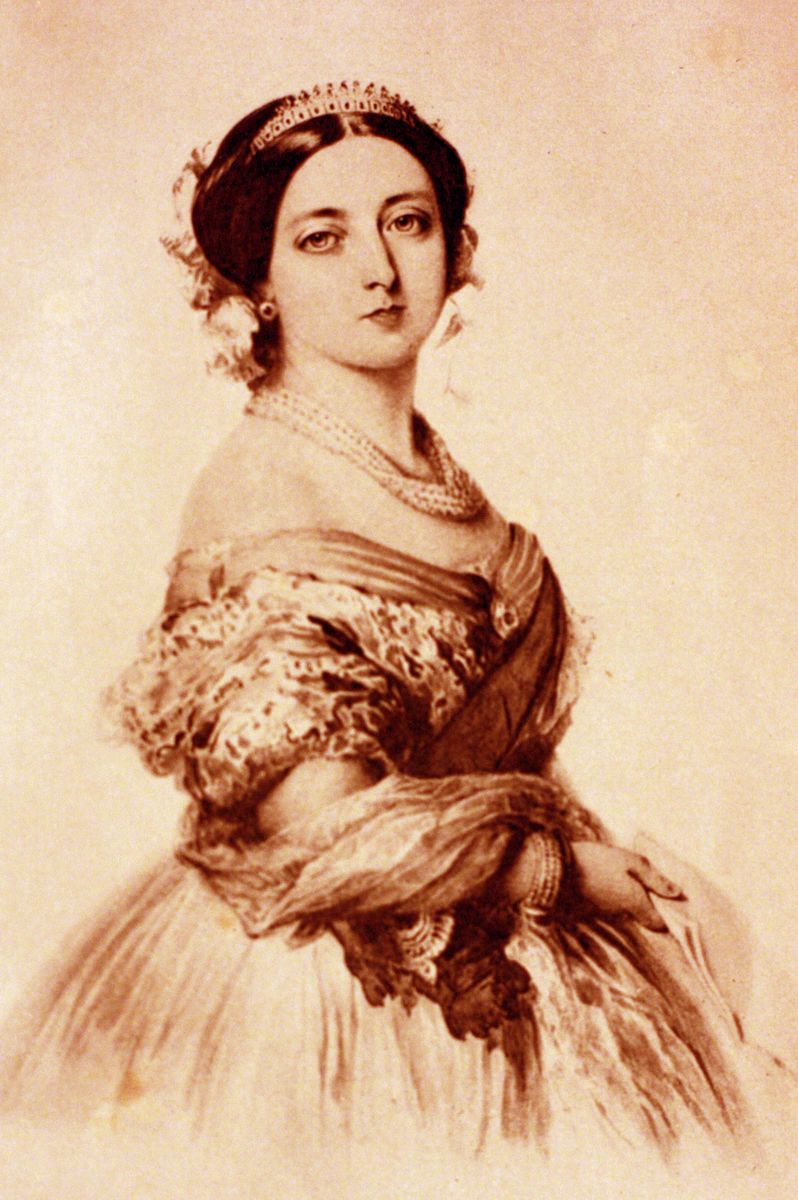
Buckingham Palace has served as the monarch's official London residence since 1837, when Queen Victoria became the first sovereign to live there.
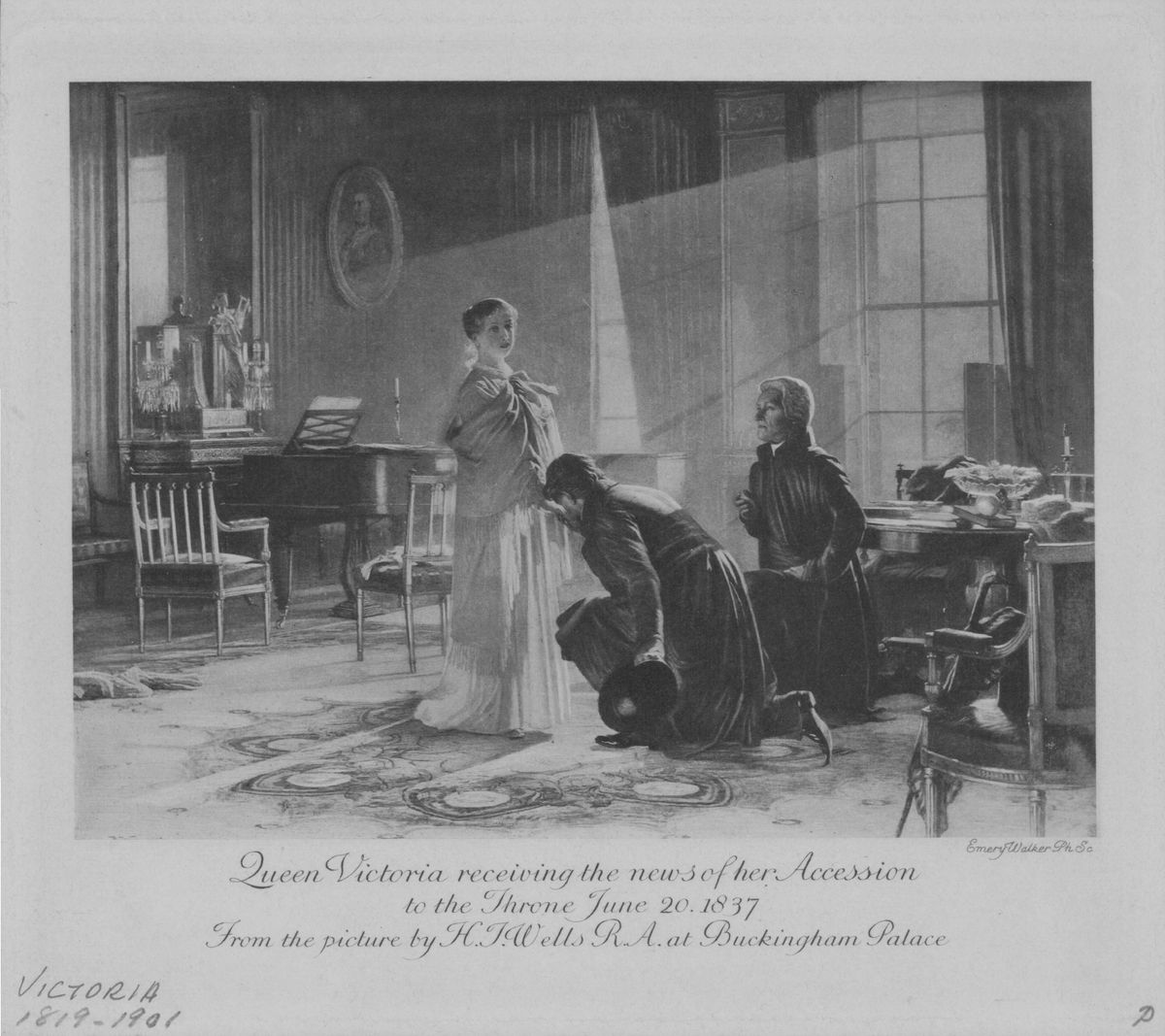 © Archive Photos
Originally built as Buckingham House and purchased by King George III in 1761 for Queen Charlotte, the property was gradually expanded into the palace recognized around the world today.
For nearly two centuries, every reigning monarch has called Buckingham Palace home, until now.
Not everyone agrees with the decision:
The announcement has generated mixed reactions. Supporters view it as another example of King Charles modernizing the monarchy by making one of Britain's most famous buildings more accessible to the public while allowing the Palace to function primarily as the institution's official headquarters.
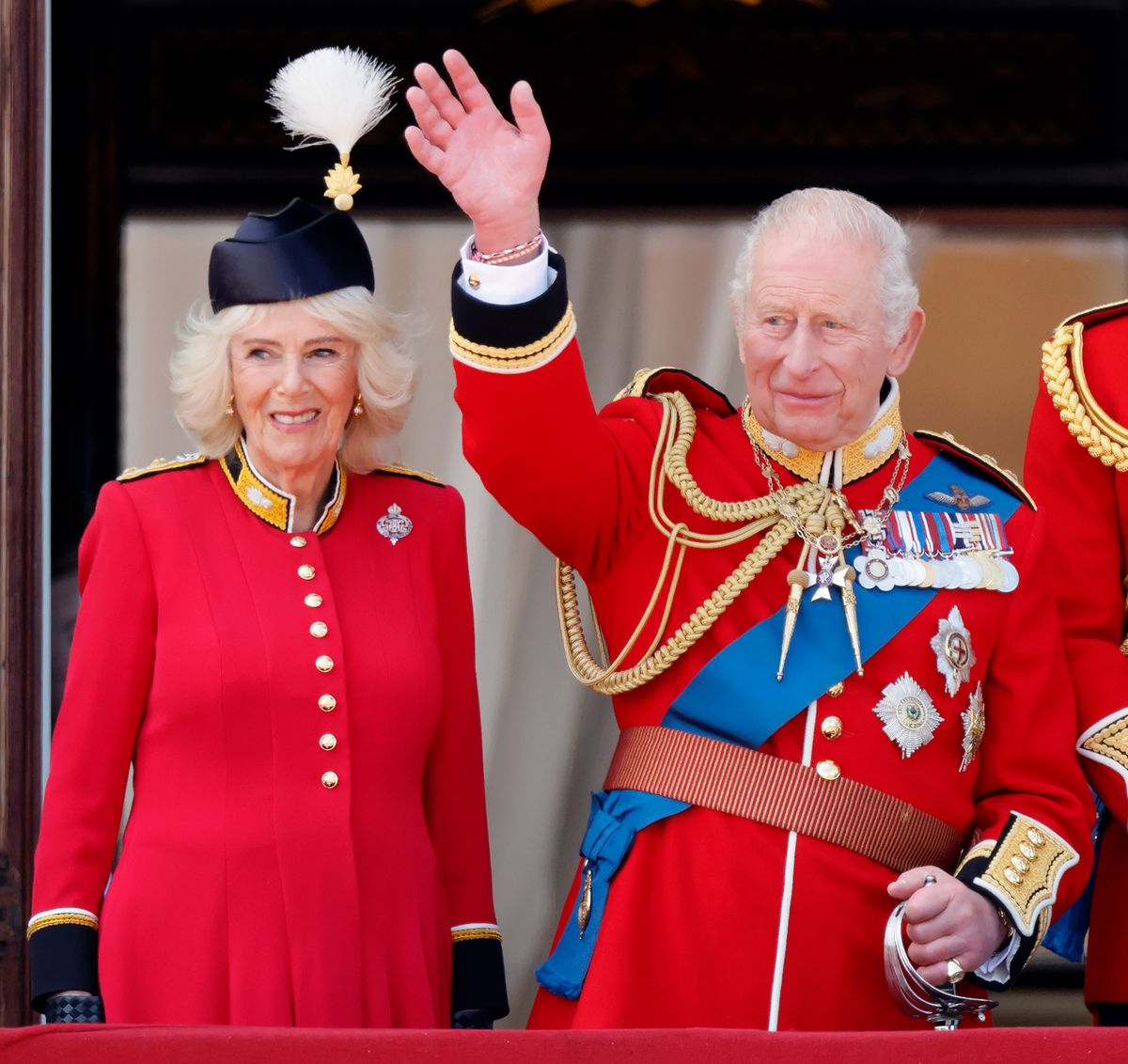 © Max Mumby/Indigo
Critics, however, have questioned the optics of the decision after taxpayers funded the decade-long £369 million Buckingham Palace Reservicing Programme. Some argue it is difficult to justify such a significant public investment if the monarch ultimately chooses not to live there.
Could Buckingham Palace never again have a resident monarch?
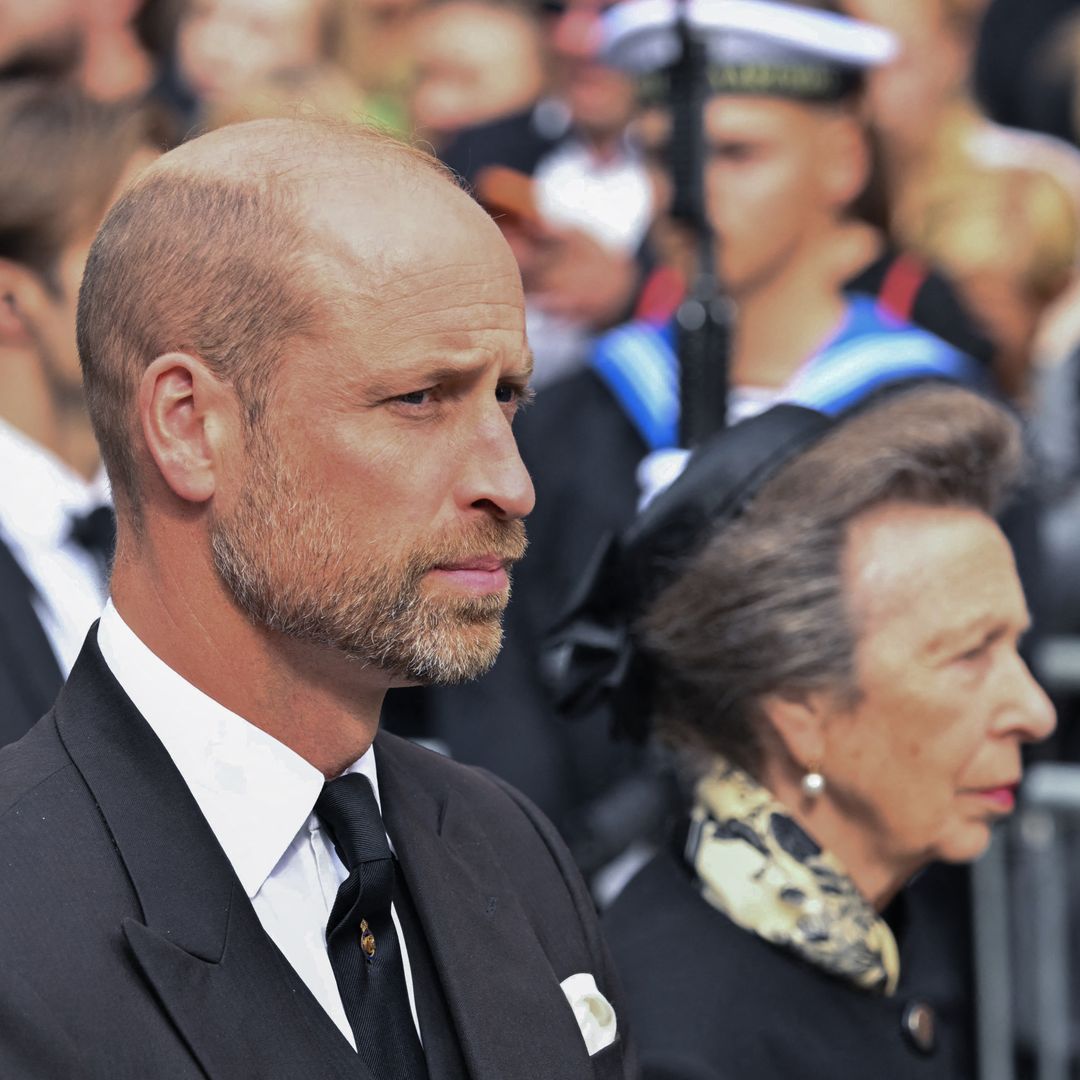
The decision may have implications well beyond Charles' reign. Reports have suggested that Prince William has also shown little interest in making Buckingham Palace his permanent home, raising the possibility that the iconic building could remain exclusively a ceremonial and administrative center for future generations rather than a family residence.
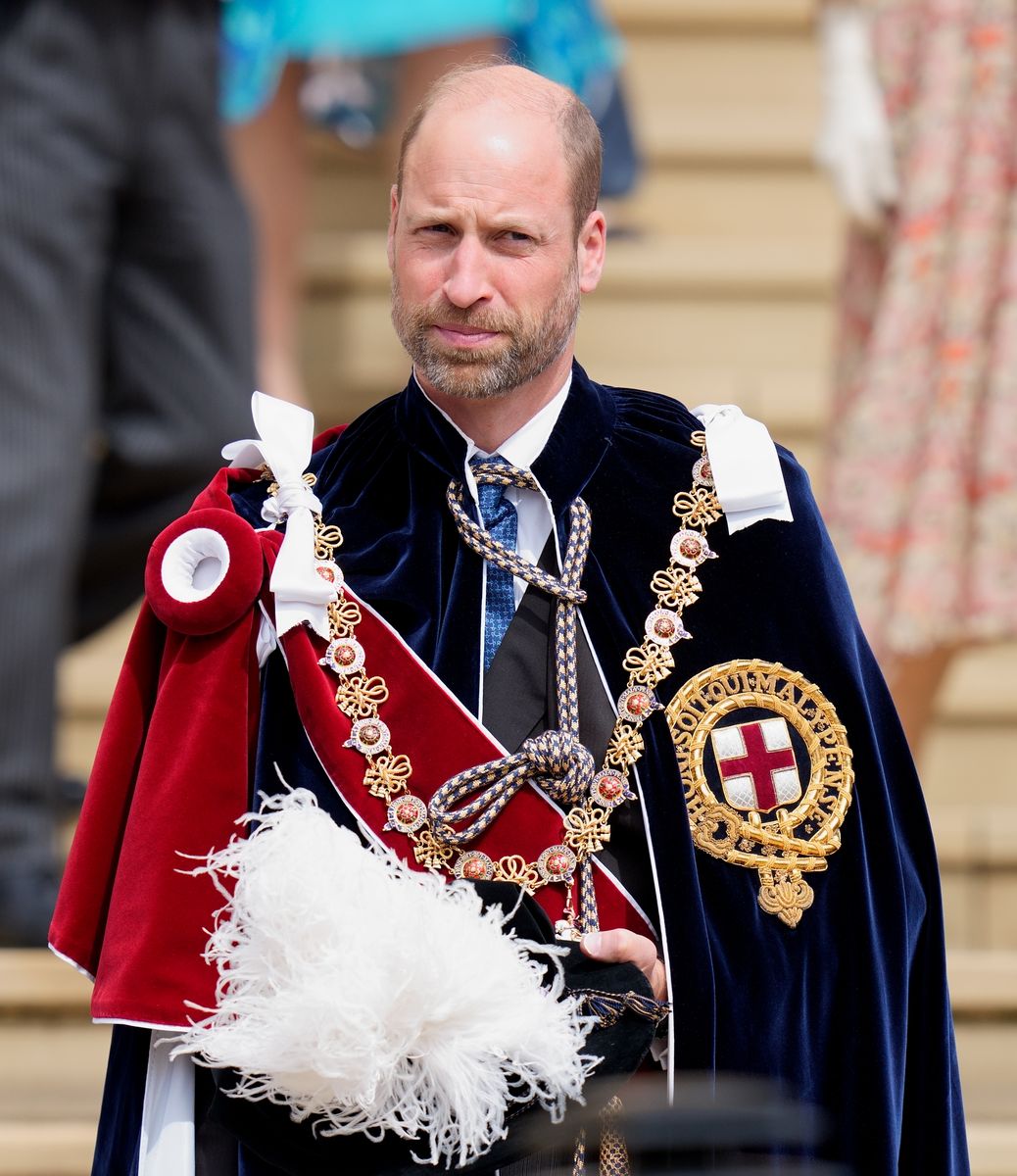 © Pool
If that proves to be the case, King Charles' announcement could mark the beginning of a permanent shift in how Britain's royal family uses its most famous palace, preserving its role as the public face of the monarchy while leaving behind a residential tradition that lasted nearly 190 years.