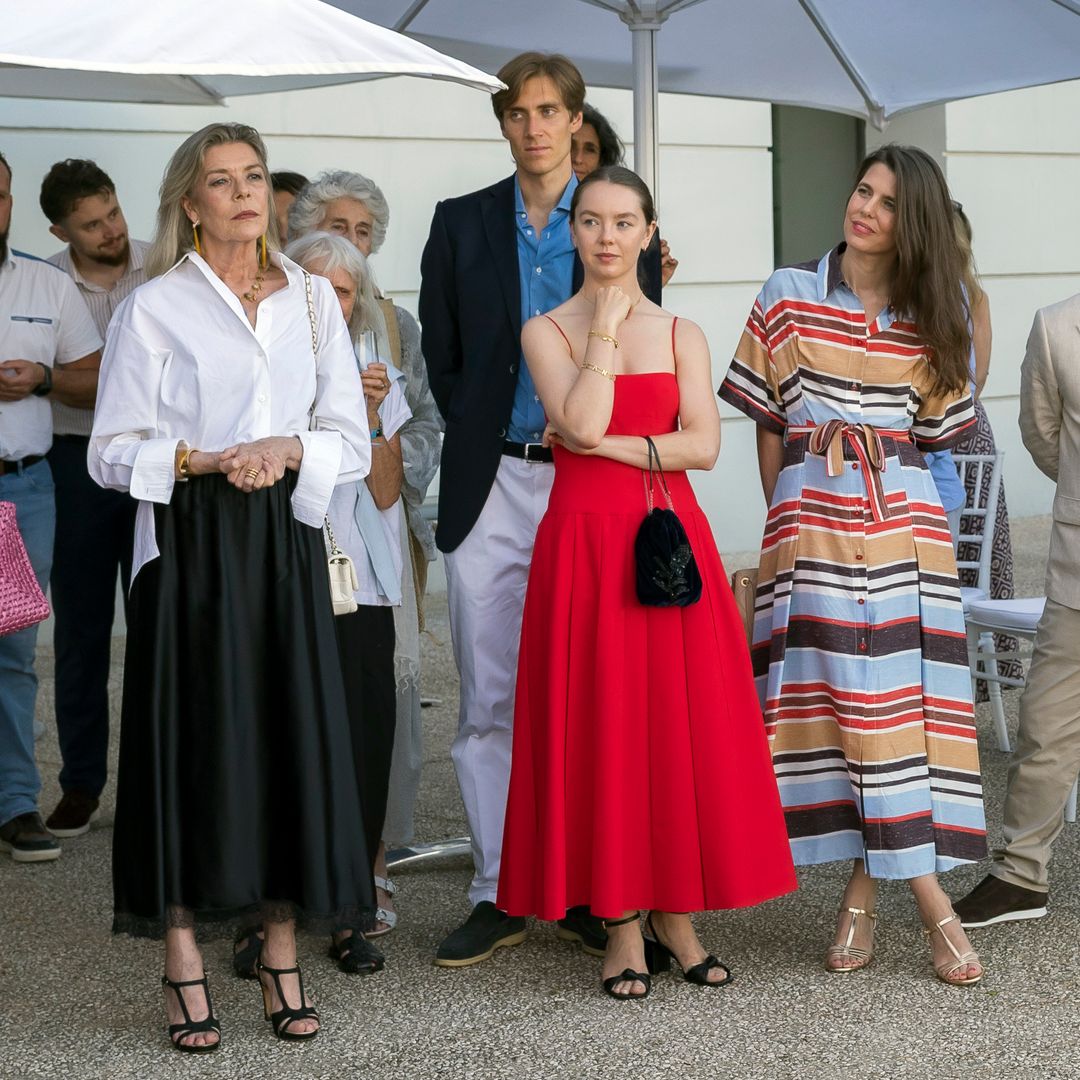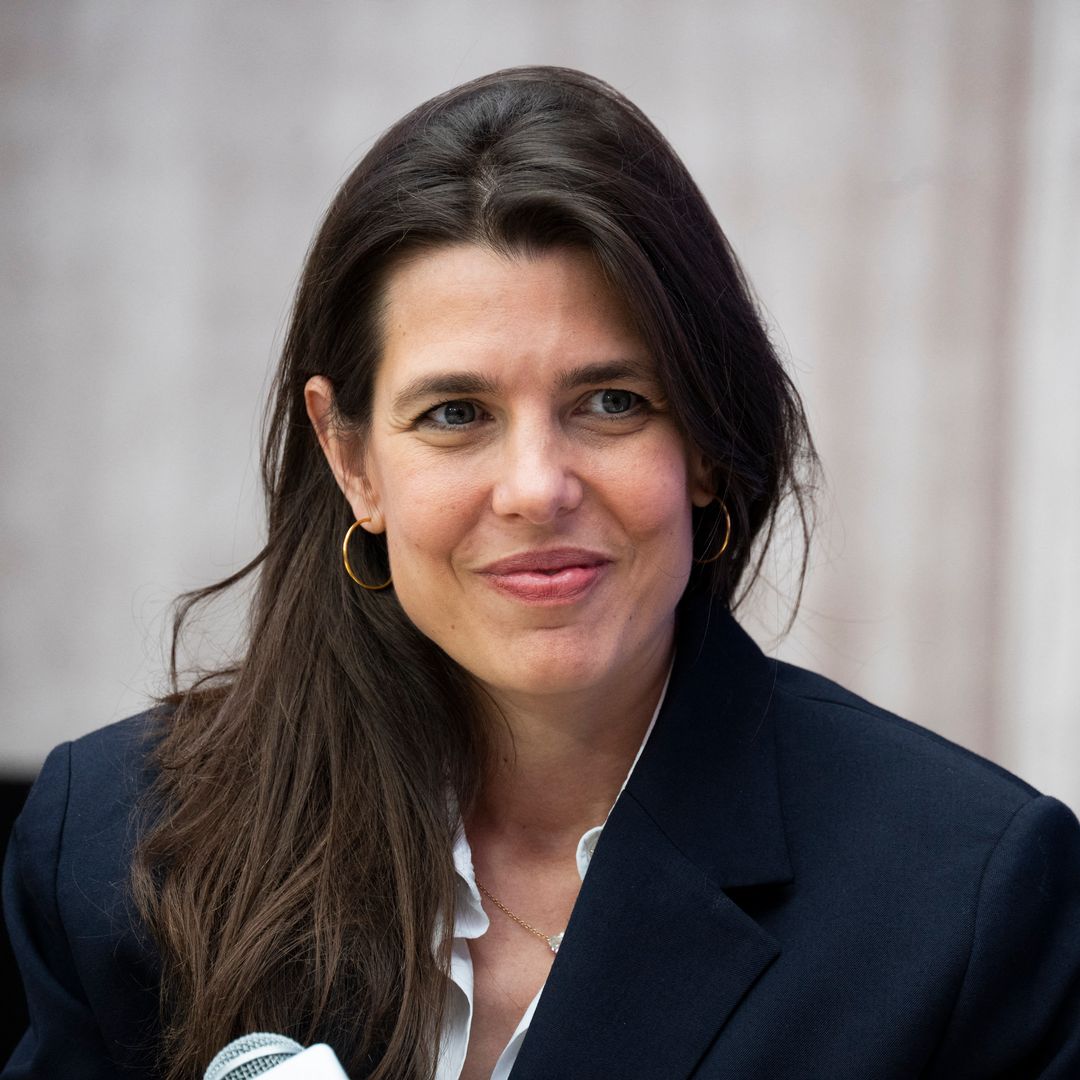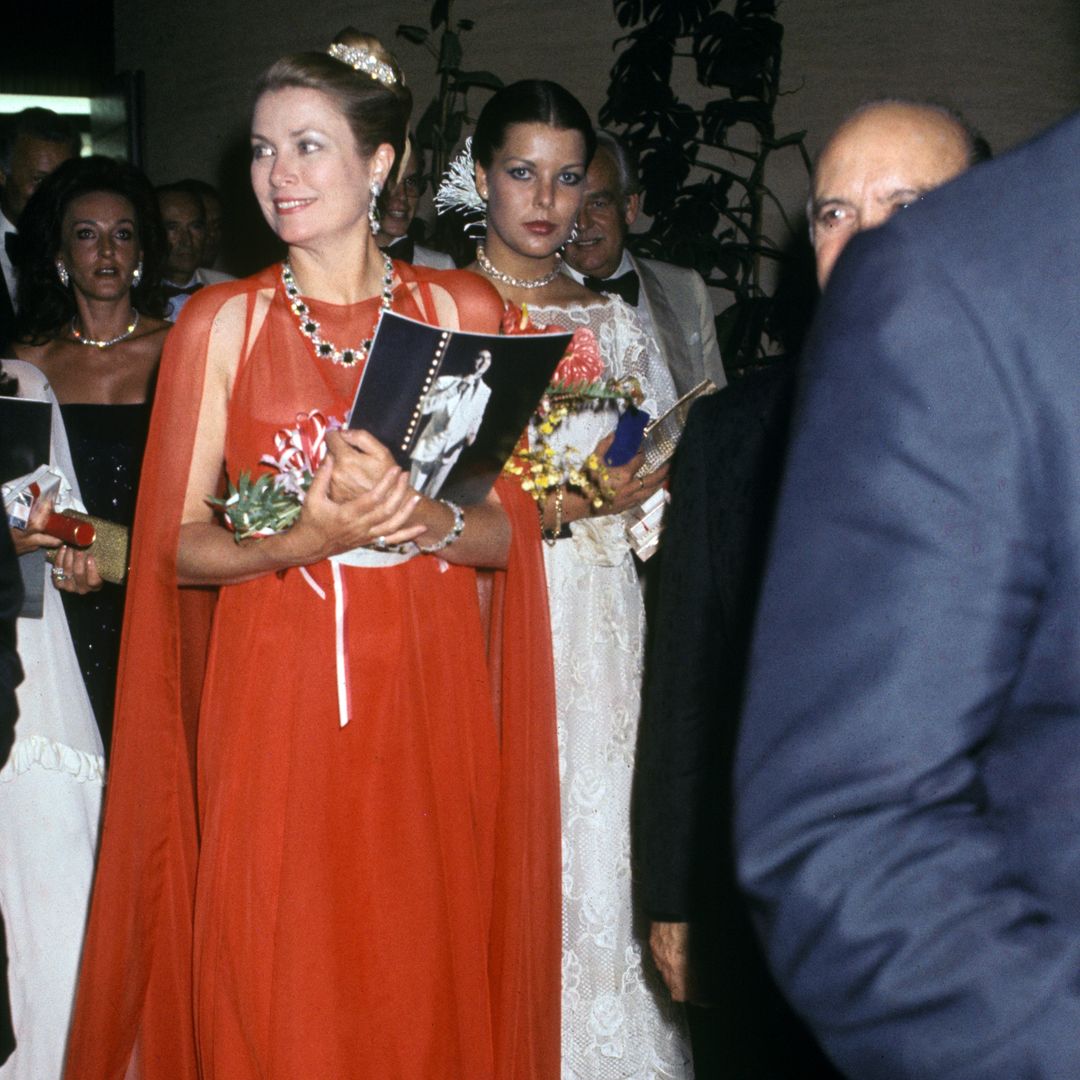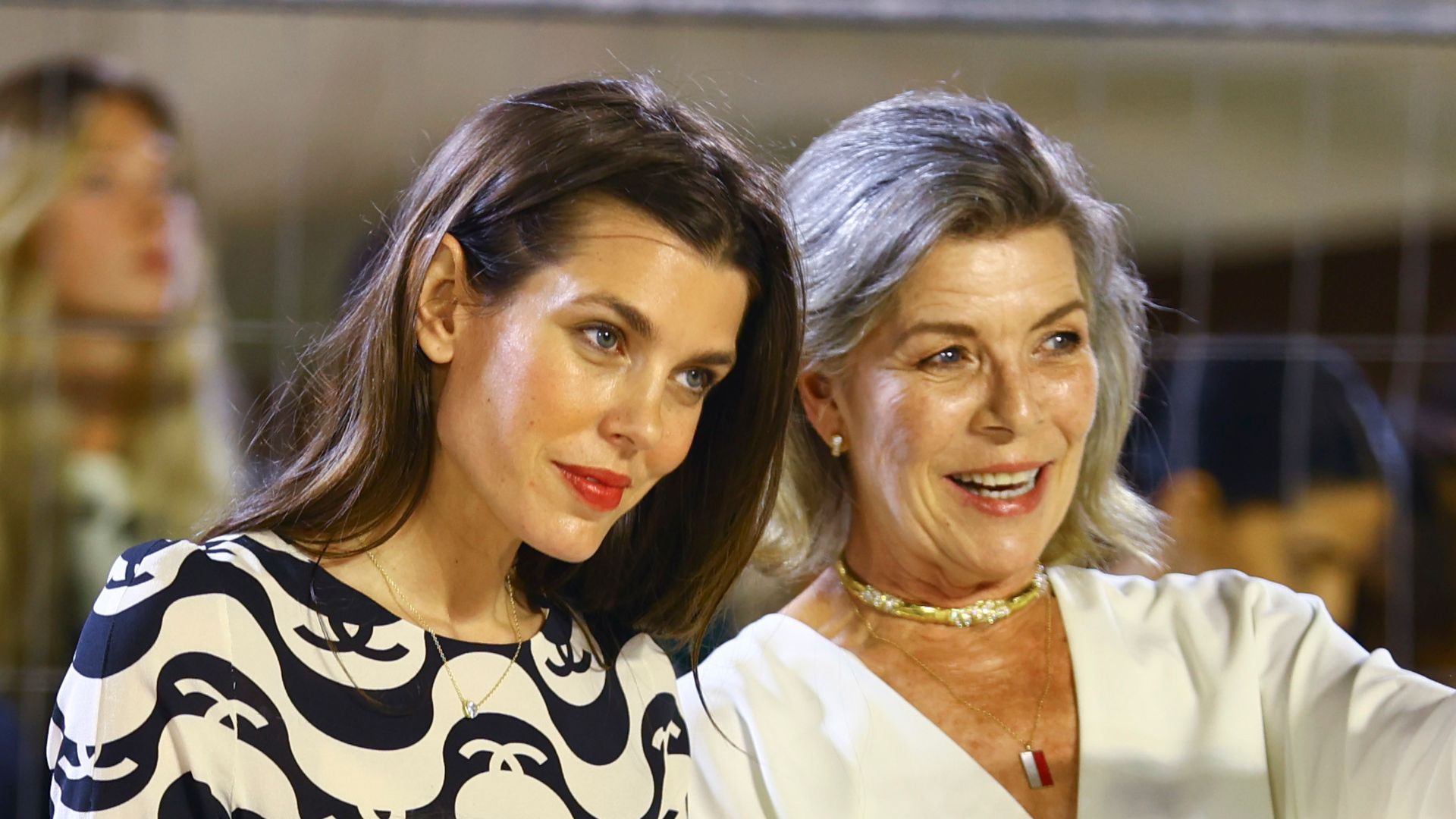
Charlotte Casiraghi has long been one of the most enigmatic women in European high society.
A philosopher, author, and the granddaughter of the late Princess Grace Kelly, the daughter of Princess Caroline of Monaco, has always kept her private life carefully guarded, showing from an early age just how protective she is of her personal world.
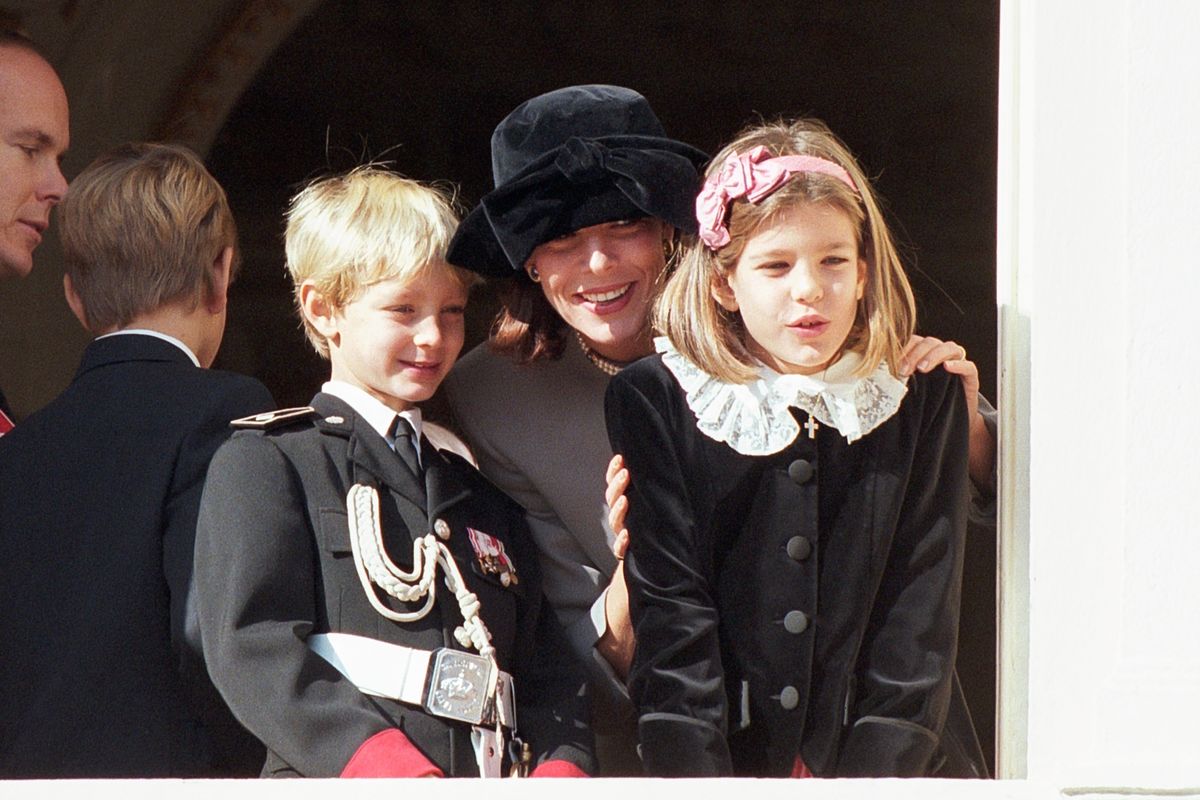 © Stephane Cardinale - Corbis
Public displays of vulnerability have been rare for Charlotte, who has consistently chosen a low profile. However, since the publication of her first book, La Fêlure (The Crack), released in January, she has begun opening up about the experiences that have defined her life, including the pressures that came with growing up under one of Europe's most famous family names.
Finding your own identity can be difficult when the world seems to have already decided who you are before you've had the chance to discover it yourself. It can be equally challenging to forge your own path when you're constantly compared to those who came before you, wondering whether your work will ever be recognized on its own merits.
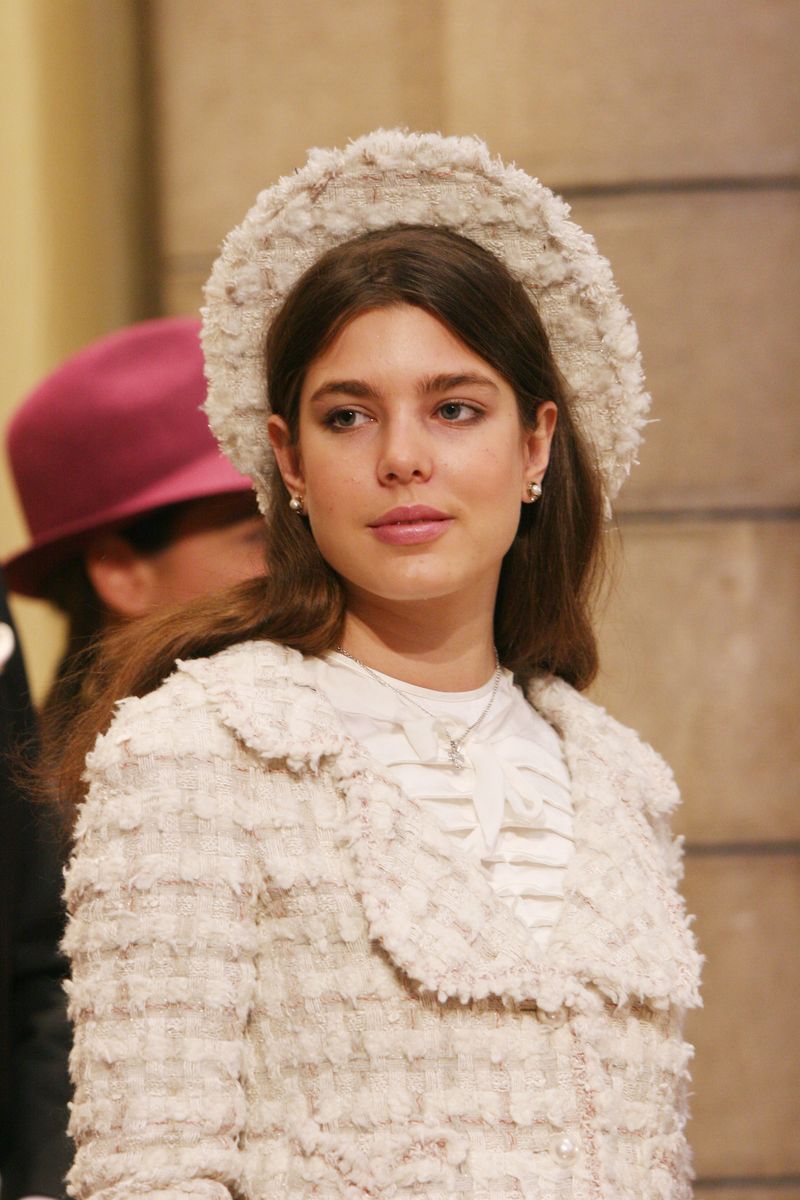 © Stephane Cardinale - Corbis
"It was very difficult for me to feel legitimate," Charlotte admitted while reflecting on her writing career. Speaking candidly, she explained that she eventually came to understand that, for some people, "my social status, my family, my name... will always come first, and they will use them to diminish me."
These feelings accompanied Charlotte throughout much of her life, fueled by the pressure of being compared to her mother, whom she describes as exceptionally intelligent, highly cultured, and intellectually rigorous.
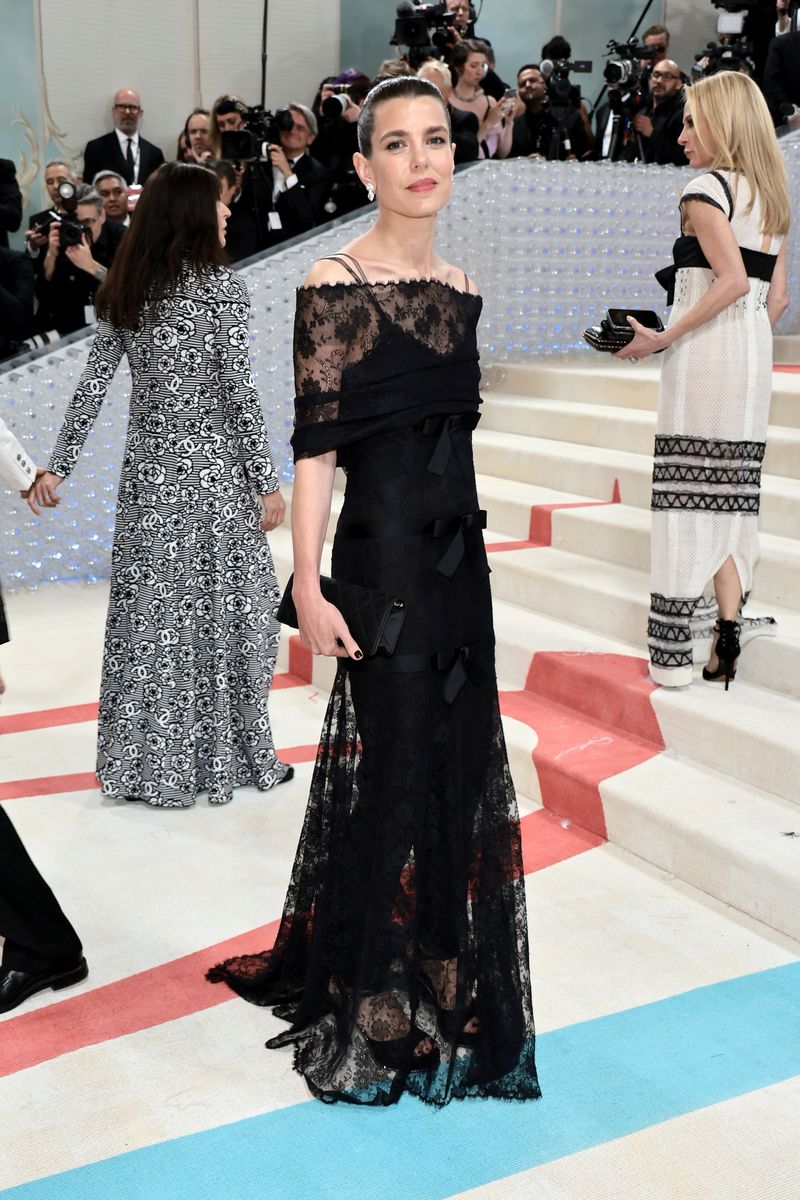 © Jamie McCarthy
"I grew up with a brilliant and very cultured mother, with extremely high intellectual standards," the author shared, speaking with admiration about Princess Caroline.
Charlotte Casiraghi's greatest fear:
In an interview with the French magazine Psychologies, Charlotte revealed both her admiration for her mother and the anxiety she felt trying to live up to expectations.
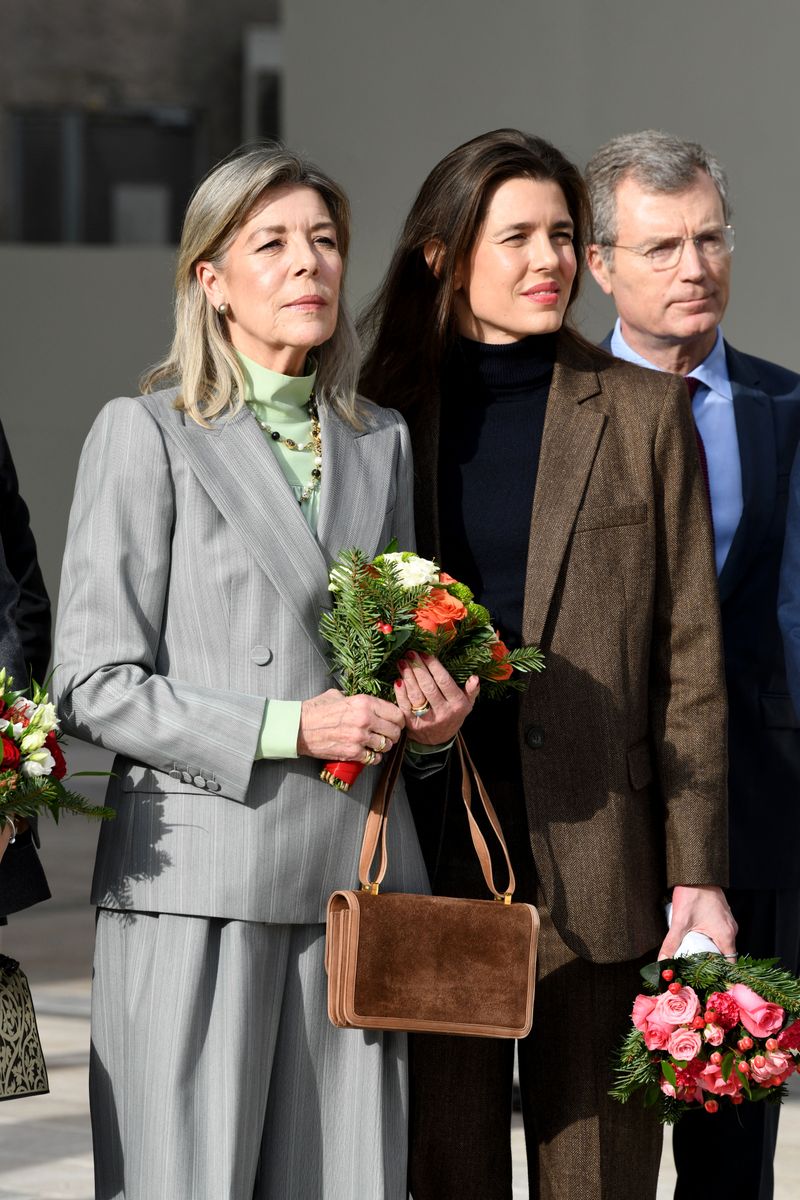 © Best Image/The Grosby Group
"When you're a child, you're also struggling with your parents' desires," she explained, before clarifying, "or rather, with what you believe they expect from you."
Throughout the conversation, Charlotte moved between gratitude and pressure, admiration and fear, describing an internal conflict that shaped her perception of the world during her most formative years.
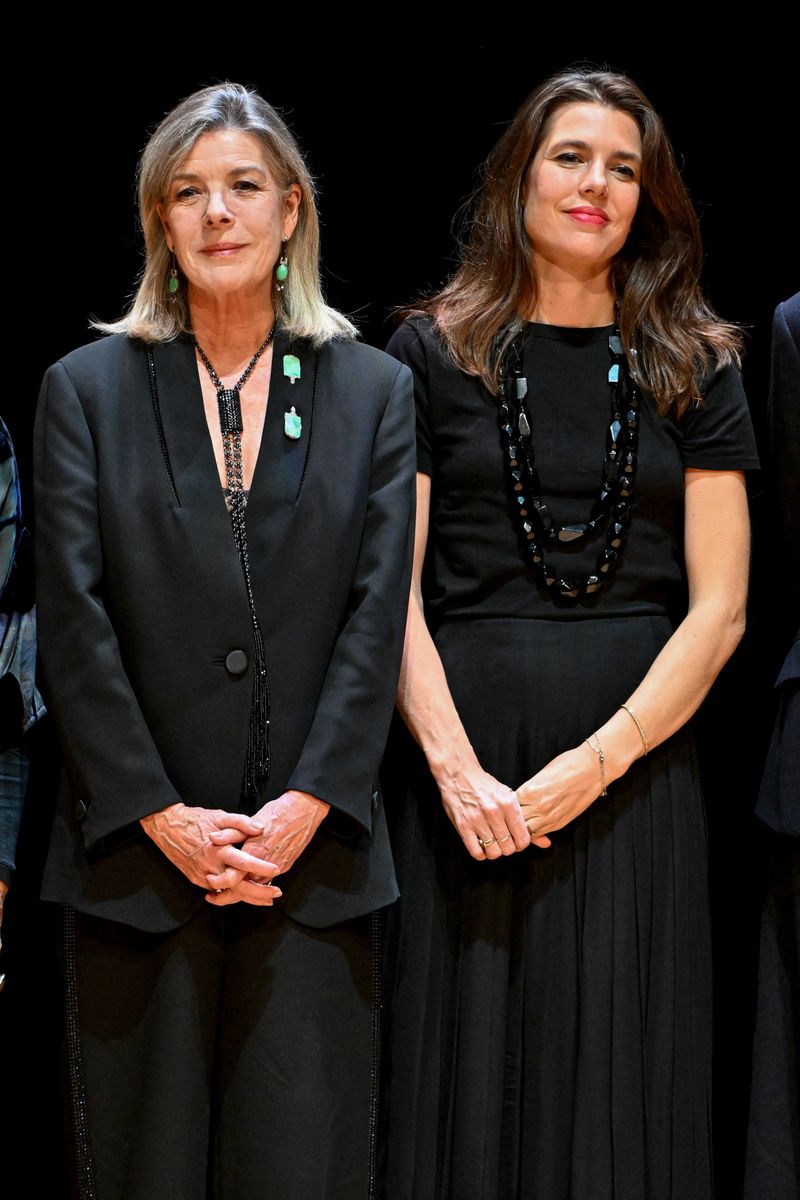 © Best Image/The Grosby Group
While she acknowledges that Caroline's demanding standards influenced her deeply, Charlotte now sees them as a gift. "Of course, those high standards shaped me. They gave me a solid foundation and invaluable experience," she said.
Even so, the academic pressure took a toll on some of her greatest passions, including reading. "Little by little, I lost the pleasure of reading," Charlotte admitted, explaining that her desire to give the "right" answer often outweighed her ability to connect with her own emotions.
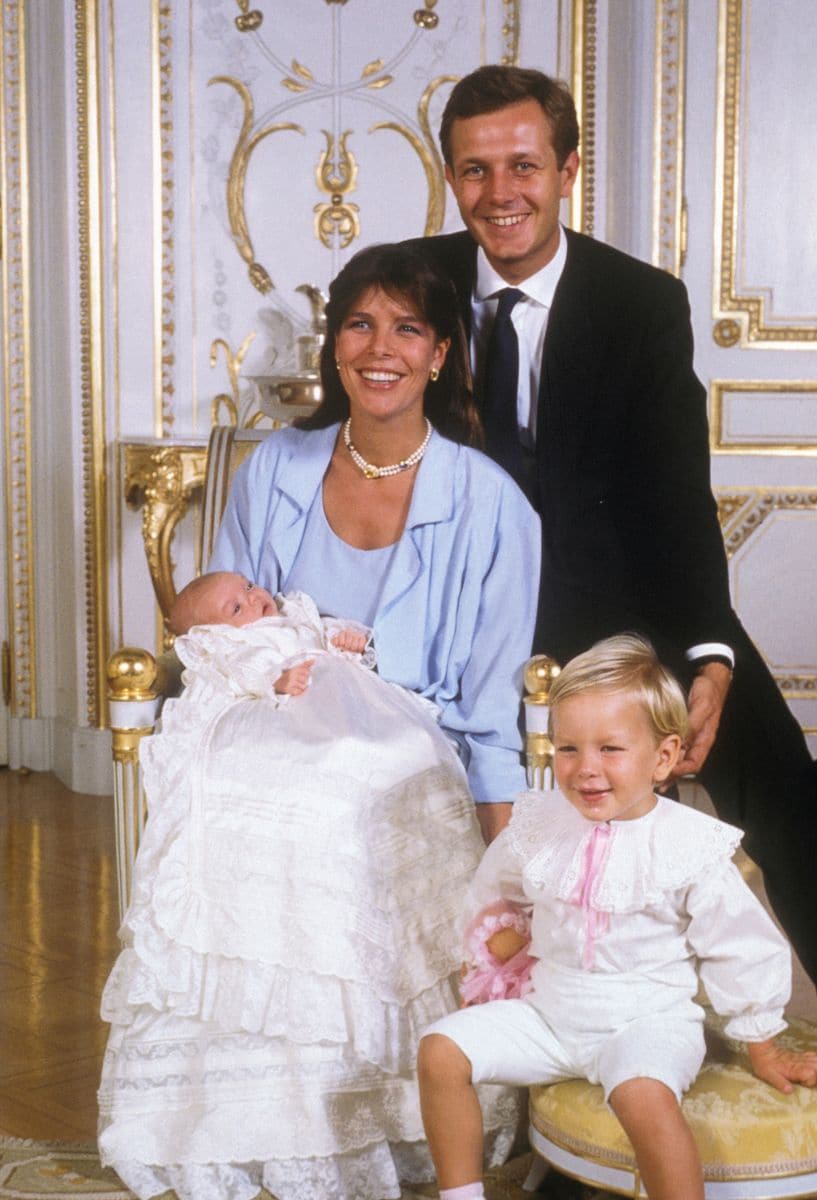 © Patrick SICCOLI/Gamma-Rapho via Getty Images
"I was so anxious about giving the correct response that I disconnected from my own feelings," she said.
The loss that changed everything:
Beyond the expectations she felt at home, Charlotte also carried the profound grief of losing her father, Stefano Casiraghi, who died in a speedboat accident in October 1990 when she was just four years old.
 © Mondadori Portfolio
"It was a decisive moment in that sense. I was four years old when, suddenly, something collapsed," she recalled. His absence left a lasting impact. "His death, the pain, his absence, plunged me into constant anxiety," she shared.
Growing up under the public eye:
Charlotte also reflected on the intense public scrutiny that followed her from childhood because of her position within Monaco's royal family.
She explained that she has always felt watched, and that constant attention made it difficult to relax and simply be herself.
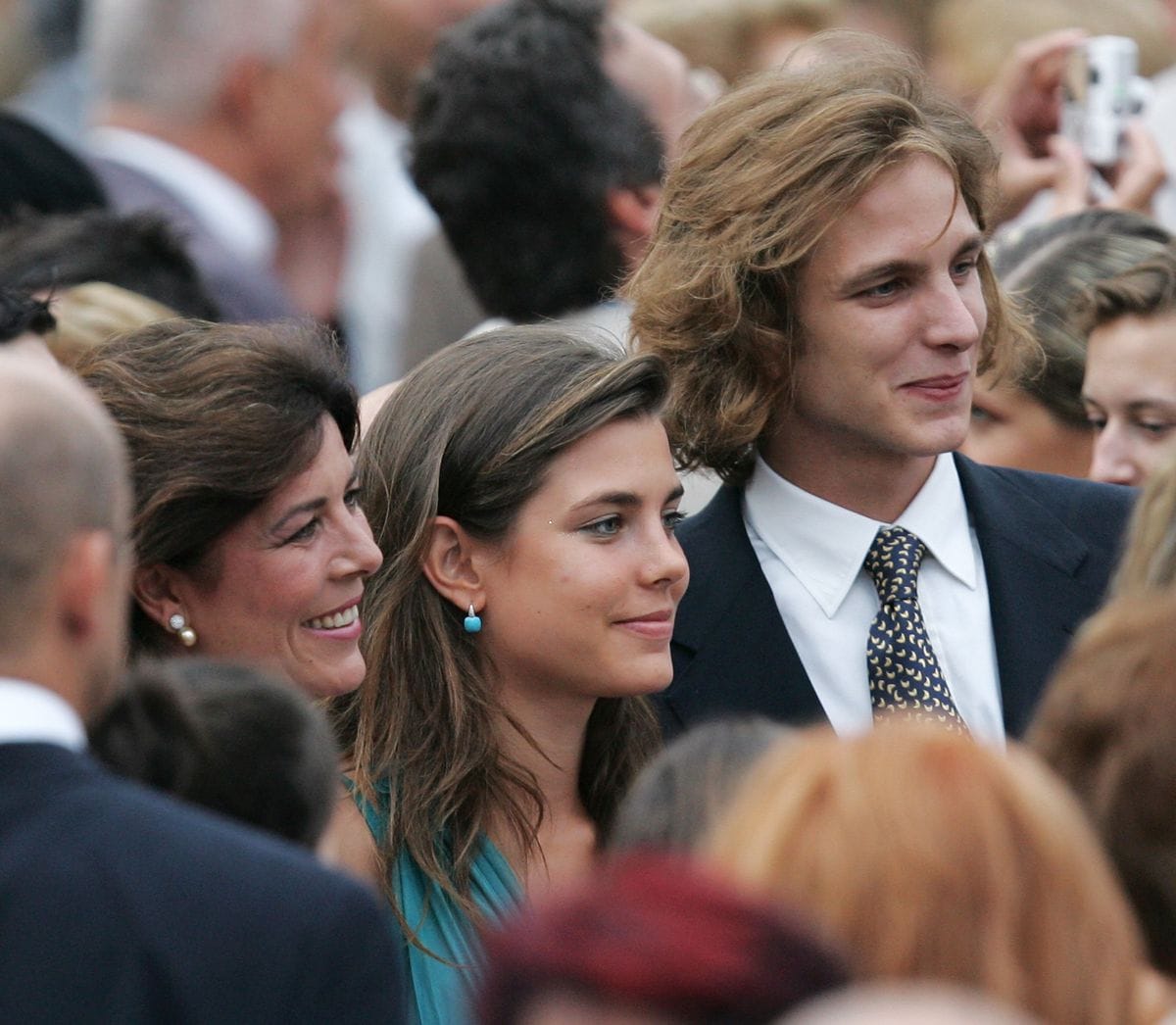 © WireImage
"It is much easier to reduce someone to an image, to a symbol, than to allow them to exist in their individuality," she said. She went on to explain that when so many expectations and projections are placed upon a person, they stop being seen as an individual and instead become an object of fantasy or envy.
"As so many things are projected onto you, you stop being a person and become an object of fantasy or envy," Charlotte said, revealing that the experience led her to become especially protective of her true personality.
 © Arnold Jerocki
"We shrink ourselves. We make ourselves smaller in order to feel accepted, in order to live up to what we represent," she added, reflecting on her childhood and teenage years.
Why being a woman made it harder:
Charlotte also acknowledged that the pressure she experienced differed from that faced by her brothers, Andrea and Pierre Casiraghi, for one important reason, being a woman.
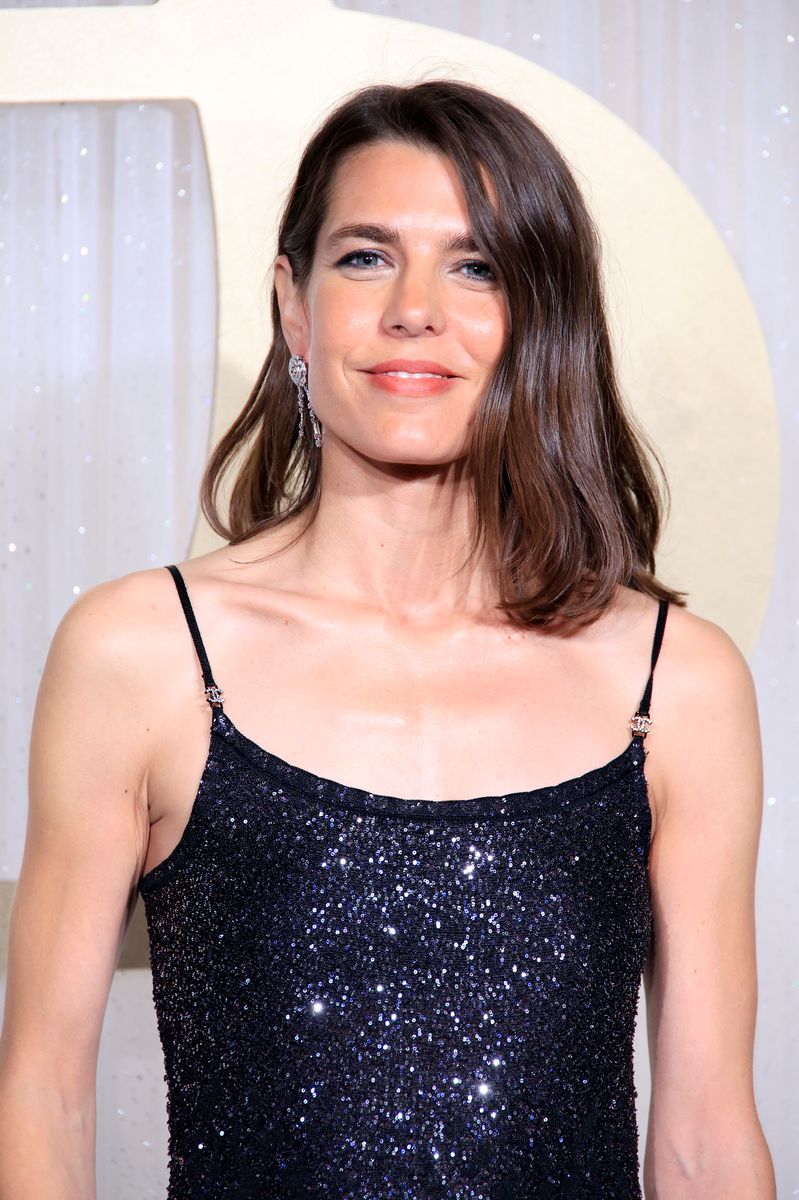 © Julien M. Hekimian
While all three siblings were raised with the same demanding standards, Charlotte believes the public judged them differently.
"There is always an expectation that girls should do more," she said.
The philosopher argued that women, regardless of age, are more frequently expected to conform to certain standards, with their relationships, choices, and appearance subjected to greater scrutiny.
 © Stephane Cardinale - Corbis
"My love life, my decisions, and my appearance have always been examined much more closely," she explained, adding that media attention has consistently been far more intense for her than for her brothers.
In one of her most personal interviews to date, Charlotte offered a rare glimpse into the pressures, insecurities, and expectations that shaped her journey, revealing the woman behind one of Europe's most recognizable royal names.