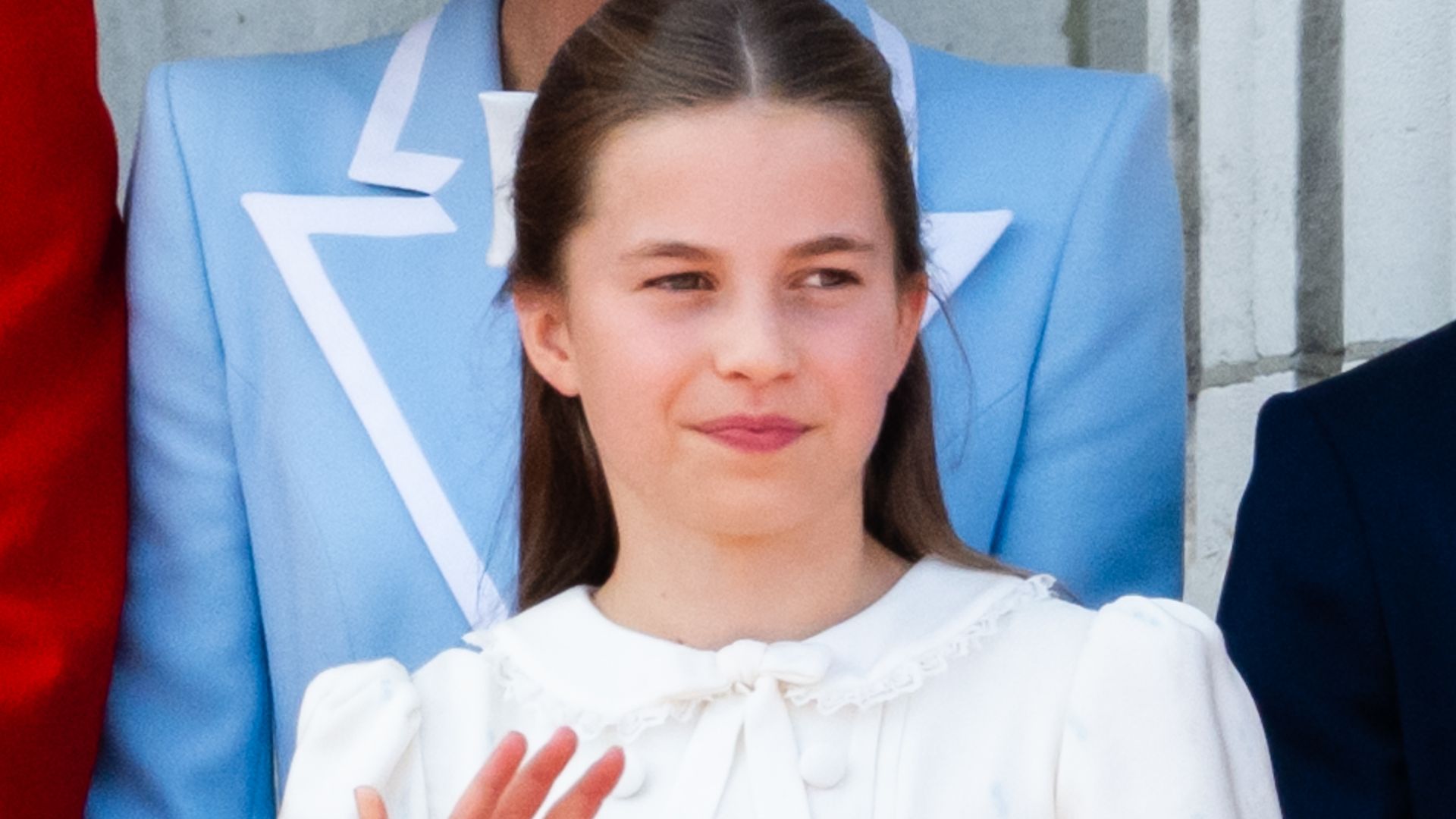
The annual Trooping the Colour celebration has become more than just a royal tradition, it is a moment that tells a story through time.
As attention increasingly shifts toward the younger generation of royals, future pillars of the monarchy, subtle details often reveal the most about their evolution.
This year's celebration, held in honor of the King's Official Birthday, highlighted a noticeable transformation in Princess Charlotte. At just 11 years old, the daughter of the Prince and Princess of Wales has gradually crafted an image that balances tradition, elegance, and modernity.
 © Max Mumby/Indigo
From romantic braids reminiscent of Empress Sissi to the soft waves that echo Kate Middleton's signature style, each hairstyle seems to mark a different stage of her journey.
From historical inspiration to romantic aesthetic:
Over the years, Princess Charlotte has made several appearances on the iconic Buckingham Palace balcony, often wearing carefully crafted braided hairstyles.
 © Max Mumby/Indigo
Looking back at her evolution from 2022 to today, it is impossible not to draw comparisons to a historical figure who has also inspired her mother, Catherine, Princess of Wales.
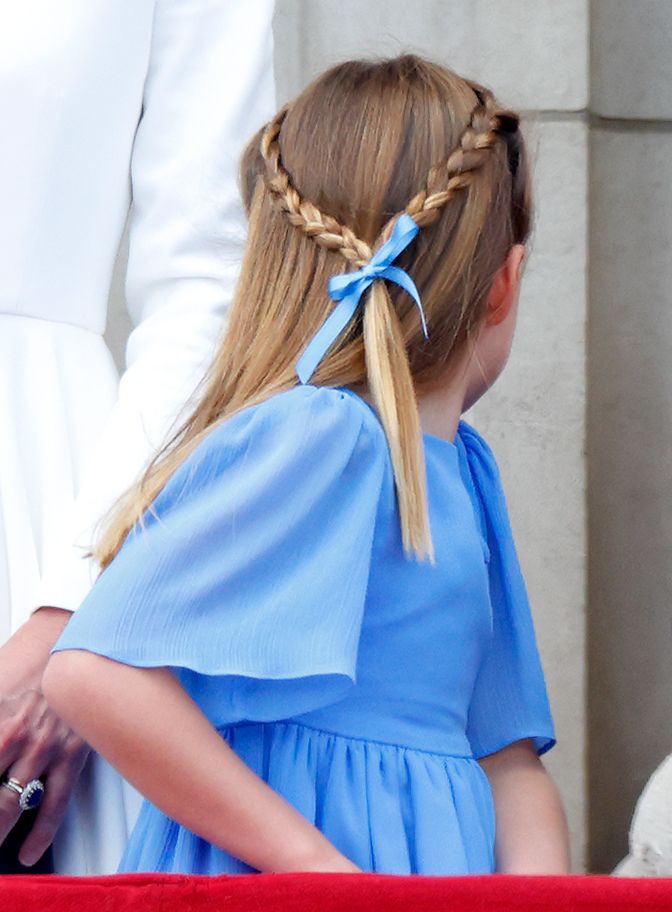
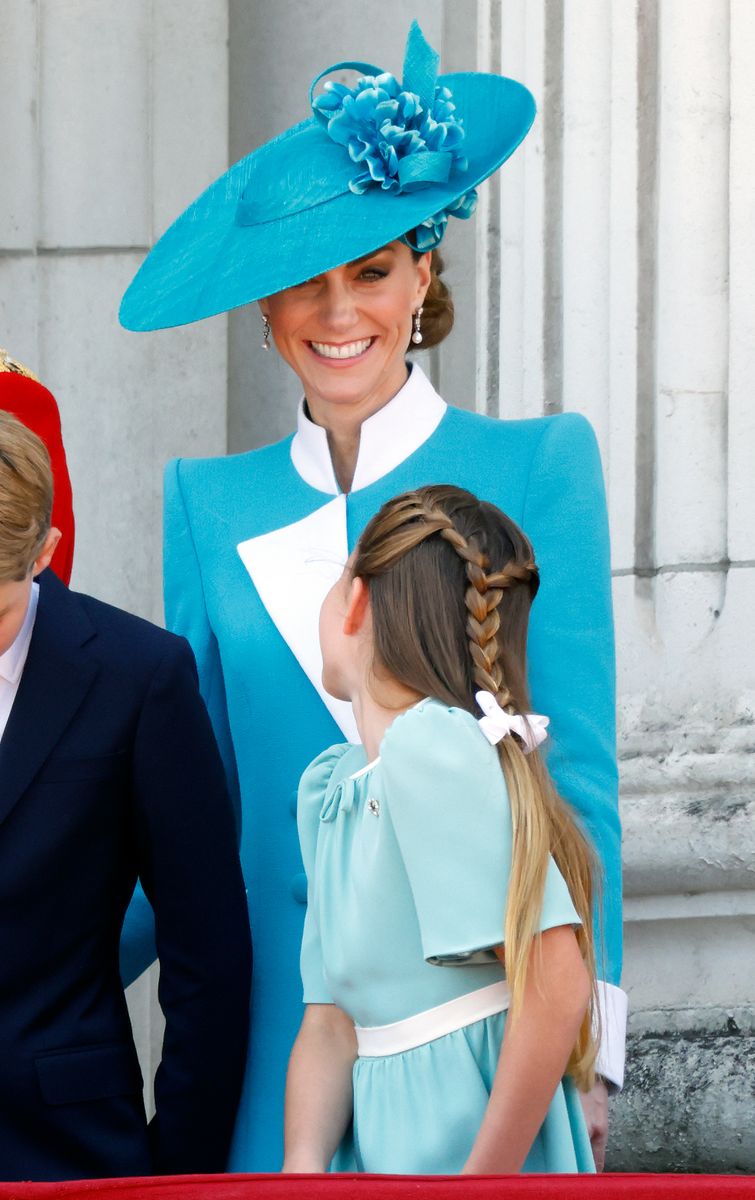
Charlotte's 2022 appearance is perhaps the one most closely linked to the romantic image of Empress Sissi. That year, she wore two side braids joined at the back with a blue ribbon, leaving the rest of her hair loose. The look was youthful, delicate, and unmistakably reminiscent of the European princesses of the 19th century.
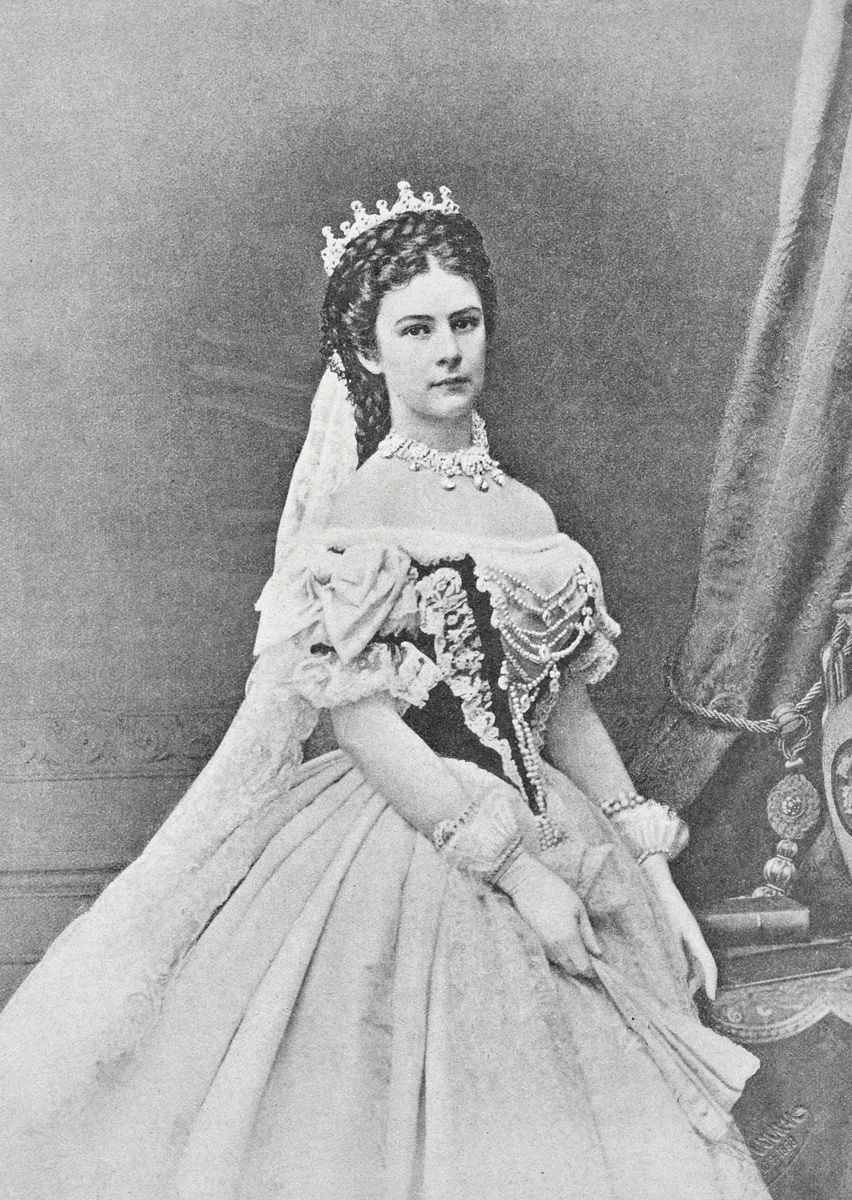
The comparison is no coincidence. Elisabeth of Bavaria, better known as Empress Sissi, made her extraordinary hair one of the defining beauty symbols of her era.
 © clu
© cluThe wife of Emperor Franz Joseph I of Austria was famous for her exceptionally long locks, which required hours of care and often featured intricate braids and elaborate hairstyles that captivated Europe. Through these Sissi-inspired looks, Charlotte embraced a romantic aesthetic that seemed lifted from a modern fairy tale.
Her most sophisticated updo:
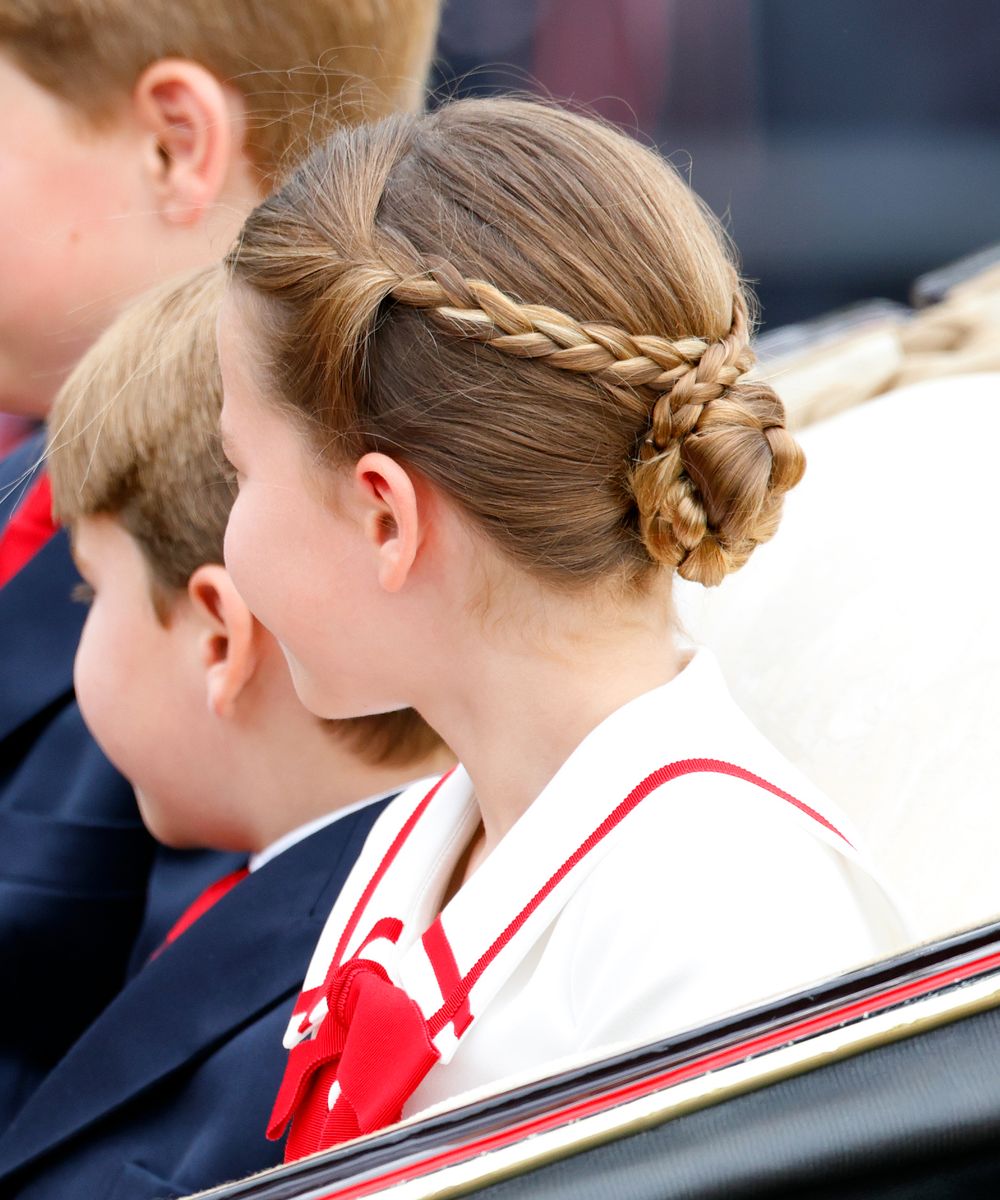
That evolution continued in 2023, when Charlotte debuted a noticeably more refined hairstyle. Instead of her usual half-up, half-down look, she appeared wearing an elegant low braided updo composed of multiple woven sections, once again echoing the influence of the Austrian empress.
 © Max Mumby/Indigo
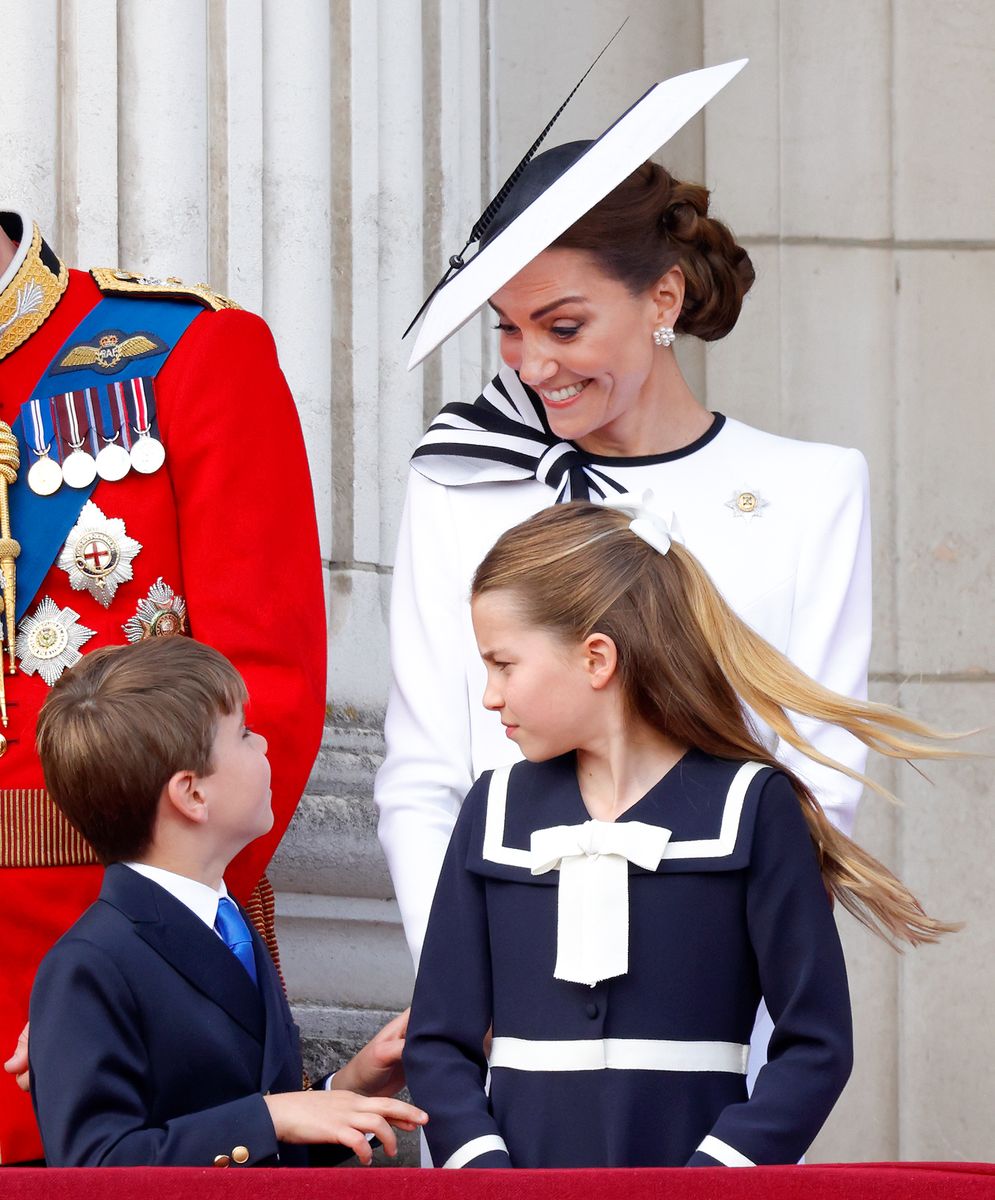
The choice felt particularly ceremonial, and for good reason. It marked the first Trooping the Colour for William and Catherine as Prince and Princess of Wales. Charlotte's role within the royal family had also changed.
Following the death of Queen Elizabeth II, the royal hierarchy underwent a significant transformation. The era of more overtly childlike hairstyles began to fade into the background.
 © Max Mumby/Indigo
Charlotte's braided updo felt like a nod to the historic hairstyles that have long formed part of European royal protocol. Braids remained central to her look, but they were now reinterpreted through a more sophisticated lens.
Charlotte's biggest style shift:
Before Charlotte's biggest style shift arrived, the royal family experienced one of its most challenging periods.
 © Max Mumby/Indigo
In 2024, Trooping the Colour took on added significance as it marked Catherine's return to public life following her health announcement, while King Charles III was also making one of his first major appearances after revealing his own diagnosis.
Amid such a sensitive moment for the monarchy, Charlotte once again appeared as one of her mother's strongest visual allies. However, it was in 2025 that her aesthetic transition became truly noticeable.
 © Mike Marsland
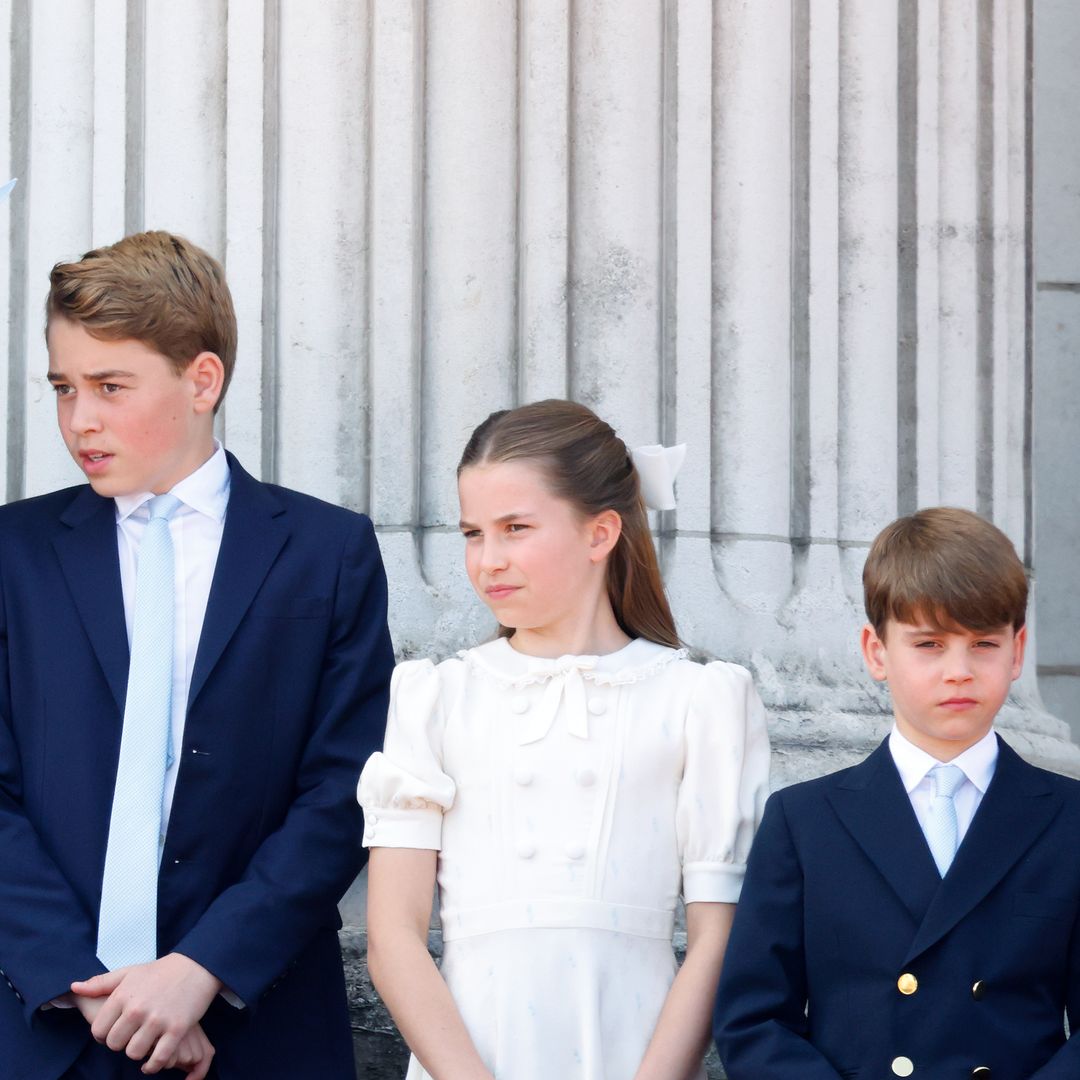
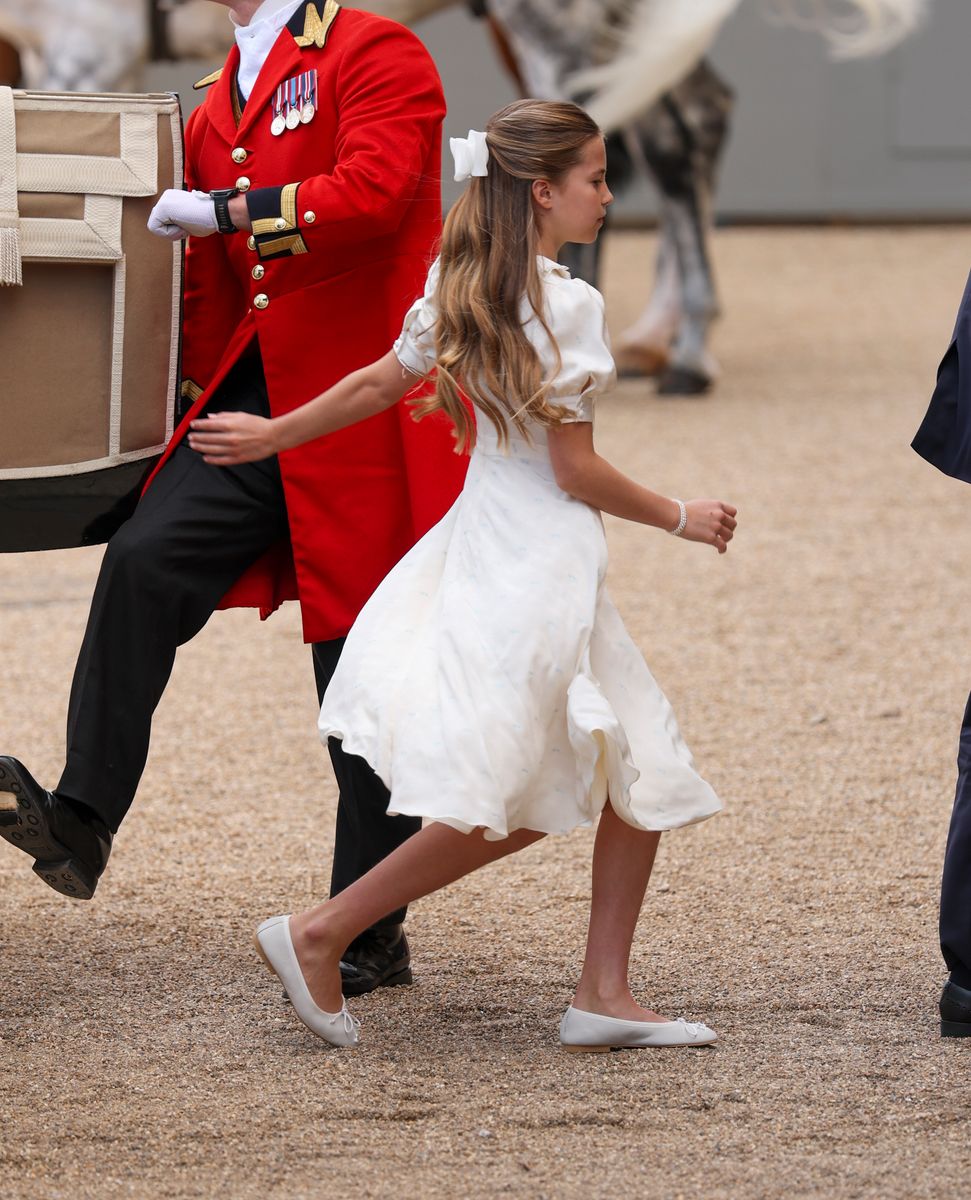
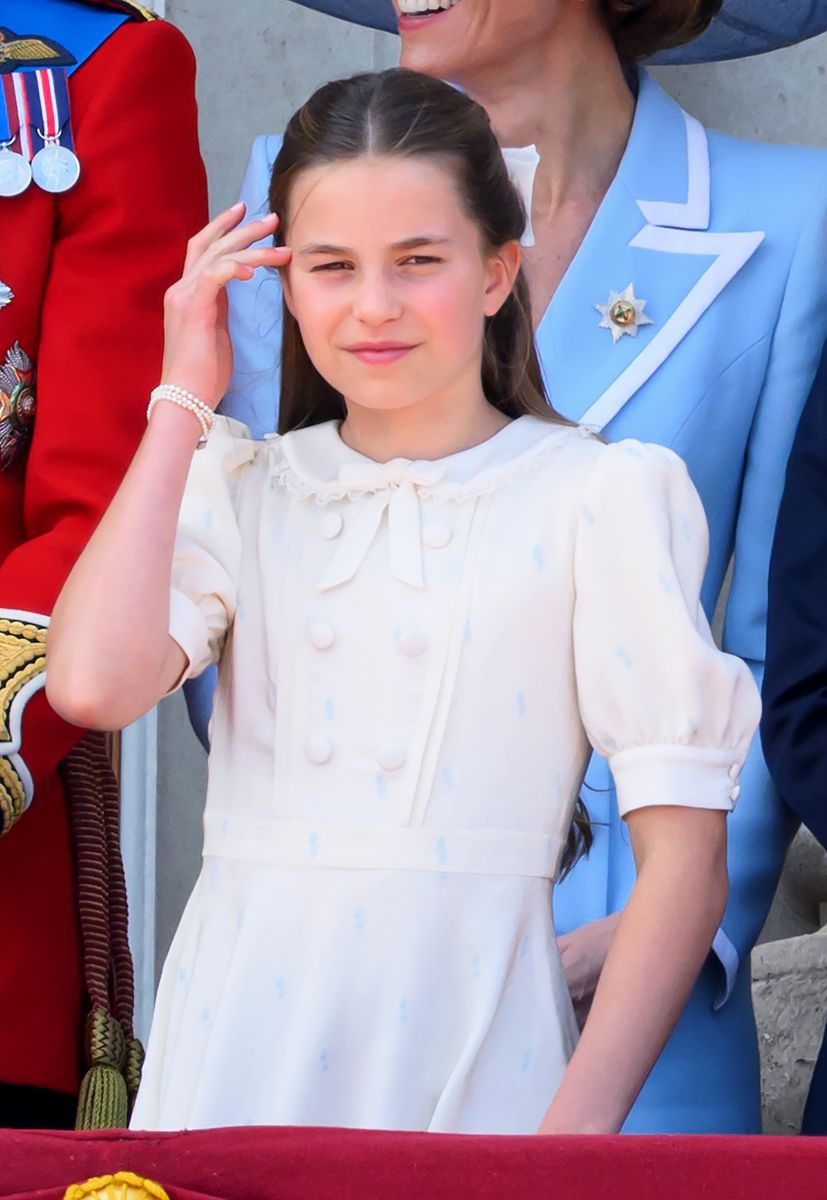
That year, she retained a braid at the back of her head, but it was simpler and far more understated. Her hair was worn mostly loose and straight, with a much less elaborate structure than in previous years. The look brought her style closer to that of her mother, signaling the end of an era defined by 19th-century princess-inspired hairstyles.
For the first time, the braid became more of a decorative detail than the focal point of the look. It was a significant change, suggesting a new stylistic direction. Gradually, Charlotte began moving away from childhood hairstyles and toward an image more suited to adolescence. One defined by natural beauty rather than ornate styling.
 © Karwai Tang
Kate Middleton's resemblance:
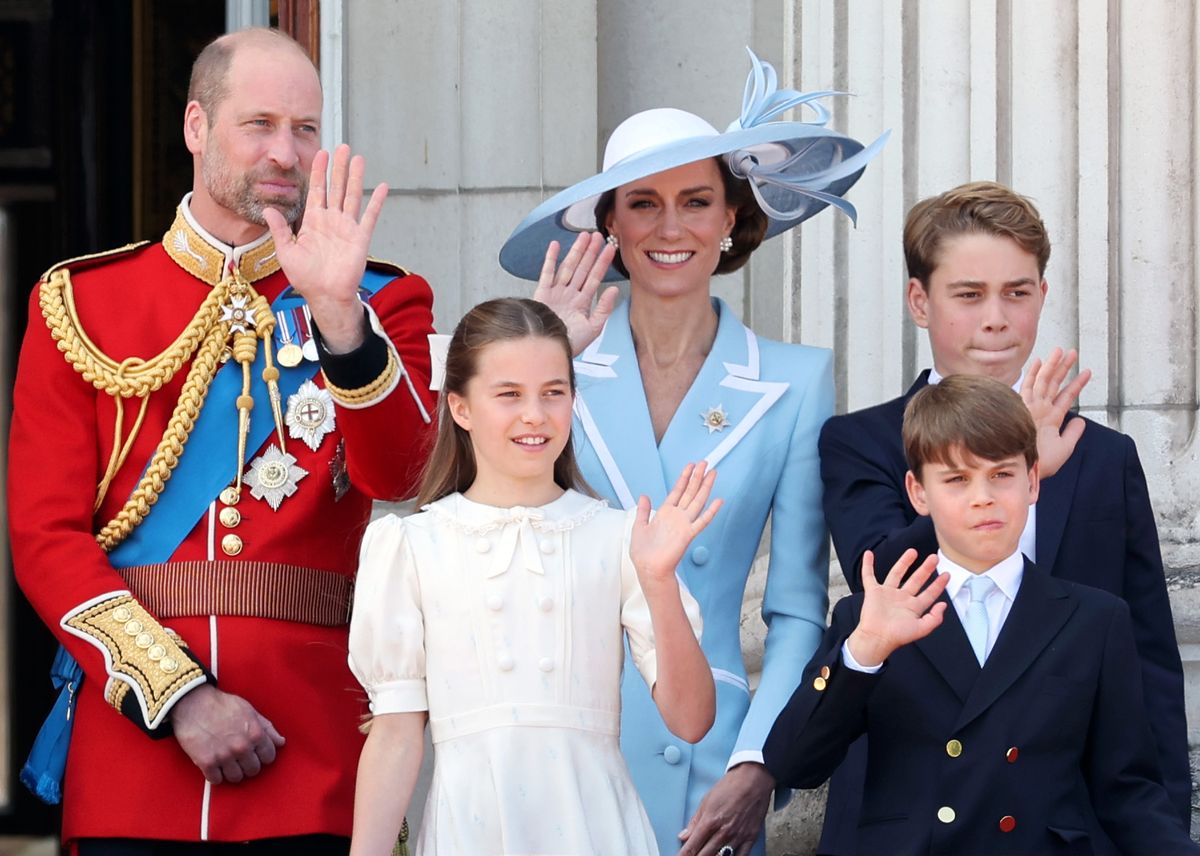
Charlotte's most recent appearance at Buckingham Palace, during Trooping the Colour 2026, marked the clearest turning point yet.
The images showed not only a young girl increasingly stepping into the role of protective older sister, but also a hairstyle that reflected her growing maturity.
 © Chris Jackson
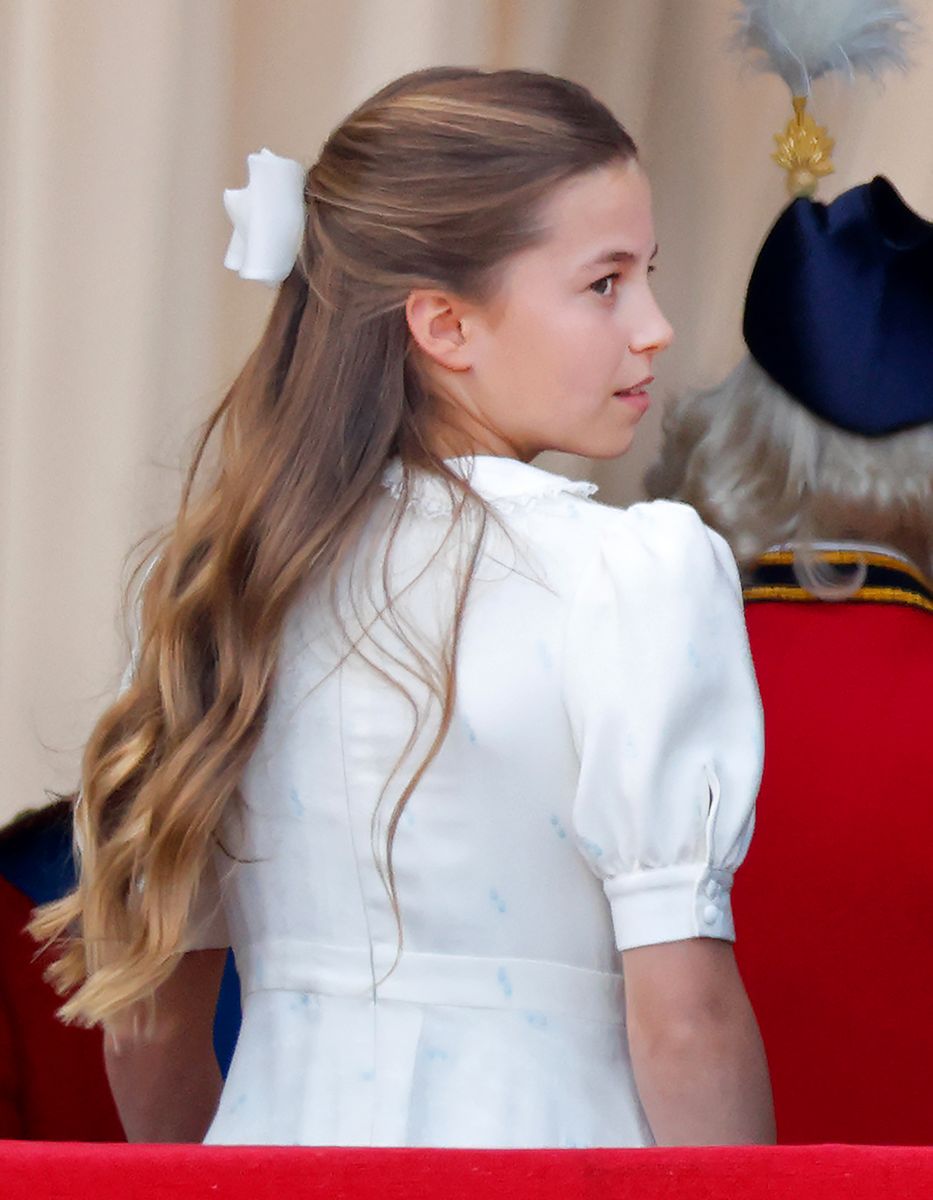
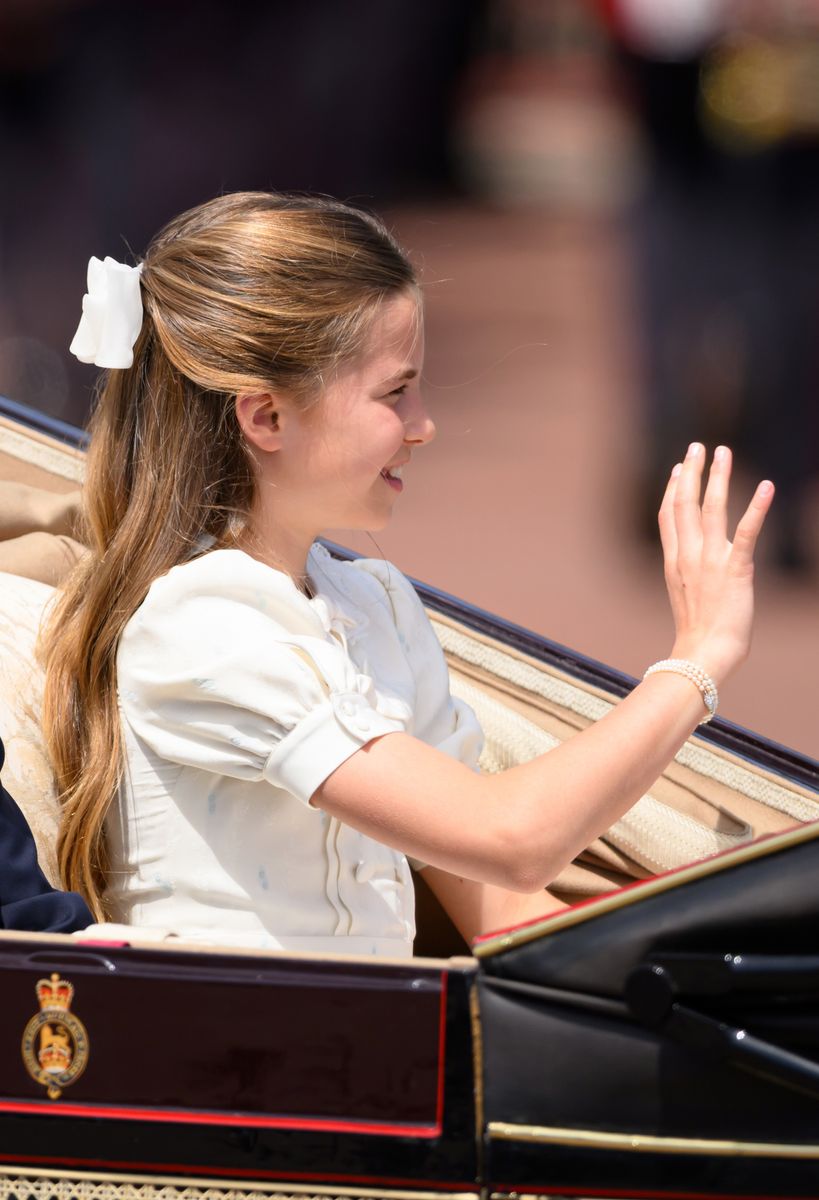
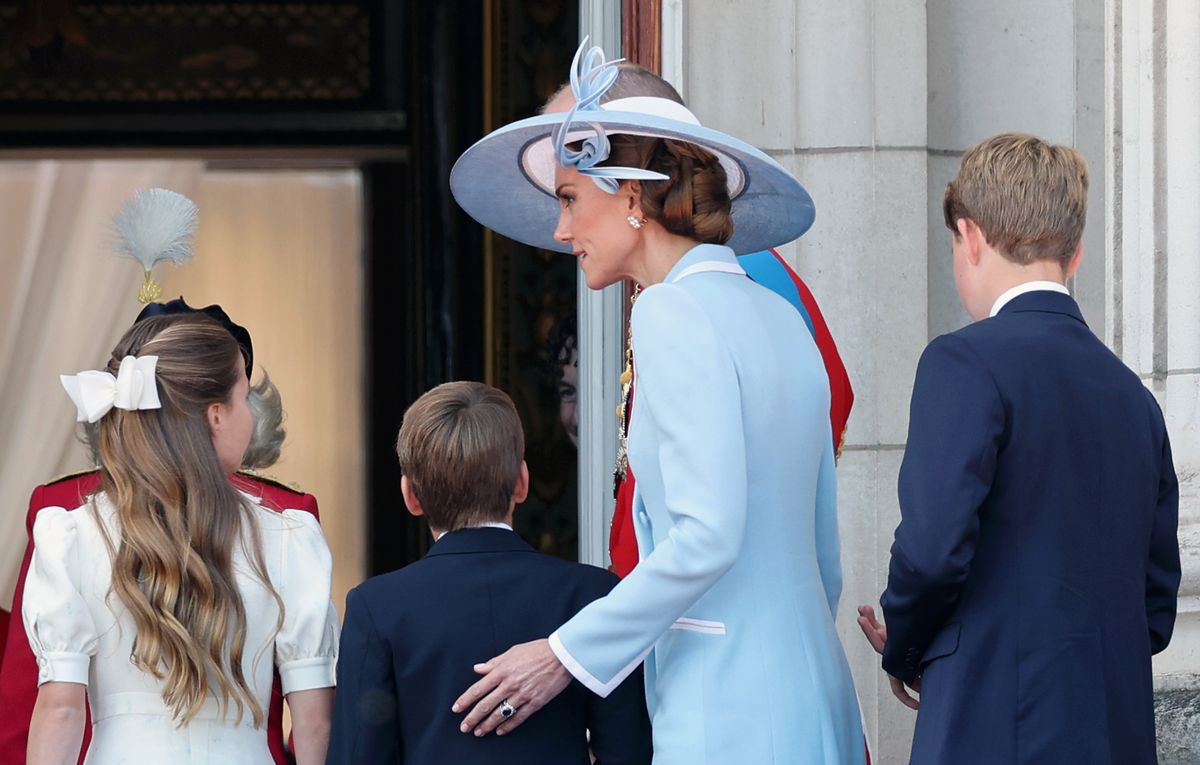
Her hair was styled in a half-up look adorned with a large white bow, while soft waves flowed from mid-length to the ends.
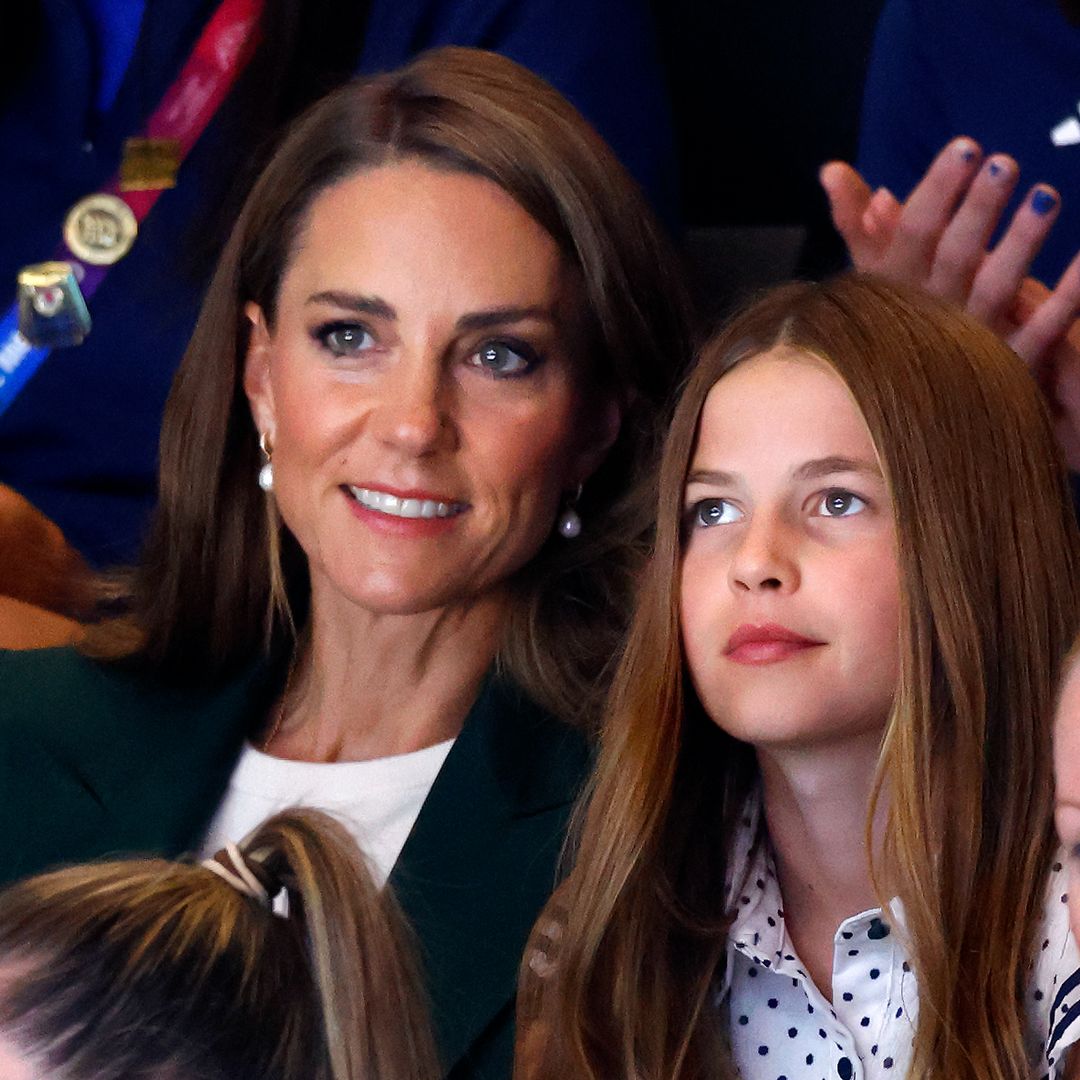
The contrast with previous years was striking. For the first time, braids virtually disappeared as the defining feature, replaced by the natural movement of her hair. The resemblance to Catherine's signature beauty look was impossible to ignore.
 © Karwai Tang
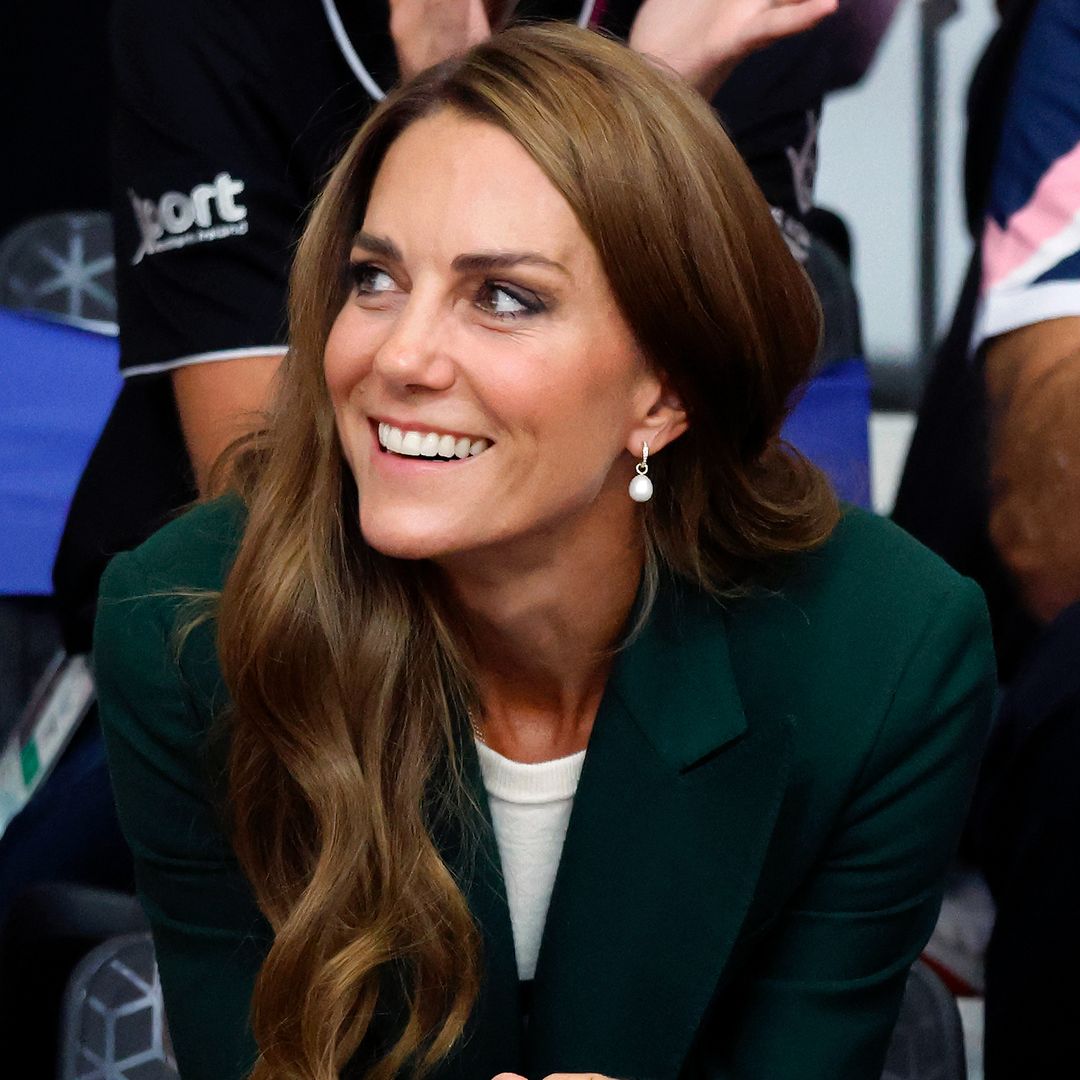
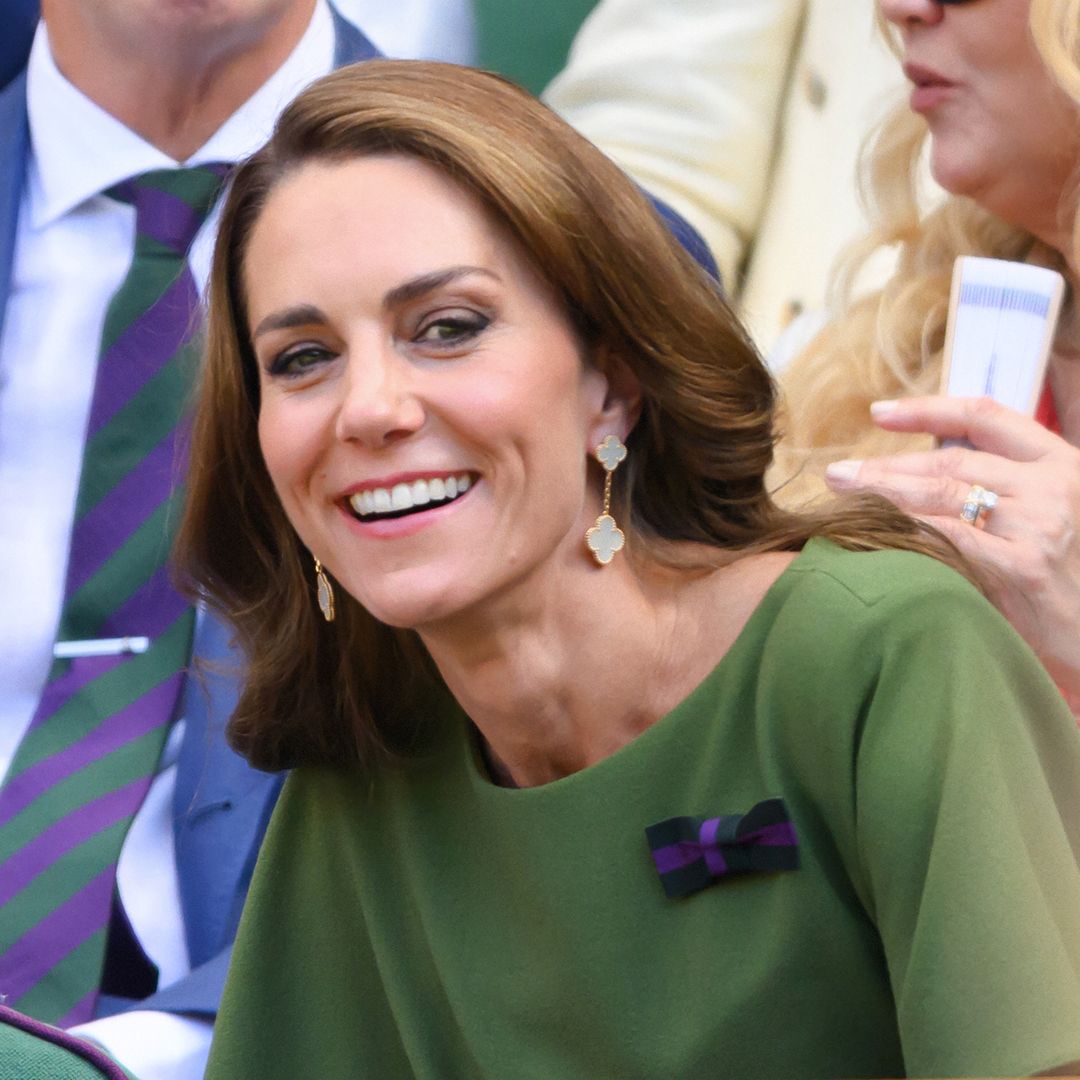
Since joining the royal family, the Princess of Wales has become synonymous with softly curled hair, glossy finishes, and natural elegance, a style that has inspired women around the world. Charlotte's latest look reflected many of those same characteristics, reinforcing the visual connection between mother and daughter.
The transformation symbolizes her transition from childhood into a new phase. The structured updos and intricate braids of her younger years have given way to a softer, more effortless aesthetic.
 © Chris Jackson
If her earliest appearances evoked the imperial romance of Empress Sissi, her latest ones bring her closer to the contemporary refinement associated with Kate Middleton.
Rather than representing a break between two styles, the shift reflects a natural and coherent evolution. Historical braids have gradually given way to gentle waves, preserving the elegance expected of royalty while adapting it for a new generation.
Year after year, Trooping the Colour allows the public to witness Charlotte's growth. not only as a young royal, but as the future right hand of a king, her older brother, Prince George.