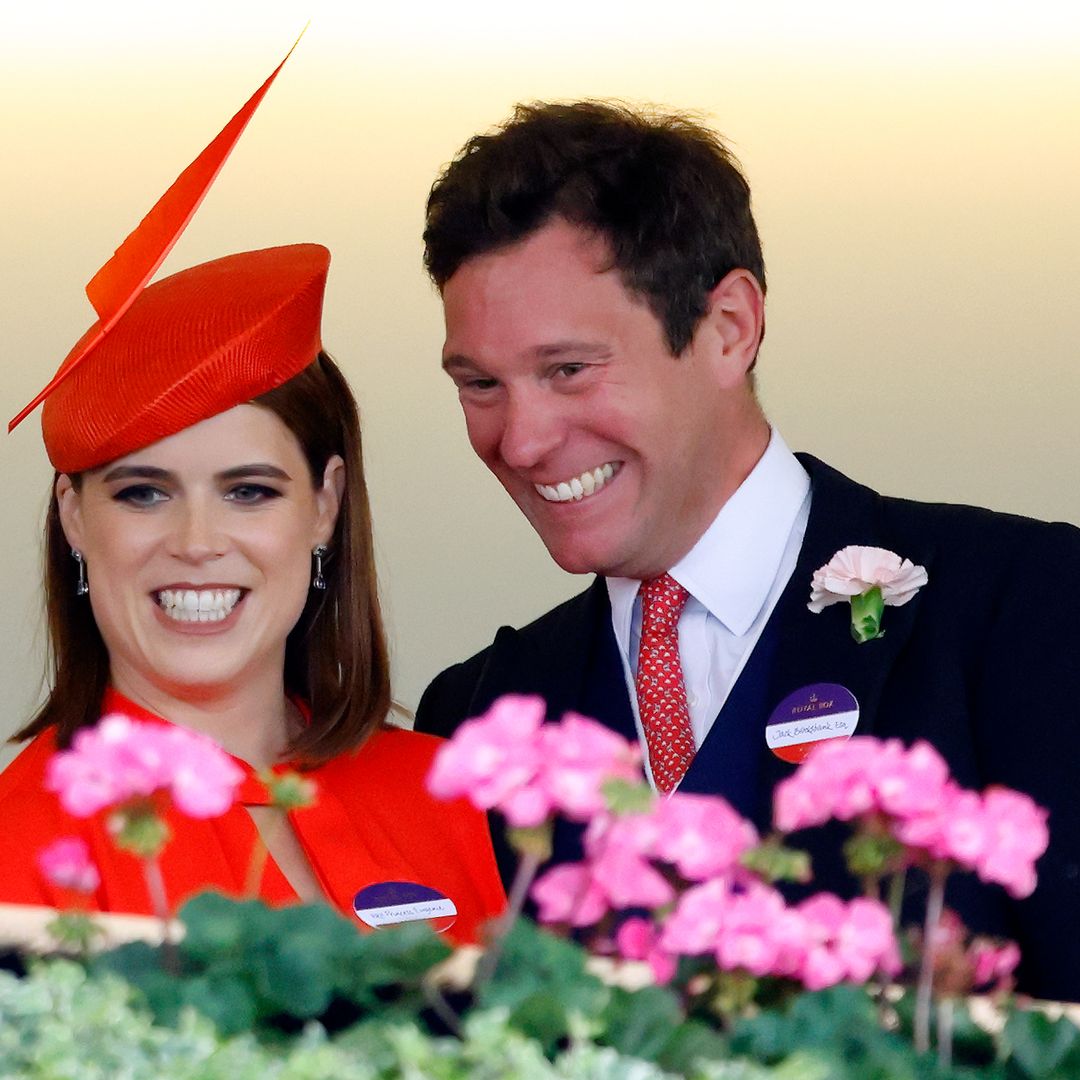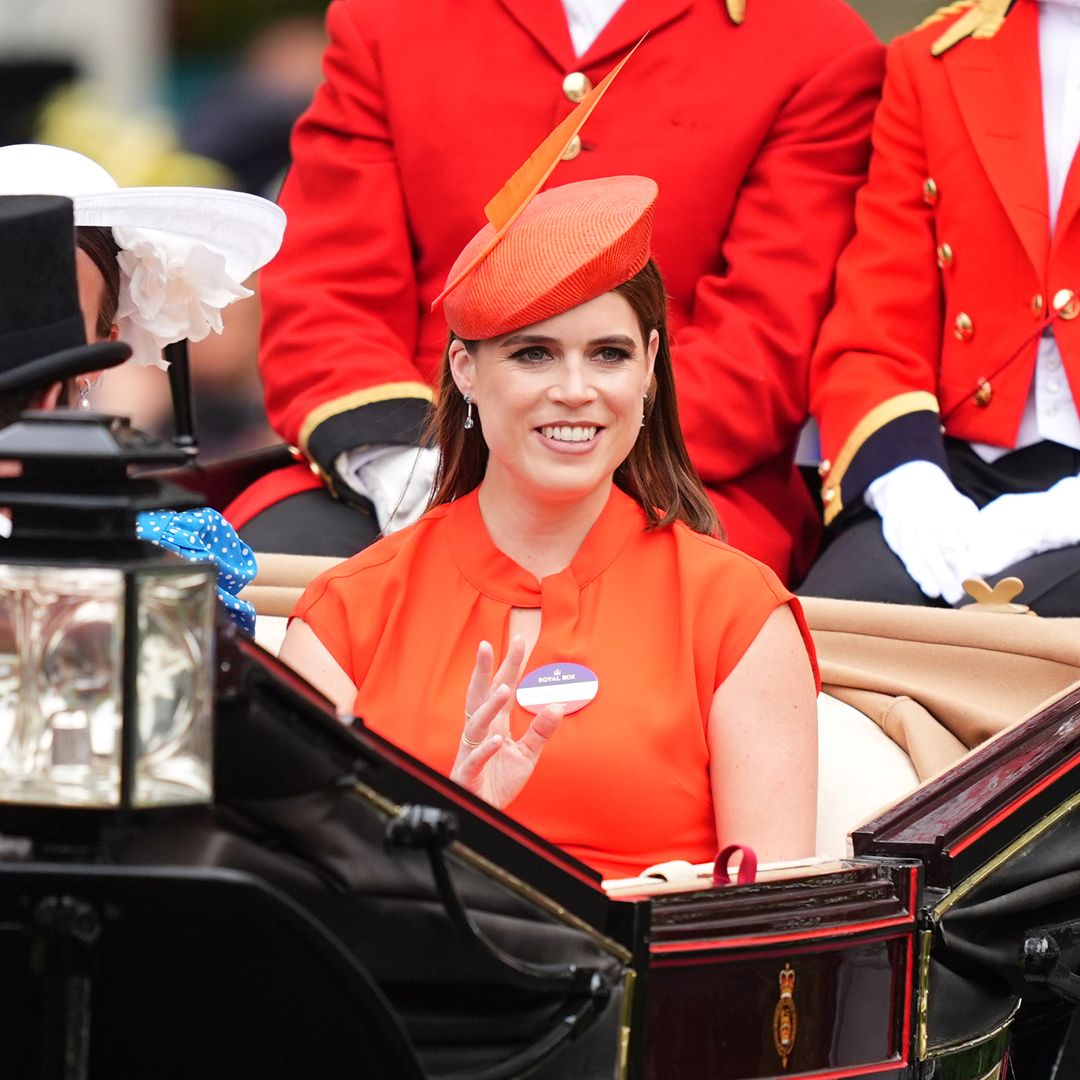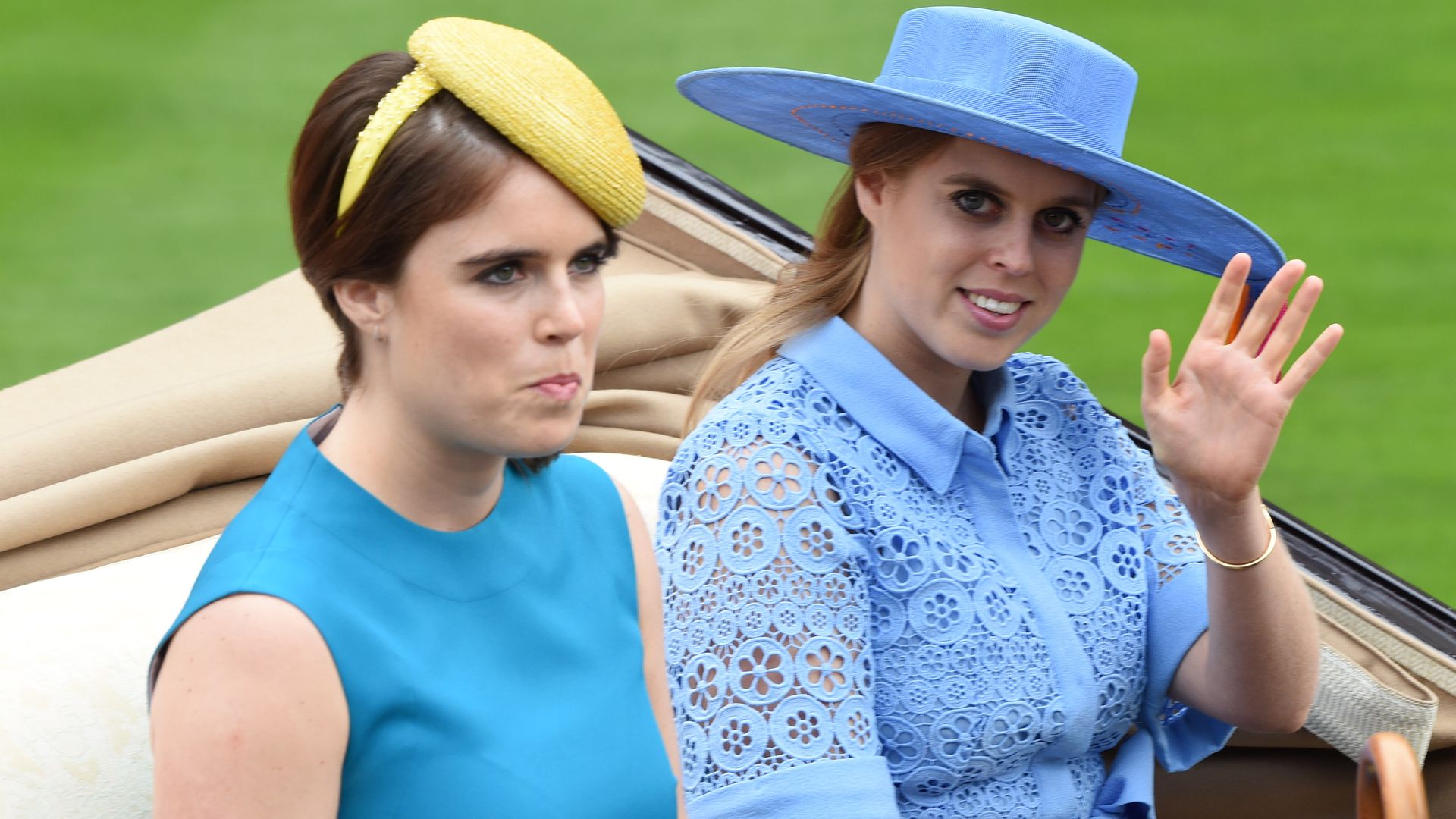
Princess Beatrice and Princess Eugenie's palace living arrangements are under renewed scrutiny after a report from the U.K.'s National Audit Office (NAO) revealed that King Charles III continues to cover the cost of their royal residences despite neither sister serving as a working royal.
The findings emerged as part of a wider investigation into royal property arrangements, prompted by ongoing questions surrounding Andrew Mountbatten-Windsor's former housing agreements.
 © Max Mumby/Indigo
While much attention focused on the disgraced royal's lease arrangements and property dealings, the report also shed new light on the accommodations enjoyed by his daughters.
According to the NAO, Princess Beatrice, 37, and Princess Eugenie, 36, continue to occupy royal residences funded through the King's Privy Purse, a private source of income that includes revenues from the Duchy of Lancaster.
The arrangement was originally established by their late grandmother, Queen Elizabeth II, and has remained in place under King Charles.
 © Chris Jackson
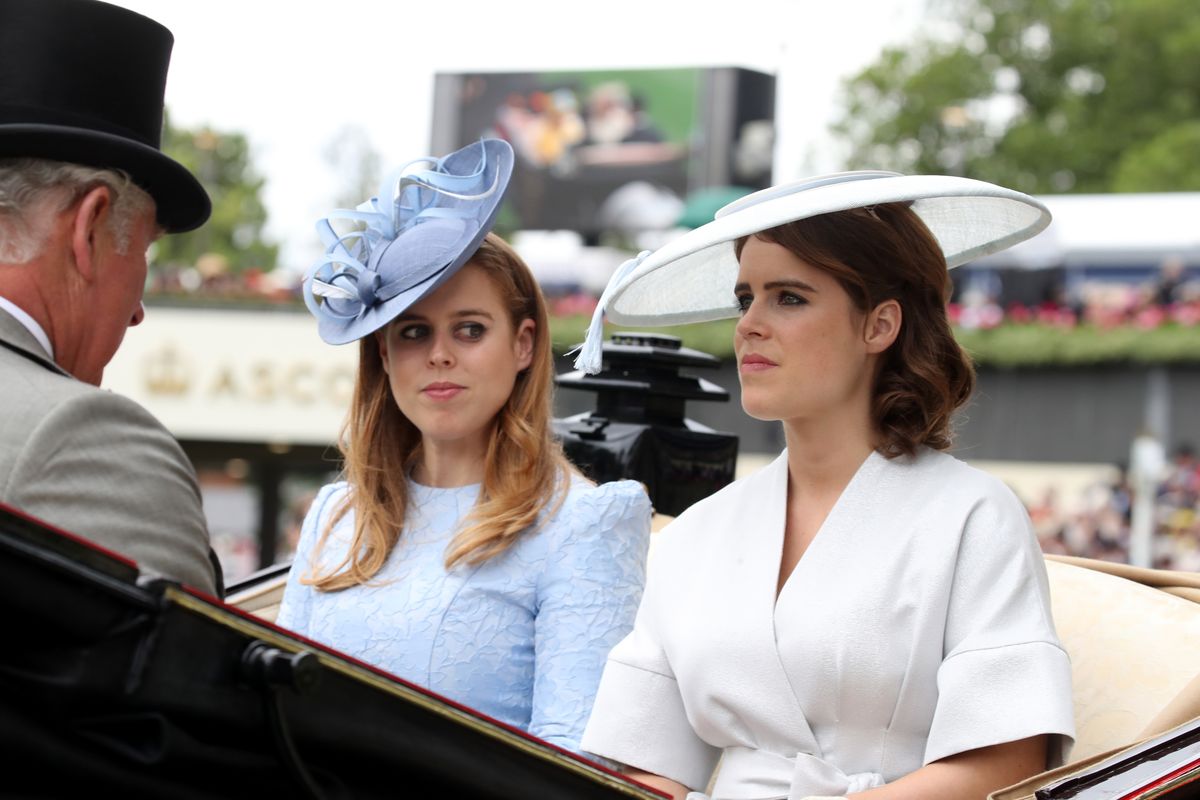
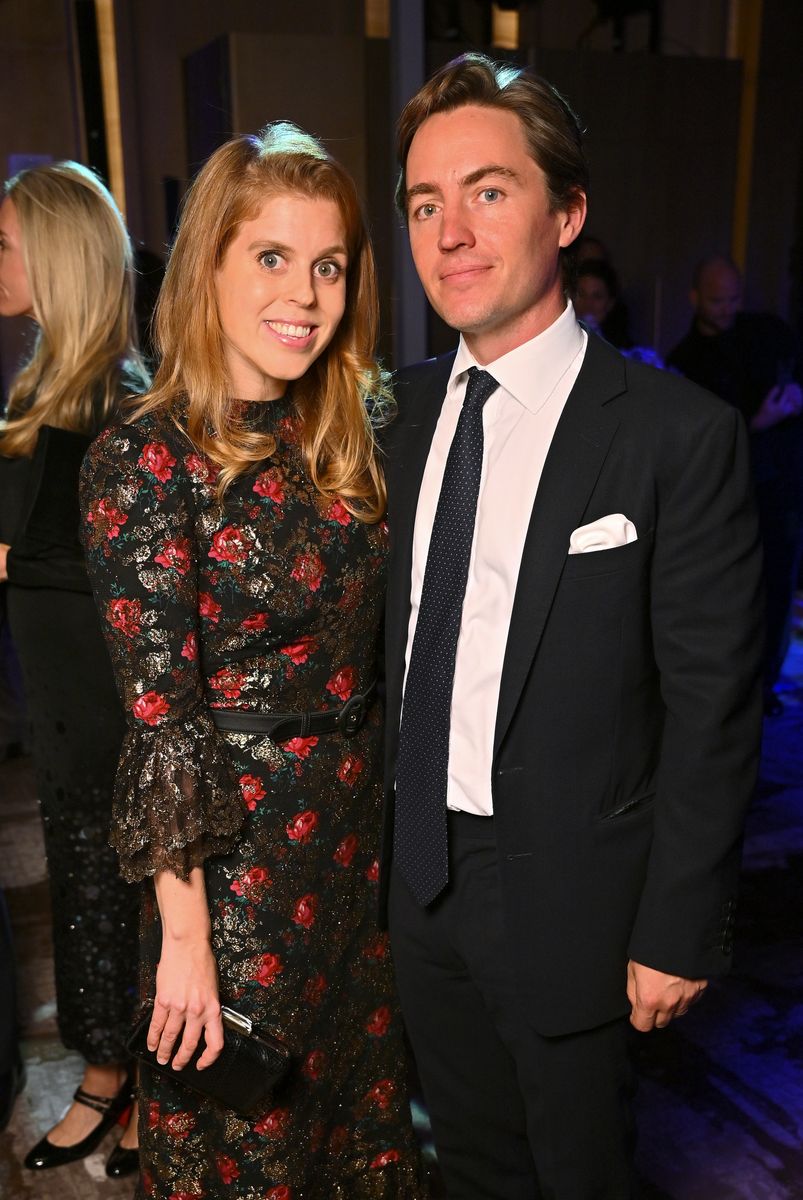
Beatrice maintains an apartment at St. James's Palace in London while splitting her time between the capital and a countryside home in the Cotswolds with her husband, Edoardo Mapelli Mozzi, their daughters Sienna and Athena, and Edoardo's son, Wolfie.
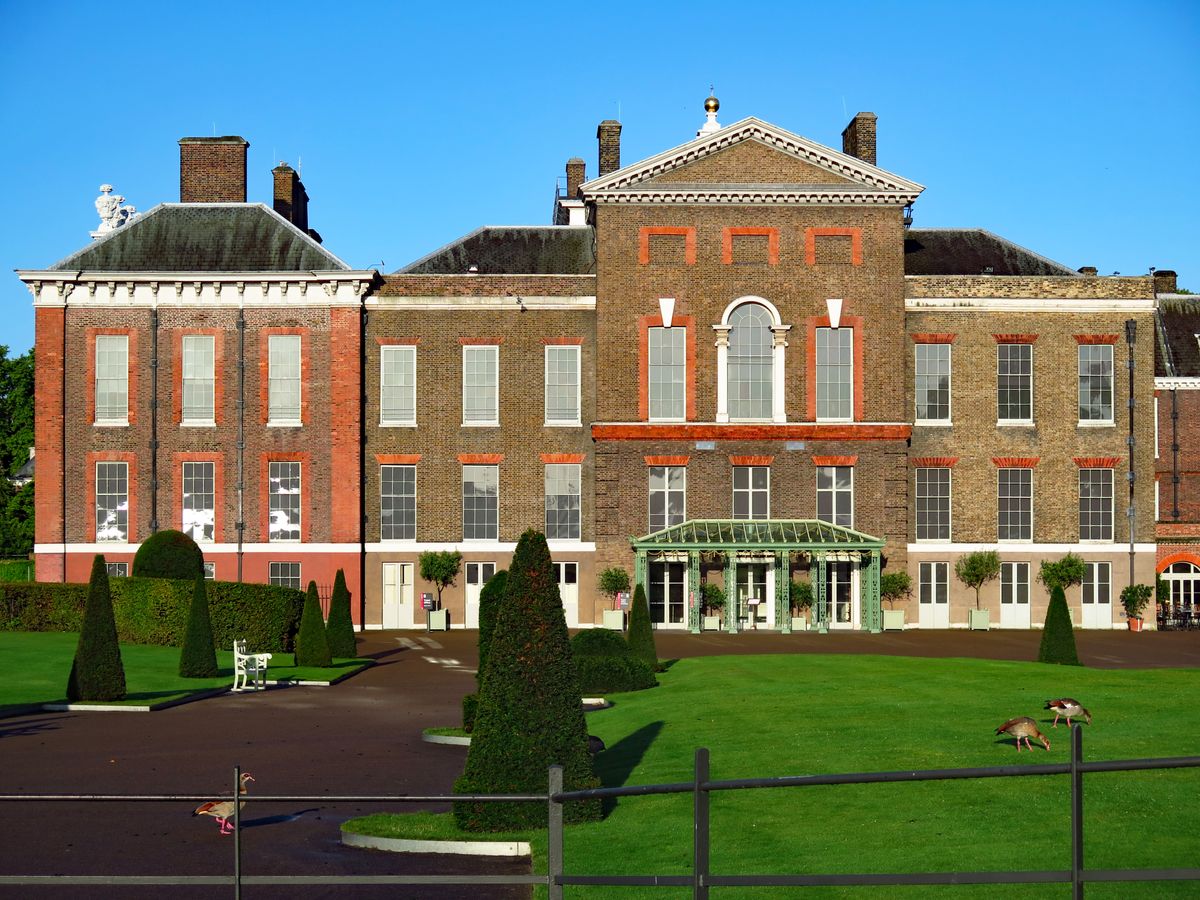
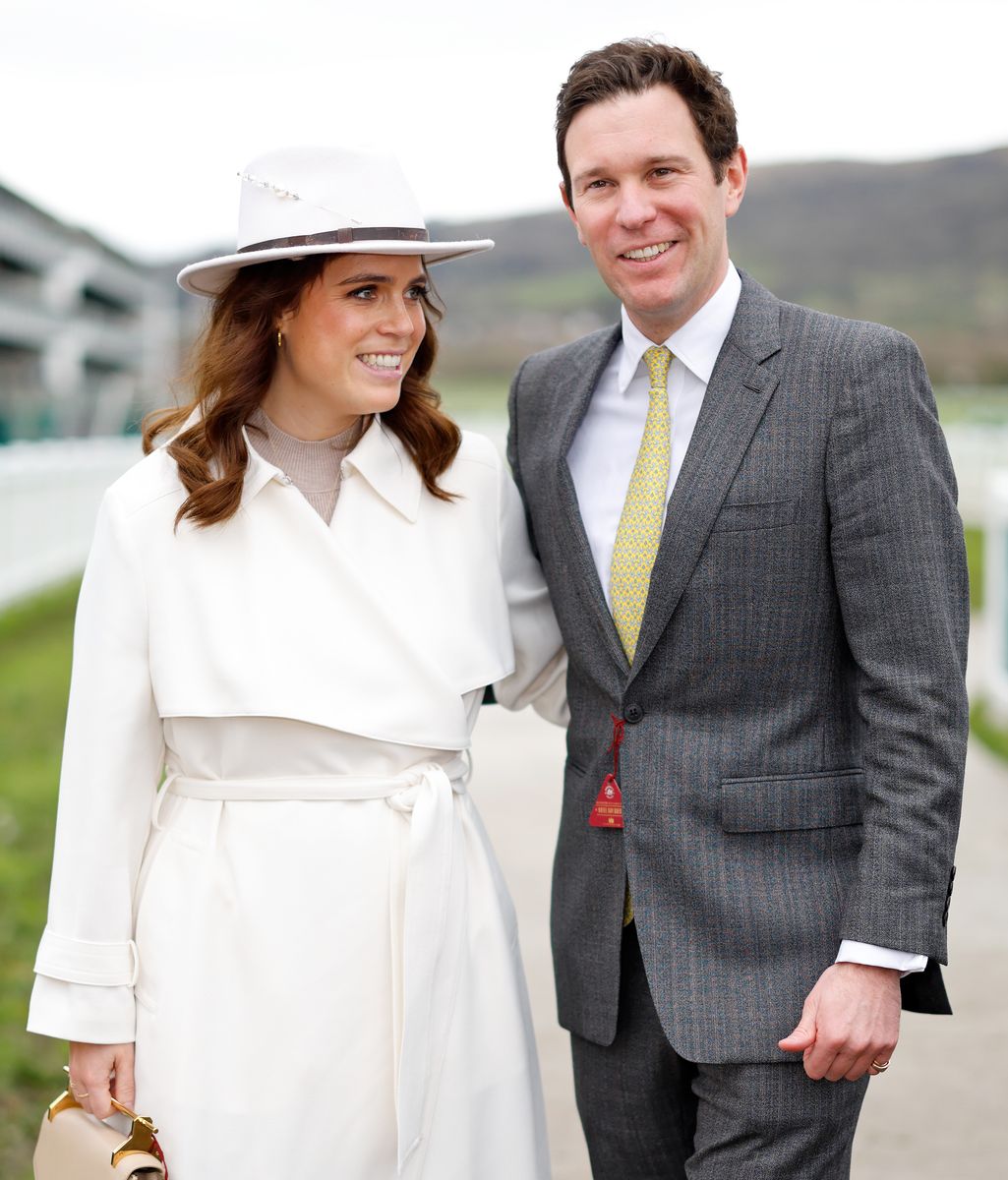
Meanwhile, Eugenie and her husband, Jack Brooksbank, divide their time between Ivy Cottage on the grounds of Kensington Palace and a villa in Portugal, where they live with their sons August and Ernest.
The couple is currently expecting their third child.
 © Colors Hunter - Chasseur de Coul
The report found that although Royal Household policy typically requires non-working royals to pay rent at approximately 60% of market value, the calculations for both sisters were based on outdated property valuations for several years.
Eugenie's rent calculations relied on a 2018 valuation until this year, while Beatrice's were based on a 2020 assessment.
As a result, the King effectively covered the cost of maintaining the residences while the princesses paid nothing toward their London homes.
 © Dave Benett
Questions have emerged because both women have established careers outside royal duties and are married to wealthy husbands.
As Victoria Ward reported for The Telegraph, "It is not known why the princesses, who are both employed and married to wealthy men, do not pay their own rent."
The revelations have sparked criticism from some observers.
 © Max Mumby/Indigo
Norman Baker, the former Liberal Democrat minister, said, “There’s no way that non-working members of the Royal family should be subsidised by the Duchy of Lancaster. The Royal family is yet again taking the public for a complete ride.”
The report also highlighted a notable contrast between the princesses' arrangements and those of their father.
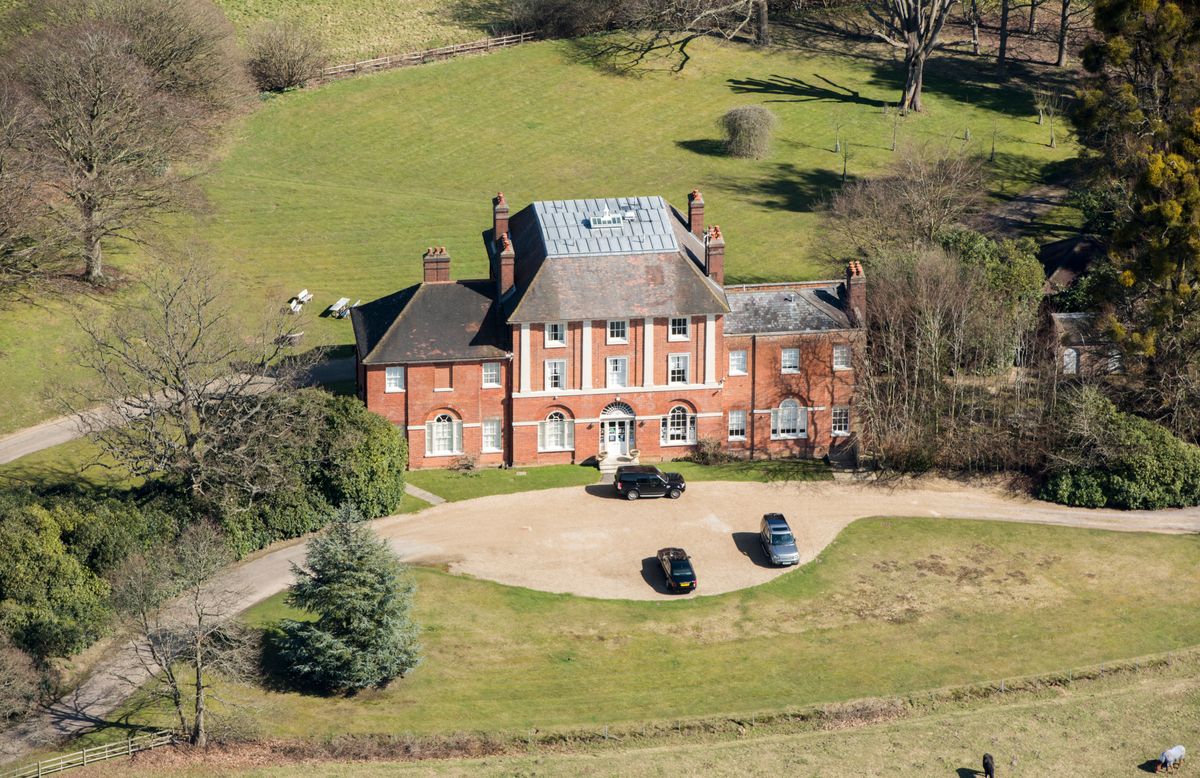
While living at Royal Lodge in Windsor, Andrew Mountbatten-Windsor was permitted to sublet three of the eight properties on the estate.
 © Heritage Images
According to People, the former royal charged rent to staff and former staff members living in cottages on the grounds.
A royal source told the publication that the properties were rented out to help cover maintenance and operating expenses and were not intended to generate profit.
However, the report noted that it remains unclear how much income Andrew received through the arrangements over the years.
The NAO investigation was launched after scrutiny surrounding Andrew's long-term occupation of Royal Lodge.
 © Heritage Images
The former Duke of York had lived at the Windsor estate property since 2003 under a "peppercorn rent" agreement after reportedly investing around $10 million in refurbishment work instead of paying full market rent.
Andrew was forced to leave Royal Lodge earlier this year after King Charles stripped him of his remaining royal titles and honors in October 2025 amid ongoing fallout from his association with the late Jeffrey Epstein.
On February 19, his 66th birthday, Andrew was arrested at his new residence on the Sandringham Estate on suspicion of misconduct in public office.
 © Getty Images
The report further suggested Andrew could receive approximately $400,000 (£300,000) in compensation for surrendering his Royal Lodge lease early, although potential repair and restoration costs could offset that amount.
While the report scrutinized accommodations provided to non-working royals, it drew a clear distinction between them and members of the family who carry out official duties.
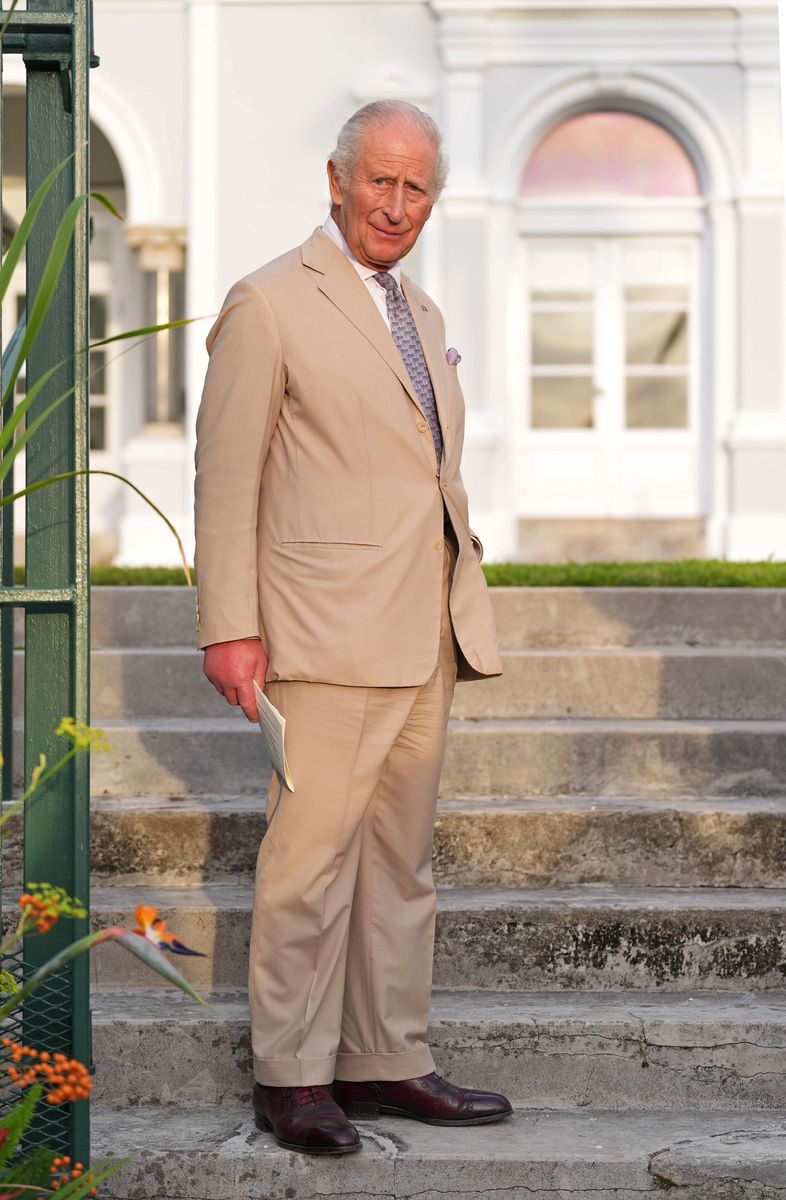
The NAO confirmed that 11 working royals receive housing within occupied royal palaces free of charge because the residences are considered essential for carrying out state and ceremonial responsibilities.
 © Max Mumby/Indigo
These royals share seven official residences across estates including Buckingham Palace, Kensington Palace and St. James's Palace.
The group includes King Charles III and Queen Camilla; Prince William and Catherine, Princess of Wales; Prince Edward and Sophie, Duchess of Edinburgh; Princess Anne; the Duke and Duchess of Gloucester; the Duke of Kent; and Princess Alexandra.
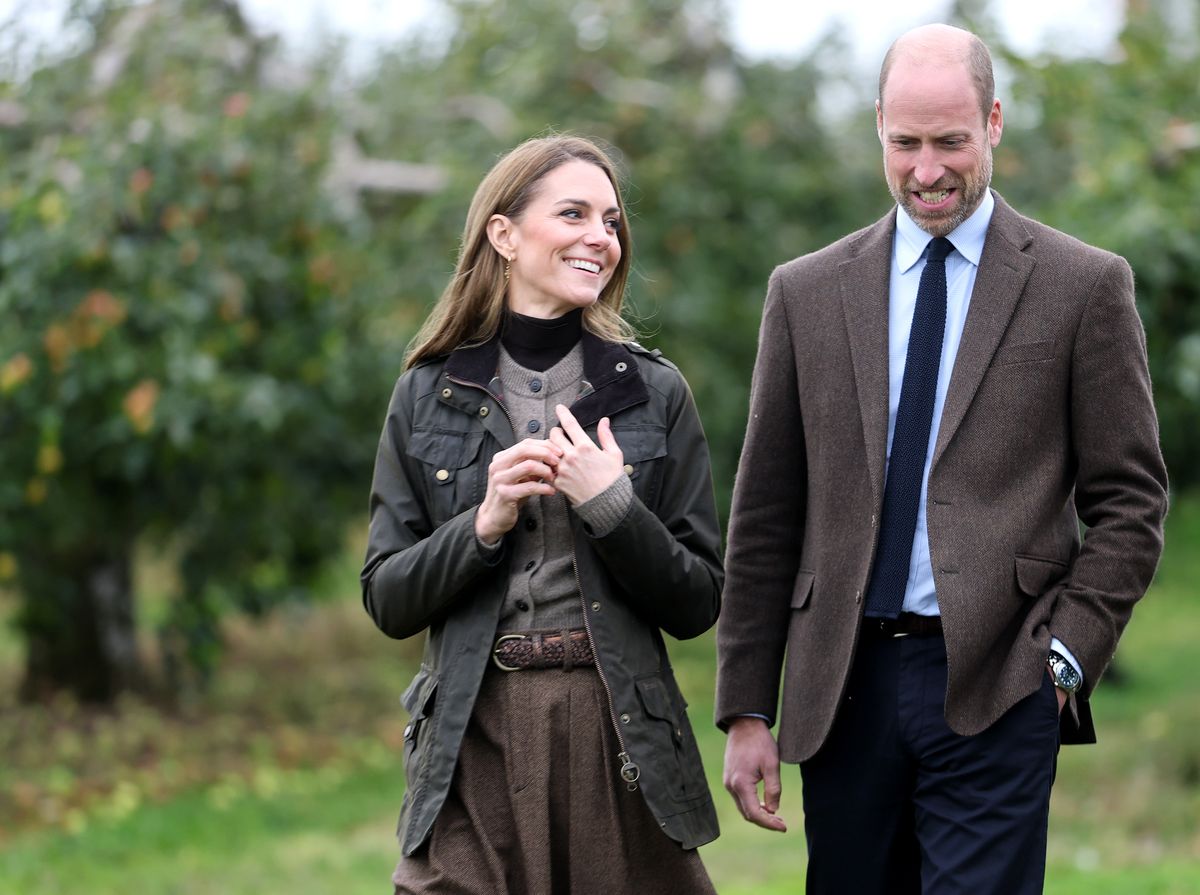
The Prince and Princess of Wales were also featured in the report.
 © Getty Images
While they receive a palace apartment in connection with their royal duties, they personally pay £307,200 per year to lease Forest Lodge in Windsor, the home they have described as their "forever home."
The Crown Estate spent approximately £400,000 renovating the property before William and Catherine moved in during 2025.
Their 20-year lease was established at full market value following assessments by independent valuers.
 © Justin Goff Photos
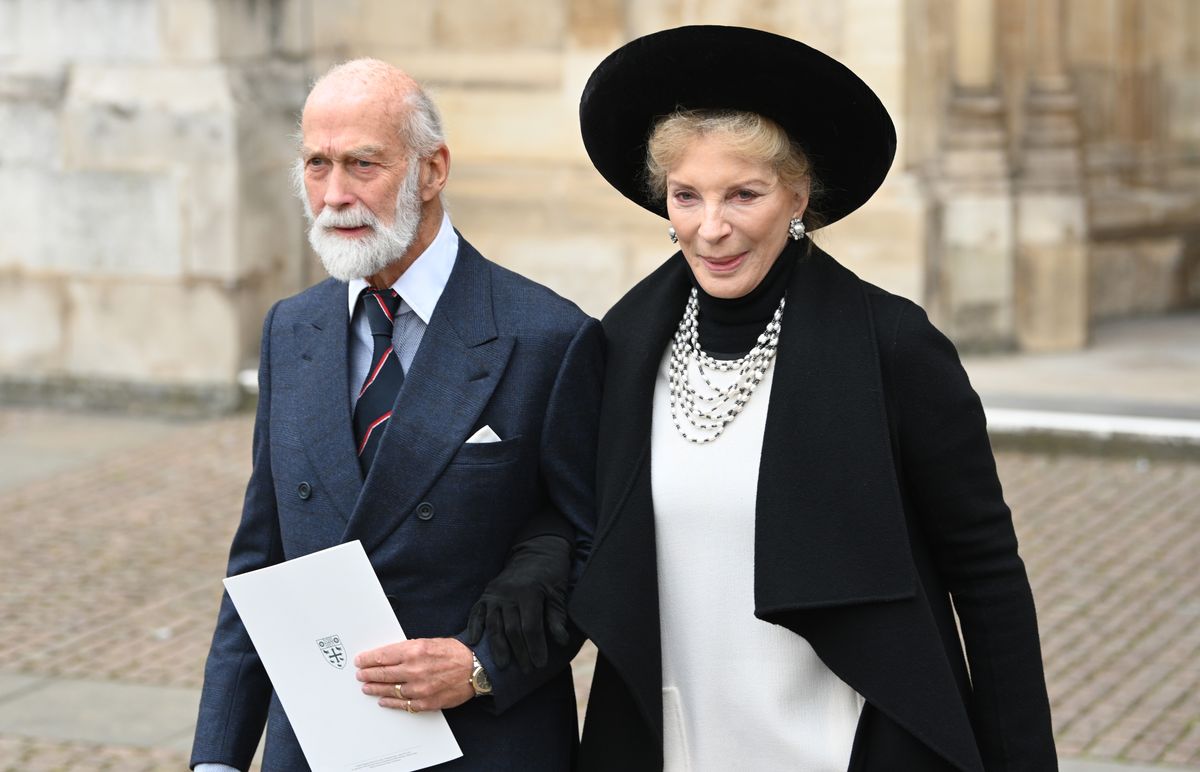
The report additionally confirmed that Prince and Princess Michael of Kent, who are not working royals, also have their Kensington Palace rent covered by the King.
Similar support had previously been provided by Queen Elizabeth II after controversy erupted over their heavily subsidized accommodation arrangements.
Responding to the findings, Buckingham Palace emphasized its commitment to transparency.
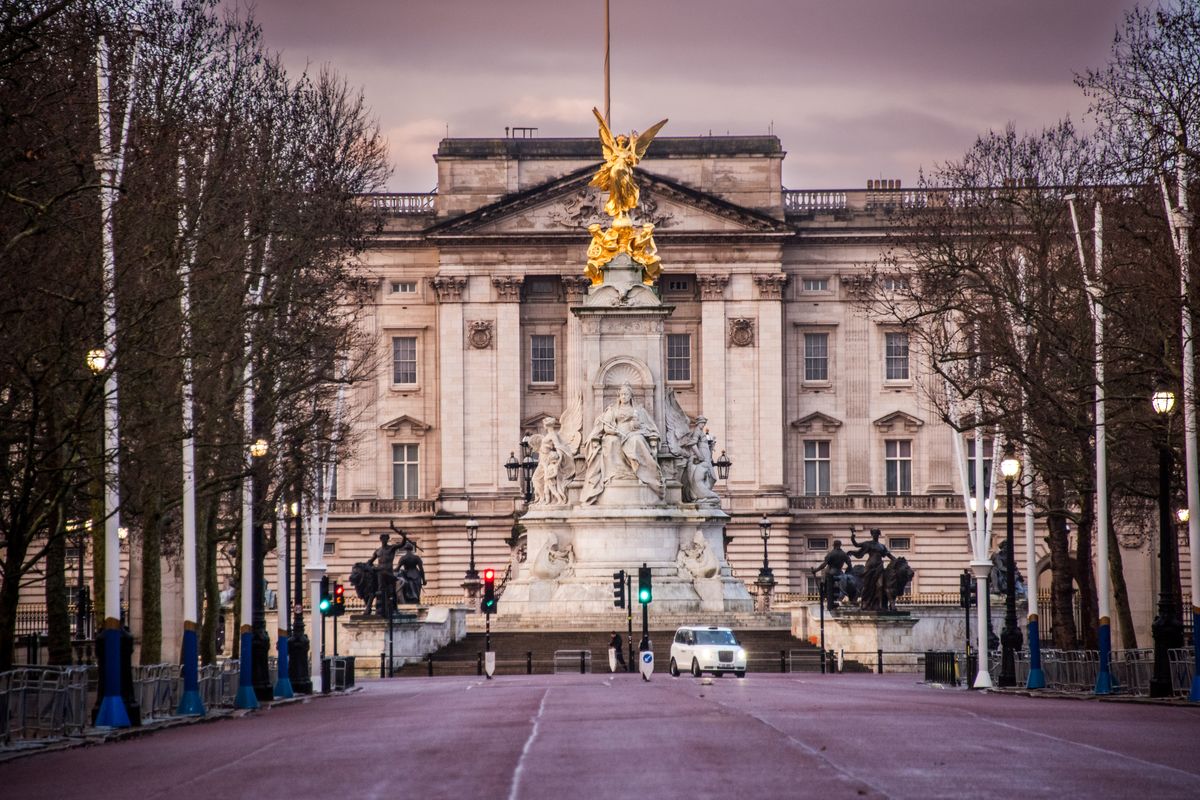 © Sergio Amiti
“We are grateful to the National Audit Office for this report, which is in line with the Royal Household’s commitment to transparency. We hope that the findings will help correct, clarify or contextualize a number of points regarding Royal properties,” a Buckingham Palace spokesman said in a statement.
The spokesperson continued, “As the report notes, arrangements for properties managed by the Royal Household vary based on a number of factors to ensure residences are filled appropriately, depending on their location, tenants and purpose.”