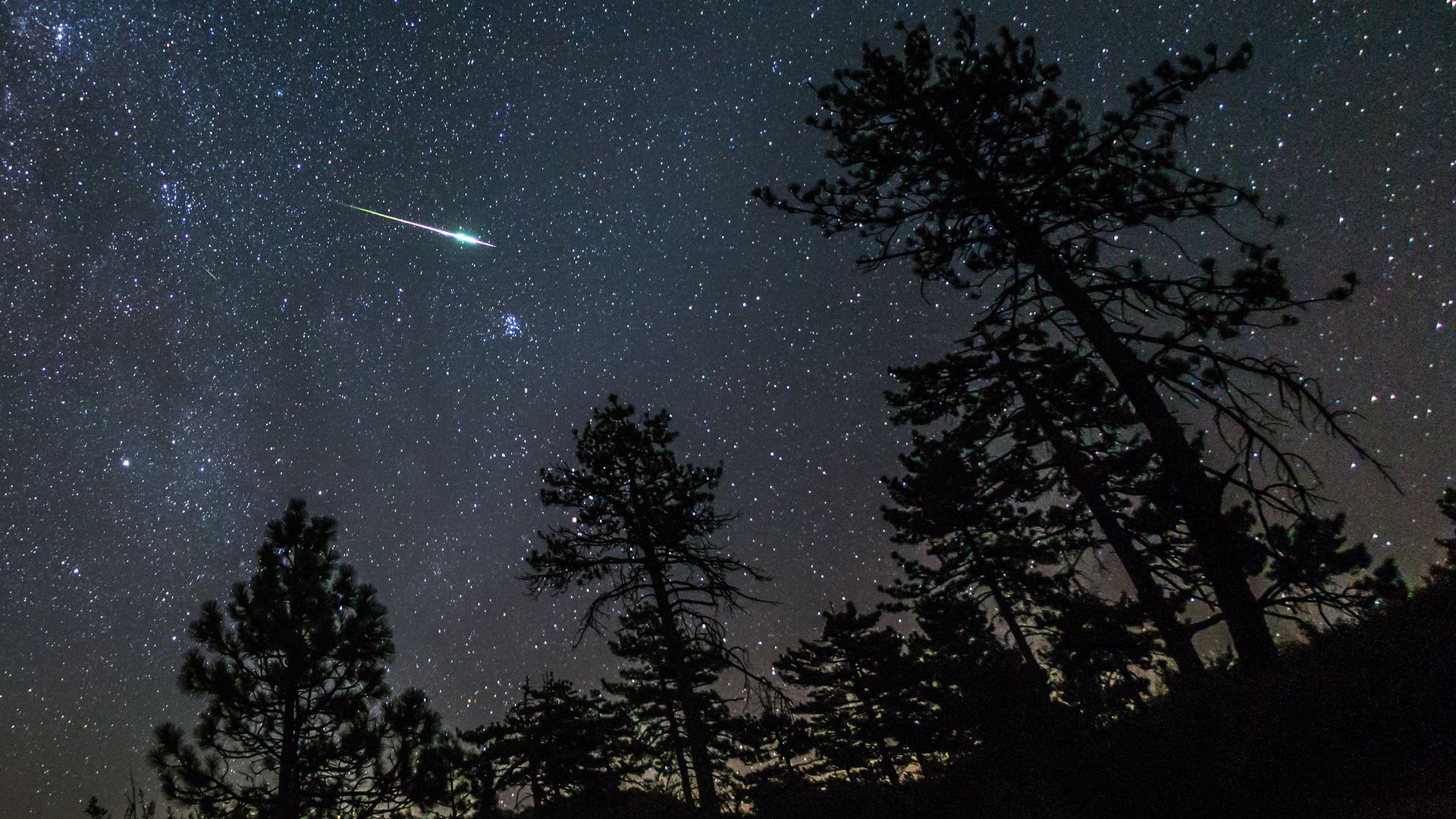
The Perseid meteor shower is in motion, and with the help of the moon, a big show is right around the corner. The annual summer meteor shower is expected to peak on August 12 into the early morning hours of August 13.
 © Anadolu
Anyone who tried to watch the Perseids in 2025 had one big problem - the moon. This year the peak falls around a new moon, meaning there will be little to no moonlight brightening the sky and making the fainter meteors harder to see. The American Meteor Society lists the moon as 0% full during the 2026 peak, and the viewing conditions should be optimum.
When to watch the Perseids
The Perseids are active from July 17 through August 24, but the peak is expected overnight August 12-13, according to the American Meteor Society. You don't have to wait until the middle of the night to start looking.
NASA says Perseids can sometimes be spotted as early as 10 p.m., but the best viewing typically comes during the pre-dawn hours. So, if you're making a night of it, the later you can stay out, the better your chances.
Where should you go in Los Angeles?
 © Getty
You can still catch a Perseid from LA, especially one of the brighter ones, but city lights aren't going to help.
NASA recommends finding the darkest location possible, away from streetlights and other artificial light. So if you really want a show, then getting outside the brightest parts of Los Angeles is worth the drive.
The Los Angeles Times recommended places like:
- Chilao Campground: About an hour from downtown L.A., this San Gabriel Mountains campground sits at 5,300 feet and offers dark skies for meteor viewing.
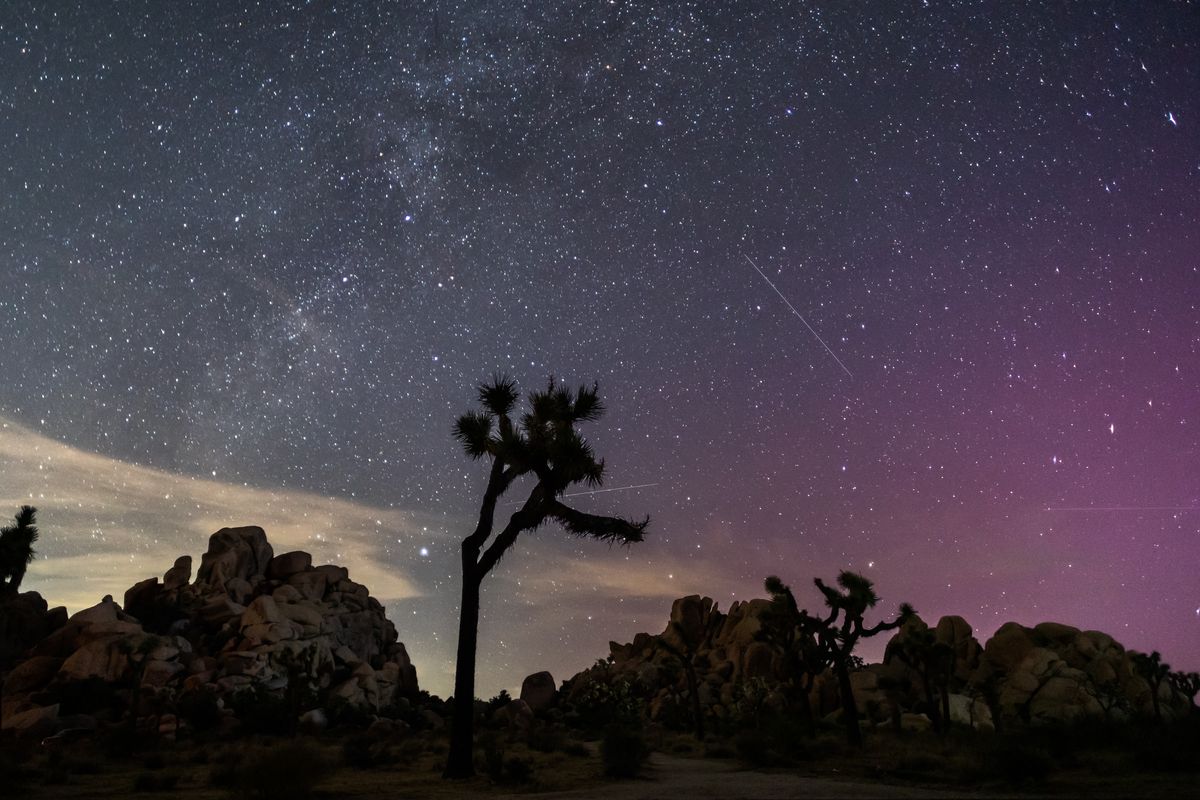
- Joshua Tree National Park: A Southern California stargazing favorite, Joshua Tree offers expansive desert skies far from L.A.’s brightest light pollution.
- Leo Carrillo State Park: This Malibu park offers 1.5 miles of beach that should get nice and dark for the showers.
- Mt. Pacifico Campground: At 7,100 feet in the San Gabriel Mountains, this remote 10-site campground offers dark skies but requires navigating mountain roads.
- Mt. Wilson Observatory: About an hour from downtown L.A., the observatory sits at 5,650 feet.
- Musch Trail Camp: Located in Topanga State Park, this small Santa Monica Mountains campground is roughly 45 minutes from downtown L.A.
- Vetter Mountain Lookout: This 5,900-foot lookout offers panoramic San Gabriel Mountain views and is reached by a roughly five-mile round-trip hike.
Wherever you go, find somewhere safe with a wide, unobstructed view of the sky. And if you're heading to a park, beach or other public space, check its hours before making the trip.
How to watch it
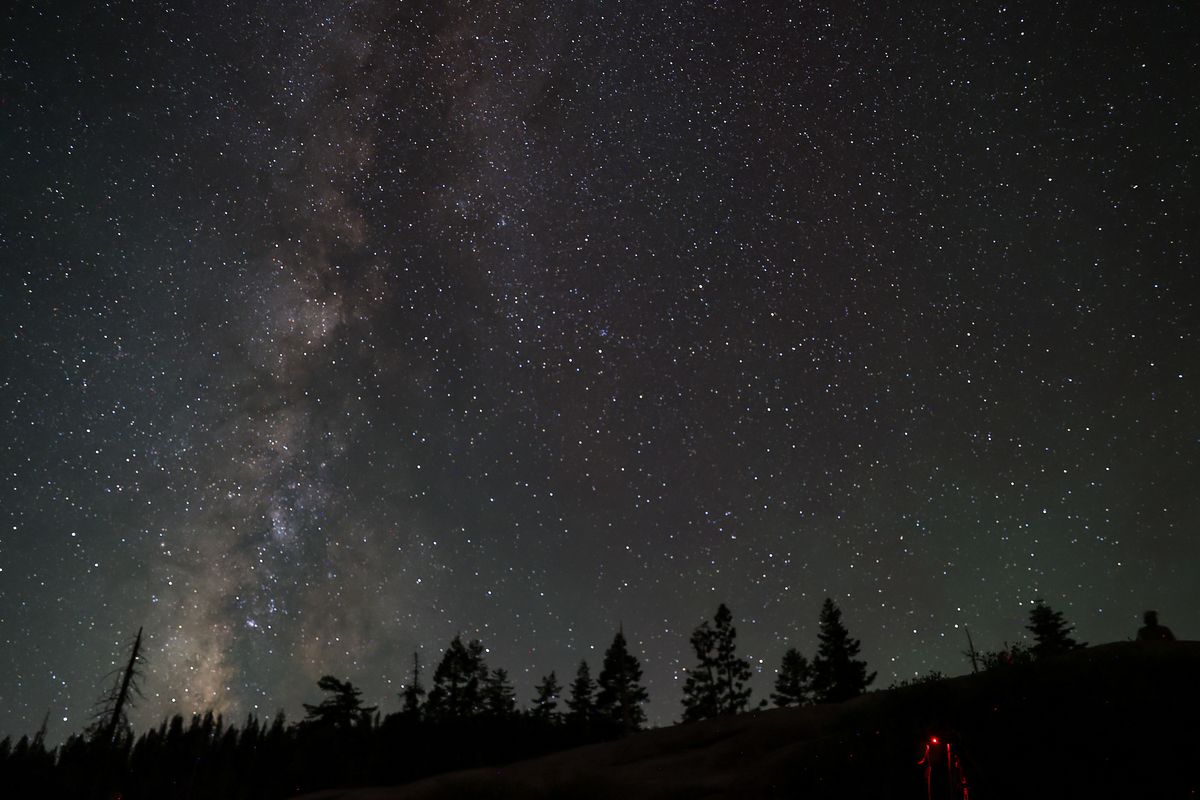
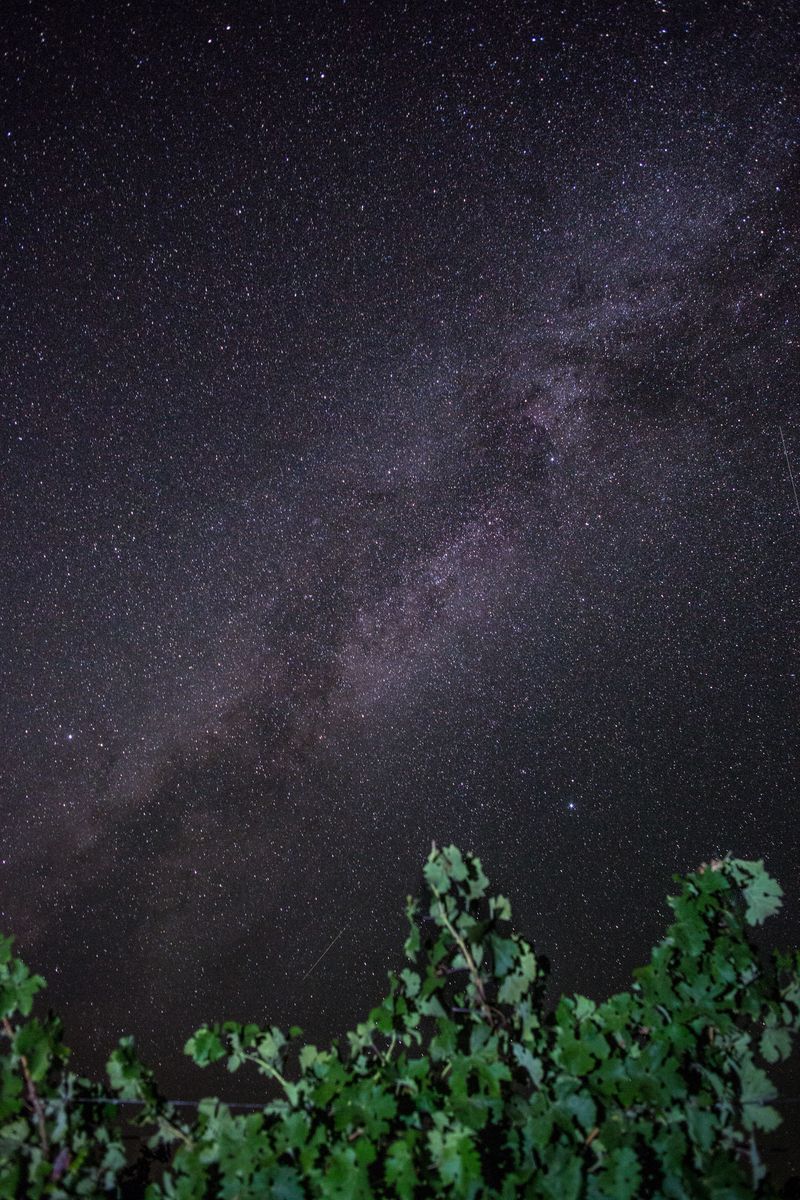
Find a dark spot, bring a blanket or reclining chair, lie back and give yourself as much sky to look at as possible.
The Perseids get their name because they appear to come from the direction of the constellation Perseus, but there's no need to spend the night staring at one tiny part of the sky. Meteors can appear all around you.
Your phone is probably the bigger problem. Give your eyes around 20 to 30 minutes to adjust to the darkness, and avoid looking at a bright screen while you're waiting.
Then, be patient. Under dark, rural skies, the organization says viewers can typically see around 30 to 50 meteors per hour during the Perseid maximum. You may also see predictions of up to 100 per hour, but that number assumes nearly perfect viewing conditions, so don't get too excited expecting to see a shooting star every 30 seconds. You could catch a few close together and then spend some time staring at absolutely nothing.
 © Getty
What are you actually looking at?
 © Gabriel Gonzalez (noctografia) /
Despite the nickname “shooting stars,” the Perseids aren't stars.
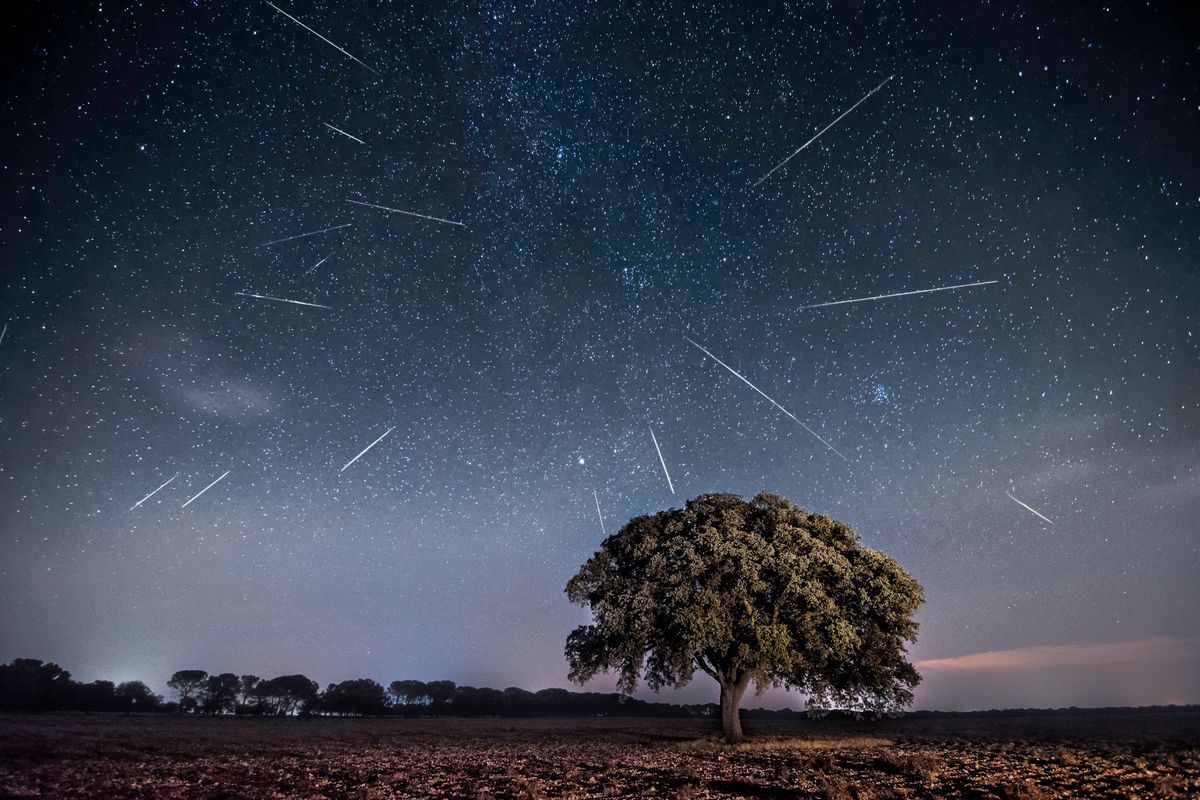
Every year, Earth passes through a trail of debris left behind by Comet 109P/Swift-Tuttle. When those tiny pieces enter Earth's atmosphere at incredibly high speeds, they heat up and create the bright streaks we see crossing the night sky.
According to NASA, Perseid meteors travel at about 37 miles per second, and the shower is known for producing bright fireballs and colorful trails.