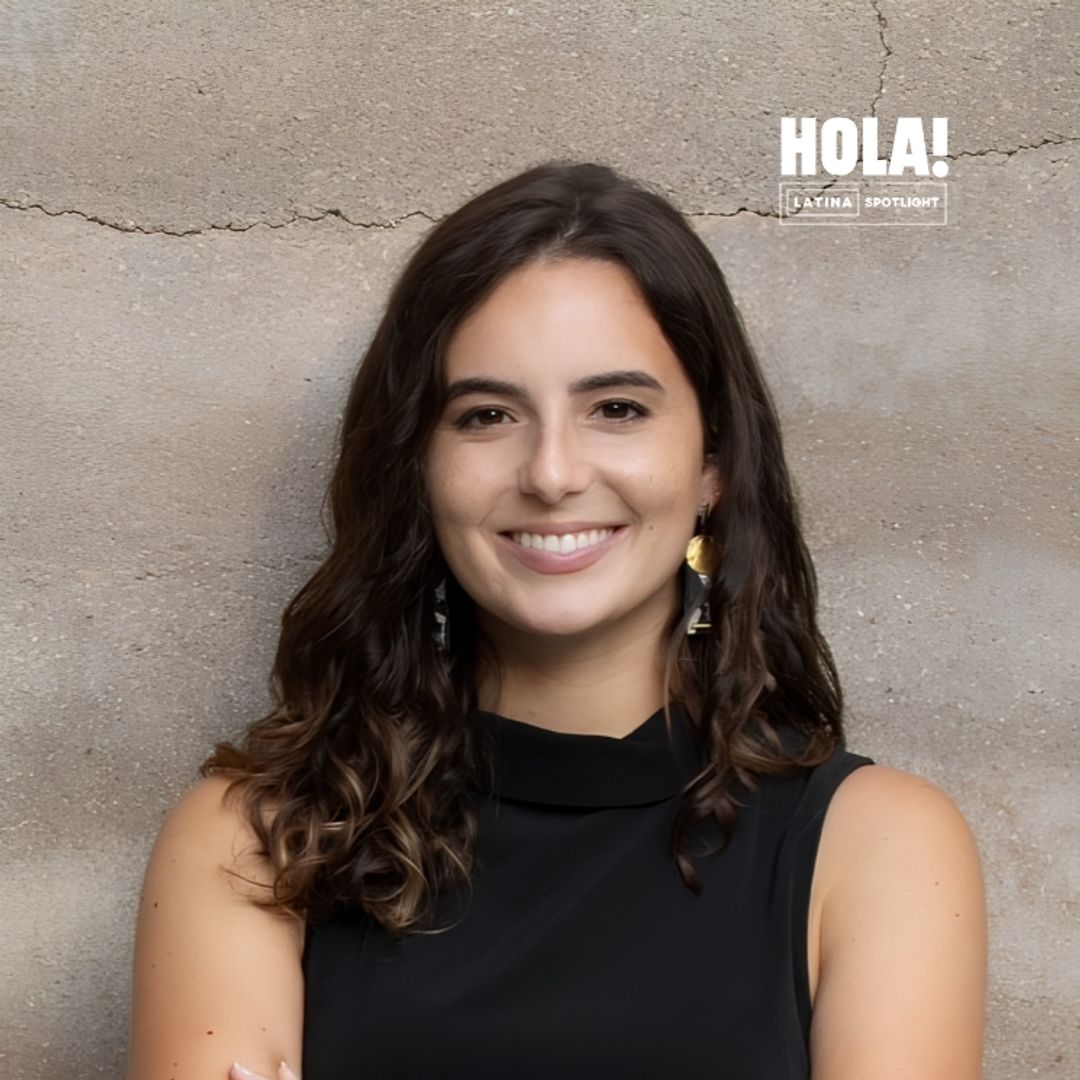
Two weeks of silence changed the course of Nicole Gonzalez's life.
After Hurricane Maria devastated Puerto Rico in 2017, the former NASA engineer lost contact with family members on the island and found herself grappling with a question she couldn't shake: If the technology existed to power missions in space, why were so many communities still left in the dark?
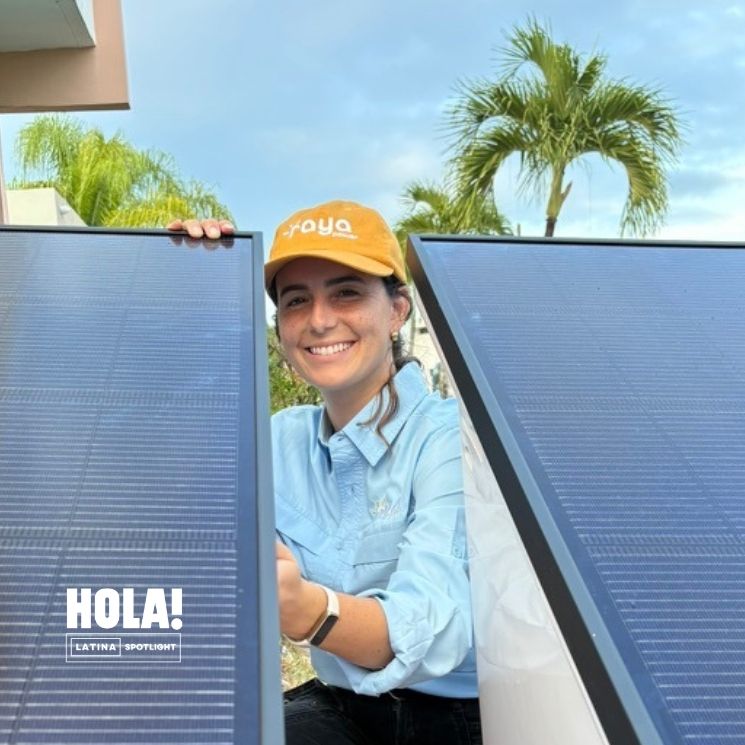
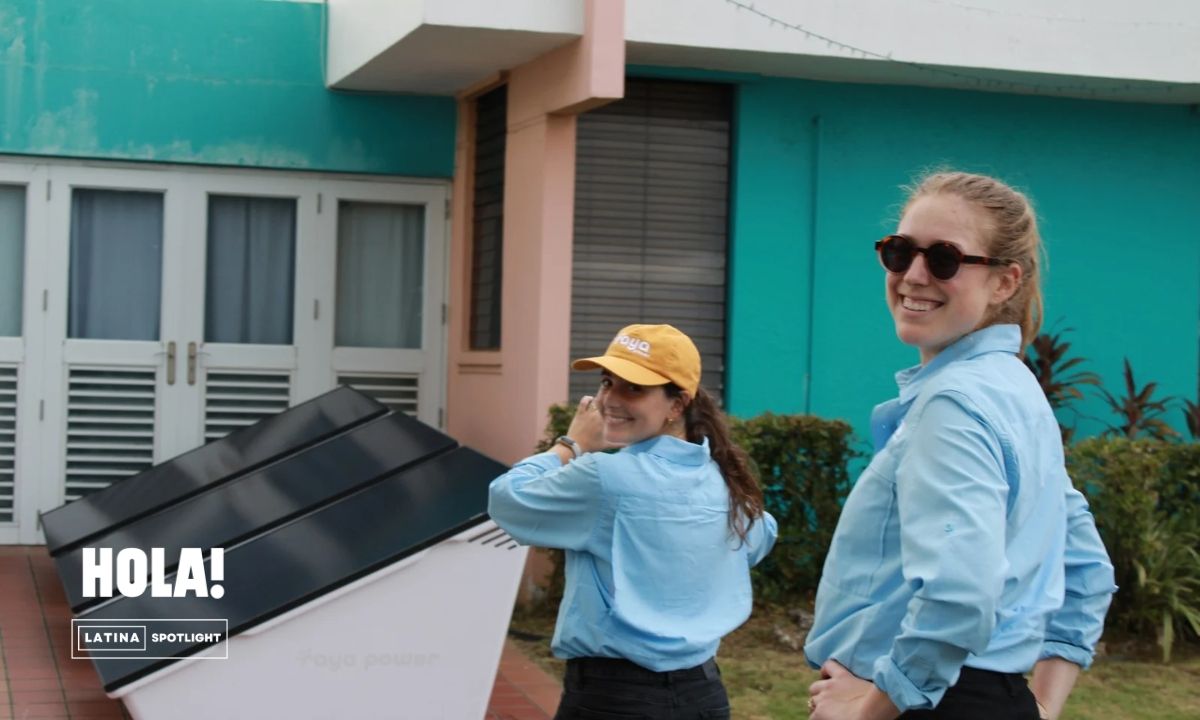
Today, Gonzalez is the co-founder of Raya Power, a startup working to make solar energy more accessible to people who have traditionally been excluded from the market, including renters, families living in older homes, and communities vulnerable to power outages. Using modular solar systems designed to be affordable and easy to install, the company is rethinking who gets access to clean energy and who benefits from it.
 © Courtesy Raya Power
"I realized that this question wasn't going to go away. I couldn't just keep going to work every day."
Now, Gonzalez is entering a new phase of that mission as a member of the Bravo Family Foundation's Venture Fellowship, an initiative created by billionaire Puerto Rican investor Orlando Bravo to support high-potential founders building impactful companies. This year marks an important milestone for the program as it expands beyond Puerto Rico for the first time to include entrepreneurs across Miami and New York, showing a broader vision that Puerto Rican talent and innovation reach well past the island's borders.
For Gonzalez, the recognition represents more than a professional achievement. It is validation of an idea that she had years ago, after Hurricane Maria left her questioning why reliable, affordable energy is still out of reach for so many families.
The storm that changed Nicole’s life
In September 2017, Hurricane Maria tore through Puerto Rico, destroying infrastructure and leaving much of the island without power for months. Living in California at the time, Gonzalez watched the disaster unfold from afar while desperately trying to reach loved ones.
"The lead up to the storm, it's really normal for you to lose contact with your family," she recalls. "You prepare for it, you check in the day before. That's all business as usual. While the days kept going by and it was still quiet, that silence got really loud."
 © Courtesy Raya Power
Meanwhile, Gonzalez was still working at NASA's Jet Propulsion Laboratory, where engineers were developing technologies capable of operating in some of the harshest environments imaginable. Every day, she was surrounded by examples of innovation and resilience. Yet she could not stop thinking about the reality unfolding back home.
"We have rovers running on Mars for 20 years. We're able to power out in space and create this really resilient technology, and meanwhile the lights were off across the entire island."
The contrast became impossible to ignore. If the technology already existed to solve these challenges, why were so many communities still struggling without reliable access to energy?
 © Courtesy Raya Power
"I was asking myself, how was it possible that the technology clearly exists, it's mature, we're able to create incredible things with it, and meanwhile the lights were off across the entire island and across the Caribbean?"
The question followed her long after communication with her family was restored. Eventually, it served as the catalyst for an entirely new chapter in her life.
Leaving NASA to pursue a bigger mission
For many engineers, a career at NASA represents a lifelong goal. Walking away from that opportunity was not a decision Gonzalez made lightly.
But the more she reflected on what had happened after Hurricane Maria, the more she felt compelled to pursue solutions that could directly impact people's lives. "I realized that this question wasn't going to go away," she says. "I couldn't just keep going to work every day."
Rather than immediately launching a company, Gonzalez focused on gaining the knowledge she believed she would need to tackle the problem. She pursued graduate studies in product design for social impact, learning how to build solutions alongside communities rather than simply for them. She also worked on solar energy projects in East Africa, where she saw firsthand how small-scale solar systems could provide reliable electricity for households that had long lacked access to it.
 © Courtesy Raya Power
Those experiences helped her identify a gap in the market. Large solar installations existed. Small off-grid products existed. Yet many families still lacked affordable options that were flexible, scalable, and easy to adopt.
Leaving NASA came with uncertainty and more than a few raised eyebrows. "A lot of people asked me if I was crazy," she says. Still, she trusted the instinct that had been guiding her since Hurricane Maria.
"Every step I took forward from there, I have never looked back and regretted it. It has only made me feel like I was getting closer and closer in alignment with what I was supposed to be doing."
Building Raya Power
The idea for Raya Power took shape through an unexpected encounter at a wedding in Mexico.While speaking with another guest, Gonzalez mentioned that her family was from Puerto Rico. The conversation quickly turned to the island's ongoing energy challenges.
"They said, 'You have a lot of outages. You should do something about that,'" she remembers.Gonzalez joked that Puerto Rico should be covering its rooftops with solar panels. The guest immediately stopped her. "'Hold on. You need to meet the solar lady.'"
 © Courtesy Raya Power
That introduction led her to Megan Wood, a clean-energy entrepreneur who shared many of the same frustrations about the limitations of the traditional solar industry. As the two talked, they realized that while solar technology had become increasingly effective and affordable, many people still could not access it because of structural barriers. Traditional rooftop systems often require homeownership, financing, permits, and significant upfront investment.
"It was really hard to release myself from a traditional role and take a step out of that and take a risk with an unknown path."
"We realized there are all these structural barriers that are keeping people from being able to access this really cool technology," Gonzalez says.
Together, they launched Raya Power with the goal of designing a different kind of solar solution.
 © Courtesy Raya Power
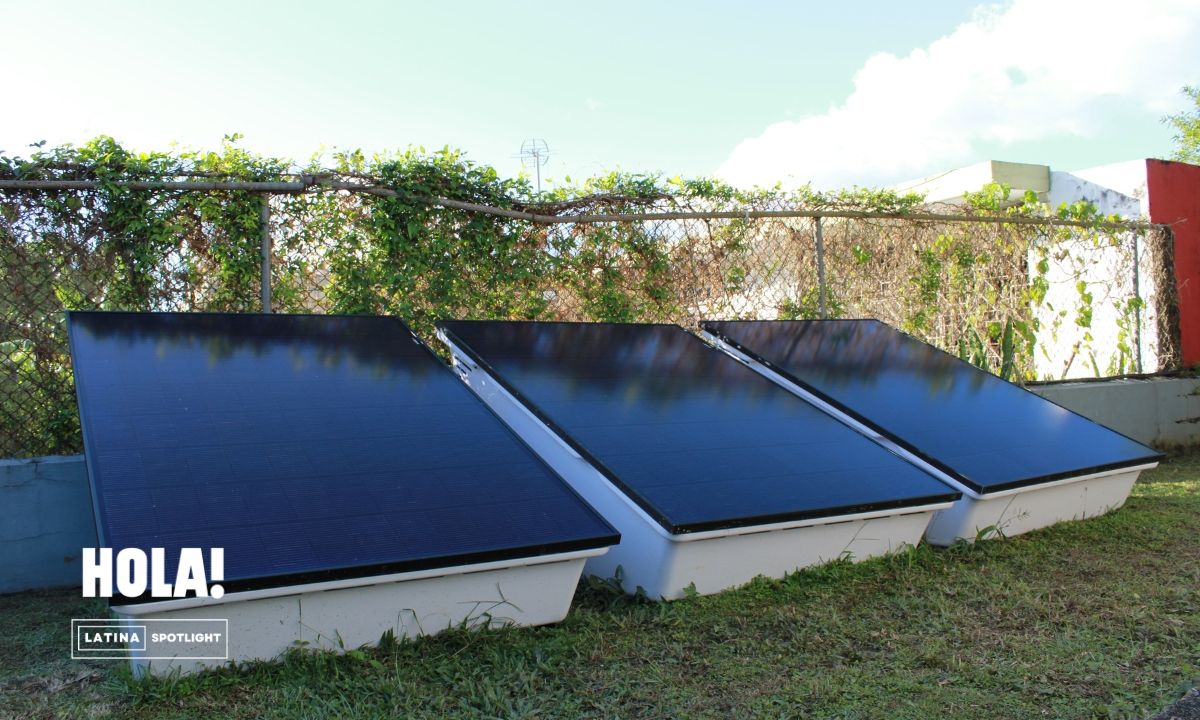
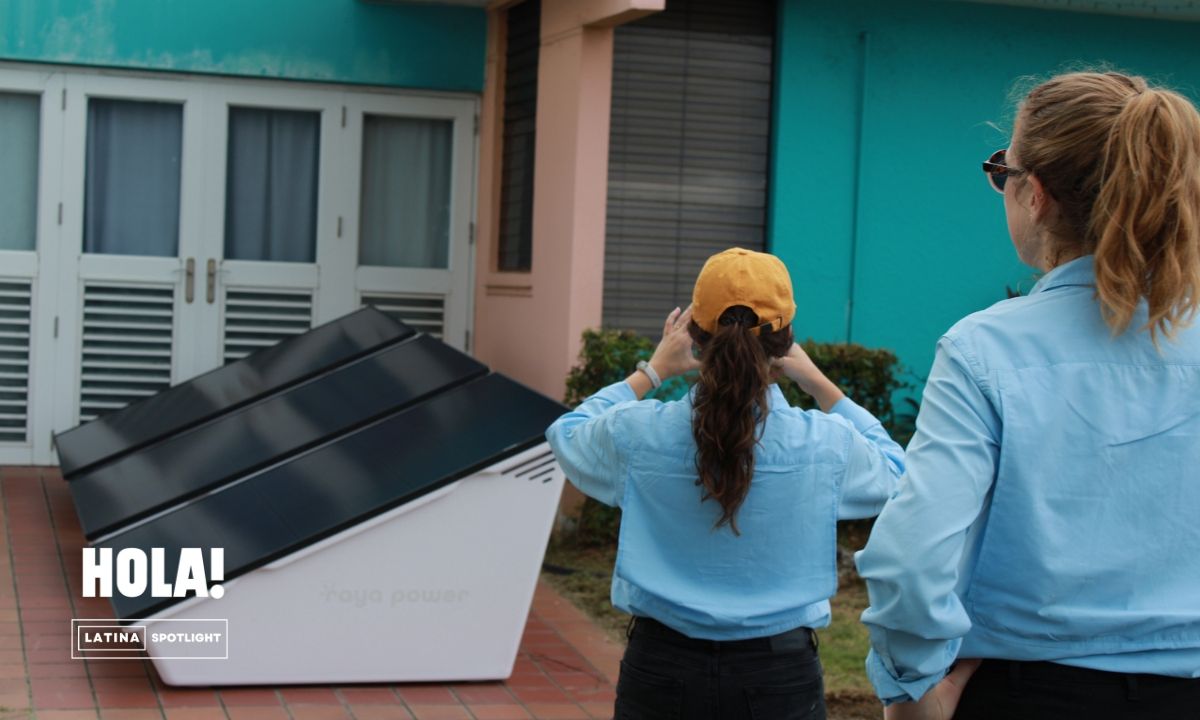
The company's plug-and-play systems allow households to generate and store solar energy without rooftop installations or complex permitting requirements. The modular design allows customers to start with a smaller system and expand over time, making solar power more accessible for renters and families who may not have the resources to invest in traditional systems.
Today, pilot systems are operating in Puerto Rico, California, and other locations across the United States. The company recently raised $1 million in funding from investors including Banco Popular and members of the Silicon Valley community, helping accelerate product development and expand testing efforts.
For Gonzalez, however, the mission extends far beyond technology. "A distributed solution means freedom," she says. "It means peace of mind."
 © Courtesy Raya Power
That vision has become increasingly relevant as extreme weather events and grid instability continue to affect communities around the world. For many families, energy resilience is no longer a luxury. It is a necessity.
Some of the most meaningful feedback Gonzalez has received has come directly from customers who describe feeling a renewed sense of security knowing their essential appliances can remain powered during outages. "We've heard from pilot customers that they feel dignity," she says. "Just knowing your refrigerator is going to stay on and your family is going to be okay makes such a difference."
Looking back, she sees a direct connection between the uncertainty she experienced after Hurricane Maria and the work she is doing today.
"The mission at NASA will continue without me," she says. "What would never have happened is what we're building right now." For Gonzalez, that is exactly what makes her journey worth it.