Latin America has mastered the art of putting joy inside a leaf. Call it culinary origami or ancestral meal prep; the region has been steaming, boiling, and gifting flavors inside corn husks and plantain leaves for centuries.
These dishes are identity, migration stories, and pure edible nostalgia. Let’s unwrap who makes what, where it comes from, and how you can make a few classics in your own kitchen.
 © AFP via Getty Images
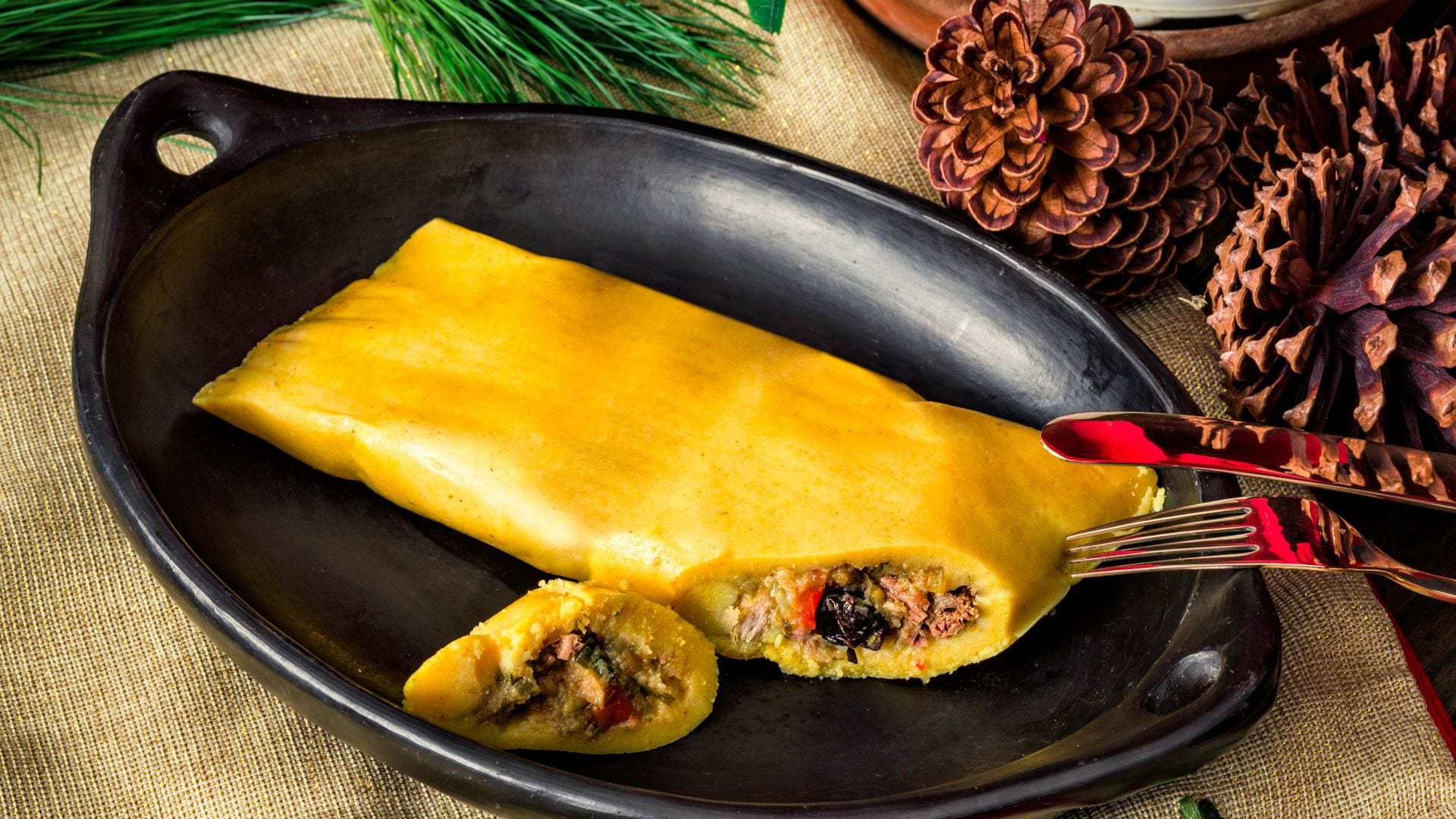
Hallacas: Venezuela’s Holiday Legend
Hallacas are Venezuela’s December love letter to flavor. Picture an entire family forming a production line that would impress even the most chaotic start-up. There’s the person who spreads the corn dough, another who drops in the meat stew, another who adds olives, raisins, and capers, and at least one cousin who keeps sneaking bites.
 © AFP via Getty Images
Hallacas traveled a bit too. Border regions of Colombia enjoy them, especially around Norte de Santander, and some Ecuadorian communities adopted them through Venezuelan migration. Still, their home base and cultural heartbeat is Venezuela.
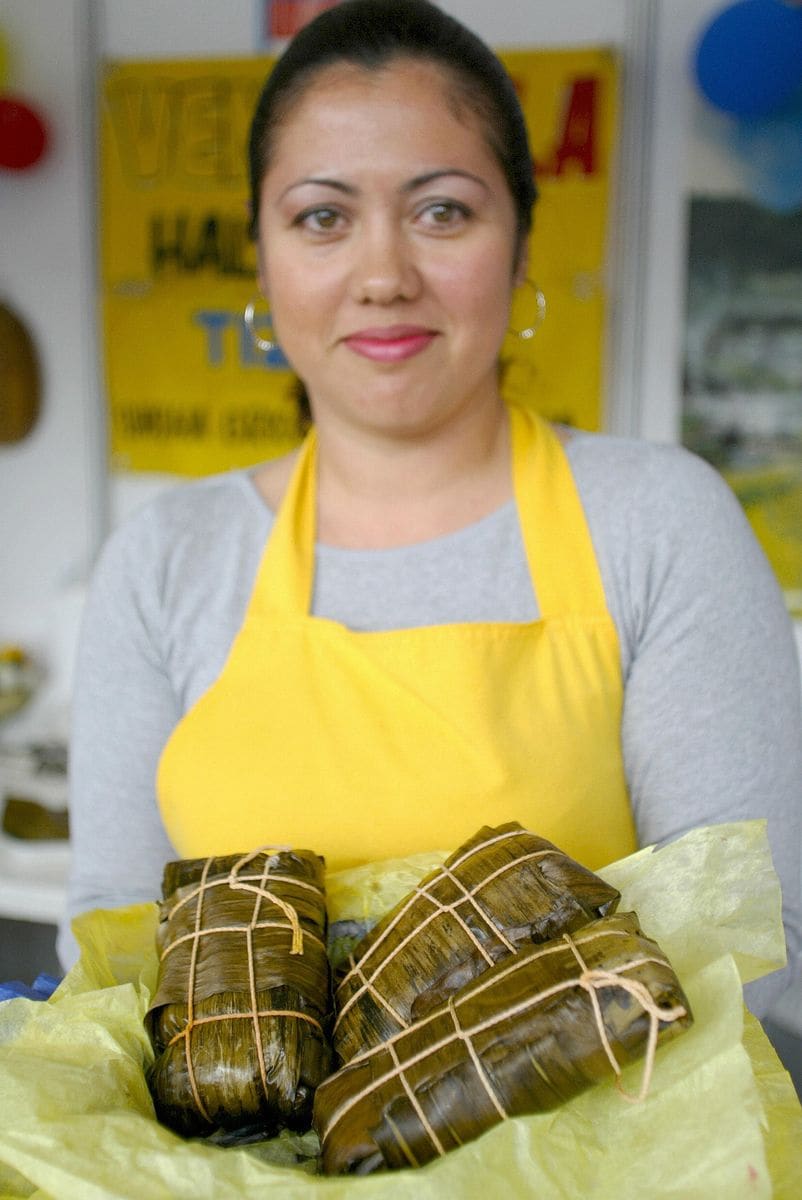
Pastel en Hoja: Dominican Republic’s Caribbean Icon
Pastel en hoja is the Dominican Republic’s culinary charisma in leaf form. Instead of corn masa, the dough is usually a blend of plantains, green bananas, yuca, or other roots. The filling tends to be savory beef or chicken, seasoned like it’s headed to a dance party.
 © Getty Images
Everything gets bundled in banana leaves and boiled. Across the water, Puerto Rico has its own pasteles, close cousins but not identical twins. Cuban families with Dominican or Puerto Rican ties make versions as well. Still, pastel en hoja is unmistakably Dominican at its core.
Leaf-Wrapped Stars Across Latin America
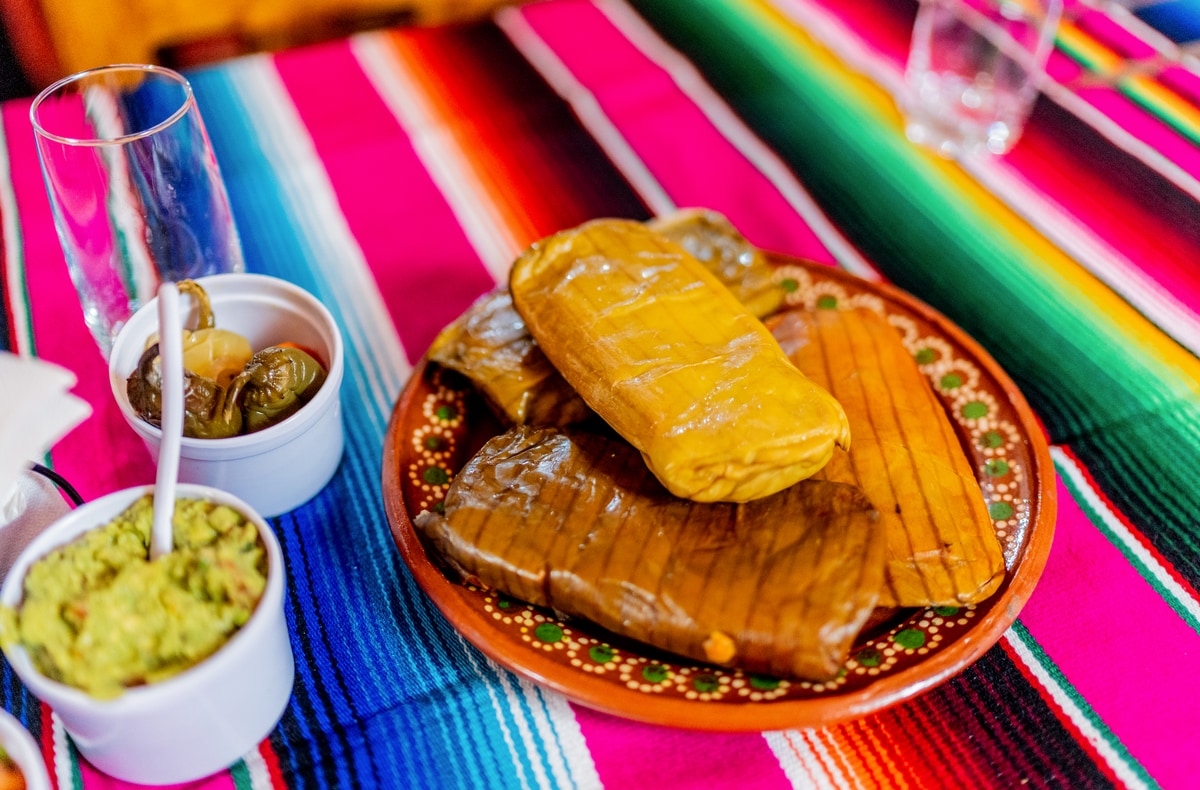
Zoom out, and Latin America becomes a universe of tamal-esque creations. Every region shaped the concept into something personal. Mexico has tamales ranging from sweet pink strawberry varieties to spicy mole-filled bundles.
 © Getty Images
Central America offers tamales pisques, tamales de elote, and Guatemala’s potato-based paches. Colombia brings tamales tolimenses and santandereanos to the party. Ecuador offers quimbolitos that feel like fluffy, sweet-savory clouds. Peru contributes tamales and humitas.
Chile and Bolivia share their own humita styles. Brazil shows up with pamonha, proof that fresh corn steamed in a husk is universally irresistible.
 © Getty Images
Recipes by Country
These aren’t the full abuela-level ceremonies, but they’ll help you taste the tradition without needing a 20-person assembly line.
Venezuela: Hallacas (Simplified)
 © Getty Images
Dough
- 2 cups precooked cornmeal
- 2 cups warm broth
- 3 tbsp annatto oil
- Salt to taste
Filling
- 1 cup shredded beef
- 1 cup shredded chicken
- Half a cup of chopped pork
- Olives, raisins, and capers as desired
- Vegetable mixture of onions, peppers, and garlic sautéed with spices
How to Make Them
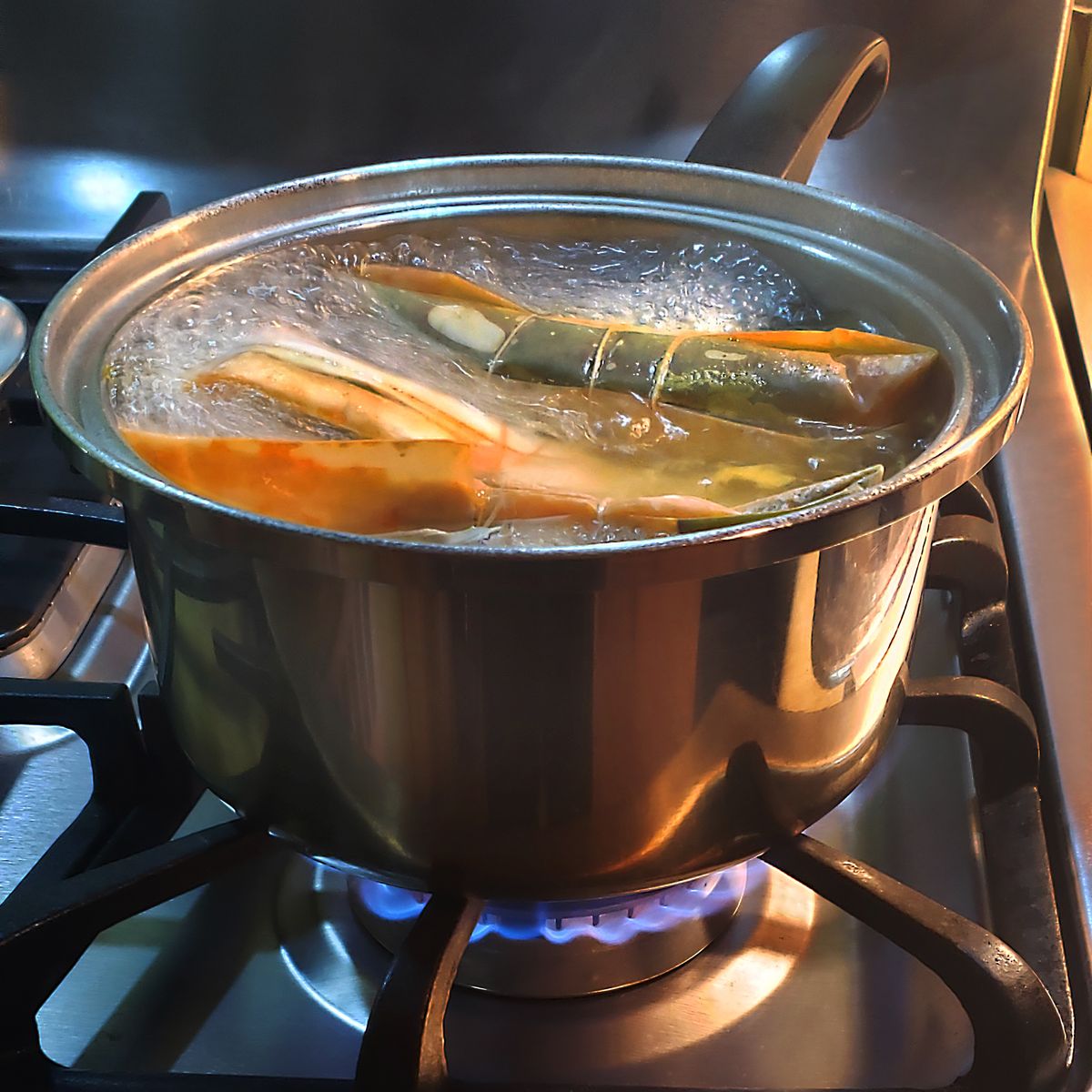
Mix the dough until soft and spreadable. Sauté the filling ingredients together until they taste like a holiday you want to sign up for. Brush a plantain leaf with annatto oil, spread a thin circle of dough, add filling, fold the leaf like a relaxed gift wrap, tie with a string, and boil for about 45 minutes.
Dominican Republic: Pastel en Hoja
 © Getty Images
Masa
- 2 cups grated green plantains
- 1 cup grated yuca
- Annatto oil for color
- Salt and a pinch of sazón
Filling
- Seasoned beef or chicken cooked with peppers, onions, garlic, and oregano
How to Make Them
Combine grated roots with seasoning until smooth. Place a spoonful on an oiled banana leaf, add filling, fold snugly, and tie. Boil or steam for about 45–60 minutes until firm.
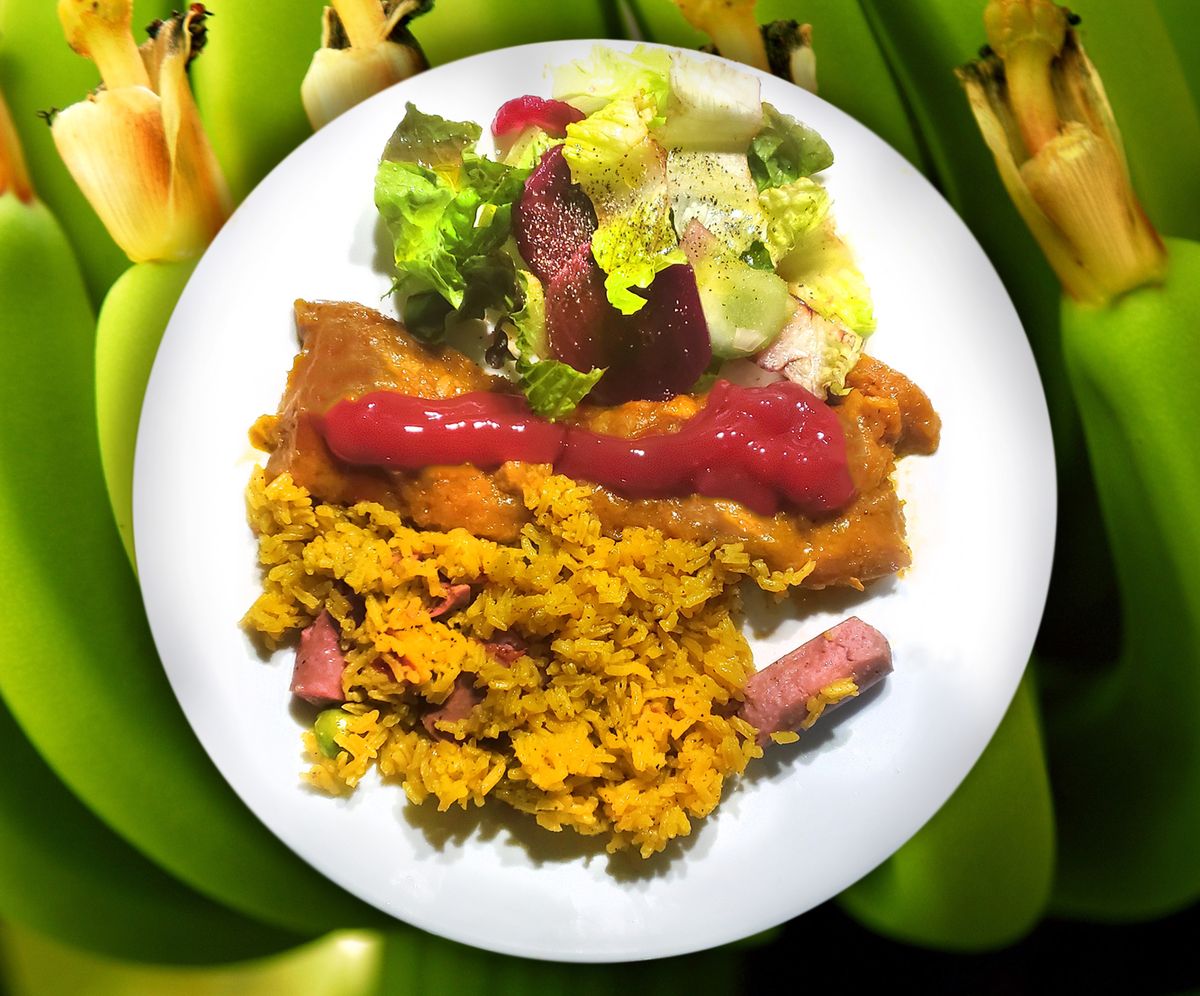
Puerto Rico: Pasteles
 © Getty Images
Masa
- Grated green plantains, yautía, and a bit of pumpkin
- Annatto oil
- Broth for moisture
- Salt
Filling
- Pork stew with sofrito, olives, capers, and peppers
How to Make Them
Mix the masa ingredients into a thick paste. Spread onto a leaf, add a spoonful of pork filling, fold, tie, and boil for roughly an hour. They’re traditionally enjoyed at Christmas, but honestly, no one will stop you in June.
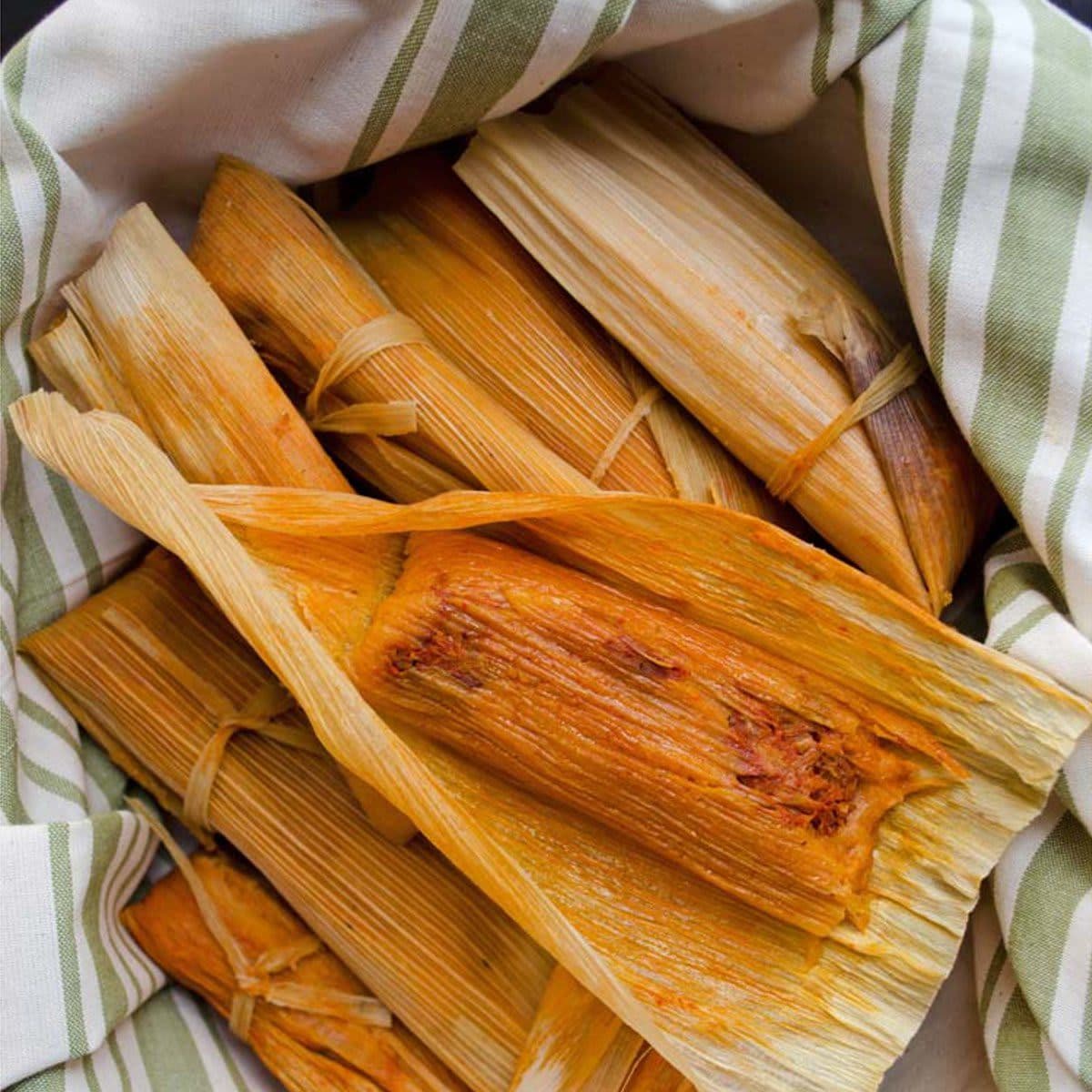
Mexico: Tamales (Basic)
 © Dora’s Table
Masa
- 2 cups masa harina
- 1.5 cups broth
- Half a cup of lard or vegetable shortening
- 1 tsp baking powder
- Salt
Filling
- Shredded chicken with salsa verde or red chile sauce
How to Make Them
Beat the lard until fluffy, add the masa ingredients, and mix until airy. Spread onto soaked corn husks, add filling, fold, and steam for 60–90 minutes. When a tamal pulls easily from its husk, it’s ready for your face.
Peru, Bolivia, Chile, Argentina: Humitas (Savory or Sweet)
 © Getty Images
Base
- Grated fresh corn
- Butter
- Onion sautéed with mild spices
- Salt or sugar, depending on style
How to Make Them
Mix everything into a thick batter, spoon onto corn husks, fold, tie, and steam for about 40 minutes. Sweet versions add a little anise and sugar, which feels like dessert disguised as a vegetable.
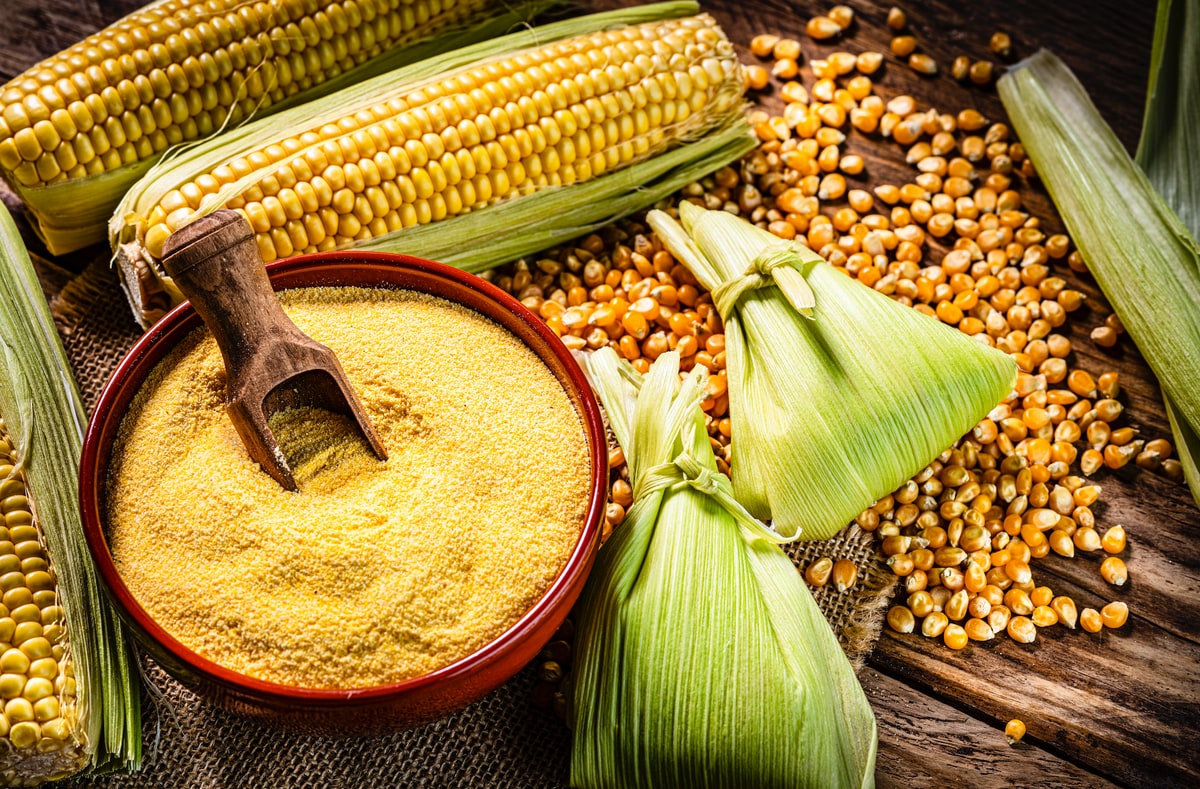
Brazil: Pamonha
 © Getty Images
Ingredients
- Freshly blended corn
- Milk
- Sugar or salt, depending on style
- A bit of butter
How to Make Them
Mix the blended corn with the seasoning. Pour into corn husks, tie securely, and boil until firm. It’s comfort food with the energy of a summer festival.
A Final Unwrapping
These leaf-wrapped dishes are edible passports. They show trade routes, migration patterns, Indigenous ingenuity, and the power of a good wrap long before burritos ever hit the scene. Exploring them is a reminder that tradition isn’t old; it’s alive, steaming, and ready to be opened.
Curiosity tends to lead deeper into food histories, and the next stop on this journey might be how these dishes shaped holidays, identity, and regional pride.
Happy Holidays!