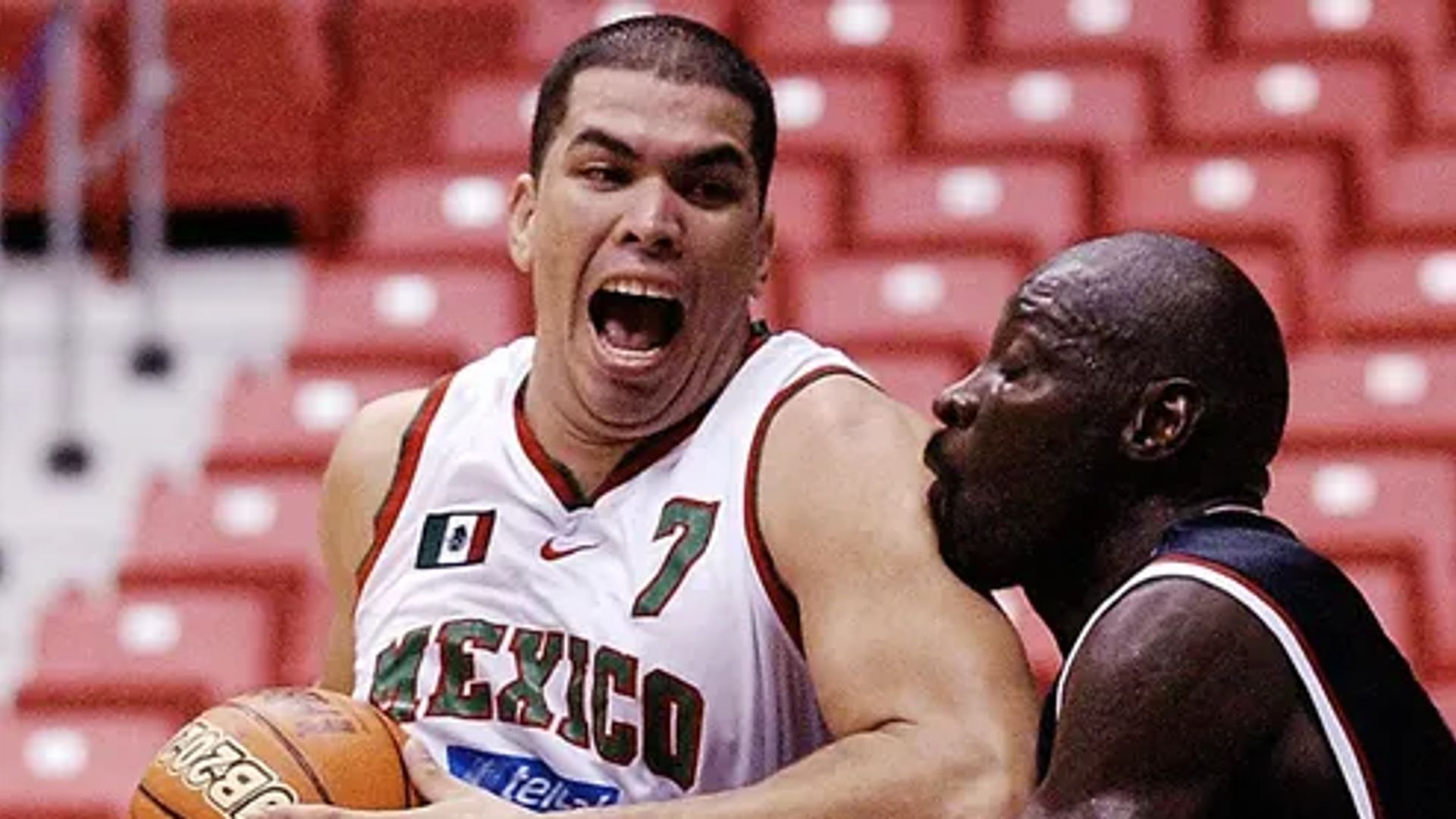
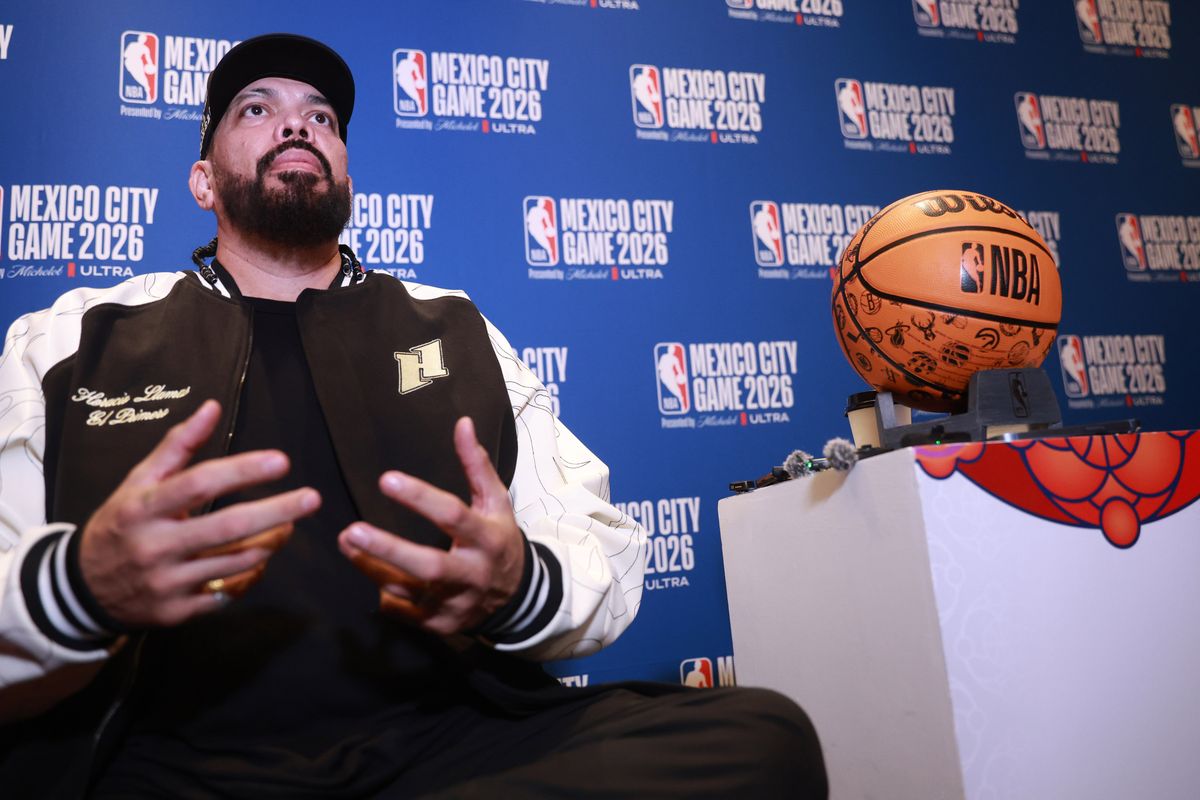
The NBA is heading back to Mexico City on November 7, and for Horacio Llamas, the first Mexican-born athlete to ever play in the NBA, the game represents just how far basketball has come in his home country. The Denver Nuggets and Indiana Pacers will face off at Arena CDMX for the NBA Mexico City Game 2026, marking the league's 35th game in Mexico since 1992. With approximately 30 million NBA fans, the country has become one of the biggest international markets and is the second-most-played team sport behind soccer.
 © Getty
For Llamas, who has worked as an NBA ambassador for more than a decade, the games represent much more than an opportunity to watch professional basketball.
He has seen firsthand how much fans sacrifice to attend. Some travel from the country's northern and southern regions, booking flights, hotels, and saving money throughout the year just to experience an NBA game in person.
He remembers meeting fans outside the arena during the canceled game between the San Antonio Spurs and Minnesota Timberwolves in 2013. He was already on his way to the arena when he learned the game was going to be canceled.
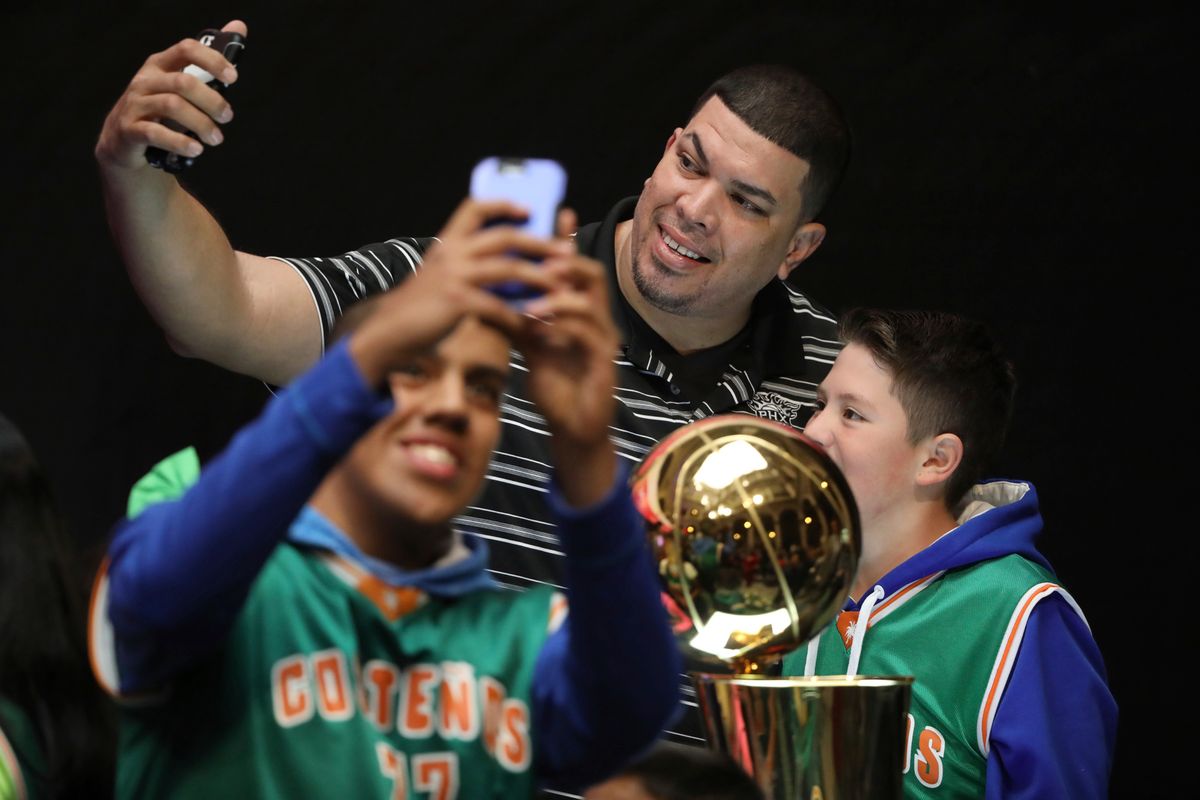
"I got to meet a lot of people that were outside of the arena," he says. "There were kids from Cancun, or there were kids from the north part of Mexico, from Sinaloa, Sonora, and they all got a flight." Llamas hopes the league will eventually bring back the two regular-season games it previously hosted in the country each year.
 © Hector Vivas
For many, traveling to Mexico City is the only realistic opportunity to see an NBA game live. "Most of them think that they're not going to be able to go to the States to watch a game," Llamas explains. "So it's a whole story of people, kids, working through the whole year to save money to come."
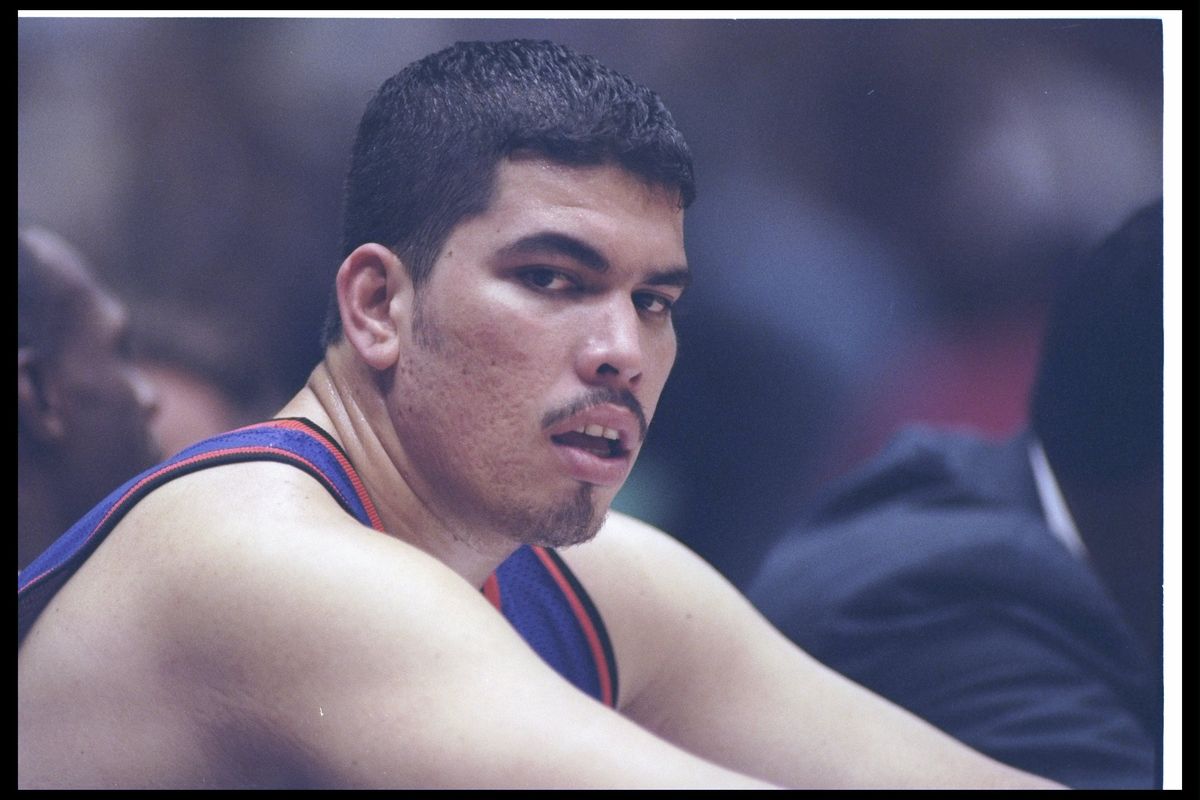
It's a connection Llamas understands from both sides of the court. Long before he made history, he was a young basketball fan in Sinaloa, dreaming of one day playing alongside the athletes he watched on television. In 1997, he made that dream a reality.
 © Jamie Squire
Watching basketball wasn't exactly easy growing up. Games were only televised once a week, usually at midnight, and where he lived, there wasn't even an indoor basketball court.
But Llamas kept watching. Michael Jordan, Magic Johnson, Kareem Abdul-Jabbar, Charles Barkley and Hakeem Olajuwon were the players he looked up to. Years later, he would find himself sharing the court with some of those very same legends. "I went through a lot until I got to play in an actual game," Llamas tells HOLA! of his road to the NBA.
After going undrafted, Llamas spent four years playing college basketball, including two years at a junior college and two at the Division II level. His performance at Grand Canyon University, where he was named Player of the Year, helped him earn invitations to NBA camps and pre-draft opportunities.
 © Getty
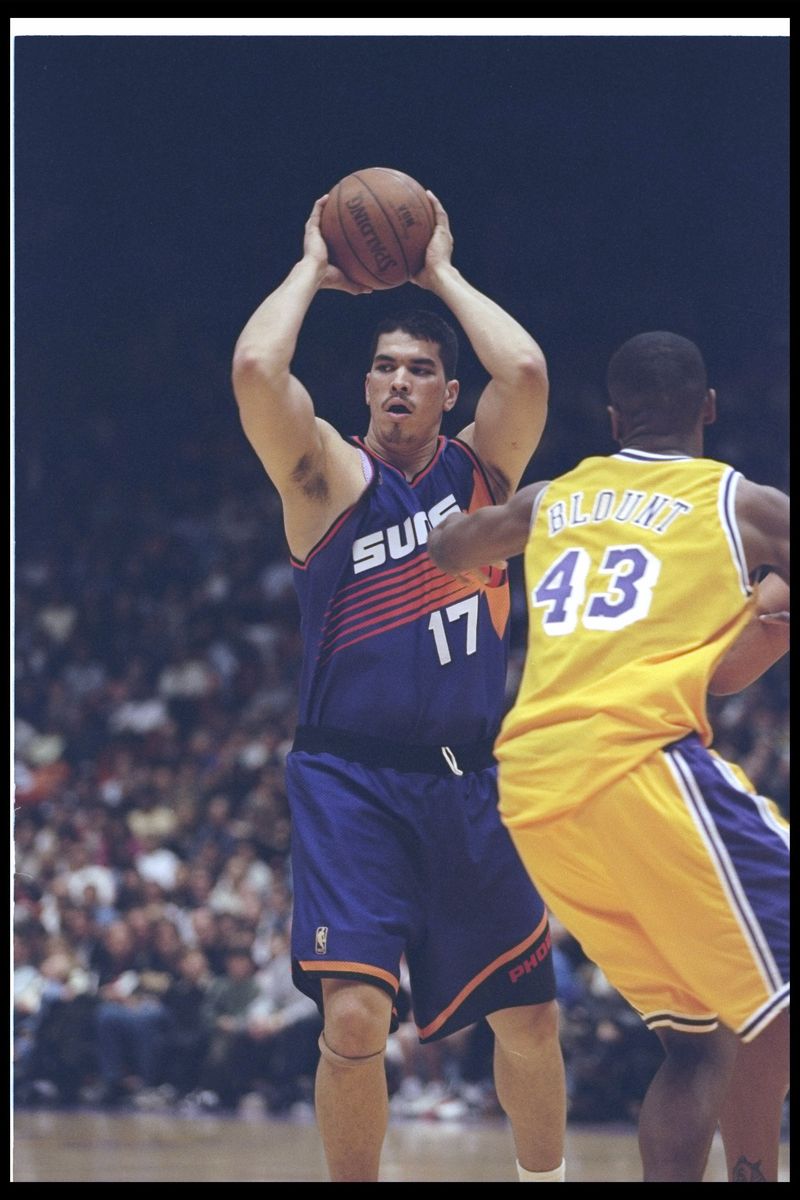
He then played in the Summer League for the Los Angeles Lakers and Atlanta Hawks before spending time in Atlanta's preseason camp. When the Hawks sent him to the Continental Basketball Association, the league that preceded today's G League, he found himself in Sioux Falls, South Dakota.
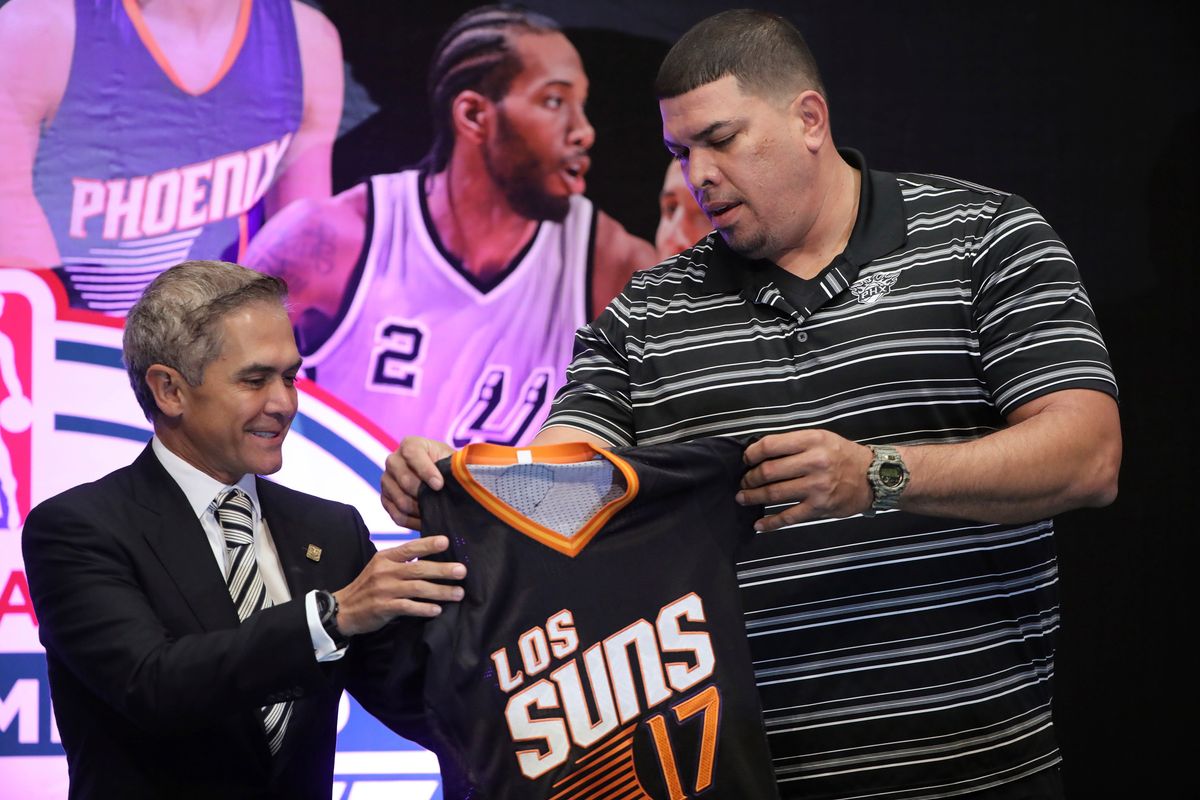
Llamas spent months working toward his opportunity, staying with the team from November until February before finally receiving a call-up to the Phoenix Suns. His first 10-day contract ended without him seeing the court. The team then offered him a second 10-day contract, and that was when he finally got his chance.
After going undrafted and moving between teams and cities, he didn't see his family again until March, when they traveled to Dallas to visit him. "It was a grind to be all over the place to try to get that chance or the opportunity to play," he says.
 © Getty
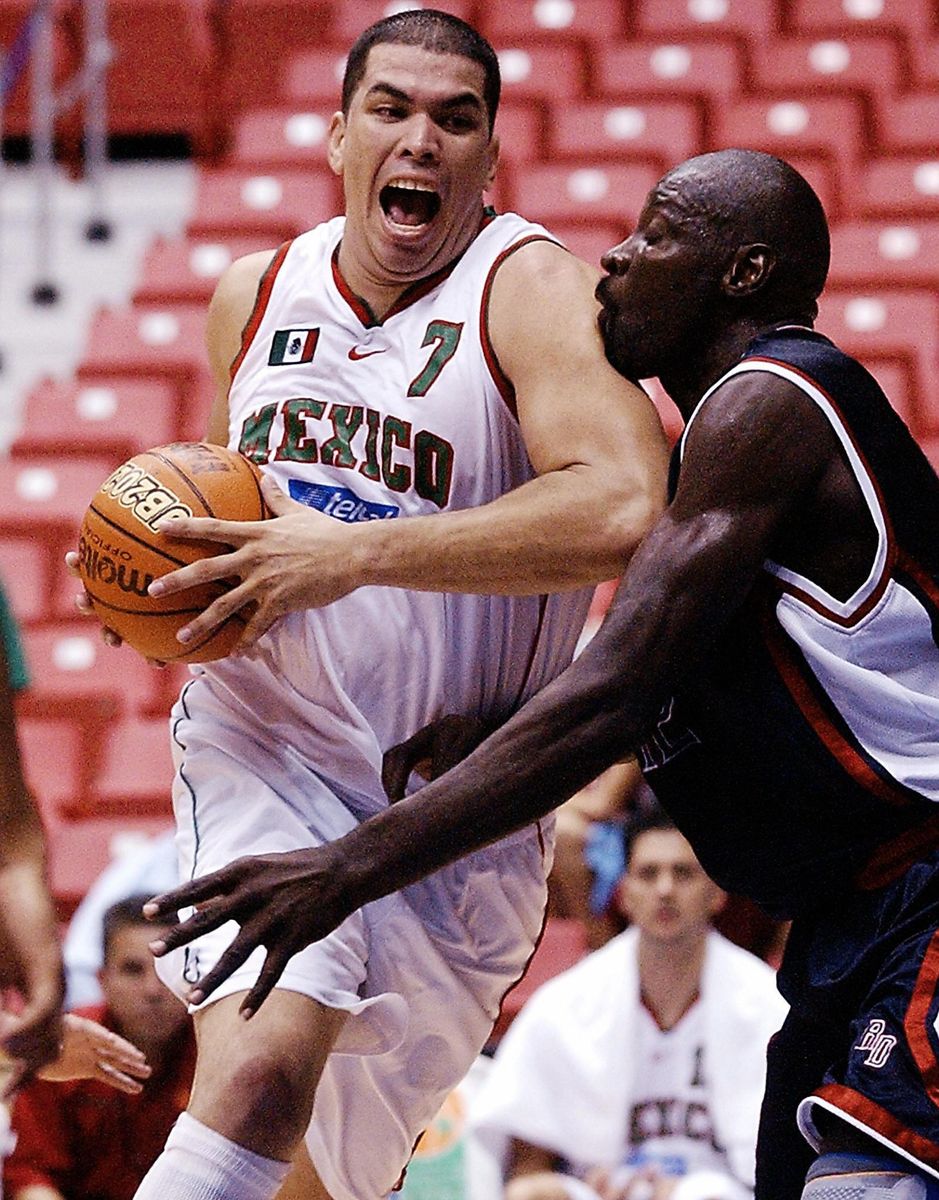
But the opportunity eventually came, and with it, the chance to face the players he had once watched on television. Before playing against Olajuwon, one of his childhood idols, Llamas actually had the opportunity to train with him for two weeks in Houston. At the time, Olajuwon didn't even know how much he looked up to him.
"He didn't know that he was my idol, but he was training me for like two weeks," Llamas says. "I learned so many things from my idol." When the time came to face him the following season, his coach put him in the starting lineup. His team won, and Llamas was named Player of the Game.
"For me, it was competing against my idols. Obviously, to me, they were the best players in the world, and to win that game, that memory is going to be with me forever," he says.
Then came another moment he still remembers vividly: playing alongside Jordan during Jordan's final season. During a game, Jordan passed him the ball in the closing moments, and Llamas knocked down a three-pointer to seal the victory. Jordan jumped over him, celebrating the shot.
"He passed me the ball at the end to win a game, and we won the game because I made the three-pointer," Llamas recalls. "And he jumped over me, yelling, from a kid from Mexico, from Sinaloa to go there. It was crazy."
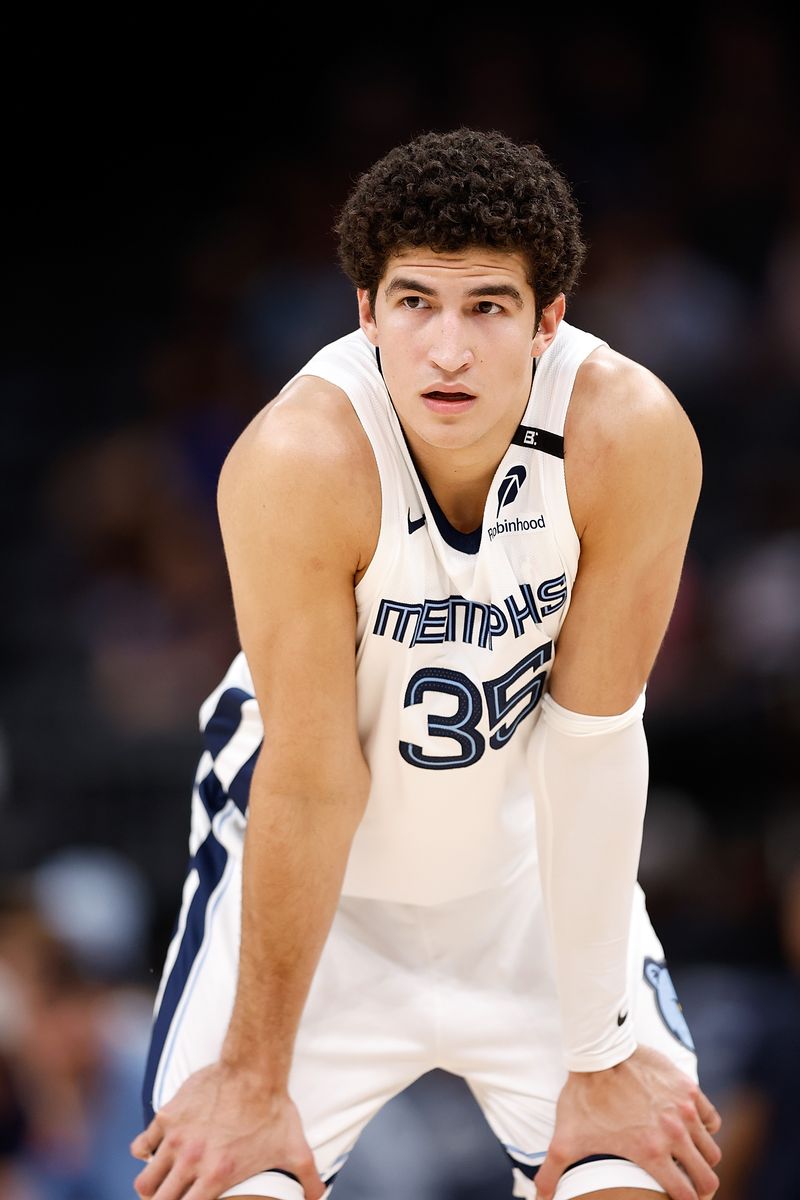
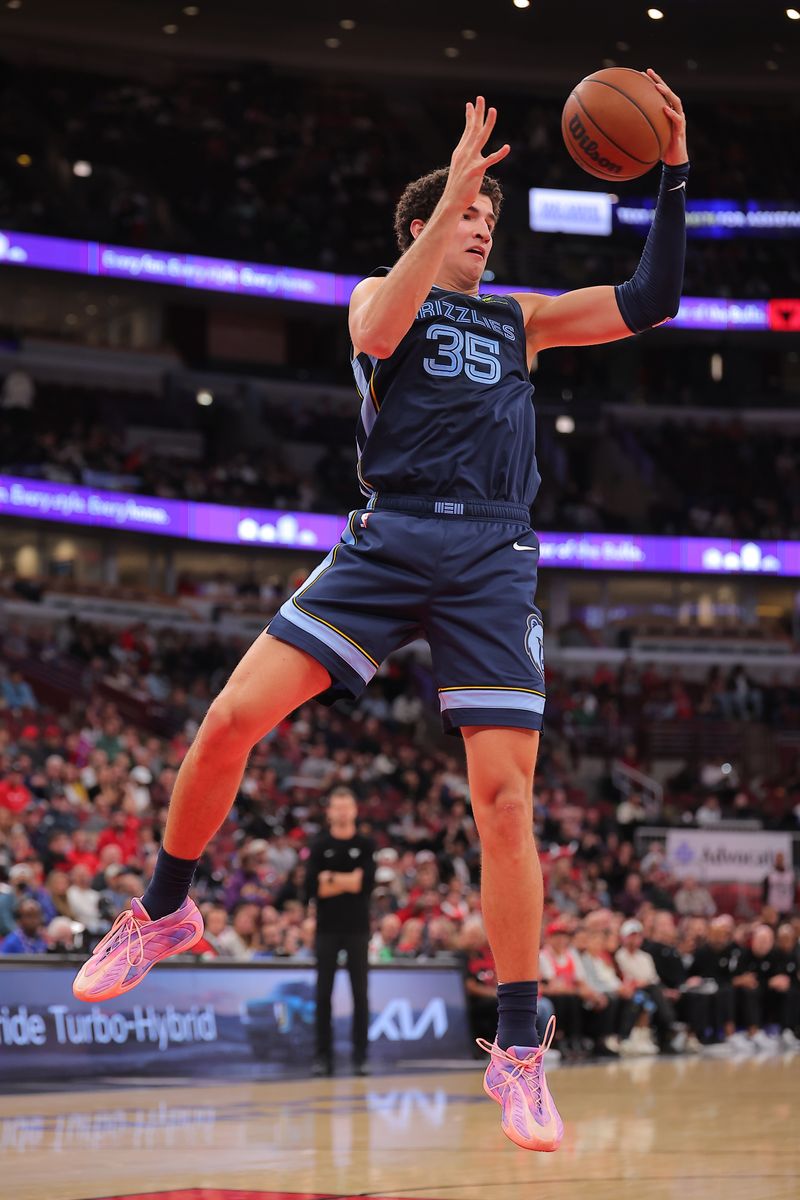
Now, Llamas is watching another generation of Mexican basketball players get opportunities he once could only dream about. One of those players is Karim López, who recently made history as the first Mexican-born player selected in the first round of the NBA Draft
 © Getty
For Llamas, the milestone is especially personal. He has known López since he was a little boy because his father, Hiram López, played alongside him. "I consider myself like one of his uncles, and I want him to do good," he says.
Llamas is also encouraging fans to give the young player time to develop rather than putting too much pressure on him to immediately prove himself. "Sometimes people just push and push so he can do so many things before the time that he had to do it," he explains. "I'm just saying, you've got to live the process, and you've got to let him live."
He also sees López's journey as an example of how much the path to the NBA has evolved. While previous Mexican players often had to attend college in the United States to get noticed, López developed his game in Spain before competing in New Zealand and Australia. "Everyone did it differently," Llamas says, noting that there is no longer just one route to reaching the league.
 © Getty
For Llamas, helping create opportunities for that next generation also means investing in basketball from a young age. Beyond the games themselves, he points to the youth clinics and opportunities for children to meet NBA players as another important part of the Mexico City experience.
The league's programming in Mexico includes Jr. NBA initiatives, basketball development clinics and community events designed to introduce more young people to the sport.
"It's not just the day of the game," he says, describing the clinics where NBA players visit schools and spend time playing and talking with children. "They hang out with players from the NBA teams that come too. So all that stuff plus the game is a whole experience."
As for which team he will be supporting, Llamas remains loyal to the Phoenix Suns, where he made his NBA debut. But he has another rule when it comes to basketball: "Every team that has a Mexican, that is my team," he says.
 © Getty