There are songs you remember choosing, and then there are songs you somehow just know. They played in the car while your parents drove. They were blasting from the speakers at family parties. They came on while someone cleaned the house on Saturday morning. They were the soundtrack to weddings, birthdays and long afternoons when the adults took control of the music.
You probably knew the chorus before you understood what the lyrics meant. Now, some of the artists and songwriters behind those memories are getting a major Latin Grammys moment.
 © Jean-Paul Aussenard
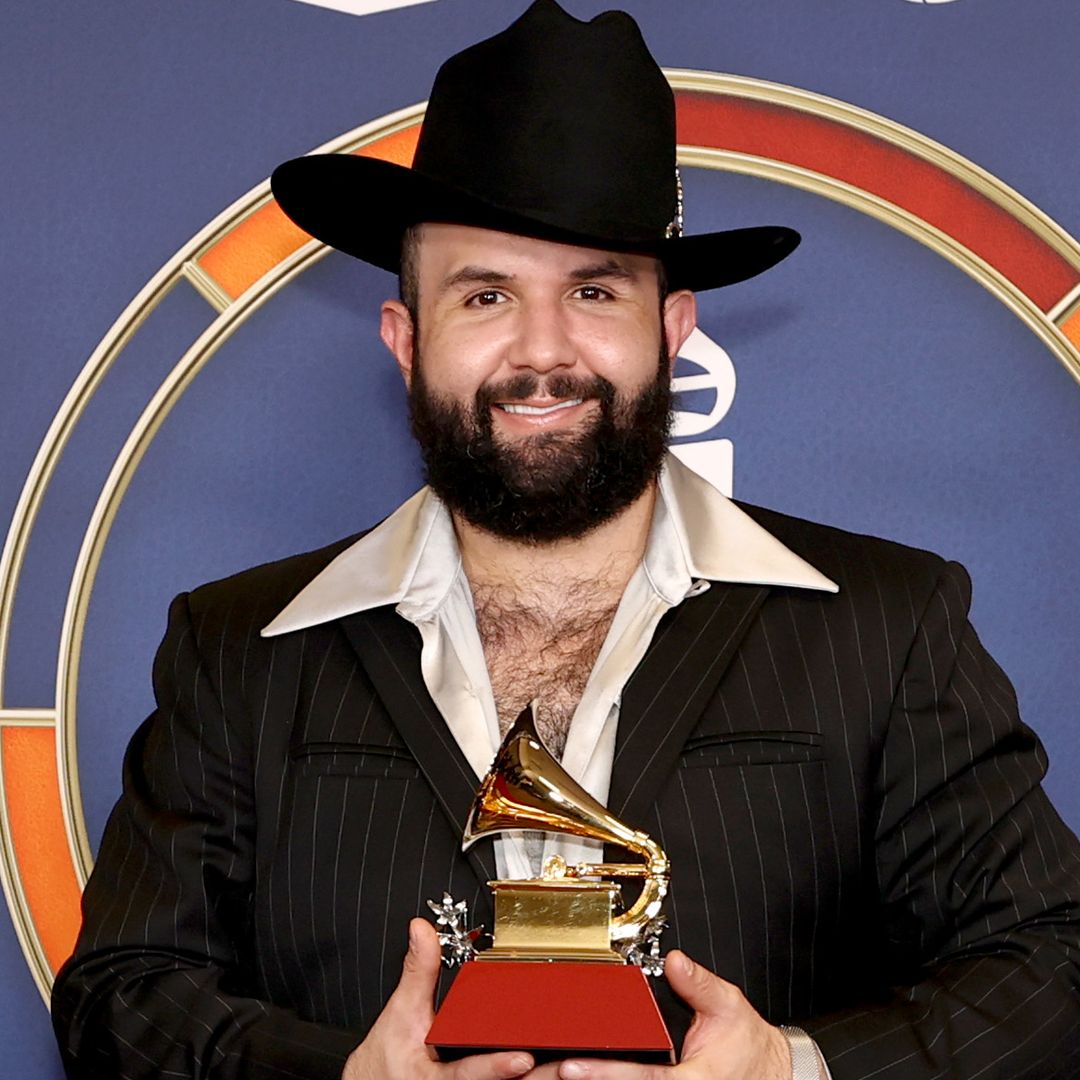
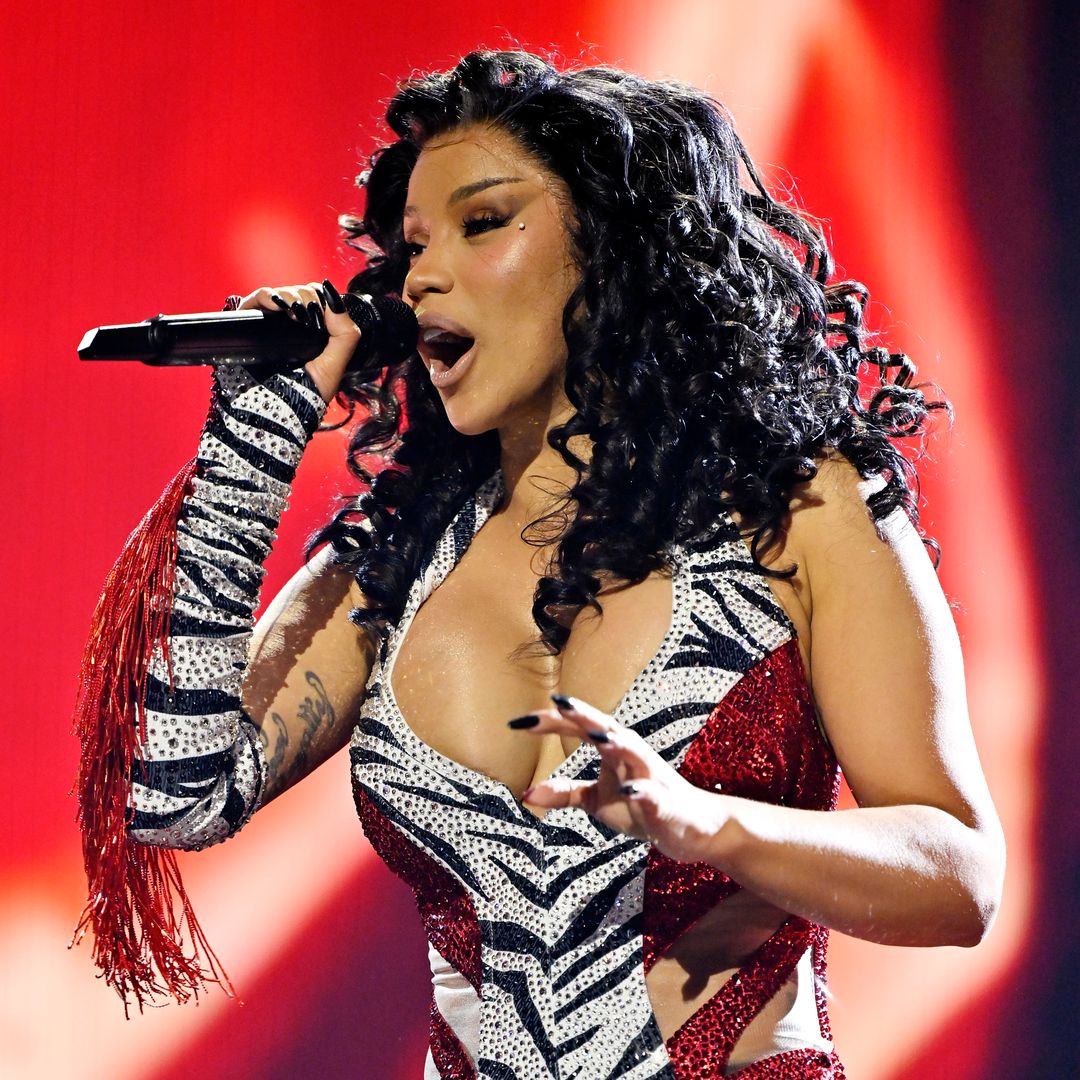
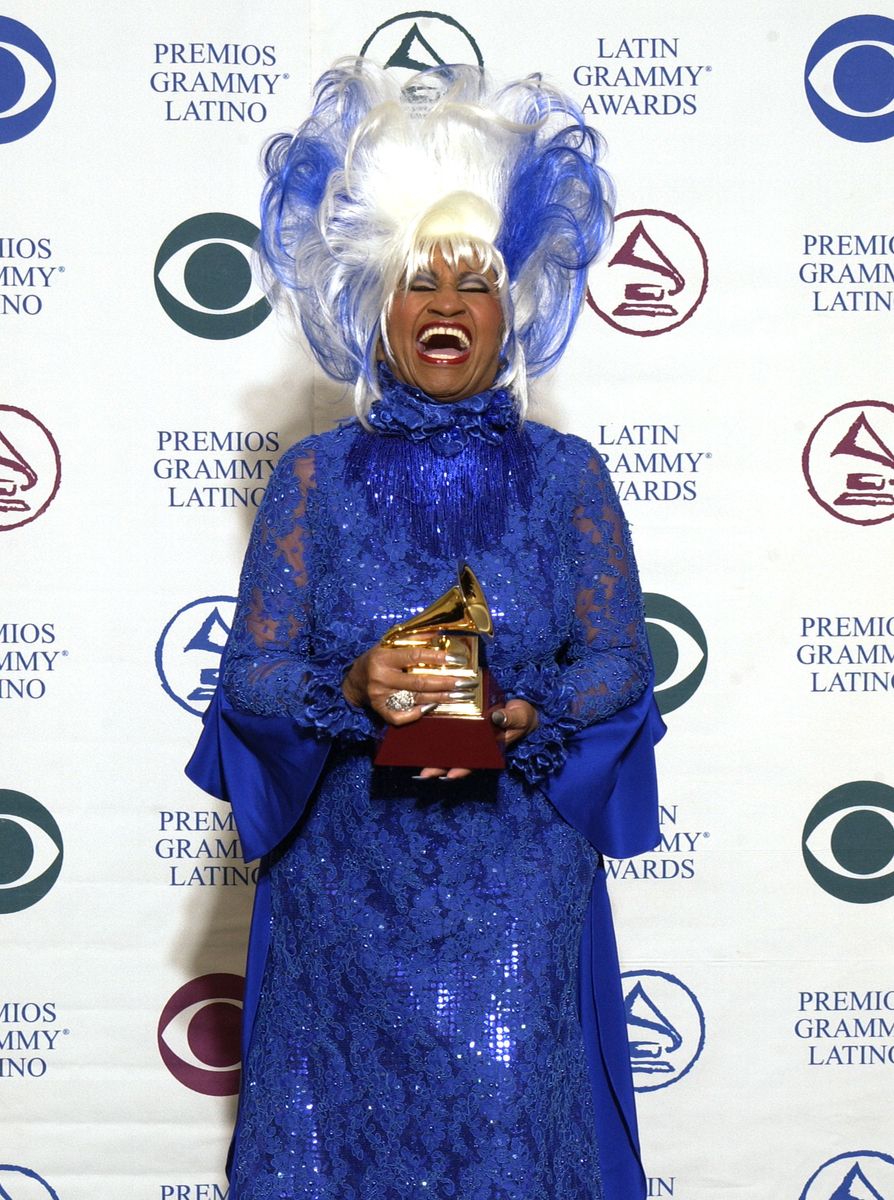
The Latin Recording Academy has announced its 2026 Special Awards recipients, and the lineup reads a little like opening an old family CD collection. Alaska, Francisco Céspedes, Lila Downs, Daniela Mercury and Chichí Peralta will receive Lifetime Achievement Awards, while prolific songwriter Omar Alfanno will receive the Trustees Award.
The honors arrive ahead of the 27th Annual Latin Grammy Awards, which will take place Nov. 12 at the MGM Grand Garden Arena in Las Vegas. The 2026 nominations will be revealed Sept. 16.
 © WireImage
But this year's special honorees offer something more interesting than nostalgia. Together, they represent music that traveled across countries, genres and generations long before playlists made discovering international music effortless.
You Know Omar Alfanno's Songs Even If You Don't Know His Name
Even if you may not immediately recognize the name Omar Alfanno, try playing “A Puro Dolor,” “Y Hubo Alguien,” “Amores Como El Nuestro” or “El Gran Varón.” Suddenly, things might get familiar.
Alfanno is the songwriter behind all four classics, and his songs have been recorded by more than 500 artists, including Marc Anthony, Jerry Rivera, Gilberto Santa Rosa and Shakira. The Latin Recording Academy credits his work with helping define the sound of contemporary tropical music.
 © Getty Images
That makes his 2026 Trustees Award particularly fitting is that songwriters can be invisible celebrities. Their music becomes attached to the singers who make it famous, while the person who actually put the story on paper can remain largely unknown to the audience.
Alfanno's catalog is the perfect example.These aren't obscure songs hiding in the back pages of Latin music history. They are songs that became part of the Latin American songbook and crossed borders through salsa, tropical music and pop.
For plenty of listeners, they also became part of family history.
Chichí Peralta Made Music That Could Start a Party
Then there's Chichí Peralta. The Dominican musician, composer, arranger and producer has spent more than four decades creating music that blends Caribbean tradition with contemporary sounds.
Peralta discovered percussion at just four years old and eventually created Chichí Peralta & Son Familia. His work helped bring Dominican musical identity to audiences across the Americas, Europe and Asia, and he won a Latin Grammy in 2001. He even recorded two productions with the London Symphony Orchestra at Abbey Road.
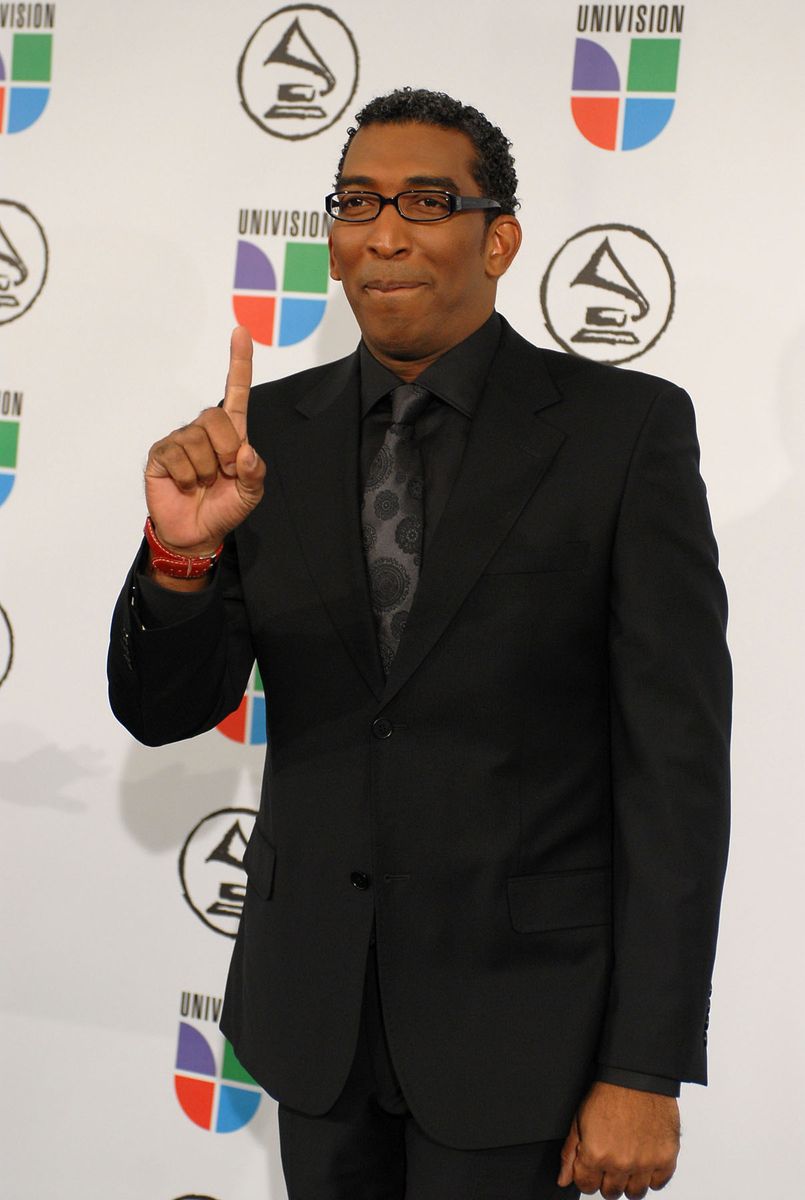 © WireImage for The Recording Acad
For listeners who grew up with songs like “Procura” and “Amor Narcótico,” however, his legacy can feel considerably more personal. This was music that could turn an ordinary gathering into a dance floor.
Peralta's 2026 Lifetime Achievement Award recognizes the artistry behind music that often felt effortless because dancing to it was the easy part.
Francisco Céspedes Made Heartbreak Sound Very Grown-Up
Some childhood songs hit completely differently once you're old enough to understand them. Francisco Céspedes belongs in that category.
Born in Cuba and later establishing himself in Mexico, Céspedes developed a sound in which jazz, bolero and romantic balladry meet. He initially pursued medicine before dedicating himself to music, eventually writing for artists including Luis Miguel. His 1997 debut album, Vida Loca, established him as a major voice in romantic Latin music.
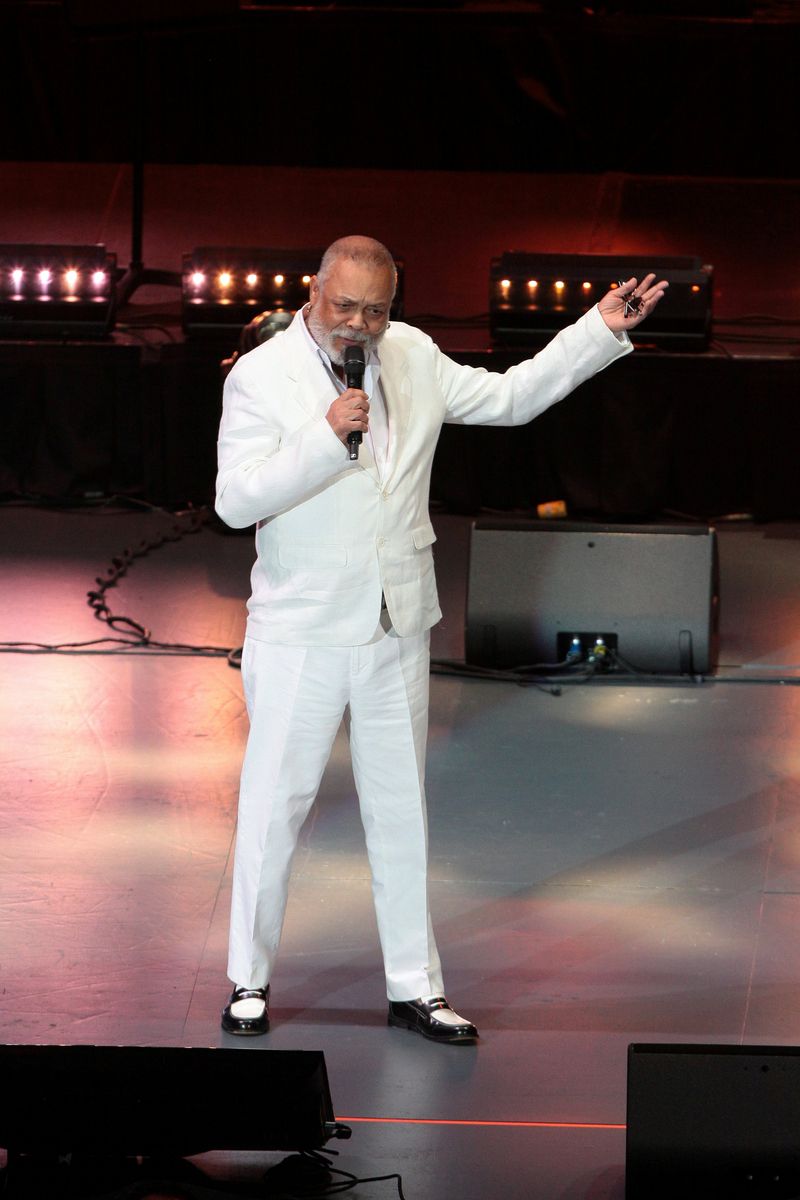 © Getty Images
As children, many of us sang dramatic love songs while possessing absolutely no qualifications to understand the emotional disaster being described.
Then adulthood happened and suddenly the lyrics made sense.
Alaska Was Breaking Pop Rules Decades Ago
Not every song our parents played was a romantic ballad. Some came with synthesizers, attitude and a refusal to care what anybody thought.
Alaska, born Olvido Gara Jova in Mexico City before moving to Spain, emerged from the Spanish punk and pop movements and became one of the defining figures of Spanish-language electronic pop.
 © Europa Press via Getty Images
With Alaska y Dinarama, songs including “Ni Tú Ni Nadie” and “A Quién Le Importa” became enduring pieces of Spanish-language pop culture. She later continued experimenting with electronic music through Fangoria.
Daniela Mercury's Legacy Goes Far Beyond Spanish-Language Music
The 2026 honorees also offer a reminder that Latin music has never meant only music sung in Spanish. Daniela Mercury transformed Brazilian pop with her explosive combination of music, dance and axé.
 © Redferns
The Salvador, Bahia-born performer helped pioneer the genre, while “O Canto Da Cidade” became an enduring Brazilian anthem. According to the Latin Recording Academy, Mercury has sold more than 20 million records and released 26 albums during her career.
Lila Downs Made Tradition Feel Contemporary
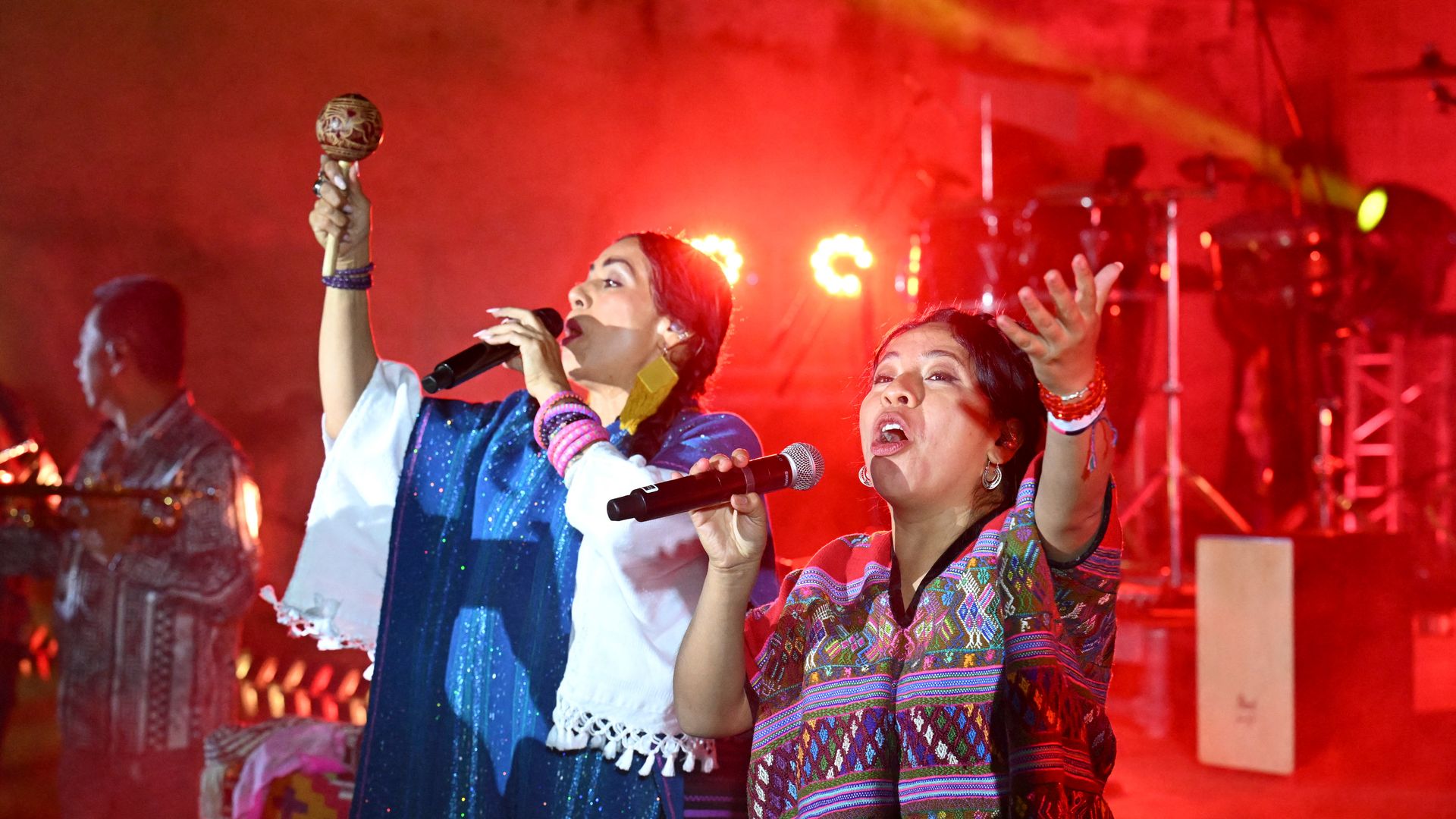
Lila Downs represents another kind of inheritance. For three decades, Downs has explored her Mexican and Mixtec roots while moving between jazz, cumbia, bolero and other musical traditions.
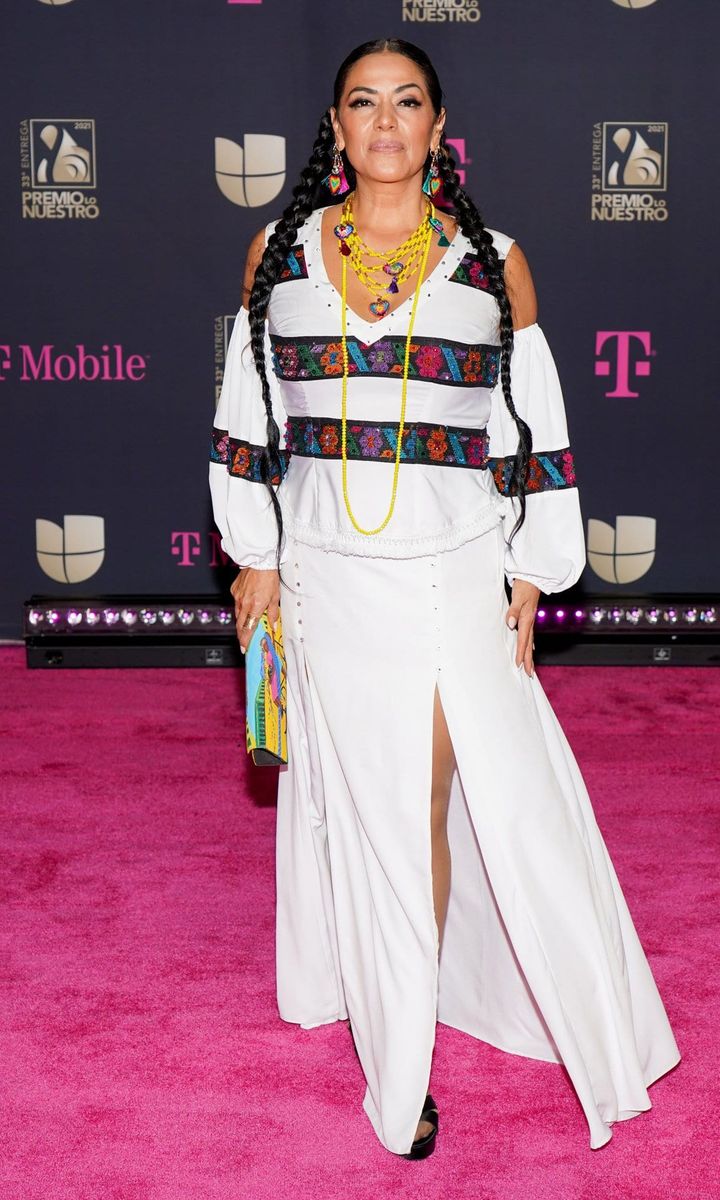 © GettyImages
Born in Tlaxiaco, Oaxaca, to a Mixtec mother and American father, Downs has built a career around cultural identity without allowing tradition to become creatively restrictive. She has won six Latin Grammys and one Grammy and released Cambias Mi Mundo in 2026.