Skip to main contentSkip to footer
The rise and impact of Spanish-language rap
  • España
  • Americas
  • México
  • Celebrities
    • Celebrity Couples
    • Celebrity Moms
    • Celebrity Kids
    • Celebrity Parents
    • Celebrity Homes
  • Entertainment
    • Music
    • Movies
    • TV
    • What to Watch
  • Royals
    • Kate Middleton
    • Meghan Markle
    • Prince Harry
    • Queen Letizia
    • Queen Maxima
    • Charlotte Casiraghi
    • Spanish Royals
    • British Royals
    • Monaco Royals
  • Beauty
    • Skincare
    • Makeup
    • Nails
    • Hair
    • Celebrity Beauty
  • Fashion
    • Celebrity Style
    • Royal Style
    • Fashion Trends
    • Street Style
    • Red Carpet
    • Runway
  • Lifestyle
    • Health and Wellness
    • Fitness and Workout
    • Leisure and Travel
    • Parenting
  • Food
    • Recipes
    • Healthy Food
    • Latin Cooking
    • Drinks and Cocktails
  • Americas
    • Celebridades
    • Entretenimiento
    • Realeza
    • Belleza
    • Moda
    • Lifestyle
    • Fotos
    • Latina Powerhouse
  • Latina Powerhouse
  • Photos
  • HOLA+
  • Celebrities
  • Entertainment
  • Royals
  • Beauty
  • Fashion
  • Lifestyle
  • Food
  • Americas
  • Latina Powerhouse
  • Photos
  • Hola+
  • Home
  • Entertainment

The rise of Spanish-language rap and why American rappers are doing their crossover


Cubans and Puerto Ricans living on the islands were among the first to welcome Hip Hop


The rise of Spanish-language rap and why American rappers are doing their crossover© Getty Images / Courtesy
Shirley GomezSenior Writer
SEPTEMBER 22, 2021 12:21 PM EDTSEP 22, 2021, 12:21 PM EDT

Rapping, spitting, or emceeing originated in the Bronx, New York City, in the 1970s, growing popularity as a genre and a cultural movement. Created by African Americans, Latino Americans, and Caribbean Americans, Hip Hop music became a phenomenon for its complex and well though wordplay.

Through the rapid delivery of “street slang,” artists follow the beat to share a discourse containing stories that can span from the rapper’s upbringing in the hood to mundane topics.
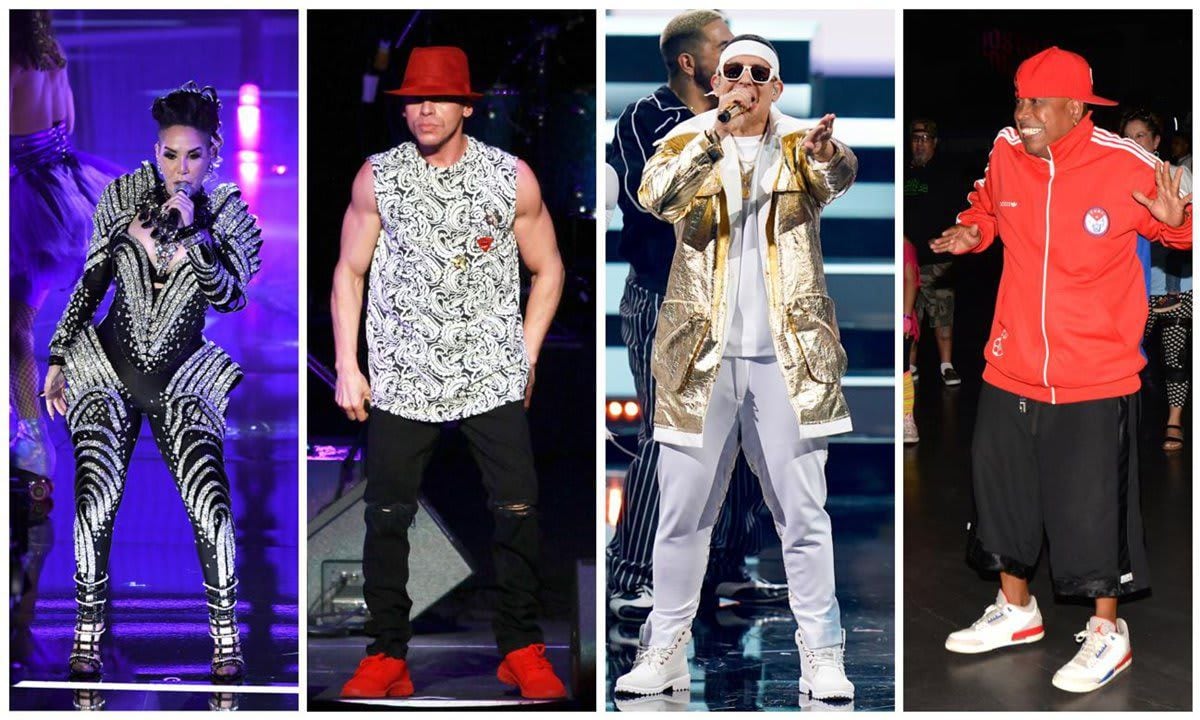
In the ’80s, the Latinx population outside the United States started experimenting with Spanish-language rap —different from Spanish rap, originated in Spain— Latin hip hop, or Latin rap. Cubans and Puerto Ricans living on the islands were among the first to welcome Hip Hop.

Rappers like Mellow Man Ace, Vico C, TNT, Ivy Queen, Chezina, Tempo, Daddy Yankee, Eddie Dee, MC Moña, among others, adopted the growing rap movement and had a substantial impact on the genre.

With the rise of Latin rap, trap, and reggaeton, other cultures started paying attention to Spanish-speaking artists. Well-known Latinx artists also adapted and started incorporating style percussions and melodies from the genre, showing a spectrum in Latinx music and that not all Latin rhythms sound the same.
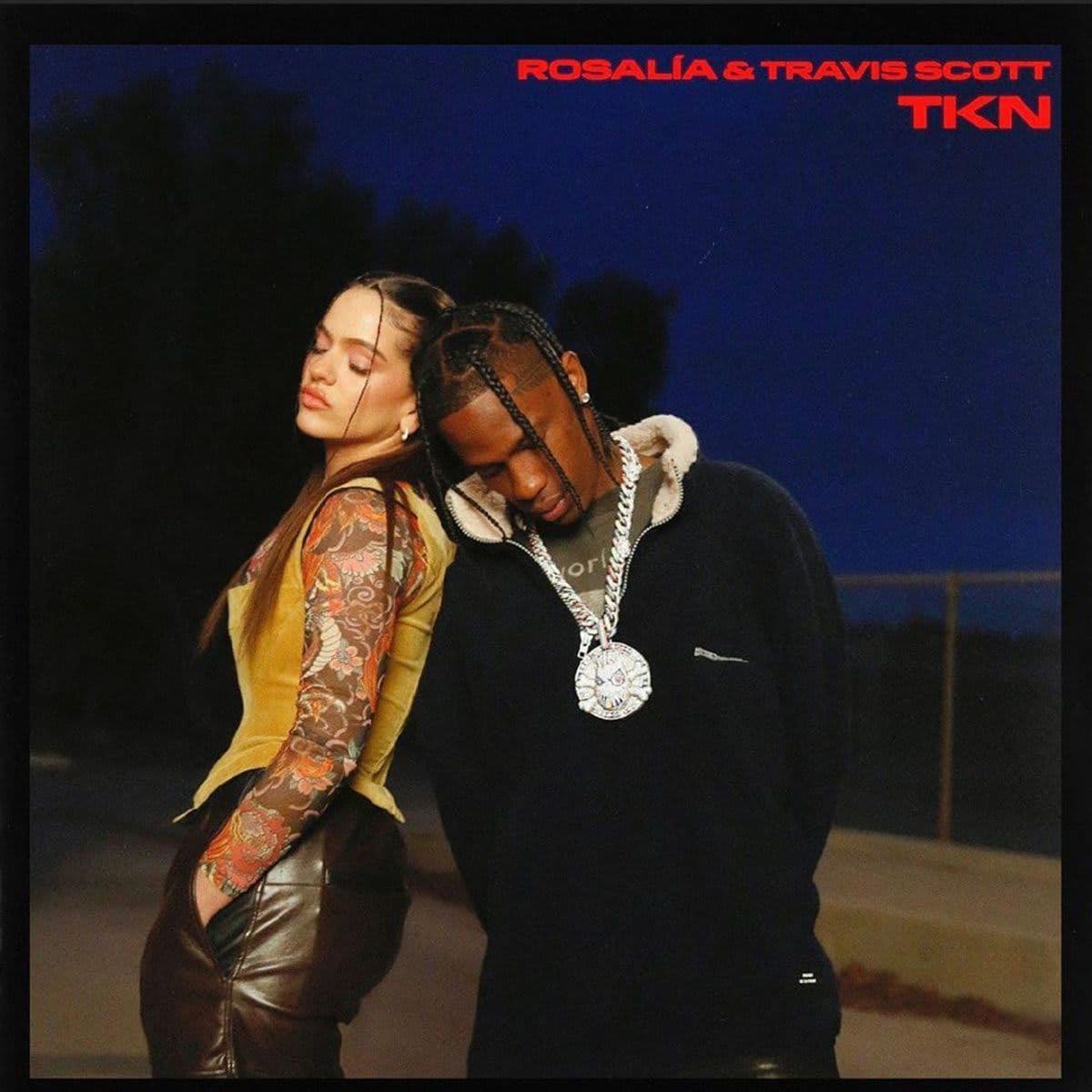
rosalia, travis scott© @rosalia_vt

However, something applies to rap and Latin rap, whether it is in English or Spanish; a rapper knows that good content, flow, and delivery will determine if the song has the potential to become a success or fall under the cracks.

Since 2005, Red Bull has supported Spanish-speaking artists to achieve their musical goals with their Red Bull Batalla. This global freestyle rap competition has provided a platform for the best Latinx hip-hop improvisers to connect, develop and compete.

As the world’s biggest international freestyle battle competition, Batalla reunites Spanish-speakers aspiring rappers to train, perform and improve their improvisation and lyrical skills.

Stick celebrates after winning the Red Bull Batalla de los Gallos National Finals in Lima, Peru on November 7, 2020.© Red Bull Batalla
Stick celebrates after winning the Red Bull Batalla de los Gallos National Finals in Lima, Peru on November 7, 2020

On Saturday, September 18th, at Sunset Las Palmas Studios, in Los Angeles, 16 artists faced each other to become the winner and advance onto the Red Bull Batalla World Finals held in Chile.

In an interview with HOLA! USA, one of the judges of the Red Bull Batalla, Puerto Rican producer, and musician Eduardo José Cabra Martínez, better known by his stage name “Visitante Calle 13”, “Visitante,” or more recently, “Cabra,” shared why he thinks rap in Spanish became such a phenomenon that now English-speaking rappers are the ones crossing over.

Related
  • The world’s largest Spanish-speaking rap battle is back, and you are invited
  • Cuban rapper Reverse crowned 2021 Red Bull Batalla U.S champion
  • (Exclusive) Pitbull, Sak Noel and Salvi Release New Music Video for the Latin House Hit‘Que Rica (Tócame)’

“I think there is a fascination with this whole thing of shooting ideas and how by rapping you can ‘humiliate your opponent,” Cabra says, clarifying that although they insult each other, they usually get along. “It is all about the buzz and not necessarily a personal matter. We can compare it to a boxing match where every athlete shows their abilities, and once the fight is over, they hug each other.”

For Cabra, there’s no science behind North American rappers trying to collaborate with Latinx artists. “I think the reason is likes, numbers, and money,” he said. “We are living in a moment in which music is merging. There’s music as art, expression, emotional and historical document, and there’s music to entertain. Entertainment music is about triumph, going viral, and pleased the algorithm.” According to the expert, he is not criticizing artists that create music just for entertainment. Still, he knows that English-speaking artists “can earn extra money with their crossovers.”

© ¡HOLA! Reproduction of this article and its photographs in whole or in part is prohibited, even when citing their source.

Other Topics
  • Reggaeton
  • Music
  • Latin Music
READ MORE
Emilia reinterprets Christina Aguilera’s classic ‘Genio Atrapado,’ and fans can’t get enough
Emilia reinterprets Christina Aguilera’s classic ‘Genio Atrapado,’ and fans can’t get enoughBy Shirley Gomez
Romeo Santos and Prince Royce announce their first-ever joint Bachata tour: Will they visit your city?
Romeo Santos and Prince Royce announce their first-ever joint Bachata tour: Will they visit your city?By Shirley Gomez
Who is Christian Nodal’s violinist? Esmeralda Camacho is the latest viral sensation
Who is Christian Nodal’s violinist? Esmeralda Camacho is the latest viral sensationBy Shirley Gomez
Mariah Carey is headed to the Olympics: Here’s what she’s going to do at the opening ceremony
Mariah Carey is headed to the Olympics: Here’s what she’s going to do at the opening ceremonyBy Shirley Gomez
LATEST NEWS
Meet Carlos Manuel Vesga, the breakout star of Vince Gilligan’s ‘Pluribus’
New Year’s Eve party drinks: the best bottles to bring for every budget in 2026
Priscilla Presley makes a bold statement with a rare blended family photo amid chaotic headlines
Princess Amalia takes center stage in the Dutch Royal Family’s Christmas card
Natalia Boneta
9 Flattering haircuts for wavy hair, according to stylists
FDA approves Wegovy pill and changes everything about GLP-1 drugs
Kaia Gerber shares playful topless photo and festive lace look for Christmas
© 2000-2025, HOLA S.L.
  • ¡HOLA! Spain
  • ¡HOLA! Americas
  • HELLO! UK
  • HELLO! US
  • HELLO! Canada
  • Privacy Policy
  • Legal Notice
  • Cookies Policy
  • Compliant channel
  • Contact