Hailey Bieber is putting money on the issues that matter most to her. Last week, her beauty and skincare company Rhode announced a partnership with the Foundation for Women's Health. According to Bieber, the partnership is a personal one.
 © Stefanie Keenan/Oscars
In an interview with WWD, Bieber opened up about her PPMD diagnosis, which she'd discussed in podcasts earlier this year. The condition is called premenstrual dysphoric disorder, a condition that results in sudden mood changes due to hormone fluctuations.
When speaking about why women's health was important to her, Bieber revealed that motherhood played a key part.
“Especially after having my own child,” said Bieber. “That was just a really intense and special journey that I had. There’s so much that happens when you are pregnant, during childbirth. There’s so many things that happen leading up to having a child.”
 © JustinBieber/Instagram
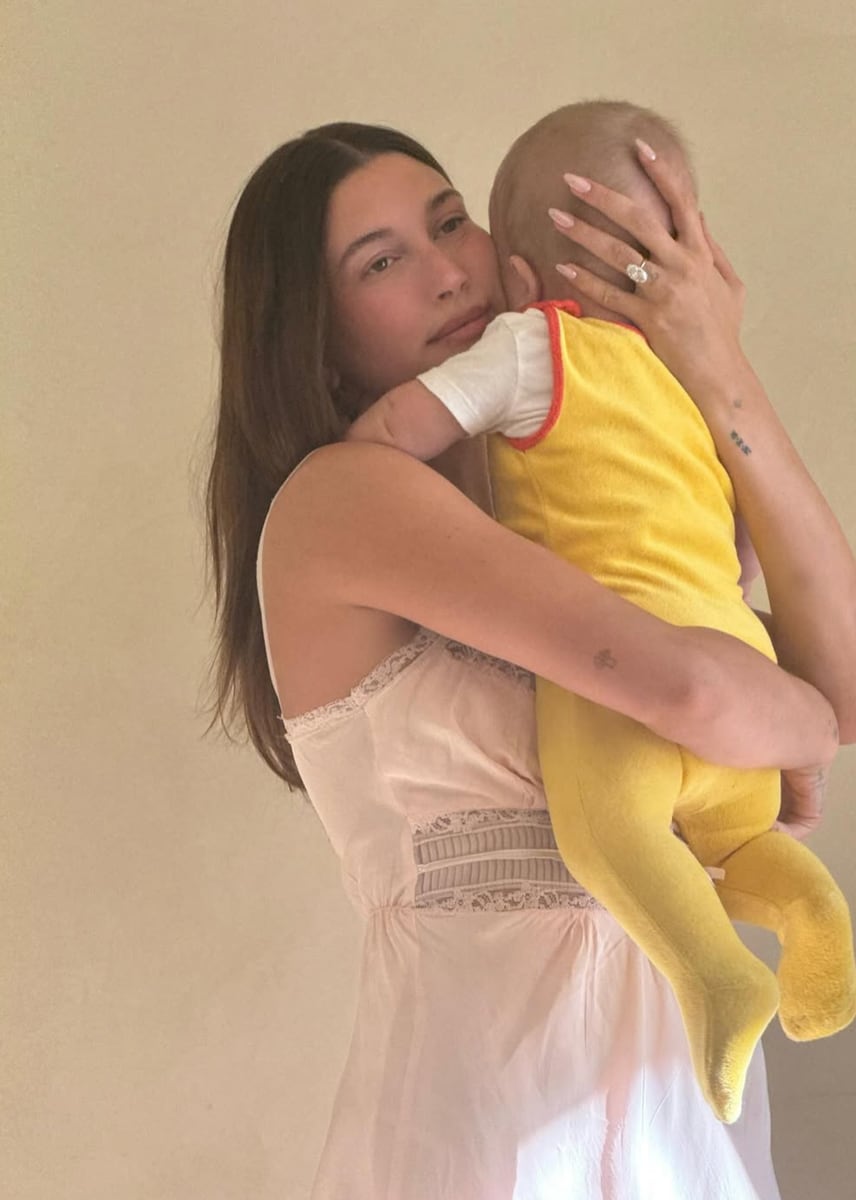
She shared that following Jack Blues' birth, she was diagnosed with PPMD. “After I had my son, I struggled with that a bit, and there’s just not a lot of conversation or research around it,” Bieber said.
“Conversation, for me personally, makes me feel less alone,” she added. “When we can identify with each other and have conversations relating to each other and talking about the things we’re dealing with and struggling with, I do think it makes it feel like less of a lonely journey.”
Bieber and her husband Justin welcomed their first son in August 2024.
Bieber opened up about her PPMD diagnosis earlier this year
 © Hailey Bieber / Instagram
In May of this year, Bieber was featured on the She MD podcast, where she opened up about her PPMD diagnosis for the first time.
"I was like, 'This just feels way more intense than before,' like, the lead-up to getting your period," Bieber said. "You're like, 'Why does it feel like my whole entire life is gonna end? Like, I don't understand.' You just have all these swirling thoughts and feelings, and just everything feels like the biggest deal in the world."
“It sucks,” she continued. “It is also dangerous, and it should be taken seriously.” Bieber shared that the condition affected her work and her personal relationships.
 © Instagram/@haileybieber