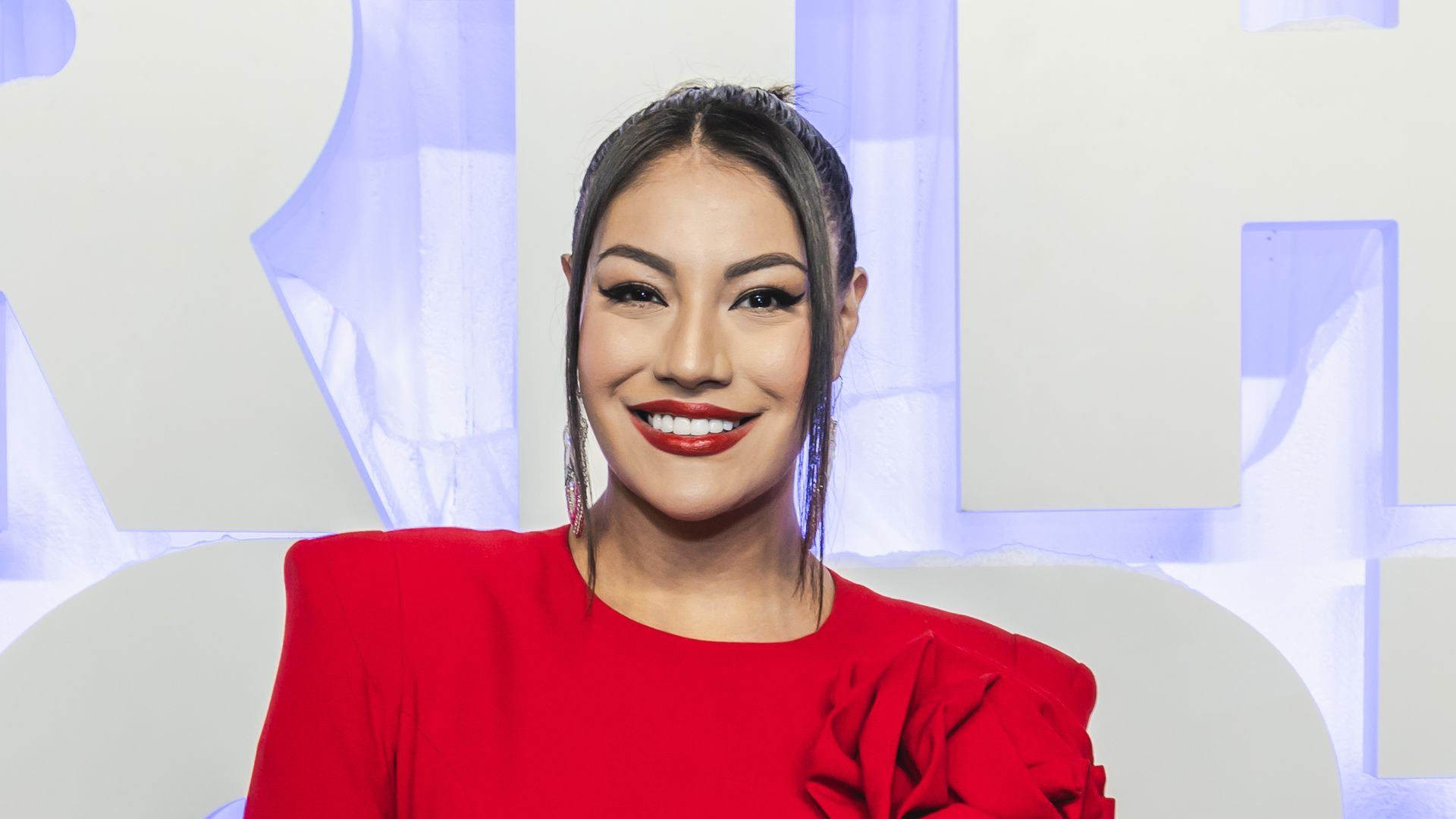
Miss Universe Canada contestant Jasleen Kaily has apologized after her Indigenous-inspired national costume sparked criticism and accusations of cultural appropriation during the 2026 competition.
Kaily was one of two contestants whose outfits came under scrutiny following the national costume segment of the Miss Universe Canada pageant, held in Windsor, Ontario, on August 4. Fellow contestant Karisa Haverkamp also faced criticism over her look.
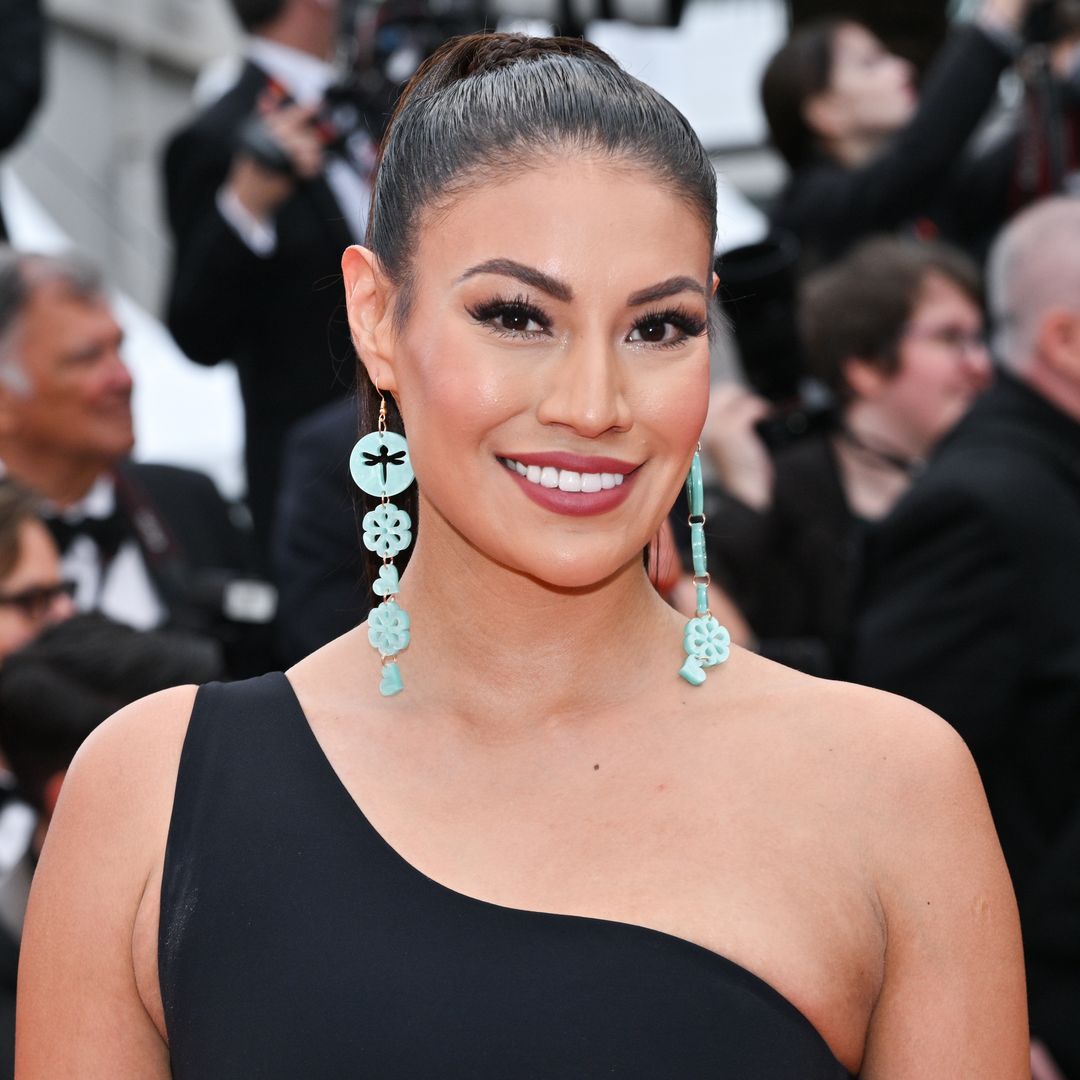
The controversy intensified after Ashley Callingbull, the first Indigenous woman to win Miss Universe Canada, publicly challenged the use of Indigenous cultural elements in the competition.
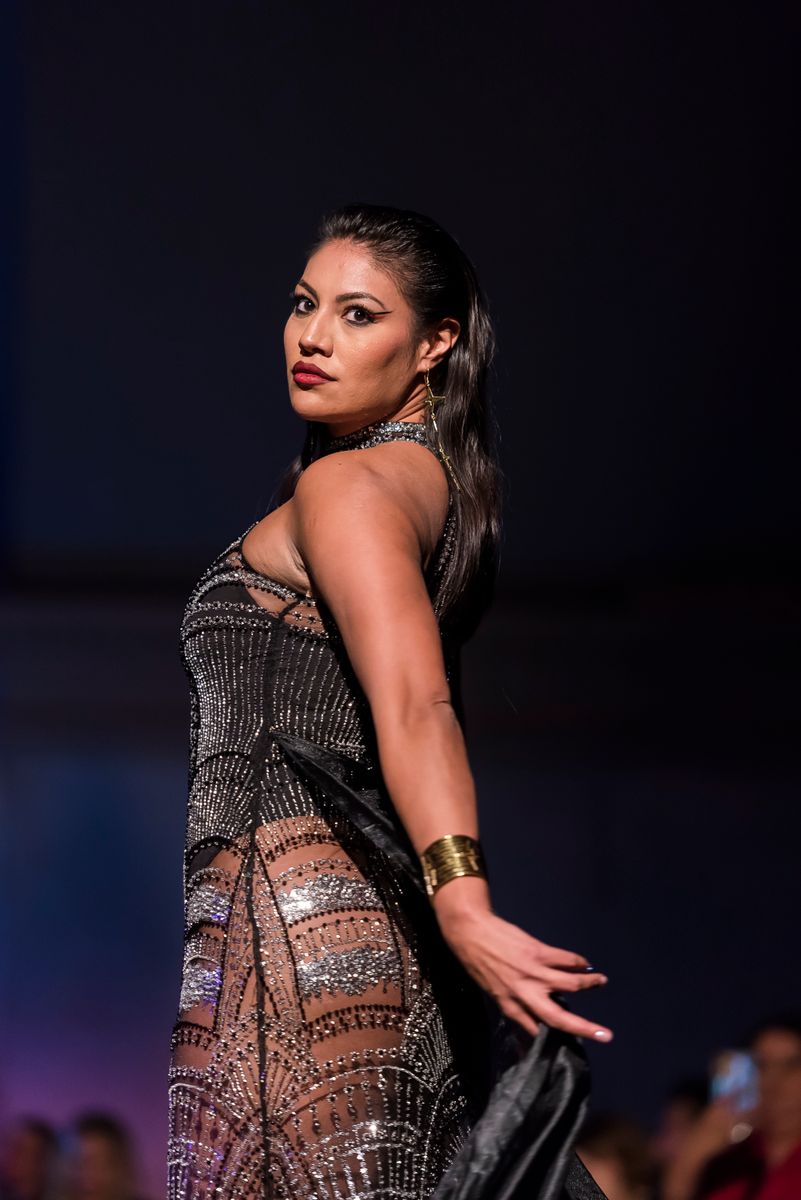 © Getty Images
Callingbull, a Plains Cree woman from Enoch Cree Nation, was co-hosting the pageant and later spoke about her reaction to seeing the costumes. “Sometimes there are mistakes that are made,” Callingbull said. “It’s 2026. We should know better, but most importantly, a part of reconciliation is that we educate and learn and understand and move on from these things in a good way.”
Both contestants have since apologized, while the Miss Universe Canada organization has said it plans to introduce clearer guidelines for future national costumes.
Why Jasleen Kaily’s Miss Universe Canada Costume Sparked Criticism
Kaily, who is of Indian origin, appeared in a two-piece costume titled “Arctic Beauty.” The outfit featured a fur jacket and skirt, fur boots described in reports as mukluks, two braids and a large maple leaf positioned behind her.
The costume was presented during a segment intended to celebrate Canadian culture, heritage, traditions and national identity. The styling drew criticism because several elements were associated with Indigenous cultures.
Haverkamp’s costume attracted separate criticism. Her look featured a feathered headdress as well as a red handprint painted across her face. The red handprint is associated with awareness of Missing and Murdered Indigenous Women and Girls, commonly referred to as MMIWG.
The use of such imagery in a beauty pageant costume raised questions about where cultural appreciation ends and cultural appropriation begins, particularly when culturally or spiritually significant symbols are involved.
What Jasleen Kaily Said in Her Apology
Following the criticism, Kaily addressed the controversy on social media and said causing disrespect was not her intention. “My intention was never to disrespect or misrepresent Indigenous culture,” Kaily said. She explained that her intention had instead been to “recognise and celebrate one of the First Peoples of Canada.”
Her apology came as the controversy gained international attention and discussion shifted from the contestants themselves to how the Miss Universe Canada organization approved the costumes in the first place.
Haverkamp also apologized, acknowledging that her national costume had caused “hurt and offence” within the Indigenous community and saying she appreciated what she had learned from the experience.
Miss Universe Canada Responds to the Cultural Appropriation Row
Miss Universe Canada subsequently issued its own response. The organization said “if any costume caused offense, hurt or misunderstanding, please know it was never our intention.”
More significantly, the pageant has indicated that changes will follow.