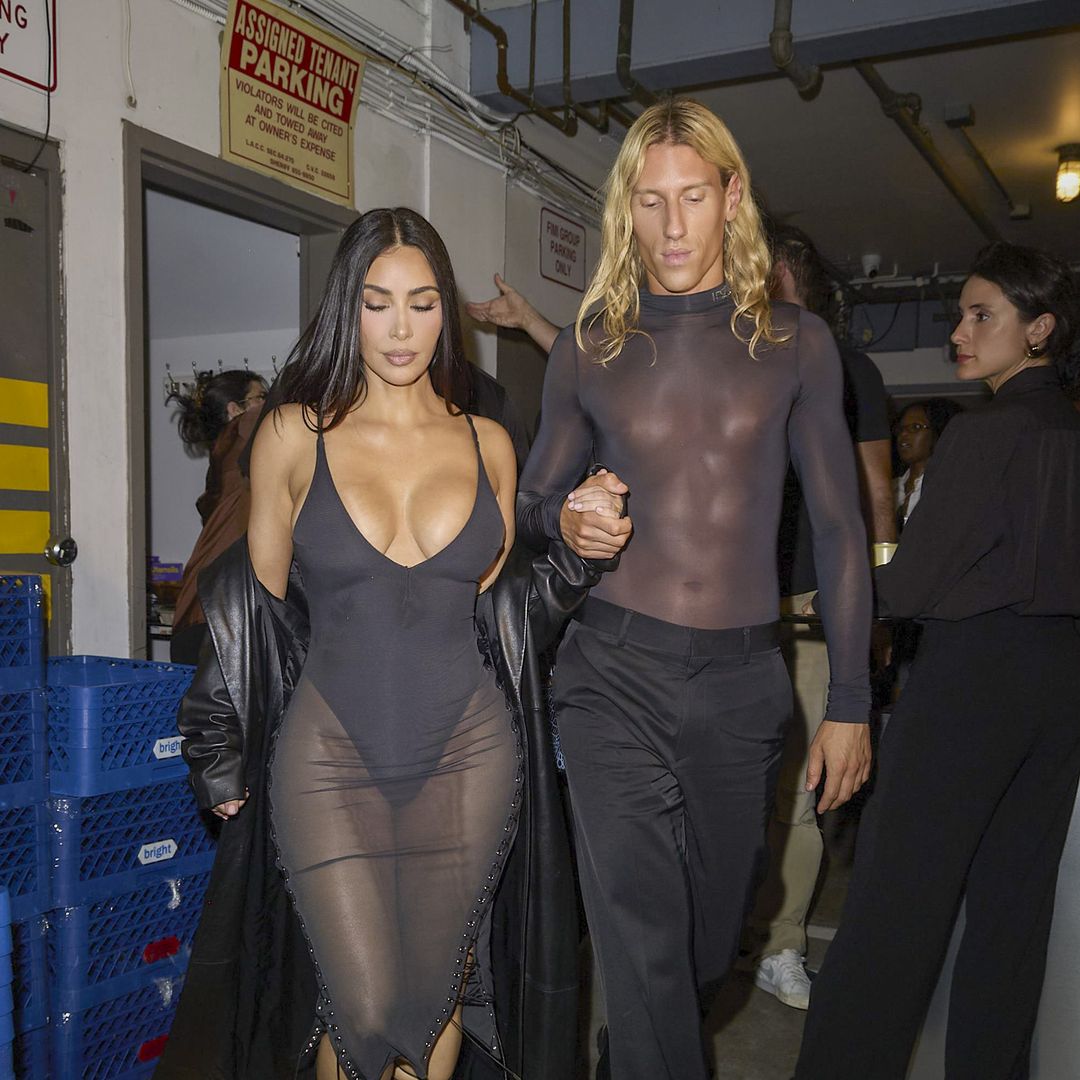
Lauren Sánchez Bezos is encouraging people to think differently about what's hanging in their closets after revealing five unexpected materials that can be turned into clothing. The journalist and philanthropist recently shared an Instagram video highlighting surprising alternatives to traditional fabrics, writing: "What our clothes are made from matters. Proud that the @bezosearthfund is a part of advancing breakthroughs in materials and fabrics for the future of fashion."
Her post comes as the Bezos Earth Fund expands its investment in sustainable fashion research, announcing $34 million in grants to scientists developing next-generation textile materials.
 © GC Images
Lauren Sánchez Bezos Lists 5 Unexpected Materials Used to Make Clothes
In her Instagram post, Sánchez Bezos admitted there were several materials she didn't realize could be transformed into wearable fabrics.
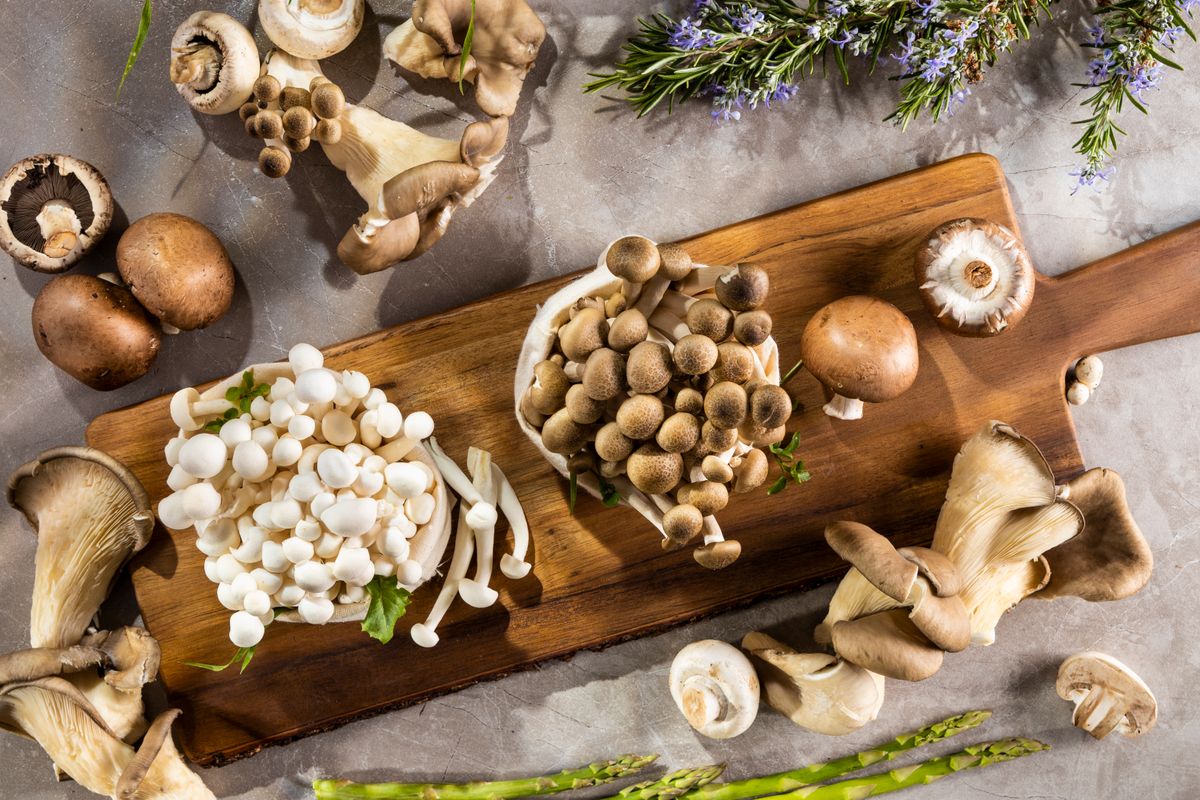
1. Mushrooms
 © Getty Images
Mushroom-based materials, often made from mycelium, can be used to create leather-like textiles. According to her post, mushrooms grow quickly without requiring vast amounts of land, water, or creating significant pollution.
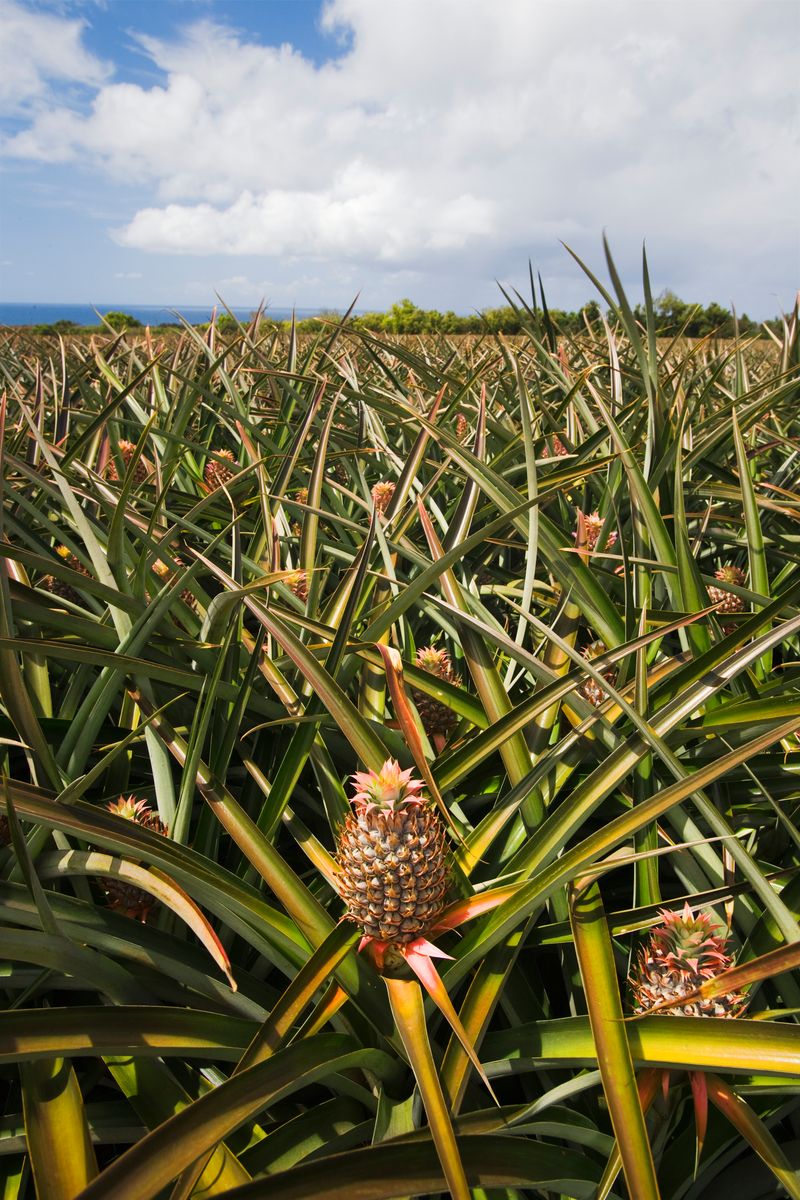
2. Pineapple Leaves
 © Design Pics Editorial/Universal
Rather than throwing away leftover pineapple leaves after harvesting fruit, manufacturers can process the fibers into a durable material suitable for shoes, handbags, and clothing. Sánchez Bezos included pineapple leaves among the surprising sources for fashion fabrics.
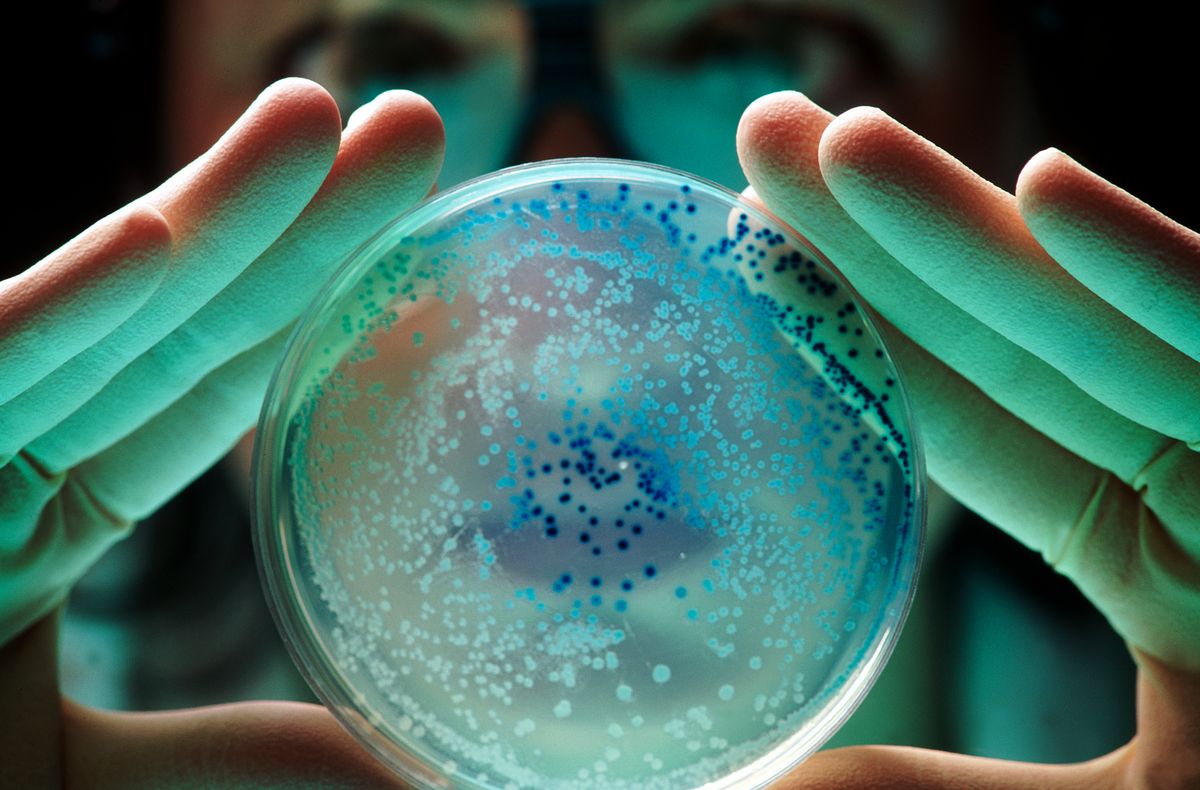
3. Bacteria
 © Getty Images
One of the most futuristic examples she highlighted was fabric grown from bacteria. Researchers are developing textile fibers produced by bacteria fed with agricultural waste, creating biodegradable materials that could reduce reliance on conventional textiles.
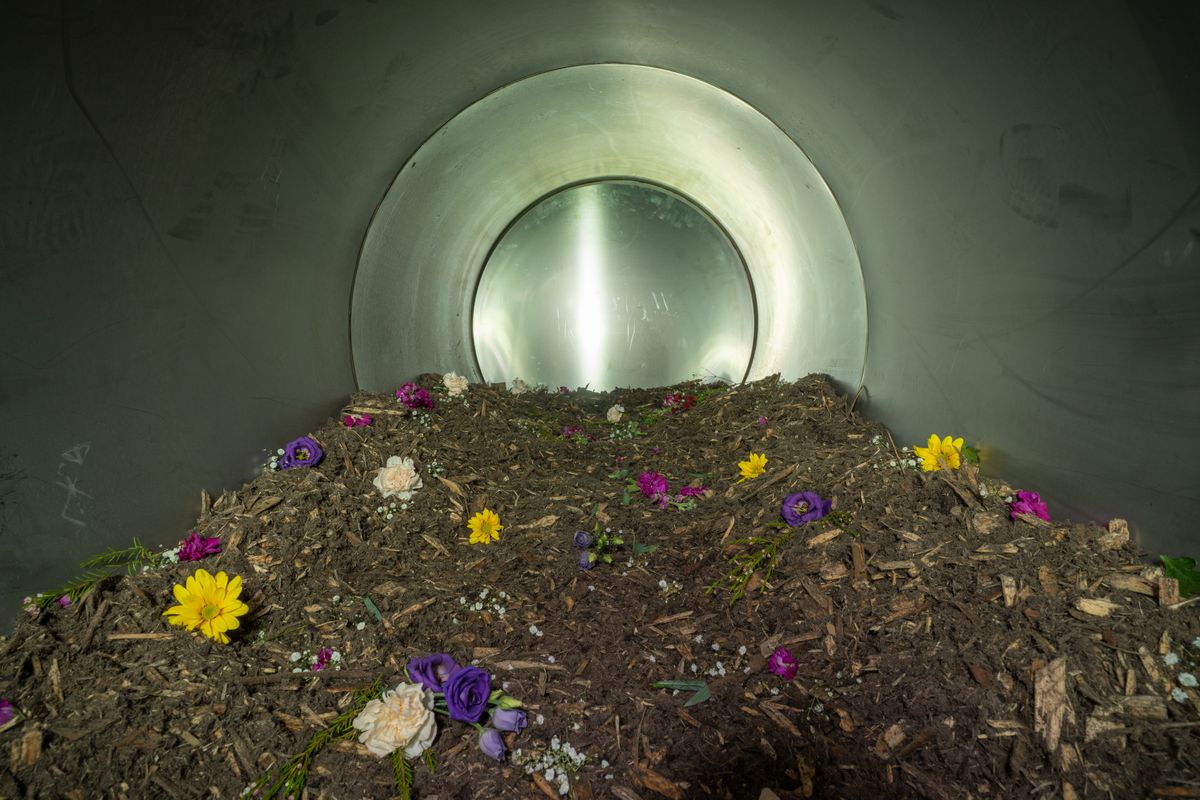
4. Compost
 © The Washington Post via Getty Im
Sánchez Bezos also pointed to compost as an ingredient in developing innovative fibers. Scientists are working on silk-like materials created from compostable sources rather than traditional synthetic inputs.
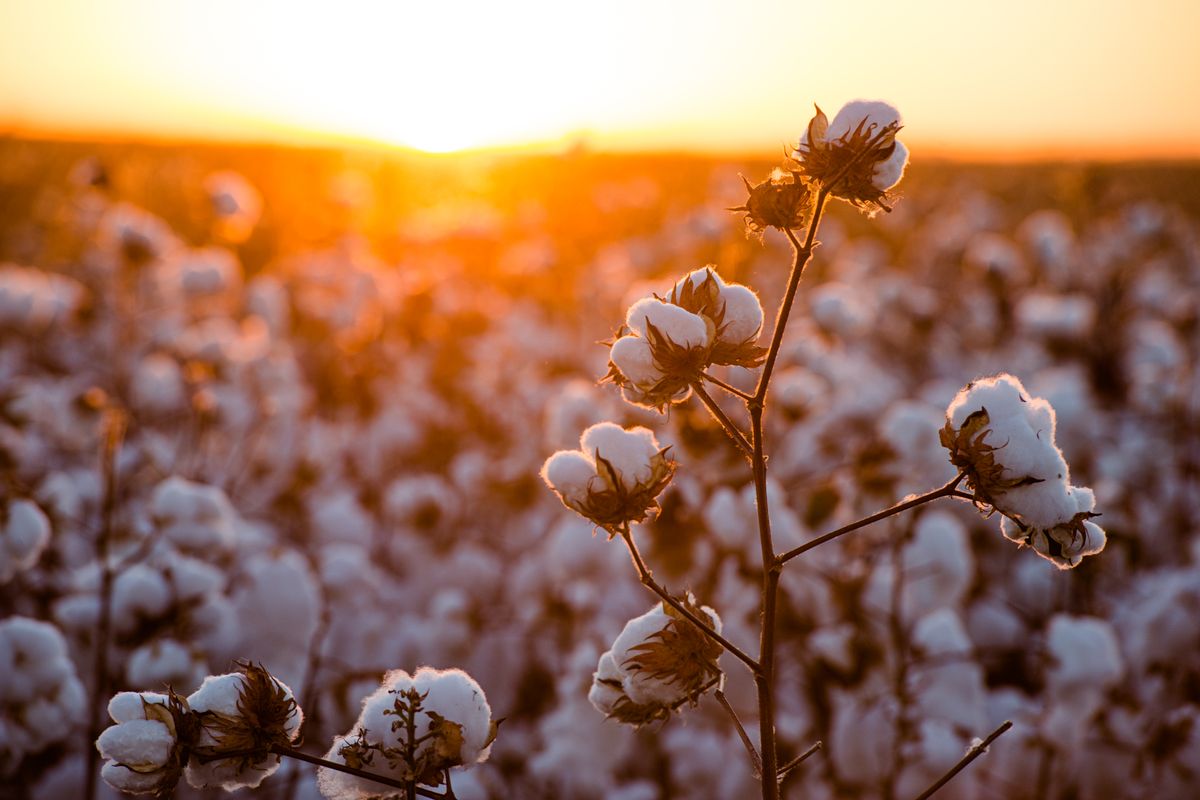
5. Colored Cotton
 © Getty Images
Instead of dyeing fabric after harvesting, researchers are exploring cotton varieties that naturally grow in different colors. The technology aims to reduce the environmental impact associated with traditional textile dyeing while improving crop resilience.
Why Lauren Sánchez Bezos Is Talking About Sustainable Fashion
The Instagram post aligns with a major initiative from the Bezos Earth Fund, where Sánchez Bezos serves as vice chair. The organization recently announced $34 million in grants supporting research at institutions including Columbia University, the University of California, Berkeley, Clemson University, and the Cotton Foundation.
The project's focus on developing alternatives to conventional fibers like cotton, rayon, and silk that offer improved environmental performance without sacrificing quality.
 © Getty Images
In a statement released alongside the announcement, Sánchez Bezos said her curiosity about how clothing is made led her to discover innovations such as bacteria-grown fibers, naturally colored cotton, and silk-like materials created from compost. She described the research as "the future of fashion."
How These New Fabrics Could Change Fashion
The Bezos Earth Fund says materials account for roughly 80% of the fashion industry's environmental footprint, including greenhouse gas emissions, water use, pollution, and landfill waste. Its funding is intended to accelerate research into biodegradable, high-performance alternatives that can eventually be produced at a commercial scale.
While many of these fabrics are still in development, Sánchez Bezos' post highlights how fashion innovation is moving beyond traditional cotton and polyester into materials that many consumers may never have imagined could become clothing.