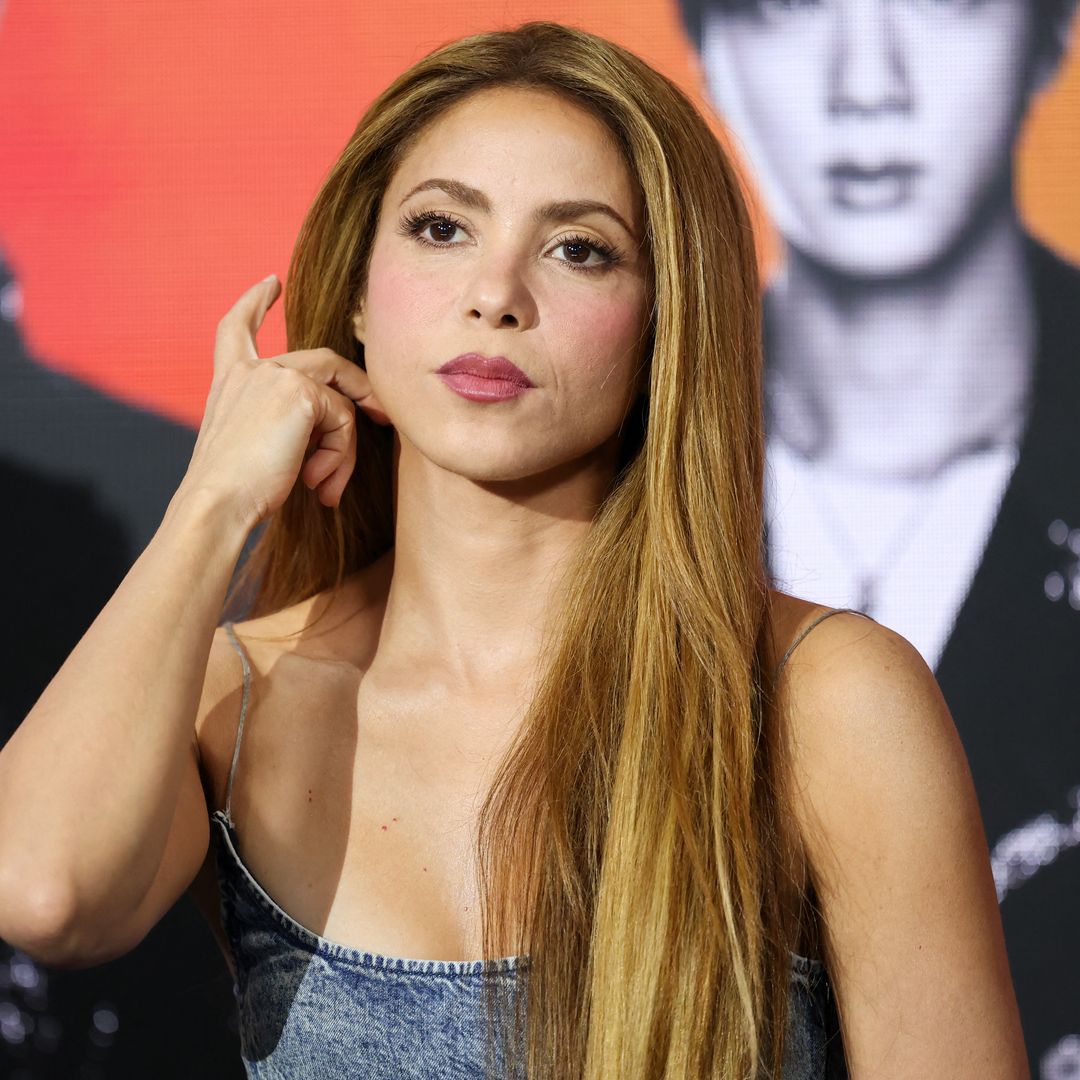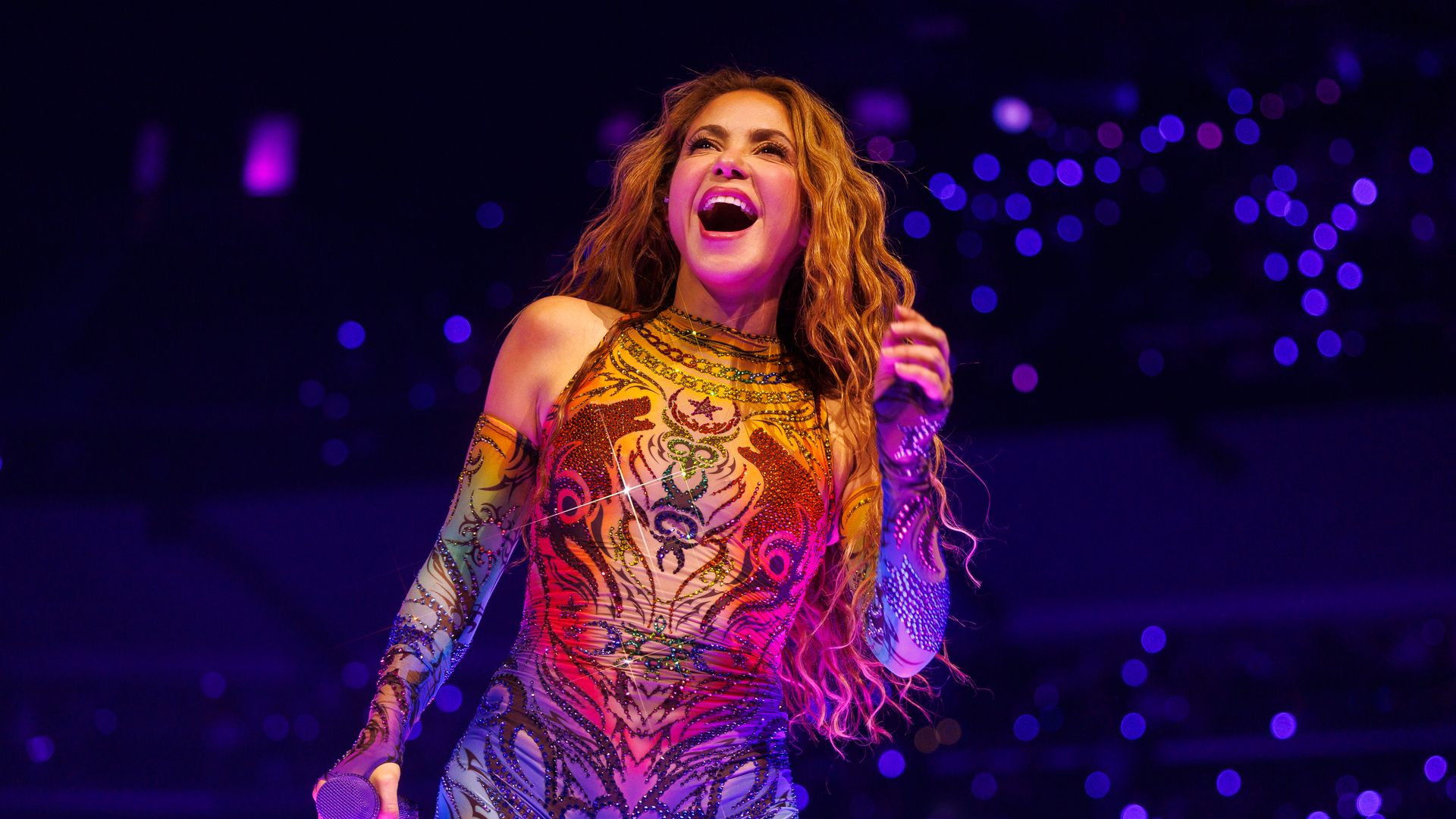
What started as a celebration of Shakira's music and legacy could evolve into a significant intellectual property dispute involving one of the world's most powerful sports organizations. Rebeca Maiellano, widely recognized as ShakiBecca, has built an international following thanks to her uncanny resemblance to Colombian superstar Shakira.
However, the Venezuelan tribute artist is now at the center of controversy after reports emerged suggesting FIFA is reviewing whether her recent performances may have infringed on rights associated with the 2026 FIFA World Cup.
 © @Shakibecca
FIFA Is Reportedly Reviewing ShakiBecca's Performance
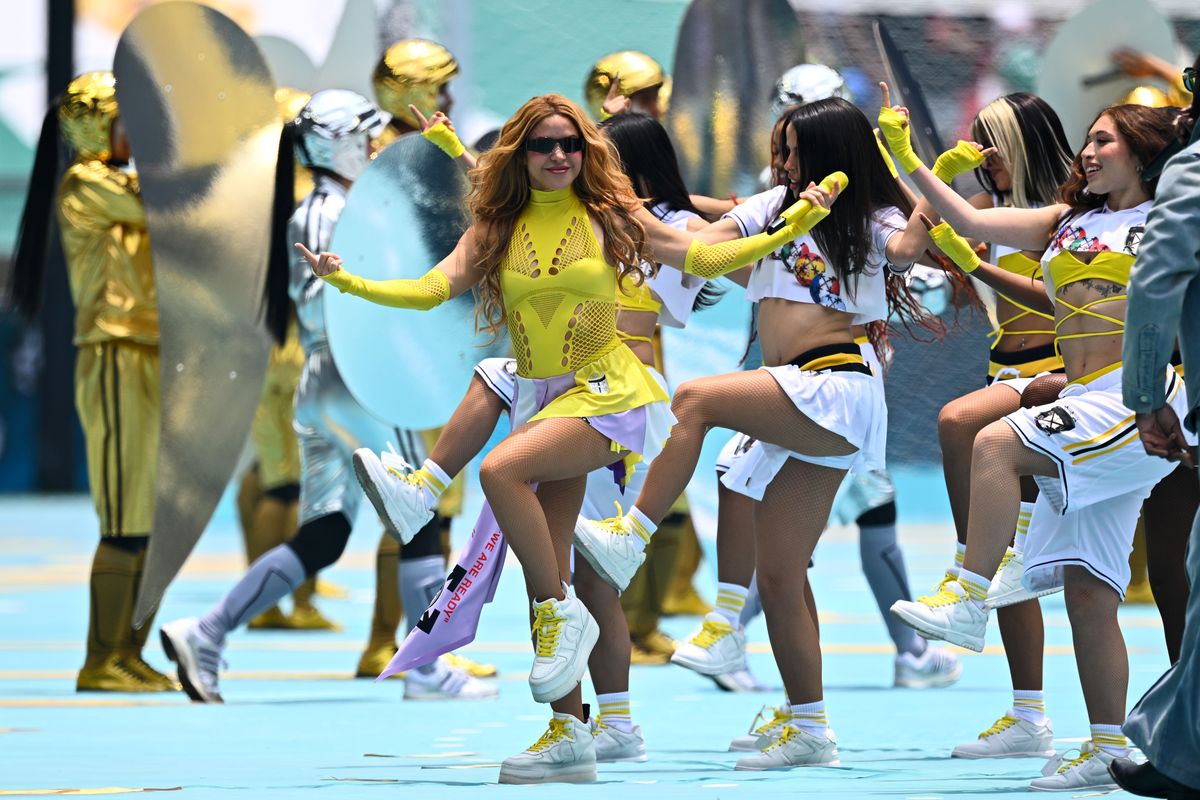
According to multiple reports, FIFA is examining whether ShakiBecca used protected World Cup imagery, branding, and visual elements without authorization during a performance inspired by "Dai Dai," the official tournament song performed by Shakira and Burna Boy during the World Cup opening ceremony.
While no formal lawsuit has been filed, the situation has attracted attention because FIFA is known for aggressively protecting its intellectual property. The organization maintains strict control over the use of official logos, tournament branding, promotional materials, and other visual assets connected to the World Cup.
 © picture alliance
The concerns reportedly stem from a performance in which images and references associated with the 2026 tournament were allegedly displayed as part of the show's visual presentation. If those materials were used commercially without proper authorization, they could potentially raise intellectual property issues.
FIFA's Strict Protection of World Cup Branding
The FIFA World Cup is one of the most valuable sporting properties in the world, generating billions of dollars through sponsorships, broadcasting agreements, and licensing partnerships.
As a result, FIFA carefully monitors unauthorized commercial use of its trademarks and official content. Tournament names, logos, mascots, promotional graphics, and other official materials are protected under intellectual property laws in multiple countries.
 © Shakira / YouTube
Legal experts frequently point out that even indirect commercial use of protected tournament branding can trigger scrutiny when it creates the impression of an official connection or endorsement.
Since the launch of the 2026 World Cup campaign, authorities and intellectual property organizations in several countries have reminded businesses, creators, and performers that official FIFA assets generally require authorization before being used for commercial purposes.
The Role of "Dai Dai" in the Controversy
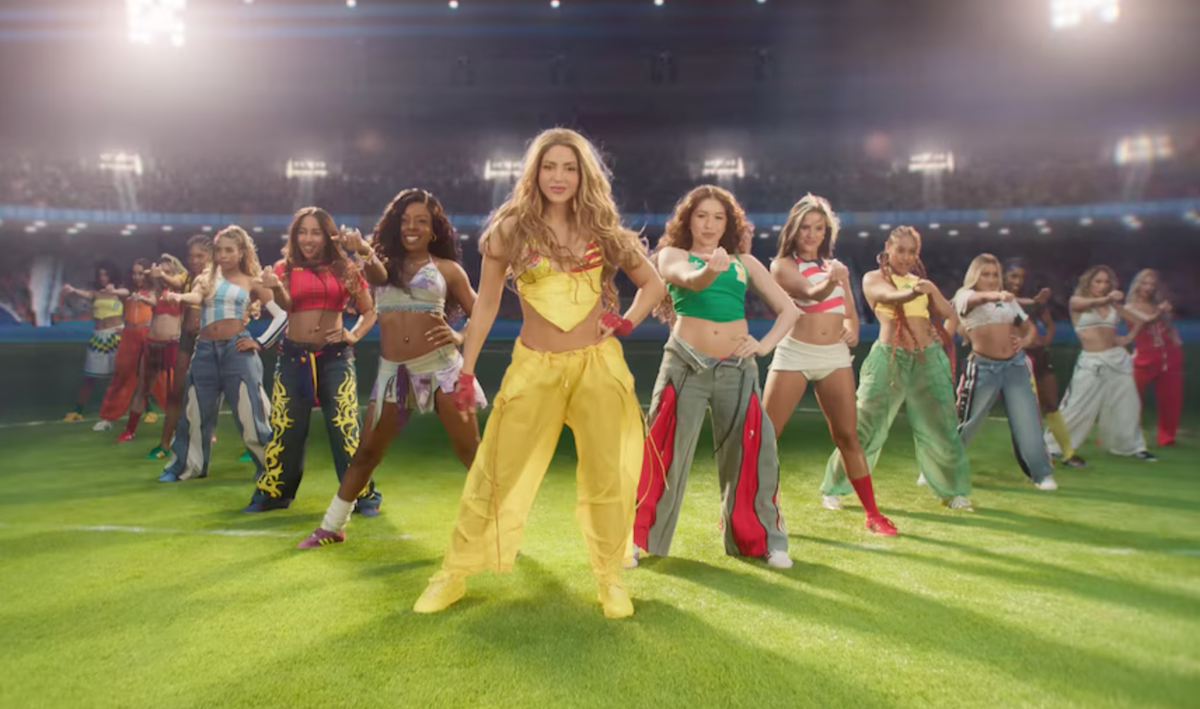
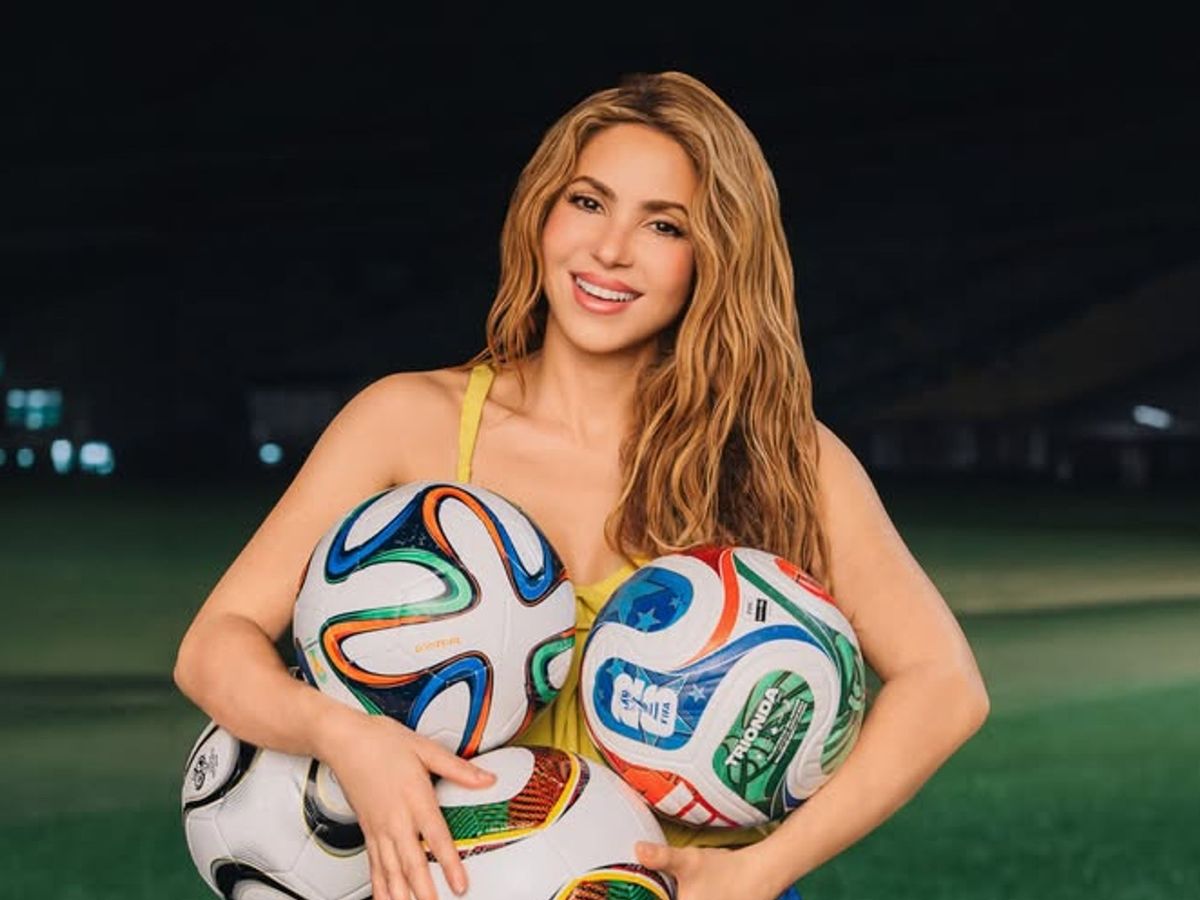
Another factor drawing attention is the connection to "Dai Dai," the official World Cup song performed by Shakira and Burna Boy. As part of FIFA's official event programming, the song is linked to multiple layers of intellectual property protection. These rights may involve music publishers, recording companies, performers, event organizers, and other stakeholders connected to the production and promotion of the tournament.
 © IG: @shakira
Although tribute performances are common within the entertainment industry, disputes can arise when official event branding, copyrighted content, or protected promotional materials become part of a commercial presentation.
Who Is ShakiBecca?
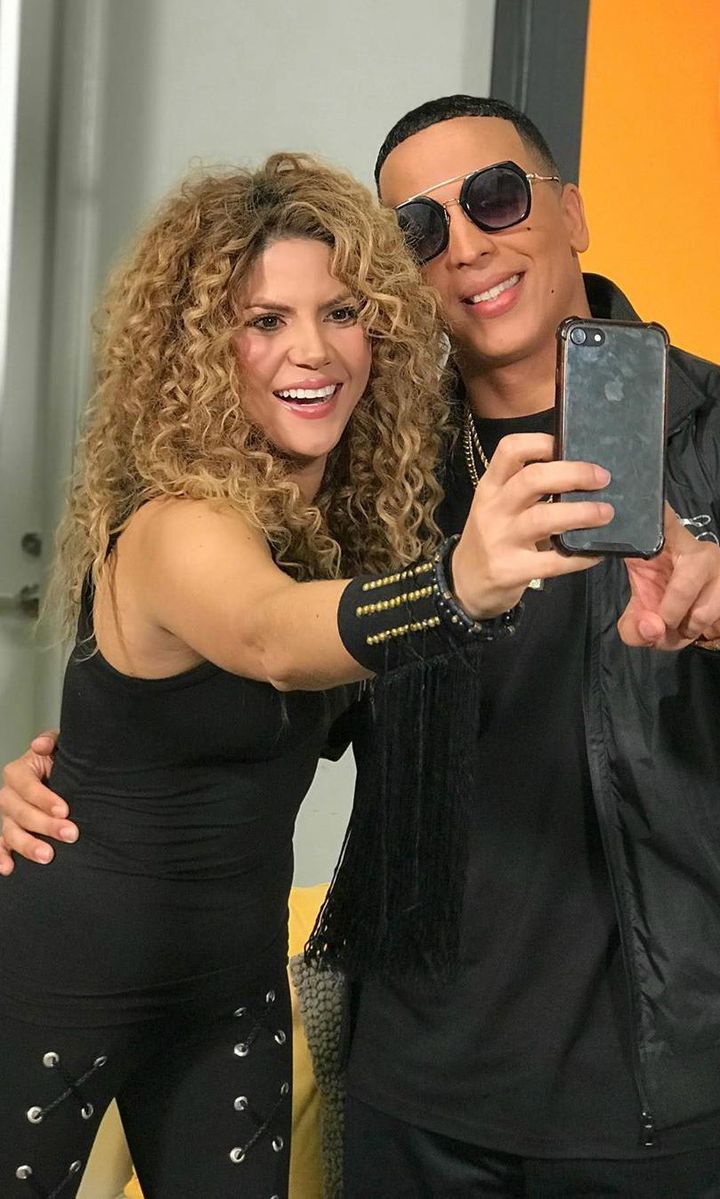
ShakiBecca has transformed her resemblance to Shakira into a full-time professional career as a tribute performer. With more than half a million followers across social media platforms, she has gained recognition for recreating the singer's appearance, dance routines, stage presence, and vocal style with remarkable accuracy.
 © @Shakibecca
Her performances have attracted fans from around the world, helping her establish herself as one of the most recognized Shakira tribute artists. Importantly, according to Quien, ShakiBecca has consistently stated that she is not affiliated with Shakira's official team and presents her work as a tribute rather than an official representation of the artist.
Shakira's Support for Her Lookalike
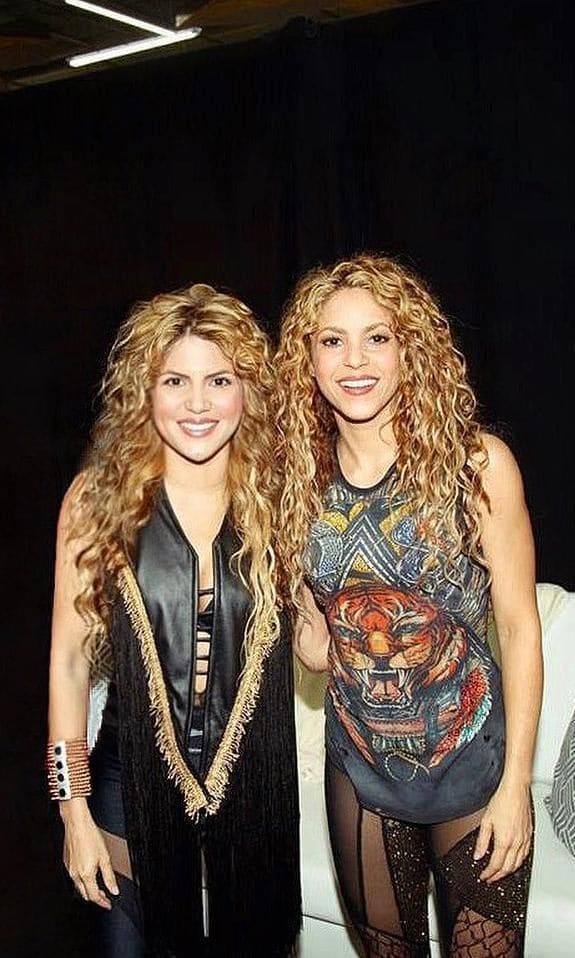
The publication informed that part of ShakiBecca's popularity comes from the fact that Shakira herself has acknowledged her publicly on several occasions. Photos and interactions between the two have circulated widely online. Those encounters helped reinforce the perception that the relationship between Shakira and her impersonator is friendly and respectful.
Many fans view ShakiBecca's performances as a celebration of Shakira's influence rather than an attempt to capitalize on her identity.
What Happens Next?
At this stage, no legal action has been officially announced by FIFA. Reports indicate only that the organization is evaluating the situation and determining whether any protected materials were used in a manner that violated intellectual property rules.
If FIFA decides to pursue the matter, the case could become a notable example of the complex legal questions surrounding tribute performances, celebrity impersonation, copyright law, and the commercial use of major sporting event branding.