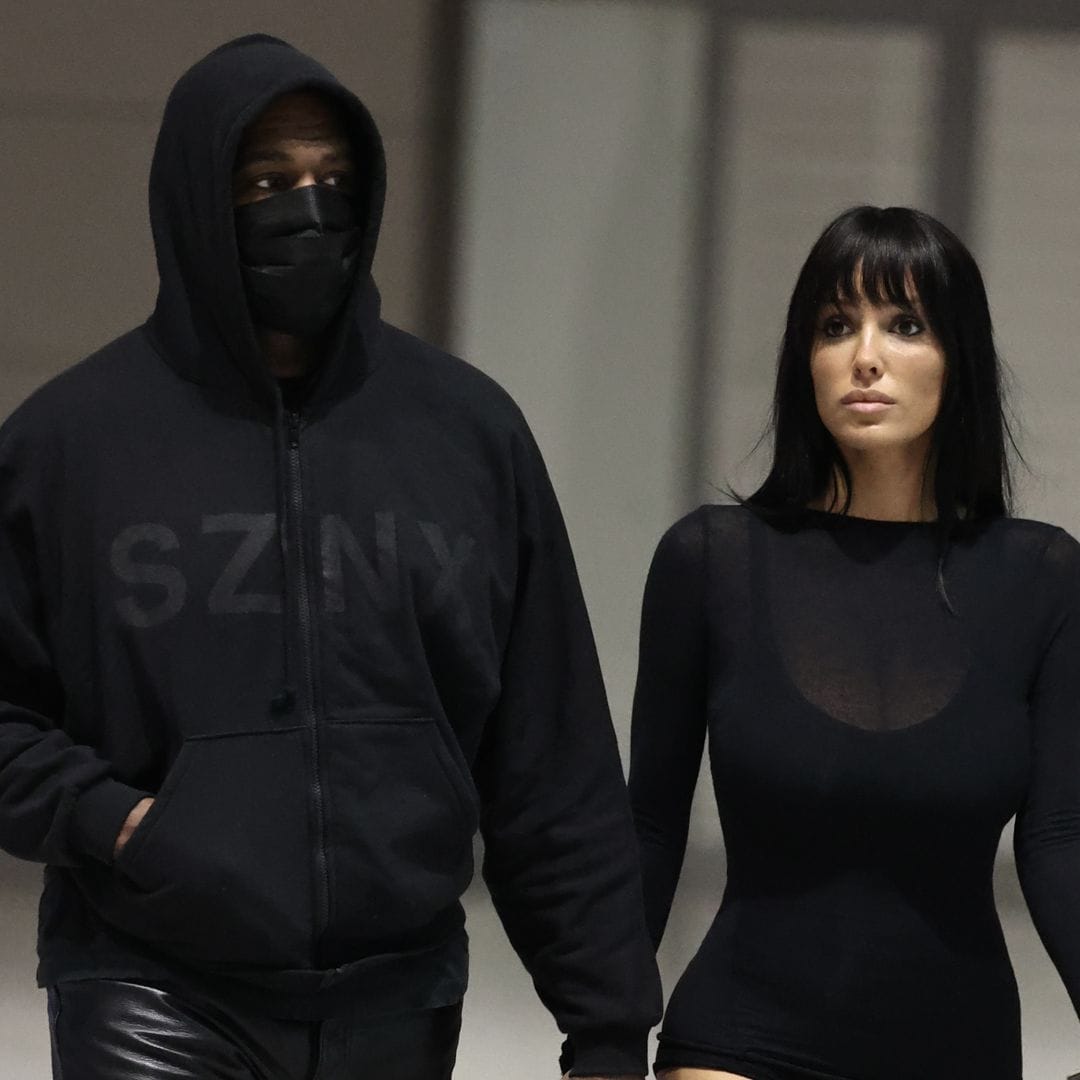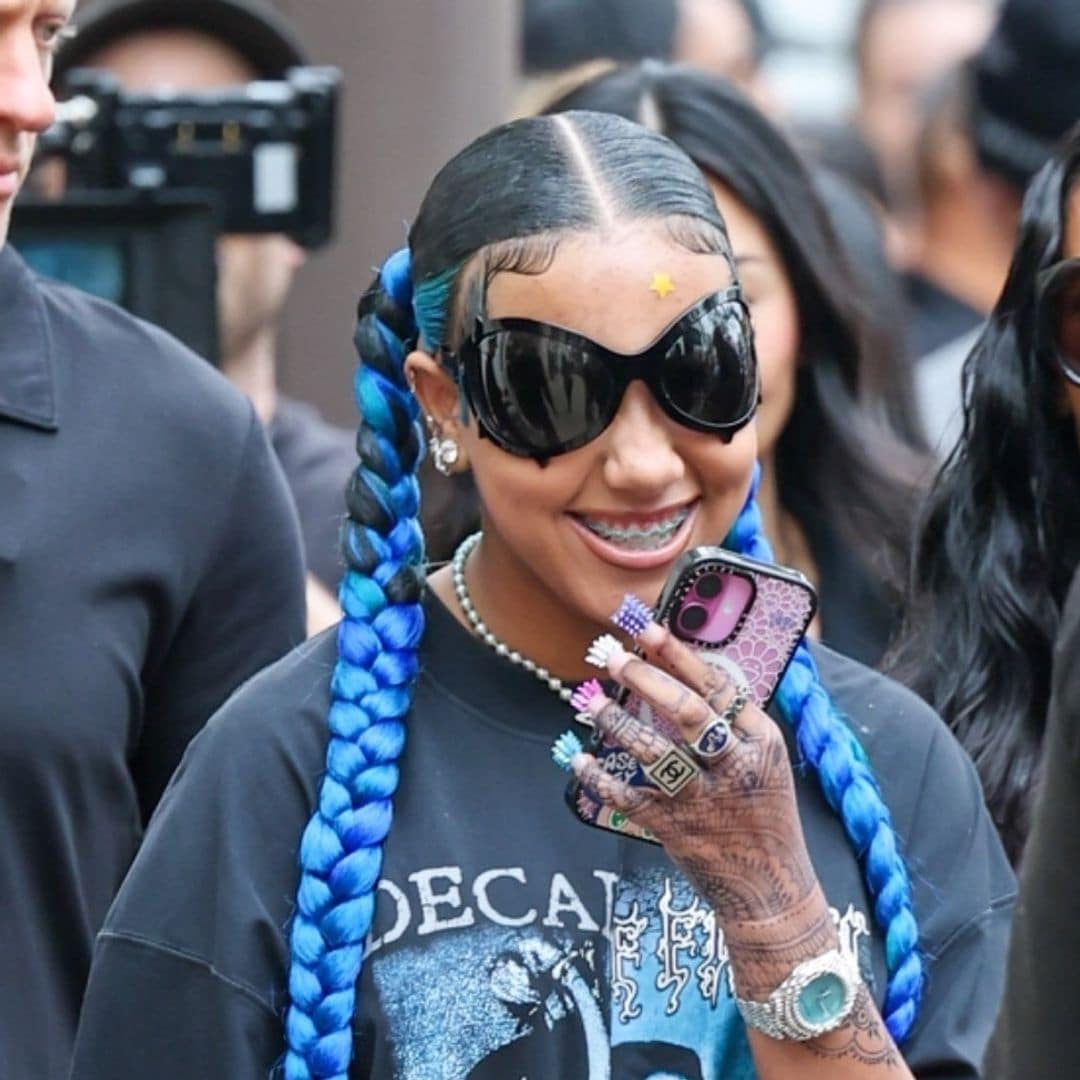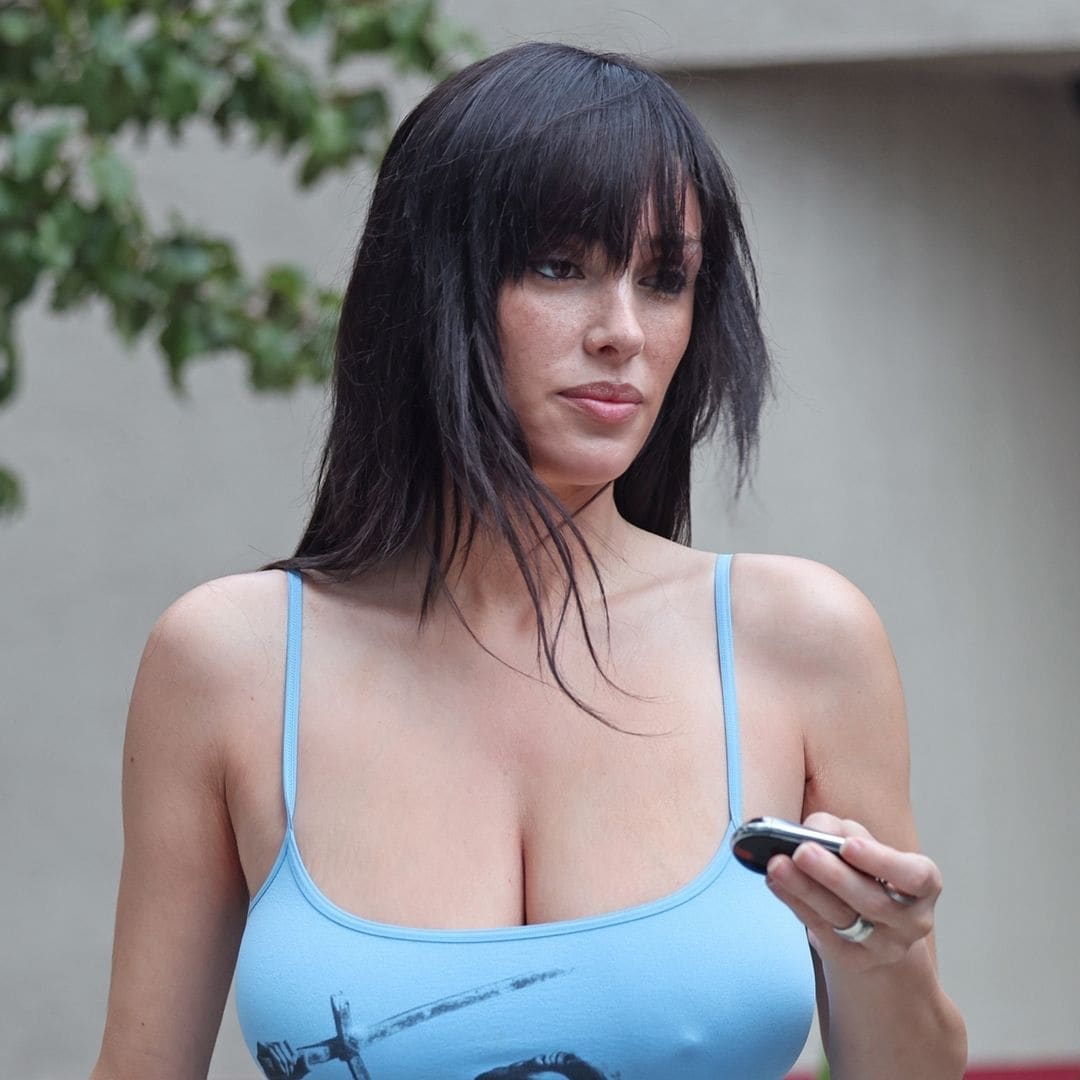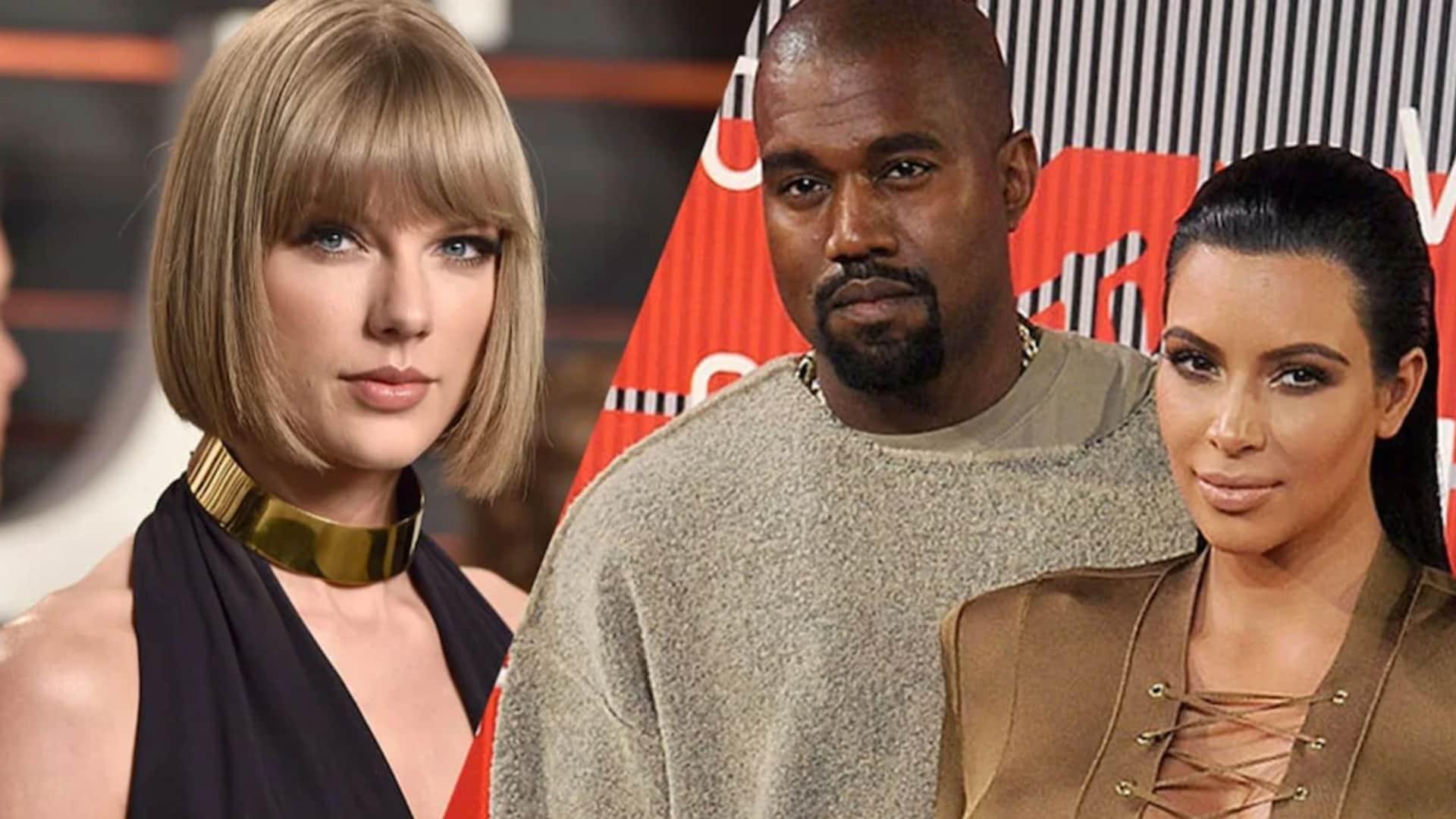
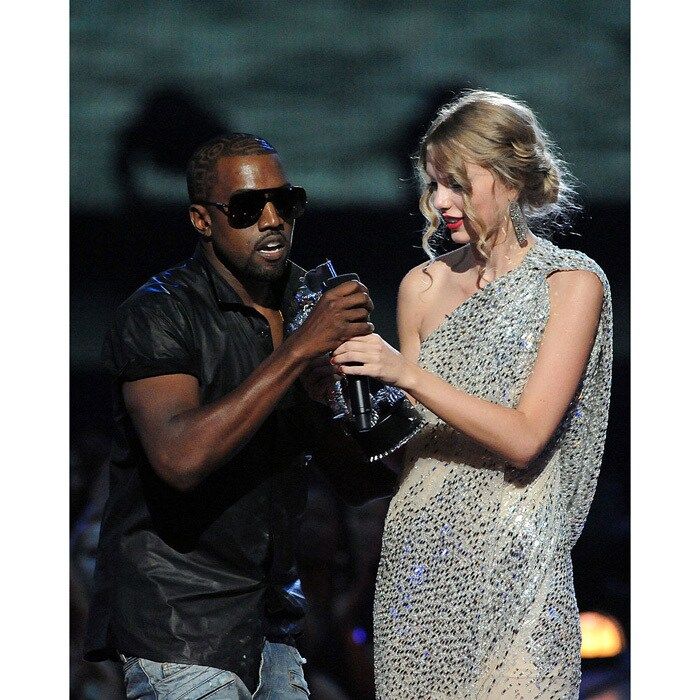
As social media timelines fill with throwbacks to the chaotic pop culture year that was 2016, one name from that era is quietly reemerging with a softer, more reflective tone. Kim Kardashian appears to be looking back, too, and the timing is impossible to ignore. It has officially been ten years since she posted an edited recording of a phone call between Kanye West and Taylor Swift, a moment that helped define one of the most polarizing celebrity feuds of the last decade.
That call centered on Kanye’s song “Famous,” specifically a lyric suggesting an ongoing sexual dynamic between him and Taylor. At the time, Kim shared the clip to suggest Taylor had approved the line. Years later, the full context revealed that Taylor only agreed to the use of her name, not the framing of the lyric itself. That distinction changed public perception, but the damage to relationships and reputations had already been done.
 © Getty Images
The Podcast Conversation That Shifted the Energy
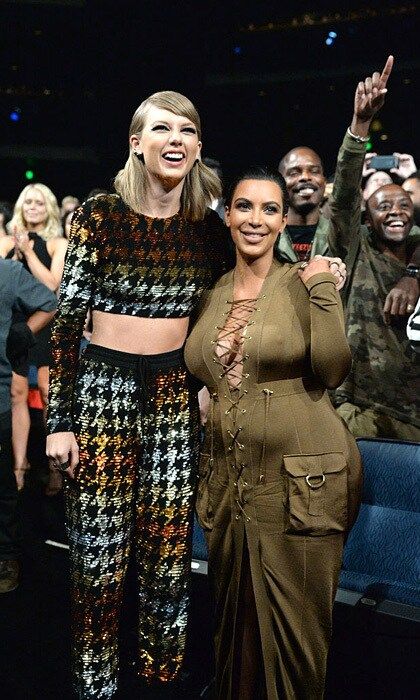
Fast forward to 2026, when Kim appeared on Khloé in Wonderland, hosted by her sister Khloé Kardashian. What started as a casual conversation took an unexpected turn when Khloé asked Kim whether people would be surprised to learn that she listens to Taylor Swift’s music.
 © Getty Images
Kim’s response was immediate and calm. She said she has always been open about being a Taylor fan. She referenced her pre-feud era, reminding listeners that long before the drama, she publicly praised Taylor’s work. In a 2009 Entertainment Tonight interview, Kim once revealed that the most-played song on her iPod was Taylor’s “Love Story.” That detail now feels like a relic from a completely different celebrity universe.
Khloé pointed out that many people would still be shocked by that admission. Kim did not walk it back. She explained that she has “some of her older songs on my playlist,” Kim continued. “I’ve always thought she was, like, a super talented great artist.”
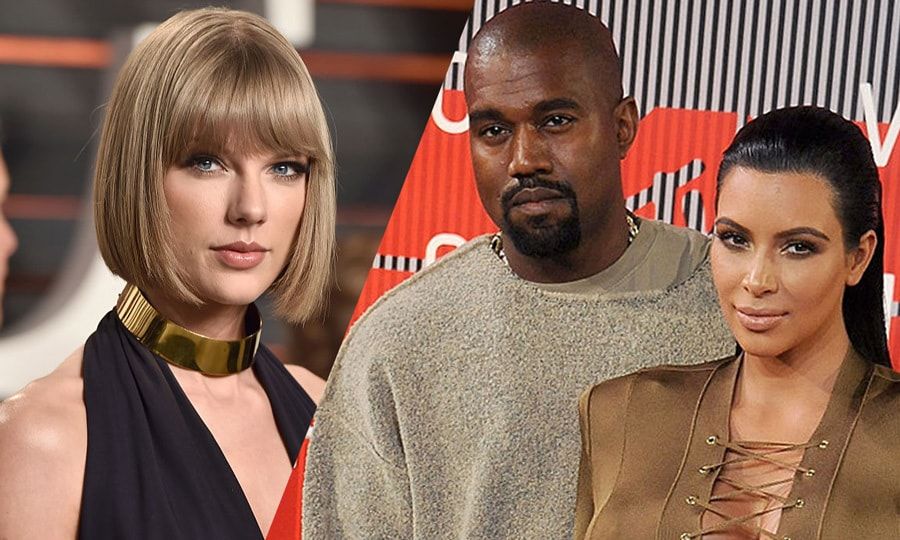
In 2016, after the phone call went viral, Taylor's camp issued a statement to GQ saying, "Taylor does not hold anything against Kim Kardashian as she recognizes the pressure Kim must be under and that she is only repeating what she has been told by Kanye West," they said. "However, that does not change the fact that much of what Kim is saying is incorrect.
 © Getty Images
According to the spokesperson, "Kanye West and Taylor only spoke once on the phone while she was on vacation with her family in January of 2016 and they have never spoken since." Adding: "Taylor has never denied that conversation took place. It was on that phone call that Kanye West also asked her to release the song on her Twitter account, which she declined to do. Kanye West never told Taylor he was going to use the term 'that bitch' in referencing her. A song cannot be approved if it has never heard. Kanye West never played the song for Taylor Swift. Taylor heard it for the first time when everyone else did and was humiliated. Kim Kardashian's claim that Taylor and her team were aware of being recorded is not true, and Taylor cannot understand why Kanye West, and now Kim Kardashian, will not just leave her alone."
Country Music, Nostalgia, and Subtle Reframing
The conversation widened from pop drama into personal taste. Kim shared her long-standing love of country music, naming Shania Twain, Carrie Underwood, and Lee Ann Rimes as favorites she has loved for years. On paper, it was a simple playlist discussion. In context, it felt like something more intentional.
Rather than reopening old wounds, Kim framed the moment around appreciation and taste.
Taylor Swift’s Lyrics and the Long Shadow of 2016
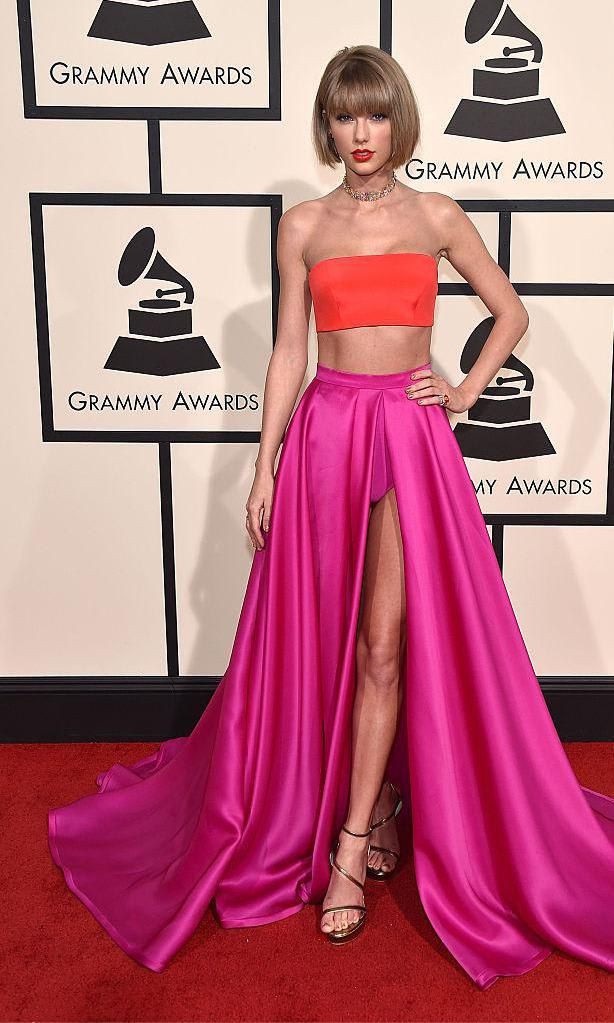
While Kim largely stepped back from the feud publicly, fans never did. Over the years, listeners have speculated that several Taylor Swift songs were inspired by her fallout with Kim and Kanye.
Tracks like “This Is Why We Can’t Have Nice Things,” “I Forgot That You Existed,” “Cassandra,” and “thanK you aIMee” have all been dissected for lyrical clues. Whether those interpretations are accurate or not, they reinforced the idea that the conflict lived on creatively for Taylor. Kim, meanwhile, kept her distance and rarely addressed the situation directly, allowing public opinion to evolve without interference.
 © Getty Images
In 2026, the drama of 2016 feels less like an open conflict and more like a case study in fame, miscommunication, and the permanent memory of the internet. Kim Kardashian’s quiet reframing adds a new layer to that story, one rooted not in confrontation, but in time, distance, and the ability to press play without reliving the past.