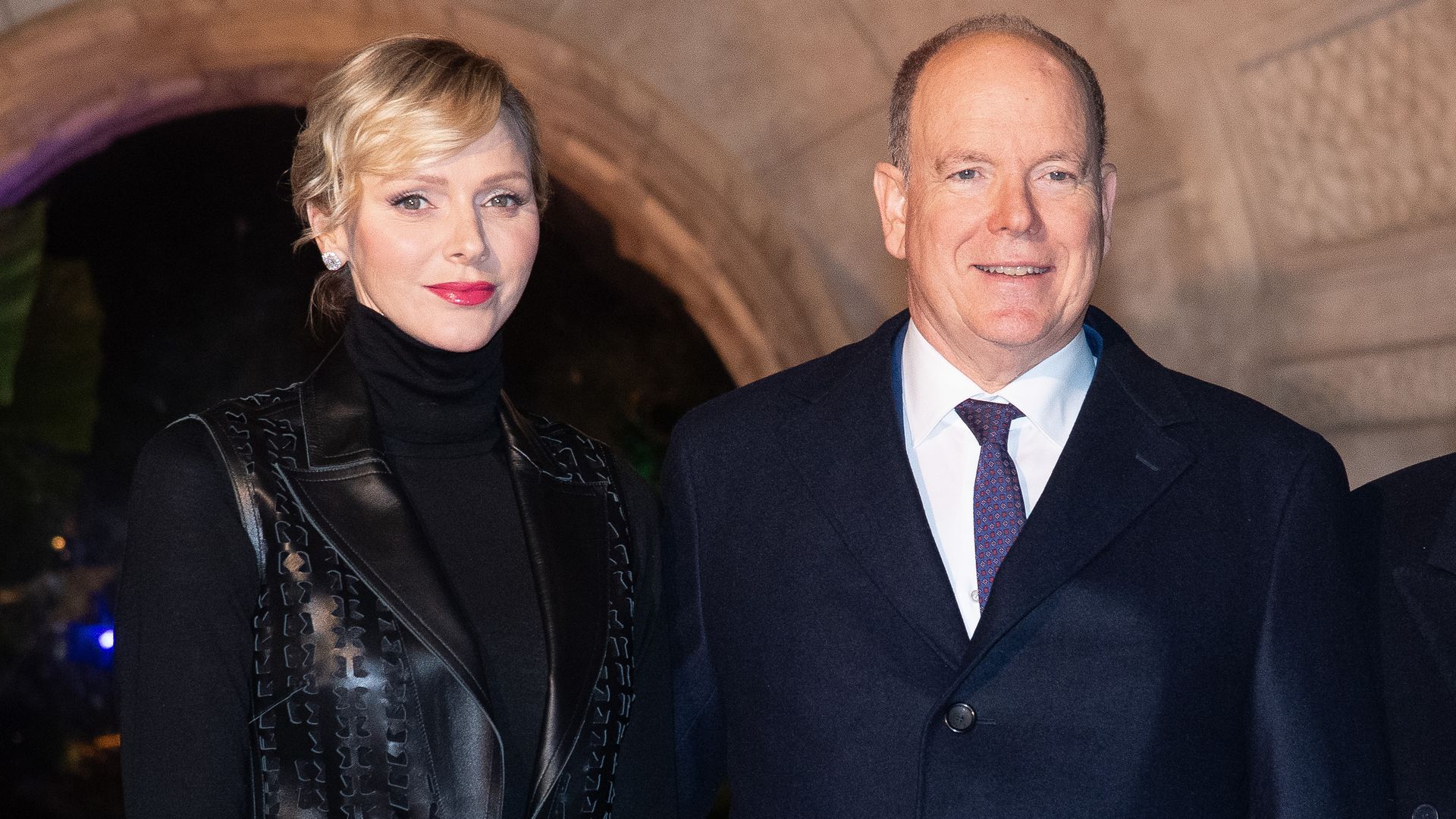
Prince Albert II used Monaco’s biggest day of the year to make an announcement nobody saw coming. He’s overhauling the rules that govern the regency of the Monegasque throne, and Princess Charlene will be at the heart of them.
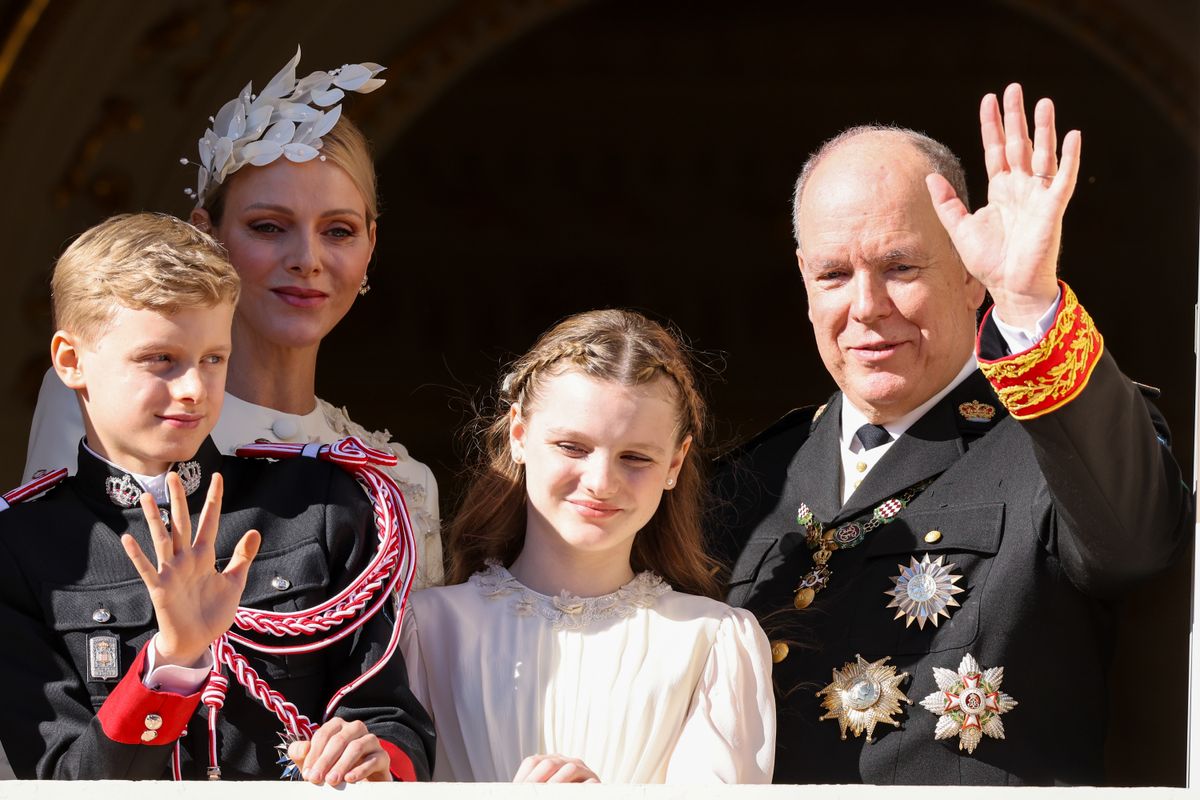 © Stephane Cardinale - Corbis
In his traditional National Day interview with Monaco-Matin, Prince Albert made a major announcement. “The Regency will be entrusted to my wife,” he told the newspaper.
National Day follows a familiar script from year to year, with these types of announcements rarely being a part of the equation. This year, Albert broke that pattern, making an announcement that affects the very structure of Monaco's head of state.
What changes
 © Pascal Le Segretain
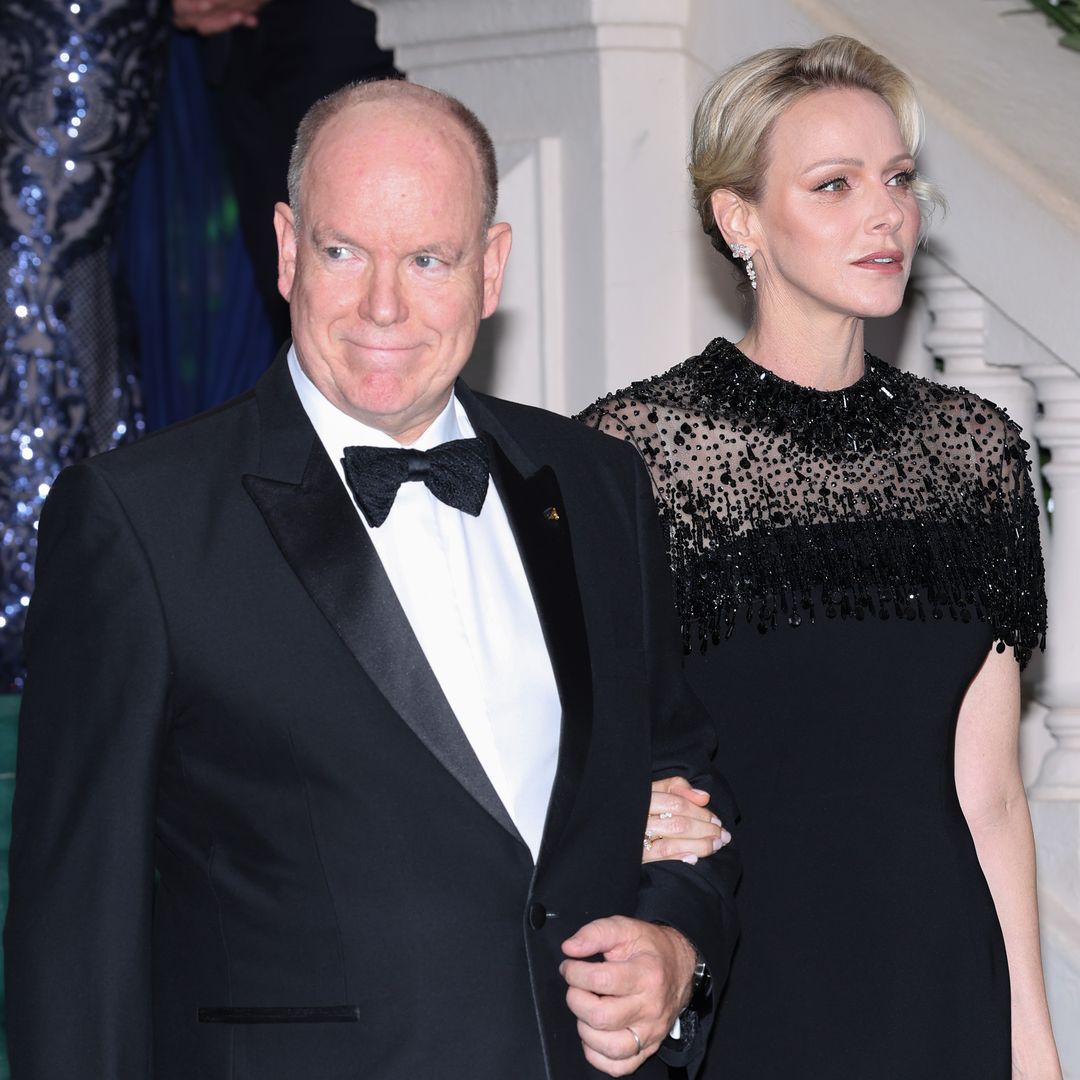
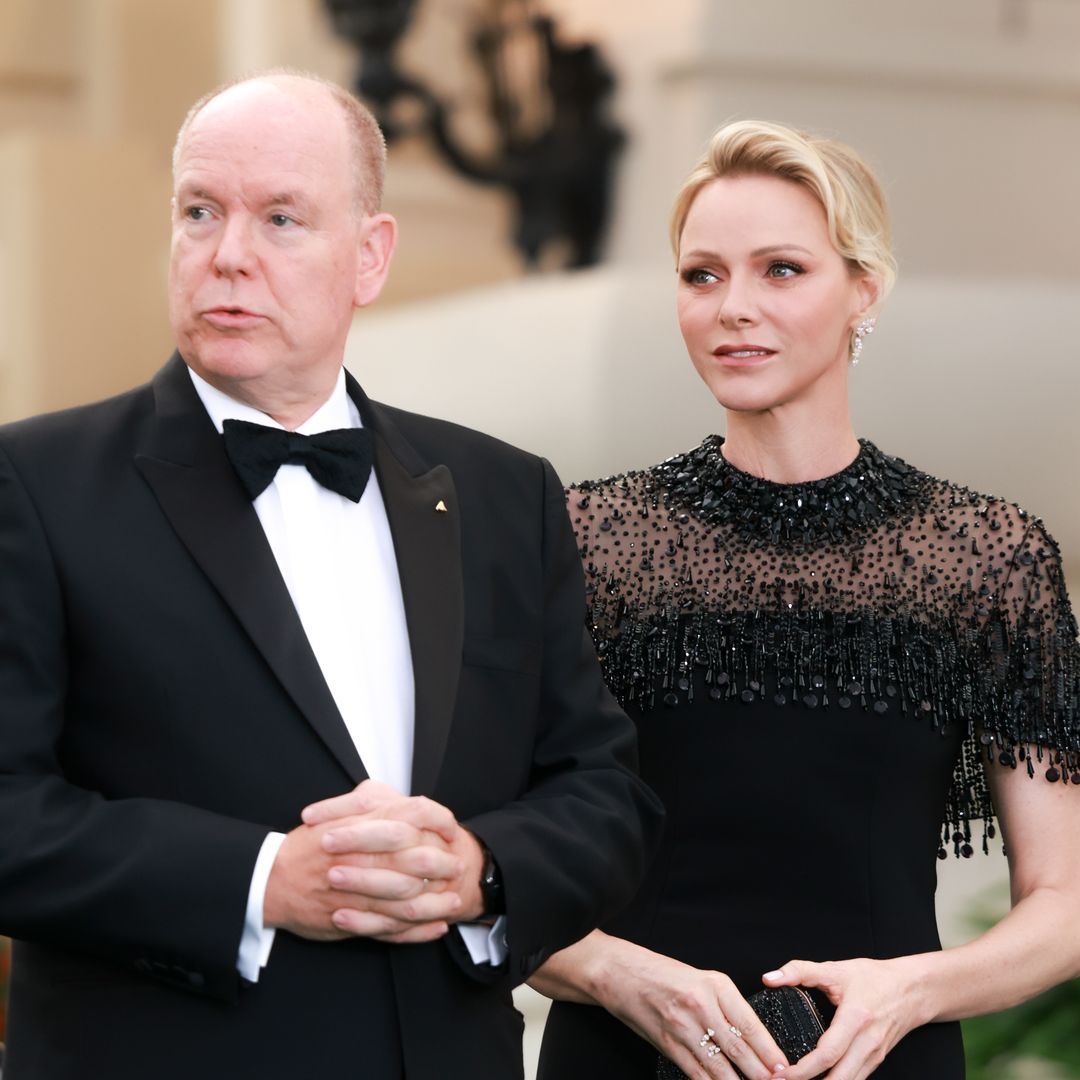
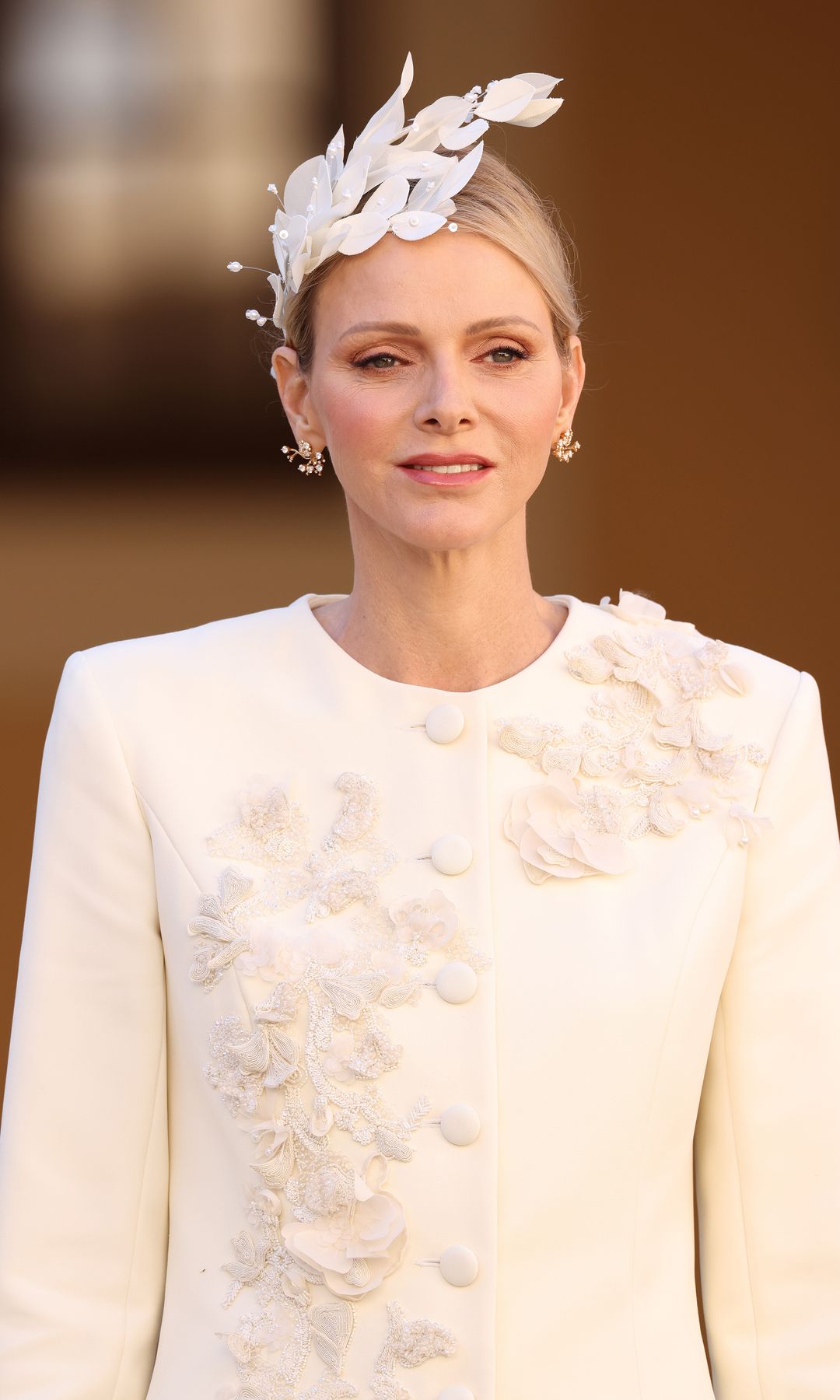
Under the new arrangement, if Albert were to die or become unable to reign while Crown Prince Jacques is still a minor, Charlene would step in. “It will be entrusted to my wife, Princess Charlene, who will be able to rely on a restructured Regency Council, over which she will preside,” he said.
The change will be locked in soon. According to Albert, “a new decree confirming the changes to the regency arrangement will be finalized at the end of the year.”
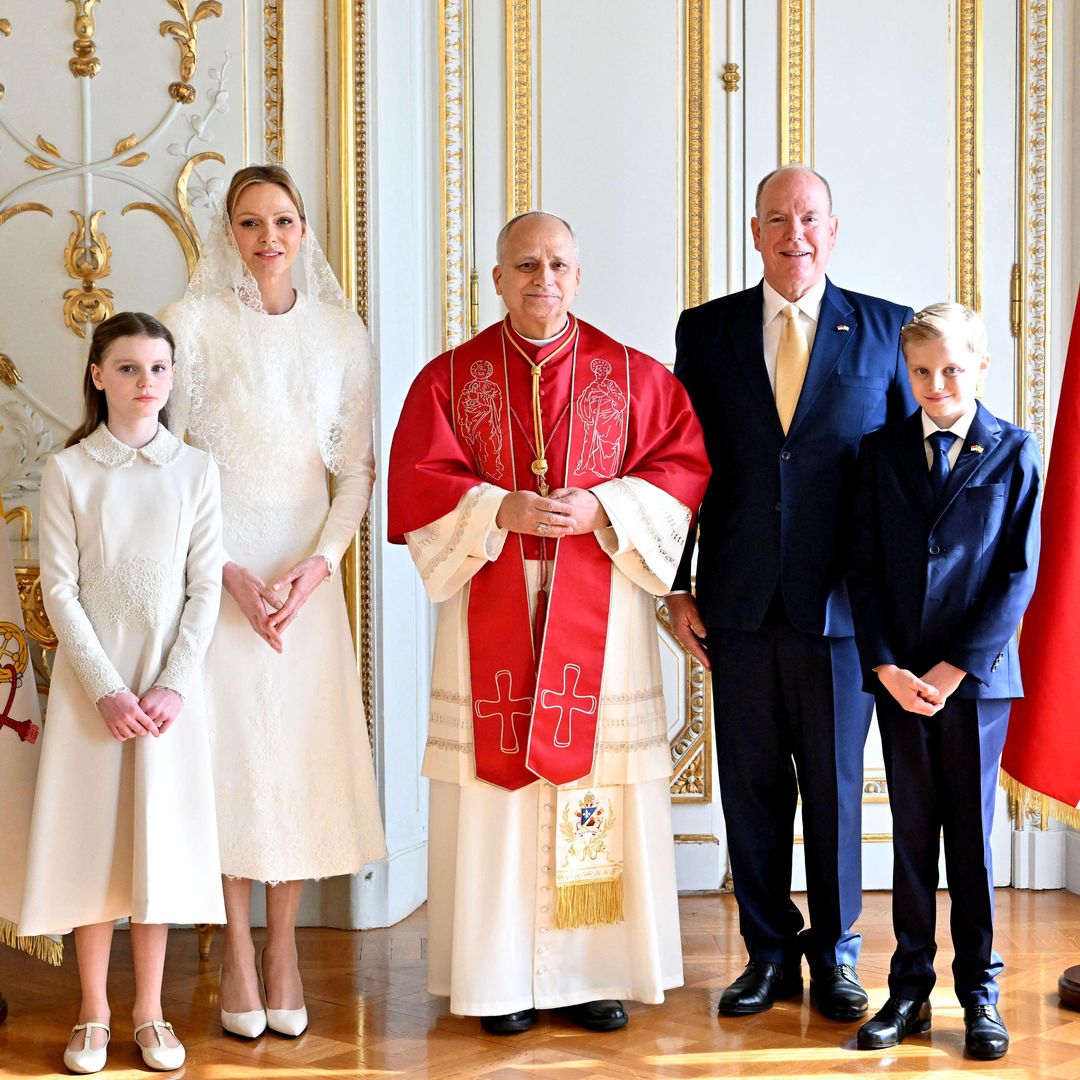
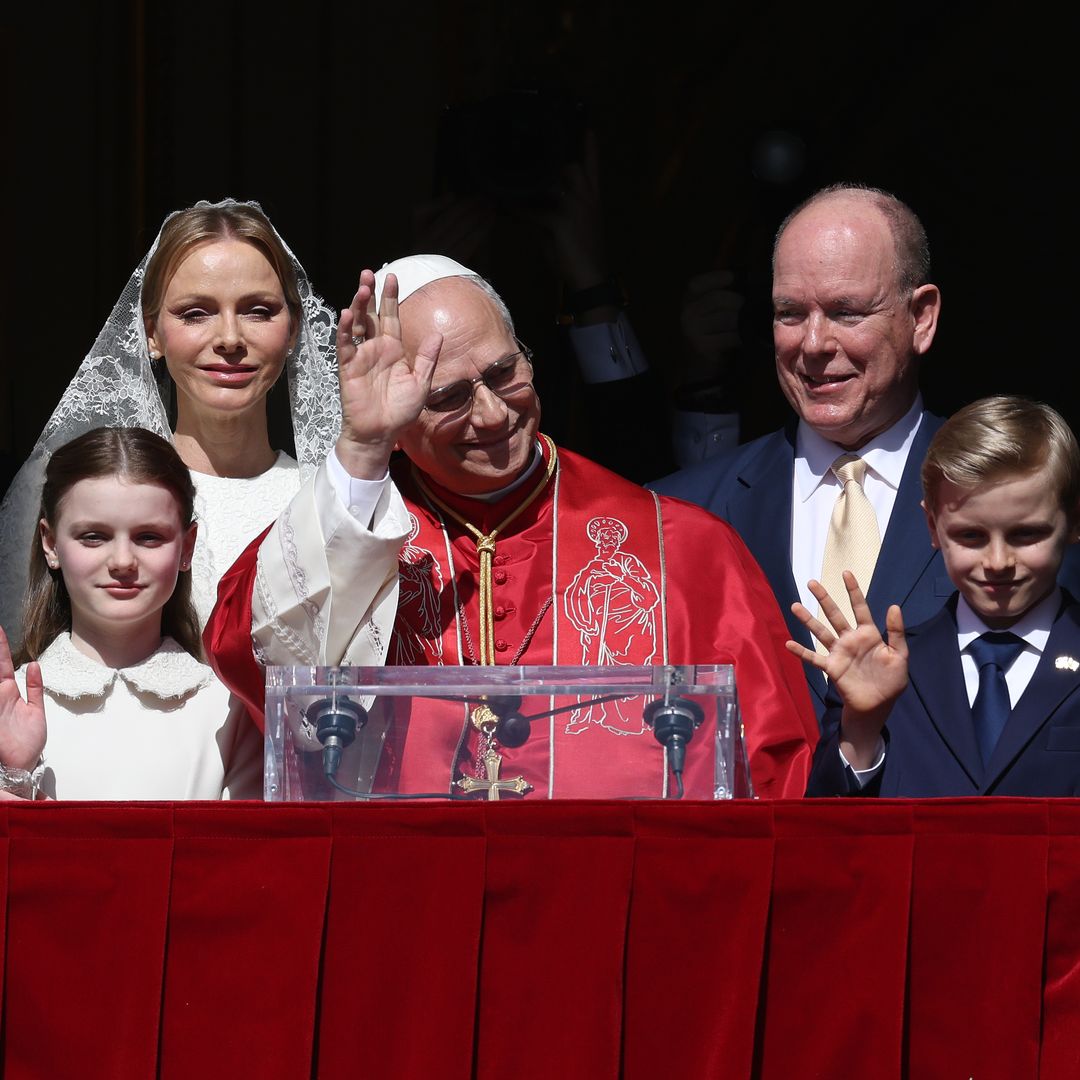
The goal is stability. No power vacuum and no internal disputes at the palace should be expected even if the unexpected happens before December 2032, when Jacques comes of age. He's currently 12 years old.
“To govern is to foresee,” summed up the Monegasque press. The decision cements Charlene as a pillar of the institution, a natural continuation of the couple’s work together and a sign that the prince and princess see themselves as a team with a clearly defined shared project.
From council president to regent
 © Photo : Frédéric Nebinger – Michaël Alesi / Palais princier
Until now, the legal framework left Charlene in a more limited position than it might have seemed. In July 2022, Albert changed the rules so that his wife would preside over the Regency Council, but the regency itself is collective; it rested with the council as a whole, not personally or automatically with the princess.
With the new ordinance due at the end of 2026, Charlene goes from chairing a collective body of members to holding the title and full powers of sole regent, with a restructured council playing a supporting role under her authority.
No constitutional change required
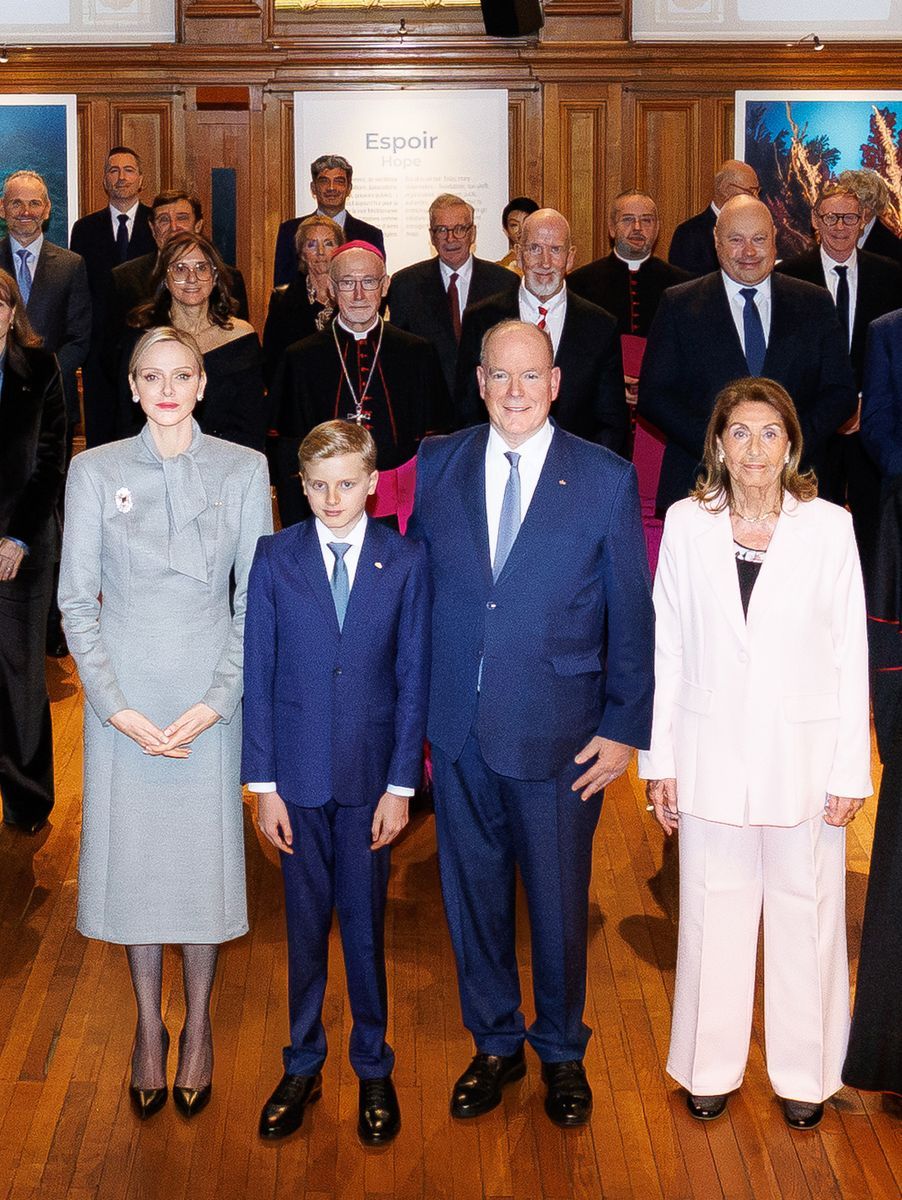 © © Michael Alesi / Palacio Principesco, Mónaco
As sweeping as the announcement is, it isn’t a constitutional reform. Monaco’s 1962 Constitution lays out the general rules of succession, but it explicitly leaves the organization of the regency to the Statutes of the Sovereign Family. That means Albert doesn’t need to go to parliament or amend the principality’s founding charter.
A Sovereign Ordinance, a decree he signs himself, is enough to update the House of Grimaldi’s internal rules.
“No reason for concern”
 © Getty Images
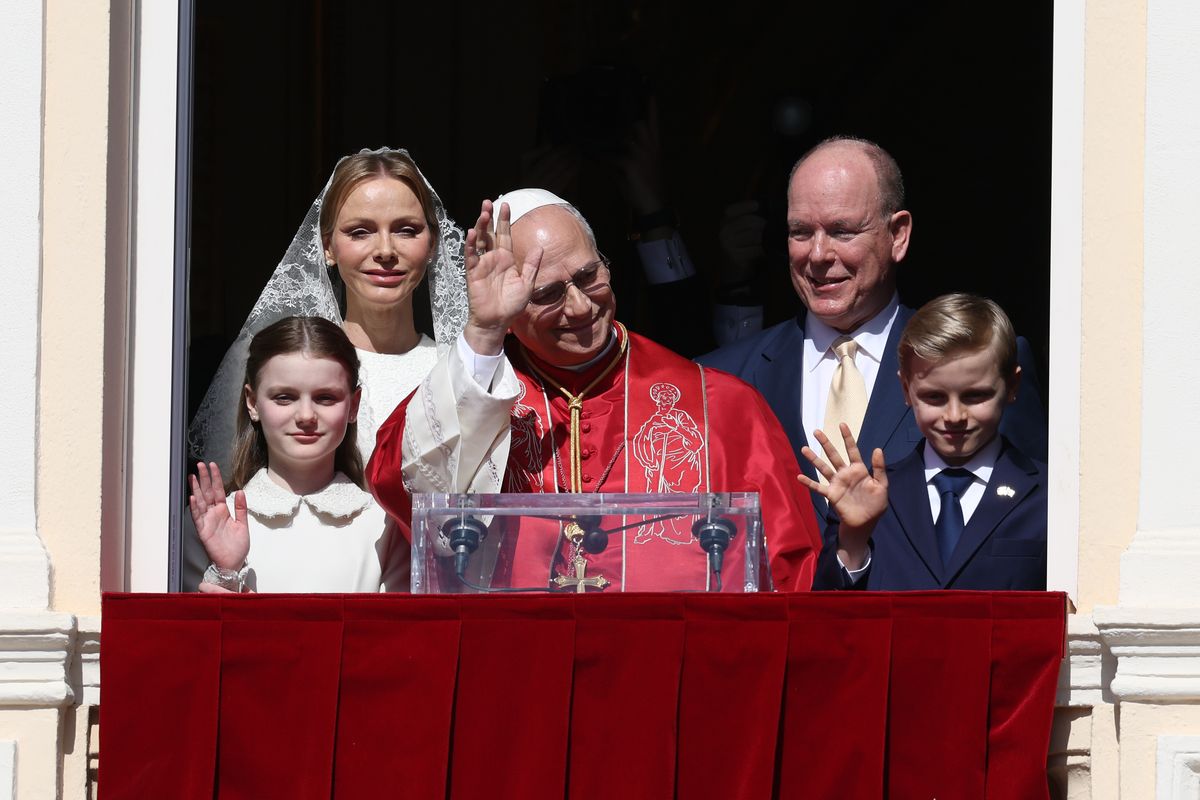
Albert knew a move this significant could spark worries about his health. He addressed these worries head-on. “There’s no urgency and no reason for concern. I’ll soon turn 69, and Prince Jacques is still young. But rest assured, I simply want to plan for the future calmly and transparently,” he said. “Again, there’s no rush; it was simply time to review this text in its entirety.”
Prince Albert's message was clear: the decision is about a head of state taking the necessary precautions, nothing more.