King Charles III delivered a deeply personal and moving message during his Caribbean tour, reflecting on the painful history of the transatlantic slave trade while encouraging Commonwealth nations to embrace unity, understanding and a more hopeful future.
Speaking at the Commonwealth Heads of Government Meeting (CHOGM) in Antigua and Barbuda on Tuesday, November 3, the 77-year-old monarch expressed his “profound personal sorrow” over the suffering caused by slavery, acknowledging the lasting impact of one of history's darkest periods.
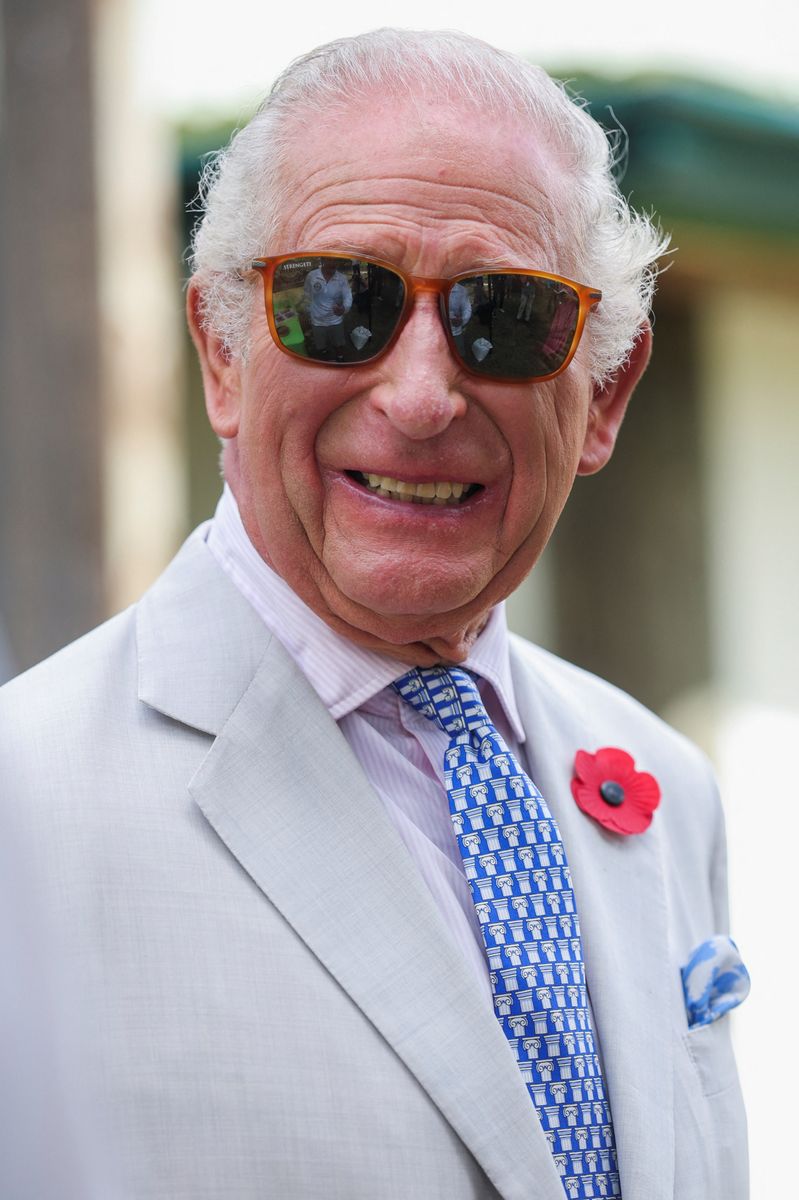 © Getty Images
However, the King's message went beyond reflecting on the past. At the heart of his speech was a powerful call for countries to learn from history, strengthen their partnerships and work together to create better opportunities for future generations.
King Charles Expresses Profound Personal Sorrow Over Slavery
Addressing presidents, prime ministers and representatives from the Commonwealth's 56 member nations, King Charles spoke openly about the emotional impact of learning more about the transatlantic slave trade.
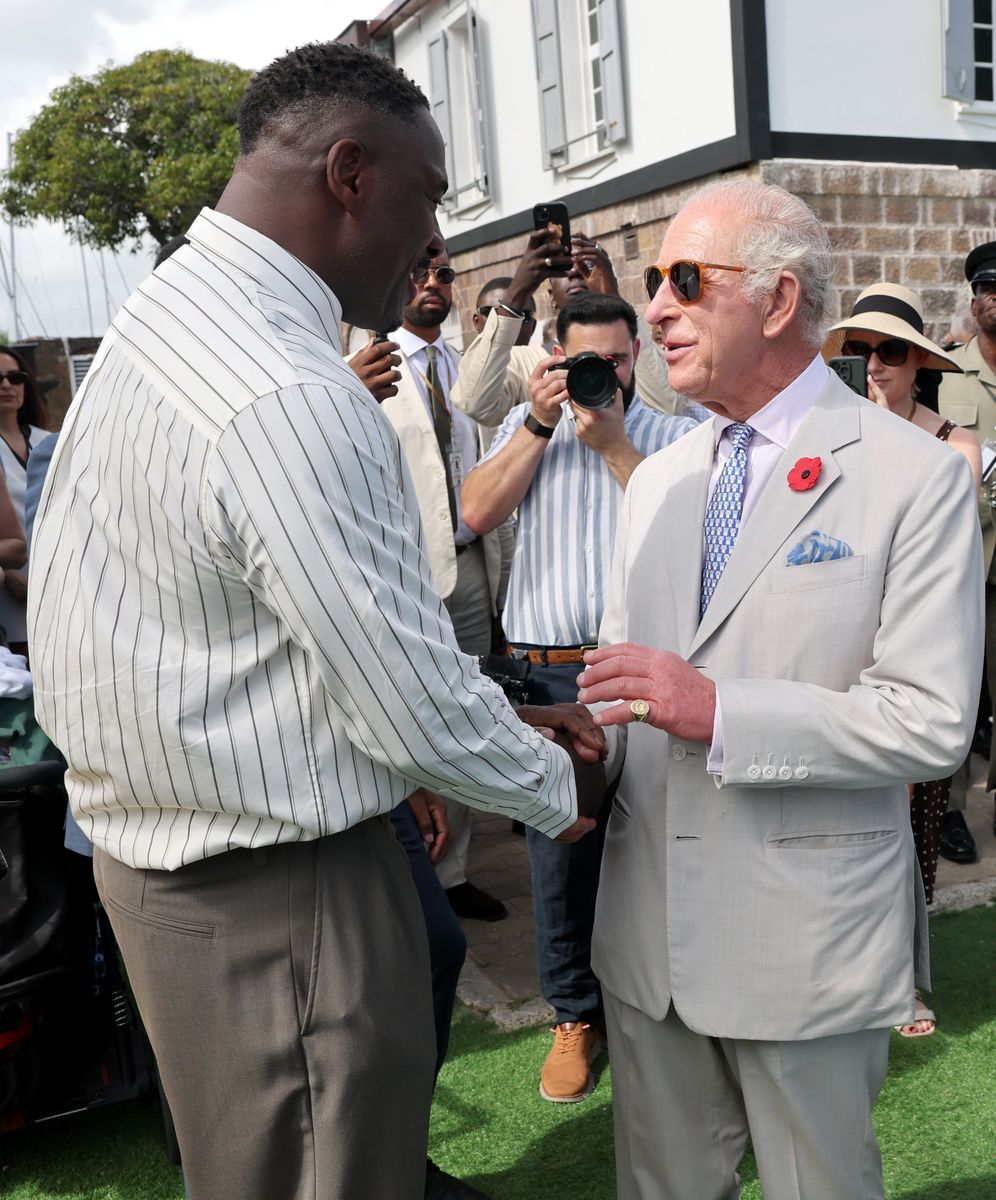 © Getty Images
He acknowledged that its legacy continues to affect Caribbean nations and other Commonwealth countries today. The monarch described slavery as a “shameful chapter of history” that filled his heart with horror and his soul with profound personal sorrow.
Rather than focusing solely on the painful events of previous centuries, Charles encouraged leaders to recognize the lessons history offers and use them to shape a more positive future. “We cannot change the actions of those who came before us. We can, however, learn from the past,” he told the gathering.
The King also recognized that history includes both extraordinary achievements and serious injustices, making it essential to approach the past with honesty and perspective.
King Charles Delivers a Powerful Message About Hope and Moving Forward
One of the most uplifting moments of the King's Commonwealth speech came when he emphasized that even the darkest chapters of history do not have to determine the future. “Evil need not have the last word,” Charles told world leaders.
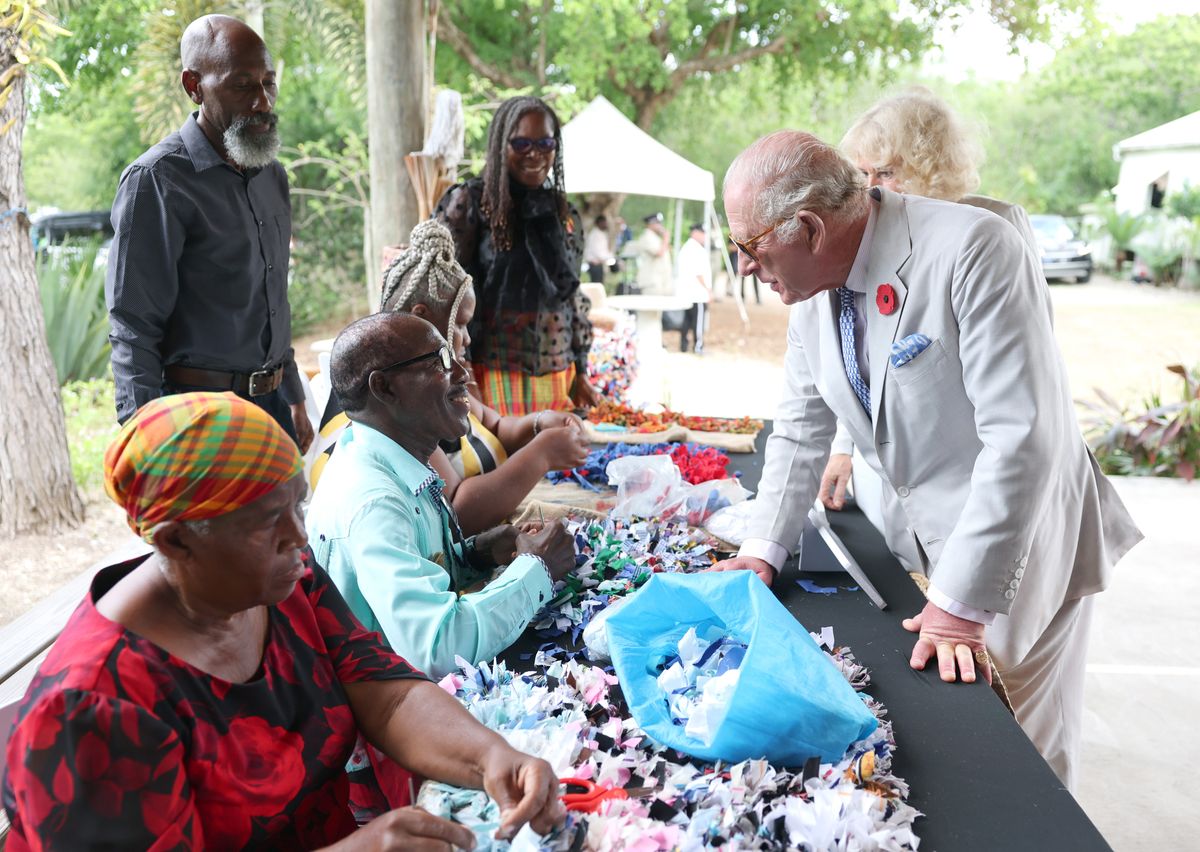 © Getty Images
The monarch pointed to the courage and determination of those who fought to end the international slave trade, including the Royal Navy's role in suppressing it.
The speech also reflected the King's longstanding interest in the Commonwealth and his belief in its potential to bring countries together despite their different histories, cultures and experiences.
Beyond his reflections on slavery, King Charles outlined practical ways Commonwealth countries could strengthen their relationships and improve lives. He emphasized that listening and learning had deepened his personal understanding of historical injustices and reinforced his commitment to helping create meaningful change.
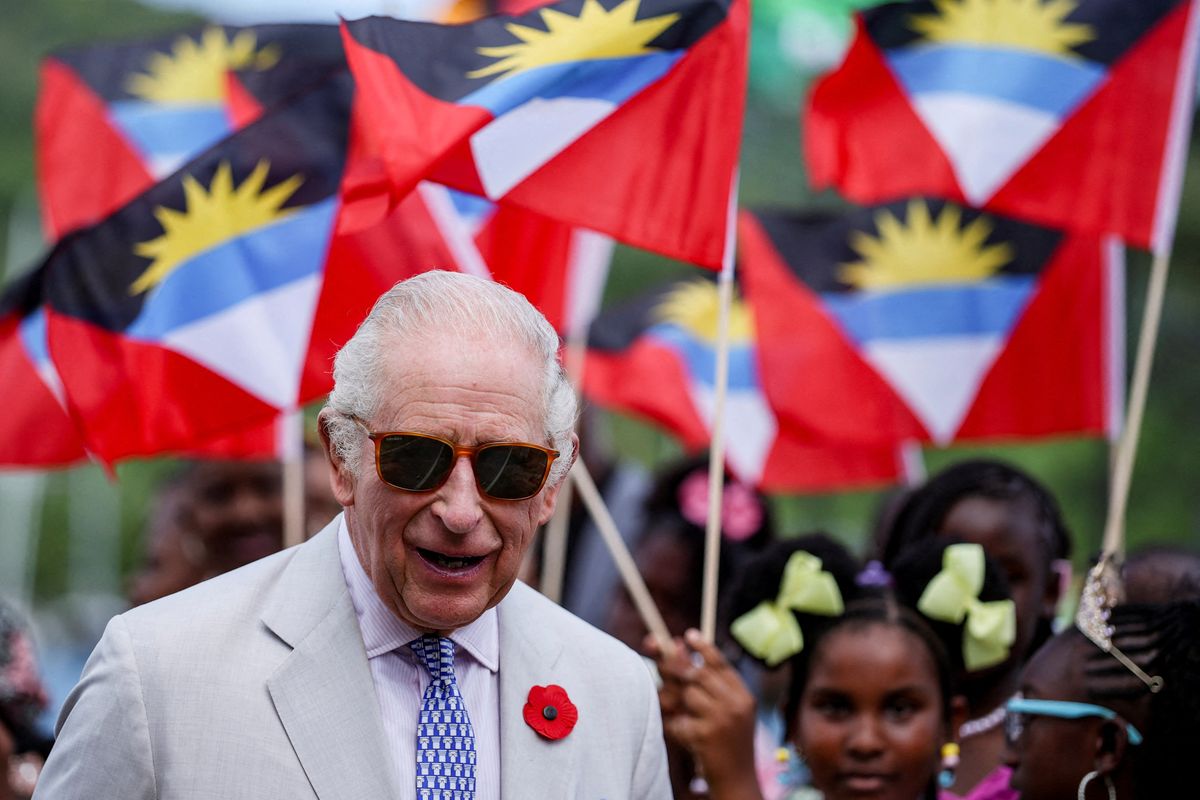 © POOL/AFP via Getty Images
According to ITV News, Charles spoke of finding ways to “address the wrongs of the past with action for the future.”
His vision included improving access to education, creating employment opportunities, encouraging trade between Commonwealth nations and supporting countries facing the effects of climate change.