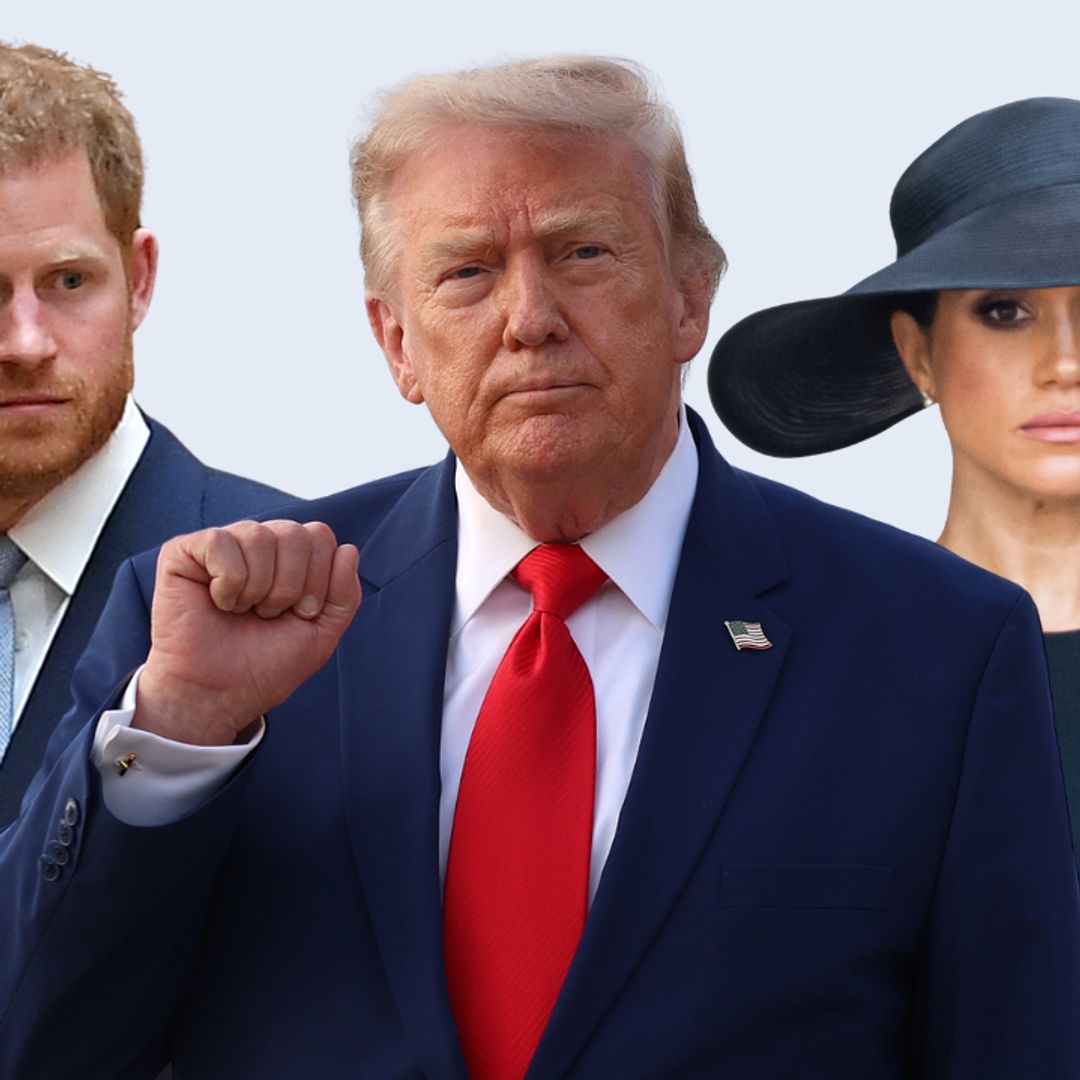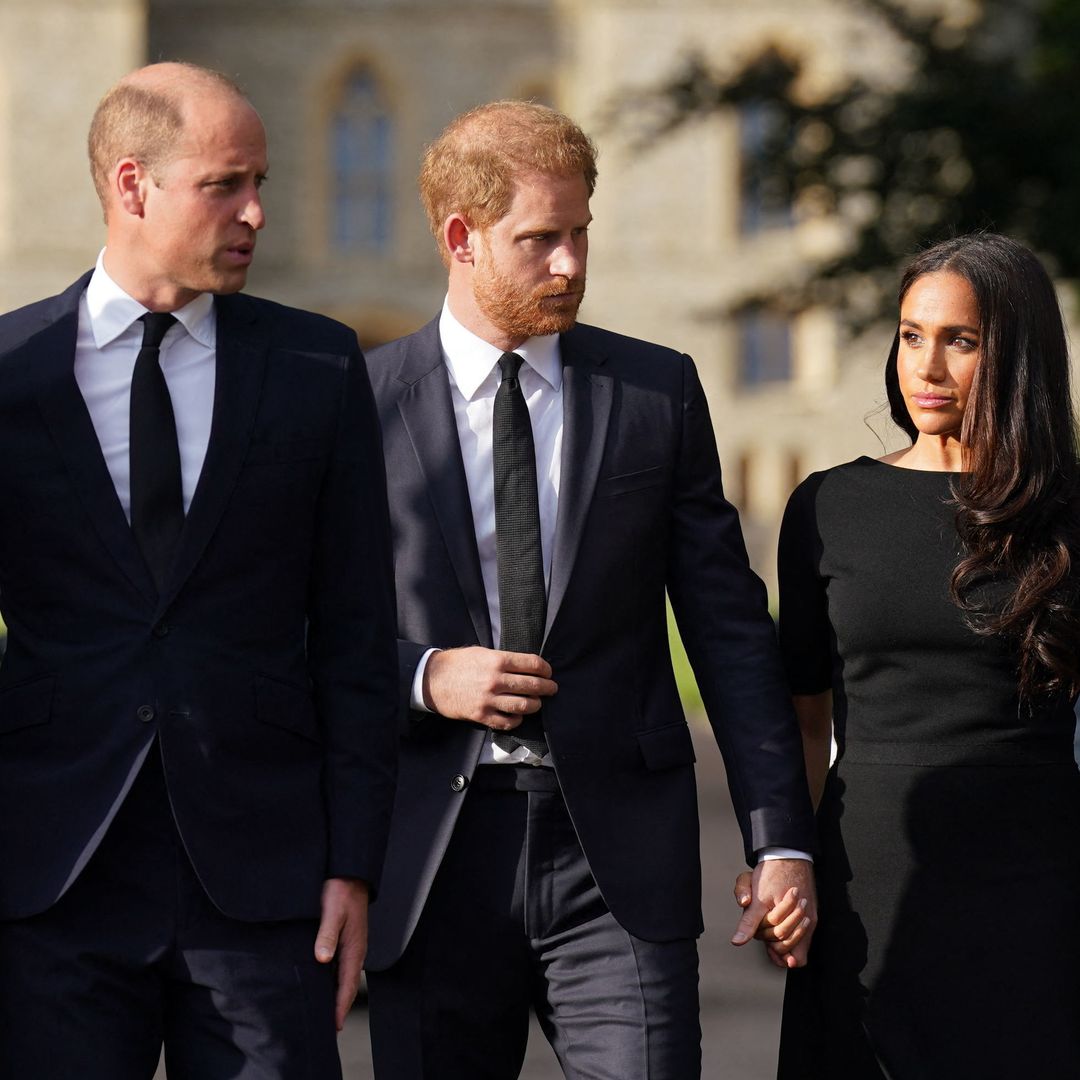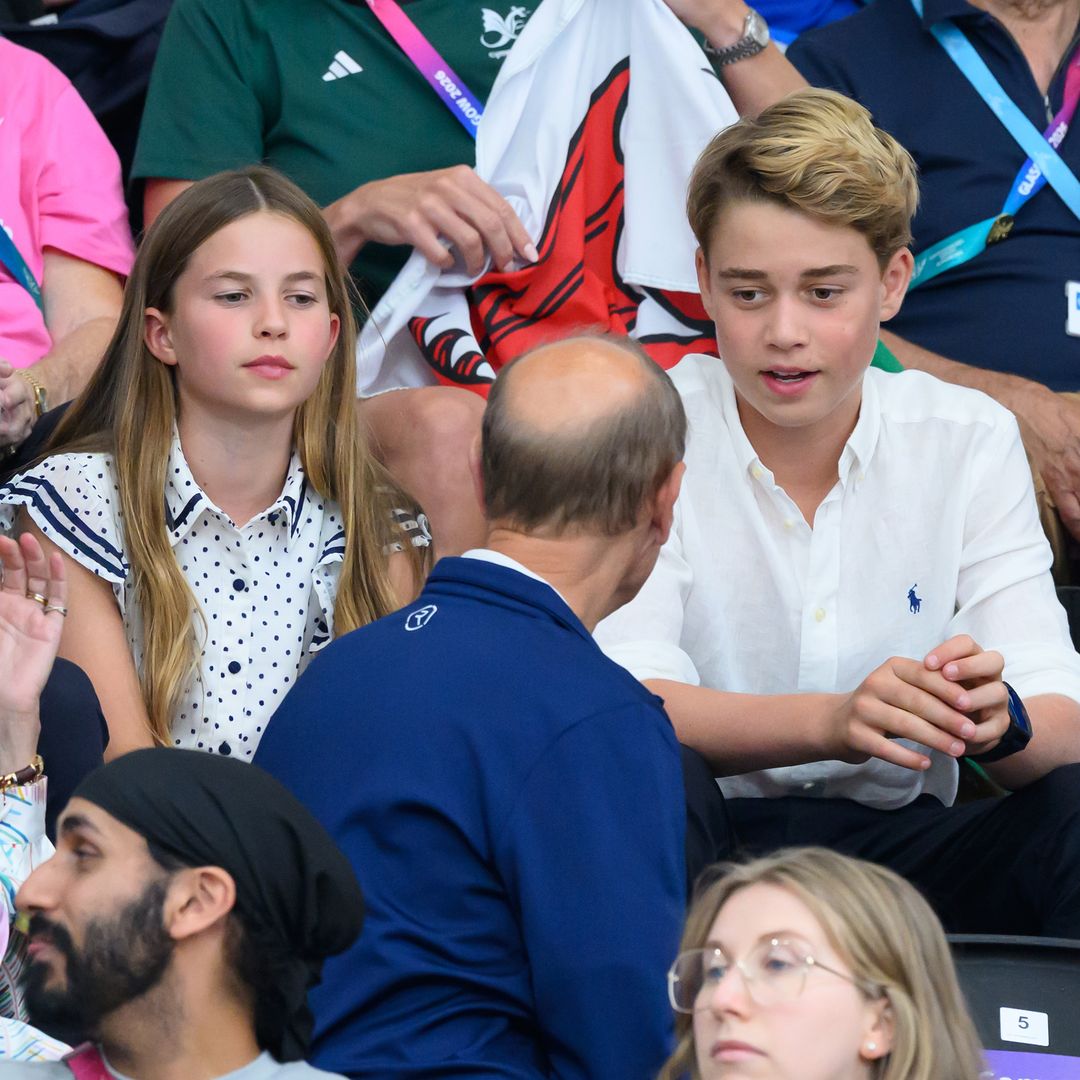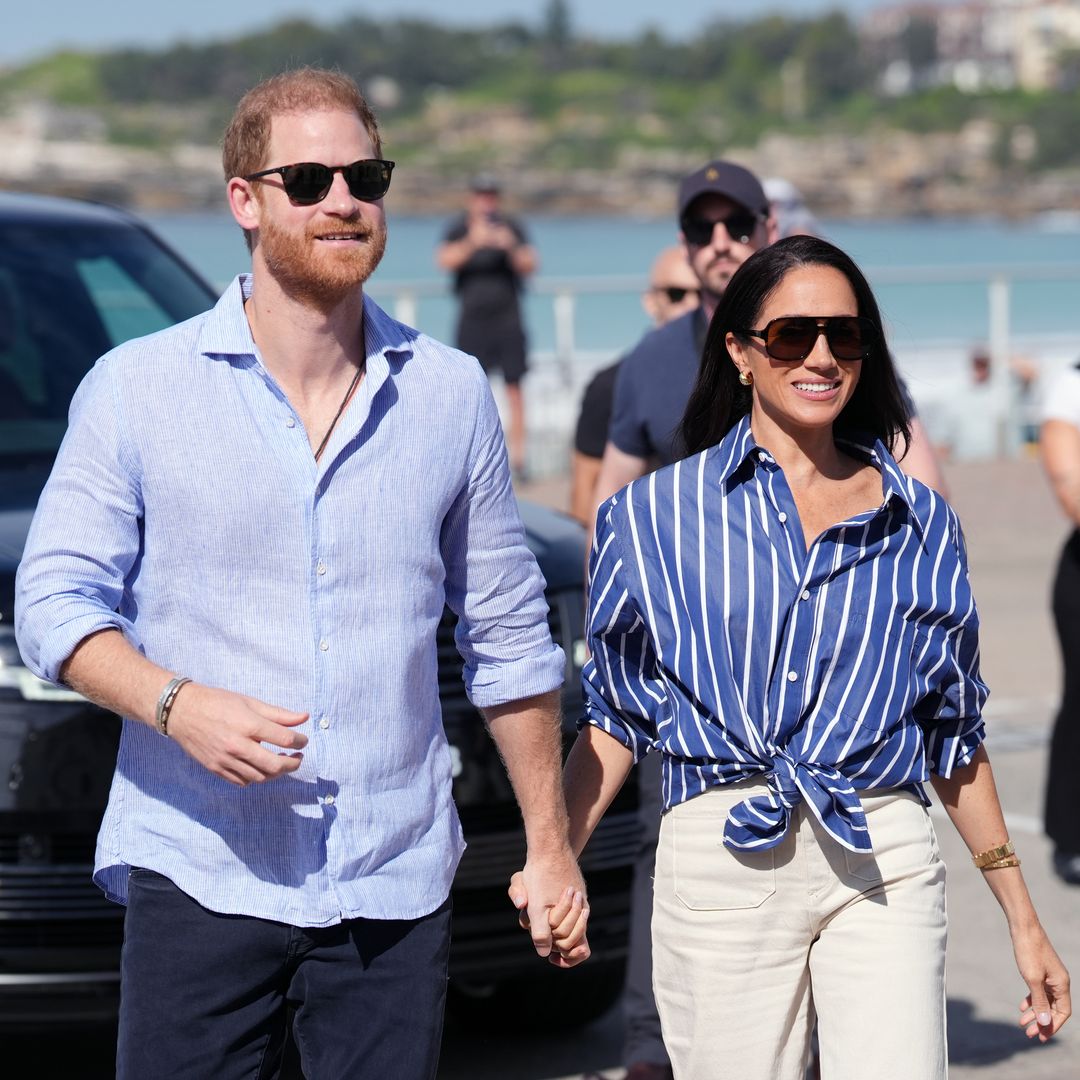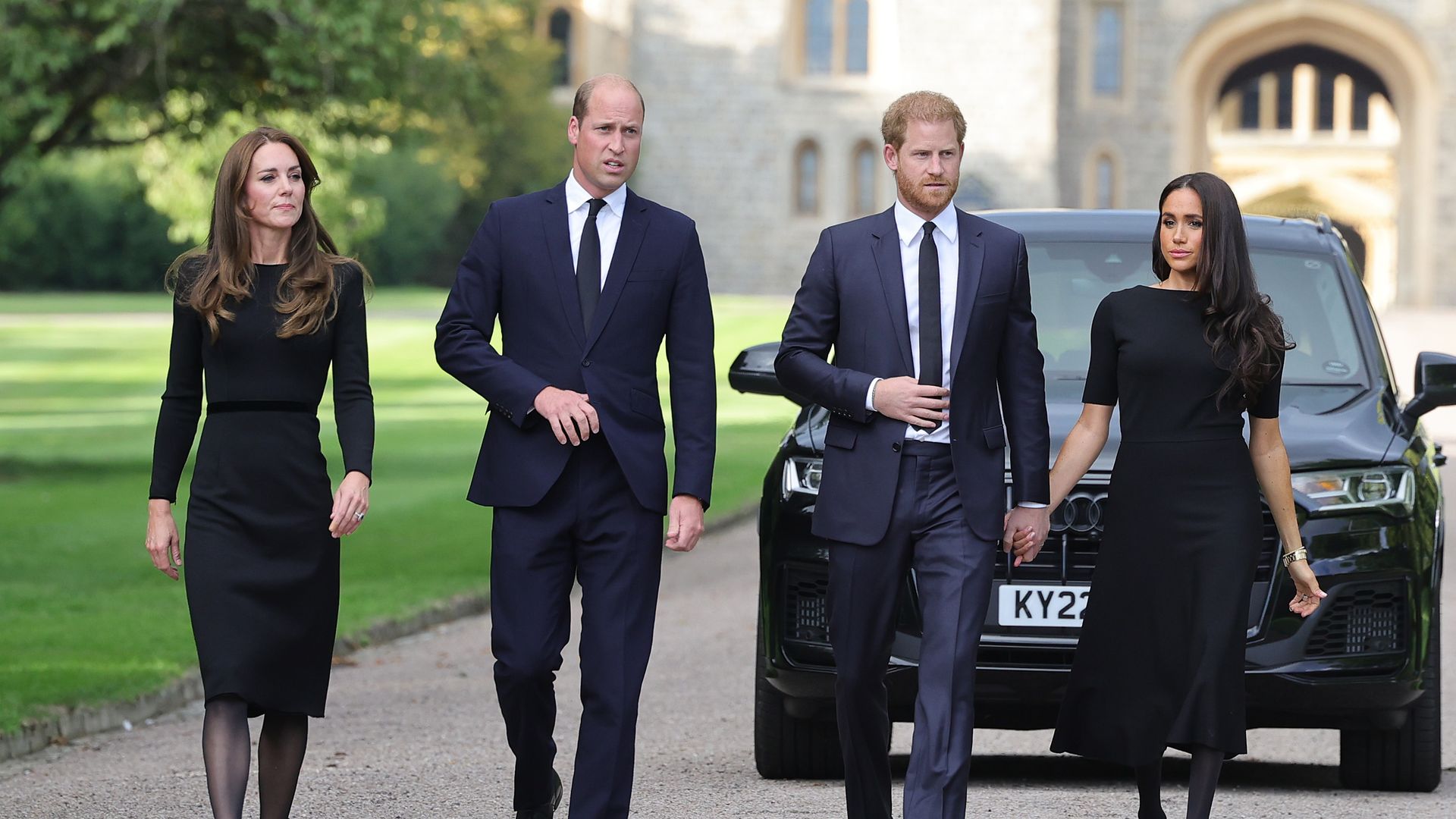
Prince William and Kate Middleton have been preparing for the future of the monarchy for years, but comments about the couple's long-term vision are taking on new significance following Prince Harry and Meghan Markle's return to the United Kingdom.
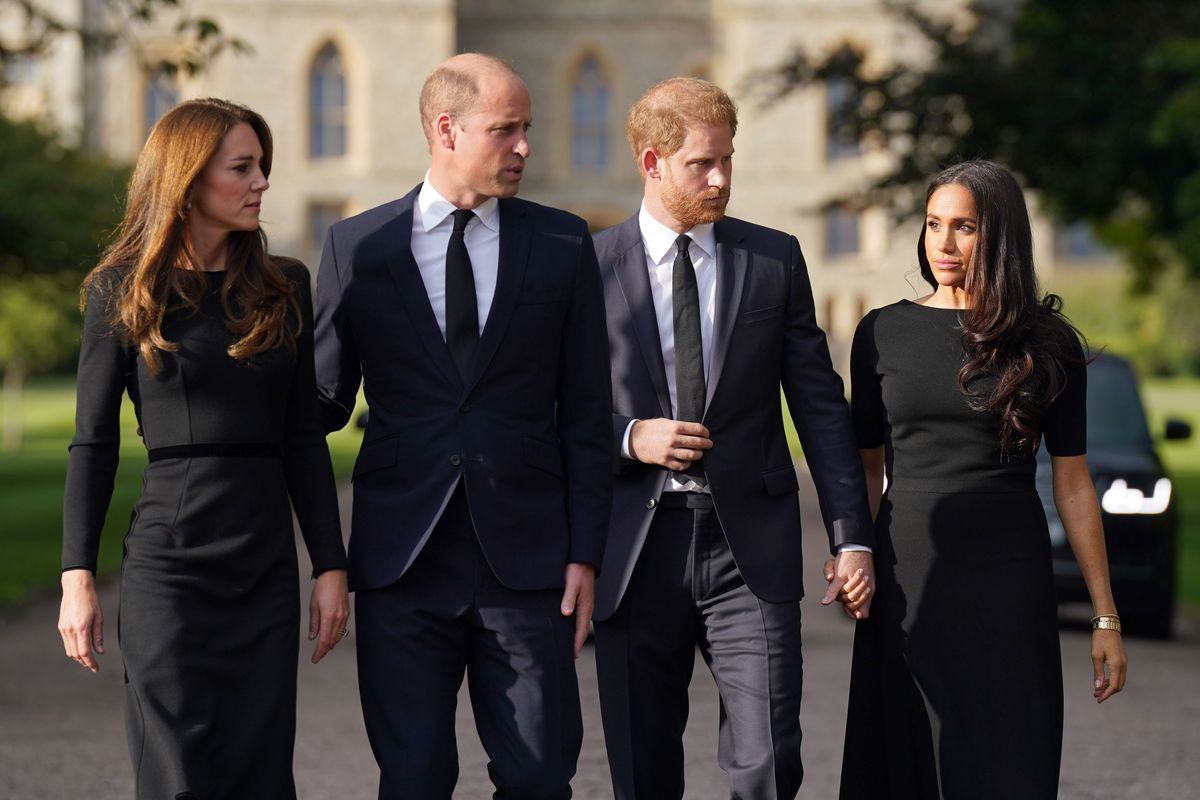
The Duke and Duchess of Sussex returned to Britain with their children, Prince Archie and Princess Lilibet, in August, six years after stepping back from their roles as senior working members of the royal family and relocating to North America.
 © Getty Images
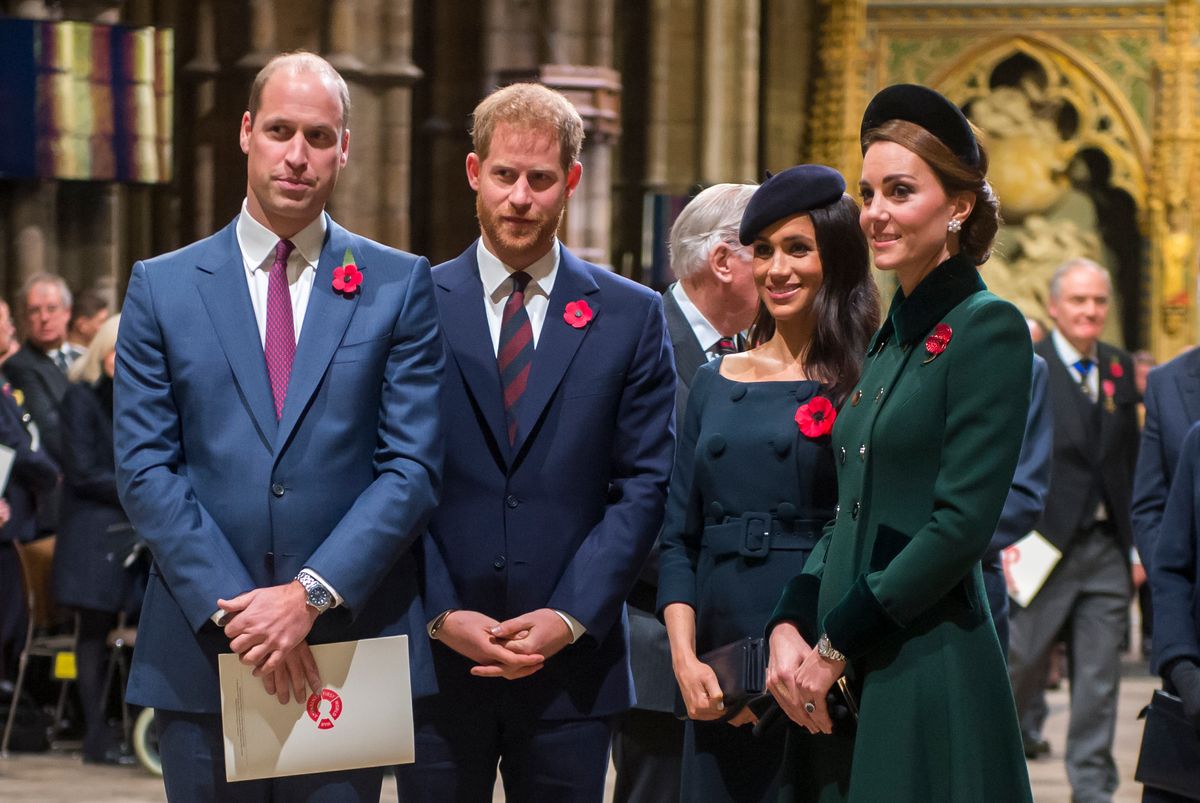
Their move has brought Harry and his family physically closer to the monarchy once again, but it has not changed their official position within it.
King Charles authorized a letter in September reaffirming that Harry and Meghan remain non-working members of the royal family and that their charitable work is carried out in a private capacity.
 © Getty Images
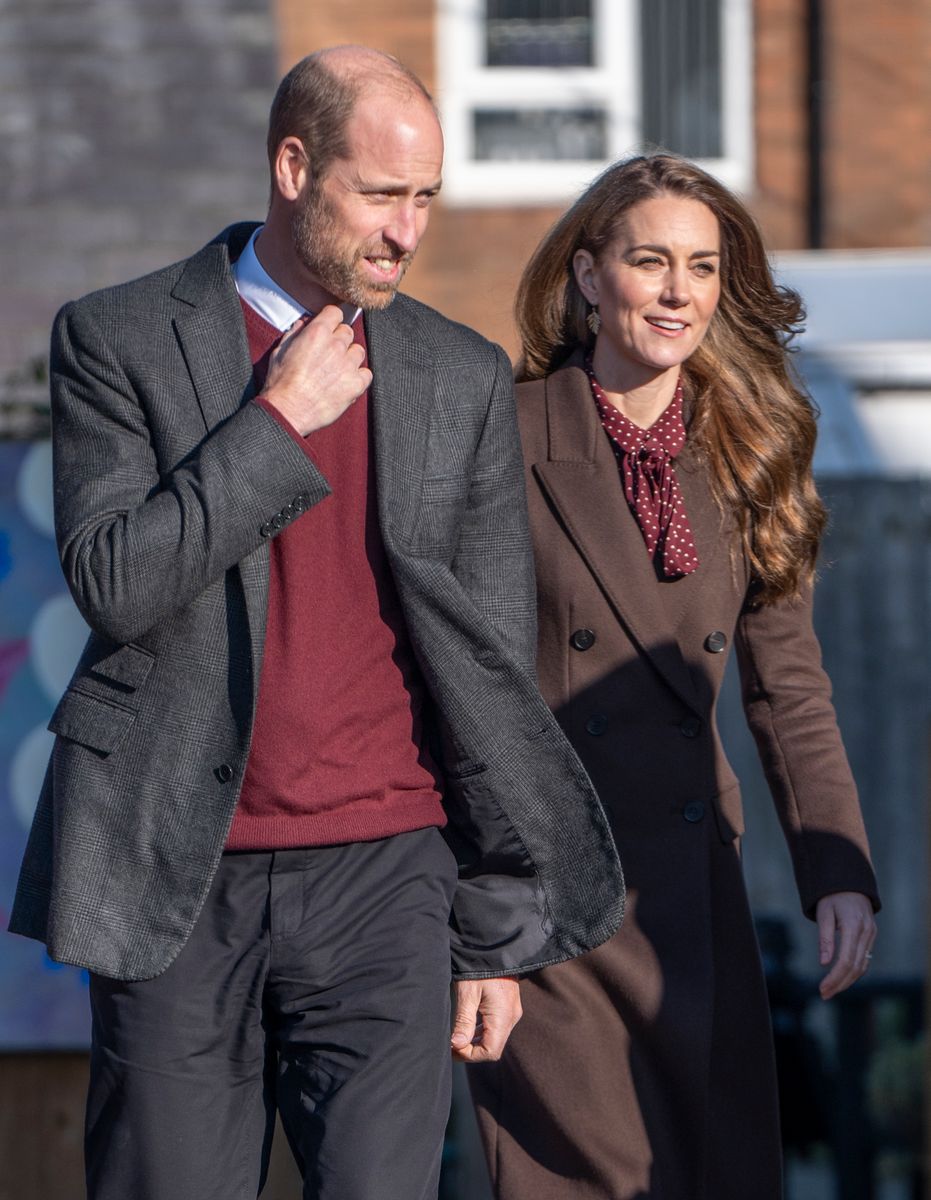
That distinction puts renewed attention on the future being shaped by the Prince and Princess of Wales, particularly as William prepares for his eventual role as king.
Earlier this year, royal biographer Russell Myers said the couple's ideas about the institution differ significantly from those of previous generations.
 © Max Mumby/Indigo
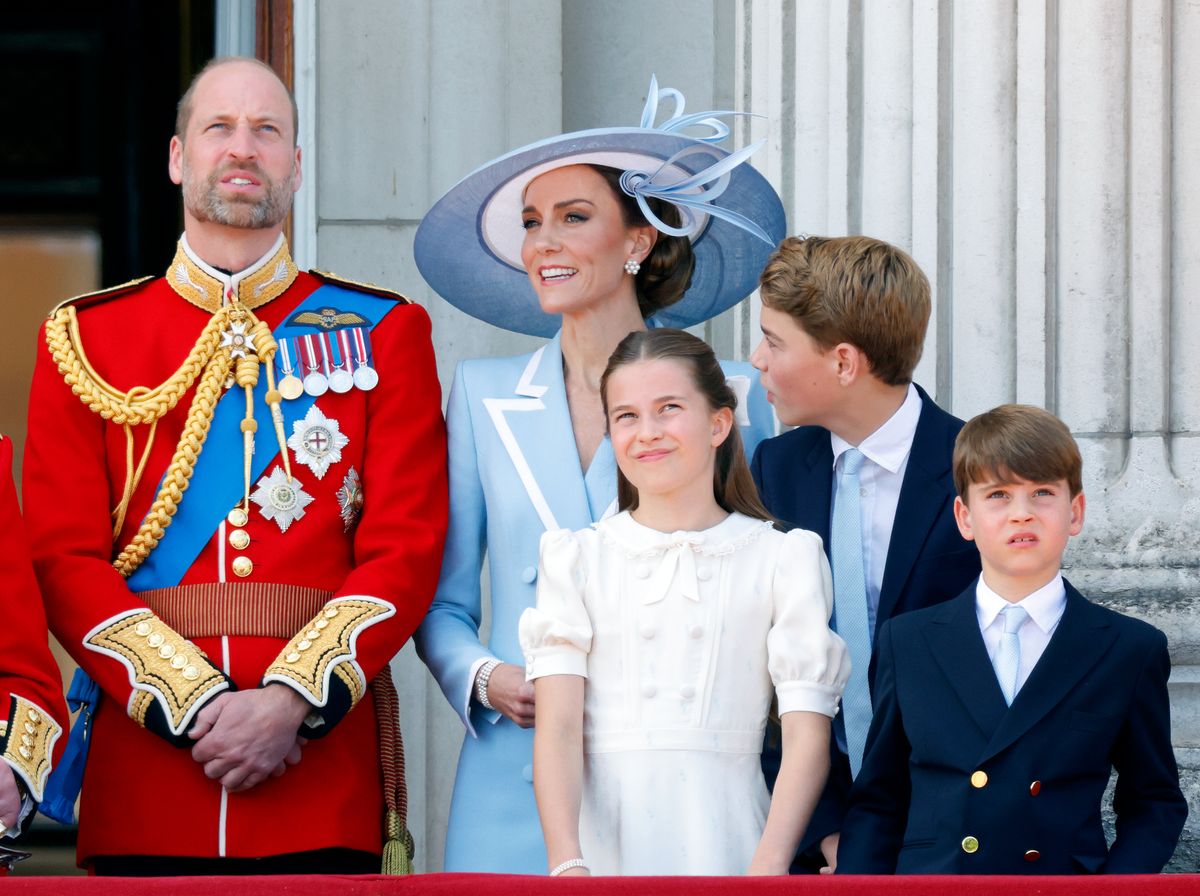
"Speaking to people very, very close to William and Kate [Middleton], they have a totally different vision for the monarchy. It needs to be accountable, it needs to speak to the younger generation, not only at home, but abroad," Myers told Us Weekly in March.
That last point could prove particularly important for William and Kate. The monarchy's future will not only be defined by how it is perceived in Britain, but by its ability to remain relevant to younger generations internationally.
 © Getty Images
"It also needs to create a system that works for the people and certainly what they have tried to do is get their family home life right and then work on the public profile and that's very, very different to how the Monarch has been structured in generations beforehand," Myers continued.
A monarchy designed for a new generation:
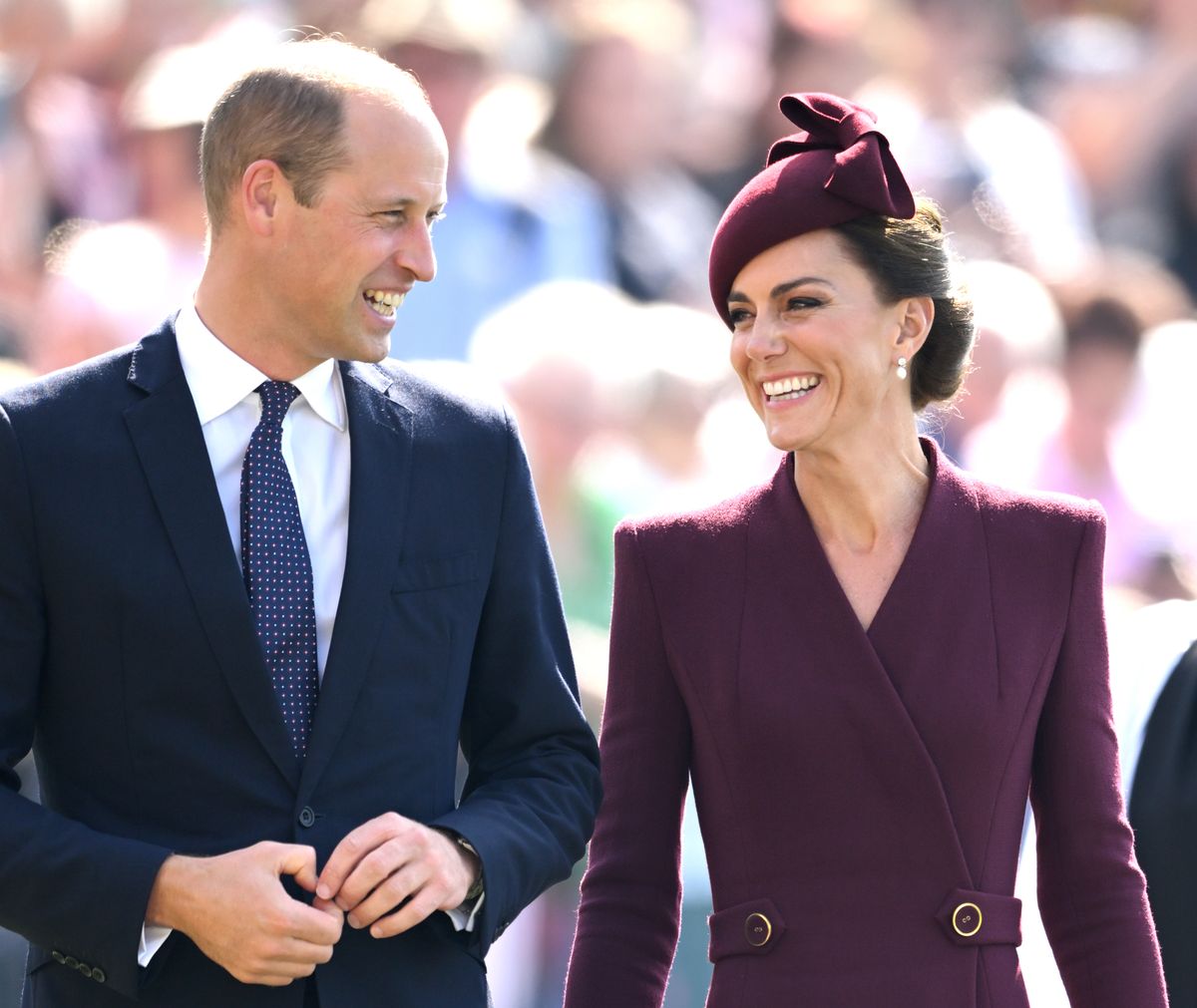
Some elements of that approach are already visible. William and Kate have increasingly used social media and polished digital content to communicate directly with the public, while William has experimented with platforms and formats that would once have seemed unusual for a future king.
In July, ABC News examined William's efforts to modernize the monarchy, pointing to Kensington Palace's increased emphasis on social media, video and appearances in nontraditional media as part of an effort to reach younger audiences.
 © WireImage
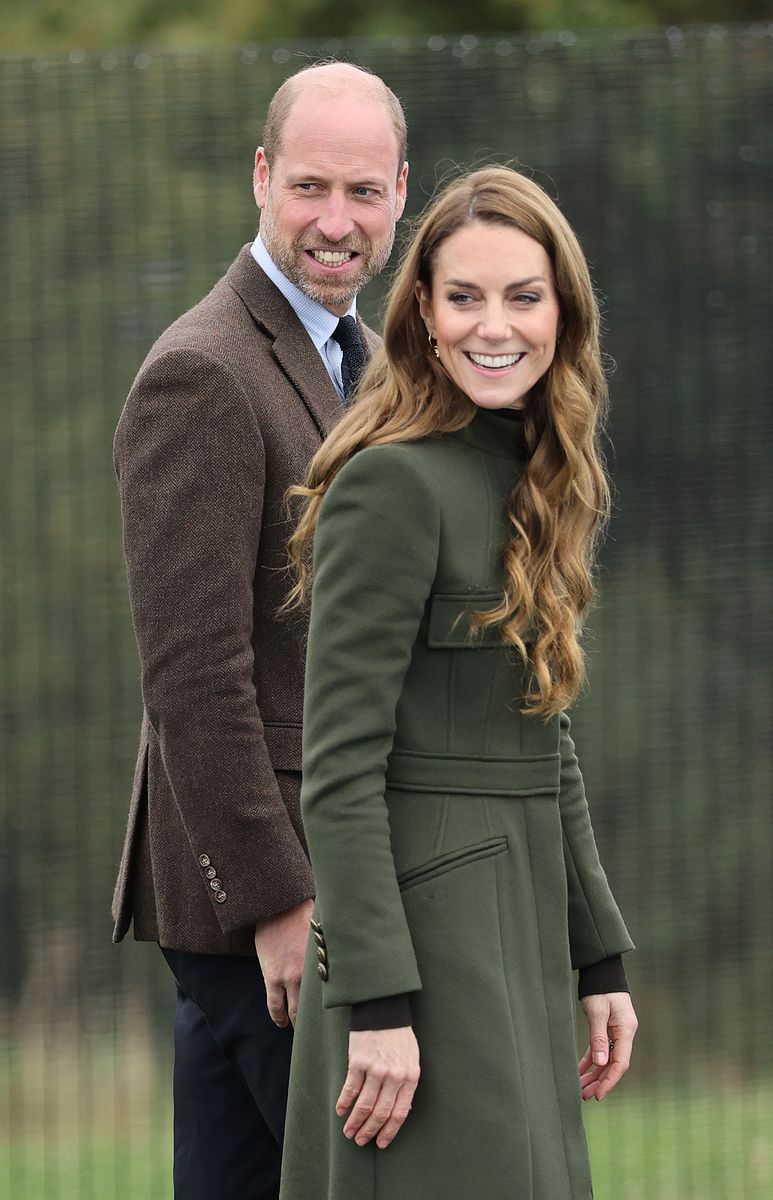
William has also been unusually open about his desire to make changes when his time comes. "I think it's safe to say that change is on my agenda … I don't fear it, that's the bit that excites me," he previously told Eugene Levy.
Royal photographer Chris Jackson, who has photographed the family for more than two decades, has also spoken about the evolution already underway under King Charles.
 © Getty Images
"I have noticed a significant change in the way things are done," Jackson told Vanity Fair. "I have always been a great admirer of King Charles, of his ability to connect with people around the world across cultures and languages, his incredible work ethic and dedication to duty."
"King Charles has certainly approached aspects of the role differently, as one would expect, diversifying and modernizing," he continued, adding that "the royal family is moving forward, honoring tradition while adopting a more open and modern approach to the monarchy."
 © Samir Hussein
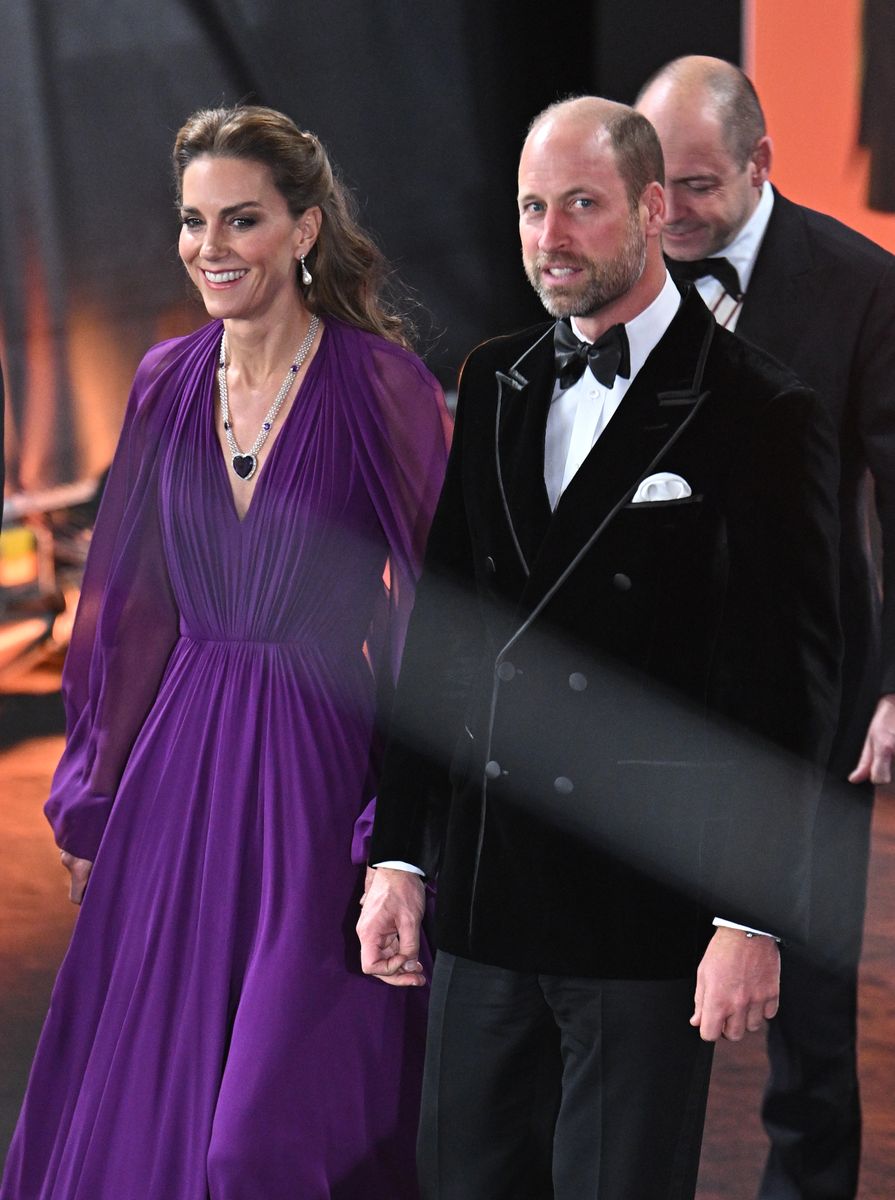
Jackson also pointed specifically to William and Kate's ability to engage younger people. "Prince William combines a strong sense of responsibility with a more informal and approachable manner that connects with many of the young people he meets," he said.
"The Princess of Wales has a warmth and friendliness with many of the people she meets and is very natural with young people, always putting herself at their level and taking time to chat."
Harry and Meghan's return changes the picture, but not their roles:
Harry and Meghan's return adds another dimension to that evolving royal landscape.
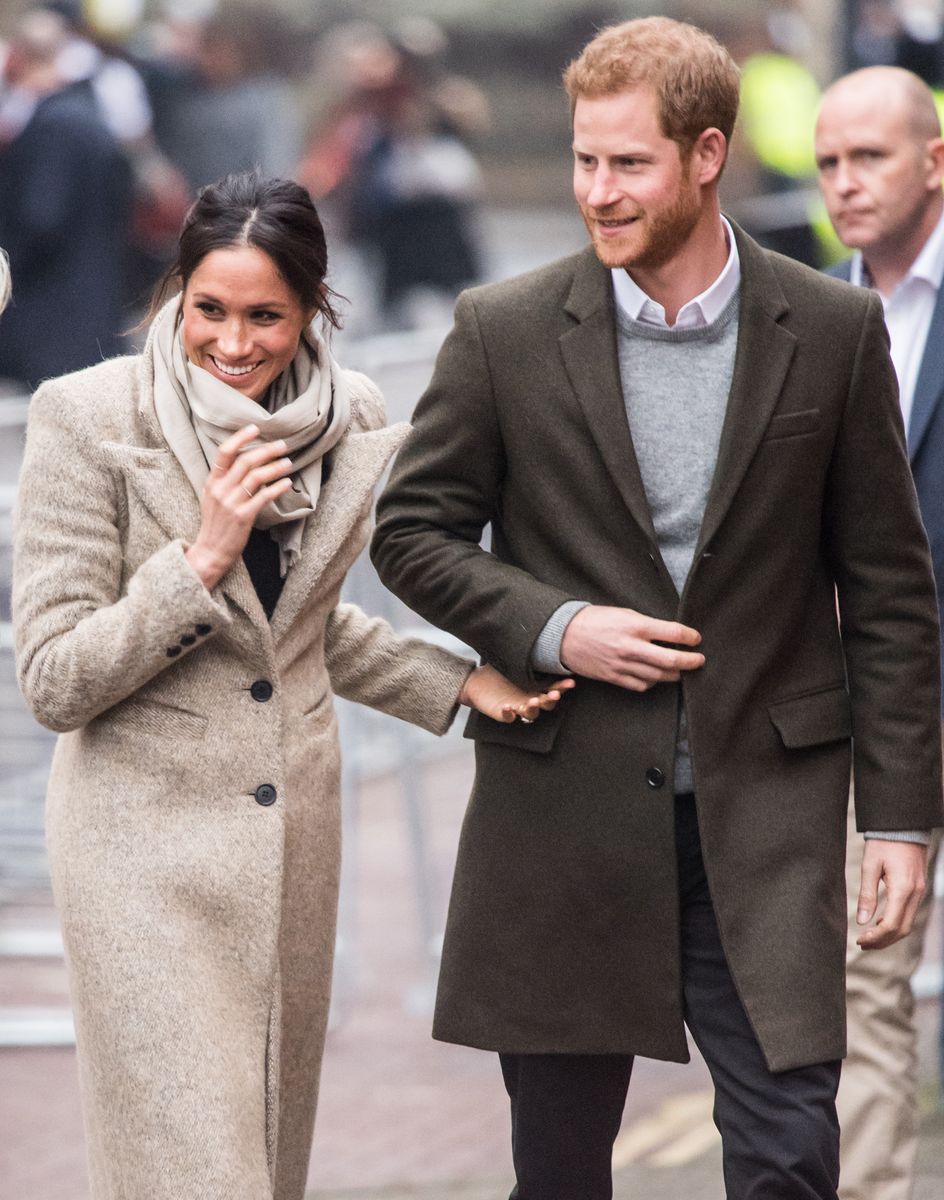 © Samir Hussein
The Sussexes are once again living in Britain after spending six years primarily based in California, and Harry has already resumed appearances connected to his longtime charitable work. He recently attended the Invictus Spirit Awards and the WellChild Awards, among other engagements.
Those appearances, however, are separate from the official work of the monarchy. Buckingham Palace has made clear that the couple's return does not restore their former positions as working royals.
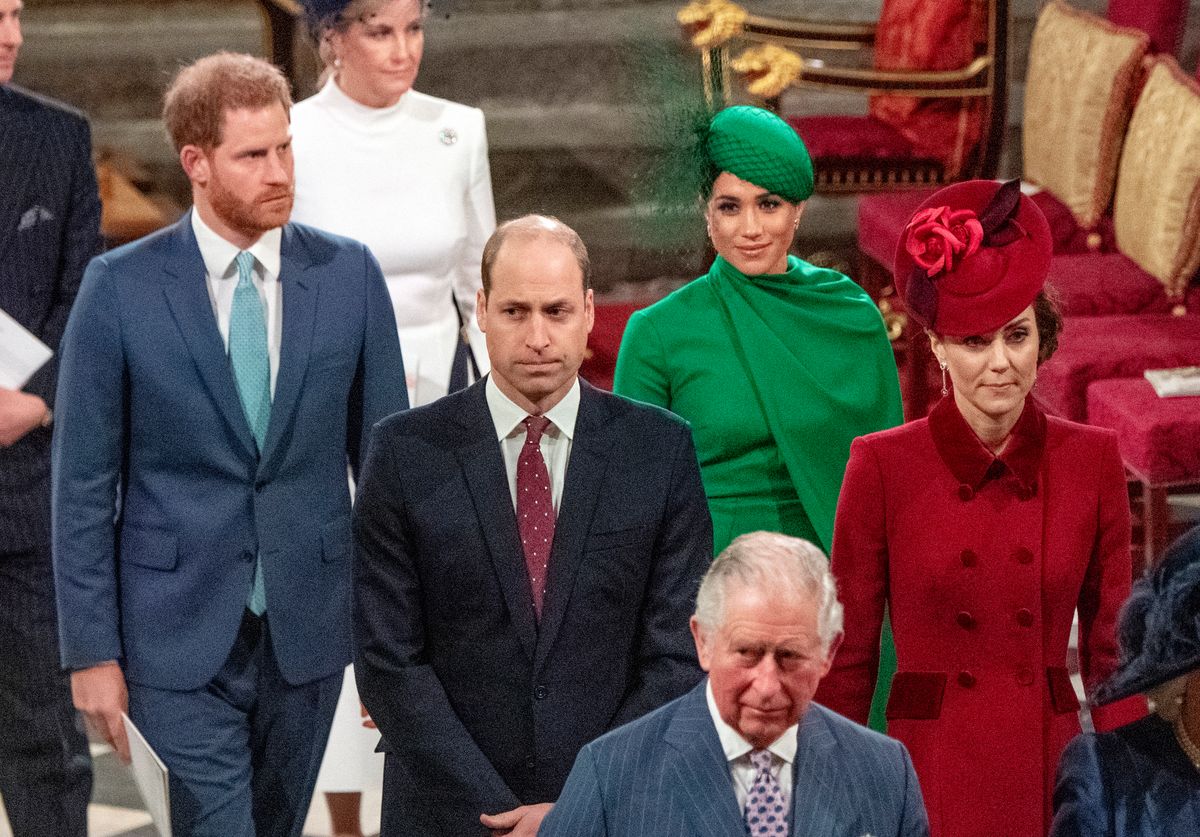 © POOL/AFP via Getty Images
That leaves William and Kate at the center of the institution's next chapter, alongside King Charles and Queen Camilla, even as Harry and Meghan once again become a more visible presence in Britain.
Interestingly, Myers acknowledged earlier this year that the working royal family had become smaller than originally envisioned. "There's been a lot of talk about a slimmed down monarchy for many, many years, and certainly, if you looked at what Charles's view of that was maybe 10 years ago, it would have been Harry at the center," he said.
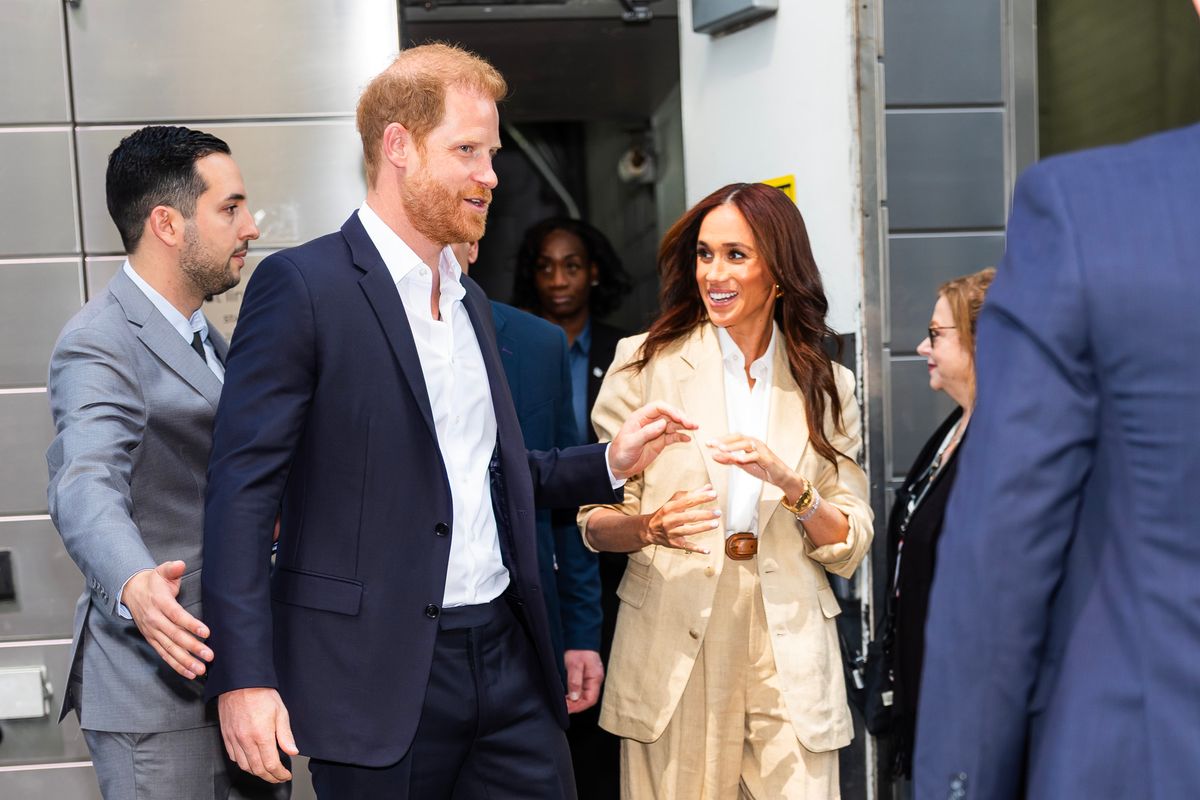 © TheStewartofNY
"It does look a little bit thin on the ground at the moment, but I think what the King wanted to do was try to make the royal family much more accountable." Six months later, Harry is back in Britain, but outside that working structure.
William and Kate, meanwhile, remain on a path toward a monarchy that, according to those familiar with their thinking, is intended to look beyond palace walls and speak to a younger audience both in Britain and around the world.