Prince Albert II and Princess Charlene paid tribute to one of Monaco's greatest historical figures during an emotional ceremony at sea, honoring legendary polar explorer Commander Jean-Baptiste Charcot nearly 90 years after his final voyage.
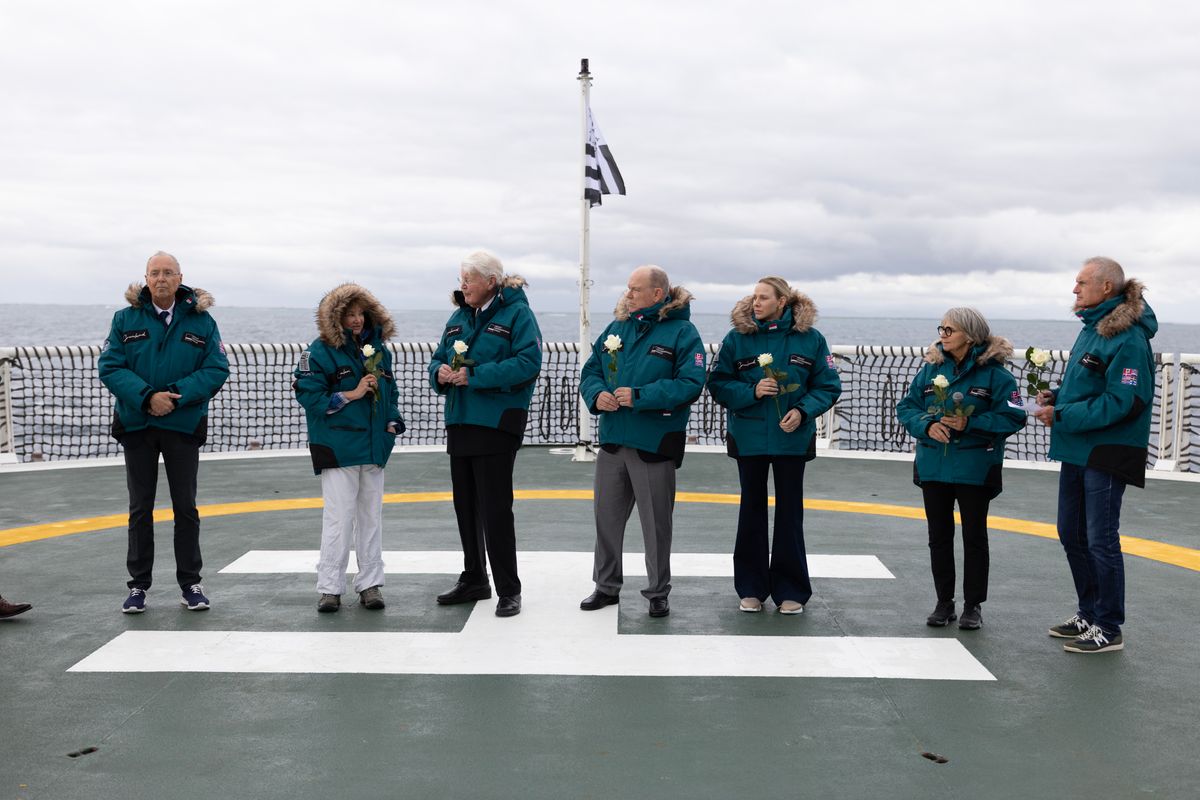
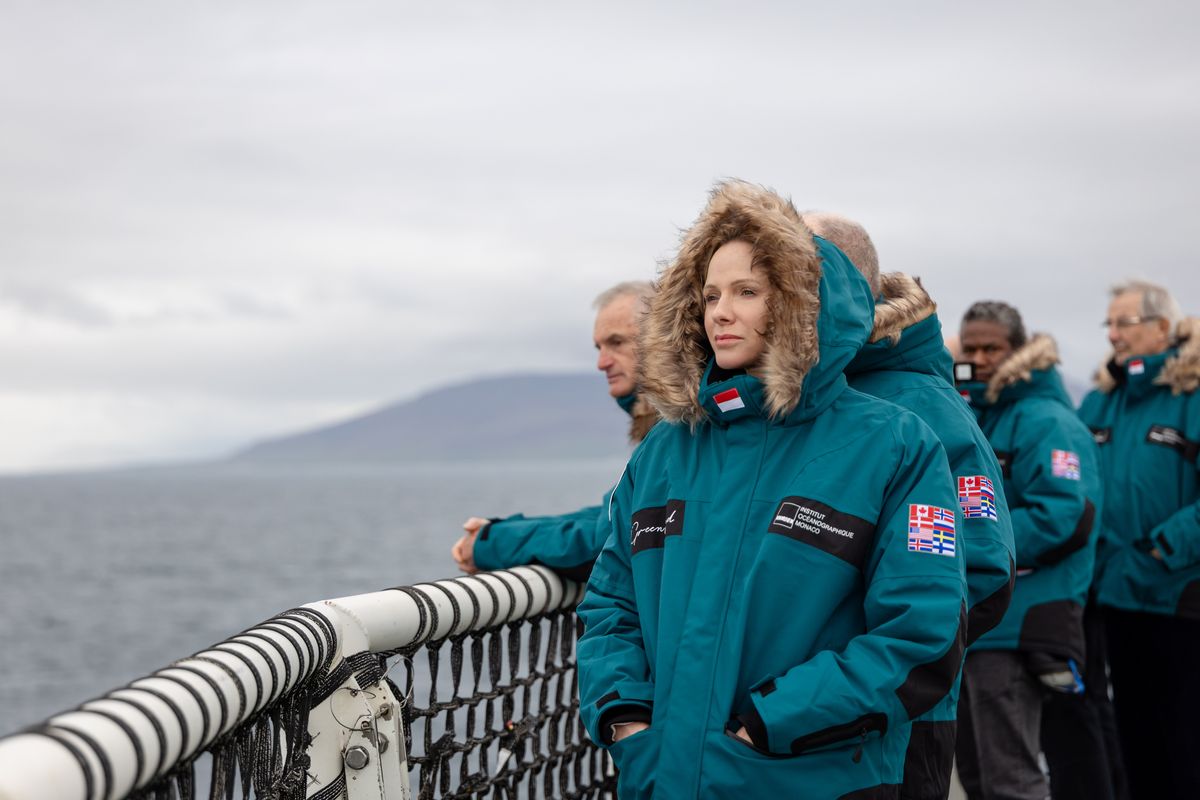
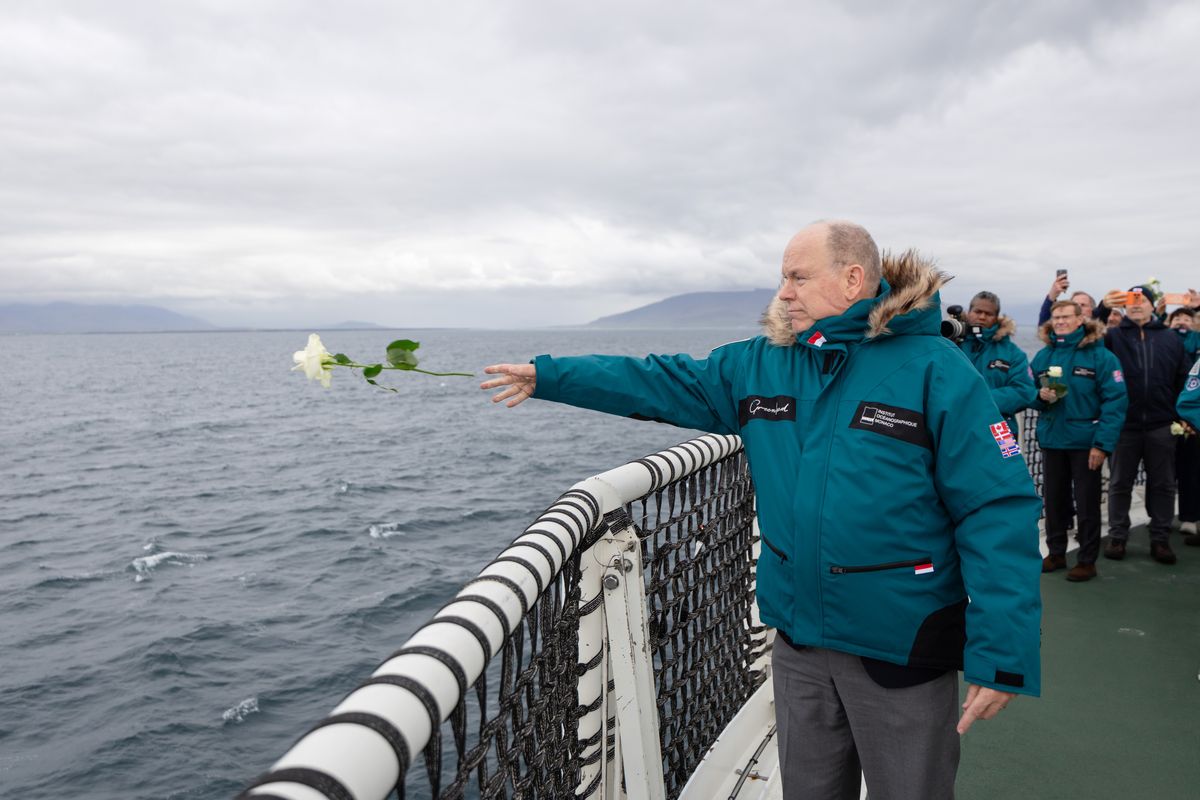
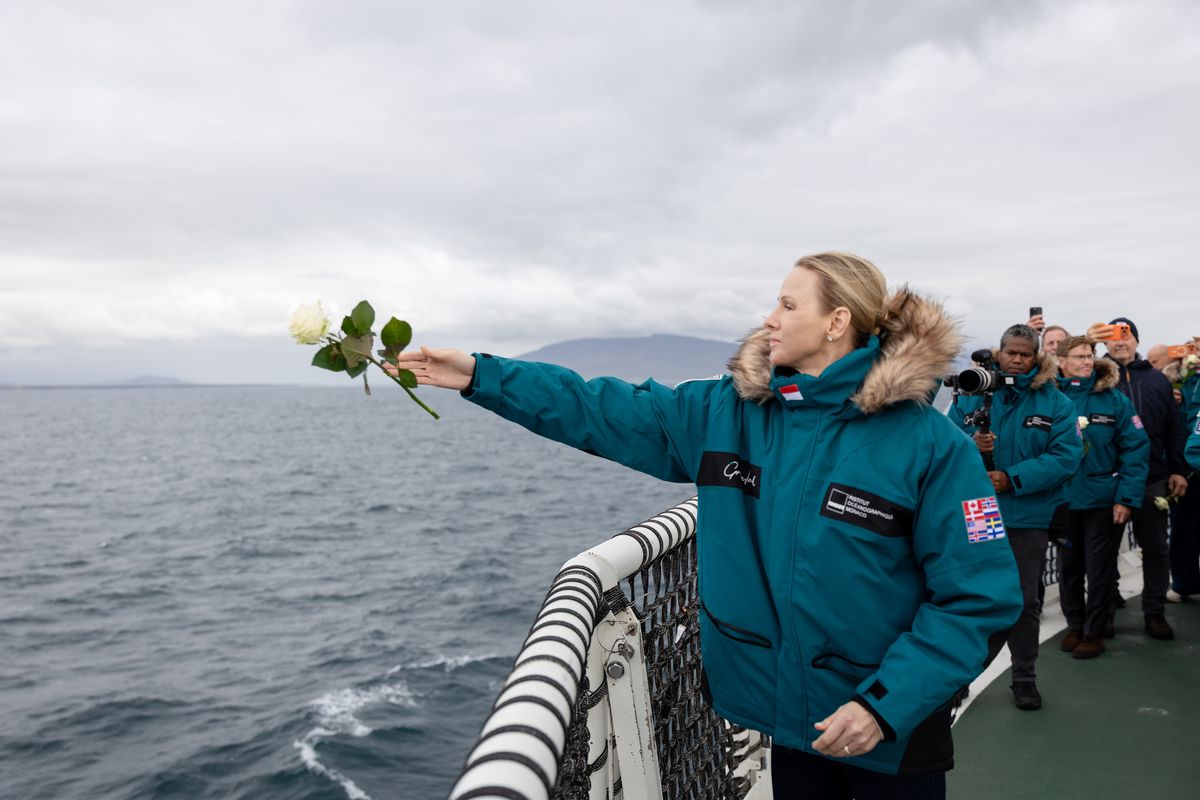
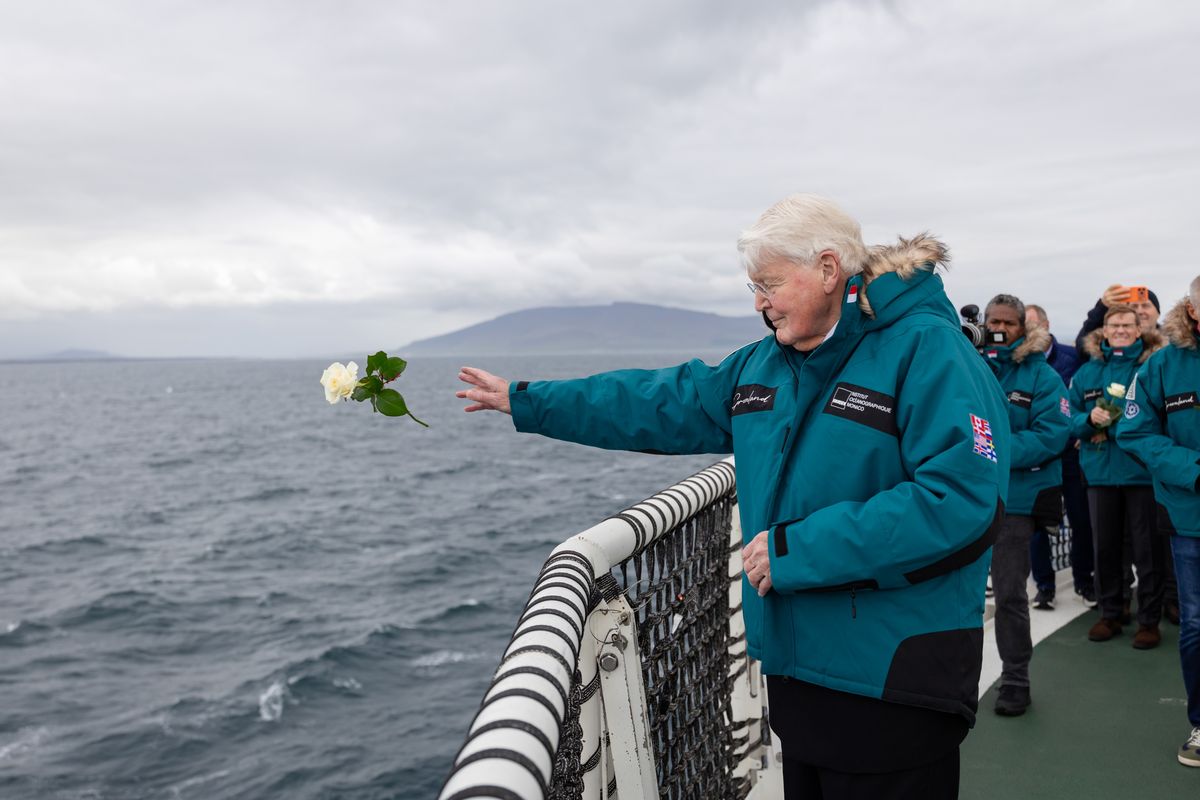
The princely couple participated in the commemorative event as part of the Oceanographic Institute of Monaco's scientific expedition to Greenland, paying their respects off Iceland's western coast, near the waters where Charcot's research vessel 'Pourquoi-Pas?' disappeared in September 1936.
 © © Institut Océanographique de Monaco - Cedou
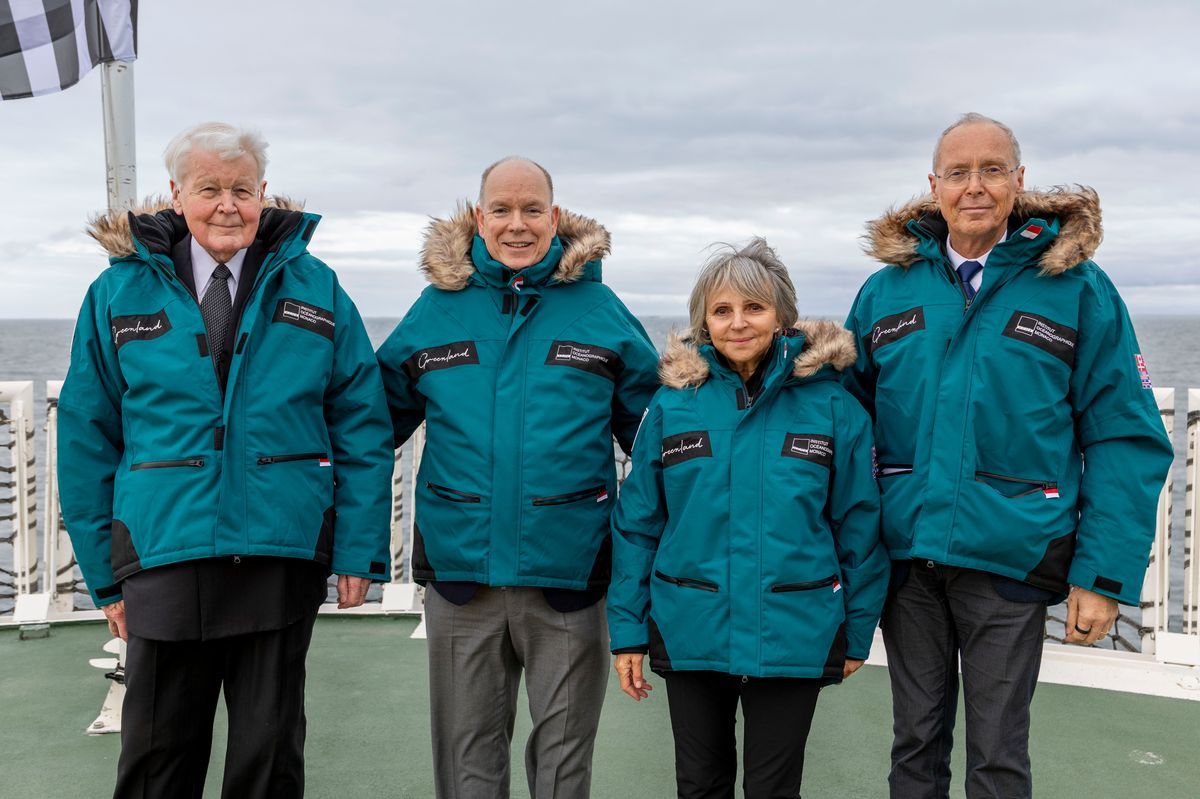
Joined by Charcot's great-granddaughter, Anne Manipoud-Charcot, and former Icelandic President Ólafur Ragnar Grímsson, Prince Albert and Princess Charlene each released a white rose into the ocean in remembrance of the famed explorer and his crew.
A tribute to Monaco's scientific heritage:
The ceremony also celebrated the enduring friendship between Commander Jean-Baptiste Charcot and Prince Albert I of Monaco, the sovereign widely regarded as a pioneer of modern oceanography.
 © © Institut Océanographique de Monaco - Cedou
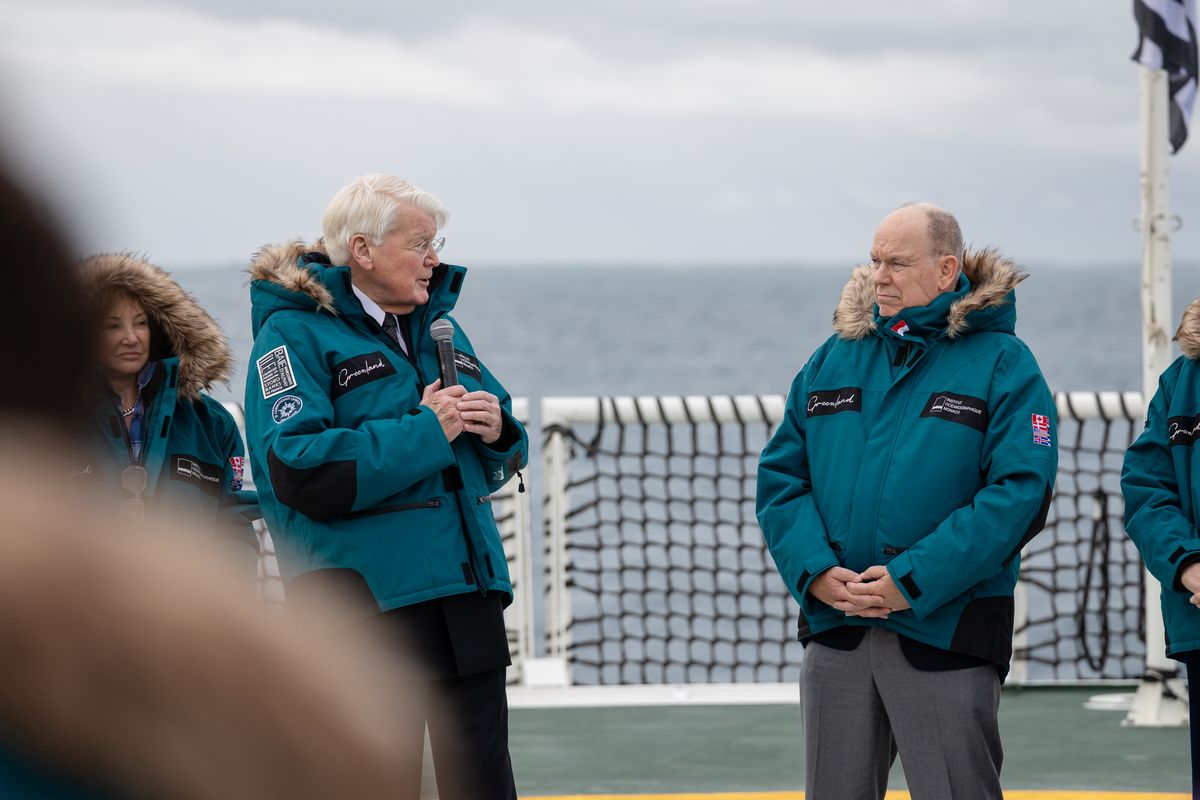
Speaking during the event, Robert Calcagno, Director General of the Oceanographic Institute of Monaco, reflected on the lasting bond between the two men.
He noted that, 90 years later, their descendants had gathered together, adding that Prince Albert I and Commander Charcot would likely have been deeply moved to see that their friendship continues to resonate today and that the values they shared still guide future generations.
 © © Institut Océanographique de Monaco - Cedou
The remarkable friendship between Prince Albert I and Jean-Baptiste Charcot:
Although remembered as one of the world's greatest polar explorers, Jean-Baptiste Charcot was also a physician, scientist and close collaborator of Prince Albert I.
 © © Institut Océanographique de Monaco - Cedou
United by their passion for scientific discovery and the oceans, the pair worked closely together throughout the early twentieth century. Prince Albert I supported Charcot's second Antarctic expedition by providing scientific equipment for his oceanographic research.
Charcot later participated in the inauguration of the Oceanographic Institute in Paris in 1911, delivered 14 lectures there and served on its scientific council until his death. Their correspondence remains preserved in the archives of Monaco's Oceanographic Museum.
 © © Institut Océanographique de Monaco - Cedou
Why Iceland remains so significant:
According to the Prince's Palace, Iceland represented far more than the location where Charcot's final expedition ended.
 © © Institut Océanographique de Monaco - Cedou
Throughout his Arctic voyages, the explorer developed lasting scientific and personal ties with the country, relationships that continue to be remembered today.
The Palace added that honoring him in those very waters, alongside Iceland's former president, serves as a reminder that the strongest connections between nations are often built not only through diplomacy, but also through science, exploration and a shared commitment to protecting the ocean.
 © © Institut Océanographique de Monaco - Cedou
The ceremony formed part of the Oceanographic Institute of Monaco's engagement and science mission to Greenland, highlighting Prince Albert II and Princess Charlene's continued support for marine conservation and scientific collaboration.