Among others, New York City has Little Italy, Chinatown and Koreatown, but another Manhattan immigrant neighborhood once flourished just a few blocks from the West Village. Now, Little Spain is officially back on the map.
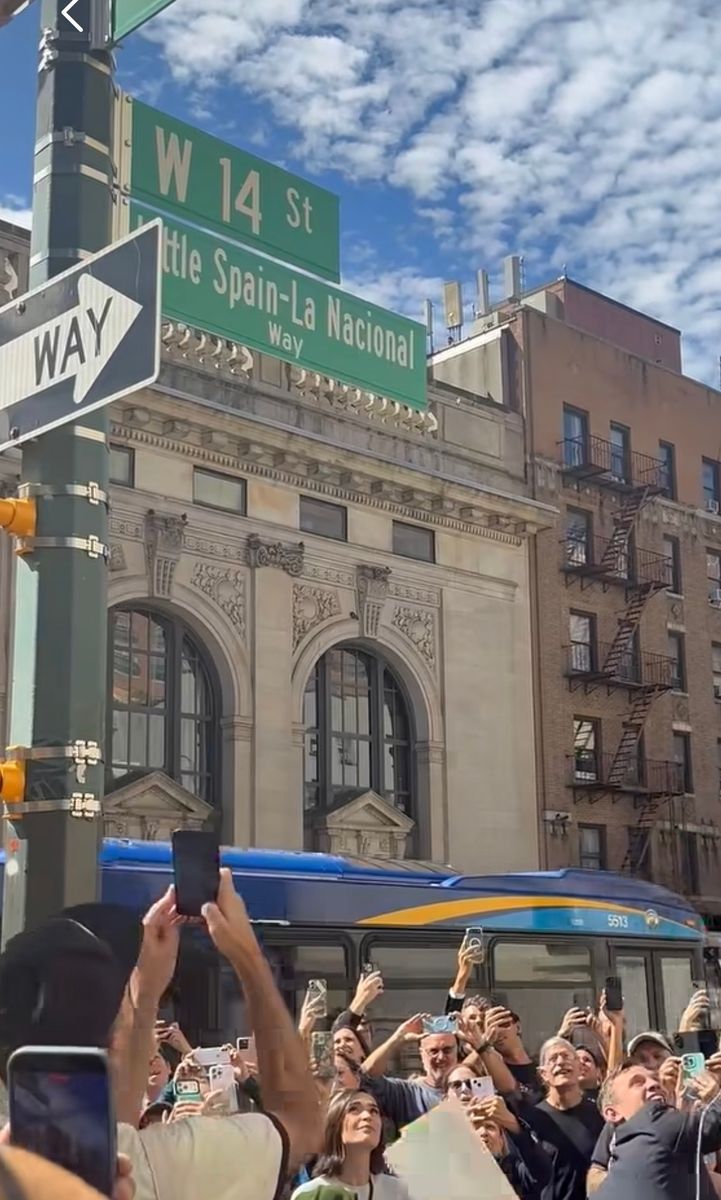
A corner of West 14th Street and Eighth Avenue in Manhattan has been co-named “Little Spain–La Nacional Way,”recognizing the Spanish immigrant community that transformed this stretch of downtown Manhattan during the 20th century. The new sign was unveiled on September 21, 2026, according to recent reports.
 © Instituto Cervantes New York
The designation does not replace the existing West 14th Street name. Instead, it adds a ceremonial co-name honoring a chapter of New York history that has largely disappeared from the modern streetscape.
For New Yorkers who have passed through the busy 14th Street and Eighth Avenue subway hub without knowing what once stood nearby, the new sign offers a clue to a neighborhood hiding in plain sight.
 © Getty Images
Where is Little Spain in NYC?
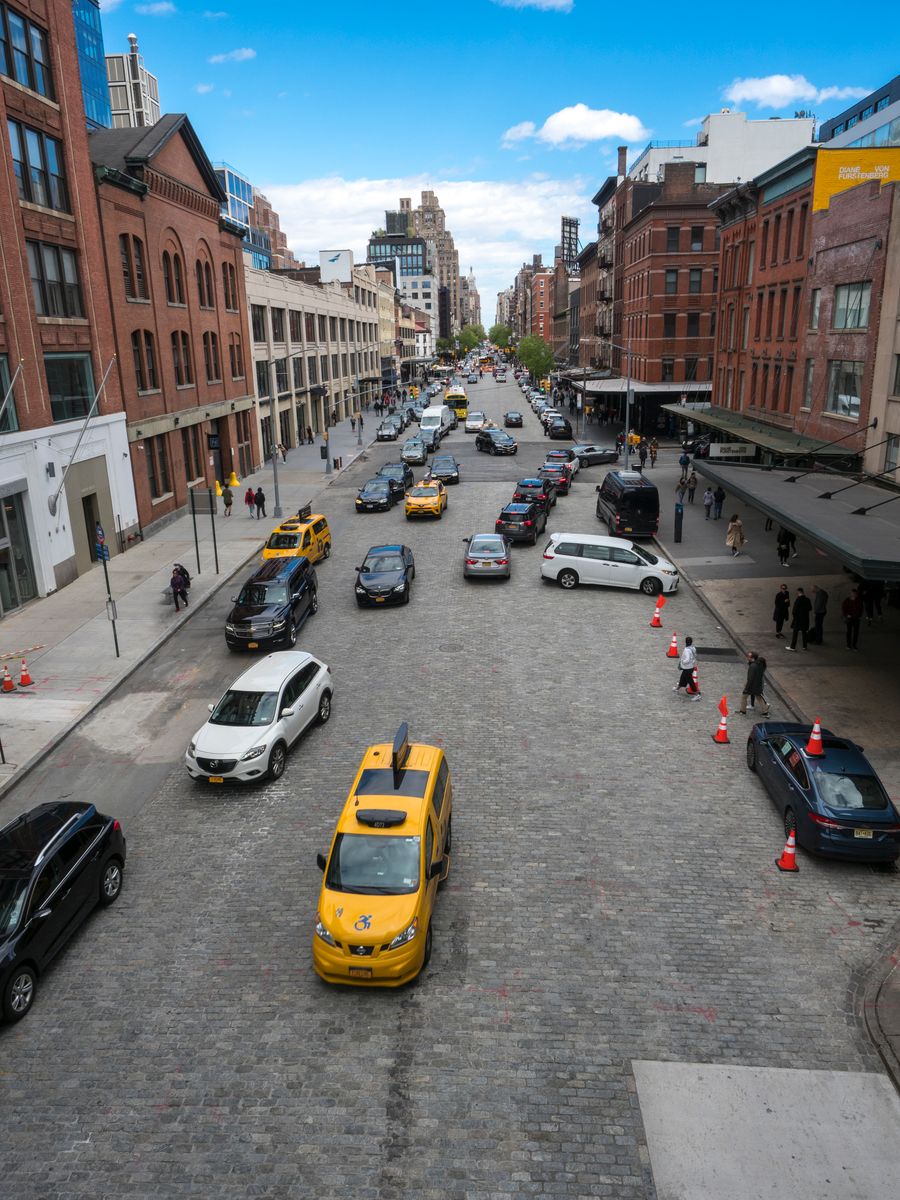
Historic Little Spain in NYC was centered on West 14th Street between Seventh and Eighth Avenues, near the present-day borders of Chelsea, Greenwich Village and the Meatpacking District.
The Spanish community extended beyond that single block. Historical material cited by New York City records describes the larger enclave as stretching from Christopher Street north toward West 23rd Street and along the Hudson River. At its height, the area was home to thousands of Spanish immigrants and their descendants.
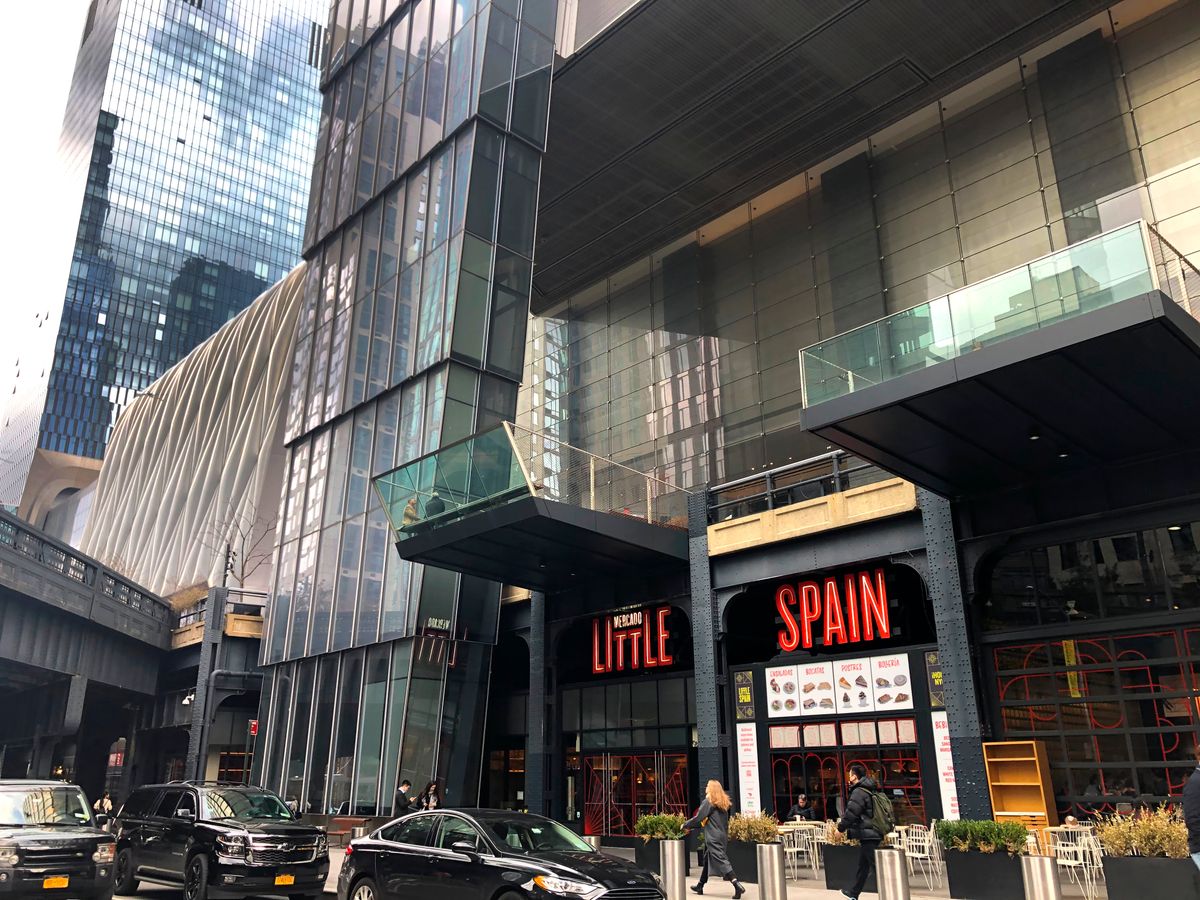 © UCG/Universal Images Group via G
West 14th Street, however, became its commercial and cultural heart. The block between Seventh and Eighth Avenues was known as Calle Catorce, or 14th Street, and was filled with Spanish restaurants, food shops, clothing stores, bakeries and gathering places. La Nacional describes the block as the center of Little Spain for much of the 20th century.
Today, someone looking for the former Little Spain should head to West 14th Street between Seventh and Eighth Avenues, with the newly co-named corner at West 14th Street and Eighth Avenue serving as its most visible marker.
Why was West 14th Street renamed Little Spain–La Nacional Way?
The street co-naming recognizes both the former neighborhood and one of its most important surviving institutions.
Manhattan Community Board 4 backed a proposal in January 2026 supporting a street co-naming honoring La Nacional and Little Spain at the northeast corner of West 14th Street and Eighth Avenue.
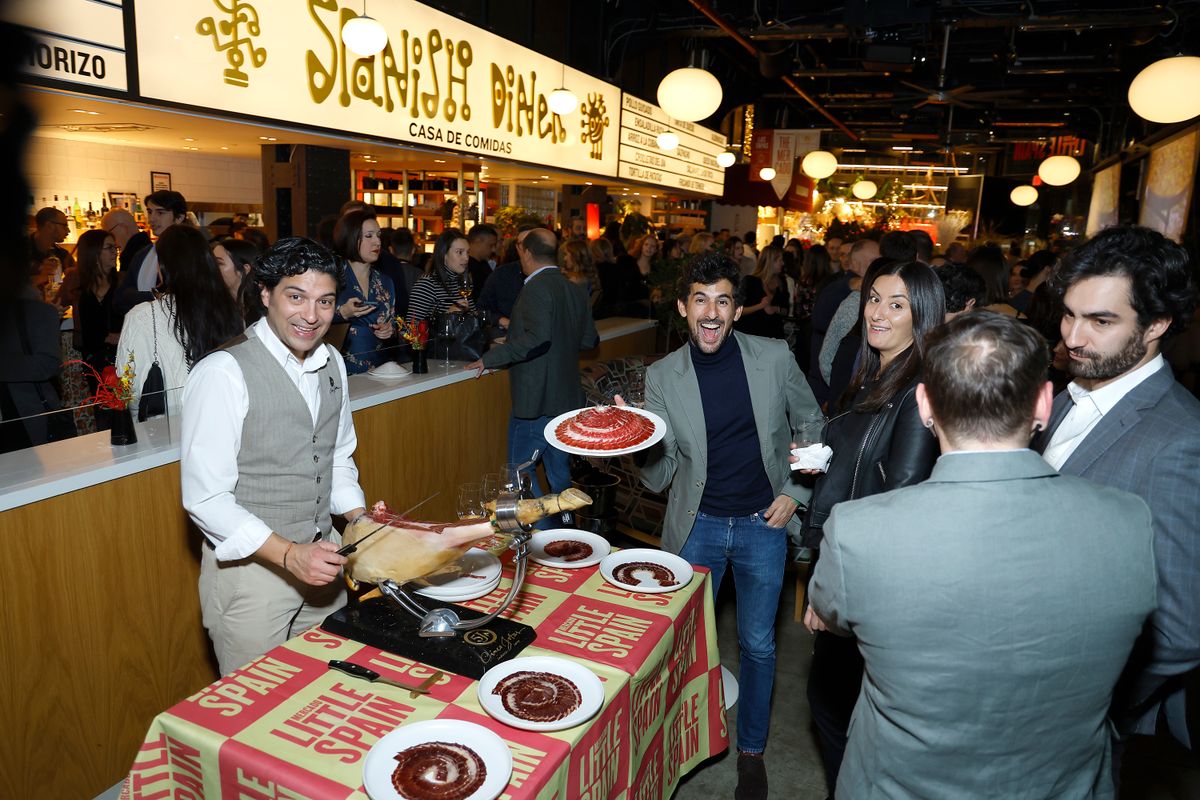 © Getty Images for HBO
The designation was subsequently included in a larger New York City Council street-naming bill covering 103 thoroughfares and public places. The legislation was enacted on July 30, 2026, as Local Law 125 of 2026 and includes a Manhattan designation for “La Nacional/Little Spain.”
The resulting street sign reads Little Spain–La Nacional Way, according to coverage of the unveiling.
What was Manhattan’s Little Spain?
Little Spain grew as Spanish immigrants arrived in New York and settled near the Hudson River waterfront.
Village Preservation notes that ships carrying immigrants and goods from Spain docked at Hudson River piers, helping make the West 14th Street area a natural center for the growing Spanish community. By the middle of the 20th century, the neighborhood had developed a network of Spanish restaurants, businesses, churches and community organizations.
 © Patrick McMullan via Getty Image
Among the neighborhood businesses remembered today are Casa Moneo, Café Madrid, Bar Coruña, La Bilbaína, Trocadero Valencia, Mesón Flamenco and El Faro. Casa Moneo, a Spanish food and gift store, opened at 210 West 14th Street in 1929.
This was not simply a restaurant district. It was a working immigrant neighborhood where newcomers could shop, socialize, worship and find support while maintaining connections to Spanish language and culture.
La Nacional is still keeping Little Spain’s history alive
One major piece of Little Spain survives. La Nacional, or the Spanish Benevolent Society, remains at 239 West 14th Street.
The organization dates to 1868 and served generations of Spanish immigrants as a community gathering place and support network. La Nacional describes itself today as a surviving link to the former Little Spain and a center for Spanish community and culture.
Its longevity makes the new street name particularly fitting. While most of the businesses that once defined Little Spain have disappeared, La Nacional remains on the same street where the neighborhood developed.
The area also had an important religious institution. Our Lady of Guadalupe parish was founded in 1902 as Spanish immigration to the neighborhood increased. The church became another anchor for the community, although demographic changes later transformed its congregation.
What happened to Little Spain in Manhattan?
Like many historic immigrant enclaves in New York, Little Spain gradually changed as families moved elsewhere and the surrounding neighborhood evolved.
La Nacional says the decline became particularly noticeable beginning in the 1970s. Over the following decades, many Spanish businesses disappeared and the neighborhood became less recognizable as a distinct Spanish enclave.
By then, Chelsea, Greenwich Village and the Meatpacking District were undergoing their own dramatic transformations. The Spanish presence never completely vanished, however.
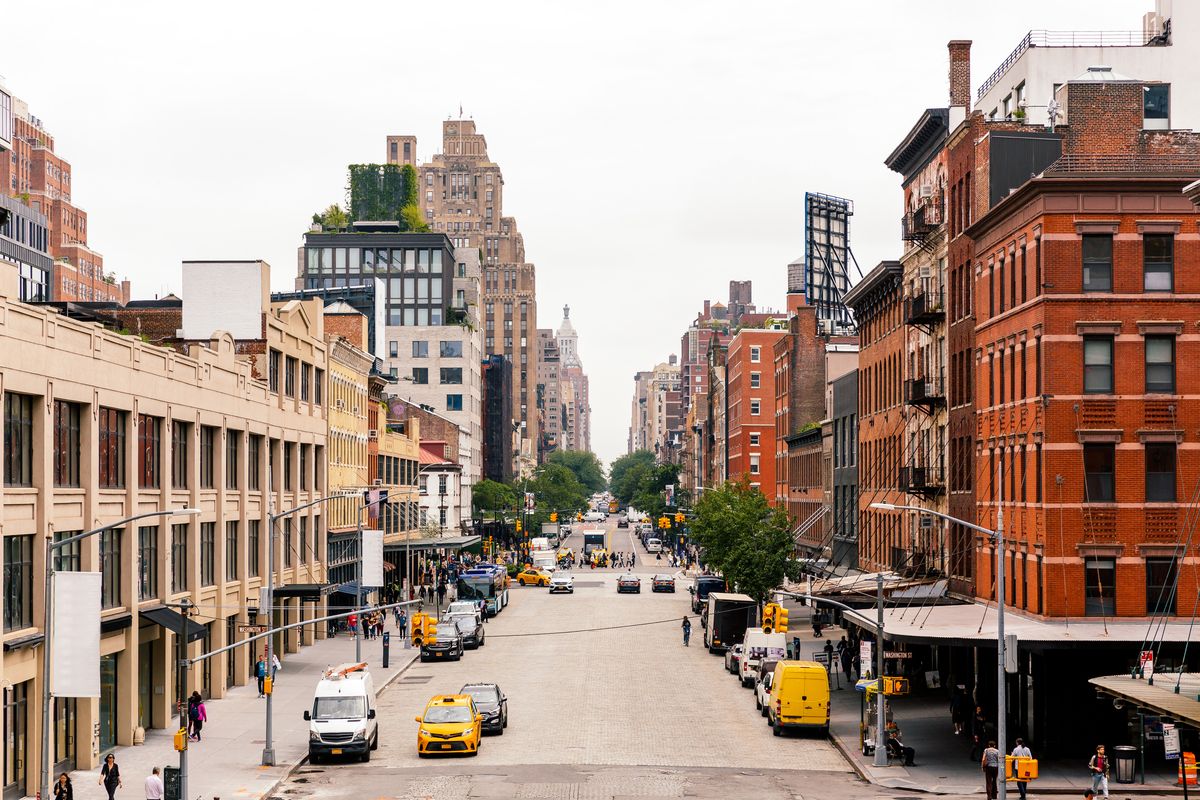 © Getty Images
La Nacional remained, and memories of the neighborhood continued through former residents, community organizations and preservation efforts. The new Little Spain–La Nacional Way sign gives that history something it has been missing for decades.
Can you visit Little Spain in NYC today?
Yes, although visitors should not expect a preserved ethnic district comparable to Little Italy or Chinatown.
The easiest place to start is the newly co-named intersection at West 14th Street and Eighth Avenue. From there, walk east along West 14th Street toward Seventh Avenue, the block that once formed the commercial heart of Little Spain.
La Nacional at 239 West 14th Street is the most tangible connection to the neighborhood's Spanish past.
The surrounding streets now look very different from the Calle Catorce remembered by generations of Spanish New Yorkers. But that contrast is part of what makes the new street sign notable. Thousands of commuters and pedestrians pass through the intersection, and many may never have known that one of Manhattan's lesser-known immigrant neighborhoods once occupied the blocks around them.