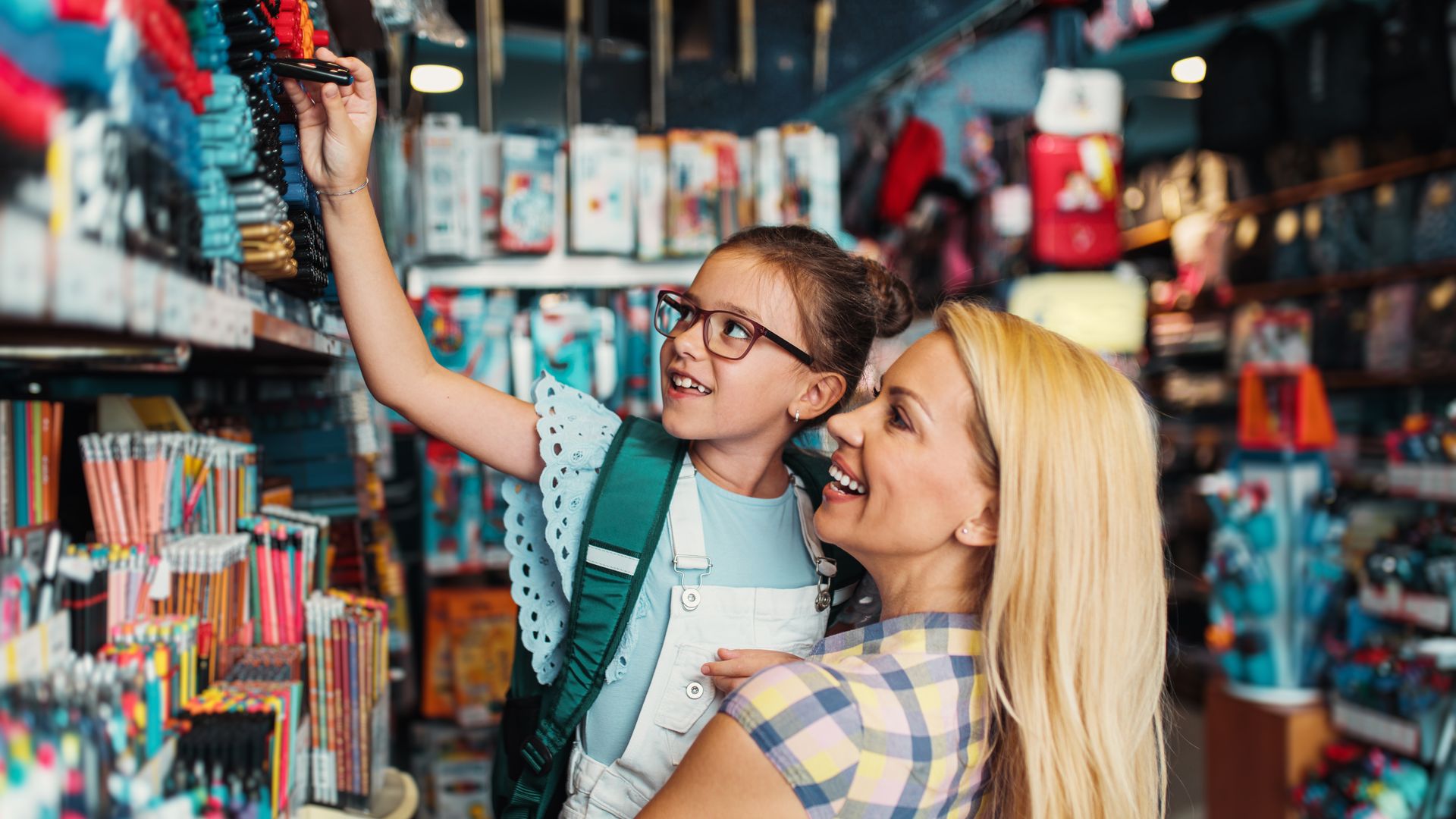
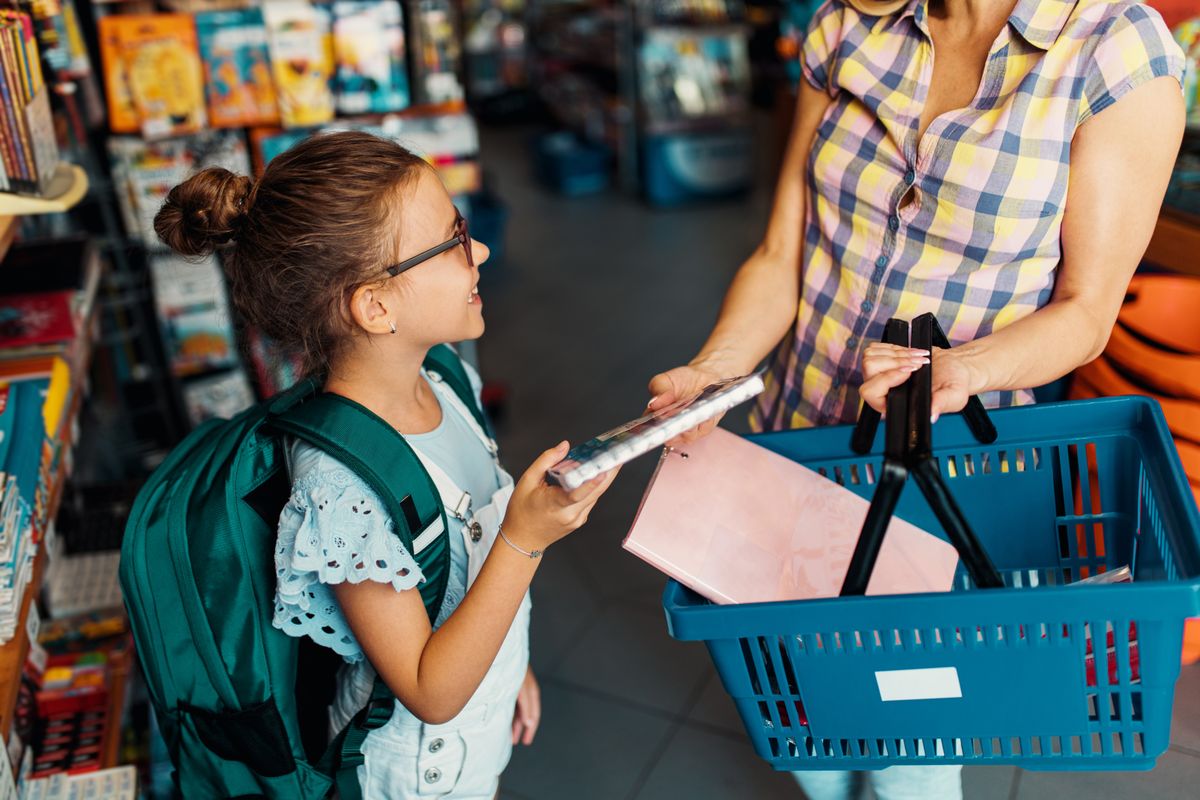
Back-to-school shopping can go from a few notebooks and pencils to a surprisingly expensive cart in minutes. Between school supplies, backpacks, clothes, lunch gear, calculators and technology, families have plenty to consider before the first bell rings.
And the costs are high. Families with children in elementary through high school planned to spend an average of $863.86 on back-to-school purchases in 2026, according to figures cited by NBC Select. College families expected to spend even more, averaging $1,437.79.
 © Getty Images
The smarter strategy is to start with the items students will use constantly, check the school's official supply list and avoid buying specialized products until teachers confirm they are necessary. Current back-to-school guides also emphasize durability, organization, and products that can survive beyond a single semester.
From a sturdy backpack to a dependable calculator, these back-to-school essentials deserve a spot on your 2026 shopping list.
Back-to-School essentials worth shopping for in 2026
A Backpack That Can Handle the School Day
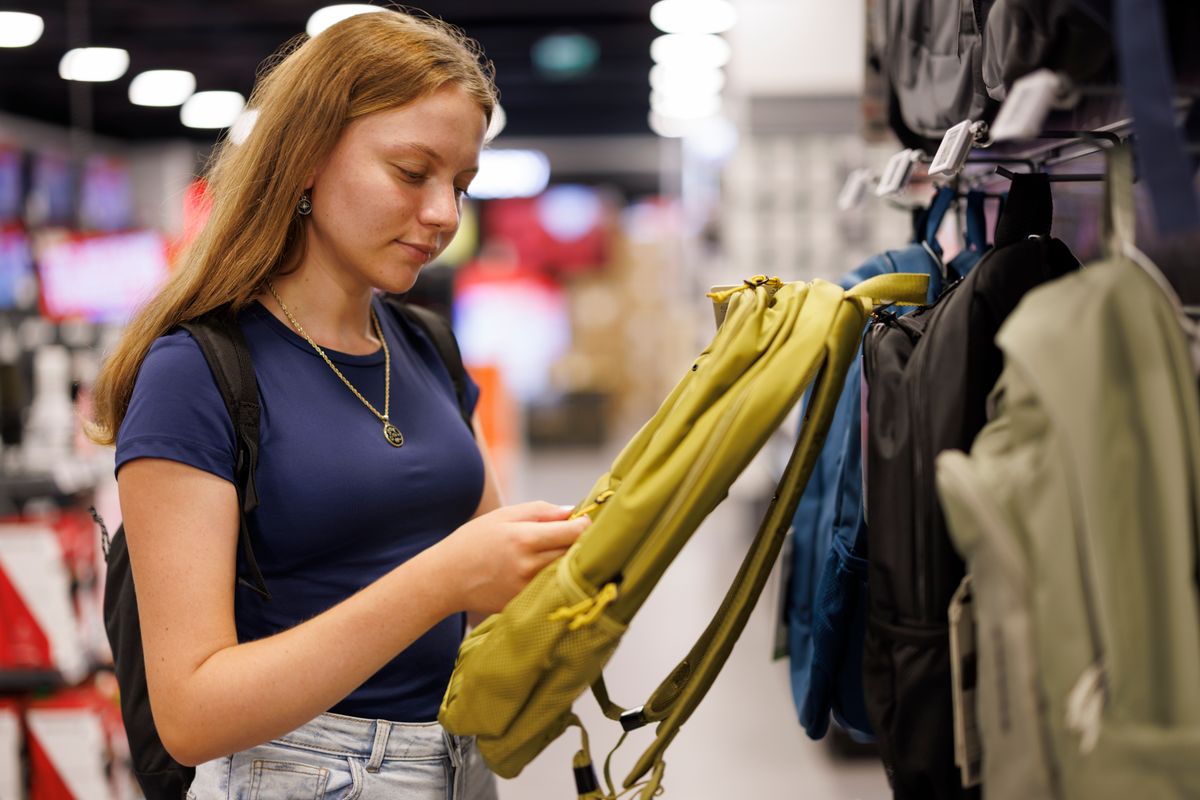
A backpack is one purchase where function matters just as much as style.
Look for padded shoulder straps, a comfortable back panel, durable zippers, and enough compartments to prevent smaller supplies from disappearing at the bottom. For older students carrying school-issued devices, a padded laptop compartment is particularly useful.
Padded straps and backs, plus chest or waist straps, can help distribute the load for younger students. Middle school, high school, and college students may need additional capacity for binders, laptops, gym clothes, and chargers.
 © Getty Images
 © JanSport
 © JanSport
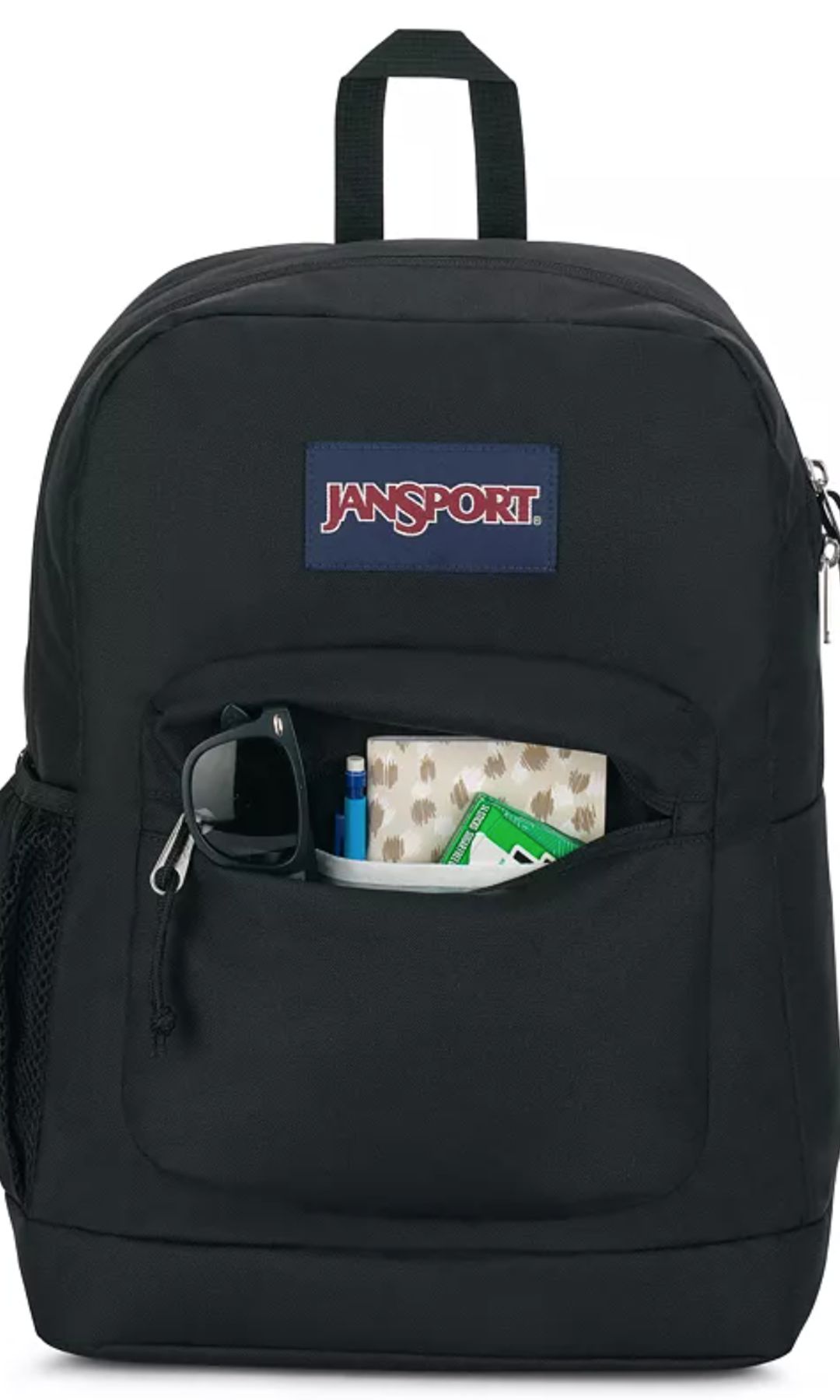
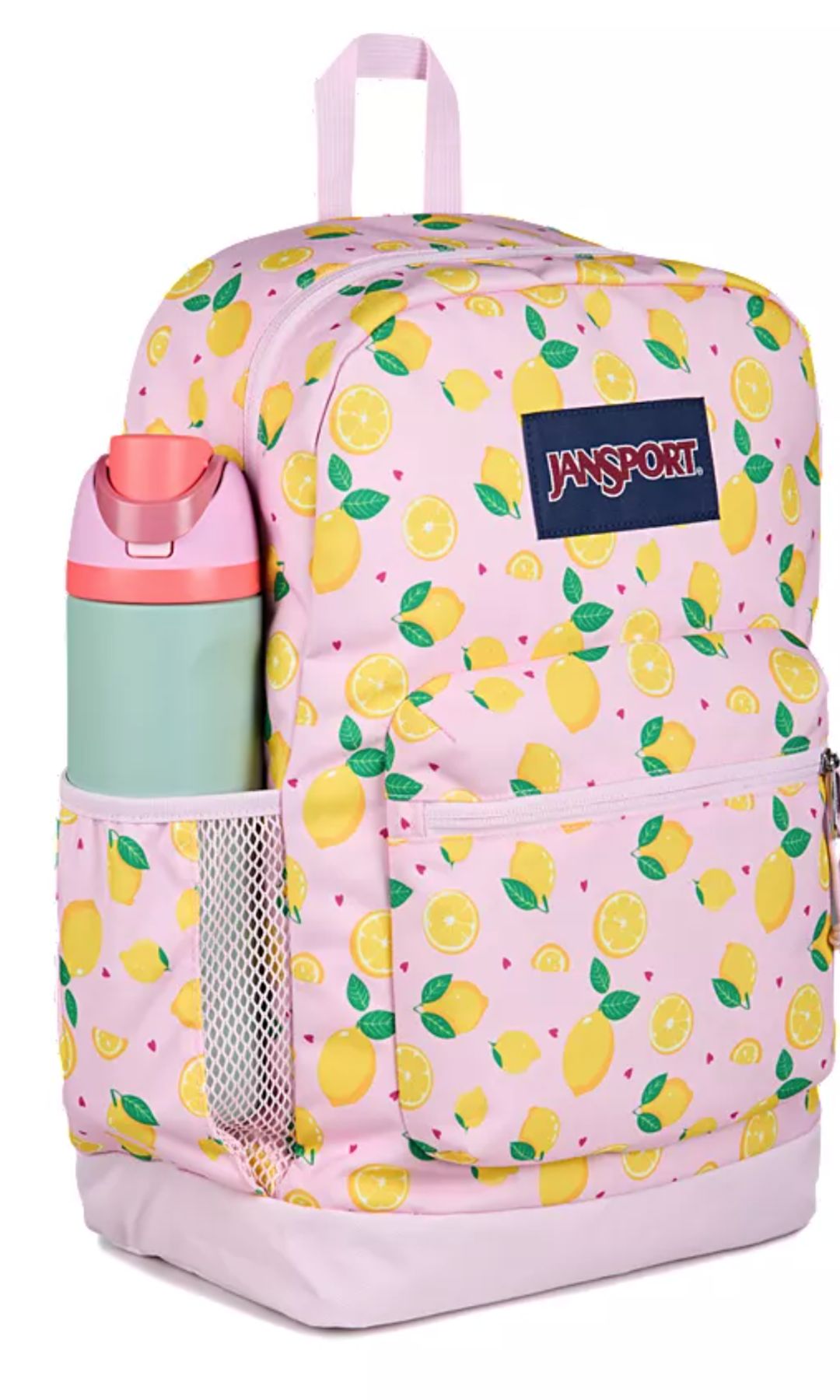
Give the JanSport Cross Town Plus Medium Backpack a try. It comes in multiple colors and designs and features one large main compartment, padded laptop sleeve, front utility pocket with organizer, side water bottle pocket, and padded shoulder straps.
 © Adidas
 © Adidas
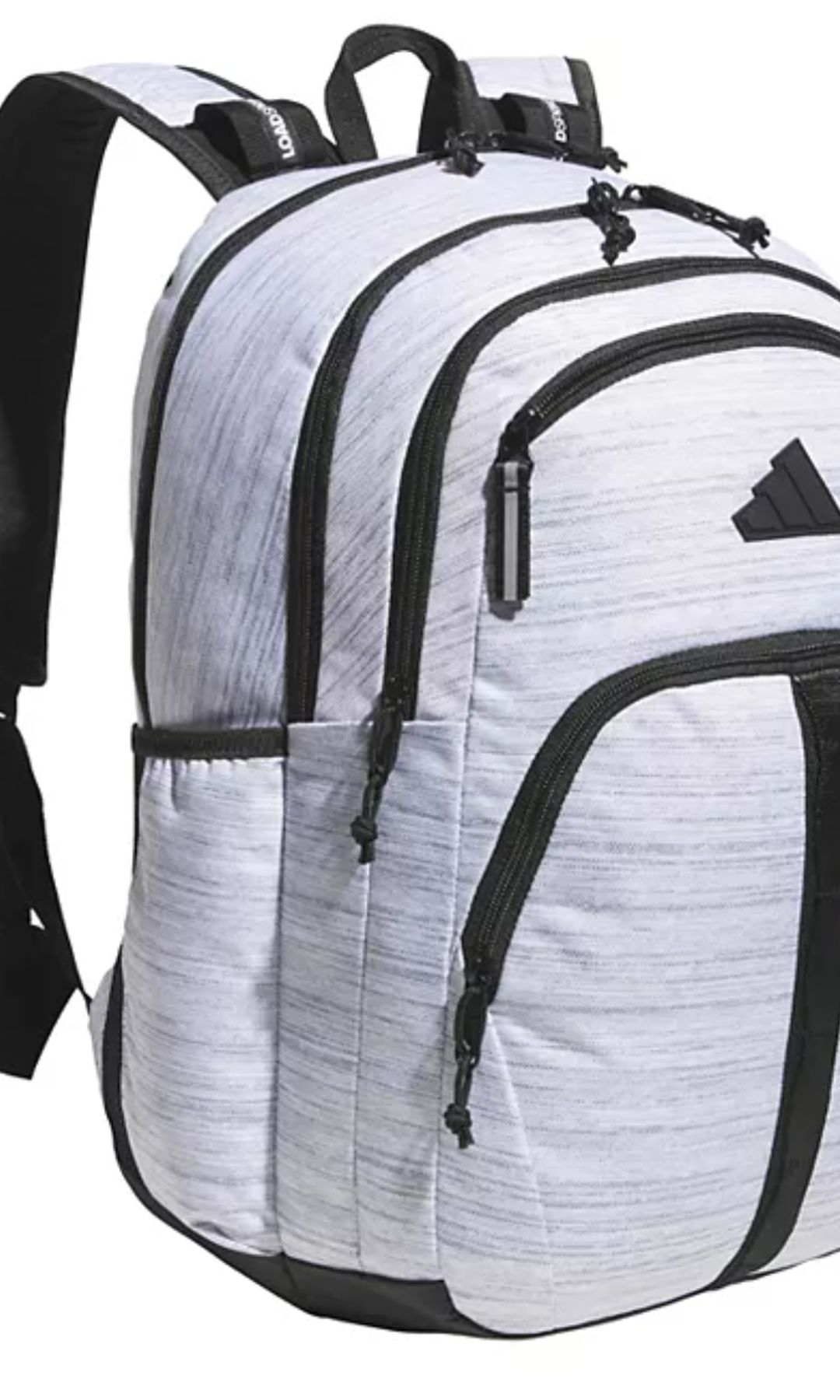
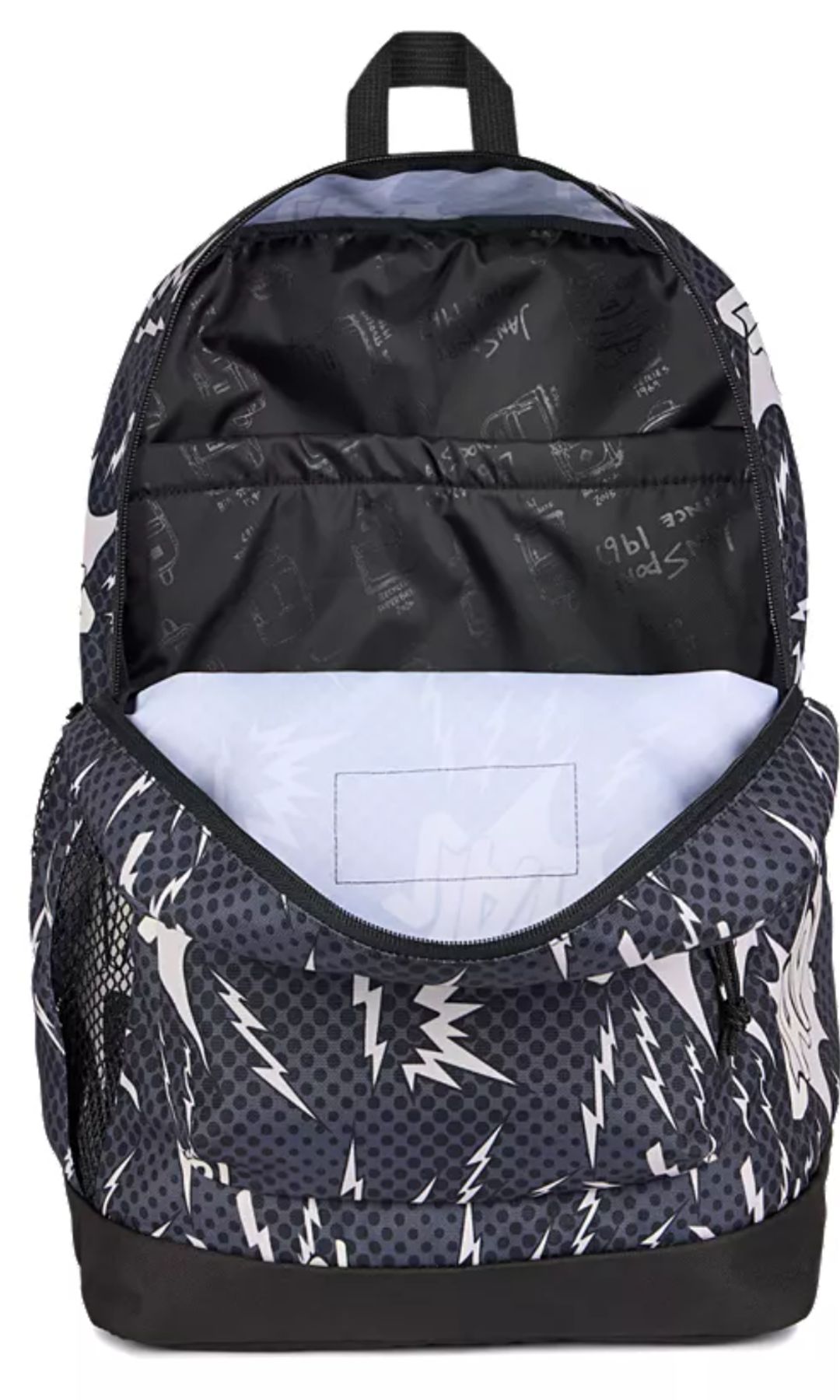
Also the adidas Prime 7 Backpack is a great option. It features a padded compartment that securely stores up to a 17 inch laptop, the LoadSpring shoulder straps help ease the weight, while the multiple zippered pockets give you plenty of storage space.
An Insulated Lunch Box
A reusable lunch box can be one of the most frequently used products of the entire school year.
Look for insulation, an easy-to-clean lining, sturdy zippers, and enough space for a main meal, snacks, and an ice pack like the The original hot + cold bento OmieBox.
 © Getty Images
For younger students, simplicity counts. Complicated containers and stubborn lids can turn lunchtime into unnecessary work. Bento-style boxes are another option for children who prefer several smaller foods instead of one main meal.
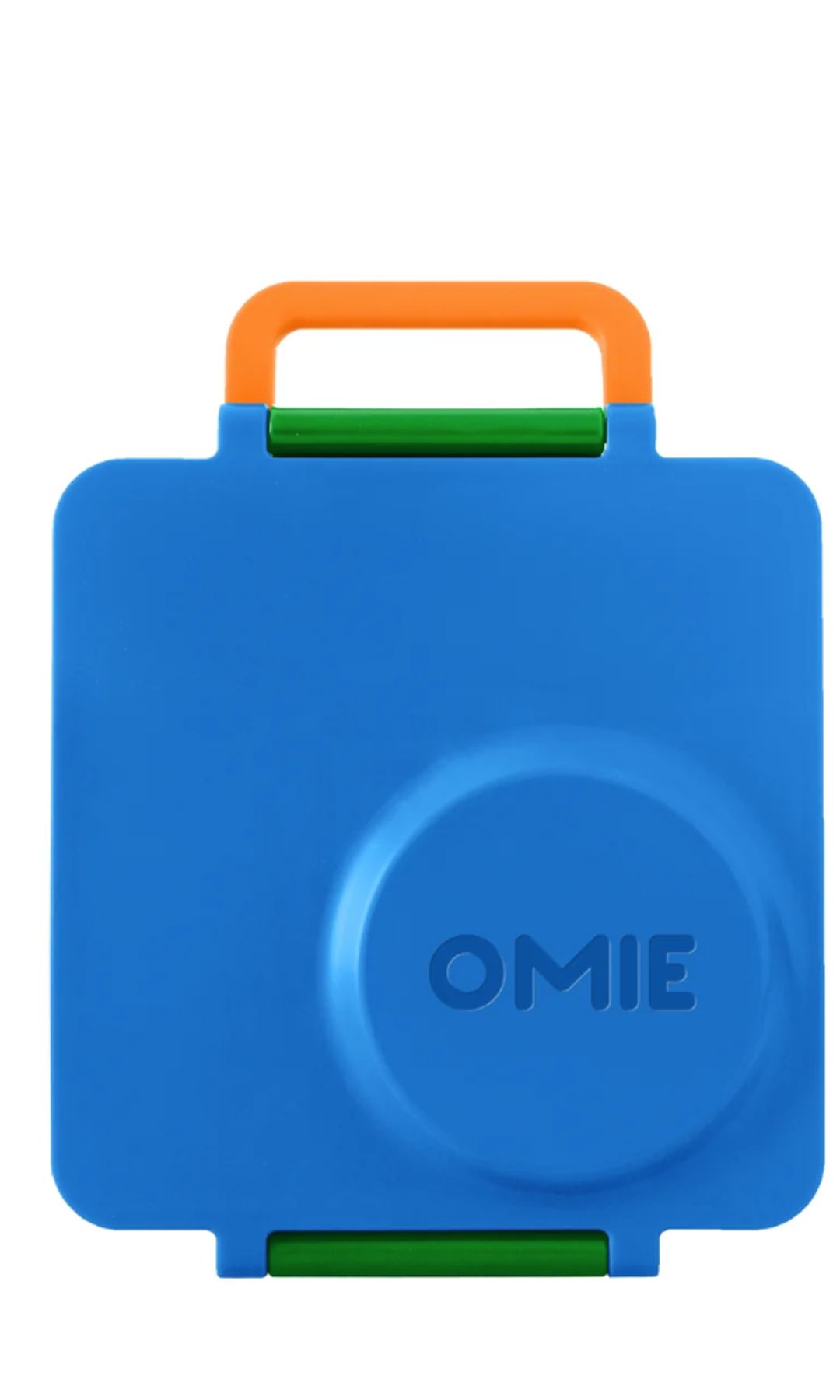
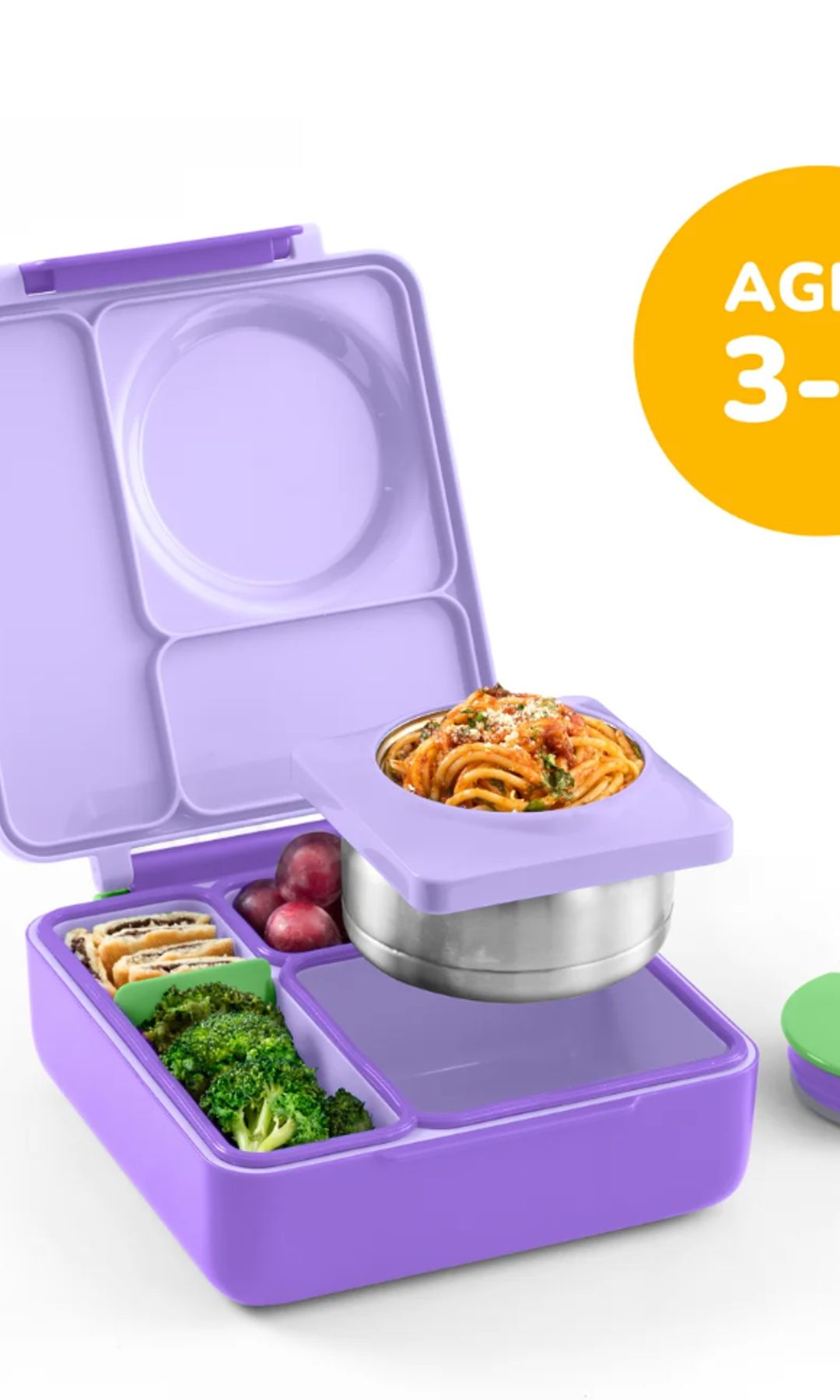
Designed as the first insulated bento box to store hot and cold meals side by side, OmieBox keeps food neatly arranged, fresh, and temperature-controlled in a single compact design—helping children stay well-nourished and ready for school and play.
A Leak-Resistant Reusable Water Bottle
A water bottle sounds basic until one leaks over a homework folder or laptop.
Choose a bottle with a secure closure and a size appropriate for the student's age. Younger children should be able to open and close it independently, while older students may prefer a larger capacity that requires fewer refills.
 © Getty Images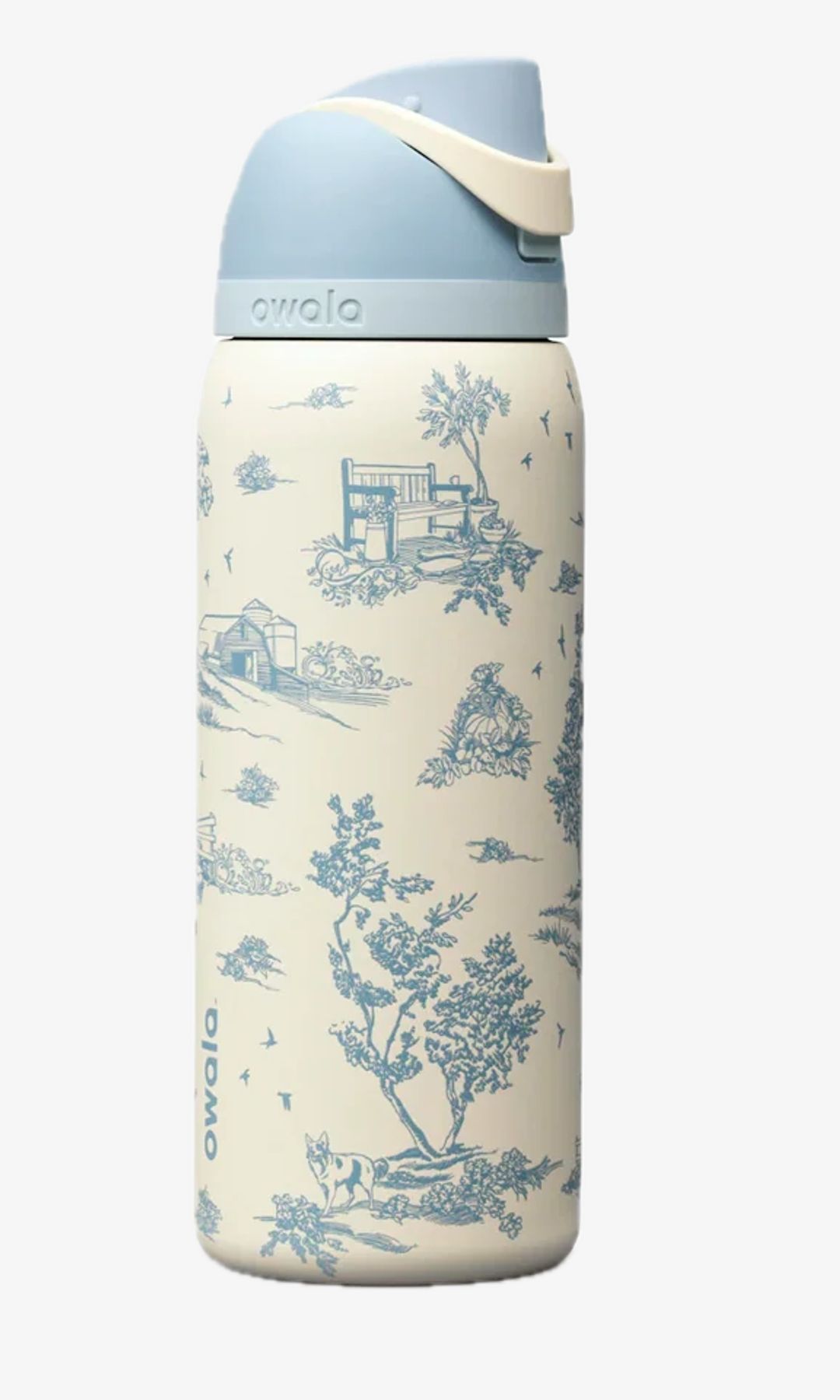
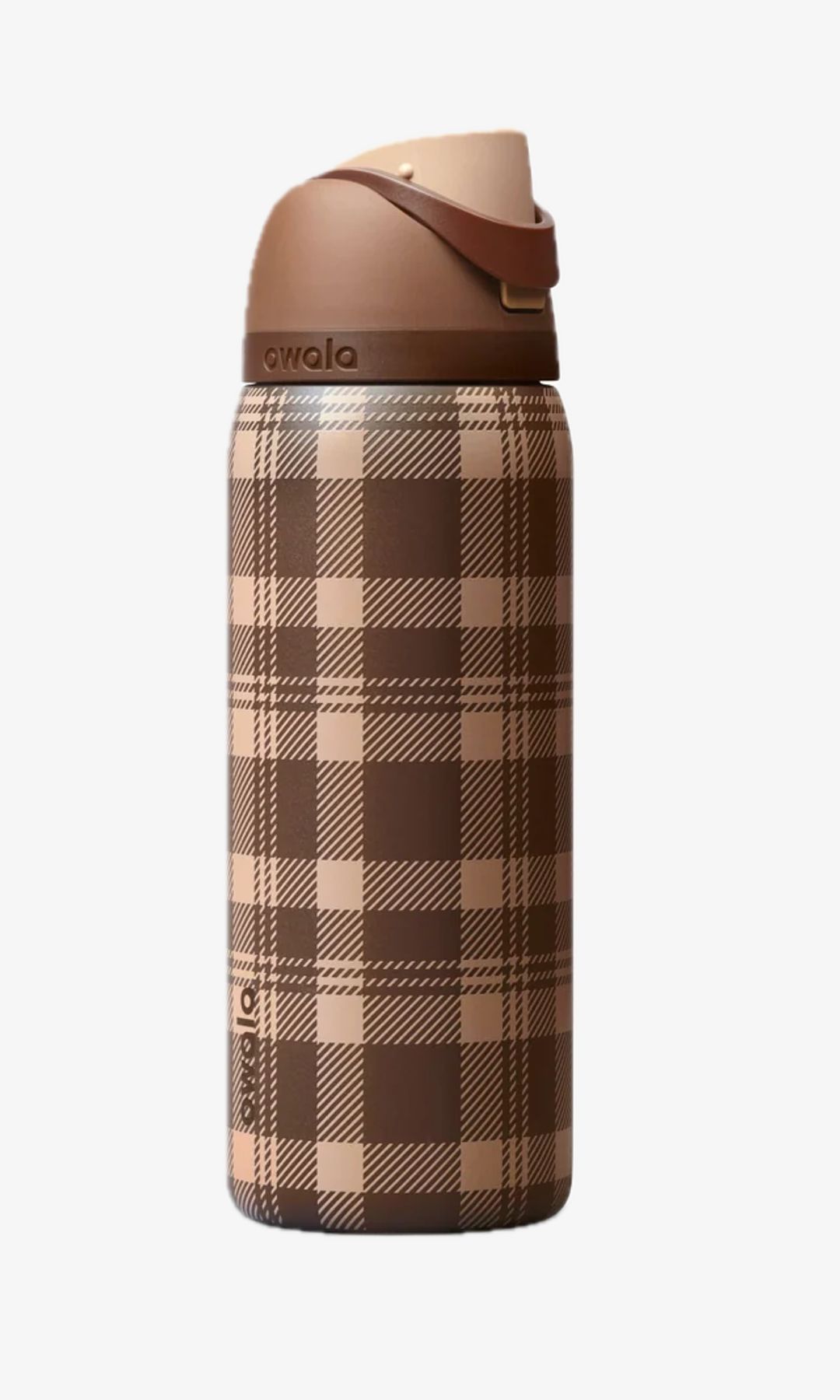
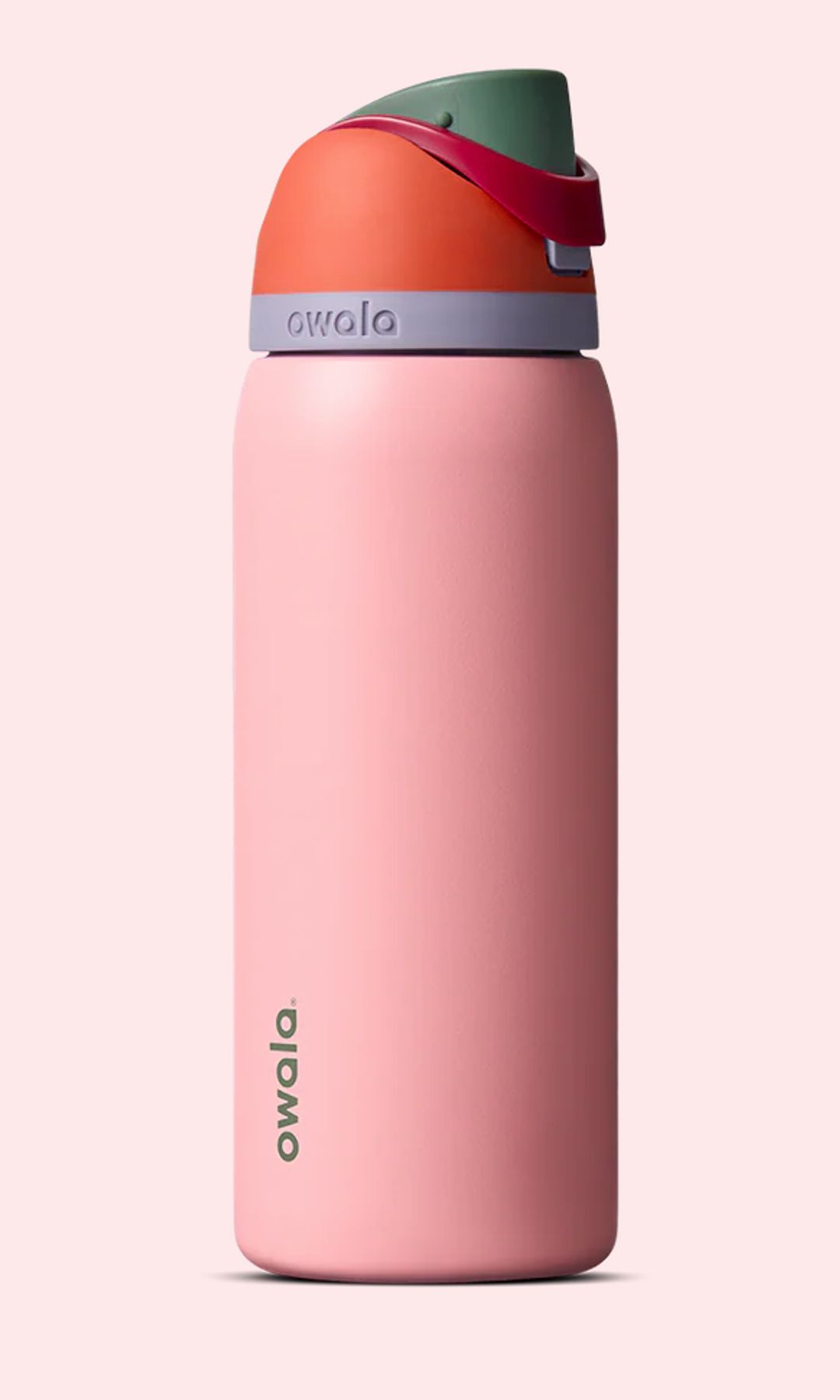
The Owala FreeSip is leak-proof and has a 24 hours cold duration. The coolest part is that is also customizable.
Before buying, check whether the bottle fits the backpack's side pocket and whether your school has rules about glass bottles.
Notebooks, Folders and Loose-Leaf Paper
Digital classrooms have not eliminated paper.
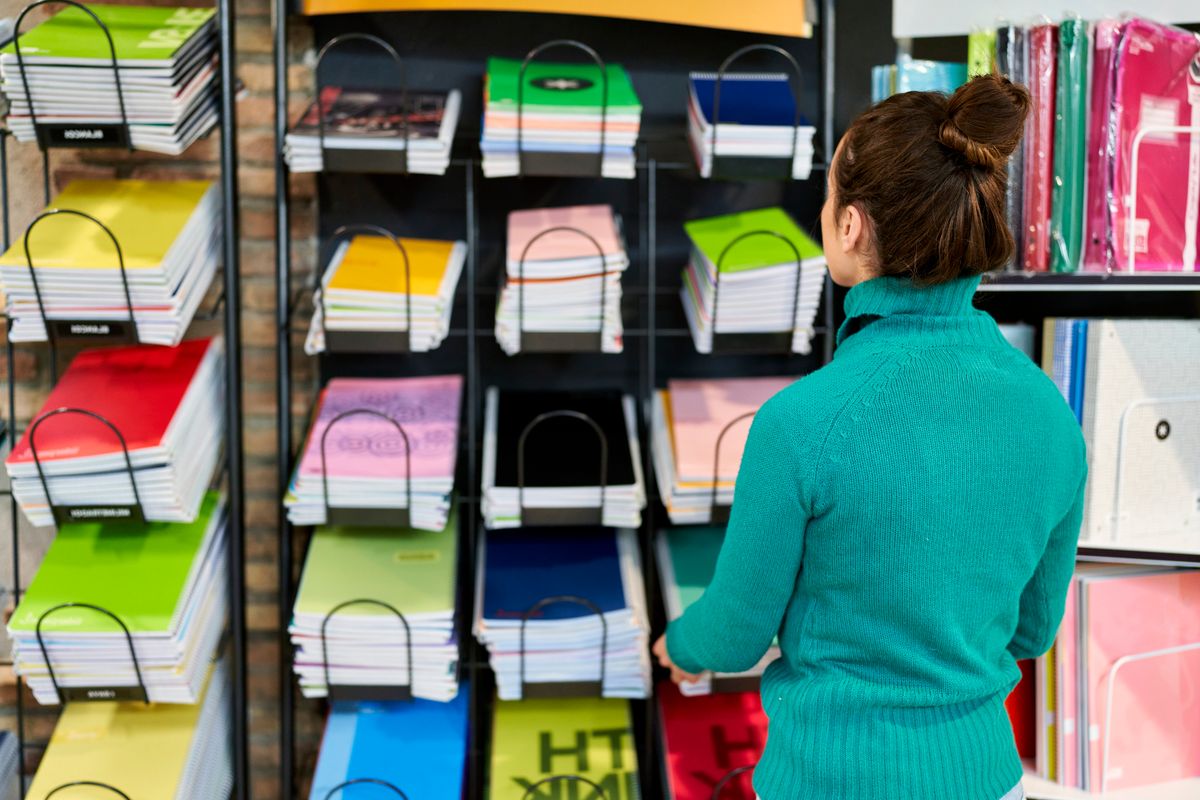
Notebooks, folders, binders and loose-leaf paper remain core back-to-school supplies, although exact requirements vary dramatically by grade and teacher.
Elementary students may need wide-ruled composition books and color-coded folders, while middle and high school students may need separate notebooks or binders for each subject.
This is one category where waiting for the teacher's official list can prevent wasted money. A teacher may require a specific notebook size, binder type or folder color.
 © Getty Images
A Pencil Case Filled With Everyday Supplies
Pens and pencils have a remarkable ability to disappear during the school year.
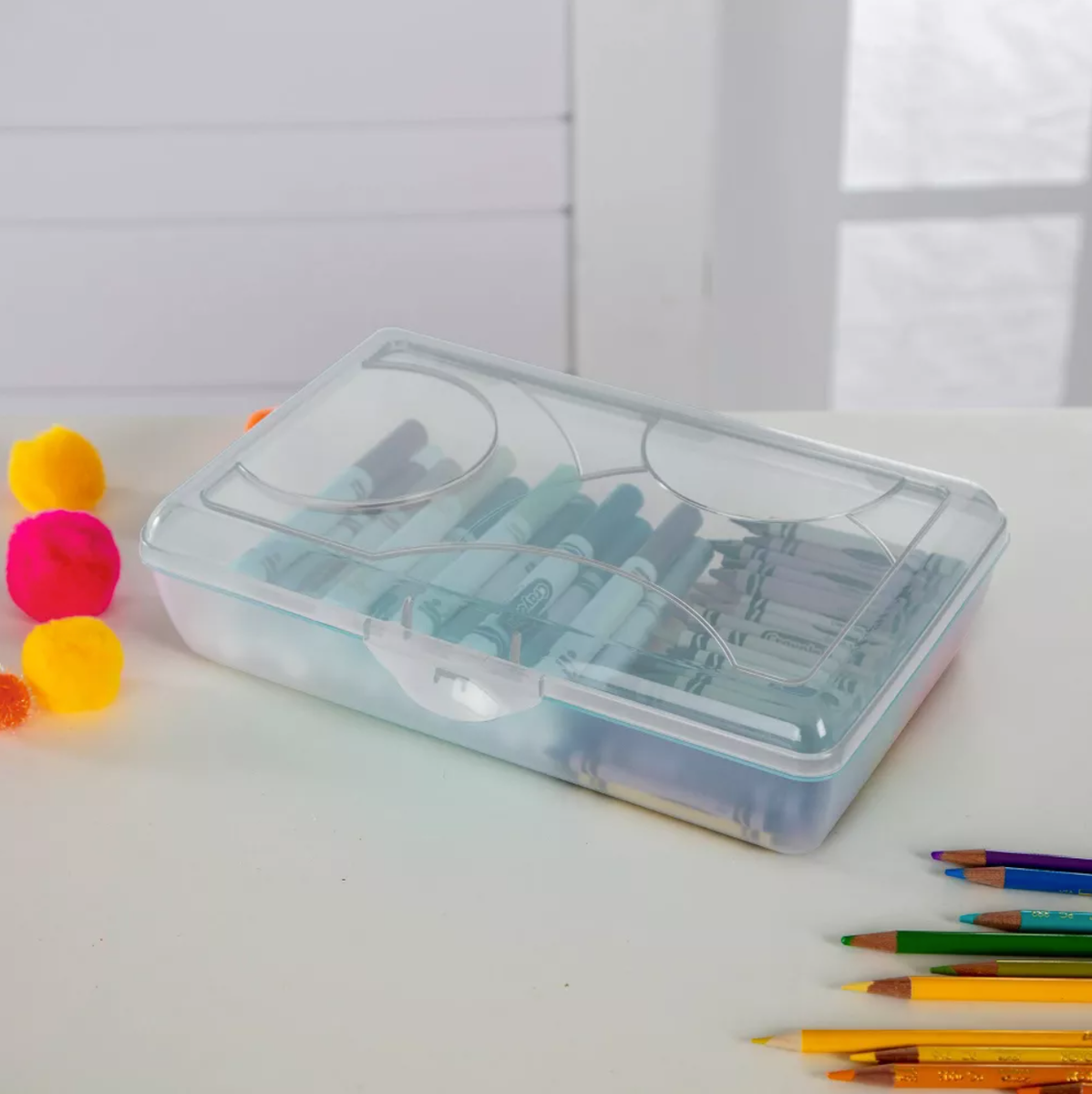
Sterilite School Supply Pencil Box Clear features a compact design that fits effortlessly into lockers, desks, and backpacks, while its reliable snap-close lid keeps all items securely inside. Perfectly sized for students and educators to store and carry larger stationery and classroom supplies, its transparent base paired with a tinted lid ensures the contents remain visible from every angle.
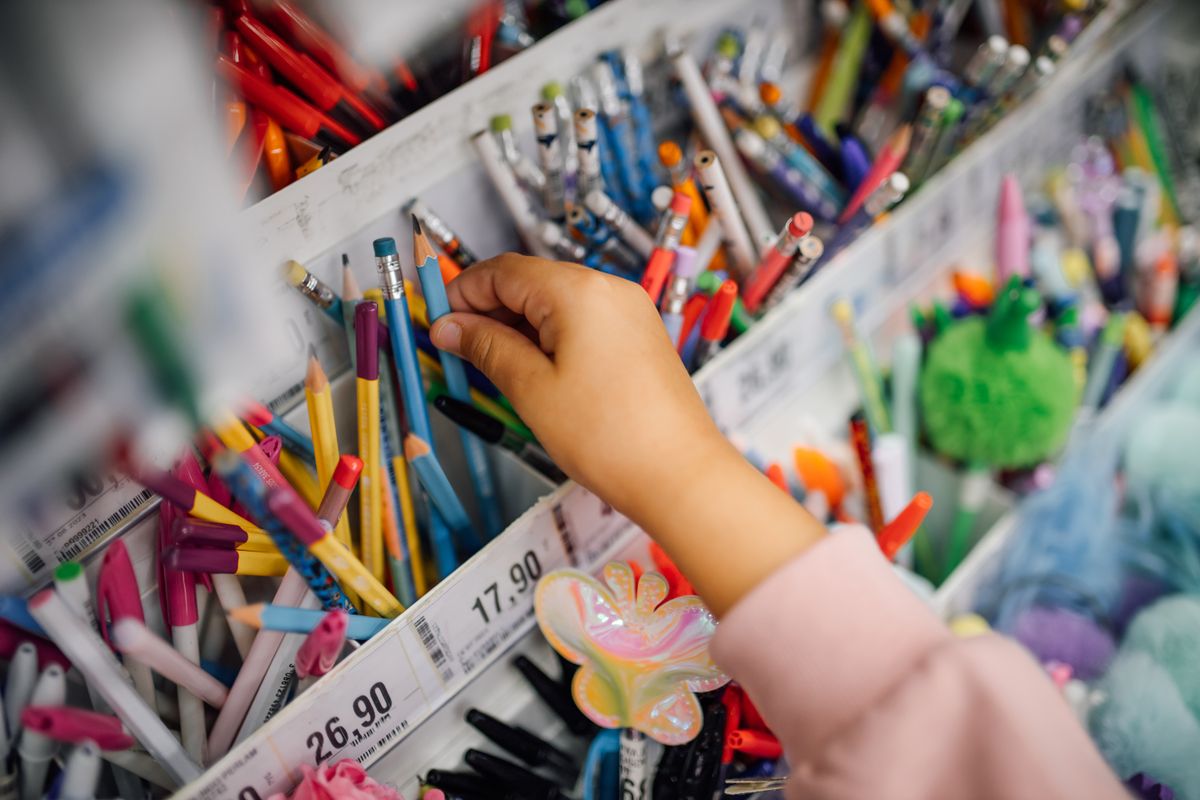
Depending on the student's grade, consider pencils, pens, erasers, highlighters, colored pencils, and a small ruler. Younger children may also need crayons, washable markers, glue sticks, and child-safe scissors.
 © Getty Images
Buy frequently used supplies in multipacks when the price makes sense, then keep the extras at home for midyear restocking.
A well-stocked pencil case keeps the essentials together and makes transferring supplies between classrooms easier.
A Planner or Assignment Organizer
One of the most useful back-to-school essentials may never appear on the teacher's list.
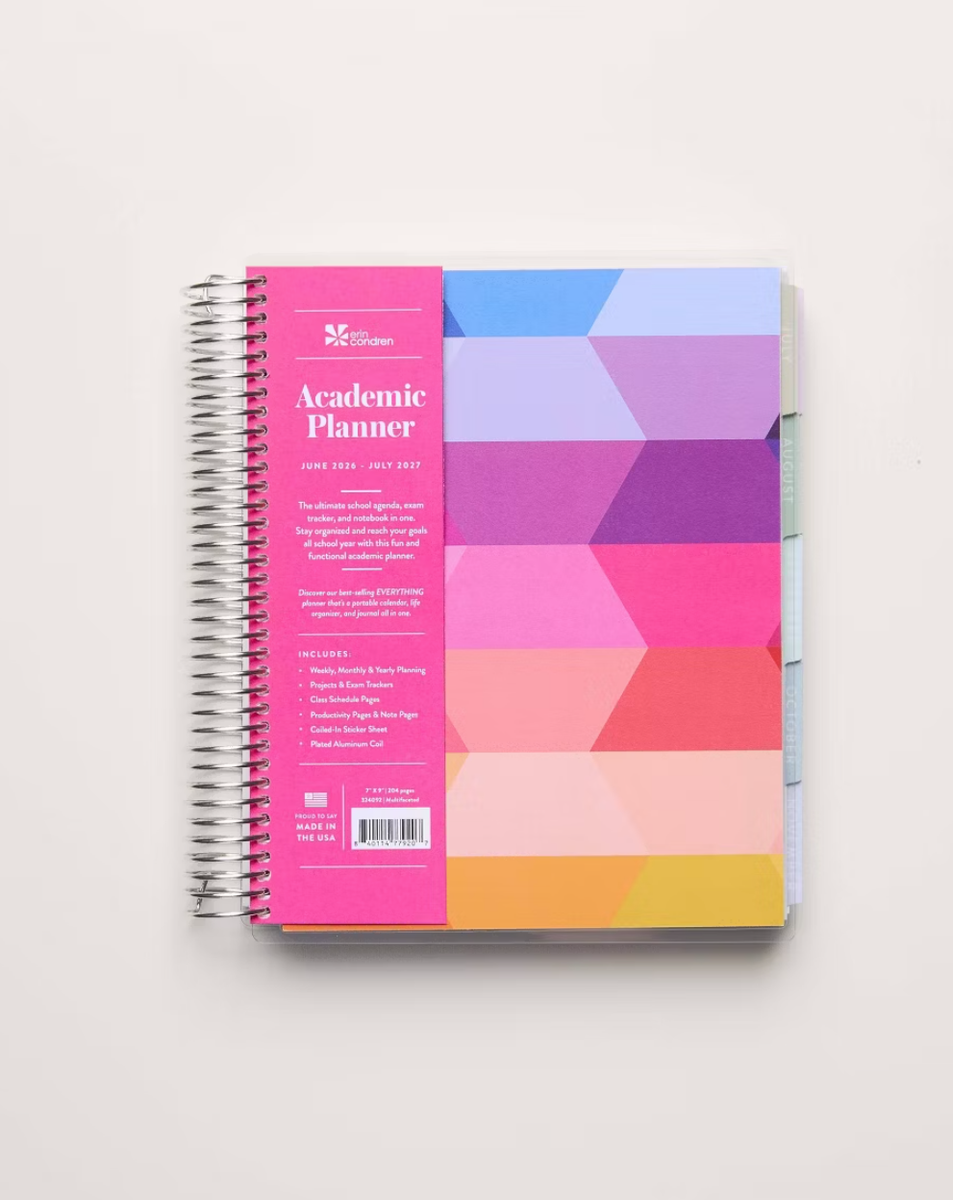
A planner gives students one place to track homework, tests, projects, activities and deadlines.
Paper planners remain popular even with digital calendars. Current 2026 recommendations include academic planners and organizational notebooks alongside traditional school supplies.
For younger students, look for plenty of writing space and a straightforward weekly format. Teens may benefit from planners that combine monthly calendars with daily or weekly task sections.
The best planner is not necessarily the fanciest one. It is the one a student will actually open.
Headphones or Earbuds for School and Homework
Headphones have shifted from optional accessories to everyday school technology for many students.
They can be useful for online lessons, educational videos, language programs, independent classroom assignments, and homework.
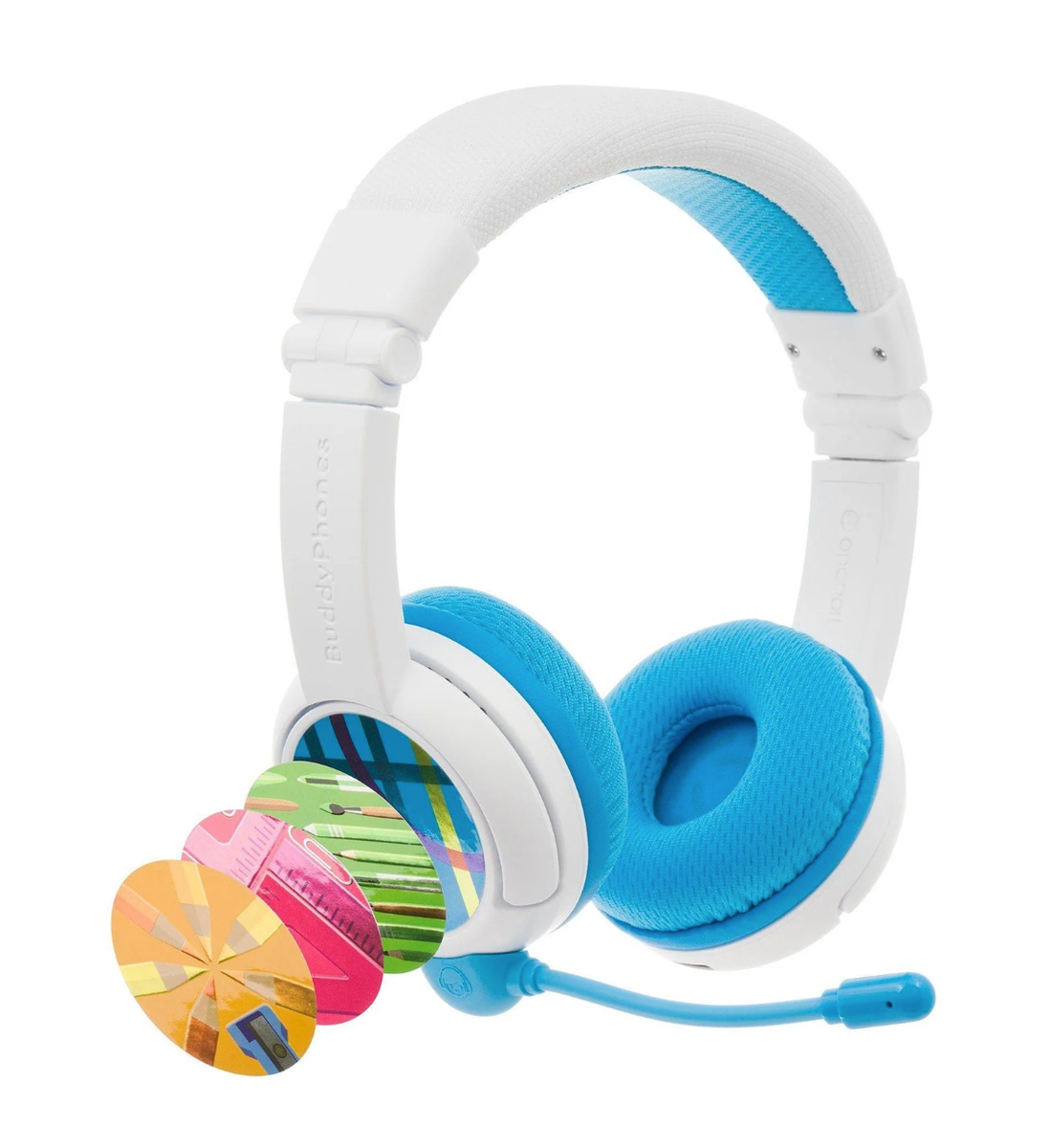
Try the BuddyPhones School+ Wireless [BOOM MIC]. Designed for clear audio during online lessons and chats, this headset features passive noise cancellation to highlight the child’s voice while dampening background chatter.
Before spending heavily, check the school's technology requirements. Some classrooms request wired headphones because they are easier to connect to shared devices and do not require charging.
For younger children, consider headphones designed specifically for kids. Older students may prioritize portability and comfort for longer study sessions.
A Calculator That Matches the Class
Do not buy the most expensive calculator on the shelf simply because it looks advanced. Calculator requirements depend heavily on grade level and course.
Elementary students may not need one at all. Middle school students could require a basic or scientific calculator, while algebra, geometry, statistics, and advanced high school courses may require graphing functionality.
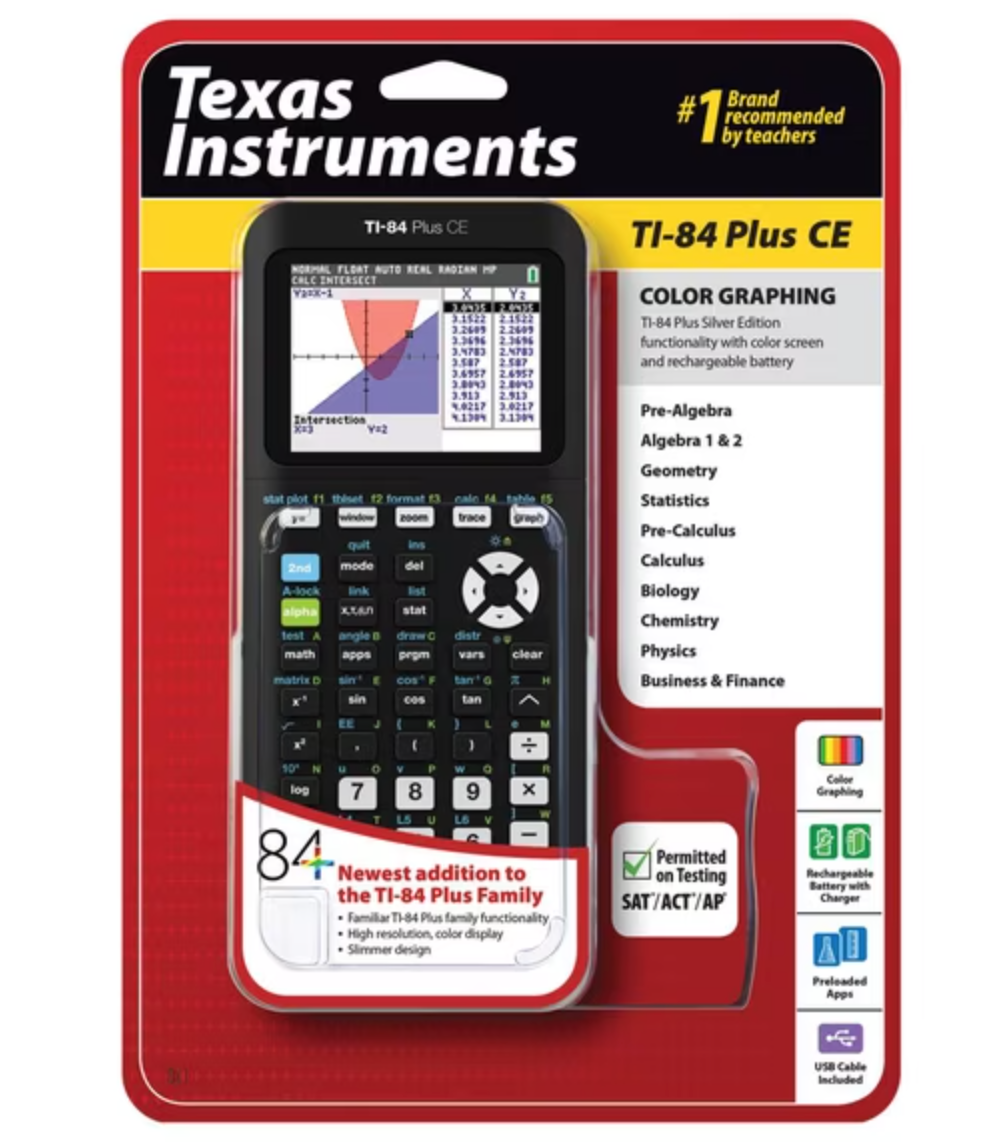
The Texas Instruments TI-84 Plus CE remains among the graphing calculators highlighted in current school-supply recommendations. Still, families should confirm the exact model permitted or requested by the teacher before purchasing.
A Compact School Tech Kit
Older students are carrying more technology than previous generations, so a small accessories kit can make school days easier.
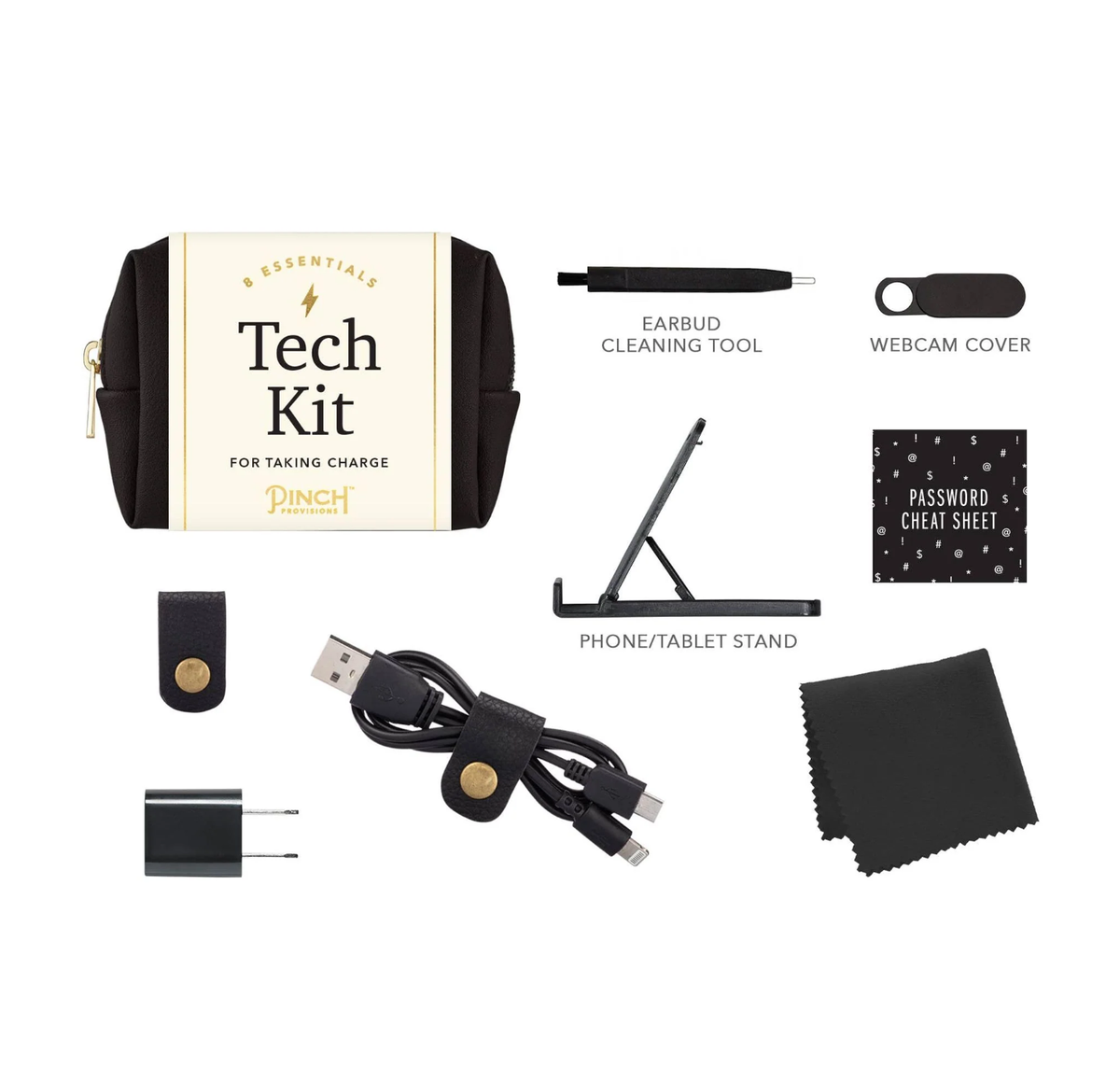
Depending on school policies and the devices a student uses, that kit might contain a charging cable, wall charger, portable charging option, laptop sleeve or other approved accessories.
Keep the kit small. Students do not need to carry every cable they own. The PINCH Provisions - Unisex Tech Kit helps you keep your favorite tech essentials together, and neatly organized, in a vegan leather pouch.
Labels for the Things That Always Go Missing
Water bottles, lunch boxes, jackets, pencil cases and school supplies have a habit of finding their way into lost-and-found bins.
Waterproof name labels are an inexpensive addition that can make belongings easier to identify.
For younger children especially, label anything that regularly travels between home and school.
 © Getty Images/Tetra images RF
A Kid-Friendly Haircare Kit for Healthy Hair and Lice Awareness
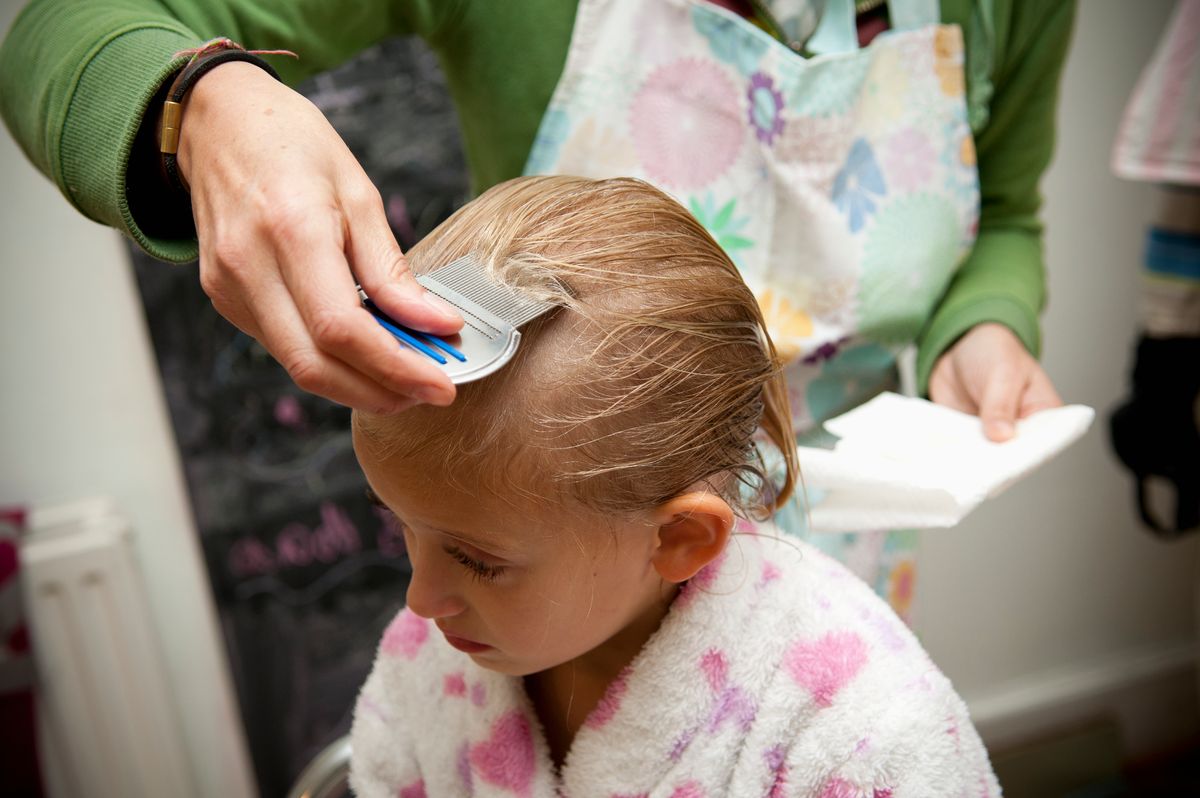
Back-to-school prep should not stop at notebooks, backpacks, and lunch boxes. A simple haircare kit can help keep kids' hair clean, manageable, and easier for parents to check, especially during the school year when children spend more time in close contact with classmates.
Consider stocking a gentle children's shampoo and conditioner, detangling spray, a wide-tooth comb or detangling brush, hair ties or clips for longer hair, and a fine-tooth lice comb to keep at home.
 © Getty Images
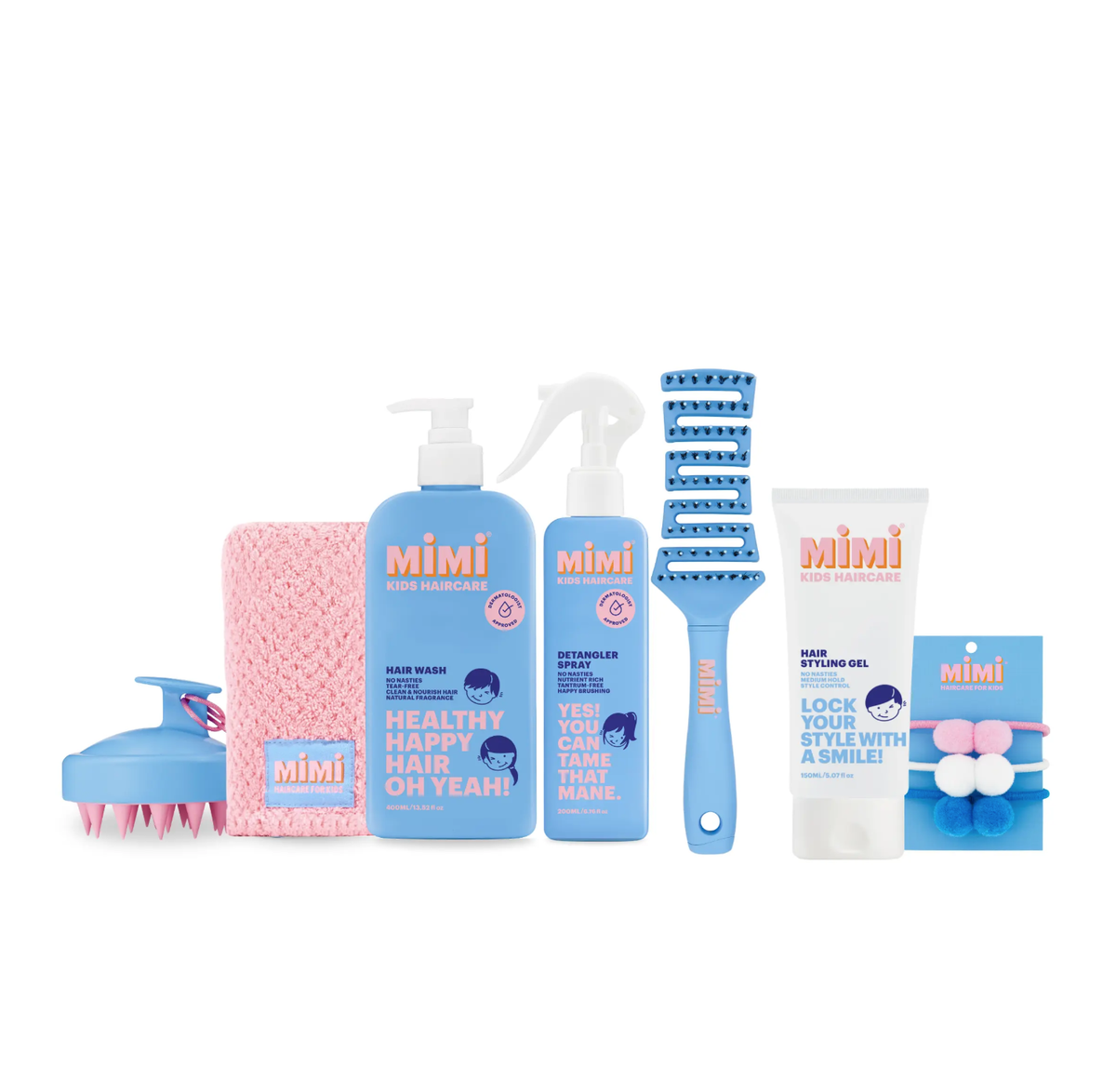
Try the MiMi Haircare for Kids lineup which was made for quick, kid-friendly routines, making everything a little easier on busy mornings.
 © MiMi Haircare
Regular washing and conditioning can support a comfortable scalp and make tangles easier to manage, but clean hair does not prevent head lice. Lice can affect anyone regardless of how clean or dirty their hair is.
To reduce the chance of lice spreading, focus on habits rather than so-called lice-repellent shampoos or sprays. The CDC recommends teaching children to avoid hair-to-hair contact during play and not to share combs, brushes, towels, hats, hair ribbons, barrettes, and similar personal items.
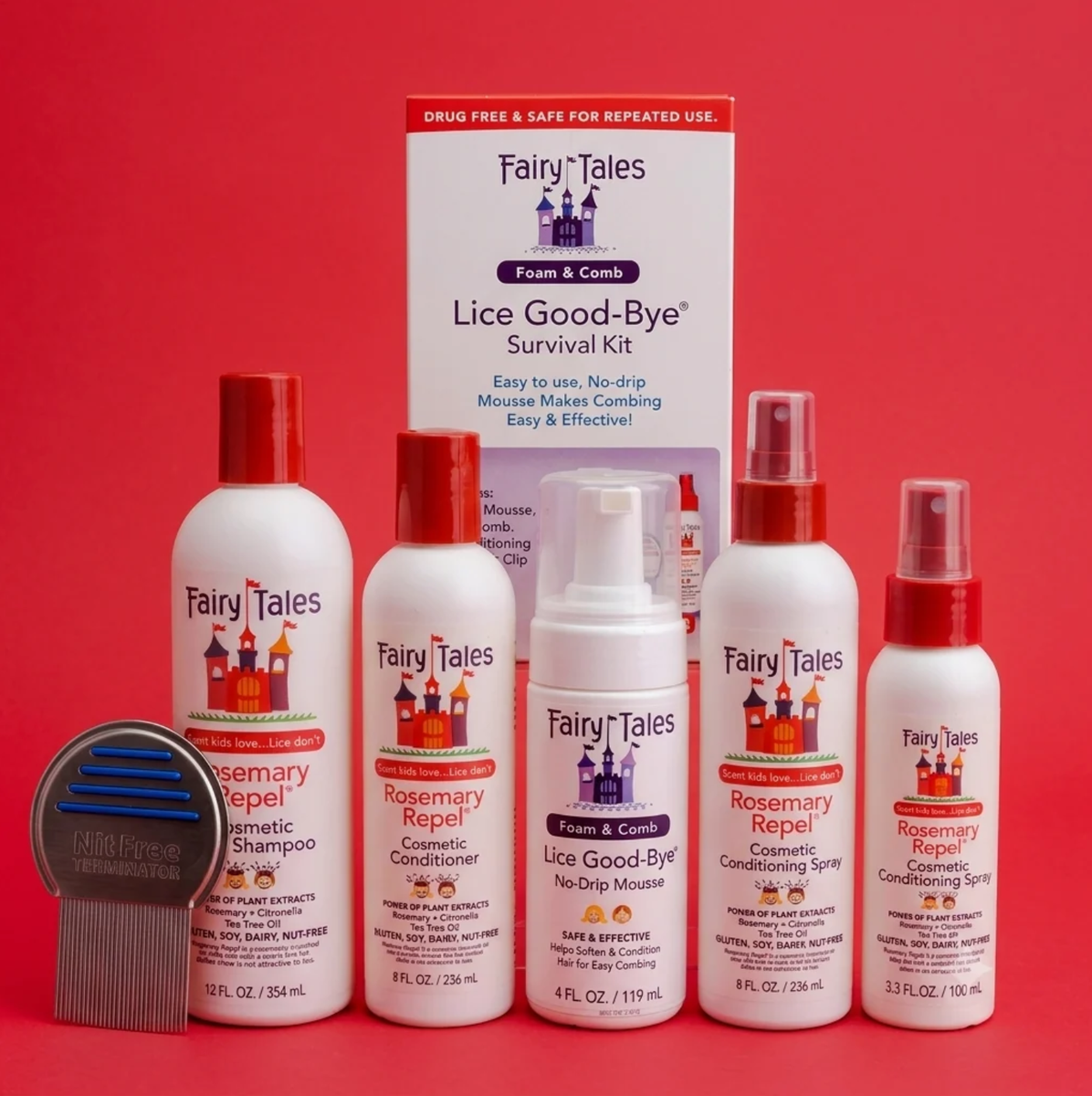
Try Fairy Tales Hair Care School Time Magic Kit. Combining daily hair care necessities with a convenient comb-out set, this all-in-one bundle helps parents stock up for the school year in advance. Formulated with essential oils of peppermint, tea tree, rosemary, citronella, and geranium, the collection features a fresh herbal fragrance that children will love using daily.
 © Fairy Tales Hair Care
Children with longer hair can also wear practical styles such as braids, ponytails or buns during school and activities. While tying hair back should not be presented as guaranteed lice prevention, it can make long hair easier to manage and may help reduce opportunities for direct hair-to-hair contact.
How to Save Money on Back-to-School Shopping in 2026
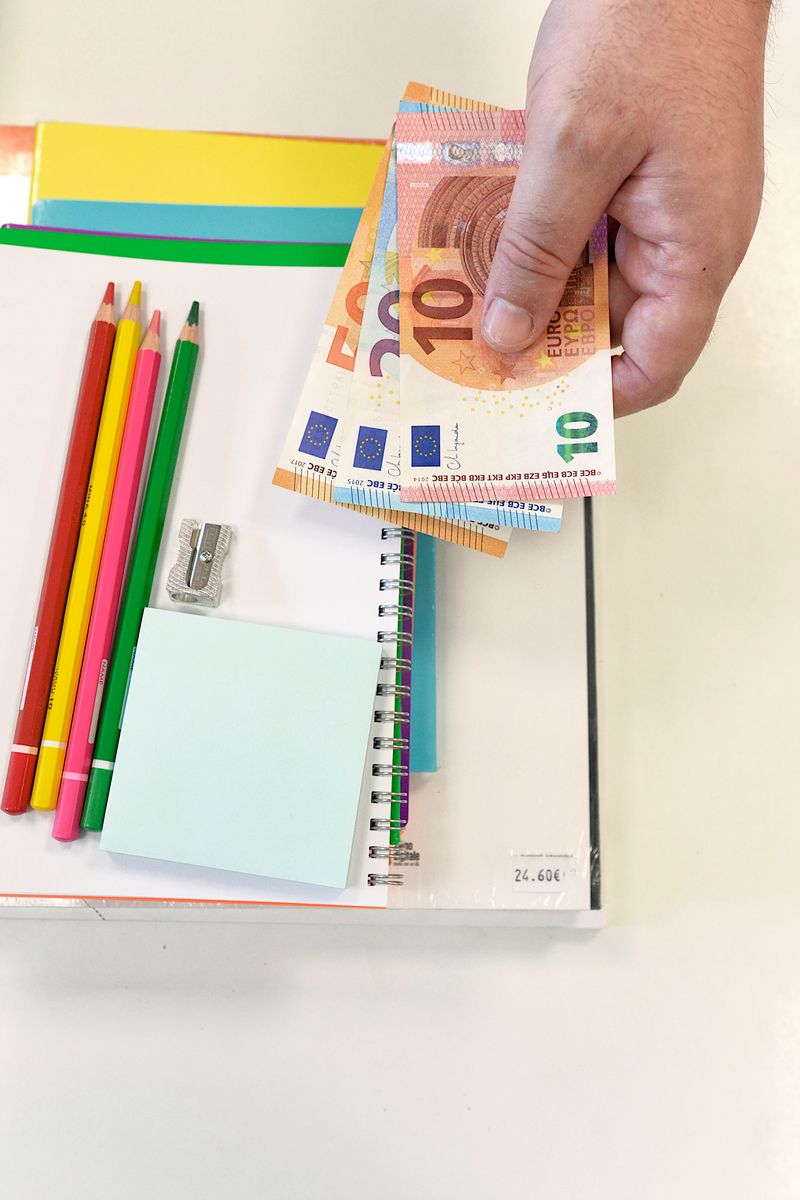
The biggest back-to-school mistake may be buying everything at once. Start by checking drawers, closets, and last year's backpack. Scissors, rulers, pencil cases, calculators, headphones, and other durable supplies may still be perfectly usable. Then compare what you already have against the school's official list. We recommend prioritizing essentials rather than filling the cart immediately.
 © Getty Images
Generic versions can make sense for basics such as loose-leaf paper, folders, and simple writing supplies, while durability may justify spending more on products that receive heavy daily use.
And be careful with the word "sale." A discount does not automatically make an unnecessary product a good purchase.