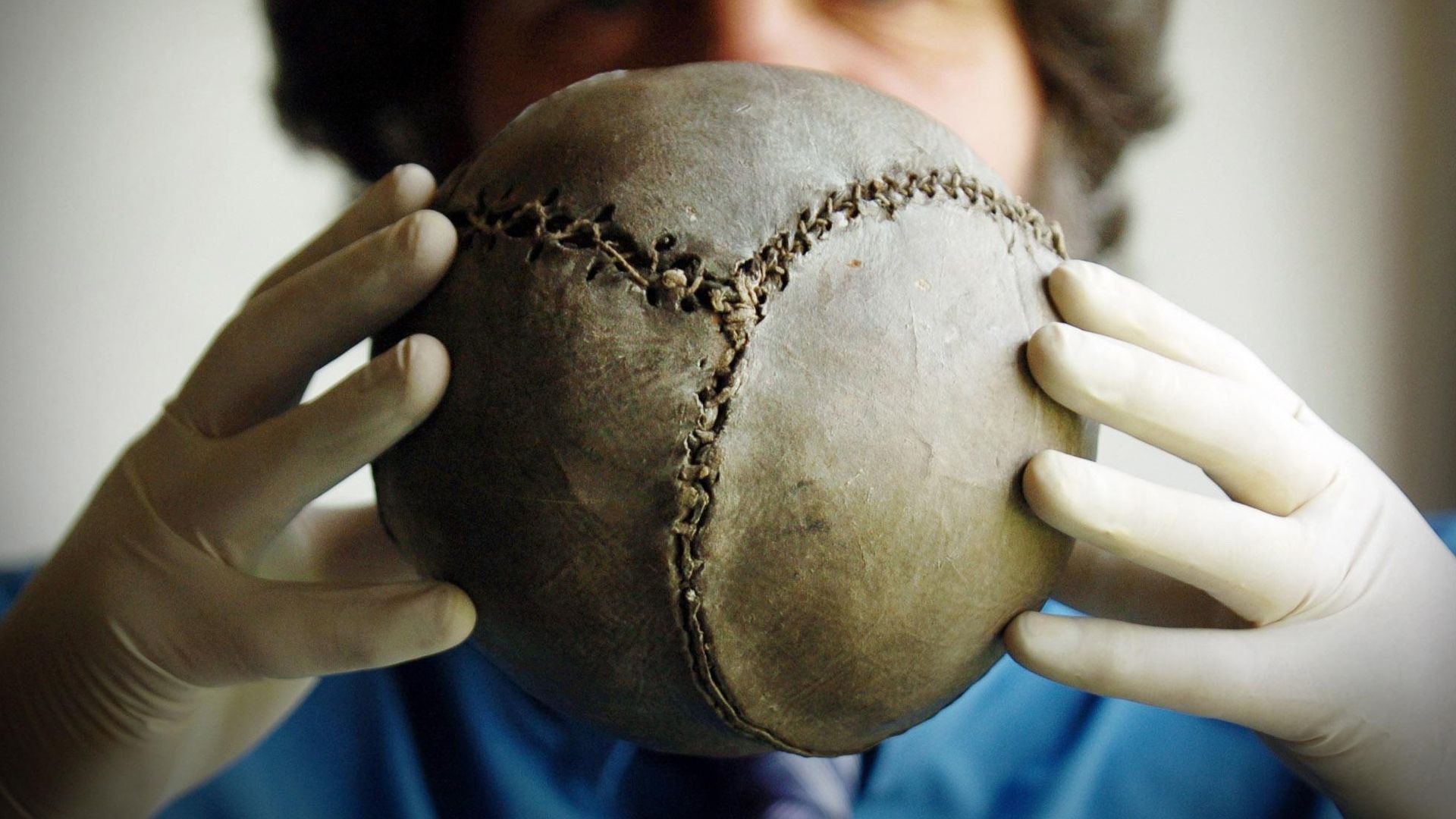
The world's oldest known soccer ball has traveled from Scotland to Miami, where it will go on public display for the first time in the United States during the FIFA World Cup. The priceless artifact has accompanied Scotland's passionate supporters, known as the Tartan Army, for a milestone moment that celebrates both the nation's football heritage and the global reach of the sport.
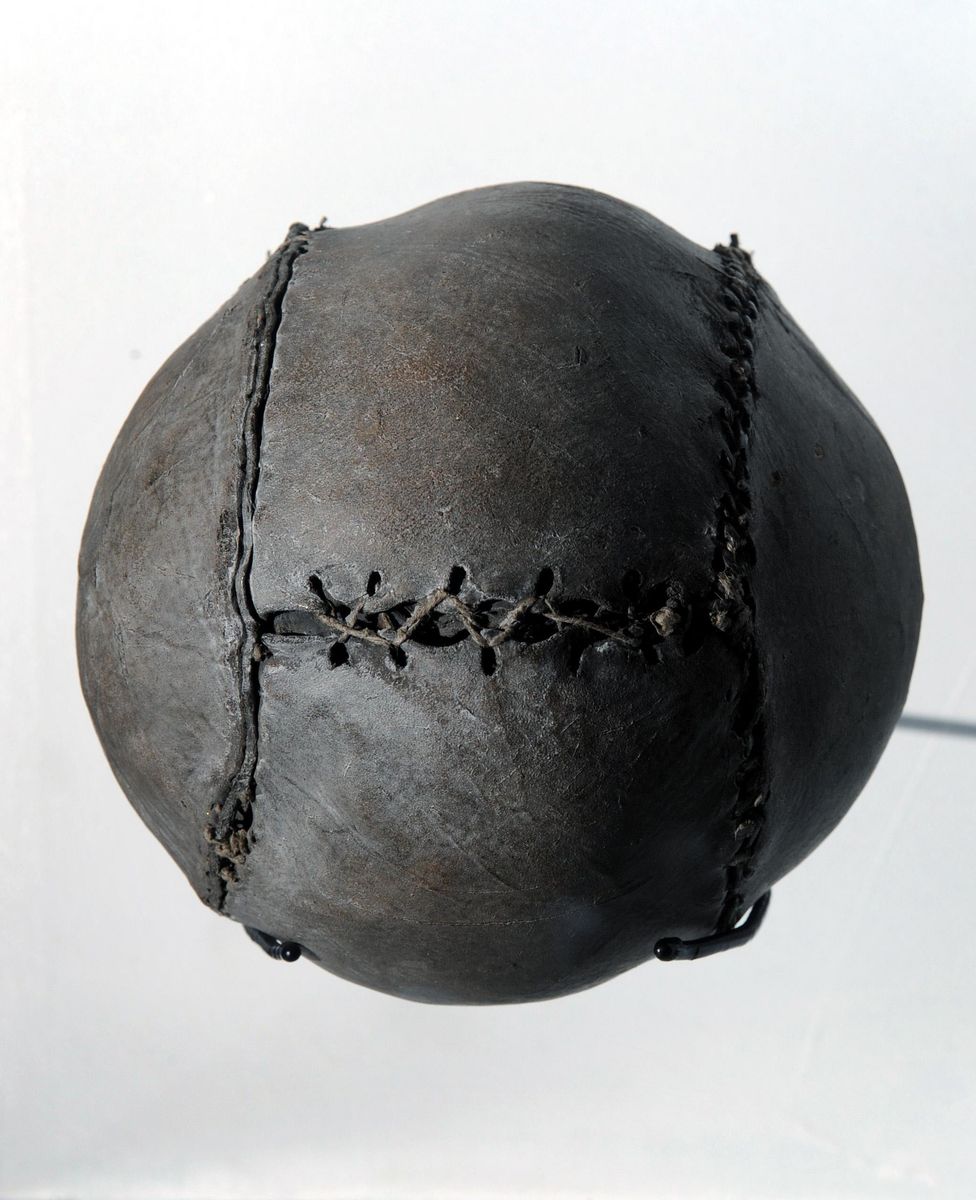
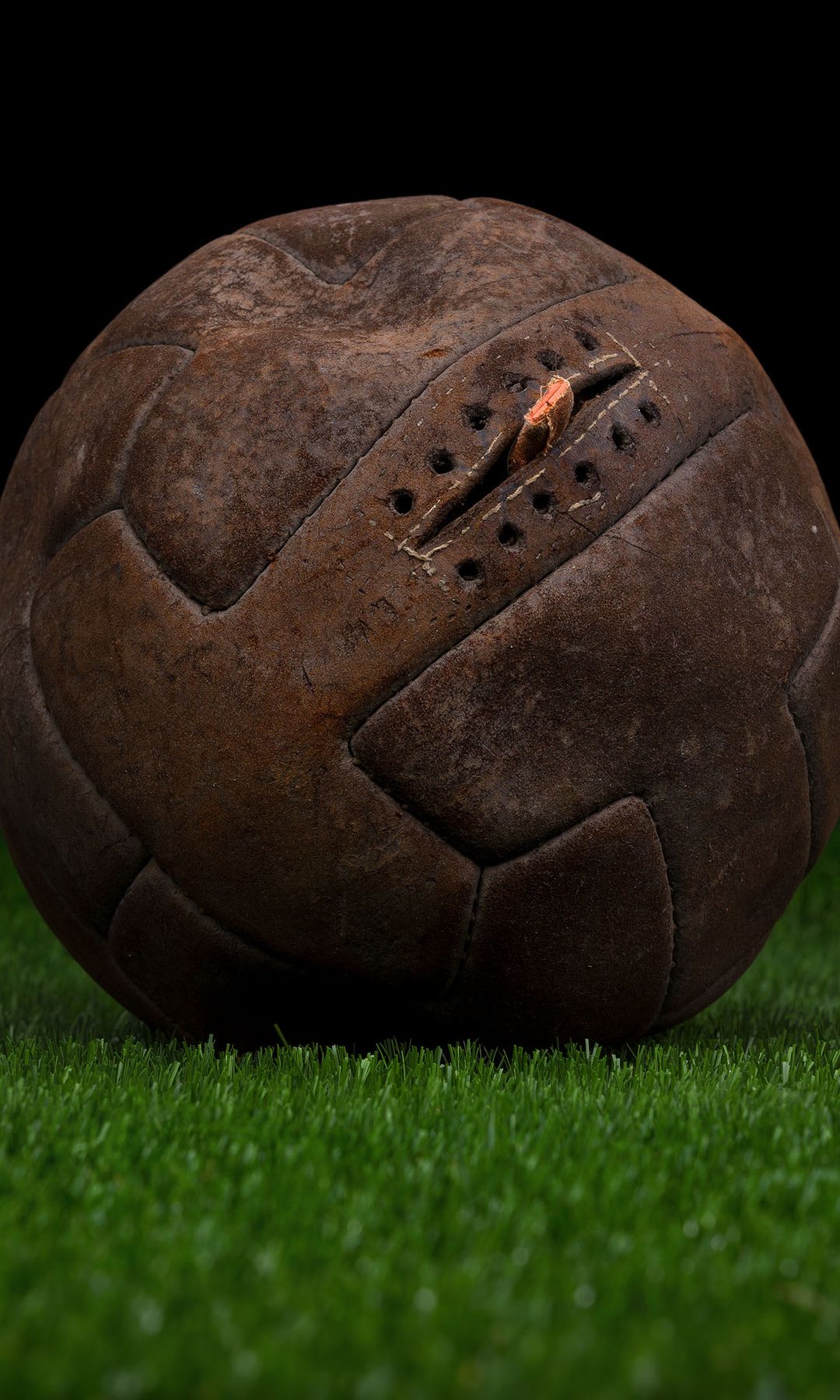
Believed to date back to around the mid-16th century, the remarkable ball is considered one of Scotland's most treasured historical objects. It was discovered in 1981, hidden inside the rafters of Stirling Castle, in a room once occupied by Mary, Queen of Scots. Experts believe it was carefully tucked away centuries ago, preserving one of football's oldest surviving treasures for future generations.
 © PA Images via Getty Images
A Rare Piece of Football History
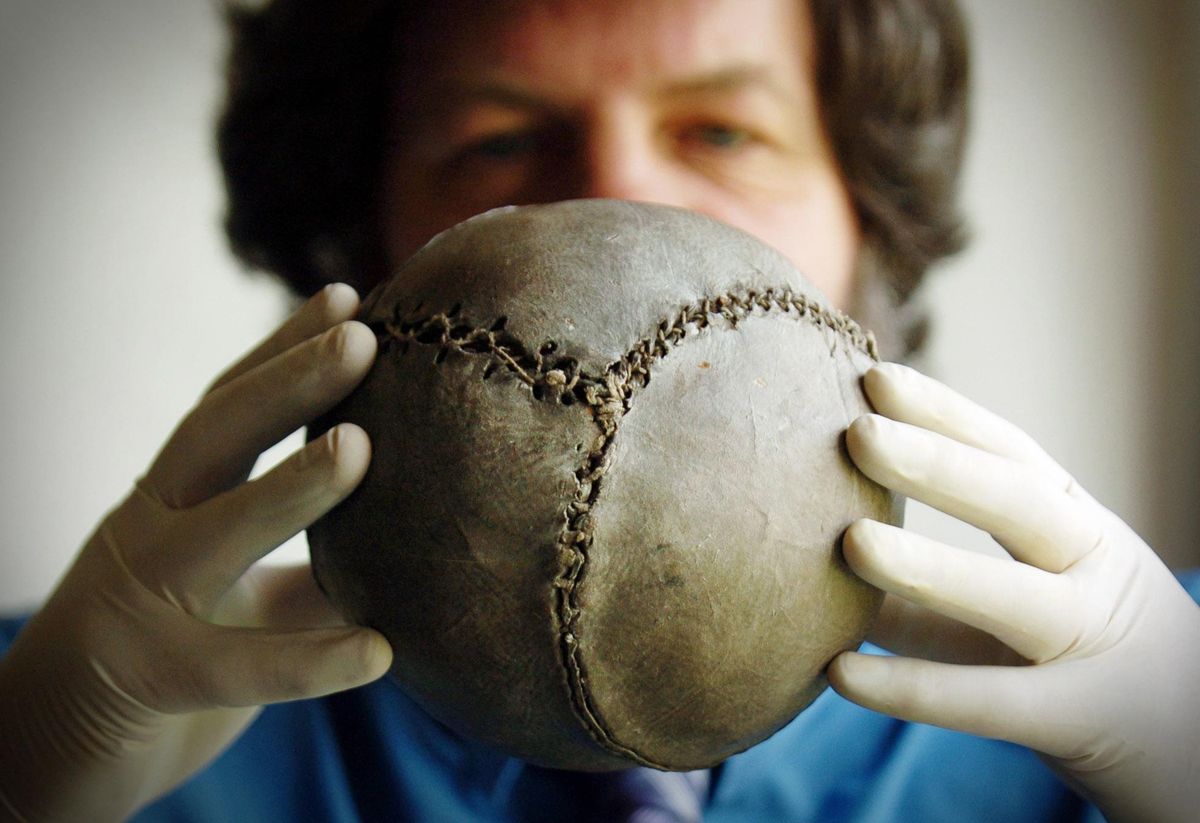
Unlike today's high-tech match balls, this historic artifact was crafted using traditional materials available during the Renaissance. Its leather outer shell surrounds an inflated pig's bladder, the standard construction method long before modern synthetic materials transformed the game.
The ball is thought to have been made around 1550, making it approximately 500 years old. It remains one of the earliest surviving examples of a football ever discovered and offers an extraordinary glimpse into the sport's earliest days.
The artifact is on loan from the Stirling Smith Art Gallery & Museum in Scotland, where it has become one of the institution's signature exhibits. Museum officials describe it as "a true piece of football history," highlighting its significance not only to Scotland but also to the evolution of the world's most popular sport.
 © PA Images via Getty Images
Miami Hosts a Historic First
The artifact's appearance in Miami marks the first time it has ever been displayed in the United States, adding another layer of excitement to the FIFA World Cup.
Its visit coincides with the highly anticipated World Cup match between Brazil and Scotland, giving fans the rare opportunity to see an object that predates organized international football by centuries.
 © PA Images via Getty Images
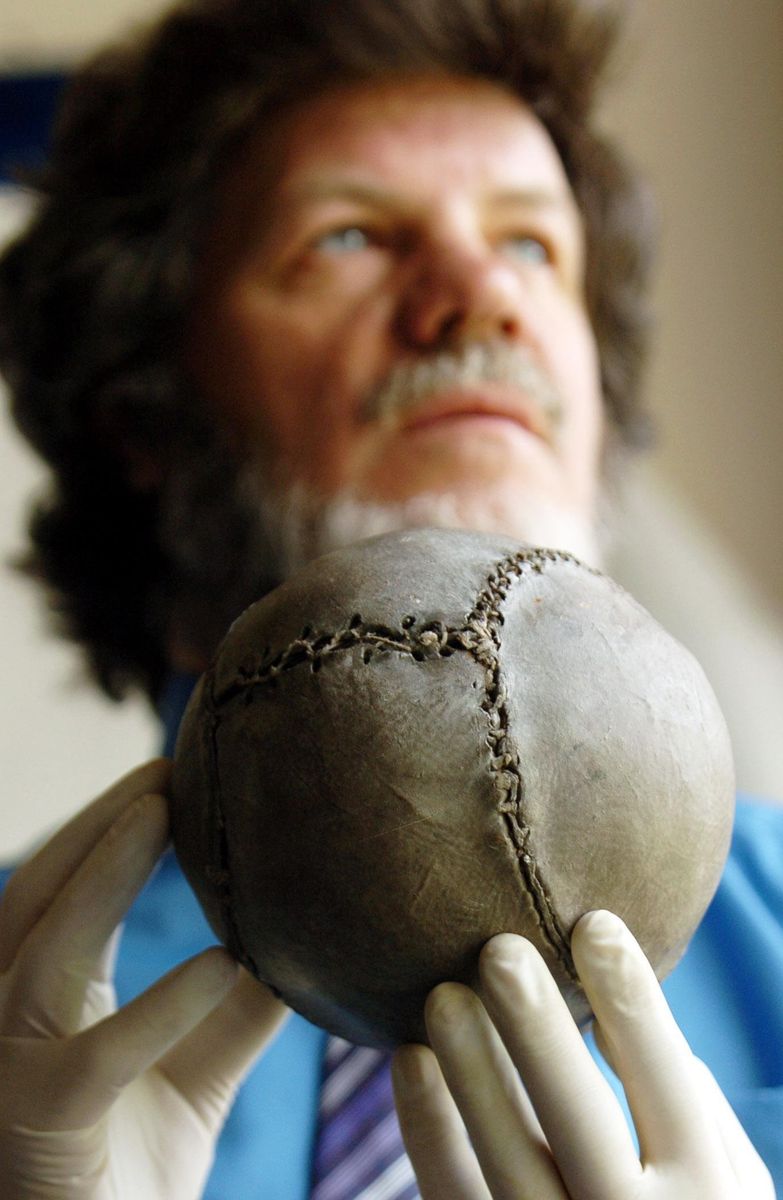
In an especially symbolic tribute, the historic ball will enjoy its own moment on the world stage during the match. Despite its age, it will briefly become part of the FIFA World Cup festivities, creating a unique connection between football's earliest known history and its modern global showcase.
Connecting Football's Past and Present
While today's FIFA World Cup balls are engineered with advanced materials and aerodynamic precision, this centuries-old leather ball tells the story of football's humble beginnings. Its handcrafted design reflects a time when the sport was still evolving, centuries before professional leagues, international tournaments, or television broadcasts.
 © Getty Images
 © REX Features/Shutterstock /The Grosby Group
 © REX Features/Shutterstock /The Grosby Group
For Scotland supporters, the artifact symbolizes the country's deep-rooted football tradition and enduring contribution to the sport's history.