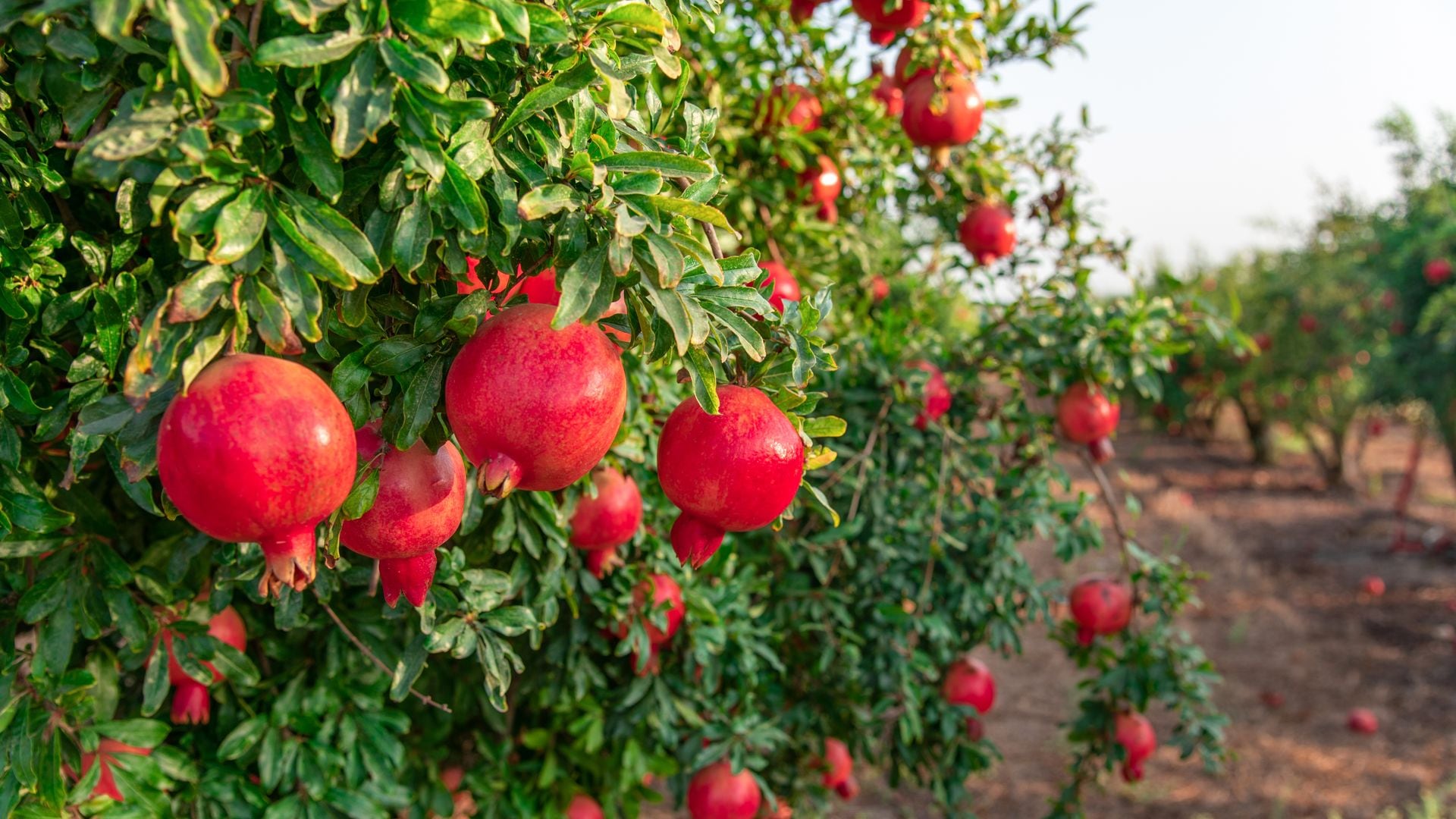
The pomegranate tree (Punica granatum) is more than just a fruit tree; it’s a timeless symbol of fertility, longevity, and beauty that has accompanied humanity for thousands of years. Native to the warm regions of Western Asia, it’s admired for its elegant appearance, bright red flowers, and lush green foliage.
Its bloom is a stunning visual display that heralds the arrival of its precious fruits, the pomegranates. Here you can learn how to care for a pomegranate so it will flourish and bear fruit for decades. From soil selection and pruning to irrigation and pest prevention, this guide covers everything you need to keep your pomegranate tree thriving.
 © Cavan Images
The Golden Season to Plant
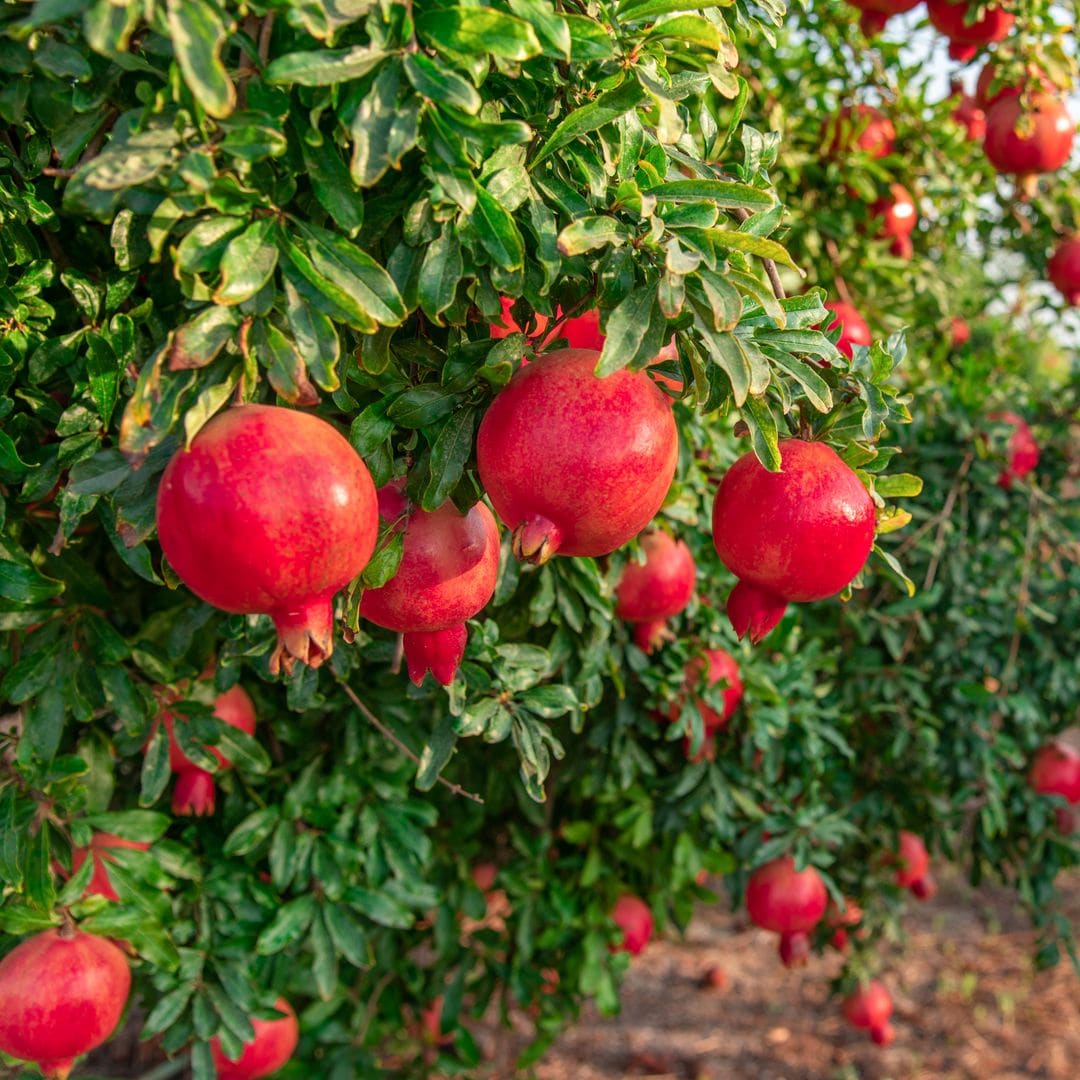
Fall is the ideal season to plant pomegranate trees. Like many fruit trees, they establish best when temperatures are mild and humidity supports healthy root growth. The soil still retains the warmth of summer, allowing roots to settle before winter and grow vigorously in spring. Although growth is not immediate, a pomegranate can begin producing fruit three to five years after planting if given proper care.
 © Roger Eritja
The Pomegranate Loves Sun
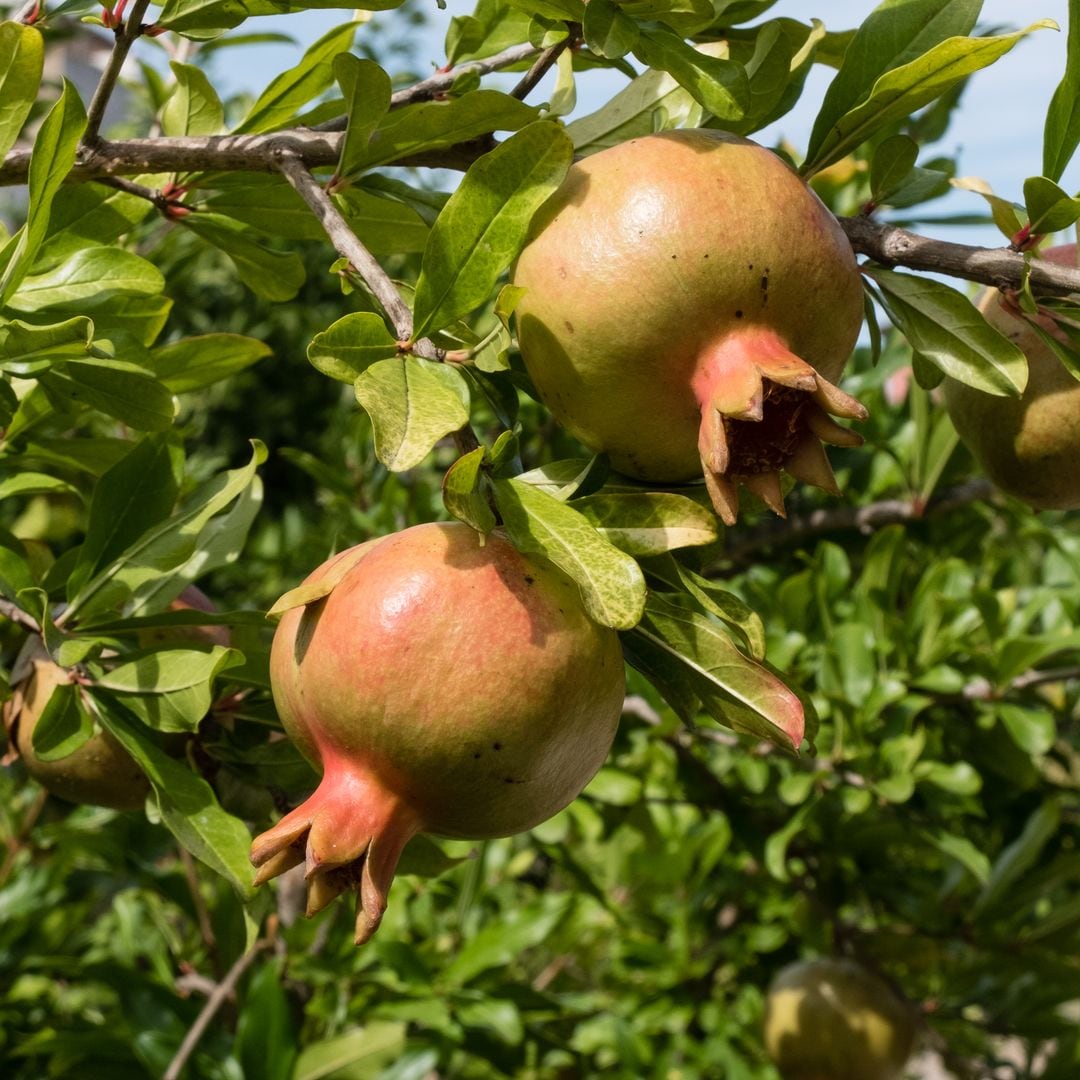
Pomegranates thrive in full sunlight, needing at least six hours of direct light each day. This solar exposure is key for abundant flowering and generous harvests. In shaded areas, fruit production decreases, so choose a sunny location to ensure vitality and a fruitful season.
 © Ventura Carmona
A fruit tree that adapts to almost any soil
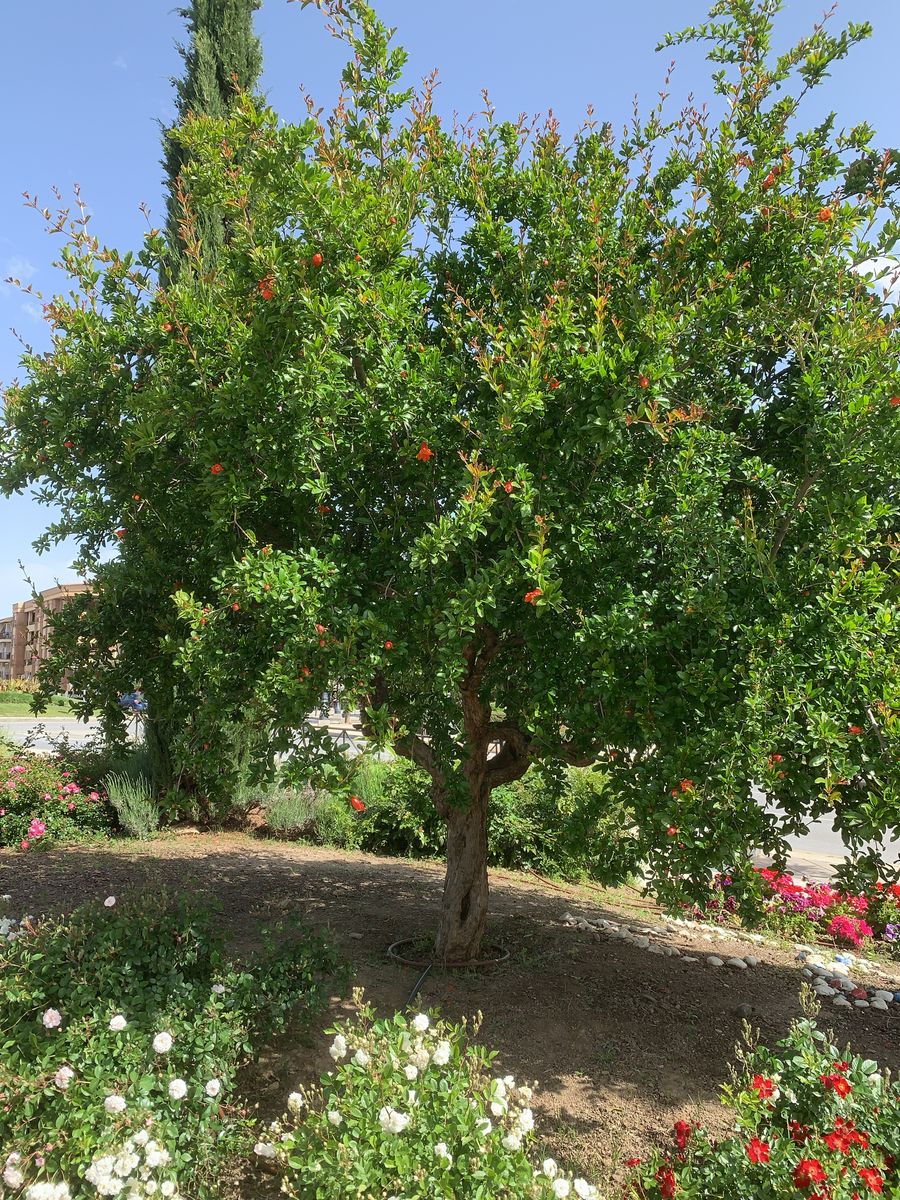
One of the pomegranate’s greatest strengths is its adaptability. Unlike other fruit trees that require specific soil conditions, it grows comfortably in sandy, calcareous, or even low-fertility soils. Still, it prefers deep, well-drained, nutrient-rich soil. In light or sandy terrains, adding fertilizer helps improve harvest quality. The pomegranate also tolerates a wide pH range, from slightly acidic (4.5) to alkaline (8.2), though it thrives best between 5.5 and 7.2.
 © Thanasis Zovoilis
The perfect watering routine for juicy fruit
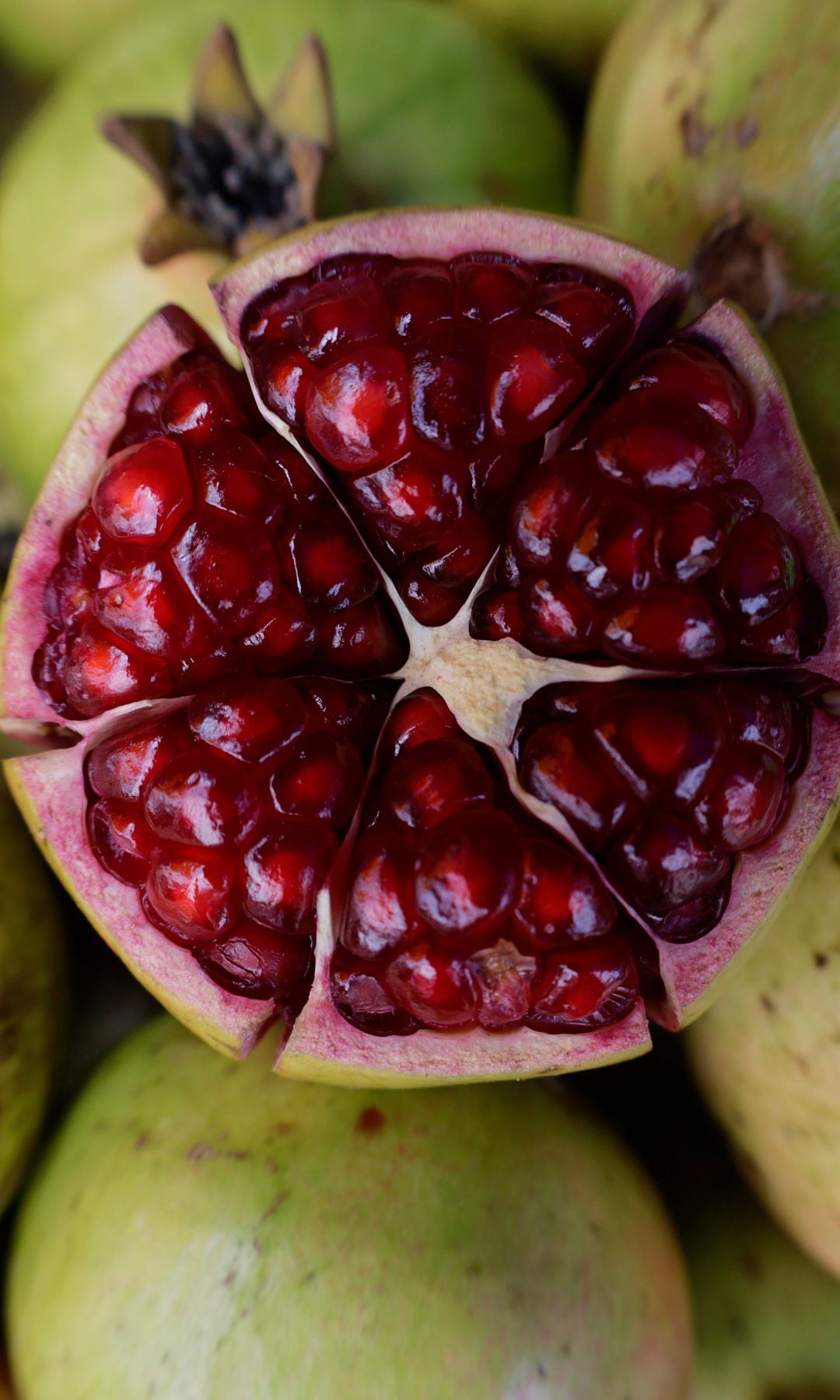
Though highly resilient to heat and drought, the pomegranate needs regular watering to produce juicy, flavorful fruits. In summer, water twice a week; in spring and fall, once a week is sufficient; and in winter, reduce watering when the tree is dormant, ensuring the soil never dries out completely. Avoid watering before cold nights or during frost (below 32°F). Drip irrigation is ideal since it directs moisture to the roots and minimizes evaporation. Mulching around the base also helps conserve moisture and protect against heat. Young trees need more frequent watering, but once mature, they tolerate dry spells much better.
 © NurPhoto
Why your tree isn’t bearing fruit
Pomegranates are self-pollinating, so one tree is enough to produce fruit. However, a lack of pollinators such as bees, butterflies, or birds can affect fruiting. Encourage biodiversity by planting pollinator-friendly flowers, providing water sources, and avoiding harsh pesticides. Some ornamental pomegranate varieties, like Punica granatum ‘Flore Pleno,’ produce only flowers, not fruit. If your tree is over four years old, not ornamental, and still not fruiting, it may need improved soil or nutrients.
 © DEV IMAGES
Pomegranates in pots: small but mighty
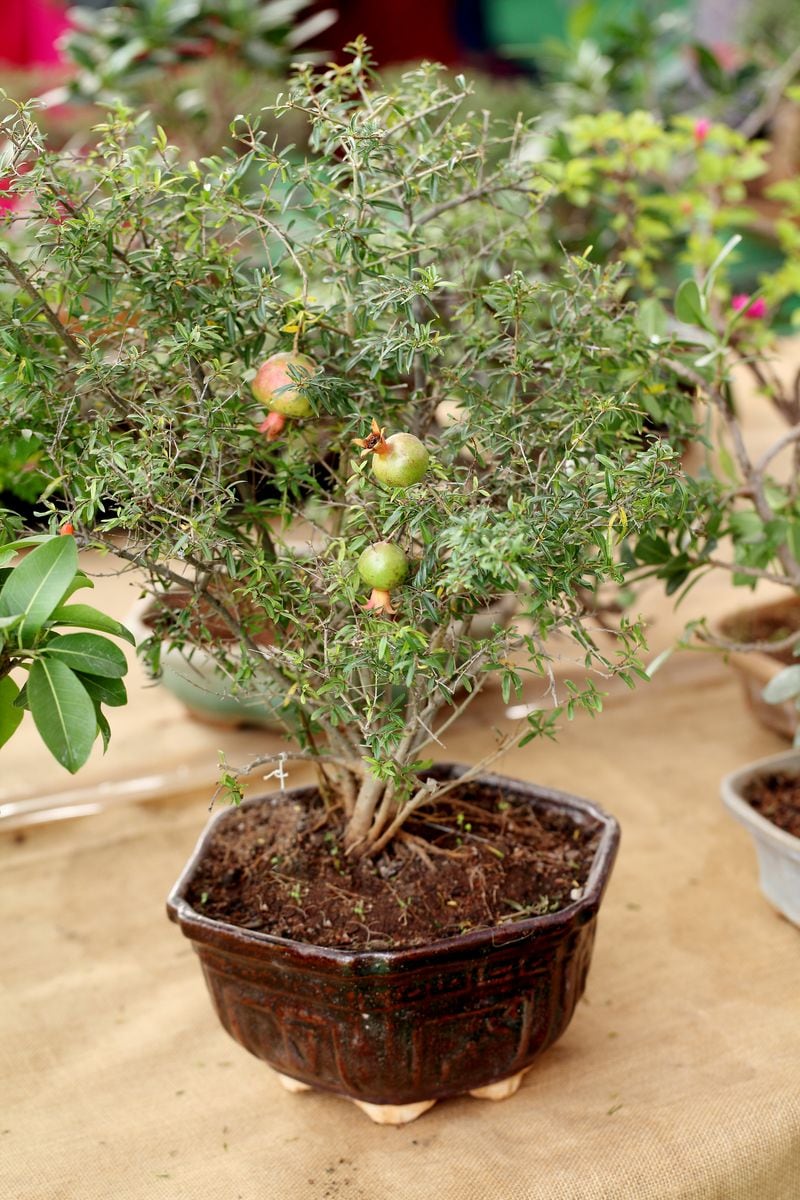
In gardens, pomegranate trees can reach 10 to 16 feet in height, forming a rounded canopy that provides light shade. For smaller spaces, the dwarf variety Punica granatum var. nana is perfect, it grows up to three feet tall and can be planted in pots, producing miniature edible fruits. It blooms from May to September, filling balconies and terraces with color. Potted trees need frequent watering and regular fertilizing to stay healthy.
 © wihteorchid
Fertilizing the right way
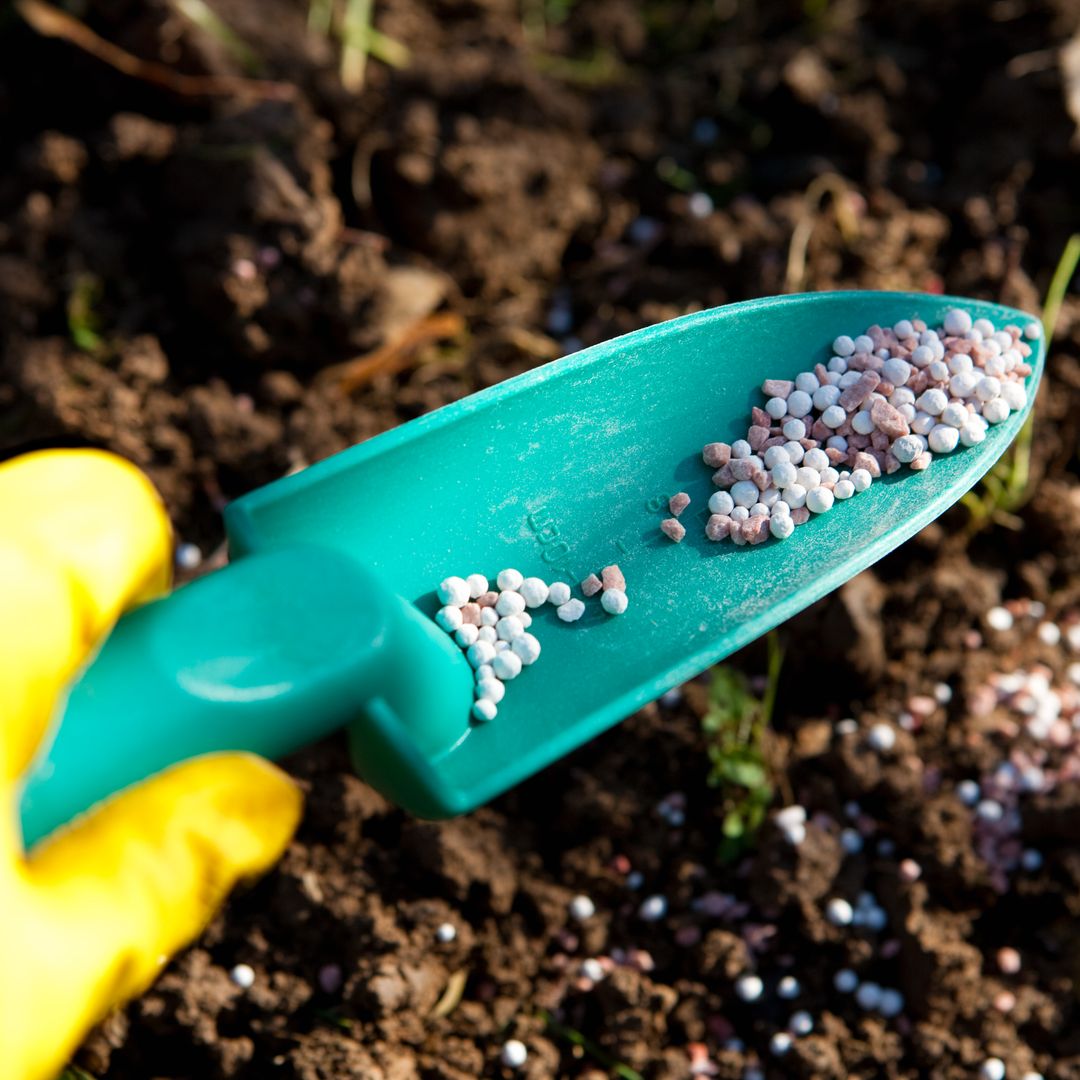
Avoid fertilizing during the first year. From the second year onward, apply organic compost or slow-release fertilizer in moderation to prevent excess foliage and poor-quality fruit. A balanced mix of nitrogen, phosphorus, and potassium supports strong growth and better fruiting. Over-fertilization can lead to bland fruits or delayed ripening, so less is often more, especially in summer.
 © franckreporter
Pruning for bigger, healthier fruits
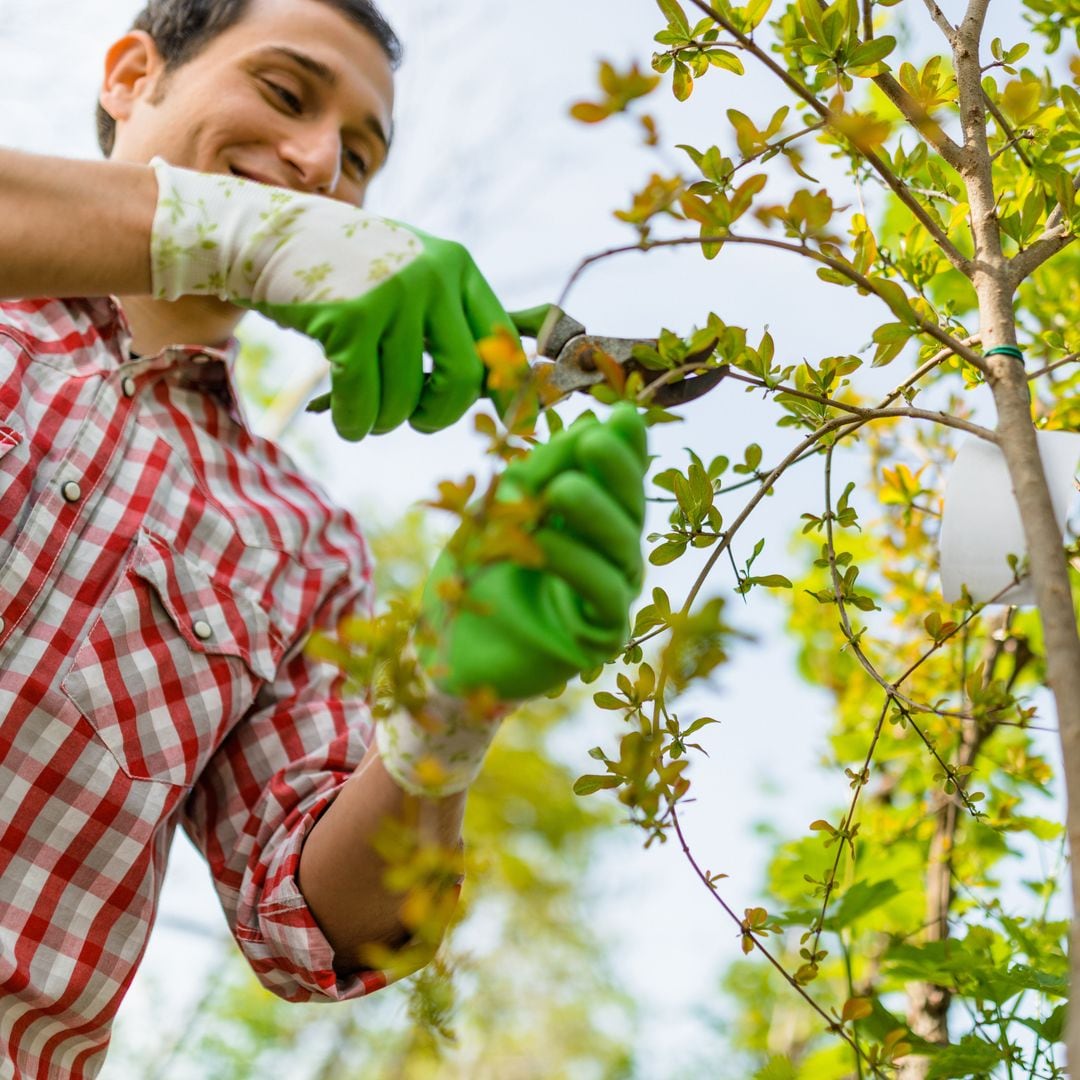
Even though the pomegranate is hardy, pruning is essential for health and productivity. Formative pruning should take place during the first years, ideally at the end of winter or early spring before budding, to shape a strong structure. Remove poorly positioned or vertical branches to keep the canopy balanced and prevent fruit weight from bending the limbs. Maintenance pruning should also occur in winter, eliminating dead, weak, or crossing branches, as well as suckers from the base, to improve light and airflow. Always handle with care, the pomegranate has thorns along its branches.
 © Hanneke Vollbehr
How to prevent pests and diseases
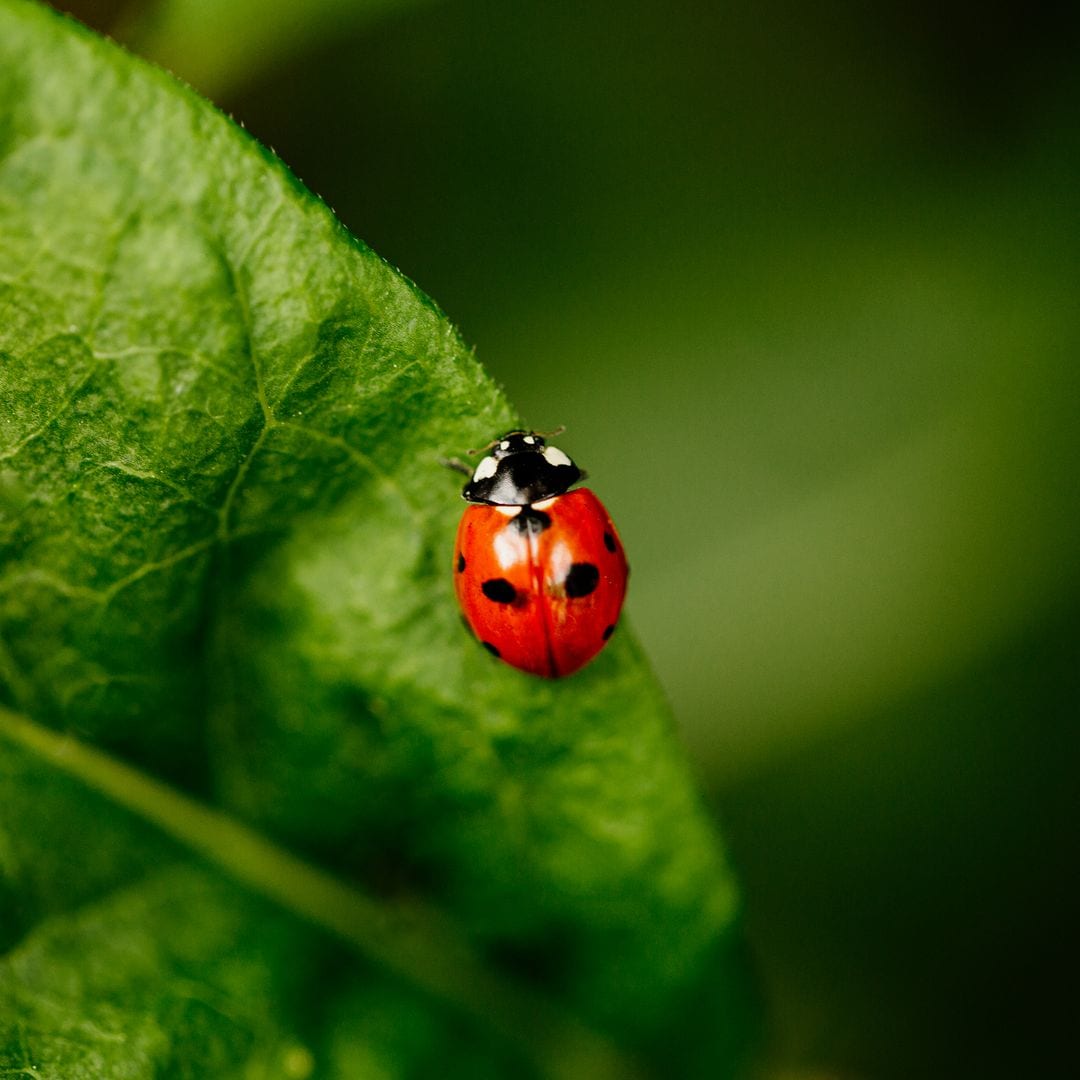
Excess moisture is the pomegranate’s main enemy, as stagnant water causes root rot and fungal infections like Phytophthora. Ensure the soil drains well and avoid overwatering. The most common pests are aphids and mealybugs, which can be controlled with ecological solutions like potassium soap, neem oil, or natural predators such as ladybugs and Cryptolaemus beetles.
 © mgstudyo
A long-lived tree full of benefits
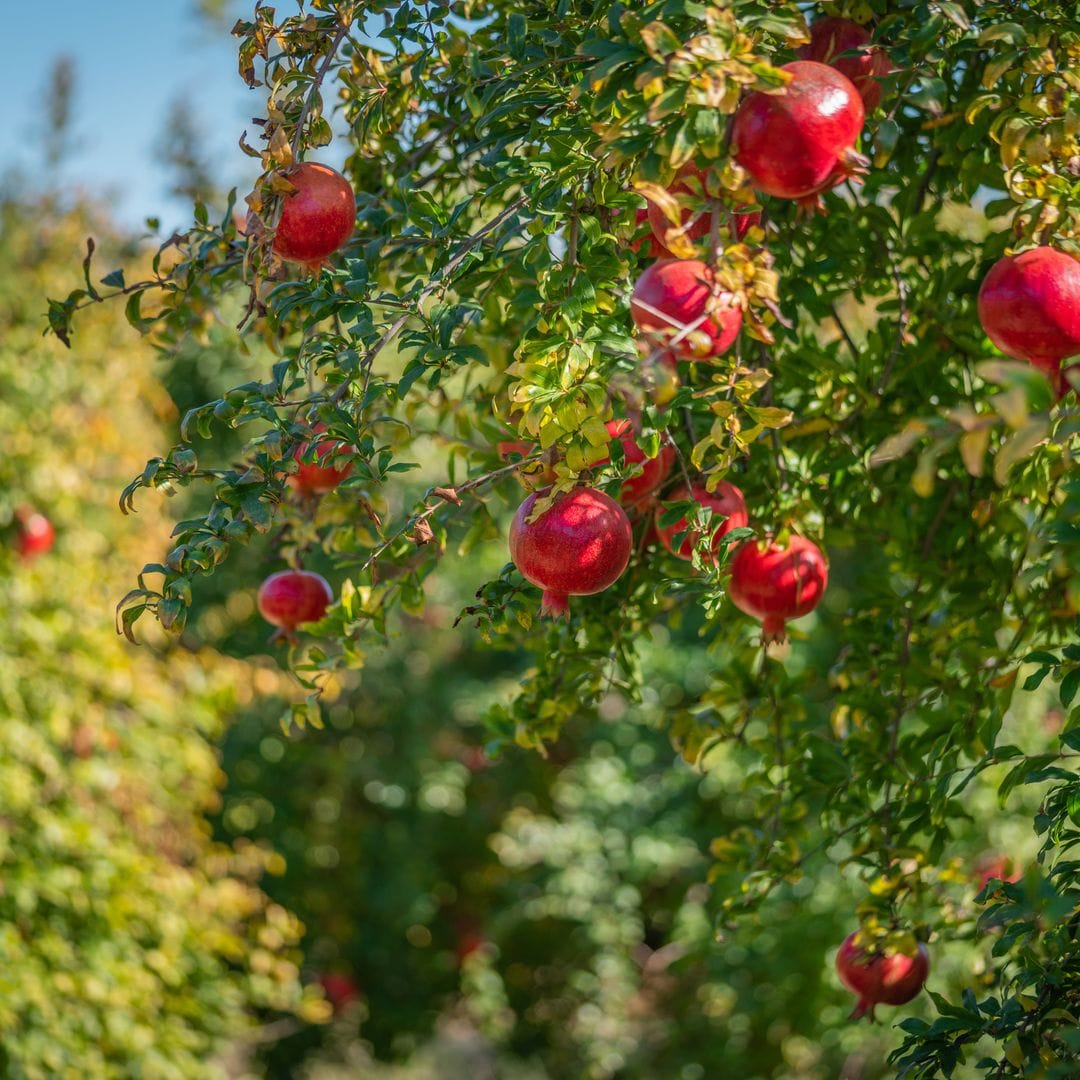
With proper care, pomegranates can bear fruit for decades, becoming both decorative and generous trees. Their natural resilience, combined with good sunlight, moderate watering, regular pruning, and balanced fertilization, keeps them productive year after year. In optimal conditions, a pomegranate can live over 50 years, providing antioxidant-rich, vitamin-packed fruits that are staples of the Mediterranean diet.
 © pjohnson1
An ancient symbol of life and prosperity
The pomegranate’s abundance of juicy red seeds has made it a universal emblem of fertility and renewal. In ancient Greece, it was sacred to Aphrodite, the goddess of love, symbolizing prosperity and vitality. Its round shape, vibrant color, and inner richness continue to represent abundance, beauty, and the everlasting cycle of life.