Skip to main contentSkip to footer
The factors that contribute to suicidal tendencies
  • España
  • Americas
  • México
  • Celebrities
    • Celebrity Couples
    • Celebrity Moms
    • Celebrity Kids
    • Celebrity Parents
    • Celebrity Homes
  • Entertainment
    • Music
    • Movies
    • TV
    • What to Watch
  • Royals
    • Kate Middleton
    • Meghan Markle
    • Prince Harry
    • Queen Letizia
    • Queen Maxima
    • Charlotte Casiraghi
    • Spanish Royals
    • British Royals
    • Monaco Royals
  • Beauty
    • Skincare
    • Makeup
    • Nails
    • Hair
    • Celebrity Beauty
  • Fashion
    • Celebrity Style
    • Royal Style
    • Fashion Trends
    • Street Style
    • Red Carpet
    • Runway
  • Lifestyle
    • Health and Wellness
    • Fitness and Workout
    • Leisure and Travel
    • Parenting
  • Food
    • Recipes
    • Healthy Food
    • Latin Cooking
    • Drinks and Cocktails
  • Americas
    • Celebridades
    • Entretenimiento
    • Realeza
    • Belleza
    • Moda
    • Lifestyle
    • Fotos
    • Latina Powerhouse
  • Latina Powerhouse
  • Photos
  • HOLA+
  • Celebrities
  • Entertainment
  • Royals
  • Beauty
  • Fashion
  • Lifestyle
  • Food
  • Americas
  • Latina Powerhouse
  • Photos
  • Hola+
  • Home
  • Lifestyle

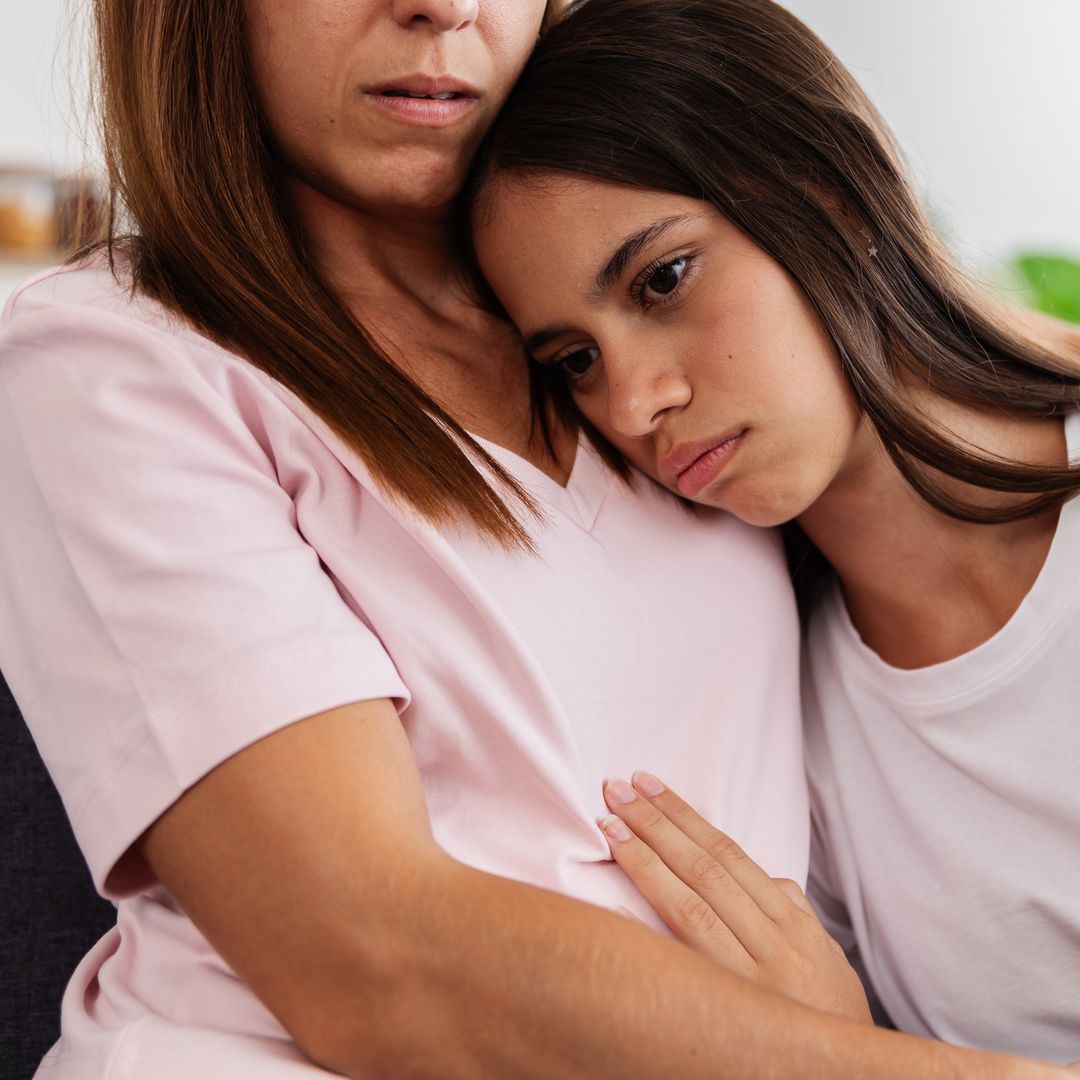
Are you feeling trapped and suffocated? These are the factors that contribute to suicidal tendencies


Experts suggest that you don’t have to have a diagnosed mental illness to have suicidal thoughts


The factors that contribute to suicidal tendencies© Dev Asangbam on Unsplash
Shirley GomezSenior Writer
MARCH 10, 2021 3:08 PM ESTMAR 10, 2021, 3:08 PM EST

Most of the world was able to tune in to  Meghan Markle  and  Prince Harry ’s interview with Oprah Winfrey. During the conversation, Markle made a shocking and eye-opening revelation about her mental health. “Look, I was really ashamed to say it at the time and ashamed to have to admit it to Harry, especially because I know how much loss he has suffered, but I knew that if I didn’t say it, then I would do it,” the former actress told Oprah. “I just didn’t want to be alive anymore.”

When you feel you have no ‘out’ or any support after a history of trying to seek it, sometimes you feel the hopelessness outweighs the hope,” she added.

Oprah With Meghan And Harry: A CBS Primetime Special© GettyImages
In this handout image provided by Harpo Productions and released on March 5, 2021, Oprah Winfrey interviews Prince Harry and Meghan Markle on A CBS Primetime Special premiering on CBS on March 7, 2021.

Loneliness is already a recognized public health concern and empirically shown to increase suicide risk for those with and without mental health disorders. Experts suggest that you don’t have to have a diagnosed mental illness to have suicidal thoughts.

Reena B. Patel (LEP, BCBA), renowned parenting expert, licensed educational psychologist, board-certified behavior analyst, and author of  Winnie & Her Worries , shared with HOLA! USA the factors that contribute to suicidal tendencies, what those dealing with depression and suicidal thoughts show and are feeling, and the warning signs.

Factors that contribute to suicidal tendencies:

  • Bullying
  • PTSD and trauma
  • Anxiety
  • Depression
  • Feeling trapped no other way out
  • Isolation and loneliness

What those dealing with depression and suicidal thoughts show and are feeling:
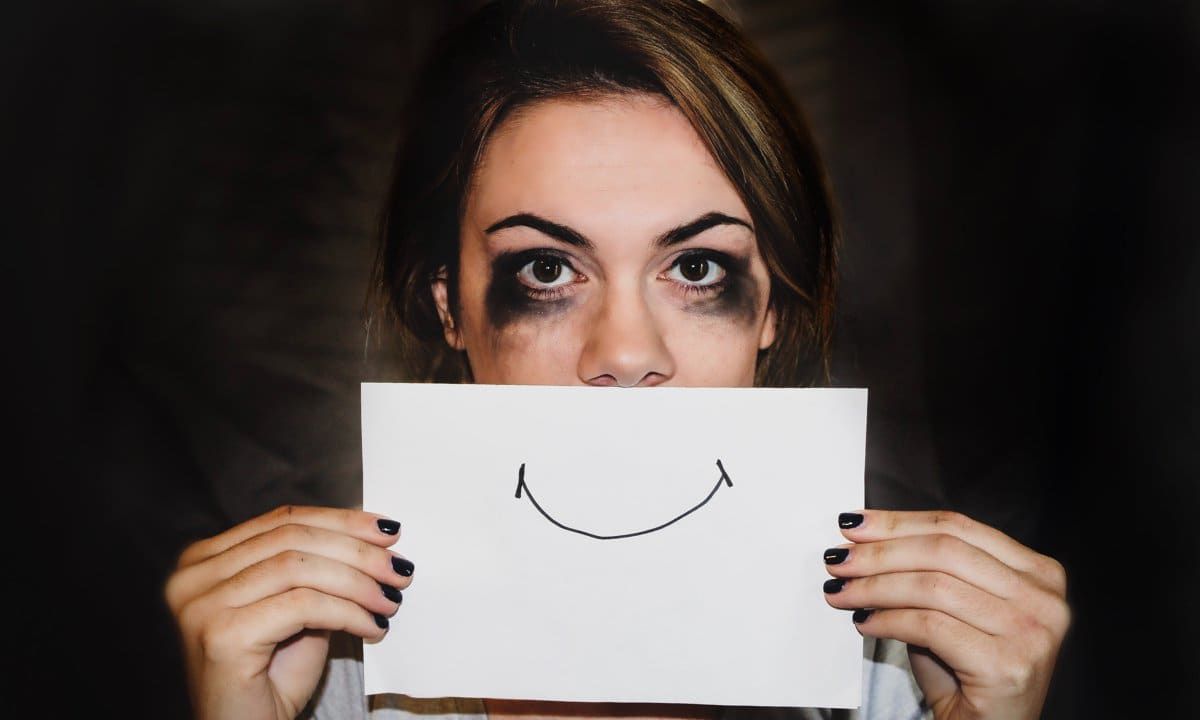
What those dealing with depression and suicidal thoughts show and are feeling© Sydney Sims on Unsplash
What those dealing with depression and suicidal thoughts show and are feeling.

A smile can be misleading. What you see on the outside with smiles is not always what is happening on the inside. Many can mask and hide what they are thinking on the inside.

It’s not easy to share, especially when expectations are high. It is not easy to share and say that one is considering hurting themselves. It takes a lot of courage even to say, “I do not want to live anymore.”

Are you feeling trapped and suffocated with no outlet? Feeling trapped and suffocated is something internal no one else can see. Sometimes there is a breaking point and need for a way out.

Ashamed to ask for help. Embarrassed to even share that you need help is a society-led stigma. When you appear ‘put together’ or are in a high-profile career, it’s common to feel ashamed not to share. Thus, many may not share when they need help.

When support is not given when asked. If you do not get support, even when you do ask for help leads to a giant spiral, a feeling of no way out. Sometimes reaching out to someone outside of your circle is necessary. You can talk to your doctor, call helplines, reach out to therapists; these all can keep your thoughts confidential.

Feeling lonely and isolated with no connection. Feeling alone and not having a connection to normalcy or things that bring you joy over a while can lead to suicidal tendencies.

Mental Health
  • Camila Mendes reveals why she was having panic attacks while filming Riverdale
  • Experts share their tips on how to manage everyday stress and anxiety
  • Hugh Jackman praises Prince Harry and Meghan Markle for their courage

Warnings

Are you feeling trapped and suffocated? These are the factors that contribute to suicidal tendencies© Callie Gibson on Unsplash
Speak up!

Know the warning signs and speak up when you have any thoughts. Say something — and yes! It takes courage.

  • Talking about or thinking about hurting yourself.
  • Seeking out lethal ways to harm yourself. Seeking access to guns, pills, knives, or other objects that could be used in a suicide attempt.
  • Fixation on death. Unusual focus on death, dying, or violence. Also, writing poems or stories about death.
  • No hope for the future. Feelings of helplessness, hopelessness, and being trapped (“There’s no way out”). The belief that things will never get better or change.
  • No self-worth and Hatred. Feelings of worthlessness, guilt, shame, and self-hatred. And feelings that you are a burden.
  • Saying goodbye. Unusual or unexpected visits or calls to family and friends. Saying goodbye to people as if they won’t be seen again.
  • Withdrawal. Wanting to be alone or no longer socializing with friends and family.

Resource: Call the National Suicide Prevention Lifeline (Lifeline) at 1-800-273-TALK (8255), or text the Crisis Text Line (text HELLO to 741741).

© ¡HOLA! Reproduction of this article and its photographs in whole or in part is prohibited, even when citing their source.

Other Topics
  • Meghan Markle
  • Mental Health
  • Prince Harry
READ MORE
Bruce Willis' daughter, Tallulah Willis, reveals the obsessive-compulsive disorder that led her to have marks on her skin
Bruce Willis' daughter, Tallulah Willis, reveals the obsessive-compulsive disorder that led her to have marks on her skinBy Shirley Gomez
Study shows your anxiety may have started in the womb due to pregnancy stress
Study shows your anxiety may have started in the womb due to pregnancy stressBy Jovita Trujillo
Dealing with 'mom guilt' and 'dad pressure'? Experts share how parents can finally let go
Dealing with 'mom guilt' and 'dad pressure'? Experts share how parents can finally let goBy Shirley Gomez
Survey reveals which number of kids stresses moms out the most
Survey reveals which number of kids stresses moms out the mostBy Jovita Trujillo
LATEST NEWS
Bella Hadid wears a transparent vintage dress with strategic coverage [PHOTOS]
7 skincare resolutions for 2026 that will transform your skin, scalp, and hair
Natalia Boneta
Salma Hayek celebrates the holidays through cooking, inspired by Mexican and Lebanese roots
How to watch the 83rd Golden Globes: host, nominees, and more
Inside Frederik and Mary of Denmark’s grand New Year Gala: From a notable absence to a very Danish menu
Jennifer Aniston shares the secret to looking and feeling so young
Merriam-Webster’s word of the year is a four-letter warning for the internet
© 2000-2026, HOLA S.L.
  • ¡HOLA! Spain
  • ¡HOLA! Americas
  • HELLO! UK
  • HELLO! US
  • HELLO! Canada
  • Privacy Policy
  • Legal Notice
  • Cookies Policy
  • Compliant channel
  • Contact