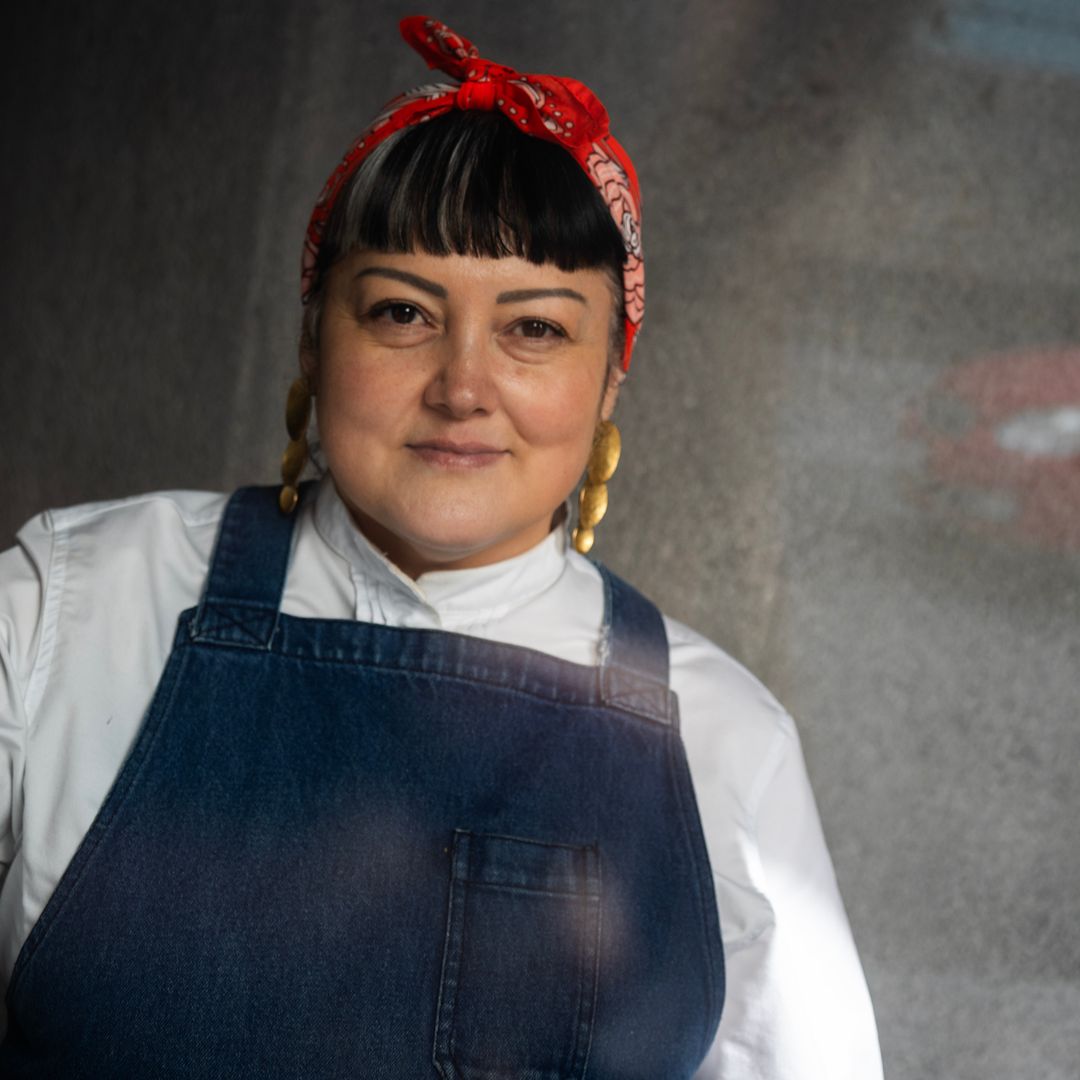
Norma Listman sees a recipe as much more than instructions for making a dish. “I believe recipes are historical documents,” she says. “They carry memory, migration, resistance, love, and the brilliance of the communities that have kept them alive.”
That idea sits at the heart of Listman’s work at Masala y Maíz, the Mexico City restaurant she leads with her husband and business partner, chef Saqib Keval. Their cooking brings Mexican, Indian and East African culinary traditions together while the restaurant itself has become a platform for larger conversations about sustainable farming, accessibility and the quality of life of restaurant workers and farmers.
For Listman, those ideas grew out of her own experience between Mexico and California. She began her culinary career in the Bay Area, managing acclaimed restaurants Camino and BayWolf before training under chefs Anthony Strong and Russell Moore. She also worked as an artist, taught Mexican culinary techniques and lectured across the United States and Mexico on Mexican food history, agriculture and gastronomy.
While cooking professionally in California, often making food that was not Mexican, she began to see her own culinary heritage differently. “I began to understand just how deeply Mexican cuisine has shaped the way the world eats, and how much of that history is often overlooked,” she says.
Listman eventually returned to Mexico to continue developing as a chef while living closer to the ingredients, people and traditions that inspired her. Her cooking remains rooted in Mexican heritage, from native corn and traditional techniques to the preservation of historical foodways.
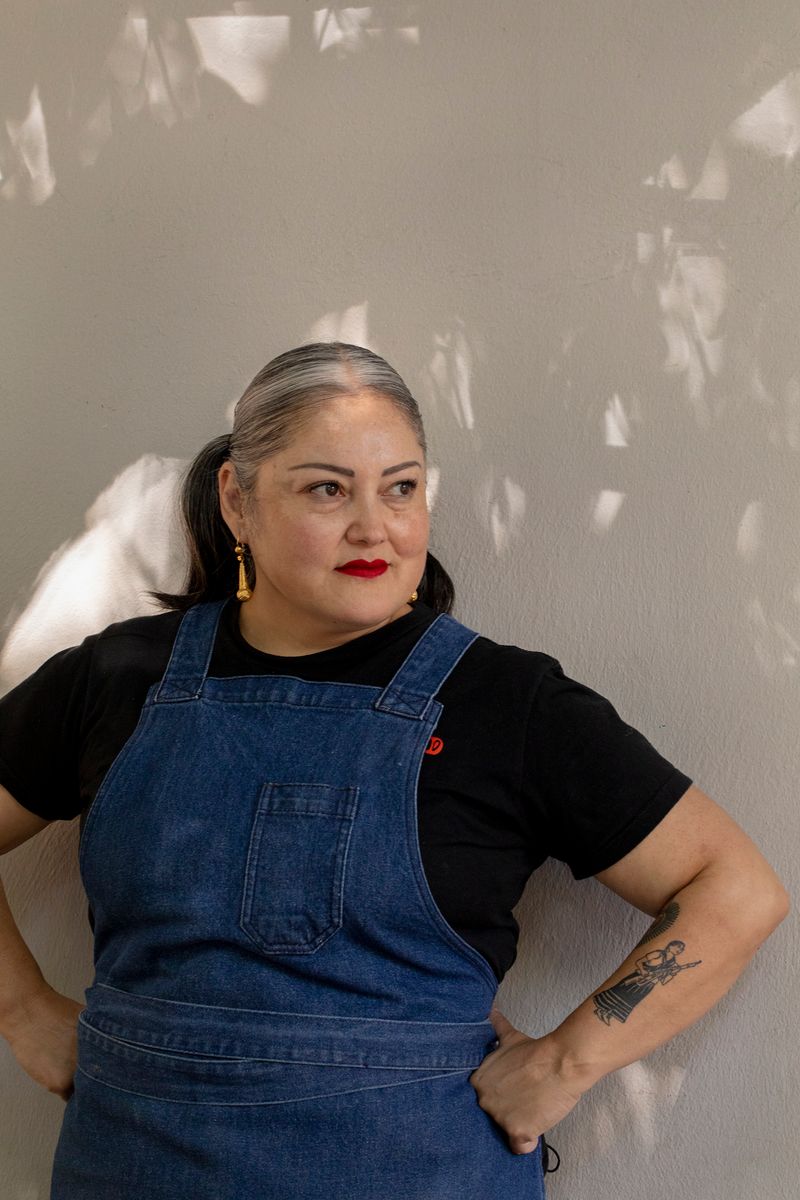 © Ana Lorenzana
Masala y Maíz has brought that perspective to an international audience. The restaurant was named one of TIME magazine’s World’s Greatest Places, while Listman has been featured on the cover of Food & Wine and received the magazine’s Best New Chefs recognition. More recently, Masala y Maíz was spotlighted on Netflix’s Chef’s Table, bringing the restaurant’s distinctive culinary language and philosophy to viewers around the world.
But one of Listman and Keval’s most significant projects in 2026 is happening beyond their own dining room. Paga Lo Que Puedas, or Pay What You Can Day, began during the pandemic as a one-day initiative at Masala y Maíz designed to make the restaurant more accessible. This year, it grew into a global movement involving 100 restaurants across 14 countries.
The scale may have changed, but the idea remains closely connected to the restaurant Listman set out to build. “Food is not only a way to tell these histories,” she says. “It is a way to ask what kind of restaurant industry we want to build.”
For Listman, that question is inseparable from being a chef. The same kitchen that allows her to preserve and reinterpret Mexico’s food history has also given her a platform to challenge who hospitality serves and how the people behind it are valued. In 2026, that vision is no longer contained within one celebrated Mexico City restaurant. It is being shared across tables, kitchens and countries.
For Norma Listman, telling the story of food also means imagining a better future for the people who make it.