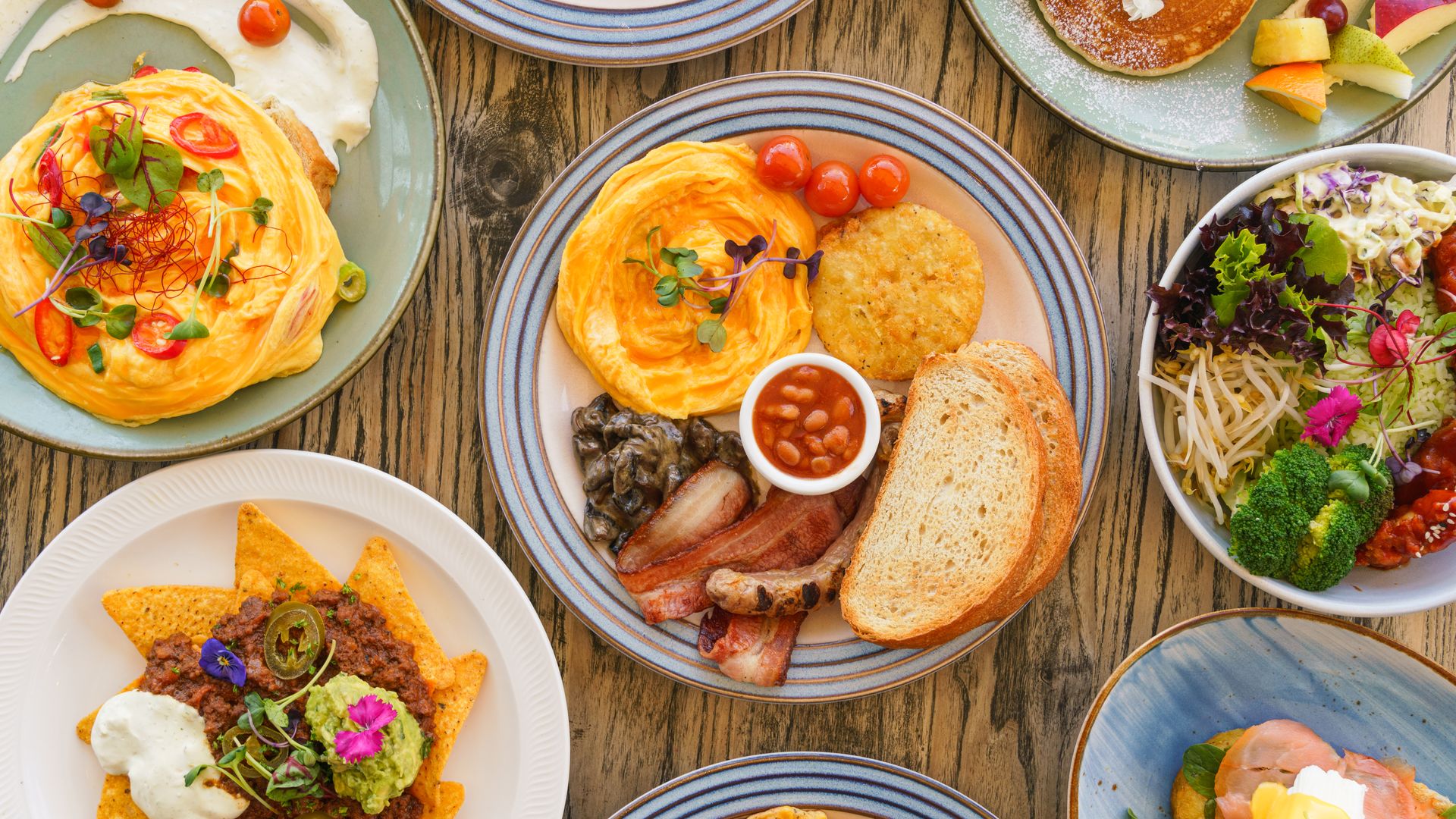
The new US Dietary Guidelines bring a bold shift in how Americans are encouraged to eat. Instead of chasing trends or fearing entire food groups, the focus is now on real food, smart balance, and metabolic health. This approach is designed to work for families, busy professionals, and anyone looking to eat better without spending more or cooking endlessly. Protein is no longer the villain, healthy fats are welcomed back, and highly processed foods are finally being called out for what they are.
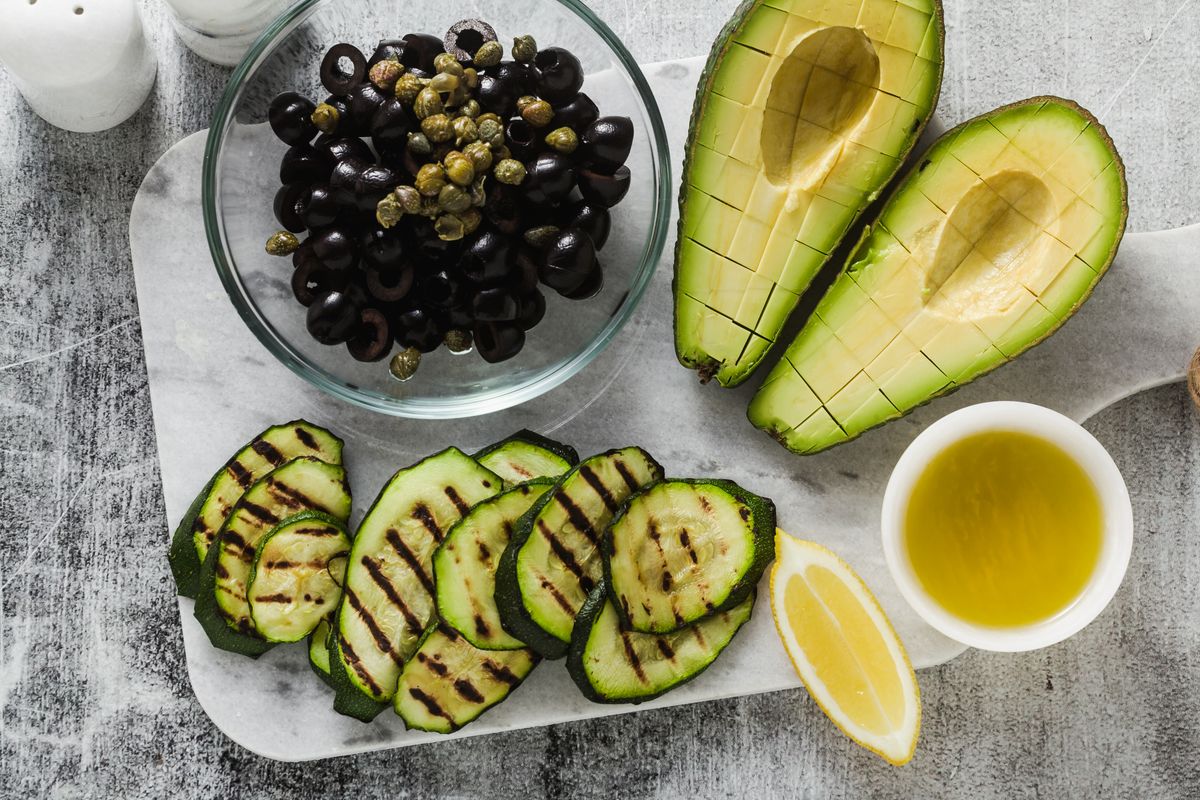
This whole food framework makes it easier to build meals that actually support energy, muscle, and long-term wellness. From eggs and chicken to beans and full-fat dairy, the guidelines emphasize nutrient density at every meal. Add fiber-rich whole grains, fresh or frozen fruits and vegetables, and natural fats like olive oil and avocado, and you have a blueprint that fits real life.
 © Getty Images/500px
Below are four simple recipes that follow the new US dietary guidelines and show how satisfying healthy eating can be.
 © Getty Images
Power Protein Breakfast Bowl With Eggs and Avocado
This breakfast sets the tone for the day with high-quality protein, healthy fats, and slow-digesting carbohydrates.
Ingredients
- Two eggs
- Half an avocado
- Half a cup of sautéed spinach
- Quarter cup of black beans
- Quarter cup cooked steel-cut oats
- One tablespoon of olive oil
- Salt and pepper
How to make it
Cook the eggs in olive oil until the whites are set. Warm the beans and oats together in a pan. Add the spinach just until wilted. Assemble everything in a bowl and top with sliced avocado, salt, and pepper.
This meal delivers complete protein from eggs, fiber from beans and oats, and healthy fats from avocado and olive oil. It keeps blood sugar steady and supports muscle and brain function without added sugars or refined carbs.
 © Getty Images
High-Protein Chicken and Quinoa Lunch Bowl
Lunch should not feel like a crash waiting to happen. This bowl is built around lean protein, whole grains, and colorful vegetables.
Ingredients
- One grilled chicken breast
- Half a cup of cooked quinoa
- Half cup roasted carrots and broccoli
- Two tablespoons of full-fat Greek yogurt
- One tablespoon of olive oil
- Garlic, lemon, salt
How to make it
Roast the vegetables with olive oil and garlic. Slice the grilled chicken. Mix yogurt with lemon and a pinch of salt for a simple sauce. Layer quinoa, vegetables, and chicken, then drizzle with the yogurt dressing.
This lunch aligns perfectly with the new dietary guidelines by prioritizing protein, using whole grains instead of refined flour, and including full-fat dairy for satiety and fat-soluble vitamins.
 © Getty Images
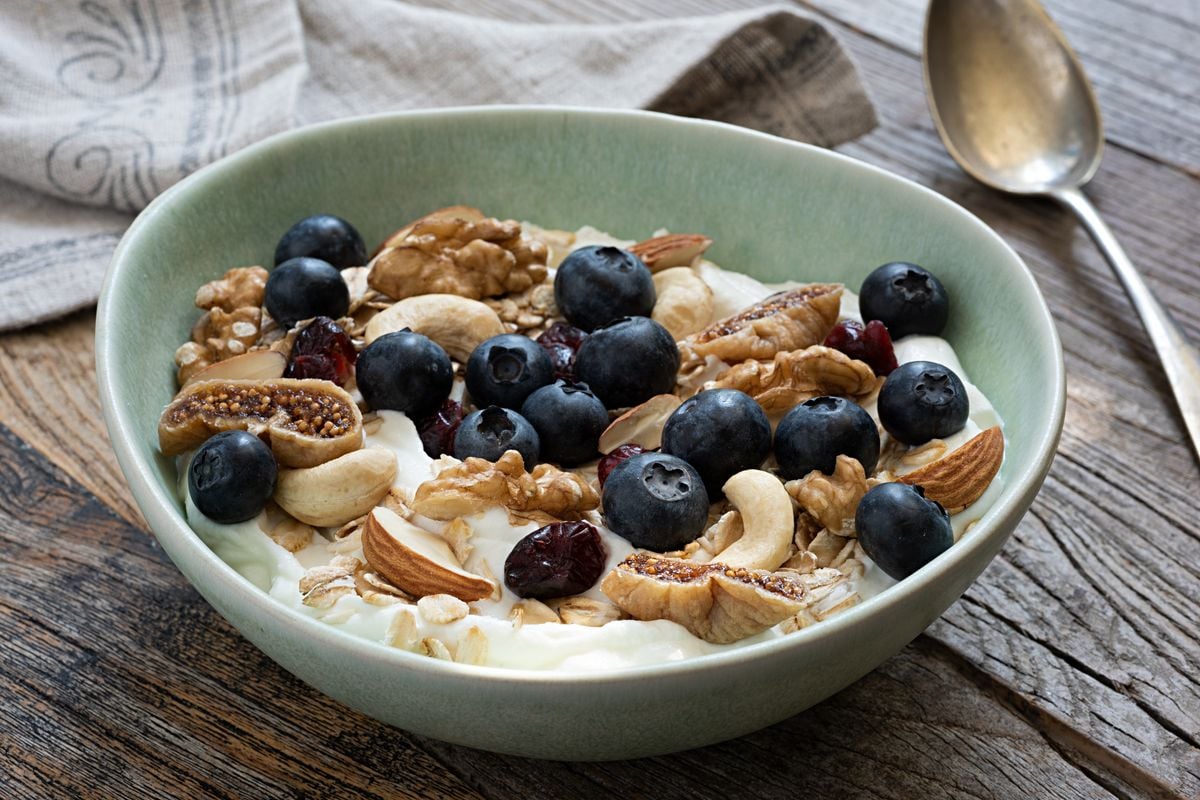
Whole Food Energy Snack With Nuts and Berries
Snacks should nourish, not spike blood sugar. This option avoids added sugar while providing fiber, fat, and antioxidants.
Ingredients
- One handful of almonds or walnuts
- Half a cup of fresh or frozen berries
- Two tablespoons of cottage cheese or full-fat yogurt
How to make it
Add the berries to a bowl, top with nuts, and add a scoop of dairy for protein. Eat it as is or chill it for a refreshing texture.
This snack delivers natural sweetness from fruit, protein from dairy, and healthy fats from nuts. It fits the guideline to avoid ultra-processed snacks while supporting sustained energy.
 © Getty Images/Westend61
Omega Rich Salmon Dinner With Vegetables and Whole Grains
Dinner is where the new dietary guidelines truly shine. This plate includes protein, healthy fats, fiber, and real foods.
Ingredients
- One salmon fillet
- One cup of roasted Brussels sprouts
- Half cup cooked farro or brown rice
- One tablespoon of olive oil
- Garlic, herbs, salt
How to make it
Bake or pan-sear the salmon with olive oil and herbs. Roast the Brussels sprouts until caramelized. Serve with the whole grain on the side.
Salmon provides omega-3 fats and complete protein, vegetables bring fiber and micronutrients, and whole grains add slow-digesting carbohydrates that support digestion and heart health.
Why This Way of Eating Works
The new US dietary guidelines are not about restriction. They are about choosing foods that actually fuel the body. By focusing on protein at every meal, blood sugar becomes more stable, and cravings drop. By avoiding highly processed foods and added sugars, inflammation and metabolic stress decline. By welcoming healthy fats and full-fat dairy back to the table, meals become more satisfying and nutrient-dense.
This framework also allows flexibility. Families can swap chicken for beans, quinoa for oats, or salmon for pork, depending on budget and taste. The goal is not perfection but consistency with whole foods.
When meals are built this way, energy improves, hunger is controlled, and long-term health becomes much easier to maintain. These four recipes show how the new dietary guidelines can look on a real plate, not just on paper. Eating well is no longer about fear. It is about nourishment, variety, and enjoying food that actually supports the body.