The 2026 Met Gala dress code is officially here, and it’s about to reshape how we think about red carpet fashion. On Monday, Feb. 23, Vogue announced that the Monday, May 4 gala will carry the theme “Fashion Is Art,” reflecting the Metropolitan Museum of Art’s spring 2026 exhibition, “Costume Art.” The message is that fashion is no longer orbiting the art world. It is the art world.
Set against the steps of the Metropolitan Museum of Art, the annual Met Gala remains fashion’s most powerful stage. This year, the theme doesn’t just invite spectacle. It demands intellectual rigor.
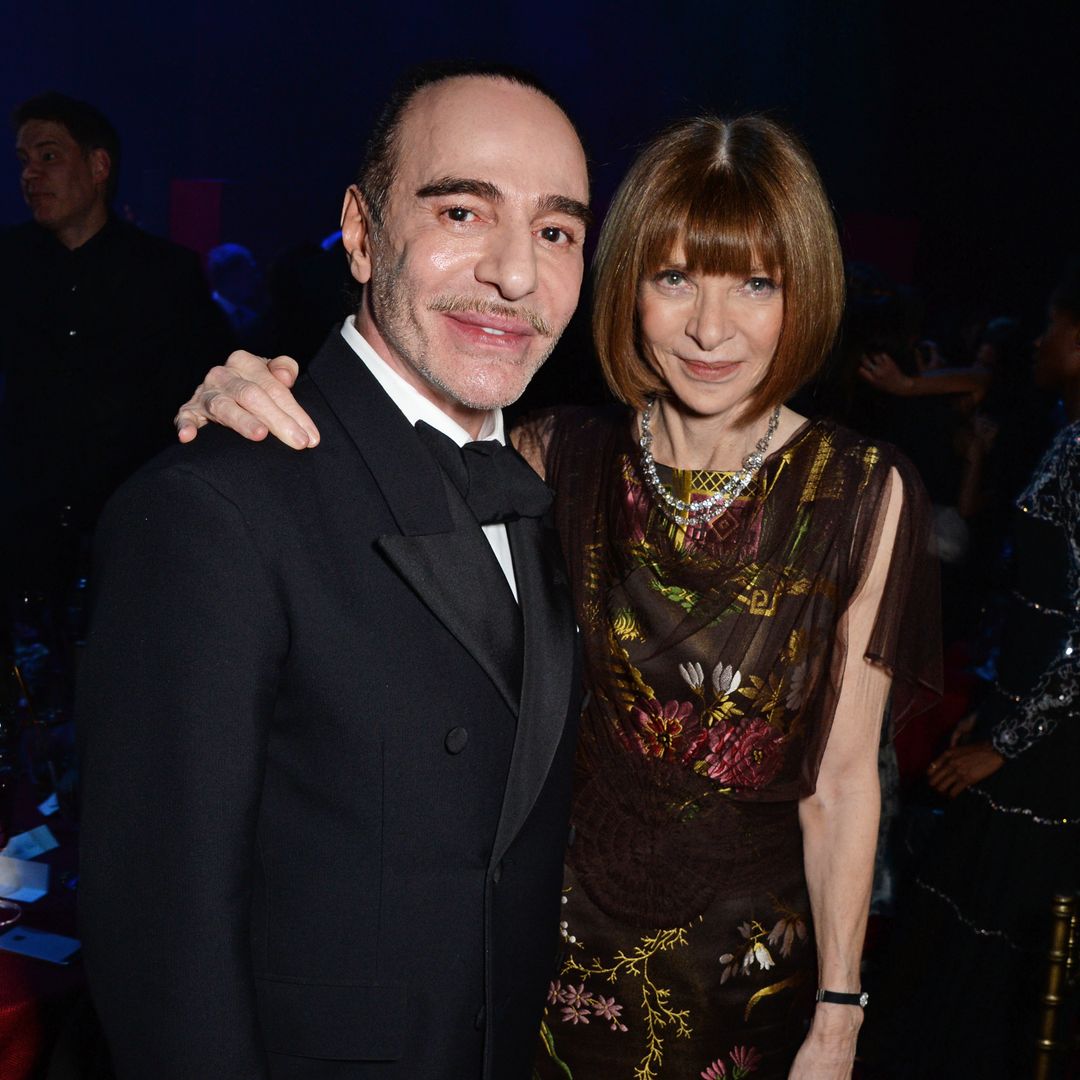
 © Getty Images for The Met Museum/
Inside the “Costume Art” Exhibition at The Met
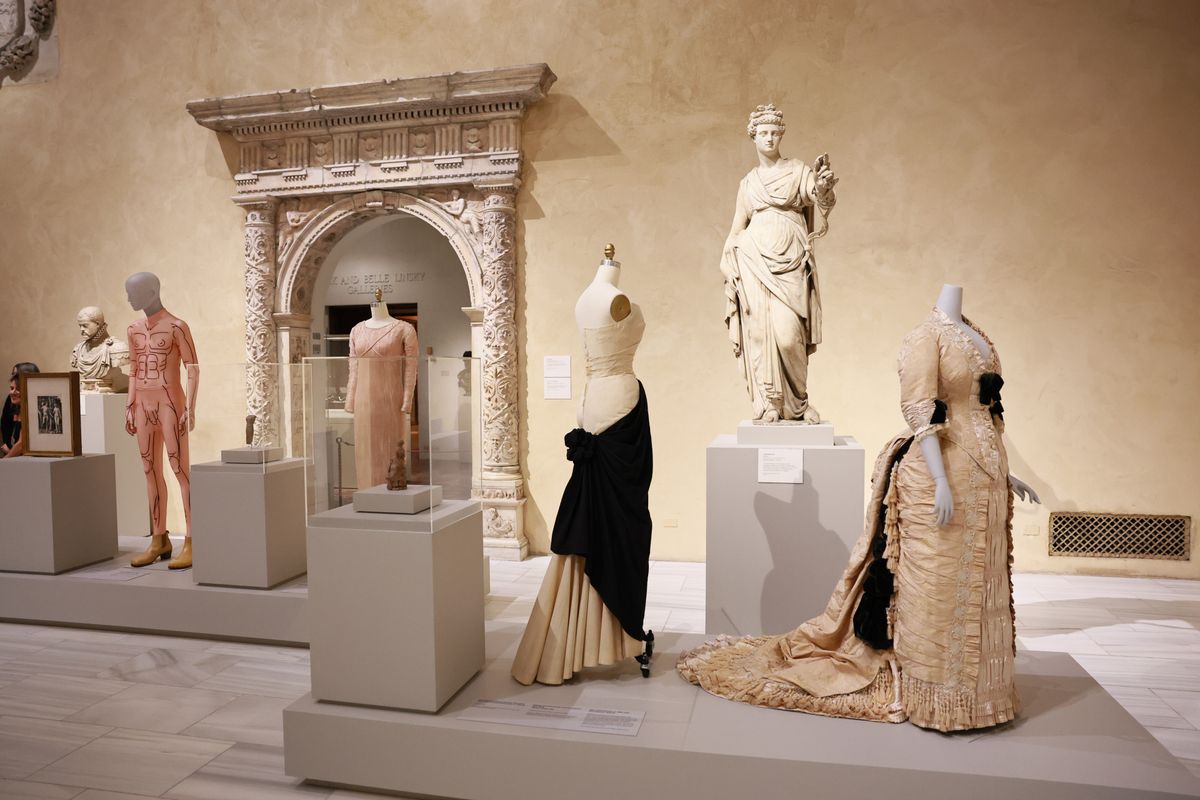
The 2026 exhibition marks a historic milestone for the Costume Institute. Revealed in November, the show inaugurates the Institute’s first permanent galleries inside the museum. The nearly 12,000-square-foot Condé M. Nast Galleries will sit adjacent to The Met’s Great Hall, placing fashion at the literal center of the institution.
“It will be transformative for our department, but I also think it’s going to be transformative to fashion more generally — the fact that an art museum like The Met is actually giving a central location to fashion,” curator Andrew Bolton shared at the time. That statement lands with weight. For decades, fashion exhibitions have drawn blockbuster crowds, yet the discipline often fought for equal footing with painting and sculpture. Now it gets prime real estate.
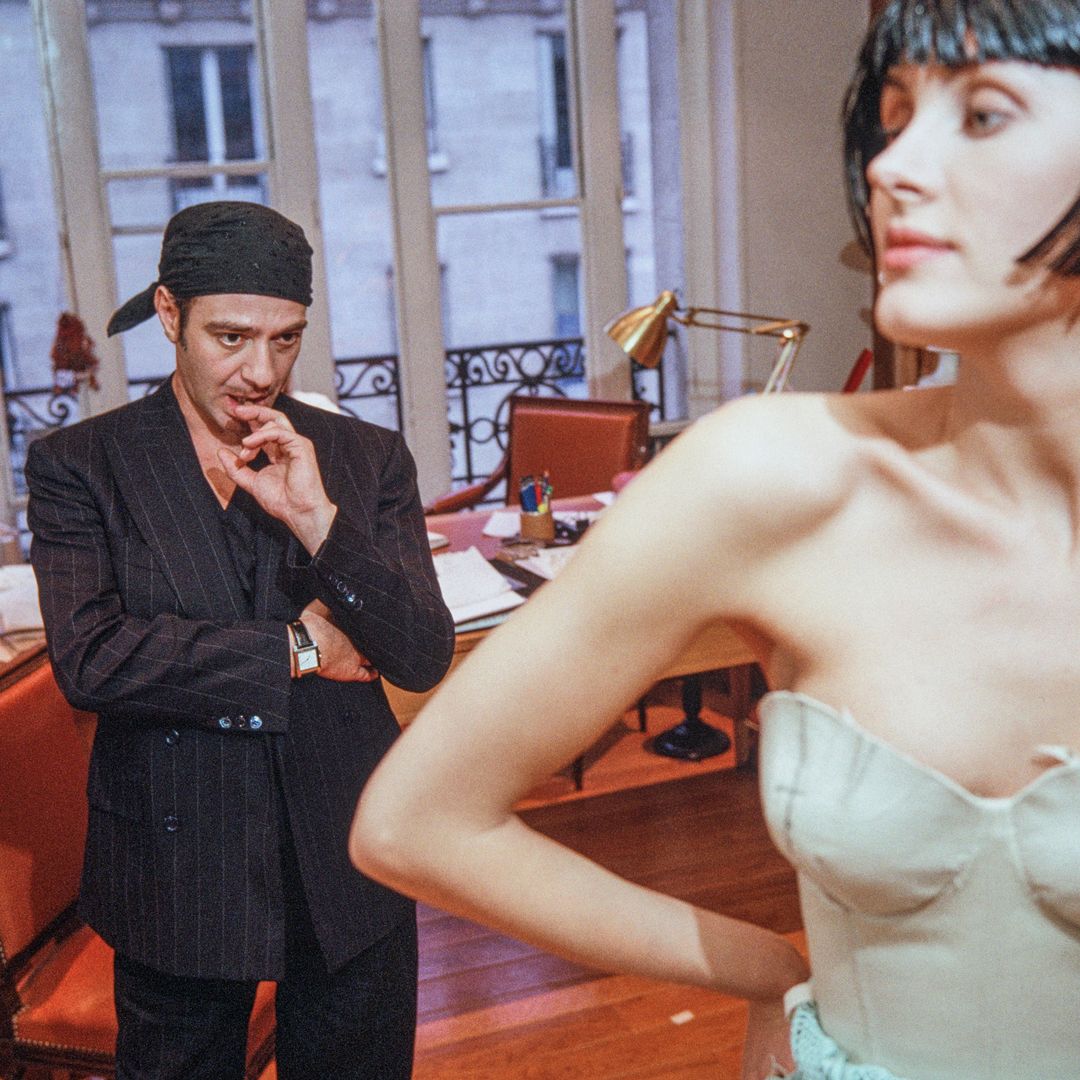
 © Getty Images
The “Costume Art” exhibit will run from May 10, 2026, to Jan. 10, 2027, opening just days after the Met Gala on May 4. As always, the gala and exhibition operate in tandem. The red carpet becomes a preview, a living thesis statement.
Why “Fashion Is Art” Feels Like a Cultural Reset
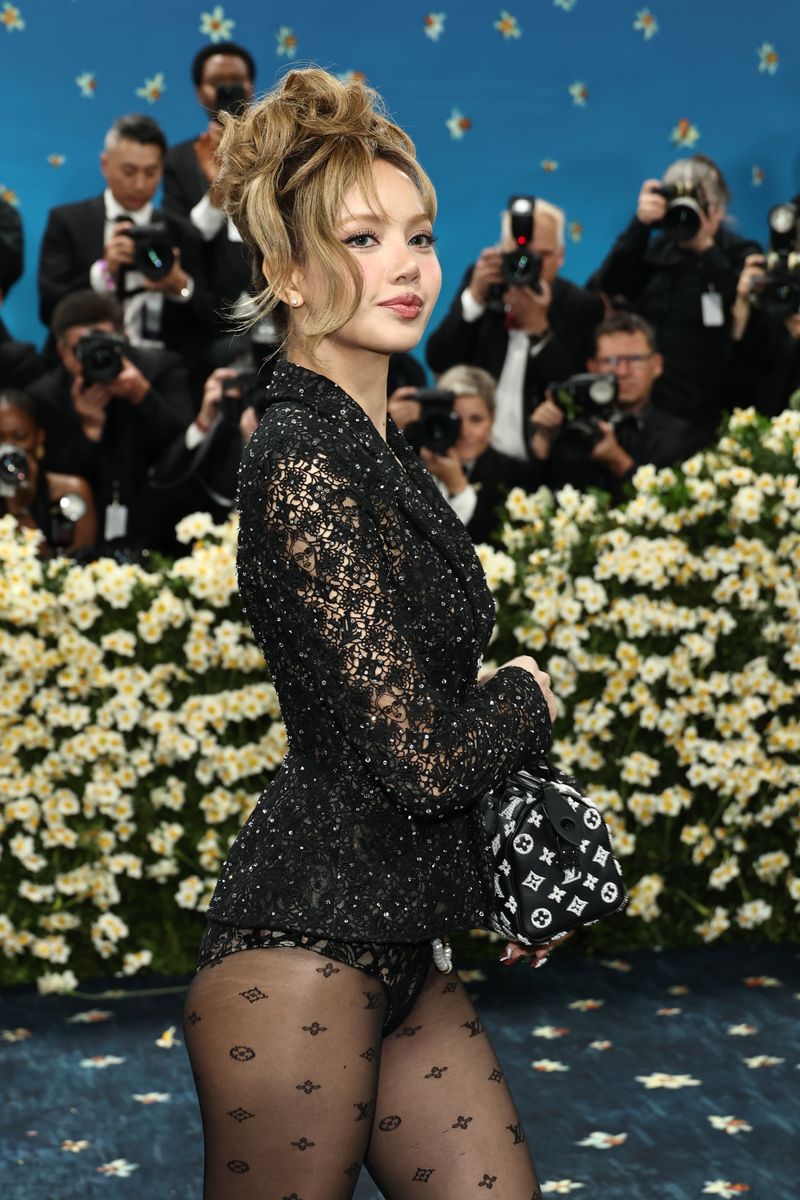
Bolton’s exhibition examines “the centrality of the dressed body in the museum’s vast collection.” He pairs paintings, sculptures, and objects spanning 5,000 years of art history with historical and contemporary garments from the Costume Institute.
 © Getty Images
He explained, “What connects every curatorial department and what connects every single gallery in the museum is fashion, or the dressed body. It’s the common thread throughout the whole museum, which is really what the initial idea for the exhibition was: this epiphany: I know that we’ve often been seen as the stepchild, but, in fact, the dressed body is front and center in every gallery you come across. Even the nude is never naked. It’s always inscribed with cultural values and ideas.”
There’s a sharp intellectual move here. The “nude” in art is never neutral. Bodies carry politics, power, gender, religion, and status. Clothing simply makes those codes visible. The exhibition reframes garments as cultural documents, not decorative extras.
Three Body Types, One Radical Framework
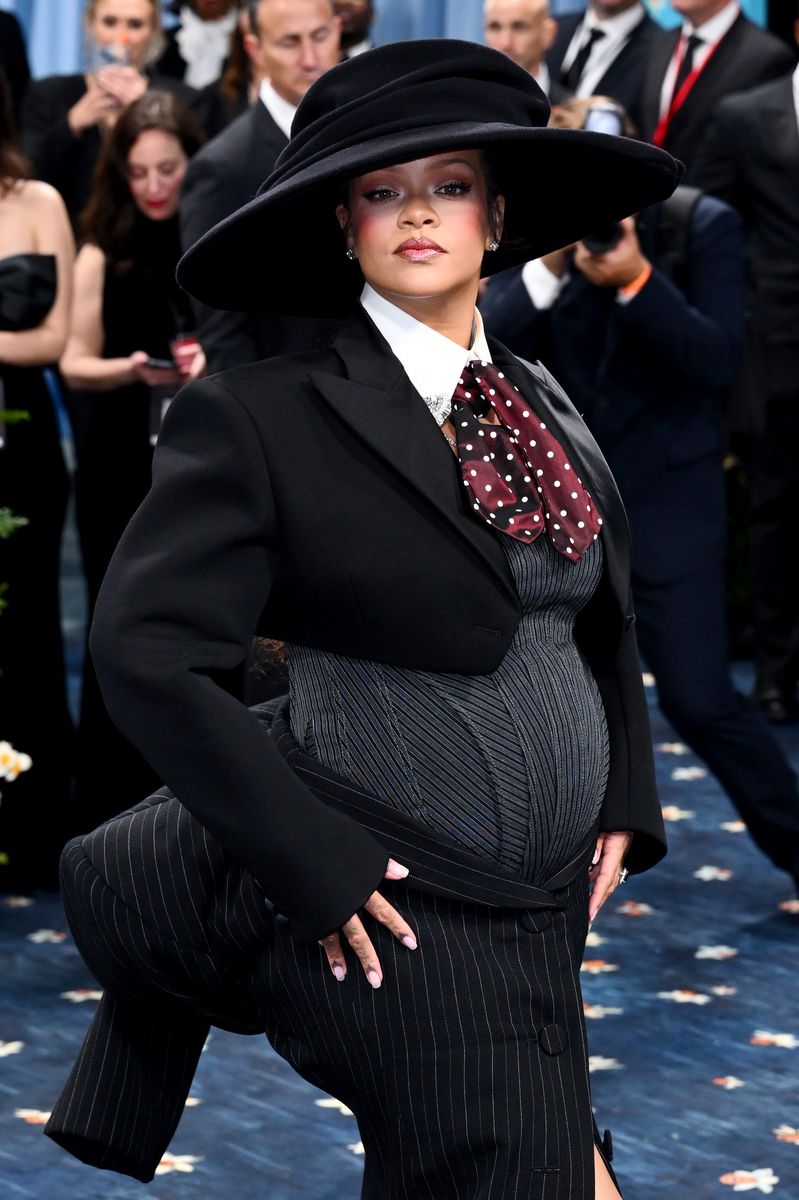
Bolton organized “Costume Art” around three thematic body types. First are bodies commonly represented in art. Then come those historically overlooked, including aging and pregnant bodies. Finally, he examines universal bodies, such as the anatomical body.
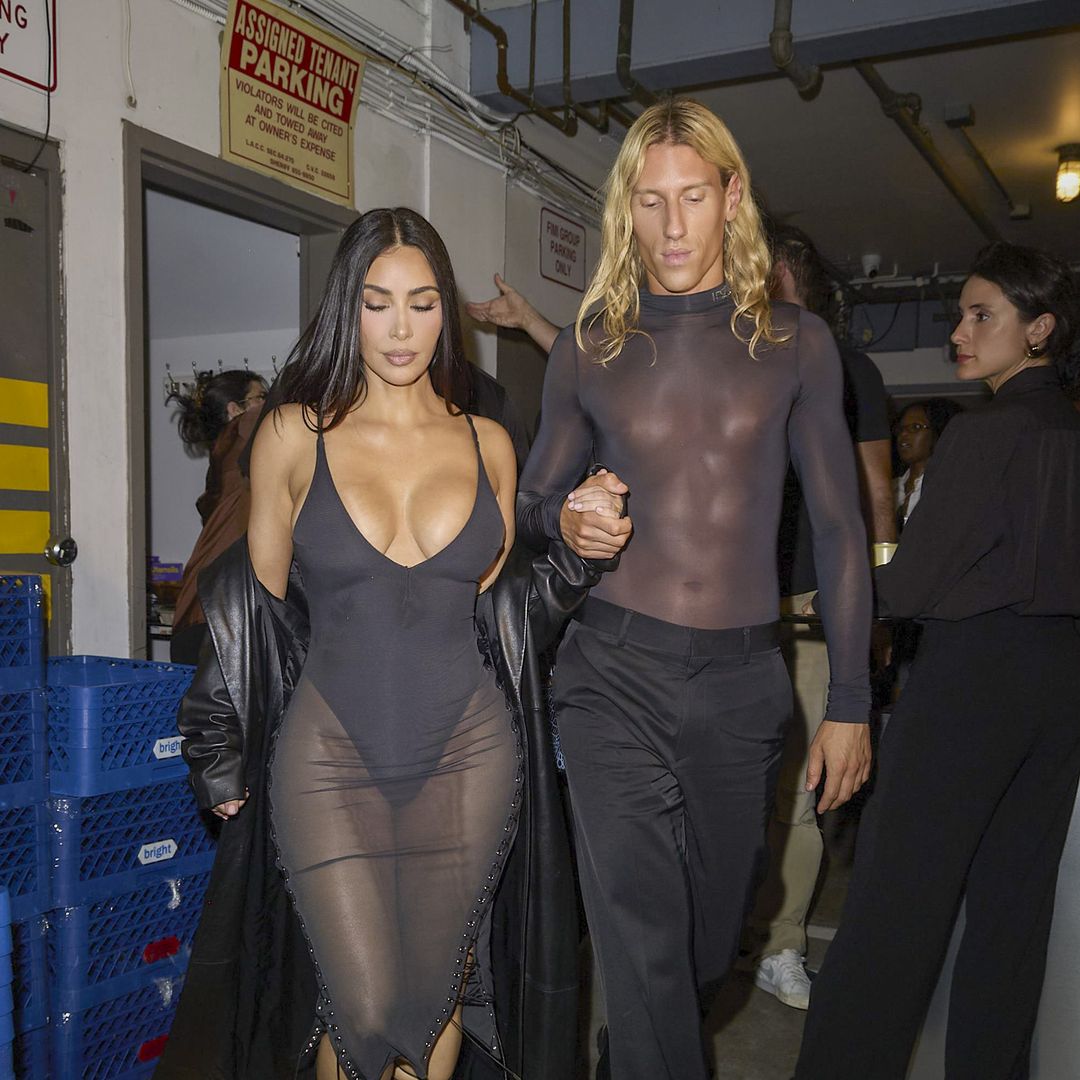
 © PA Images via Getty Images
This structure signals something bigger than style. It signals inclusion. The red carpet interpretations could explore maternity couture, aging as glamour, or hyper-anatomical silhouettes that echo sculpture and classical studies.
Expect conceptual fashion. Expect garments that quote Renaissance portraiture, anatomical drawings, or contemporary performance art. “Fashion Is Art” is less about trend forecasting and more about thesis building.
Beyoncé Returns: A Decade in the Making
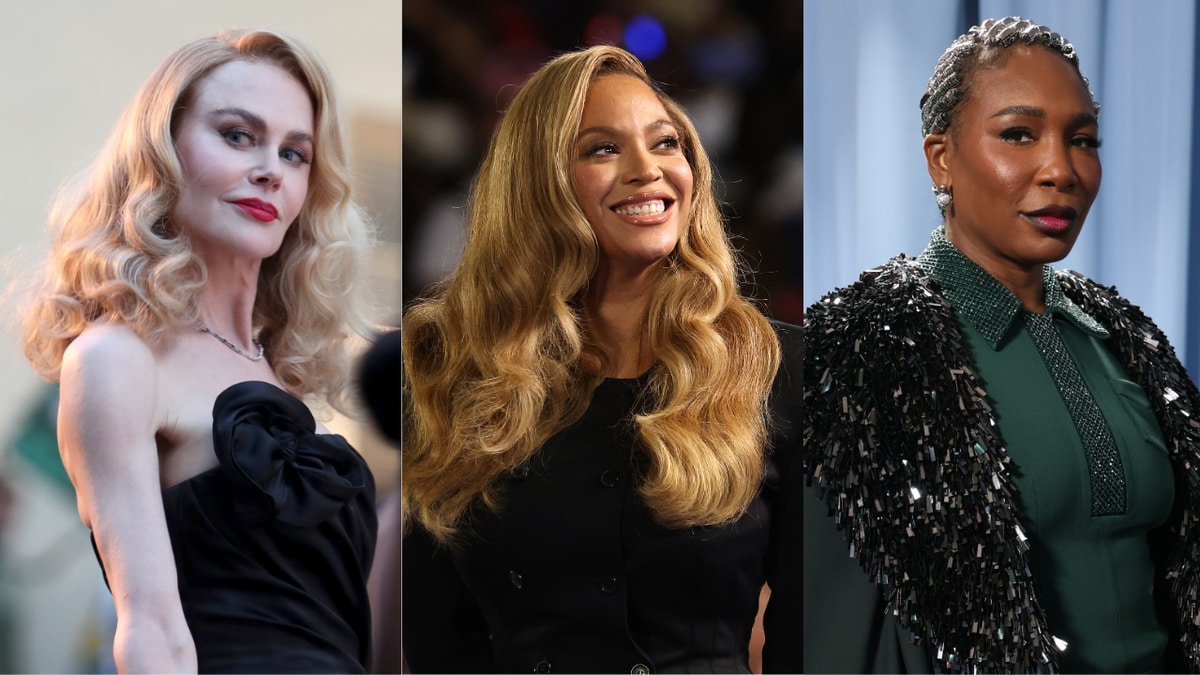
On Dec. 10, Vogue confirmed that Beyoncé, Nicole Kidman, Venus Williams, and Anna Wintour will serve as co-chairs for the 2026 gala.
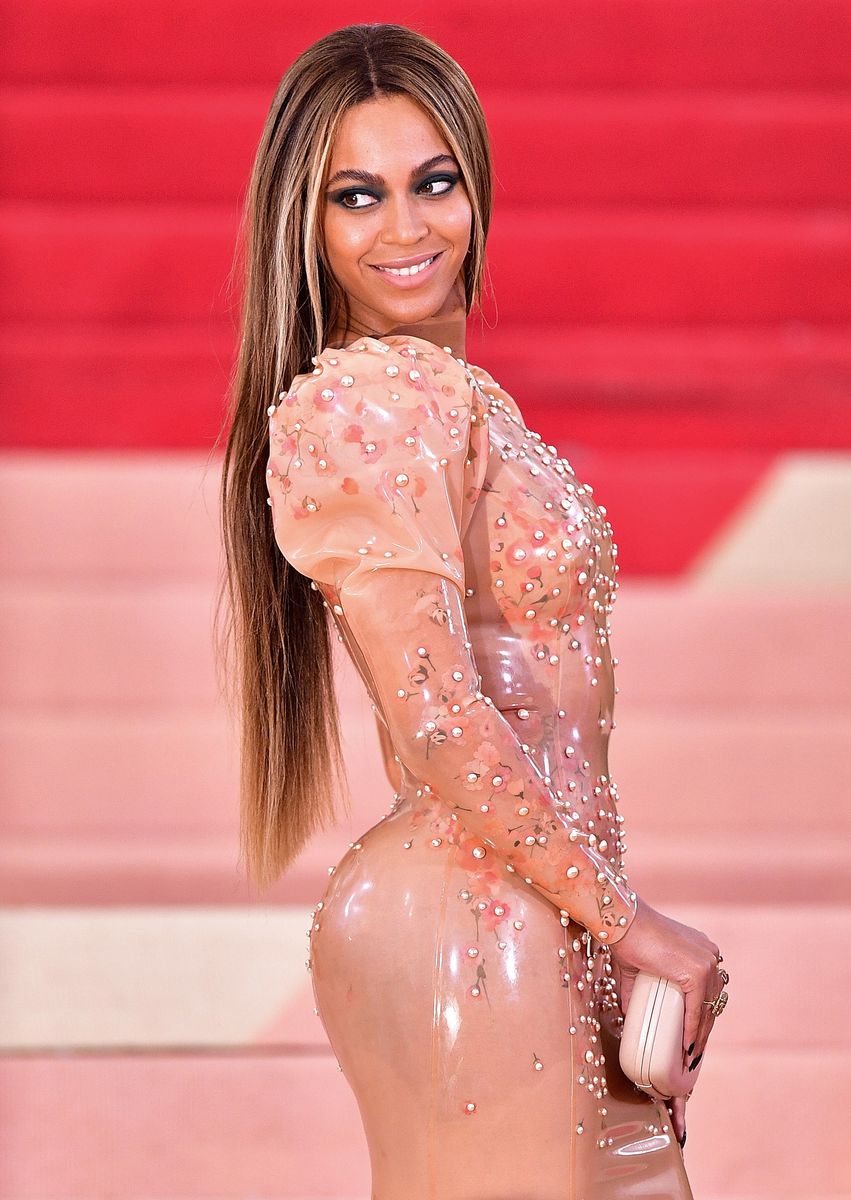
The headline moment is Beyoncé’s return. The 2026 event marks her first Met Gala appearance in a decade. She last walked the steps in 2016 for the “Manus x Machina” gala, wearing Givenchy Haute Couture. Since making her debut in 2008, she has attended seven times, each look carefully engineered for impact.
 © GC Images
Her comeback under the “Fashion Is Art” banner raises expectations. Beyoncé’s fashion history leans toward architectural silhouettes, intricate embellishment, and narrative symbolism. The theme aligns perfectly with that instinct.
Nicole Kidman brings cinematic elegance. Venus Williams represents the athletic body reimagined as high art. Anna Wintour anchors the event’s institutional authority. The co-chair lineup alone signals performance, film, sport, and editorial power converging.
What to Expect on the 2026 Met Gala Red Carpet
The 2026 Met Gala dress code invites more than couture. It invites commentary. Designers may lean into sculptural construction, painterly textures, or garments that reference specific artworks inside The Met. The conversation could stretch from classical drapery to avant-garde body modification. The intellectual floor has been raised.
 © Getty Images
“Fashion Is Art” also arrives at a time when fashion exhibitions consistently rank among museums’ most visited shows. The 2026 Met Gala will be about what the clothes mean.