The journey to the FIFA Women's World Cup 2027 is gathering pace as national teams across the globe compete for a place in Brazil. With more nations than ever dreaming of reaching women's football's biggest stage, the qualification campaign is delivering dramatic results, emerging stars, and fierce continental rivalries.
Brazil has already secured its place as tournament host, leaving the remaining nations to fight for the available qualification spots through regional competitions organized by FIFA's six continental confederations. Qualifying began in February 2025 and will continue through early 2027, making it one of the longest and most competitive qualification cycles in Women's World Cup history.
 © FIFA via Getty Images
How FIFA Women's World Cup Qualification Works
Unlike the men's tournament, Women's World Cup qualification is managed separately by each continental confederation. Every region has its own format, using either continental championships or dedicated qualifying tournaments.
For the 2027 edition, Brazil qualifies automatically as host, while the remaining places are distributed across the confederations:
- UEFA (Europe): 11 direct places plus one potential play-off spot
- AFC (Asia): 6 direct places plus two play-off spots
- CAF (Africa): 4 direct places plus two play-off spots
- CONCACAF (North and Central America and the Caribbean): 4 direct places plus two play-off spots
- CONMEBOL (South America): 2 direct places alongside host Brazil, plus two play-off spots
- OFC (Oceania): 1 direct place plus one play-off spot
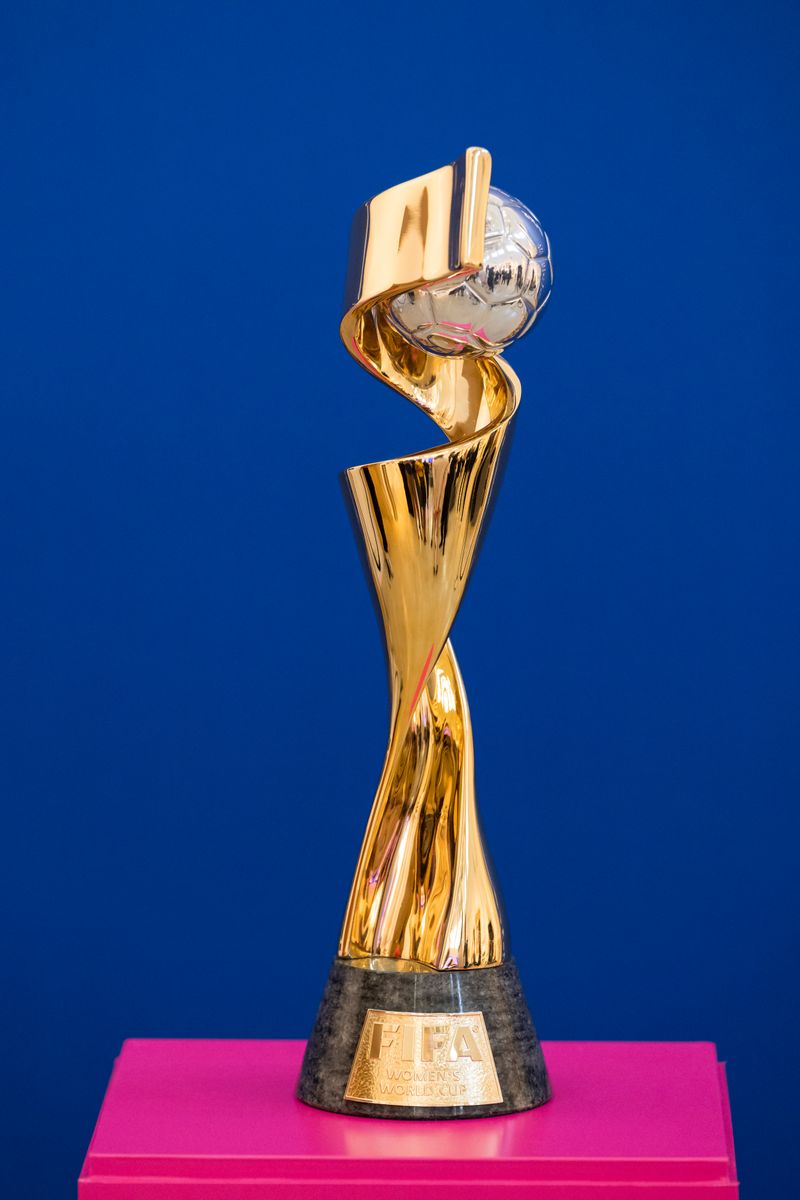 © FIFA via Getty Images
The final three World Cup berths will be decided through an inter-confederation play-off tournament scheduled for late 2026 and early 2027, according to FIFA.
Europe Producing Several Heavyweight Battles
European qualification remains one of the toughest pathways because of the depth of elite teams competing for limited automatic places.
Traditional powers, including Spain, France, Germany, England, the Netherlands, and Sweden, continue to battle through UEFA's league-based qualification format. While several nations have already secured direct qualification, others are heading into the play-offs after tightly contested groups.
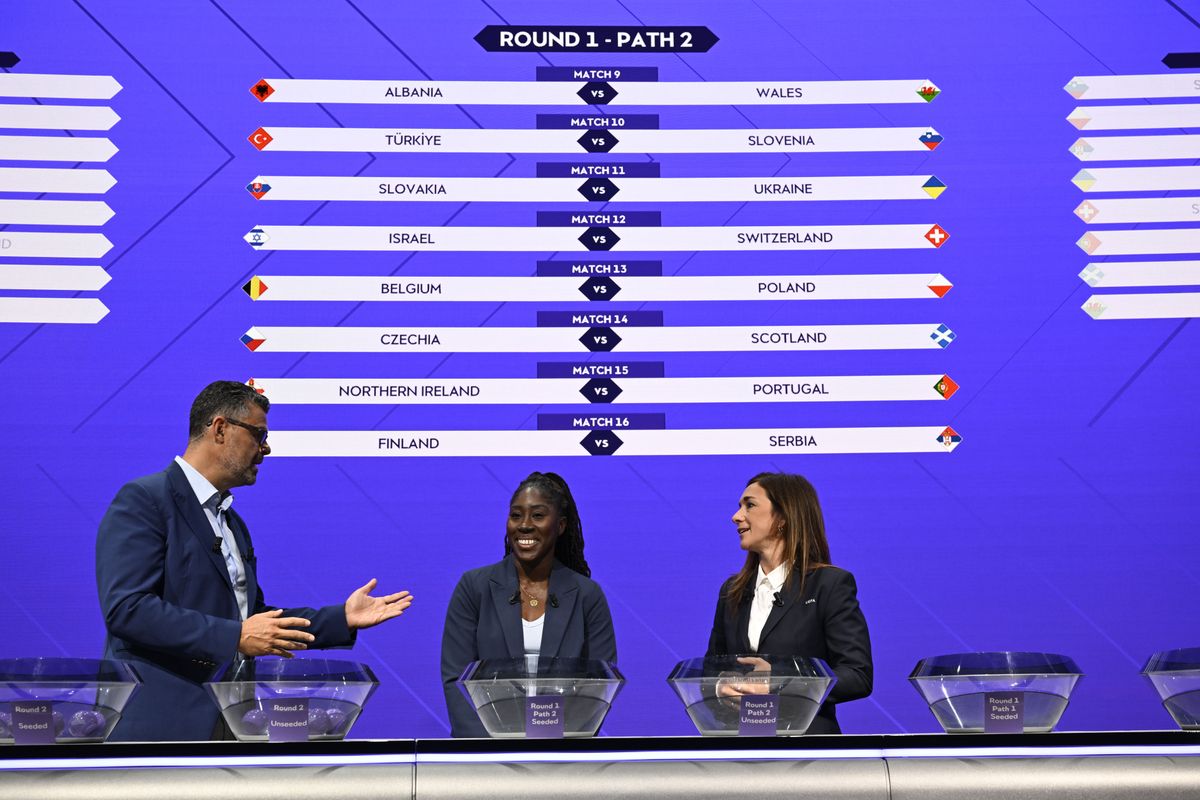 © UEFA via Getty Images
Spain, the reigning FIFA Women's World Cup champion, has continued its impressive form, while France has also booked its place after an unbeaten qualifying campaign.
Concacaf Qualification Heating Up
North America will determine its World Cup representatives through the 2026 Concacaf W Championship. Mexico, Jamaica and Haiti have already advanced to the championship after impressive qualifying performances, keeping alive their hopes of reaching Brazil 2027.
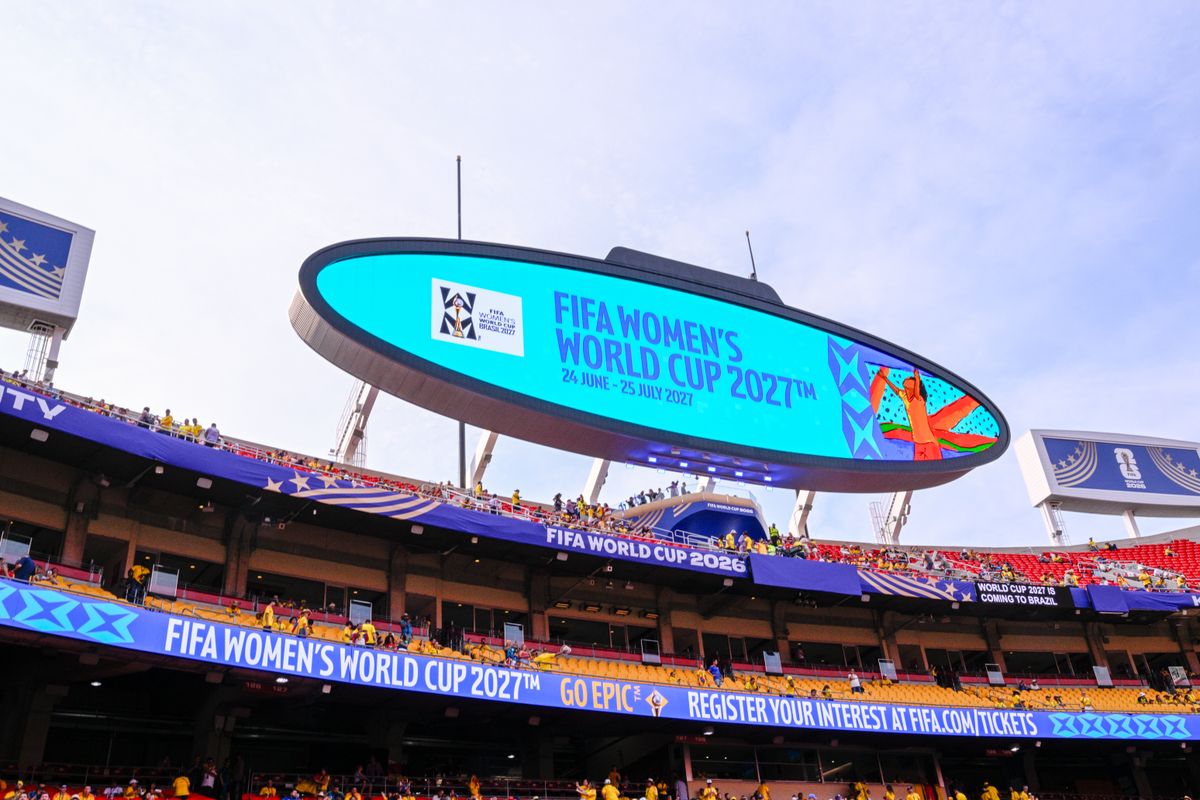 © FIFA via Getty Images
Powerhouses the United States and Canada are expected to be among the favorites once the final tournament begins. For the United States, qualification will also serve as an important step toward defending its reputation as the most successful nation in Women's World Cup history.
South America Eyes More Representation
Host nation Brazil automatically qualifies, but South America's remaining teams are still competing for direct places. Argentina and Colombia have strengthened their World Cup ambitions with strong performances, while Ecuador and Venezuela remain in contention through the play-off pathway. The region continues to grow in competitiveness, giving fans hope that South America could enjoy one of its strongest Women's World Cup showings yet.
 © Visionhaus/Getty Images
Africa and Asia Continue Their Rapid Rise
Women's football continues to expand rapidly across Africa and Asia, where qualification campaigns have become increasingly competitive.
African nations will secure their World Cup places through the 2026 Women's Africa Cup of Nations, while Asian teams are qualifying through the 2026 AFC Women's Asian Cup.
Countries such as Nigeria, Morocco, South Korea, the Philippines and North Korea remain among the strongest contenders from their respective regions.
Oceania Looks Beyond New Zealand
New Zealand has already confirmed another Women's World Cup appearance after winning Oceania qualification. The remaining Oceania hopefuls will still have an opportunity to qualify through the inter-confederation play-offs, giving smaller football nations another chance to reach the global stage.
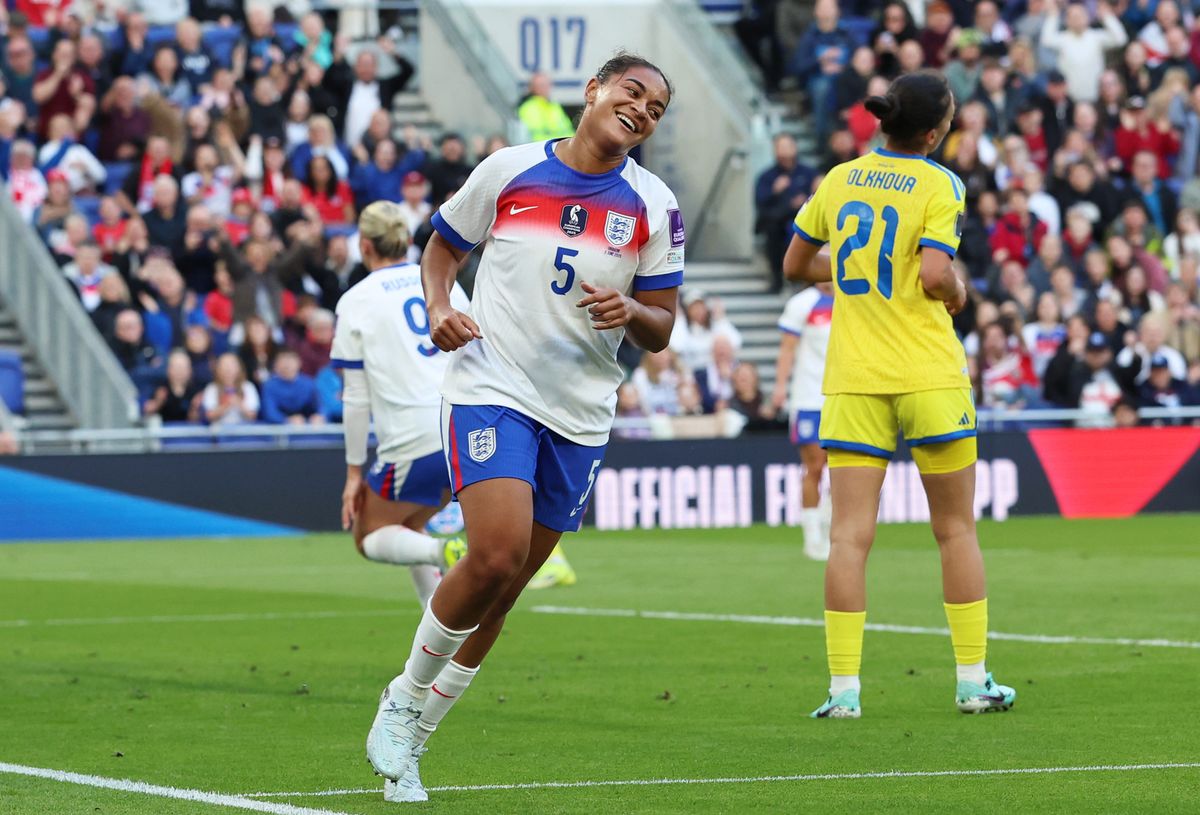 © Getty Images
Three Final Tickets Will Be Decided in Play-Offs
One of the biggest changes to the qualification process is the expanded inter-confederation play-off tournament.
Ten teams from across the world will compete in two phases for the final three World Cup places. The format is designed to give more nations from developing football regions a realistic pathway to qualification while maintaining strong global representation.
 © The FA via Getty Images
The play-offs are scheduled for November and December 2026 before concluding in February 2027, just months ahead of the tournament in Brazil.