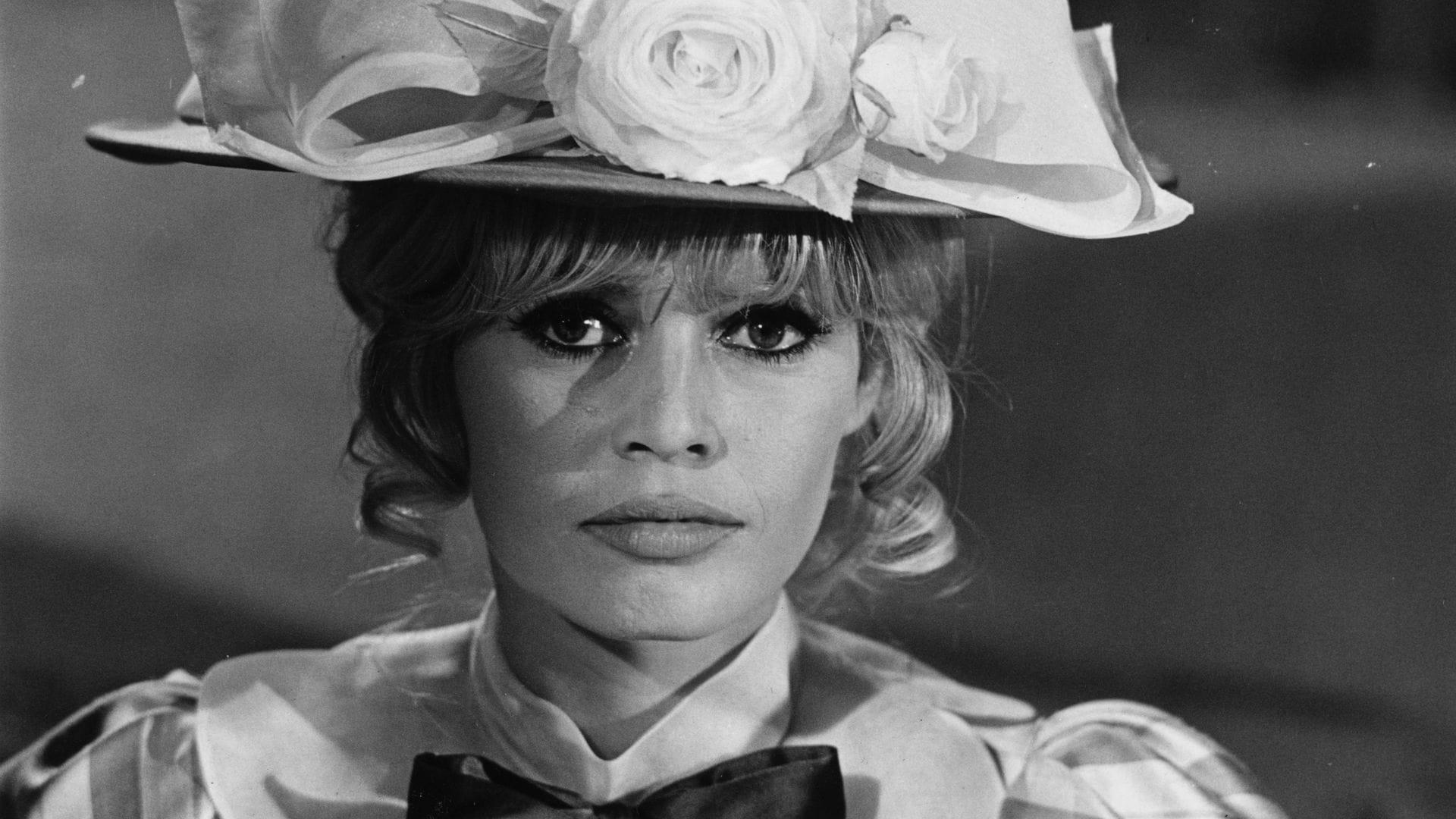
Brigitte Bardot in a Mexican revolution comedy directed by Louis Malle, dressed by Pierre Cardin, flirting with danger and blowing up the patriarchy long before it was fashionable. That alone sounds like cinematic espresso. But “Viva Maria!” is more than a stylish curiosity from 1965. It is one of the boldest, strangest, and most quietly radical films of the entire European New Wave era, and it still crackles with rebellious energy today.
Set in a fictional Latin American country in the early 20th century, “Viva Maria!” throws two wildly different women together and lets them rewrite the rules of revolution. Bardot plays Marie Fitzgerald O’Malley, a circus girl who stumbles into political chaos.
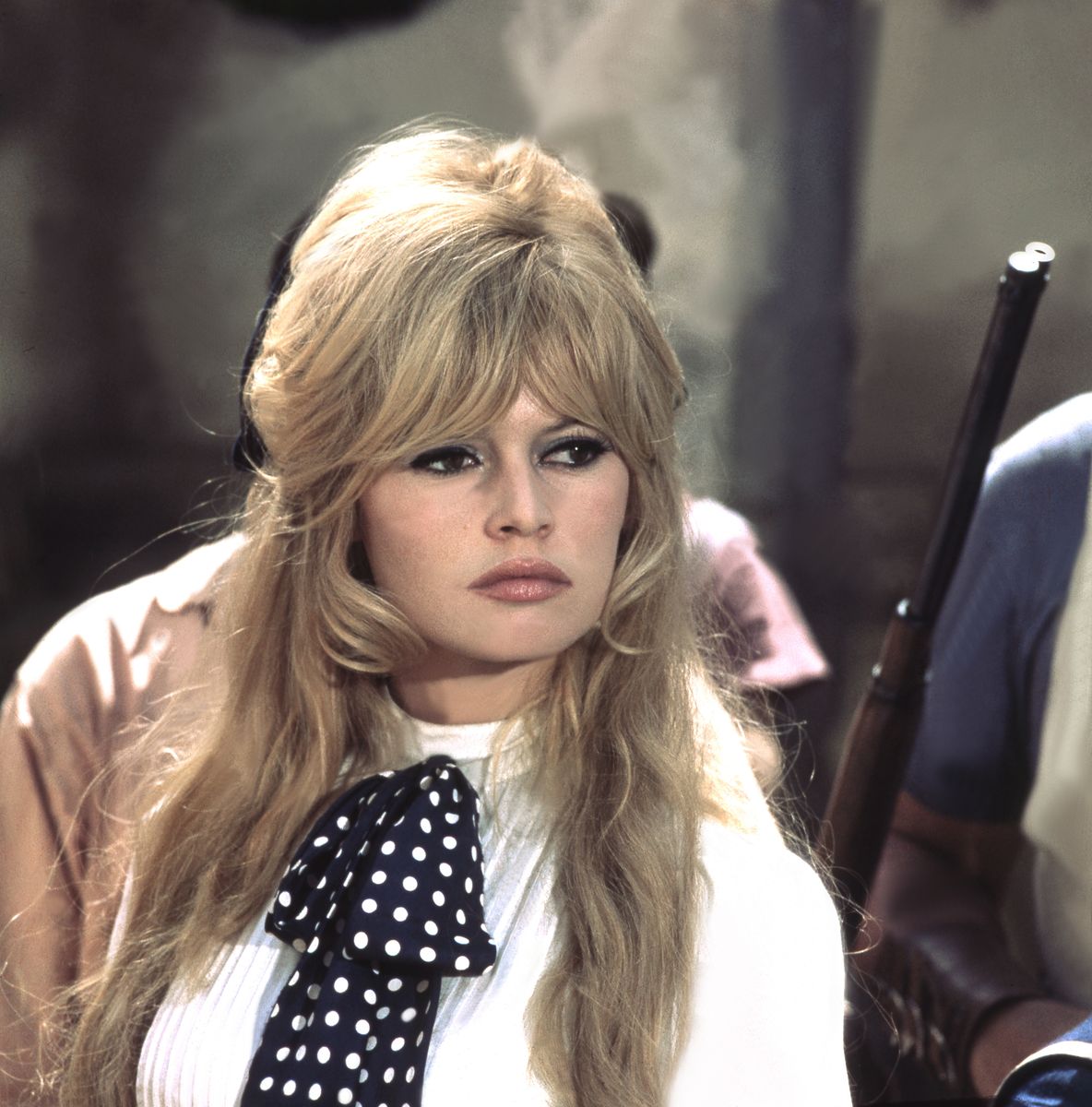 © Corbis via Getty Images
Jeanne Moreau is Maria, a mysterious cabaret performer with nerves of steel and a past she keeps tightly locked. They meet, they clash, they bond, and before you know it, they are leading an uprising.
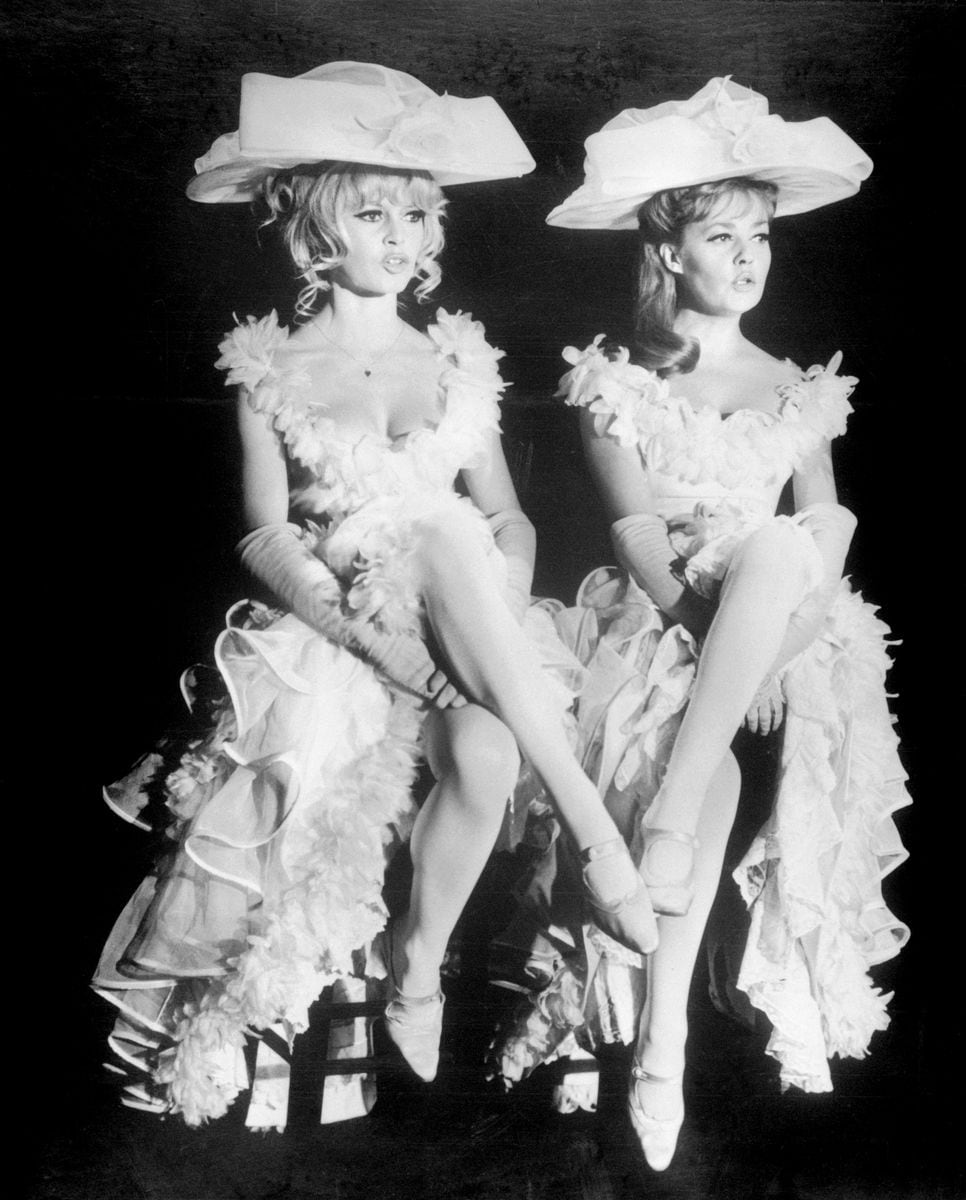 © Bettmann Archive
Louis Malle’s Genre Twist That Changed the Game
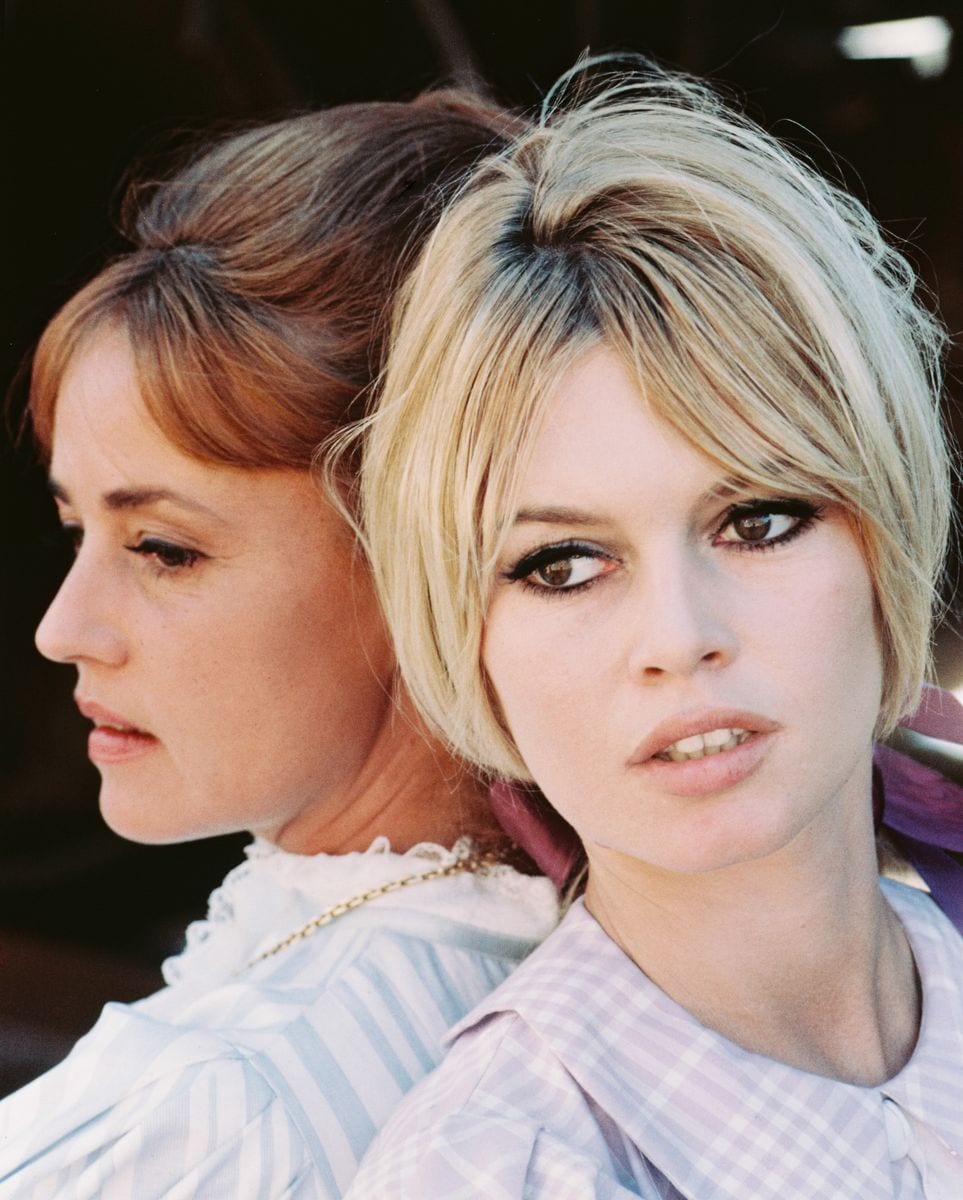
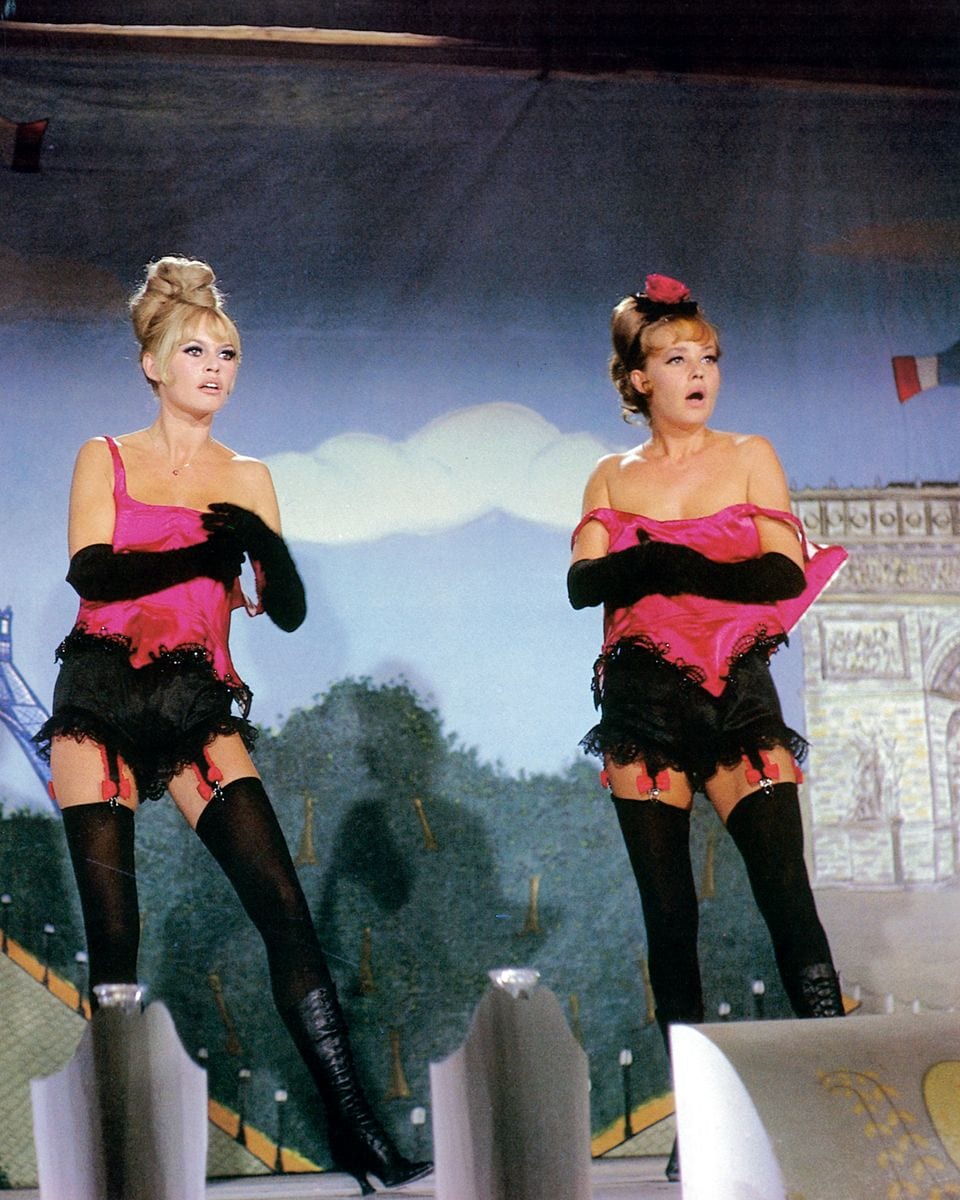
Louis Malle conceived the film as a kind of playful showdown between two archetypes. He famously called it a burlesque boxing match between sexpot and seductress. Bardot’s radiant innocence bumps against Moreau’s smoky sophistication, and sparks fly in every possible direction. The movie borrows the structure of a classic buddy Western, but swaps out the macho gunslingers for two women who refuse to be decorative.
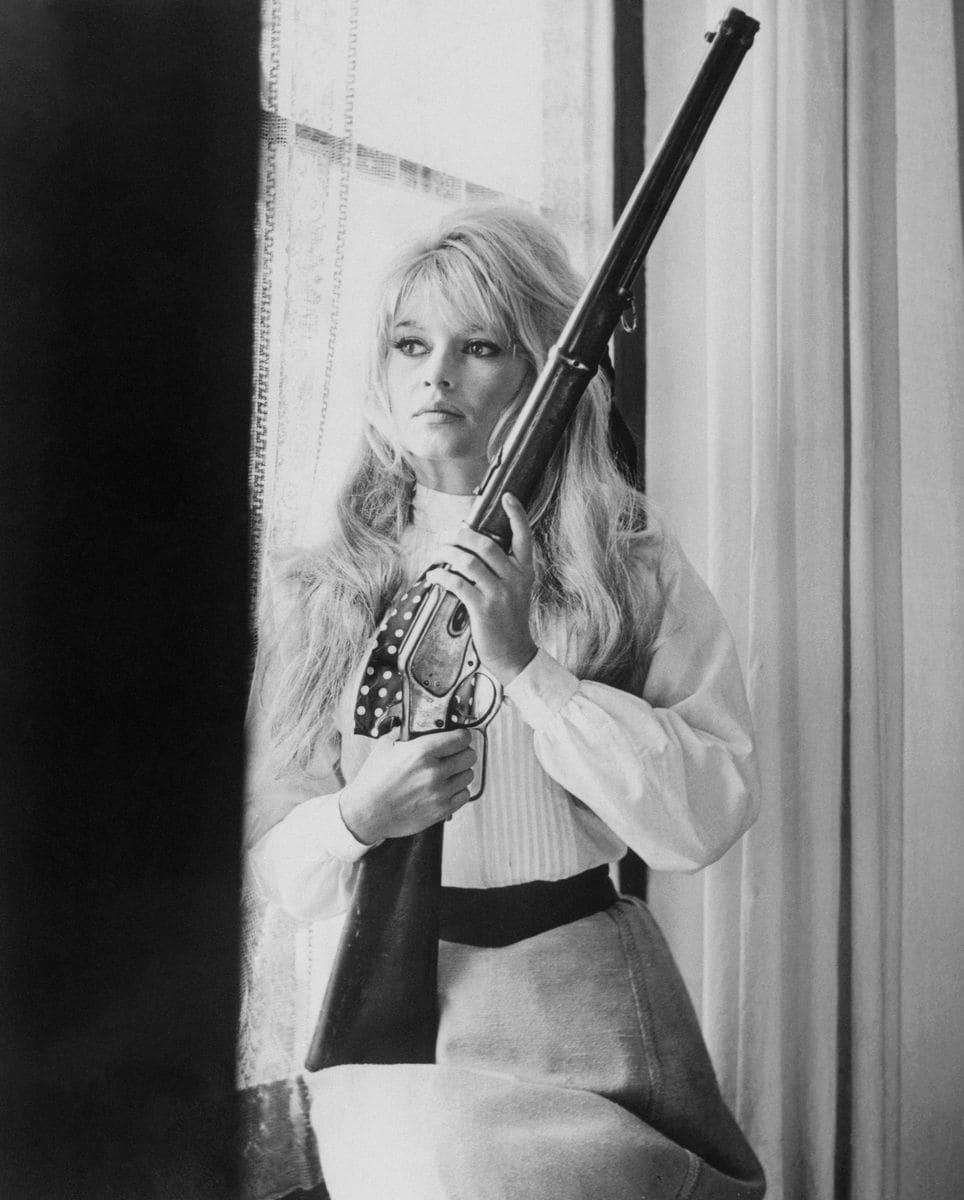
That switch was not just clever. It was quietly revolutionary. At a time when women in adventure films were usually love interests or victims, “Viva Maria!” let its heroines drive the story, make the decisions, and light the dynamite. German filmmaker Rainer Werner Fassbinder later told Malle that radical students in Berlin saw the two Marias as symbols of different revolutionary philosophies. One is instinctive and emotional. The other is strategic and disciplined. Together, they become unstoppable.
 © Getty Images
Filming in Mexico With Glamour and Grit
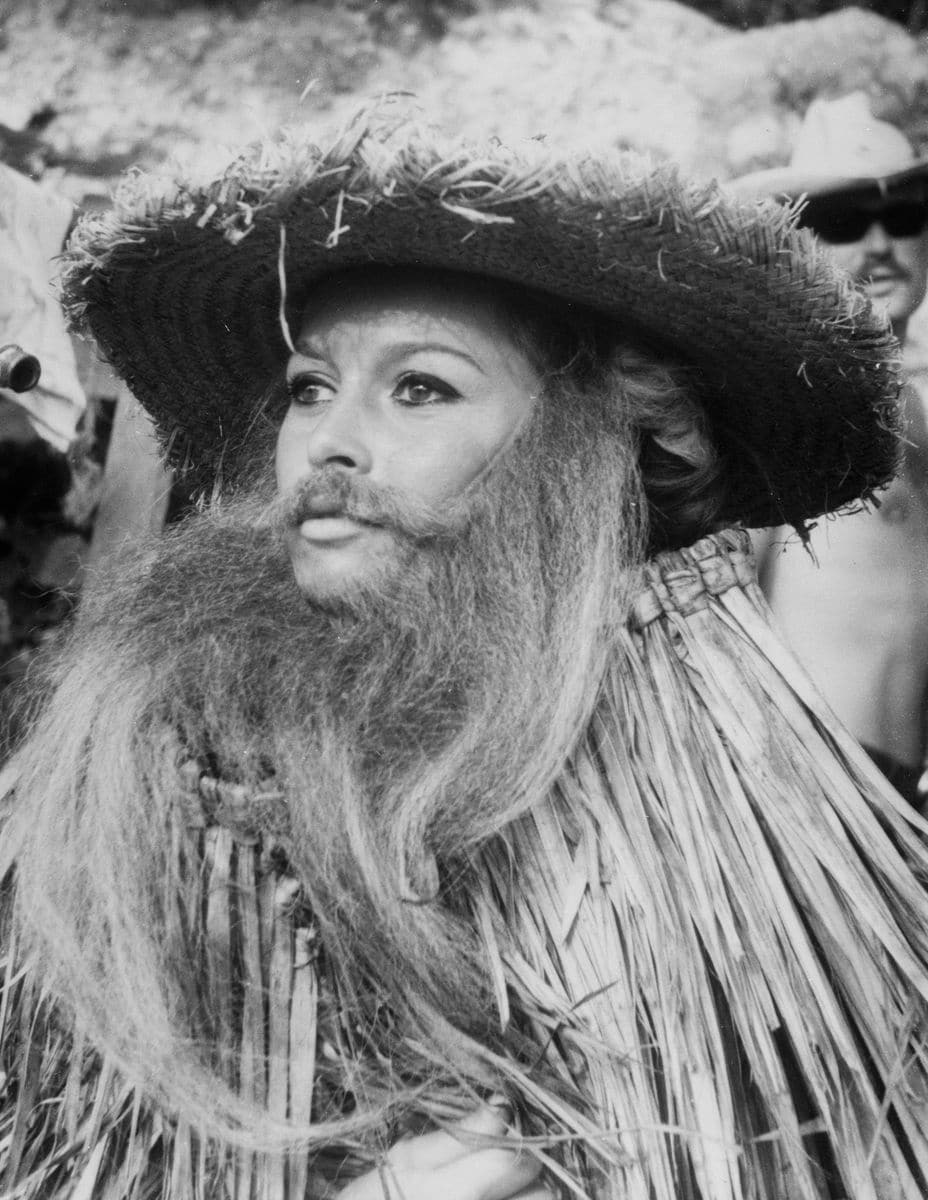
The film was shot over sixteen weeks in Mexico, including the stunning landscapes of Texcoco. Bardot and Moreau reportedly became close, bonding like soldiers in a strange and beautiful war. The production was not without drama. An extra tragically died in an accident, and Bardot fell ill during filming, causing delays. Even so, the movie’s energy feels effortless on screen, as if the chaos only made it wilder.
 © Bettmann Archive
Visually, “Viva Maria!” is a feast. Shot in Eastman Color by the legendary Henri Decaë, the film moves from lush tropical scenery to smoky cabarets glowing with golden light. The costumes by Pierre Cardin are pure 1960s magic, turning revolutionary outfits into high fashion without ever breaking the story’s spell.
 © Bettmann Archive
Scandal, Censorship, and Box Office Glory
When the film was released, it stirred trouble. Dallas banned it for being too sexy and too anti Catholic, a decision that was later overturned by the US Supreme Court. Critics were divided. Time called it messy but visually stunning. Variety adored the pairing of Bardot and Moreau.
 © Getty Images
Sight and Sound found it chaotic but irresistible. In many ways, that mix of reactions feels exactly right. “Viva Maria!” is not neat. It is wild, funny, sexy, political, and a little unhinged, just like the best revolutions.
 © Getty Images
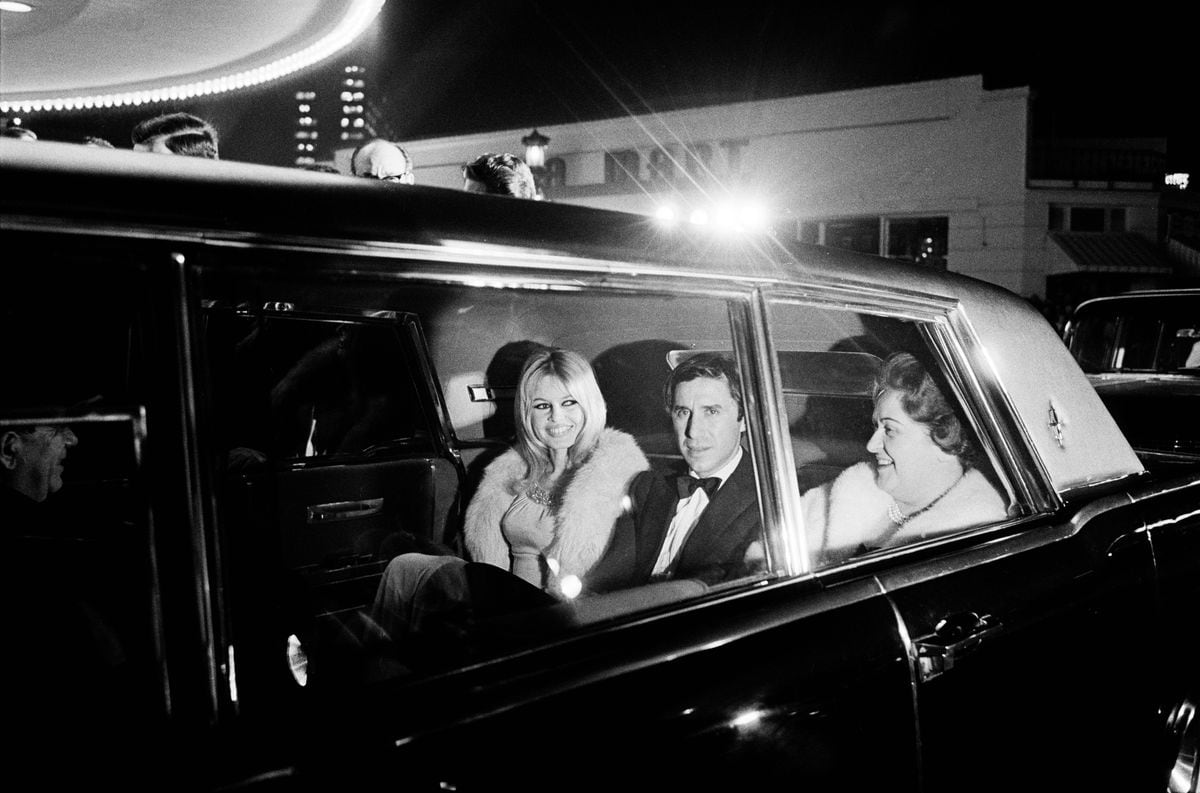
At the box office, it was a major hit in France, selling over three million tickets and ranking among the top films of 1965. Decades later, it was still being screened in festivals under themes like Power and Rebellion, which tells you everything about its lasting impact.