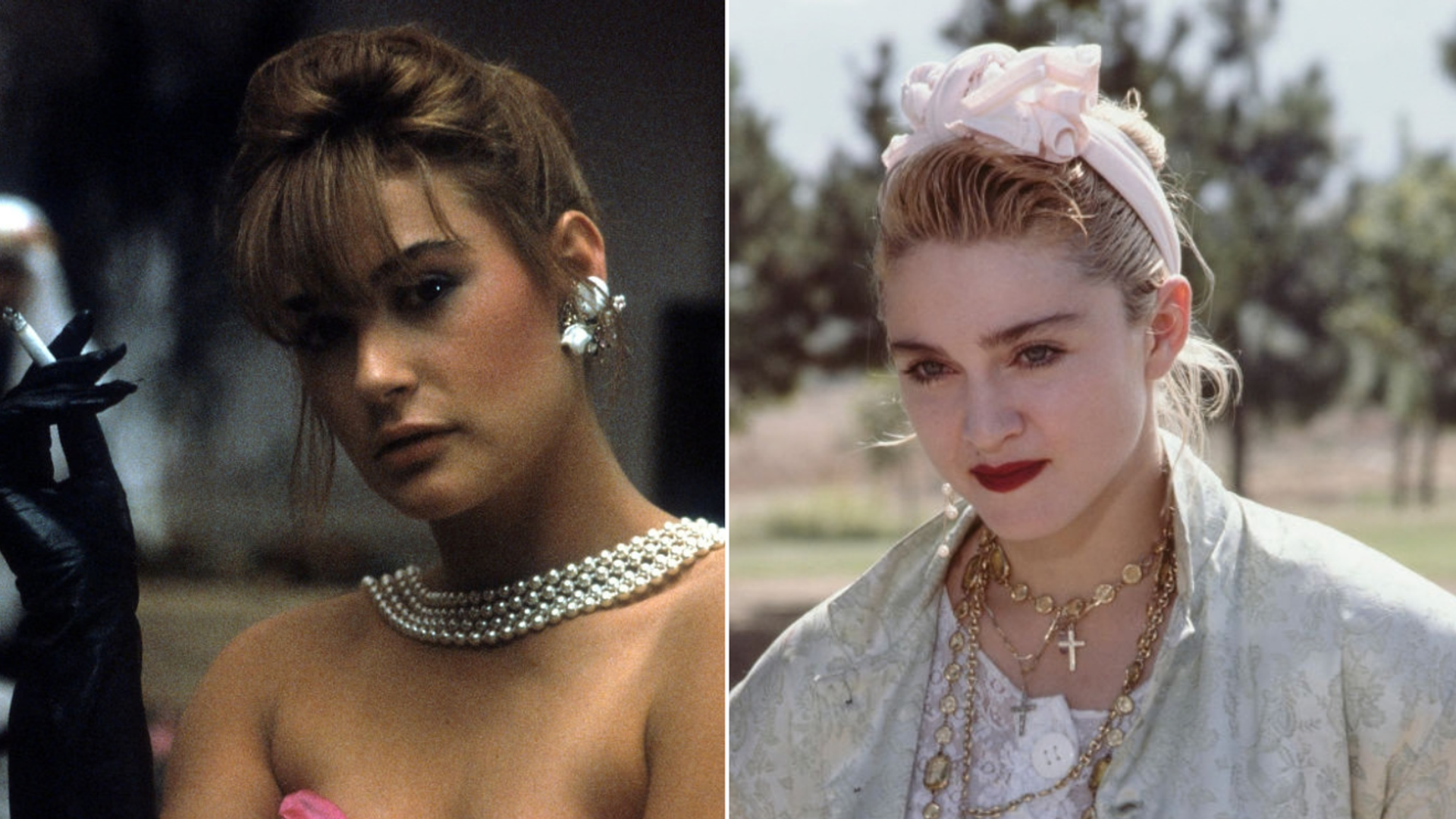
Demi Moore could have had a very different role in St. Elmo’s Fire - or no role at all. The Oscar-nominated actress was almost fired from the 1985 film just days before production began after showing up drunk and high to a costume fitting. According to one of the film’s co-writers, director Joel Schumacher was already considering replacing her with Madonna.
 © Getty
Carl Kurlander, who co-wrote the coming-of-age drama, shared the behind-the-scenes drama during an appearance on Reality Life with Kate Casey. The role in question was Jules, a young woman whose glamorous exterior hides a serious cocaine problem.
At the time, Moore was just 22 and still trying to find her footing in Hollywood, and according to Kurlander, she came close to losing it. Moore later admitted she was dealing with a cocaine addiction, adding another layer of irony to the role. “Demi was truly living the life of Jules when we met her," Kurlander said.
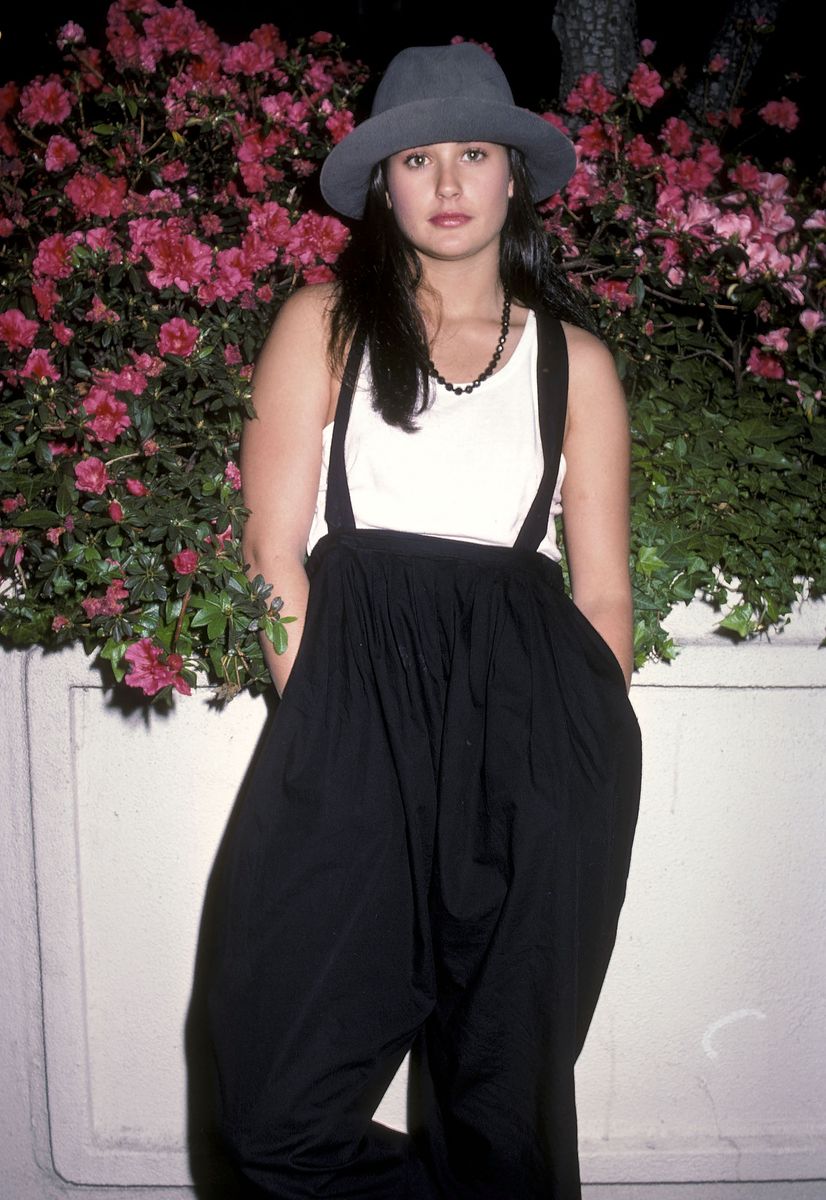
Moore allegedly showed up to a fitting drunk and high, and costume designer Susan Becker understandably went narc mode and alerted Schumacher. The fitting took place about 10 days to two weeks before filming, so he had to make a quick decision.
 © Getty
Schumacher had dealt with addiction himself, so he met with Moore alongside producer Lauren Shuler Donner. The director did not sugarcoat anything: “Joel told me that he told her, ‘Go kill yourself on someone else’s movie,’” Kurlander said.
 © Getty
Shuler Donner helped give Moore another chance and worked with Schumacher on a plan that would allow the actress to stay if she could get sober before filming. “Lauren Shuler Donner, God bless her, worked out a plan with Joel, saying, ‘Look, if you can clean yourself up in 10 days, you can be in this movie,’” Kurlander recalled.
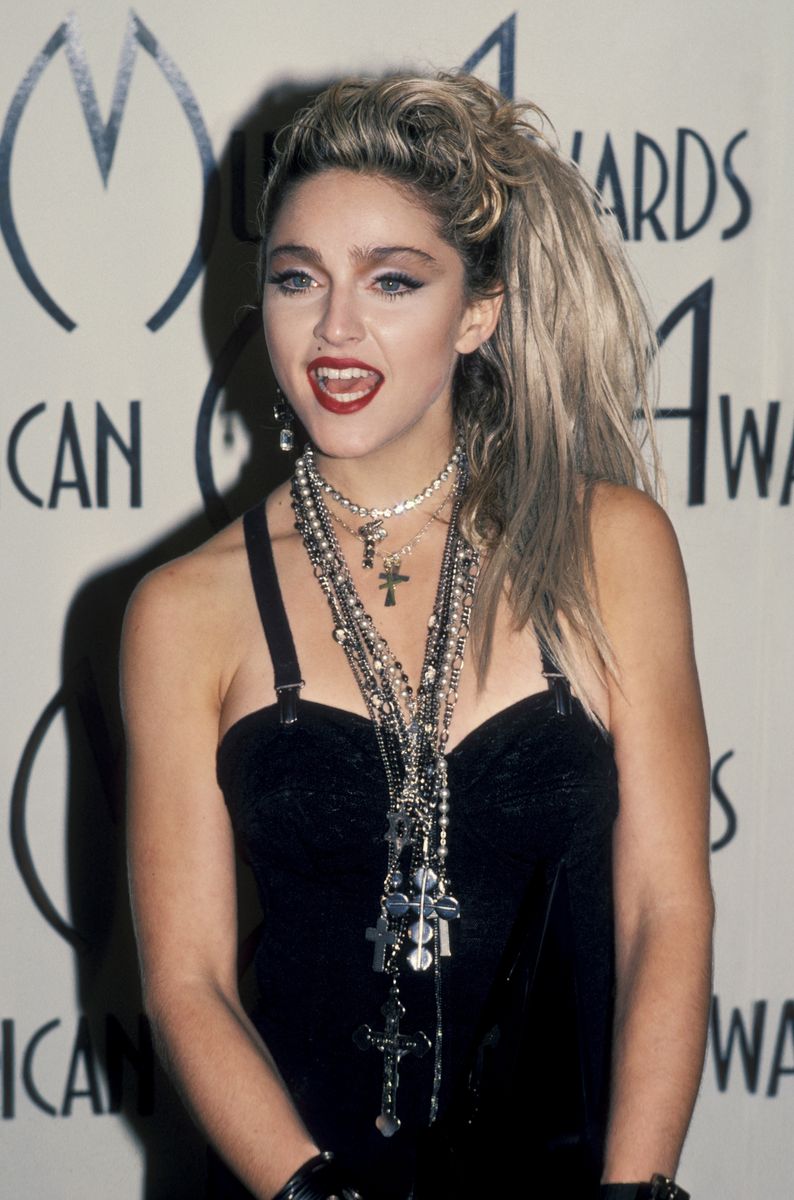
Schumacher wasn't totally confident she would get her act together, and he had already met Madonna. At the time, he saw something special in the future pop superstar. “Joel had met Madonna. And he came back, and he said, ‘This girl is going to be the biggest star in the world. I could just feel it,’” Kurlander recalled. “And Joel was all ready to offer the part to Madonna.”
But Moore locked in and attended Alcoholics Anonymous meetings, and they even paid for her to have a sober companion throughout the shoot. By the time the cast sat down for the table read, Kurlander could see that something had changed. “She clearly had more than just cleaned up,” he said.
 © Getty
Moore has been open about just how difficult that period of her life was. In her 2019 memoir, Inside Out, she wrote about how her cocaine use had escalated into a dependency by the mid-1980s. But the fear of losing the film unlocked something inside of her.
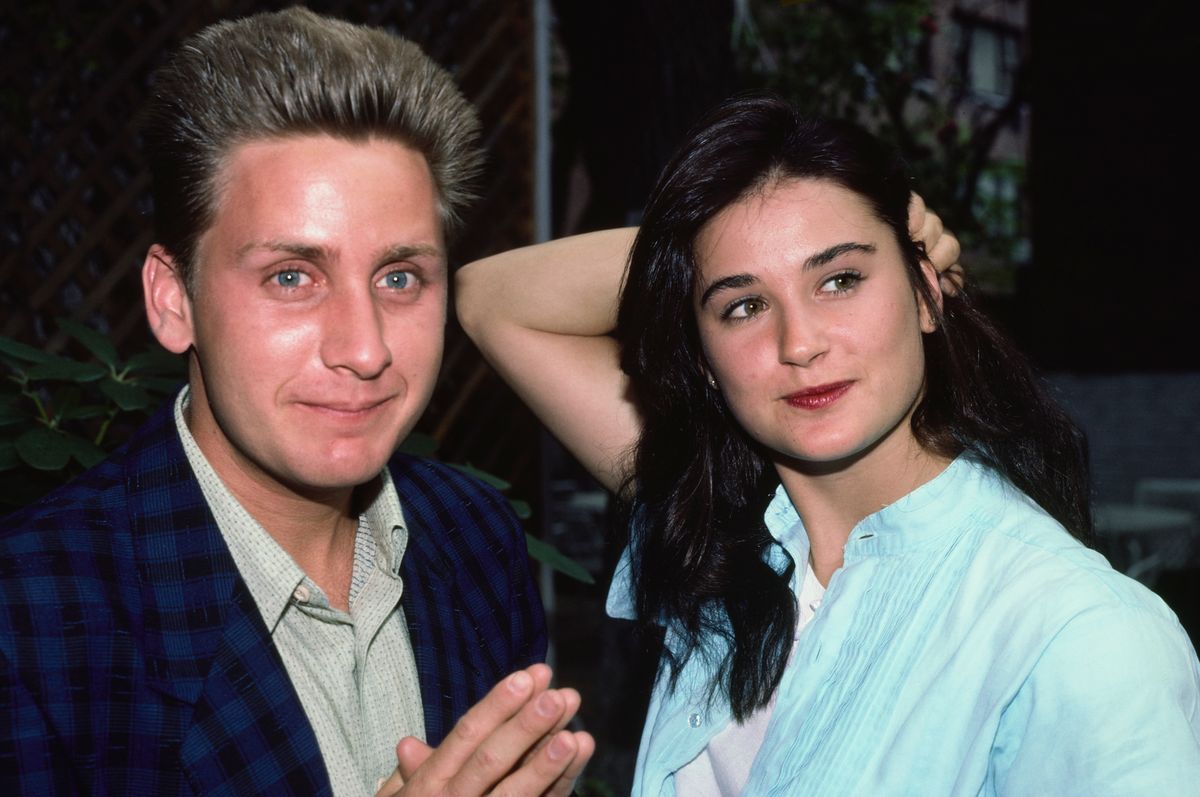
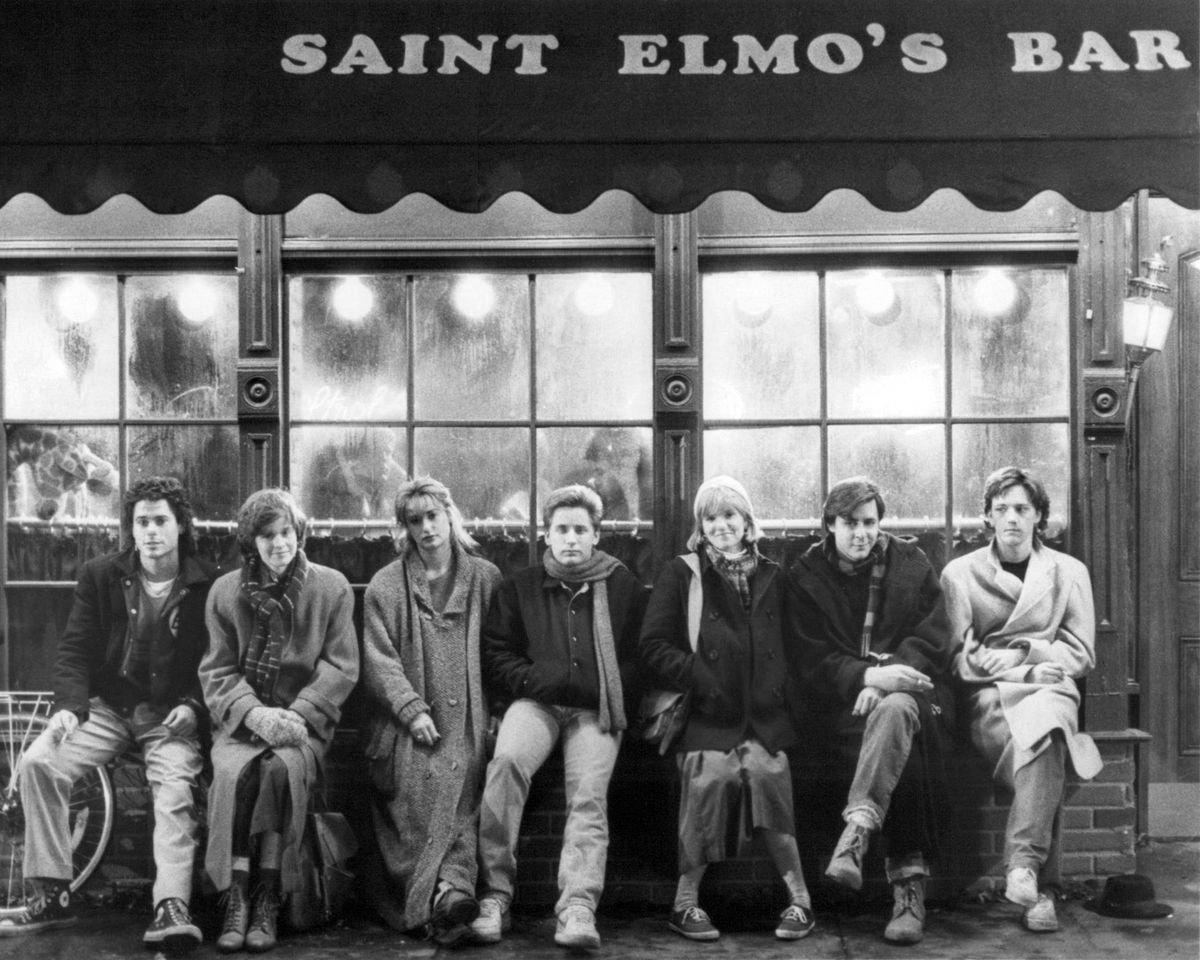
The film would become one of the defining titles associated with the Brat Pack, with Moore starring alongside Rob Lowe, Emilio Estevez, Ally Sheedy, Judd Nelson and Andrew McCarthy.
She reflected on that mindset in McCarthy’s 2024 documentary Brats, which revisited the actors and cultural impact of the era. “I was so fearful of failing, fearful of losing, and so desperate to fit in, belong,” Moore said. “My need to please was definitely on high alert.”
She also made it clear that she understood Schumacher and the production could have moved on without her. “They could have easily just found someone else,” Moore said in the documentary. “Because it’s not like I had any box-office draw. You know, we were all just beginning. I didn’t have anything to really warrant him sticking by me.”
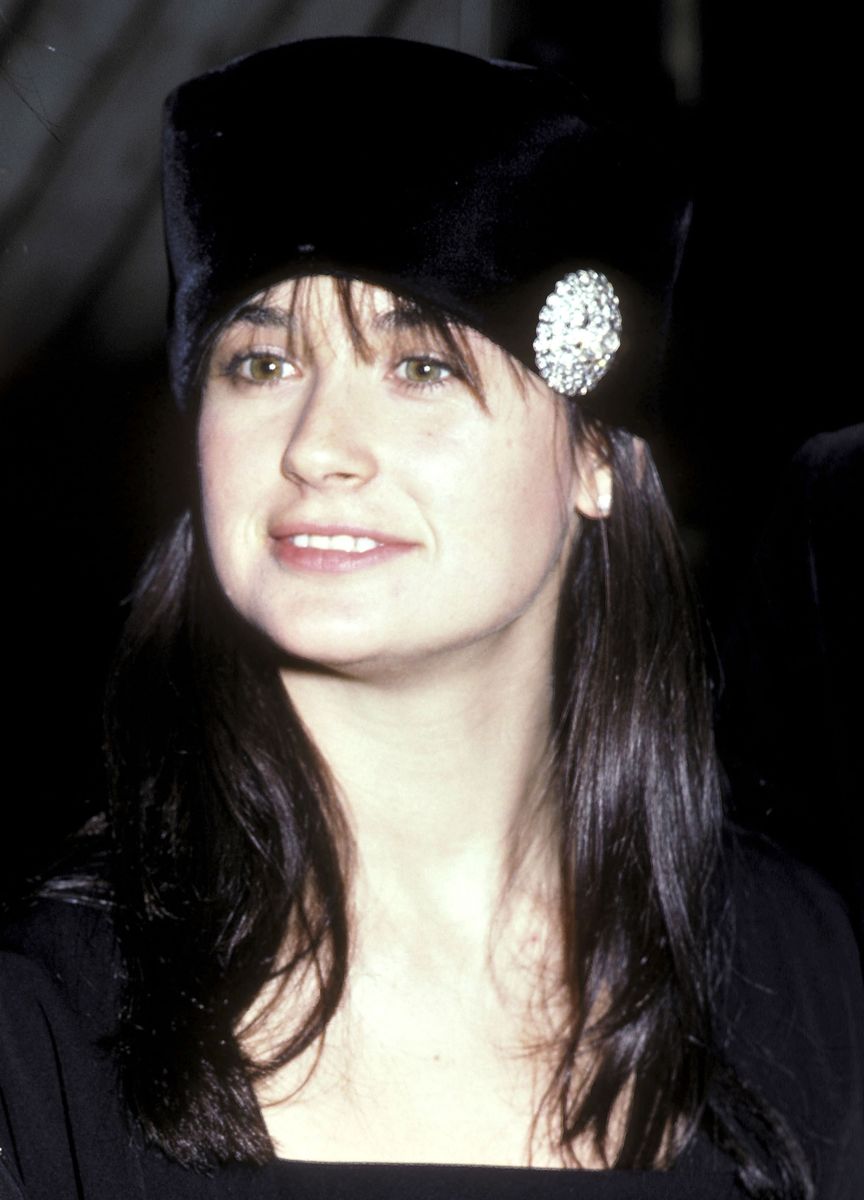
At the time St. Elmo’s Fire came along, Moore was still a relative newcomer compared with some of her co-stars. She had spent two years on General Hospital and appeared in films including Blame It on Rio. A July 1985 Los Angeles Times profile described Jules as her biggest movie role to date.
 © Getty
In Inside Out, Moore admitted that saving her career was a bigger motivator than getting sober for herself. “If I’d had to give up the movie and go through the program to get sober for myself, I doubt I would have done it,” she wrote. “I just didn’t value myself enough for that.”
“But with the film at stake, and this enormous support from Craig Baumgarten, Joel Schumacher, and his colleagues, who I didn’t want to let down, I had something much bigger than me to fight for. And so I did,” she continued.
Moore went on to maintain her sobriety for nearly two decades before experiencing a relapse in 2012. She later sought treatment again and has continued to speak candidly about her relationship with drugs and alcohol.
 © Getty
During a 2025 appearance on WTF with Marc Maron, Moore explained why she initially resisted entering treatment. Because her mother struggled with alcoholism, she had convinced herself that a program focused on alcohol did not apply to her own drug use.
“I was like, ‘No, no. You don’t understand. That’s my mother. I’m a drug addict,’” she recalled.
Moore has also spoken about how recovery changed the way she handles difficult emotions. In an interview with The New York Times, she reflected on what happens when someone tries to numb themselves rather than confront what they are feeling.
“I think what I know now is when you’re numbing yourself out, your discernment for things isn’t the same,” she said. “Drugs and alcohol just aren’t a right fit for me,” she added.