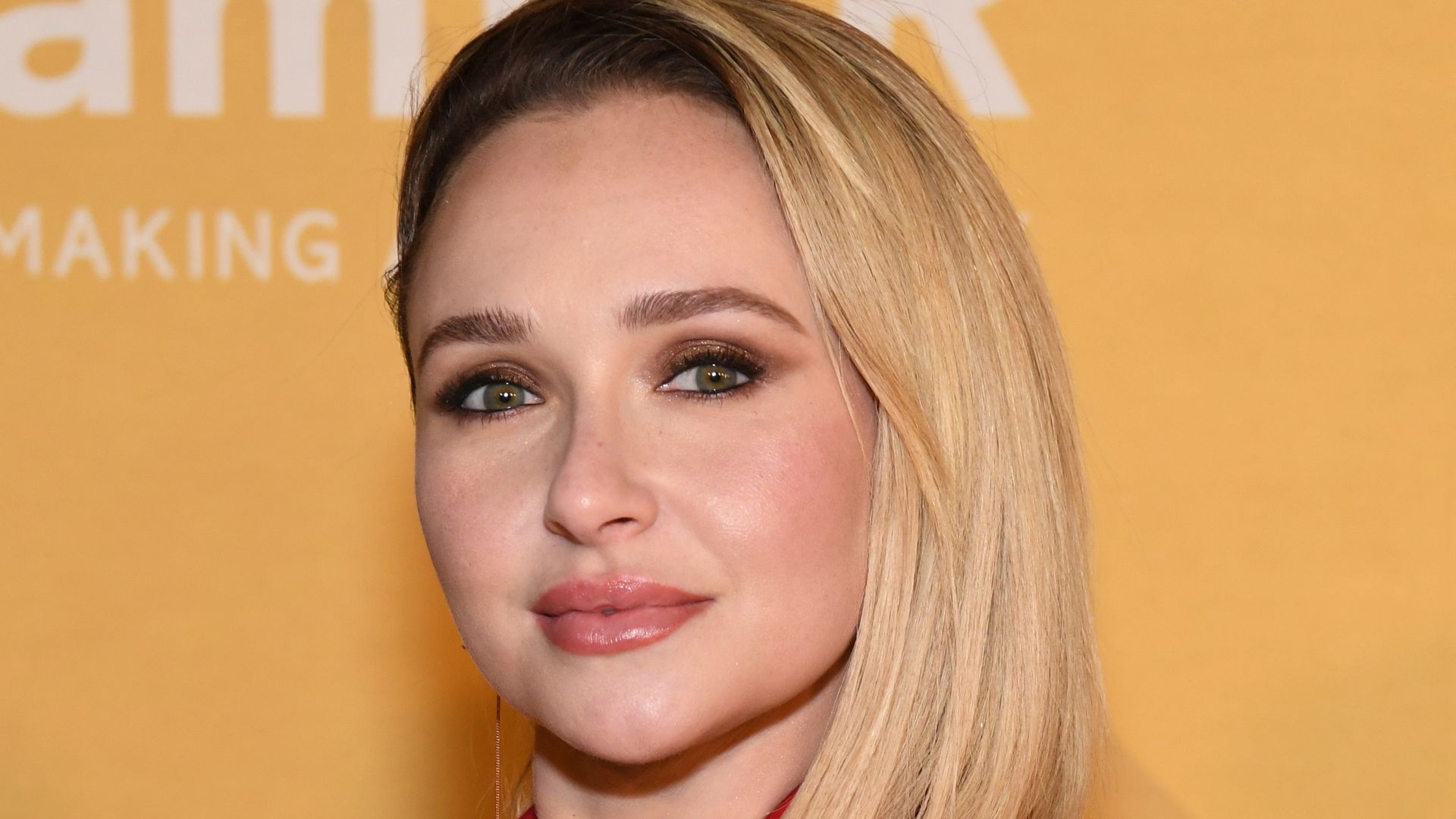
Today, August 21, is Hayden Panettiere's birthday, and the late actress would have been 37 years old. The timing is hard to ignore because she died just 5 days ago on August 16. Spiritually, some people believe that when someone dies near or on their birthday, it is symbolic of someone completing their earthly cycle of life. But there is actually a name for the phenomenon, the "birthday effect."
 © Getty Images
What is the birthday effect?
The birthday effect is the idea that a person's likelihood of dying appears to increase on or around their birthday. Another recent celebrity is musician and creative genius Oliver Tree, who died in a helicopter crash in Rio de Janeiro on June 14, 2026, 15 days before his 33rd birthday.
One of the most cited studies was conducted by researchers at the University of Zurich and published in Annals of Epidemiology in 2012. The researchers examined Swiss mortality statistics from 1969 through 2008, and compared people's dates of death with their dates of birth.
They found an overall 13.8% excess in deaths on birthdays, with the increase particularly associated with cardiovascular and cerebrovascular diseases, as well as suicides and accidents.
Researchers have continued to debate what the numbers actually mean.
What did U.S. research find?
Another major study looked at the phenomenon with over 25 million death records from the Social Security Administration from 1998 through 2011.
Researchers found that deaths were, on average, 6.7% higher on a person's birthday than would have been expected based on surrounding dates.
The increase was even larger among young adults. For people between 20 and 29, researchers reported an excess of roughly 25% on birthdays.
So why would birthdays have anything to do with death?
 © Getty
Researchers have considered several possibilities, including changes in behavior around birthdays, alcohol consumption, accidents, and emotional or psychological stress people experience when thinking about it.
There are also theories that people are somehow able to delay death until after an important milestone, which is referred to as “death postponement."
But these are just theories.
Not every study finds a birthday effect
Some researchers have questioned whether the phenomenon is real at all.
A statistician at the University of Cambridge, David Spiegelhalter, questions the Swiss study. He pointed out that errors in death records could create or exaggerate an apparent birthday spike.
The issue is that mortality databases are not perfect, and if birth and death dates are incorrectly recorded, even a small number of errors could affect a statistical analysis involving millions of people.
Other research in countries like Austria, Denmark, England and Wales has found no evidence or has completely refuted the birthday effect.
So while some large studies have found a birthday-related increase in deaths, there is no scientific consensus that the birthday effect is a proven phenomenon or that birthdays themselves increase a person's likelihood of dying.