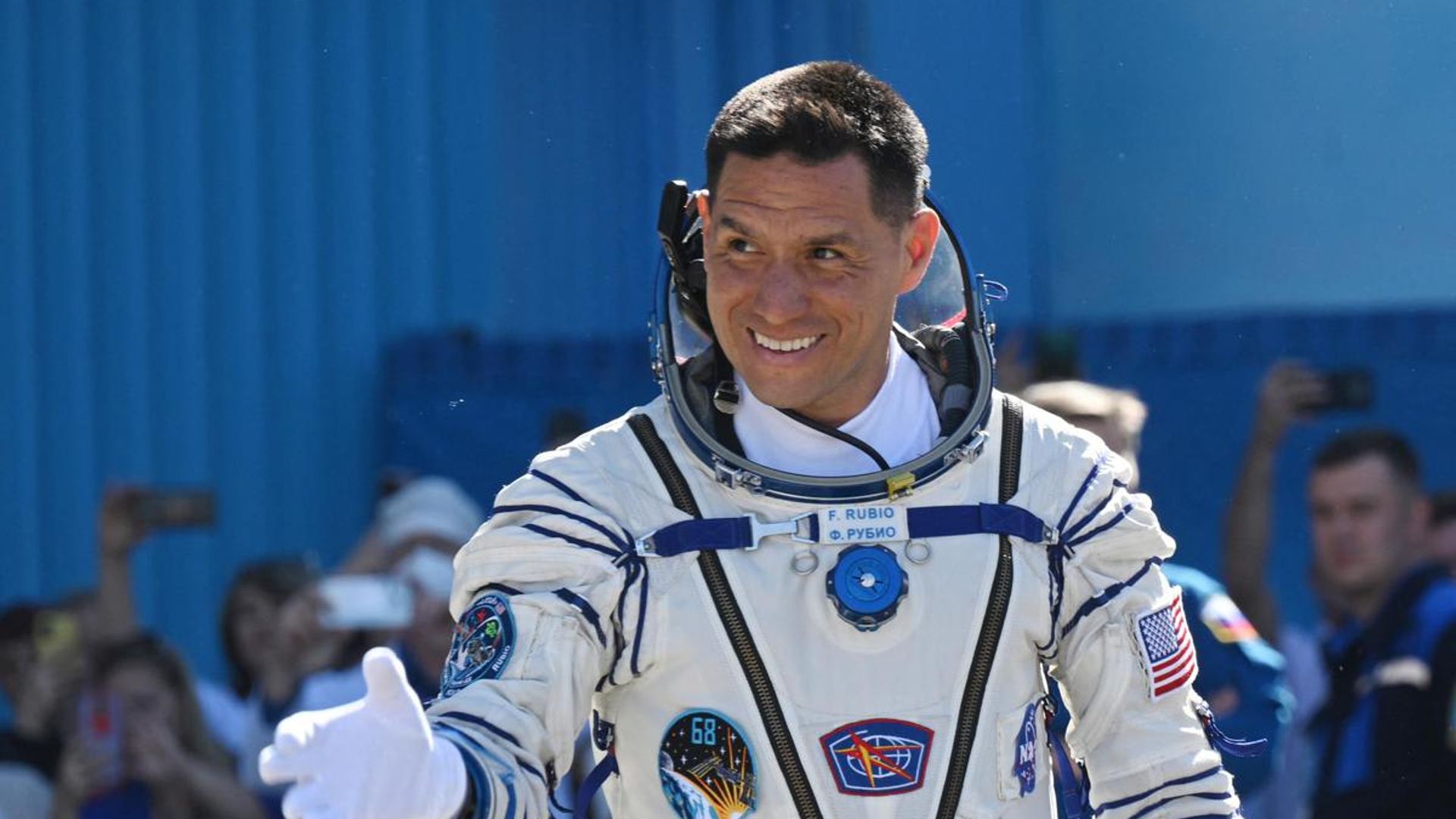
NASA is taking another major step toward returning humans to deep space, and one Latino astronaut is helping lead the way. In June 2026, NASA officially announced the crew for Artemis III, one of the agency’s most ambitious missions in decades. Among the four astronauts selected is Frank Rubio, a U.S. Army physician and NASA astronaut whose participation represents a significant moment for Latino representation in space exploration as informed by Axios.
Rubio joins Commander Randy Bresnik, mission specialist Andre Douglas, and European Space Agency astronaut Luca Parmitano on a mission designed to test critical technologies that will support future lunar landings. The crew will begin intensive training ahead of the planned 2027 flight.
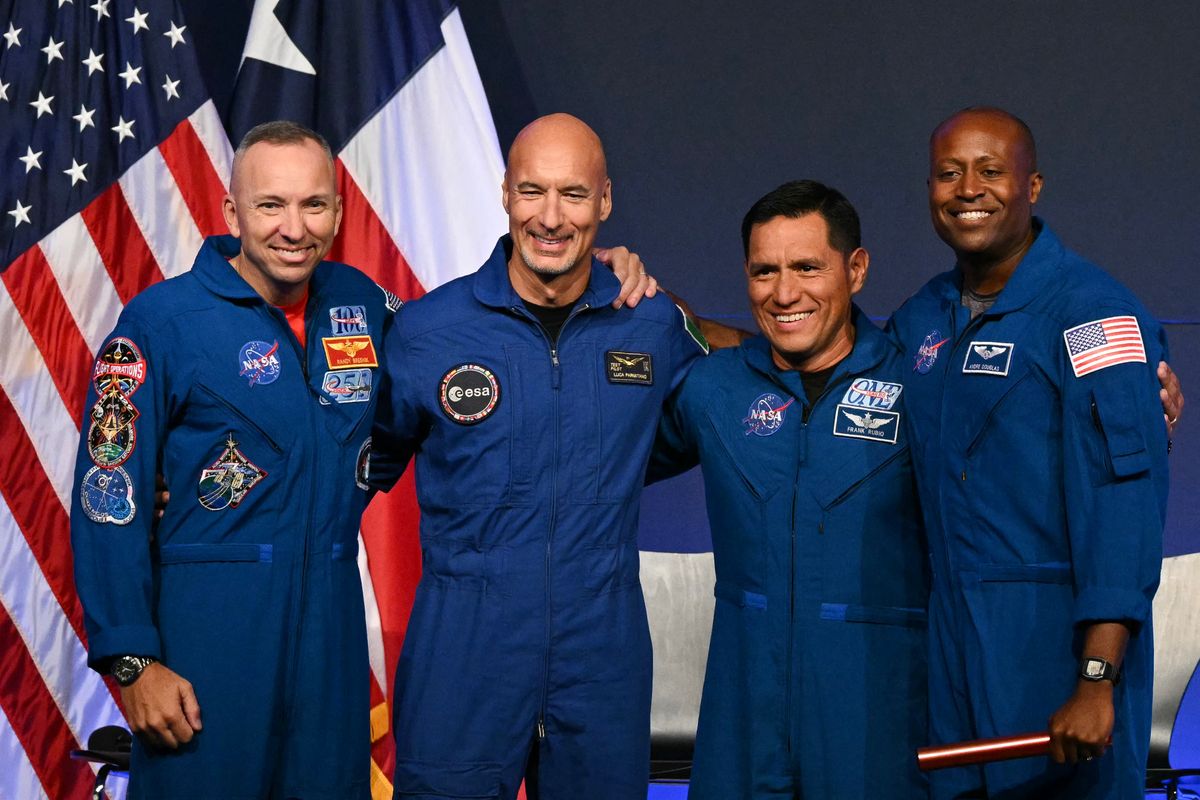 © AFP via Getty Images
A Historic Moment for Latino Representation
Born in Los Angeles and raised in a family with Salvadoran roots, Rubio has already built an impressive legacy in spaceflight. Before becoming an astronaut, he served as a military physician and helicopter pilot in the U.S. Army.
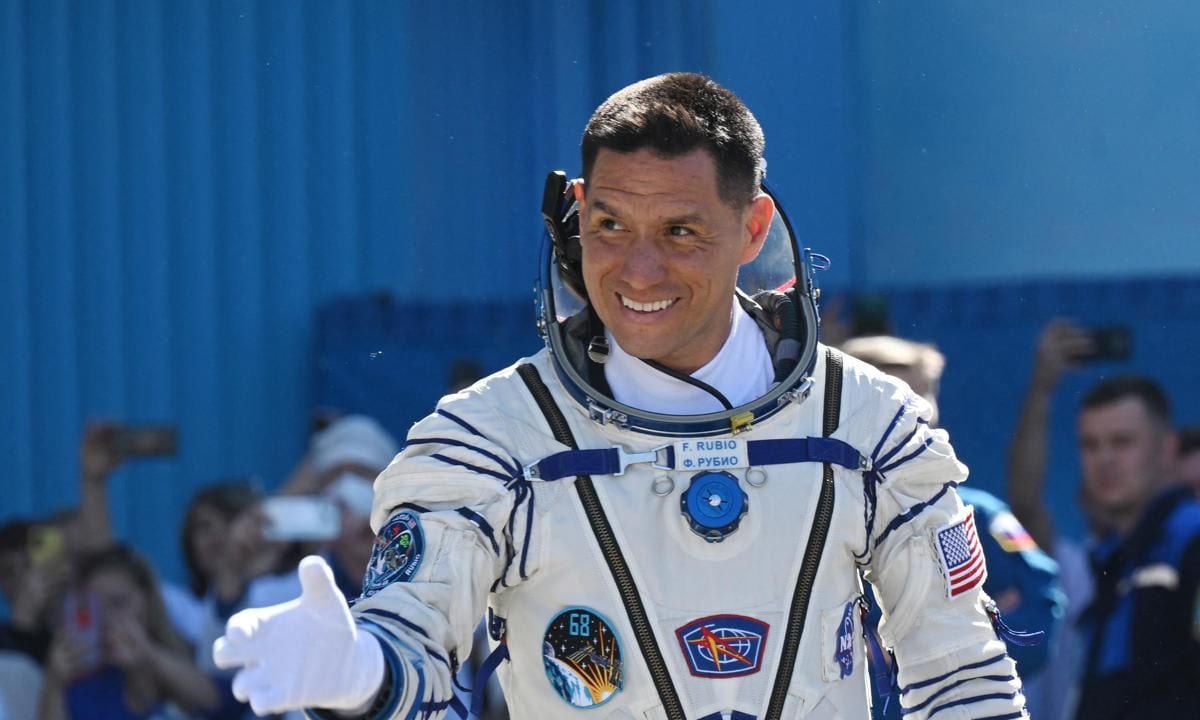
His selection for Artemis III places him among a new generation of astronauts helping shape the future of human exploration beyond Earth. For many Latino families, Rubio’s journey demonstrates how careers in science, technology, engineering, and medicine can lead to extraordinary opportunities.
 © GettyImages
According to Reuters, NASA has increasingly emphasized building a diverse astronaut corps that reflects the people it serves. Rubio’s role on Artemis III continues that progress.
What Is Artemis III?
Artemis III is part of NASA’s broader Artemis program, which aims to establish a long-term human presence on and around the Moon while preparing for future missions to Mars, per NASA.
Unlike earlier plans that focused directly on a lunar landing, Artemis III has evolved into a highly complex orbital test mission. During the flight, astronauts will operate aboard NASA’s Orion spacecraft and conduct docking demonstrations with lunar landing systems being developed by SpaceX and Blue Origin.
 © NurPhoto via Getty Images
Axios explained that the mission is expected to spend nearly two weeks in orbit, allowing NASA to evaluate spacecraft systems, docking procedures, life-support technologies, and operational readiness before astronauts attempt future landings on the lunar surface.
Preparing for the Moon’s South Pole
NASA’s long-term objective remains the Moon’s South Pole, a region scientists believe contains water ice and valuable resources that could support future exploration. The area is considered one of the most scientifically intriguing locations on the Moon, as reported by The Times of India.
 © NASA
The Guardian informed that technologies tested during Artemis III will help determine whether future missions can safely transport astronauts to the lunar surface and sustain operations there for extended periods. Success would bring NASA closer to establishing a permanent lunar presence and eventually sending humans to Mars.
A New Era of Exploration
More than 50 years after the Apollo era, NASA’s Artemis program is ushering in a new chapter of space exploration. Artemis II recently completed a historic crewed journey around the Moon, setting the stage for the missions that follow.
For Frank Rubio, Artemis III is an opportunity to inspire future generations of Latino students, scientists, engineers, and explorers.