Michelle Obama has never been shy about challenging cultural habits that quietly shape how girls see themselves. In a recent conversation, she turned her attention to a seemingly harmless question that parents often ask young women, and why it may be doing more harm than good.
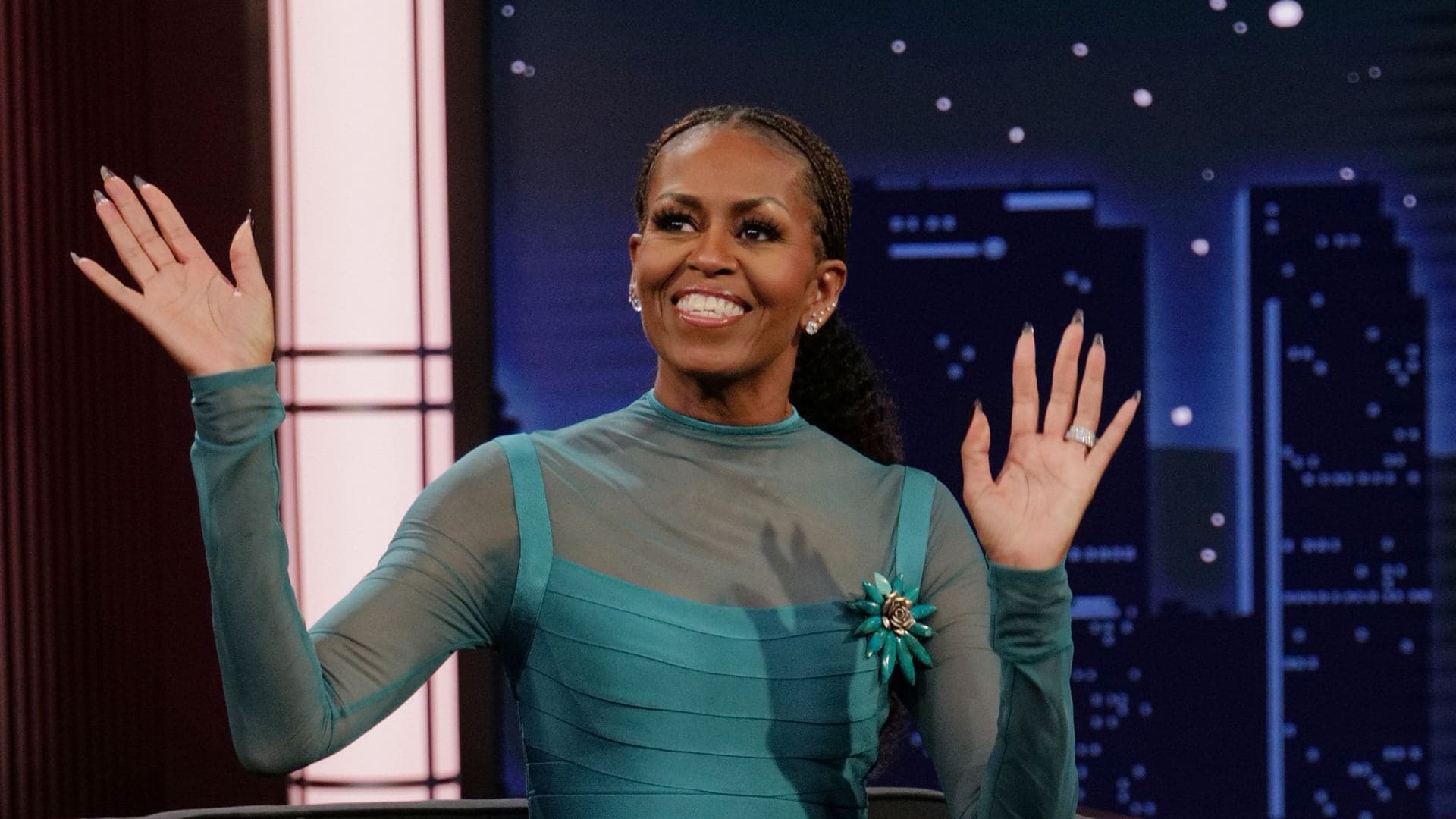
The former first lady appeared on the “Call Her Daddy” podcast for a wide-ranging, thoughtful discussion with host Alex Cooper. The Jan. 21 episode touched on identity, self-worth, relationships, and parenting, with Michelle Obama speaking candidly about raising her two daughters, Malia, 27, and Sasha, 24, whom she shares with her husband, former President Barack Obama.
 © @michelleobama
At the heart of the conversation was a simple idea with big implications. The questions adults ask young women can subtly define what society expects from them.
The Dating Question Michelle Obama Avoids Asking Her Daughters
When Cooper asked for advice on how women can focus on fulfillment before seeking happiness in a relationship, Michelle Obama pointed to what she calls “subliminal messages” sent to girls from an early age.
“I think it starts with the subliminal messages that we send our girls,” she explained before revealing the question she actively avoids. “I have two beautiful daughters. And, you know, you find yourself slipping up and going, ‘Are you dating anyone?’ It’s like, let me not make that the first question or the second question, or a question at all.”
She noted that the question often surfaces when conversations with young women slow down, almost as a default. While it may seem innocent, she believes it reinforces the idea that romantic relationships are the ultimate marker of success or happiness.
 © AFP via Getty Images
Michelle Obama emphasized that the issue is not curiosity but priority. When dating becomes the go-to topic, it suggests that personal growth, ambitions, and inner contentment come second.
How Parental Insecurities Shape Social Pressure
During the podcast, Michelle Obama reflected on how often parents project their own fears onto their children. She said the dating question frequently comes up among her circle of friends as well.
“In our girl group, when it comes up and we do that, I try to talk to my mom friends about it and what that’s doing,” she said. “What are our own insecurities as mothers? That we’re like, ‘Well, you seem happy, and you’re on a track, but do you have a boyfriend?’”
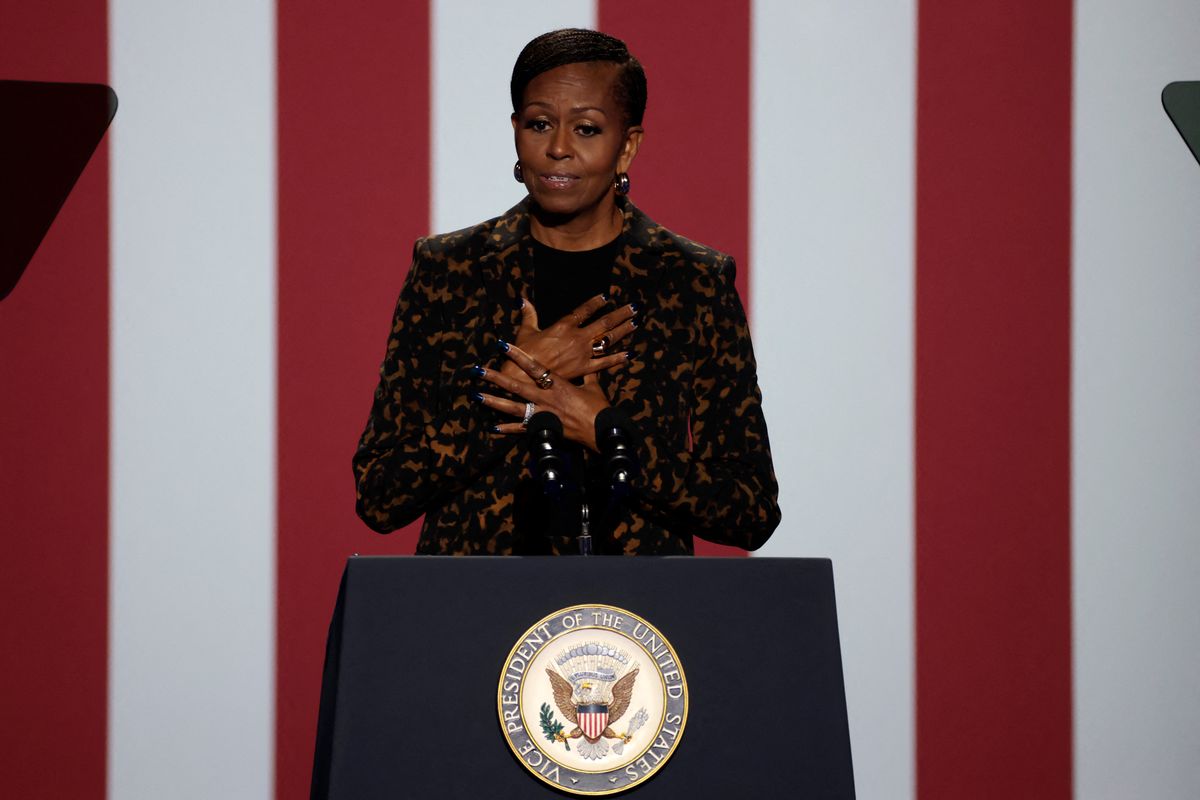
She acknowledged that social milestones like marriage can create anxiety for parents, especially when they see peers pairing off. But she warned that repeatedly asking about dating adds to the already heavy social pressure women face. “You see everybody getting married,” she said. That visibility can quietly shape expectations, even when parents do not intend it to.
 © AFP via Getty Images
Michelle Obama stressed the importance of separating parental insecurities from children’s lives. She believes parents should be more intentional about how they define happiness for both daughters and sons, focusing on values beyond relationships.
Redefining Happiness for the Next Generation
A key takeaway from the conversation was the need to broaden how society talks about fulfillment. Michelle Obama encouraged parents to be mindful of the language they use and the examples they set.
According to her, happiness should be framed around curiosity, purpose, resilience, and self-knowledge rather than relationship status. By doing so, parents can help young people build confidence that is not dependent on external validation. She made it clear that this shift requires effort. Parents must constantly check their instincts and question long-held assumptions about success, love, and adulthood.
 © Handout
Michelle Obama’s Career Advice for Young Mothers
The discussion also turned toward motherhood and identity. Michelle offered advice that challenges some of the traditional messages women of her generation received. She encouraged young mothers to continue investing in their careers and personal goals, even while raising children. "Kids grow up fast and then they’re gone,” she said. “You’ve sacrificed everything and you know when they leave, they leave. They close the door and act like you never sacrificed.”
Her message was practical and direct. Women should not lose themselves entirely in parenting because life after children is long and meaningful. “I encourage people to hang in there and keep something for yourself throughout this process,” she added.
A Forward-Thinking Message for Parents and Young Women
Obama’s comments resonate because they address everyday habits that often go unquestioned. By challenging one simple question, she opens the door to a broader conversation about autonomy, confidence, and emotional well-being.
Parents shape how young women see their worth long before adulthood. By choosing questions that celebrate growth, curiosity, and self-discovery, families can help the next generation define happiness on their own terms.