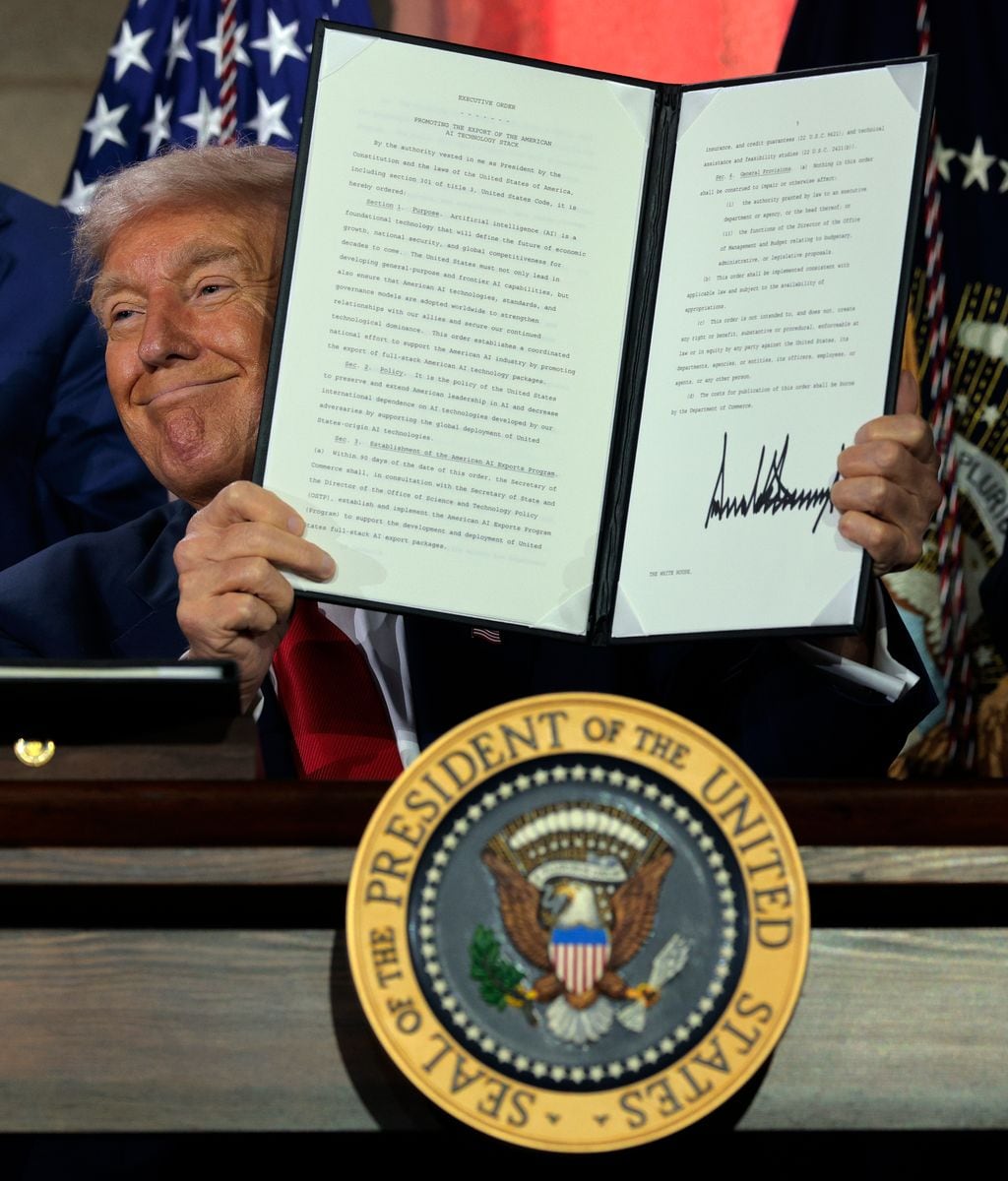
President Donald Trump is giving most federal employees an extended Christmas break in 2025, signing an executive order Thursday afternoon that grants two additional days off around the holiday. The move effectively creates a rare five-day holiday stretch for many federal workers and marks an uncommon decision in recent presidential history.
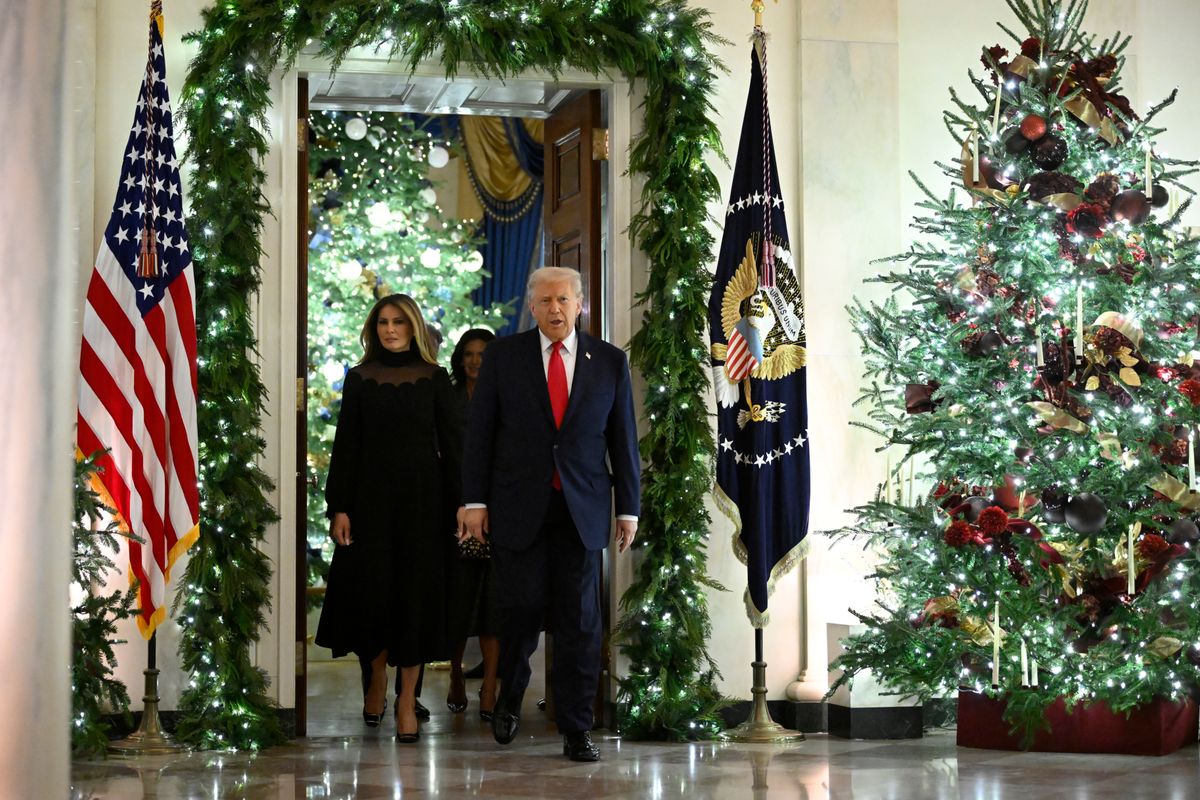
The executive order closes most federal offices on Wednesday, Dec. 24, and Friday, Dec. 26, 2025. With Christmas Day falling on Thursday and the weekend immediately following, many employees will be off from Wednesday through Sunday. For a workforce used to carefully planned leave calendars, this is a welcome surprise wrapped in official paperwork.
 © Getty Images
What the executive order says
The order clearly outlines the scope of the holiday closure. It states that all executive departments and agencies of the federal government will be closed and that employees will be excused from duty on both Dec. 24 and Dec. 26, the day before and the day after Christmas Day. These two days are to be treated in the same way as federal holidays for pay and leave purposes. That means eligible employees will receive their regular pay without needing to use annual leave or other time off balances.
The Office of Personnel Management, commonly known as OPM, has been directed to handle implementation across the federal workforce to ensure agencies apply the policy consistently. While most federal employees will benefit from the additional days off, the order does leave room for exceptions. Agency heads retain the authority to determine whether certain offices or employees must remain on duty due to national security, defense needs, or other urgent public requirements.
In other words, essential functions will continue, even if the lights are off in many federal buildings.
 © Getty Images
Who Counts as a Federal Employee
Federal employees are civilians who work for the United States government across a wide range of departments and agencies. They are not elected officials, but career staff, specialists, analysts, scientists, administrators, inspectors, and support personnel who keep the machinery of government running.
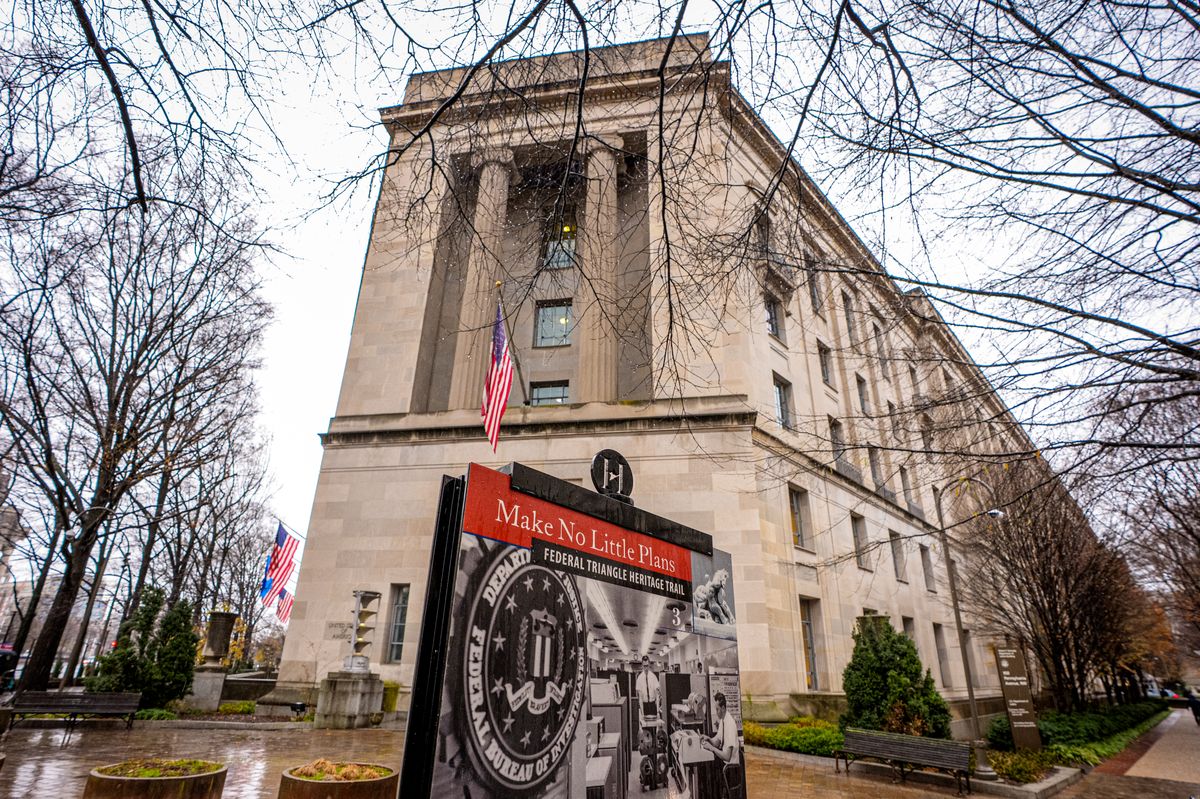
This group includes employees at major agencies such as the Department of Defense, Department of Homeland Security, Department of Veterans Affairs, Department of Health and Human Services, Department of Justice, Department of the Treasury, and the Department of Transportation. It also includes workers at smaller agencies and independent bodies like the Environmental Protection Agency, Social Security Administration, Internal Revenue Service, Federal Aviation Administration, and National Park Service.
 © Getty Images
Federal employees work in roles that touch daily life in visible and invisible ways. They process Social Security and Medicare benefits, inspect food and drugs, manage air traffic, maintain national parks, conduct medical research, collect taxes, enforce federal laws, and support veterans. Some work in offices, others in laboratories, hospitals, border facilities, courts, airports, and field locations across the country and overseas.
According to recent federal workforce data, there are more than two million civilian federal employees nationwide. That means this executive order affects a massive and diverse group of workers, not a small niche tucked away in Washington.
Why this decision stands out
Presidents often grant federal employees an extra day off around Christmas, but typically it is either Christmas Eve or the day after Christmas. Granting both days is far less common and immediately caught the attention of federal workers and policy watchers.
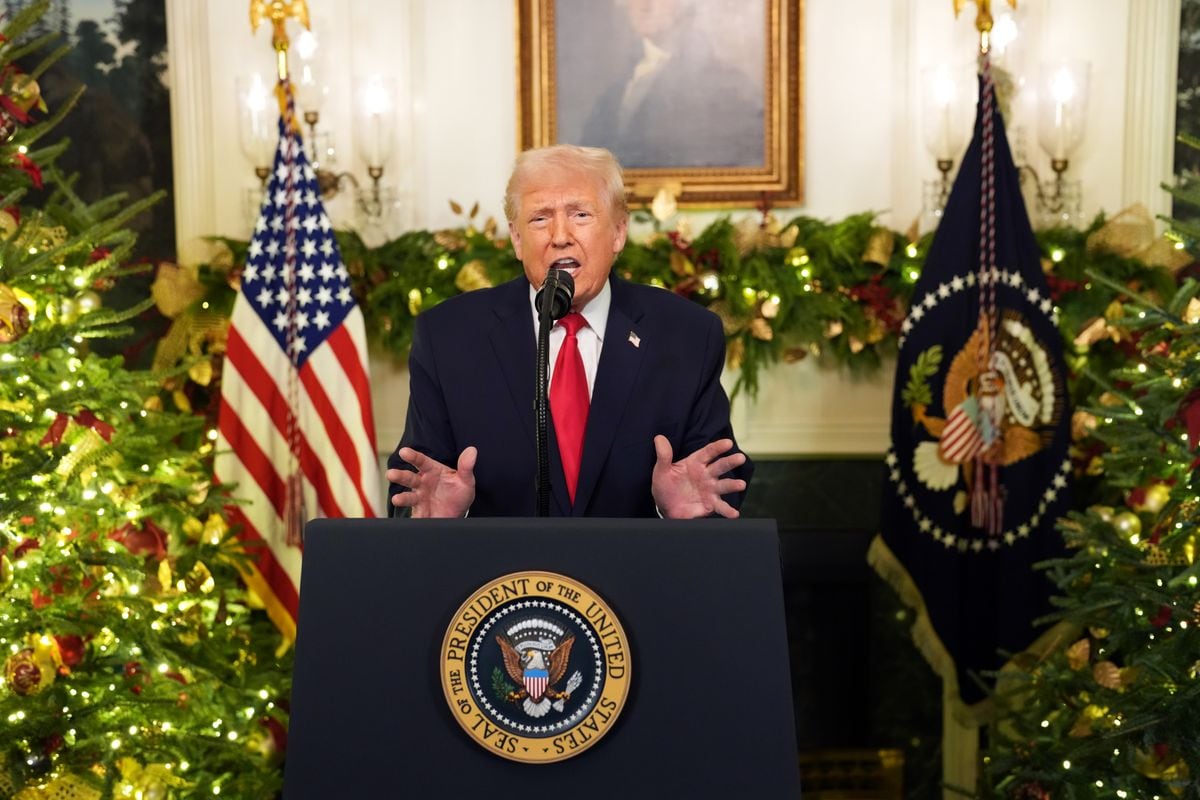
This marks the first time in recent years that federal employees have received two additional days off surrounding Christmas. The decision creates a longer uninterrupted break than what is usually offered and reflects a more generous approach to holiday leave than the standard practice.
 © Getty Images
For comparison, former President Joe Biden gave federal employees Christmas Eve off last year, a move that followed a familiar pattern. During Trump’s first term, he also granted Christmas Eve off in 2018, 2019, and 2020, but did not include the day after Christmas in those years.
A look back at past Christmas schedules
Holiday scheduling often depends on how Christmas falls on the calendar. When Christmas last landed on a Thursday in 2014, former President Barack Obama granted federal employees Friday, Dec. 26, off, but left Wednesday, Dec. 24, as a regular workday. That meant employees still had to report to work the day before Christmas, breaking up what could have been a longer holiday stretch.
Trump’s 2025 order flips that script by closing offices both before and after Christmas Day. The result is a more seamless break that aligns neatly with the weekend. From a morale standpoint, it is hard to argue with five consecutive days off during one of the busiest and most expensive times of the year.
What this means for federal employees
For many federal workers, the extra time off offers a chance to travel, spend time with family, or simply rest without burning through leave. It also reduces the need for offices to operate with skeleton crews during a traditionally slow work period. From an administrative perspective, treating Dec. 24 and Dec. 26 like federal holidays simplifies payroll and leave accounting.
 © Getty Images
Employees who would normally request leave on those days no longer need to do so, and managers can plan coverage more efficiently for essential roles. The decision also sends a broader message about work-life balance within the federal government. While it does not change long-term leave policies, it sets a notable precedent for how holiday schedules can be handled when the calendar lines up just right.
Trump’s executive order gives most federal employees a rare holiday bonus: time. Essential services will continue where needed, but for many workers, the end of 2025 will come with fewer meetings, fewer emails, and more time away from the desk.