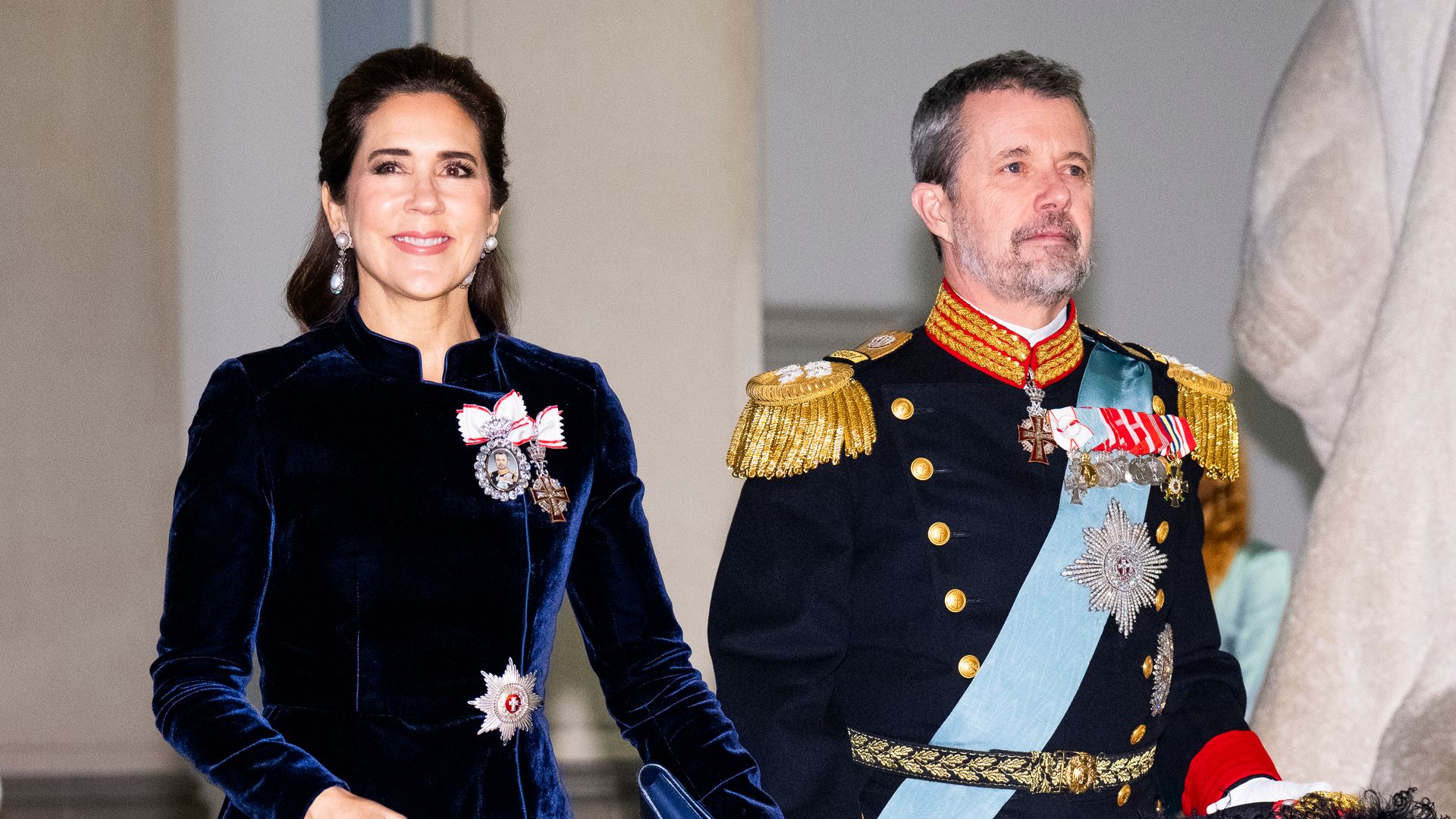
Two years have passed since the proclamation of Frederik X of Denmark, a moment marked by emotion, generational change, and an unexpectedly swift transition. Few anticipated Queen Margrethe’s abdication, stepping aside during her lifetime was neither her style nor a tradition in the Danish monarchy.
When she announced her decision during her New Year’s Eve address on 31 December 2023, speculation ran high. The succession itself unfolded just as quickly.
 © Samir Hussein
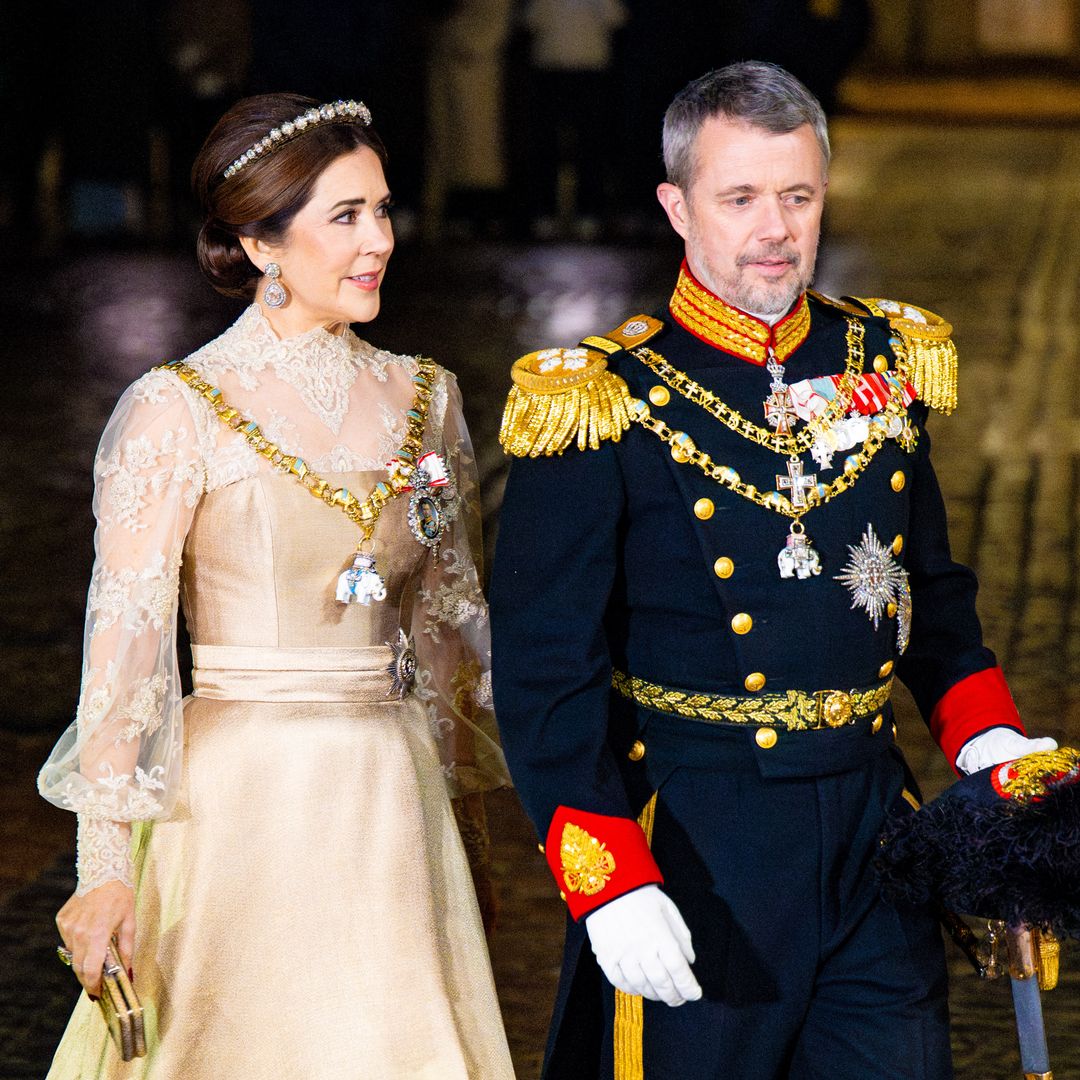
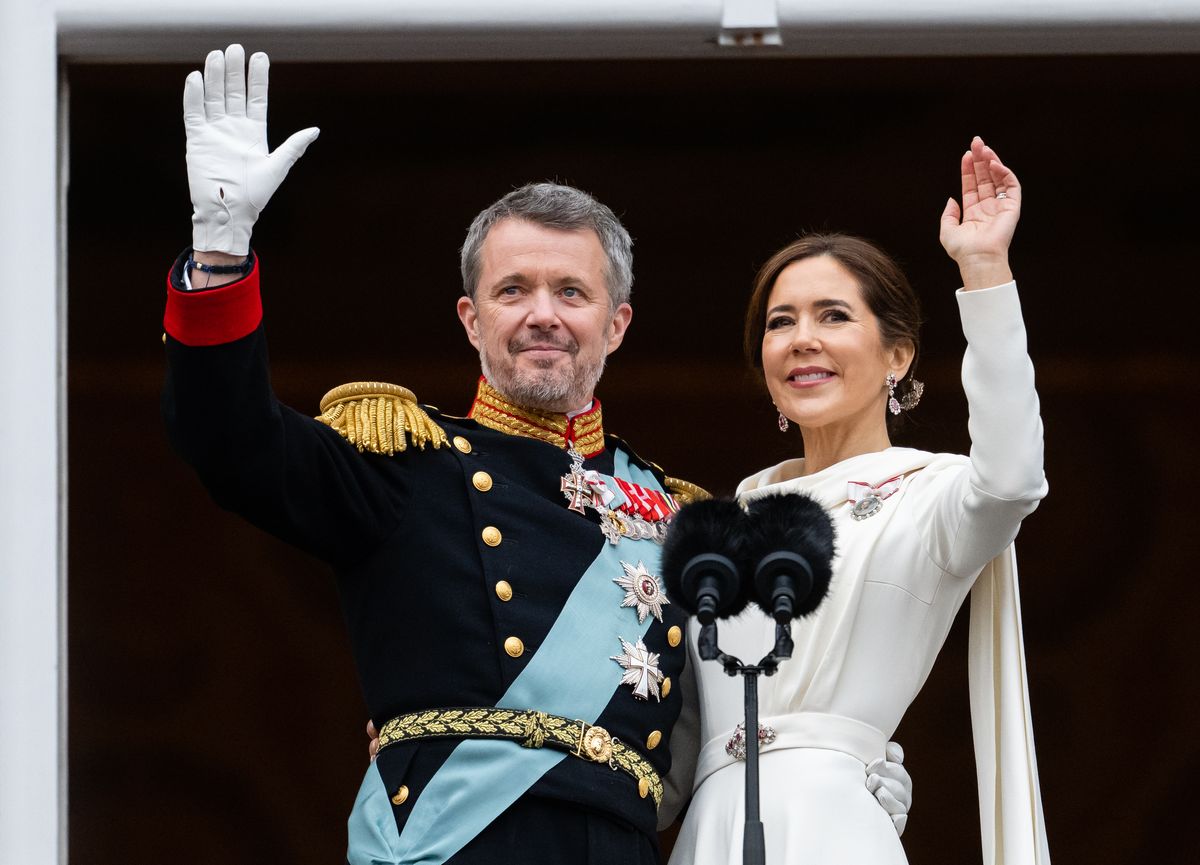
Two years on, any doubts have faded. King Frederik has firmly established himself on the throne, Queen Mary enjoys exceptional popularity, and together they have reshaped the institution in their own image. The real challenges now come from beyond Denmark’s borders.
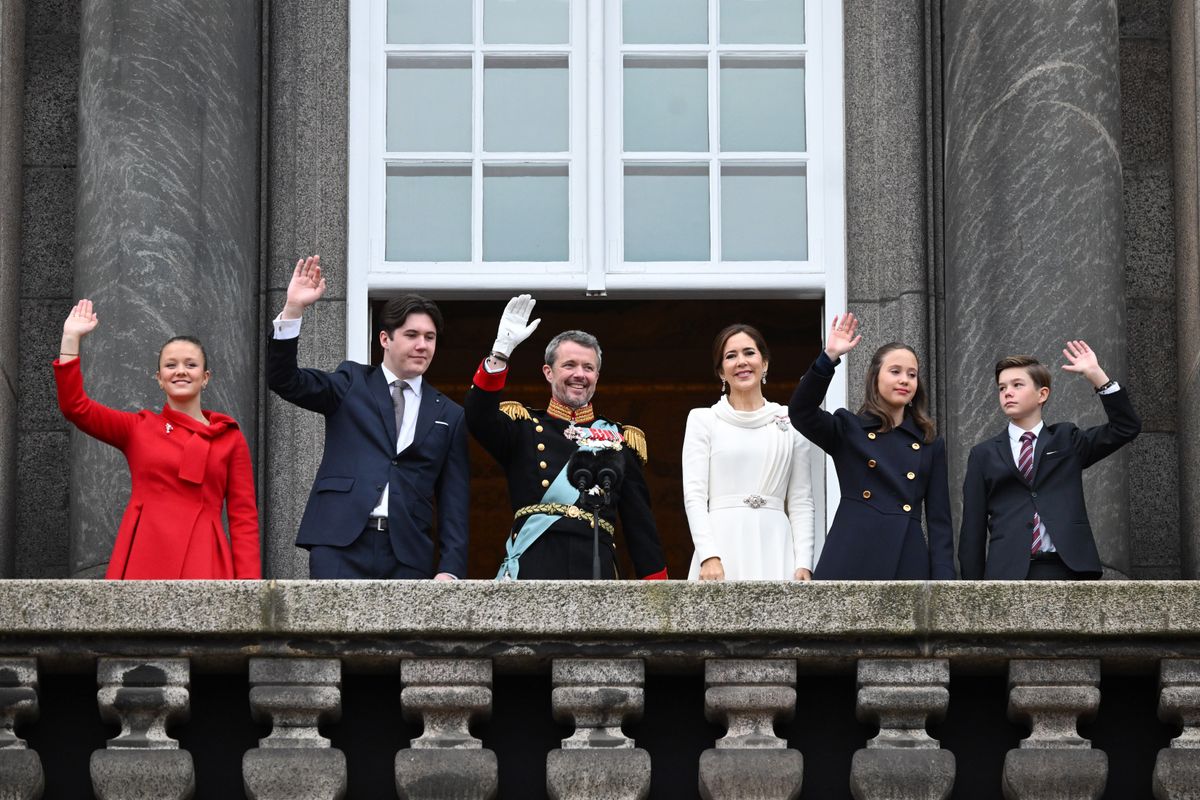
On 14 January 2024, Frederik appeared on the balcony of Christiansborg Palace to deliver his first speech as king. Visibly moved and joined by Prime Minister Mette Frederiksen, he presented his motto, “United and committed to the Kingdom of Denmark.”
 © Samir Hussein
Despite the January cold, the crowd responded with enthusiasm, confirming what many already knew, that emotion is central to his public persona.
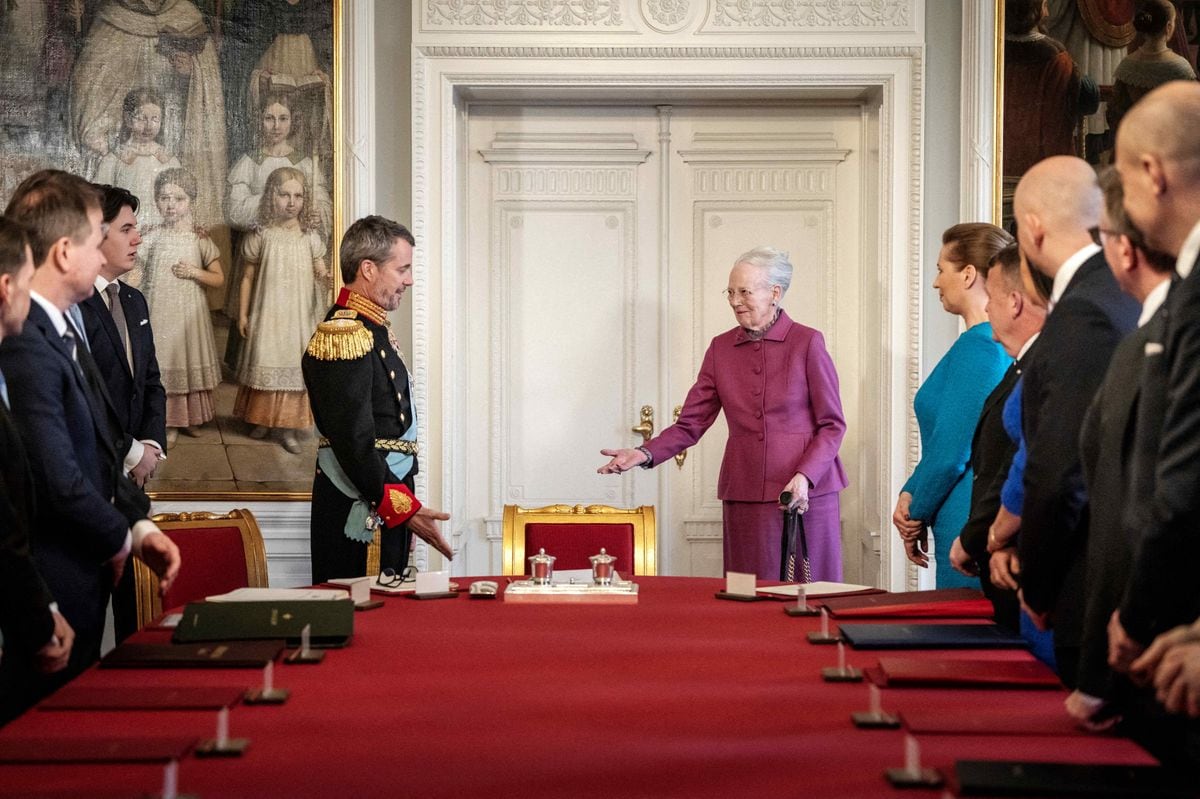
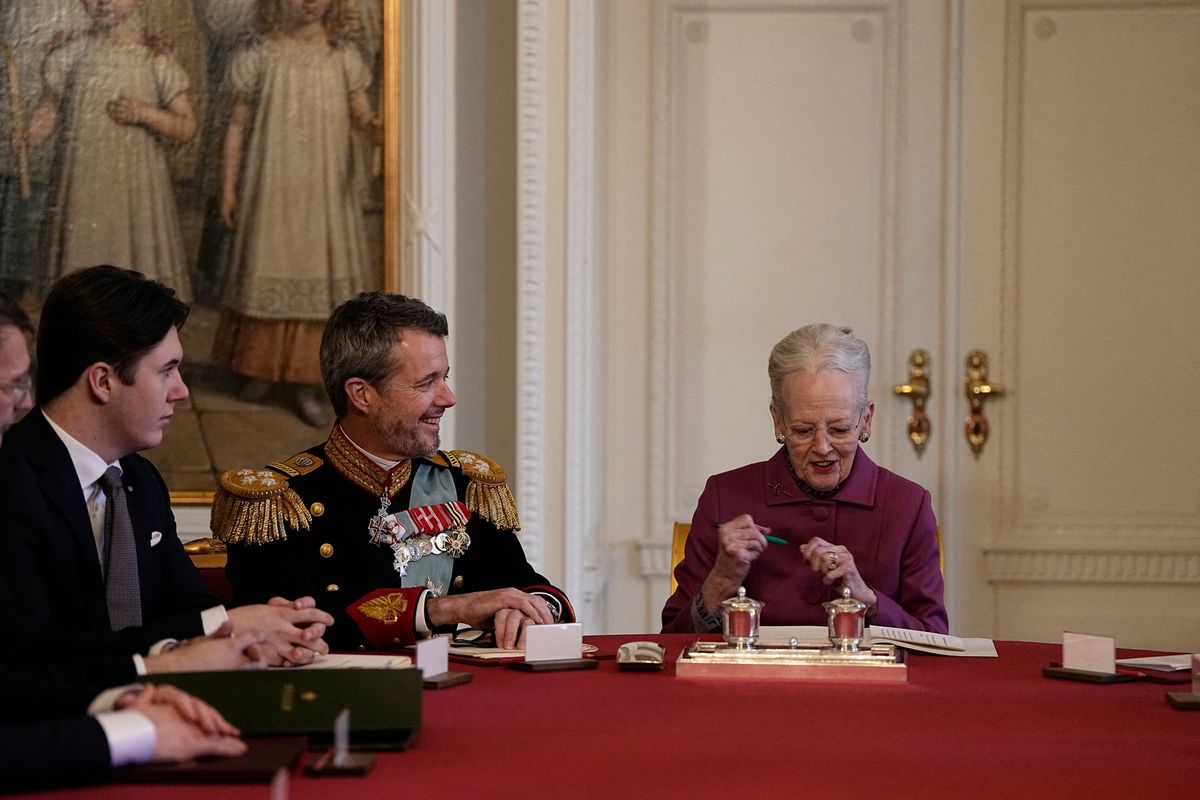
The most symbolic moment took place inside Christiansborg, where Queen Margrethe signed the act of abdication before the Council of State, clearing the way for Frederik X and for her grandson Christian as crown prince.
 © MADS CLAUS RASMUSSEN
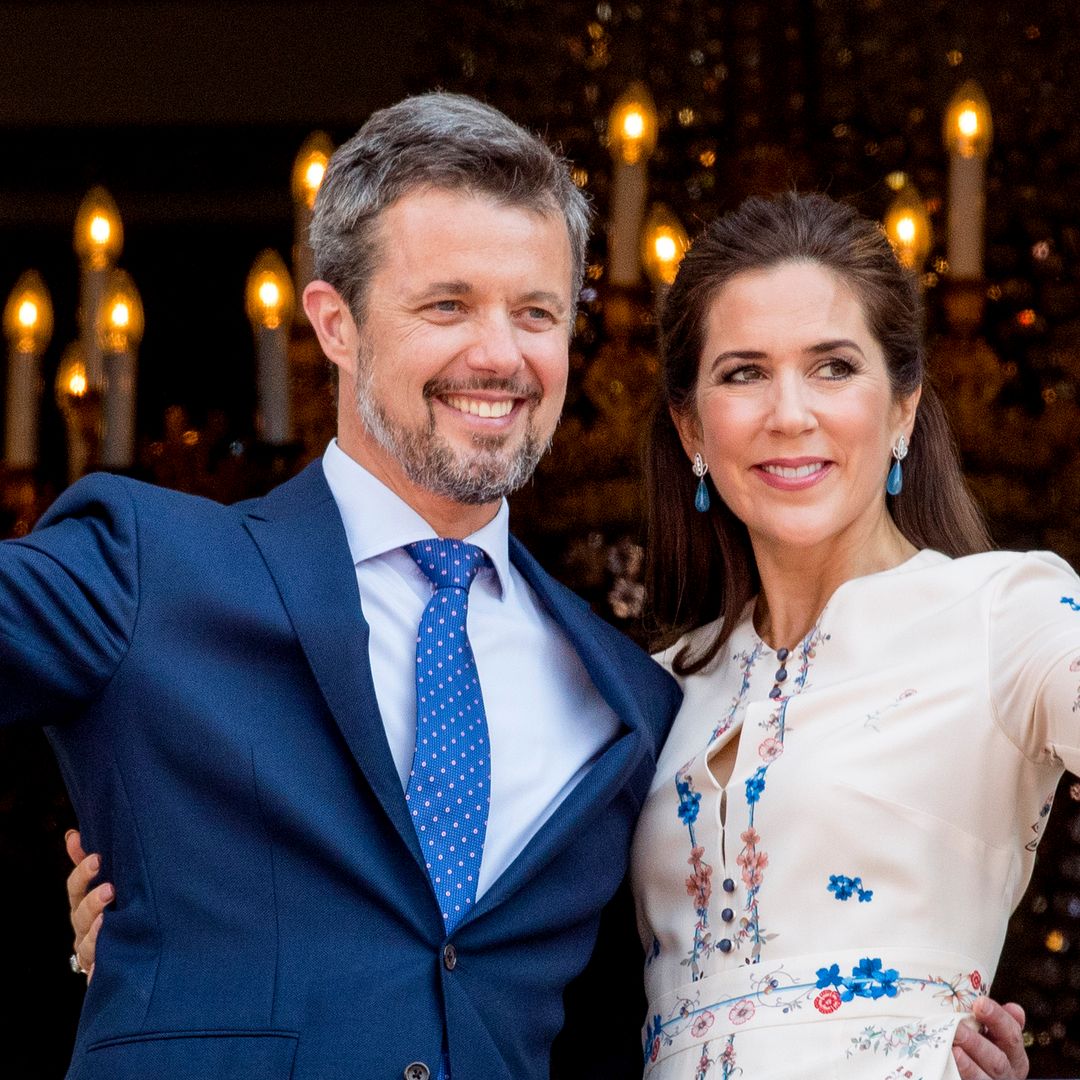
Continuity was reinforced on the balcony of Amalienborg. Queen Mary, born in Tasmania, stood beside her husband wearing the historic Napoleonic jewels inherited from Queen Ingrid, a visual statement of dynastic legitimacy.
Denmark once again had a queen consort, and, according to polls, one of its most popular. Mary is now the most highly regarded member of the royal family, in part due to her focus on causes such as environmental conservation, which is unusual within the Danish monarchy.
 © MADS CLAUS RASMUSSEN
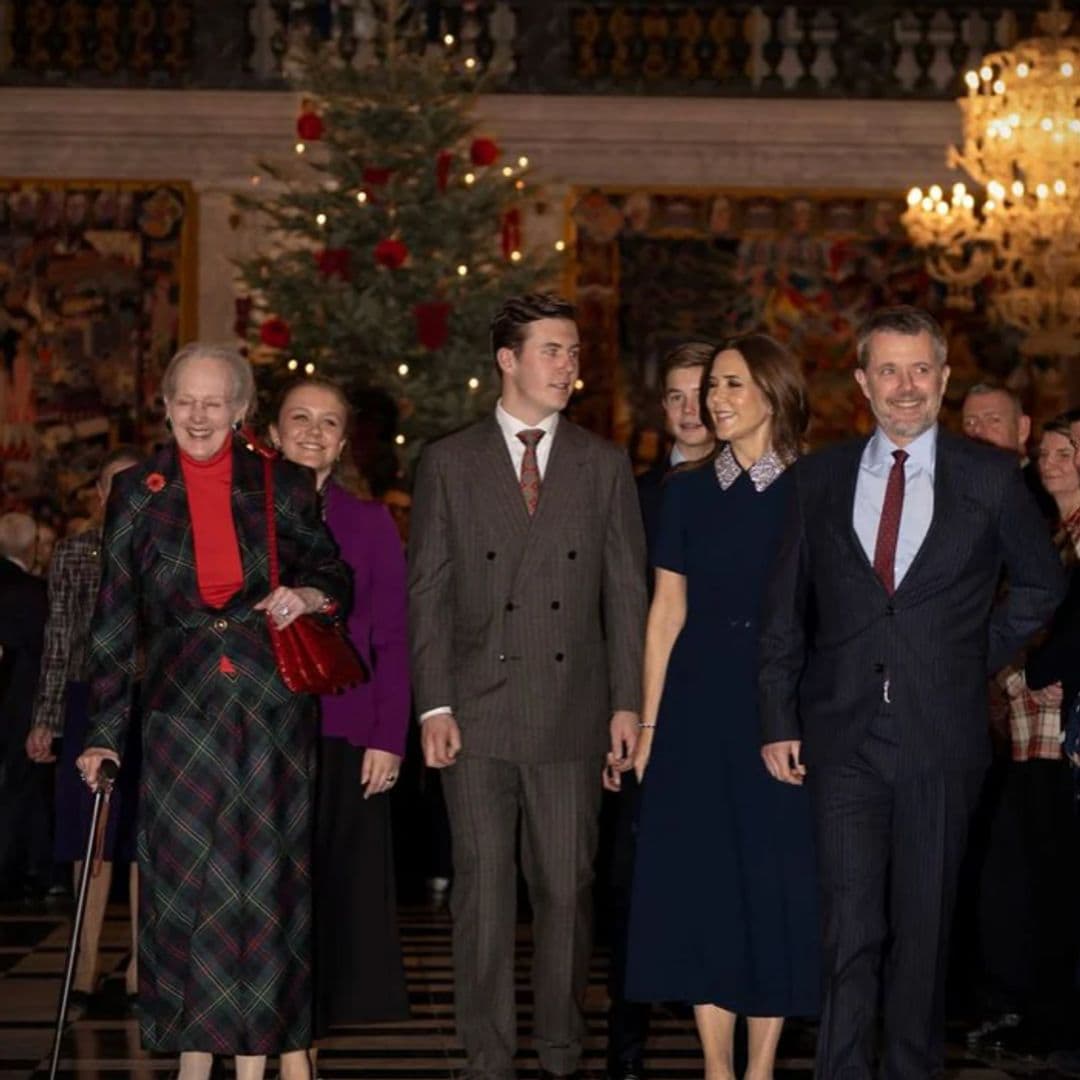
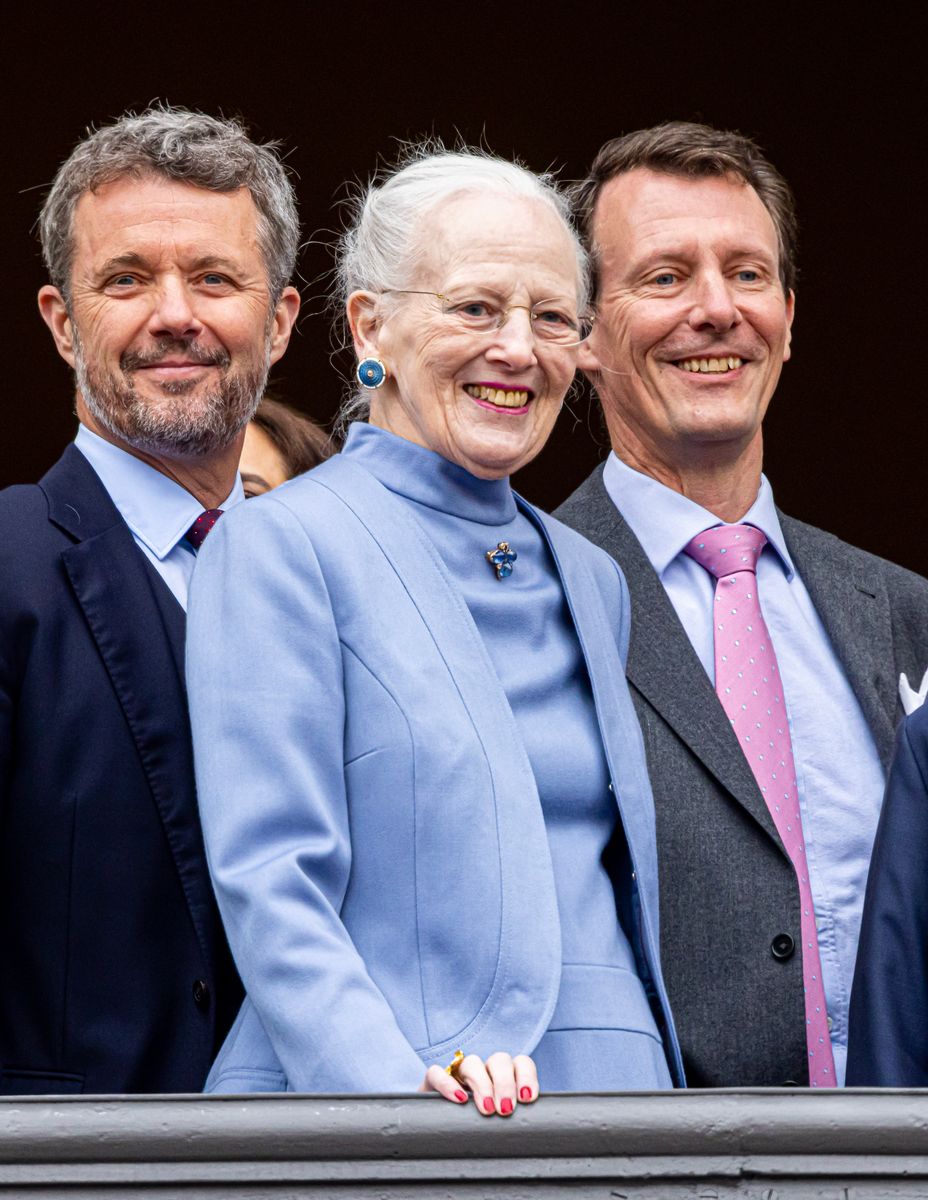
On the family front, expectations of renewed tension proved unfounded. After years of public grievances from the monarchy’s “spares,” unity has prevailed.
Princess Marie has settled into her role, Frederik has strengthened ties with his nephews, who lost their royal titles under Margrethe, and particular attention has been paid to preparing Prince Christian as heir and acting regent whenever the king is abroad. Still completing his education, Christian’s public role remains limited but carefully managed.
 © detdanskekongehuset
Not all changes have been universally welcomed. Critics have questioned the king’s holiday periods, the cost of the streamlined institution, and a new communications strategy that relies heavily on official channels. Danish media argue that this limits transparency and reduces access to the royal household.
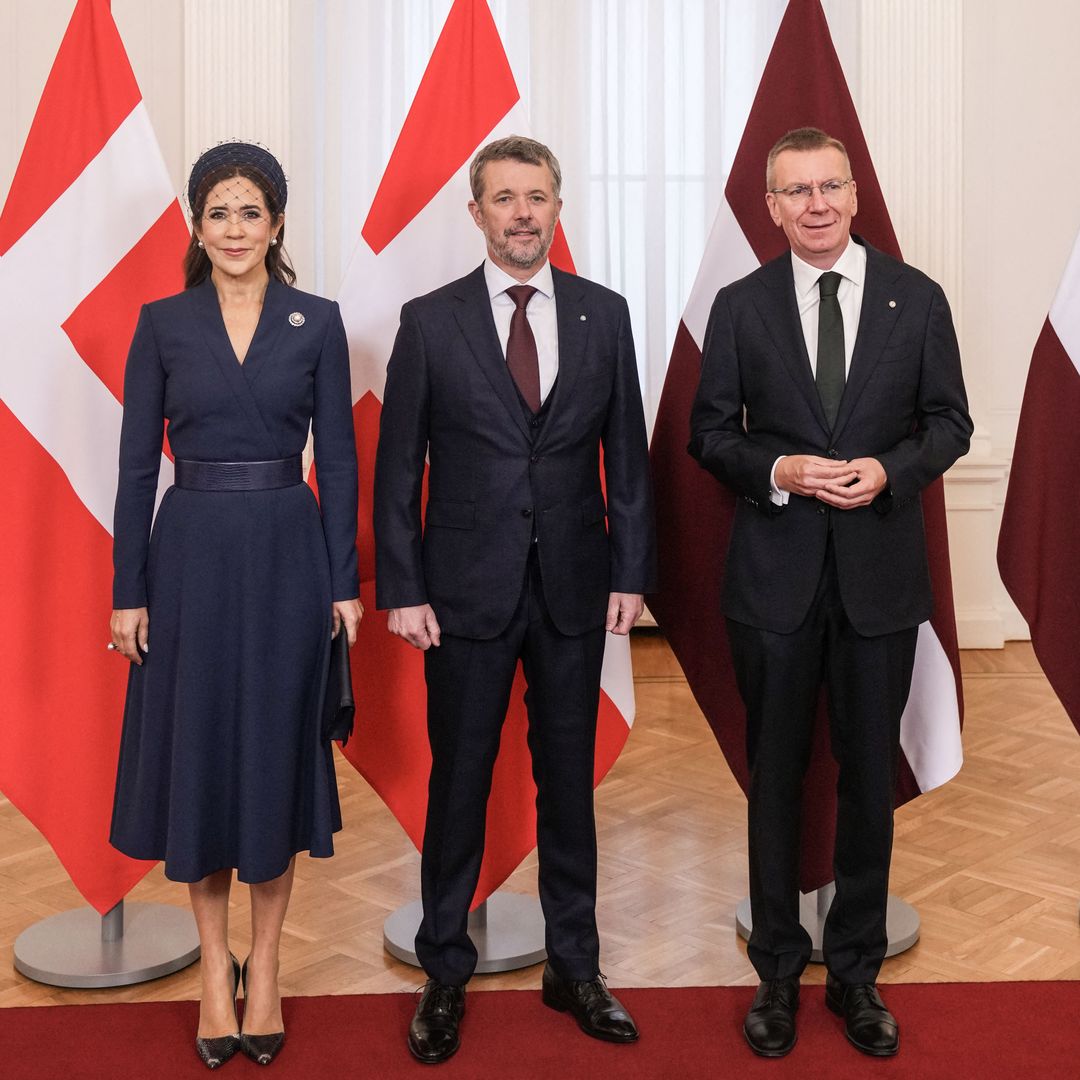
But the most serious test of Frederik’s reign lies elsewhere. Greenland, an autonomous territory within the Kingdom of Denmark, has become a focal point of international pressure.
 © Patrick van Katwijk
While the king holds no political power, the issue carries deep institutional and symbolic weight. Statements attributed to the President of the United States, suggesting the island could be taken “one way or another," have prompted Frederik X to intensify the Crown’s presence there.
His visits to Greenland have increased, diplomacy has taken center stage, and the island now represents the defining external challenge of his reign.