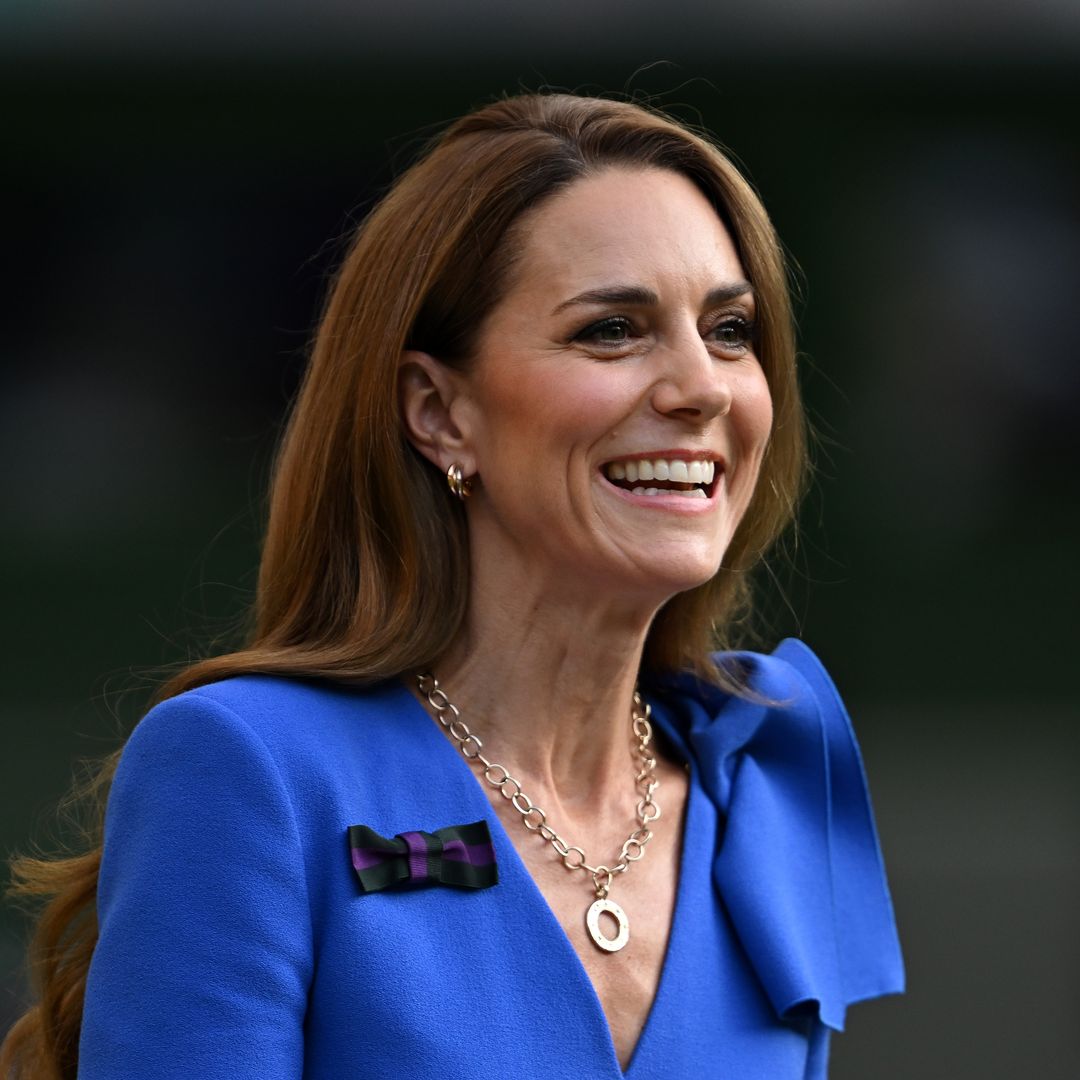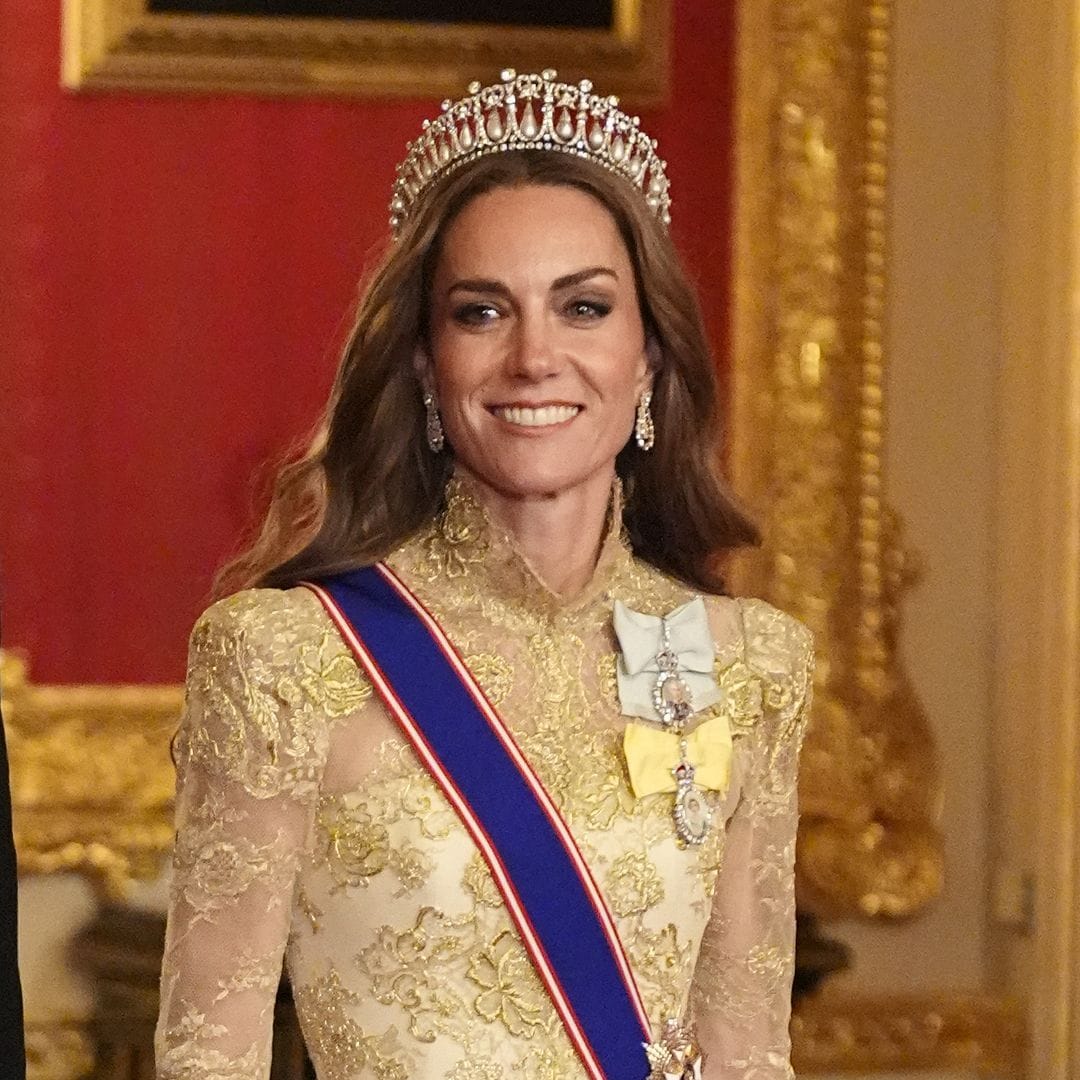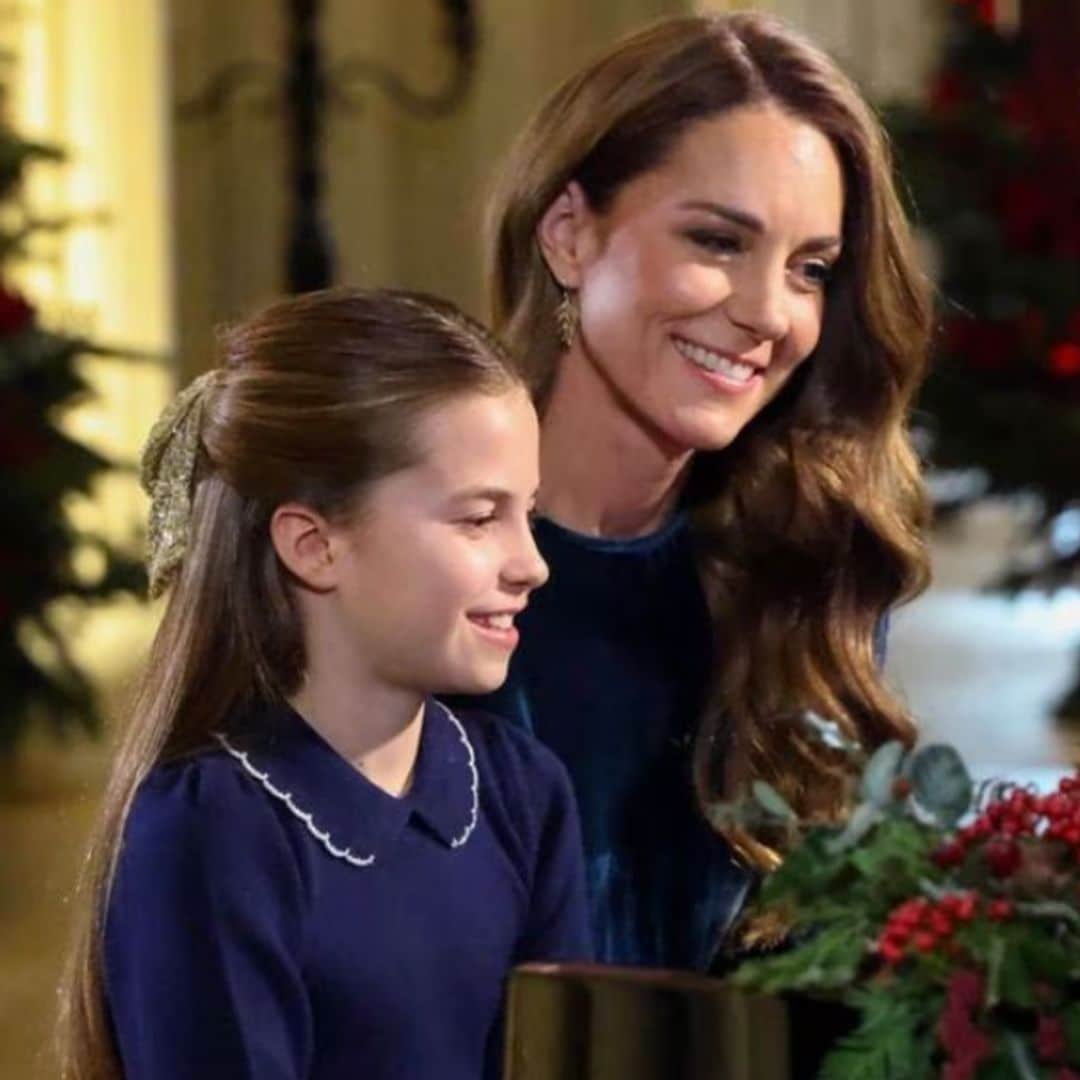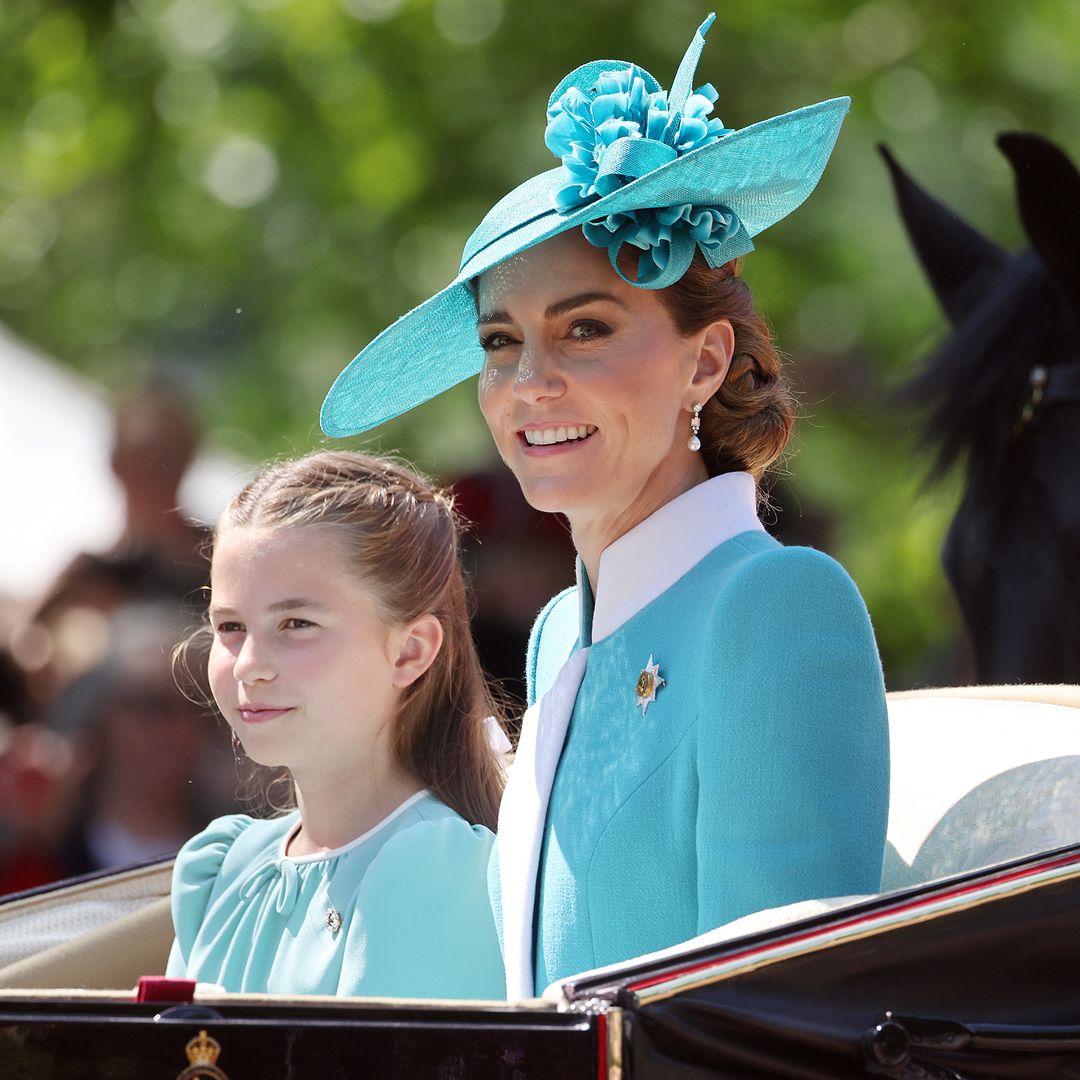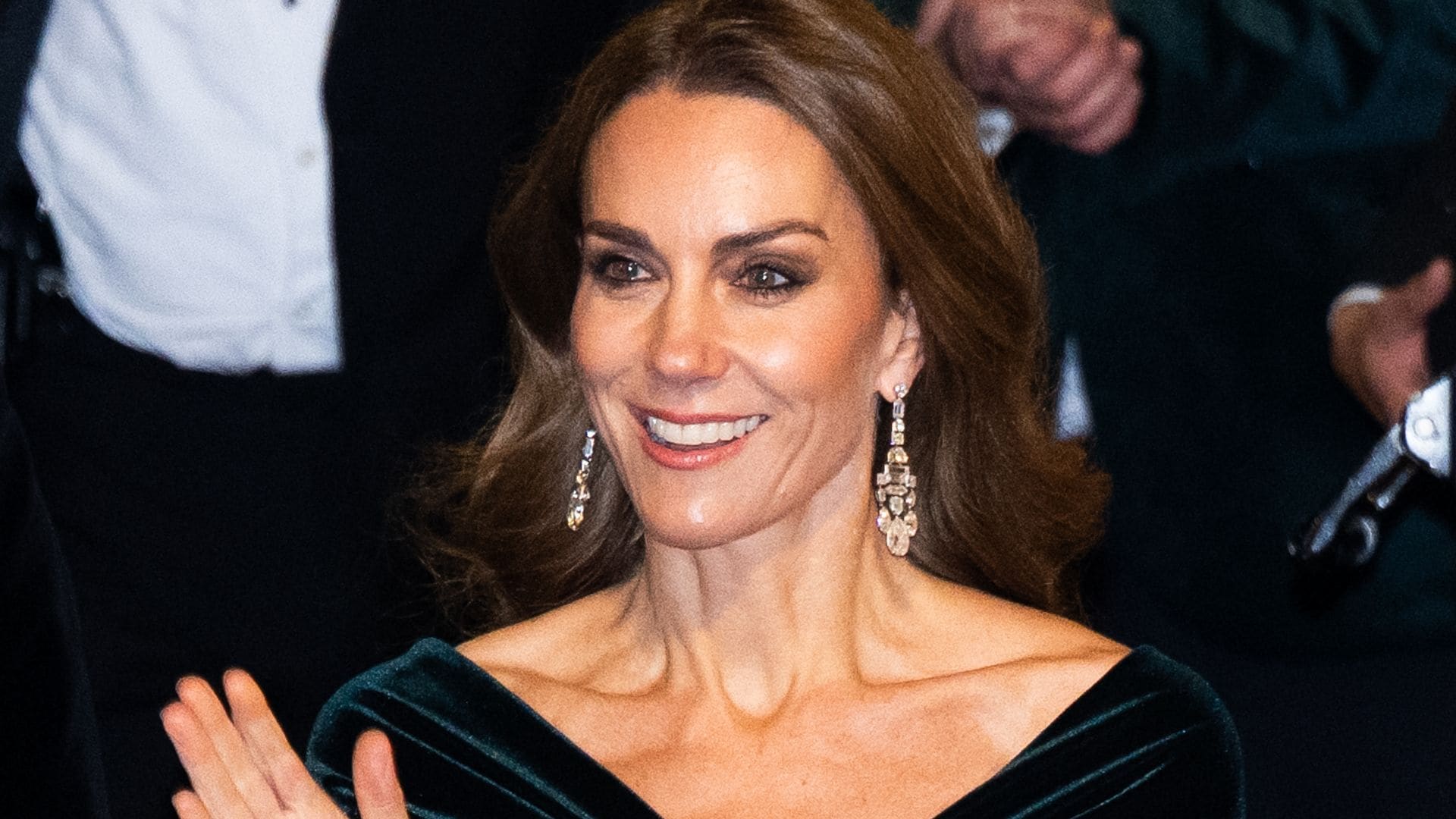
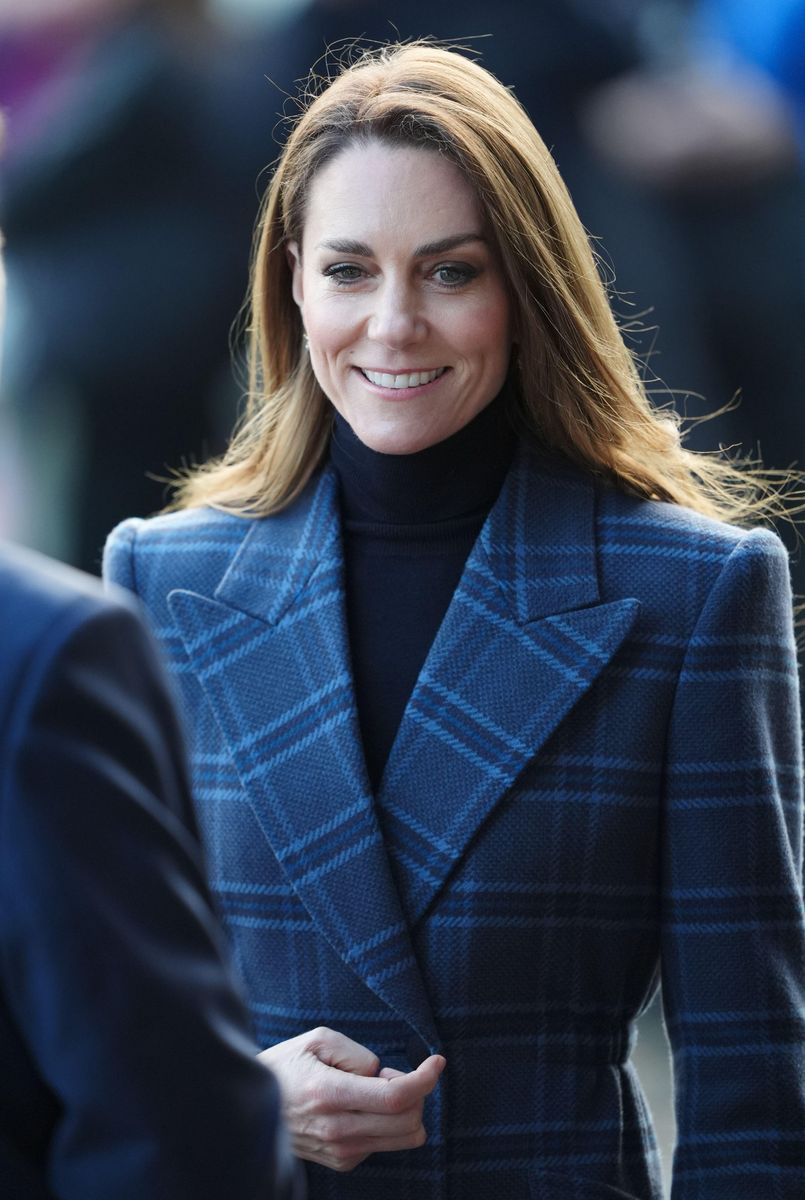
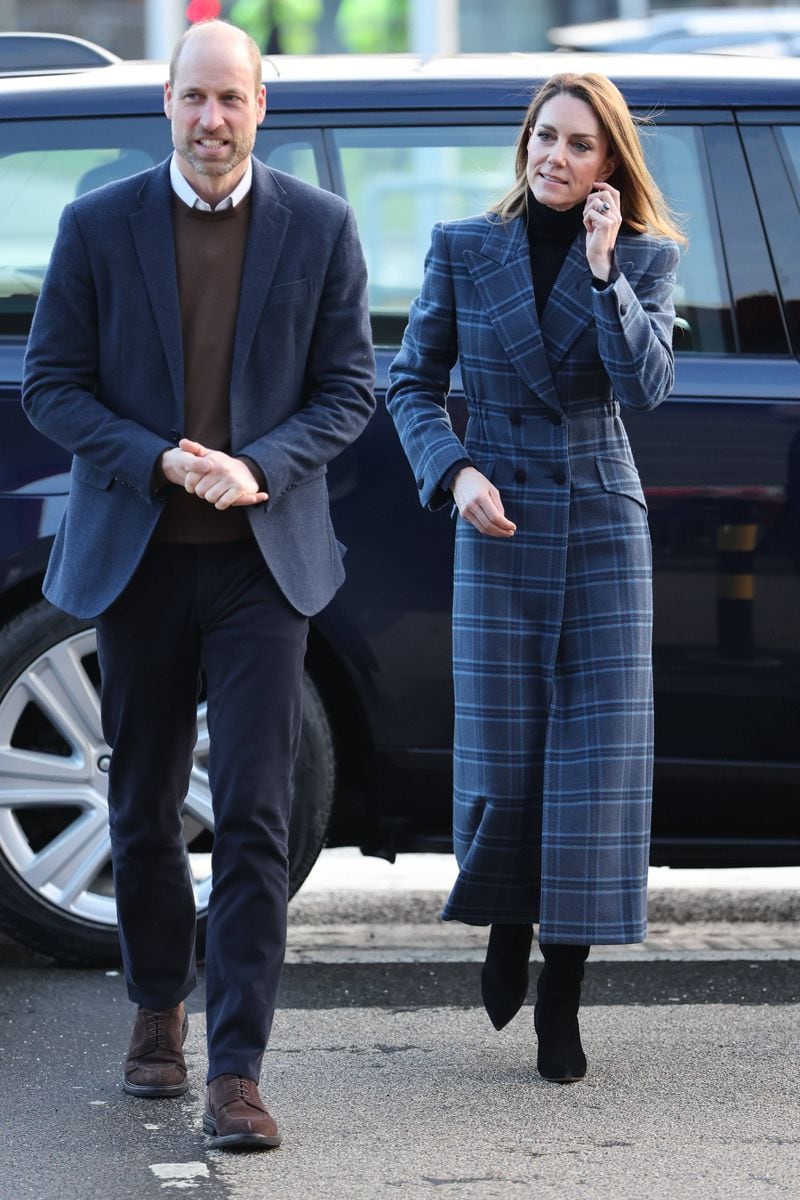
When Kate Middleton arrived in Scotland with Prince William on January 20, all eyes were on her striking new blue tartan coat. Royal watchers initially assumed it was the work of a top designer.
However, it soon emerged that the Princess of Wales had played a hands-on role in its creation, collaborating with Savile Row tailor Chris Kerr and heritage brand Johnstons of Elgin to design the fabric itself.
 © PA Images
This is more than a sartorial flourish, it is a statement. In a year where Kate has increasingly spotlighted the British textile industry, her co-designed coat sends a clear signal of influence.
Kate Middleton’s fashion evolution:
For much of her early royal life, Kate’s approach to fashion was understated. That changed gradually, culminating in a subtle but unmistakable shift.
The departure of her longtime stylist, Natasha Archer, opened the door for Kate to take full control of her wardrobe. Archer, originally hired as a personal assistant in 2010, left last year to pursue new ventures after being promoted to senior private executive assistant in 2022.
 © i Images
No replacement was hired, leaving the Princess to make her own style choices. Kate’s newfound autonomy has allowed her to craft looks with both personal and diplomatic intention.
For instance, at the September 2025 U.S. state visit for President Donald Trump and First Lady Melania Trump, she wore a gold Phillipa Lepley gown paired with a hand-embroidered gold Chantilly lace evening coat, a choice made with careful awareness of the president’s favorite color.
 © Victoria Jones/Shutterstock
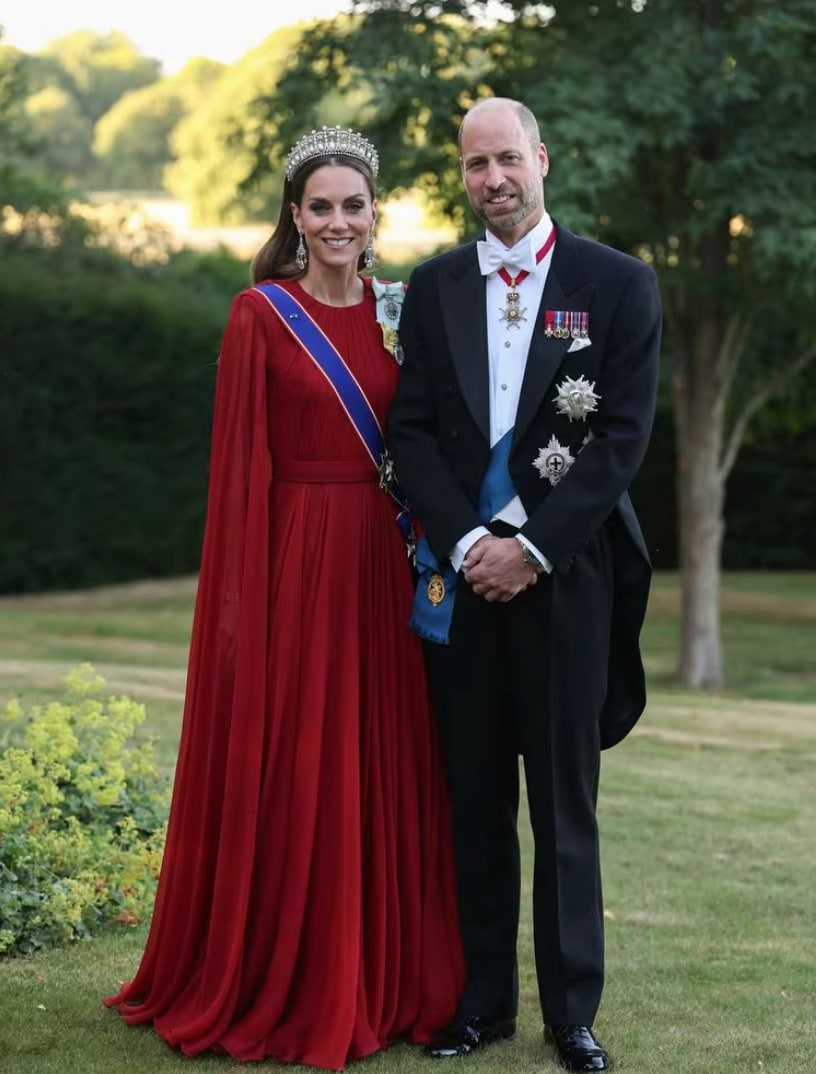
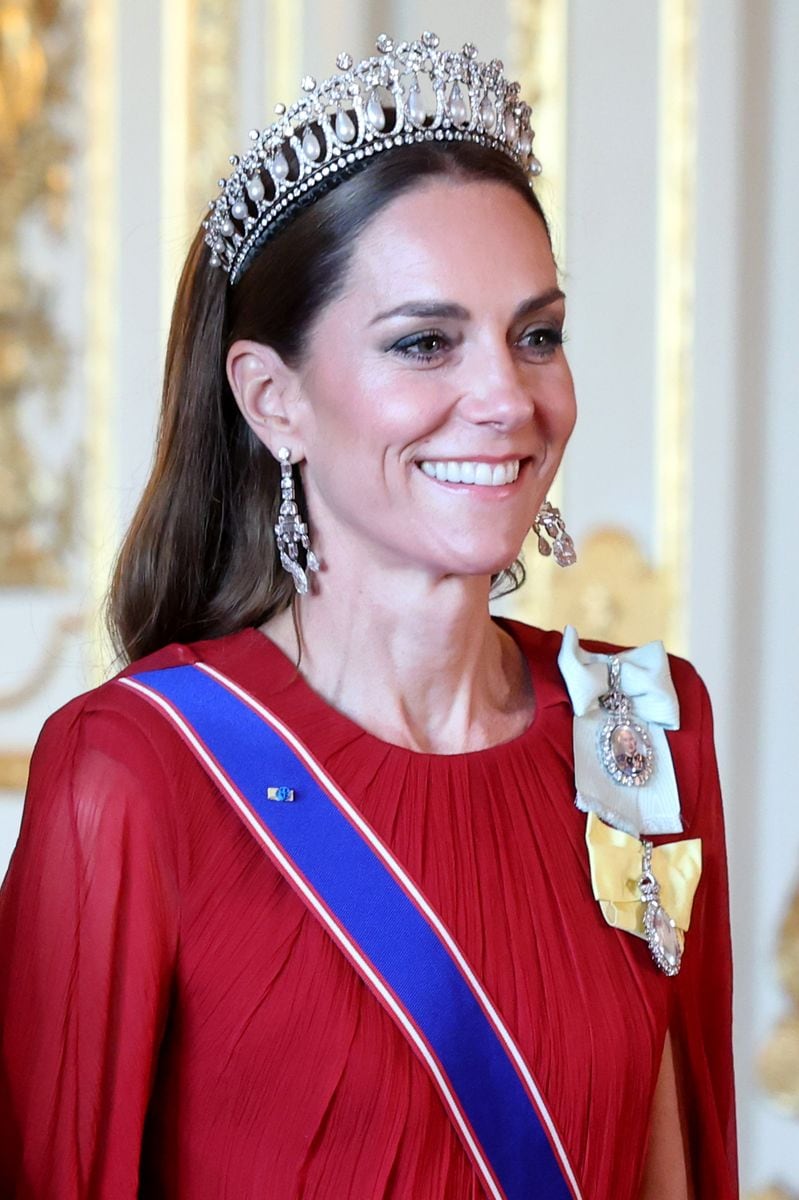
At the July 2025 banquet honoring France’s President Emmanuel Macron and Brigitte Macron, she coordinated her dark red silk crepe gown by Sarah Burton with Queen Camilla in blue and Brigitte Macron in white, subtly mirroring both the French and British flags.
 © WPA Pool
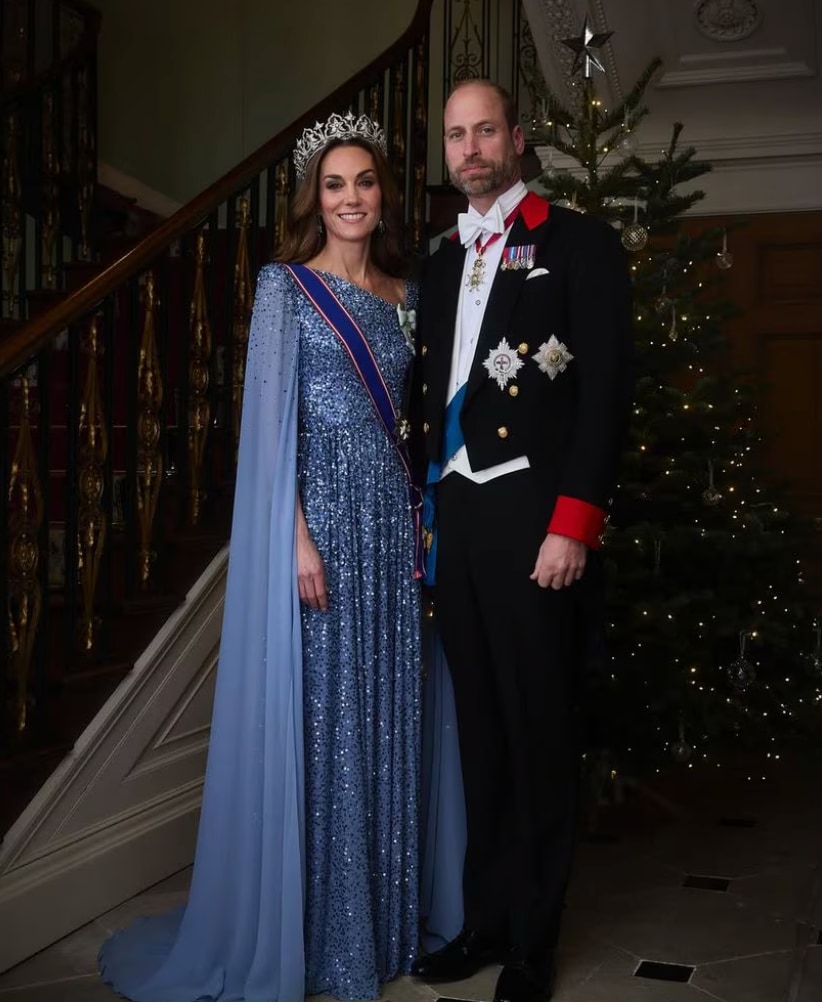
Kate’s December 2025 decision to wear Queen Victoria’s Oriental Circlet tiara for Germany’s state banquet further exemplifies this control.
Supporting British craftsmanship:
Kate’s influence isn’t limited to her personal style, it also extends to supporting the British fashion and textile industries. By designing the tartan fabric for her bespoke Chris Kerr coat in collaboration with Johnstons of Elgin, an iconic Scottish brand with over 200 years of history and a royal warrant, Kate is visibly championing domestic craftsmanship.
 © Princeandprincessofwales
The symbolism was underscored during the royal couple’s visit to Radical Weavers, a Stirling-based charity and hand-weaving studio. There, Kate not only wore her co-designed coat but also tried her hand at weaving, participating in the charity’s mission to help communities tackle social isolation and trauma through traditional Scottish crafts.
Prince William, ever the supportive partner, held the coat as Kate learned the art of tartan weaving, a moment captured fondly by onlookers and shared widely on social media.
 © Princeandprincessofwales
Kate paired the coat with a black Zara turtleneck and black suede Gianvito Rossi boots, blending traditional tailoring with accessible fashion, an example of her signature balance of style and approachability.
A new era of Royal style:
From her meticulously planned state banquet ensembles to her bespoke tartan coat in Scotland, Princess Kate is asserting a level of fashion autonomy unprecedented in modern British royalty.
 © Chris Jackson
The era of the royal relying entirely on stylists has quietly ended, as she is shaping her image, supporting British design, and using fashion as a subtle but powerful tool for influence, a move that has both industry insiders and royal watchers captivated.