Today, European monarchies operate under standards that differ greatly from those of the past. Their guiding principle is to project an image of integrity to ordinary citizens. In practice, this means doing everything possible to ensure that the institution is seen not only as useful but also as one people feel represented by and proud of. This is the central objective of royal households across Europe, including Spain, and one to which they devote a significant share of their efforts.
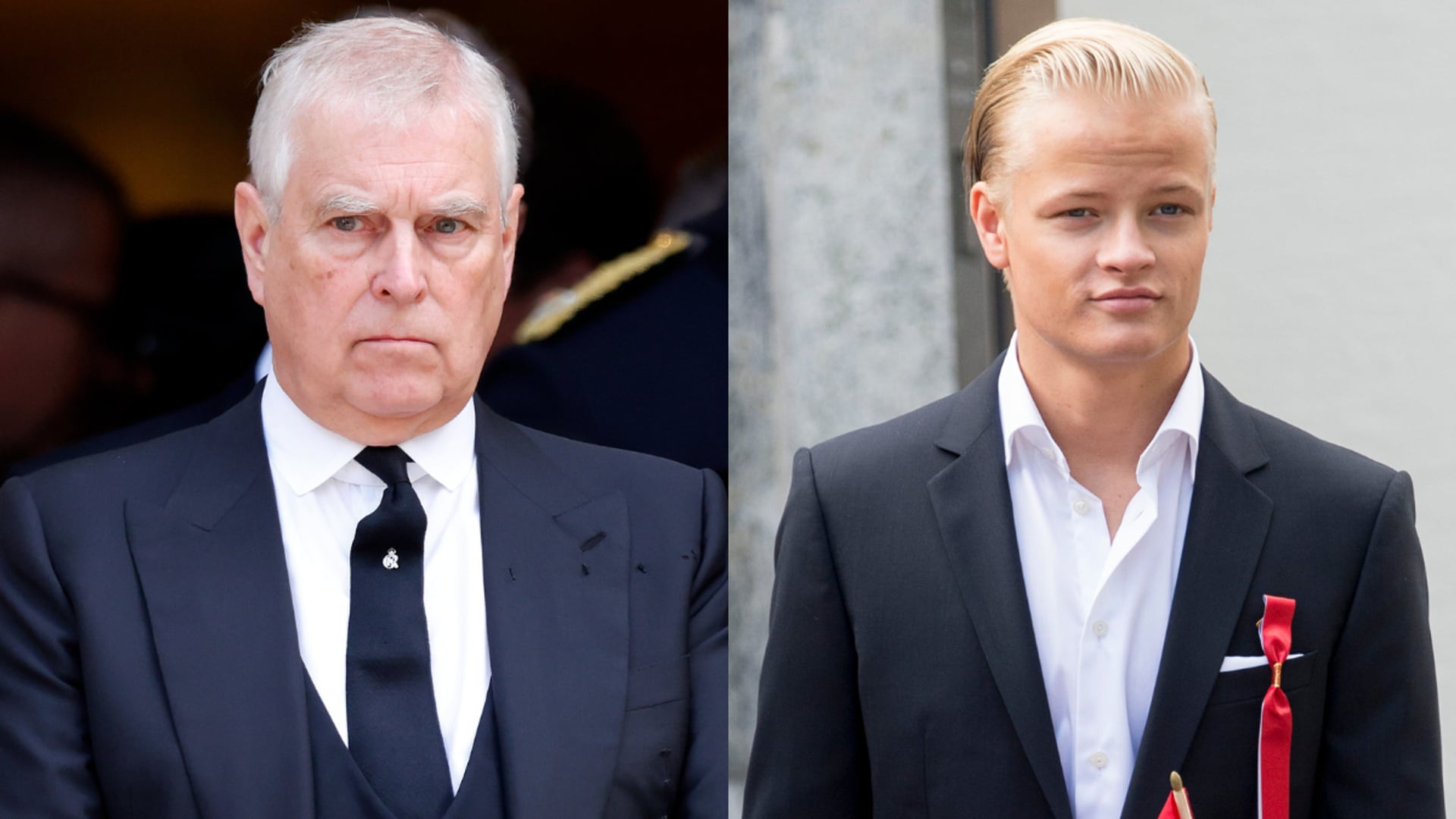
However, as in any other area of society, there are individuals who fail to live up to this ideal. No royal family is immune to major controversy or scandal. In recent times, former Prince Andrew of England and Norway’s Marius Borg, the son of Crown Princess Mette-Marit, have become clear examples. They are the two most damaging figures in the royal sphere this year, making it worth examining how their respective monarchies have handled these serious challenges.
 © Max Mumby/Indigo
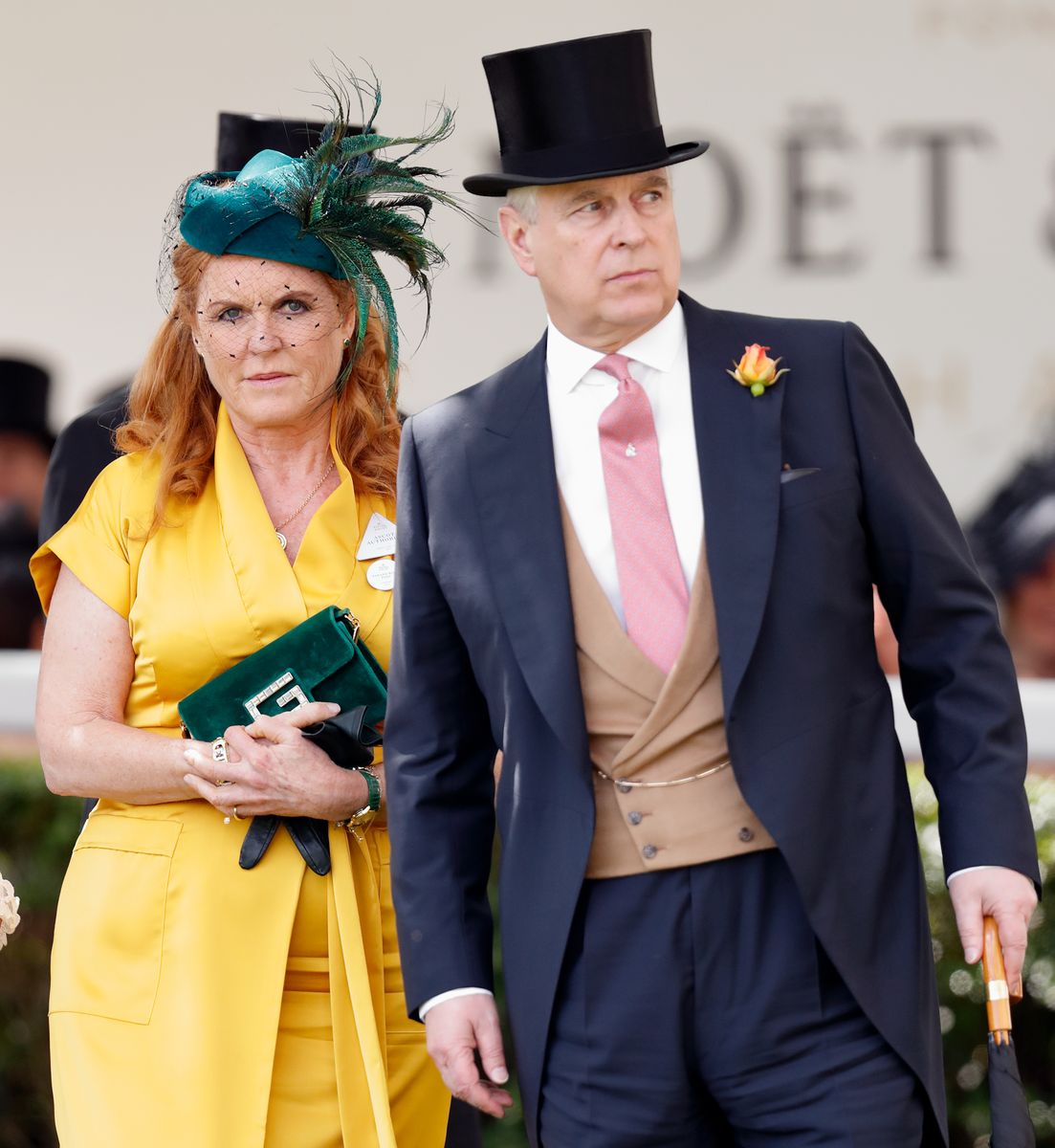
Andrew Mountbatten-Windsor (formerly Prince Andrew) and the moment the monarchy lost control
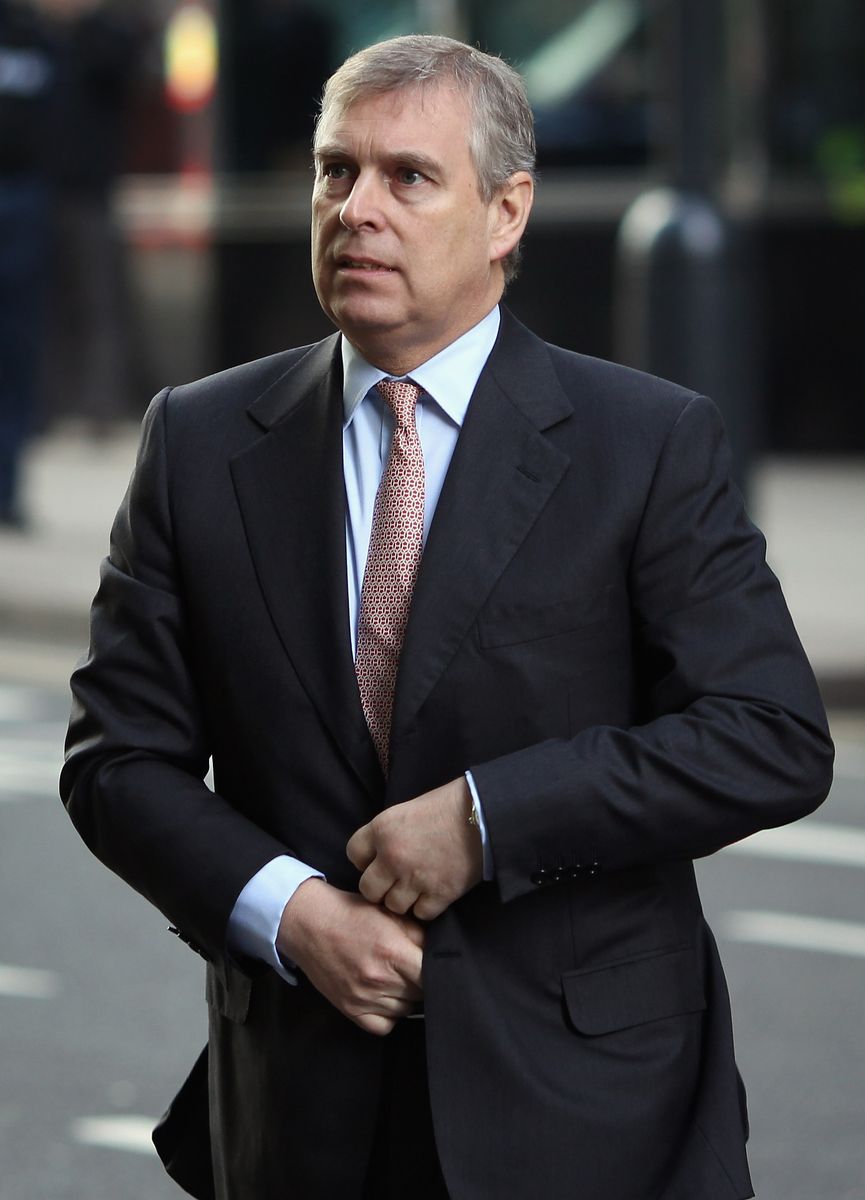
The issue had been brewing for years, possibly longer than necessary. The British Crown has long been burdened by the close relationship between Queen Elizabeth II’s favored son and businessman and convicted sexual predator Jeffrey Epstein, who was found dead in his cell in 2019. King Charles III's younger brother quickly became a pariah within his own family when the scandal erupted more than five years ago. He was sidelined and stripped of official duties, though he initially retained most of his noble titles. That changed a few months ago, when he became simply Andrew Mountbatten-Windsor, his birth name, after losing everything that tied him to royal status.
 © Dan Kitwood
Matters escalated further this autumn with the release of a 2011 email in which the former Duke of York engaged in a disturbingly friendly exchange with Epstein. “Don’t worry about me. It looks like we’re in this together, and we’ll have to get through it. If not, stay in touch and we’ll be playing together again soon,” he wrote. The message revealed the nature of their relationship and proved that Andrew had lied during his widely criticized BBC interview, where he claimed to have cut off all contact with Epstein in 2010.
 © Getty Images
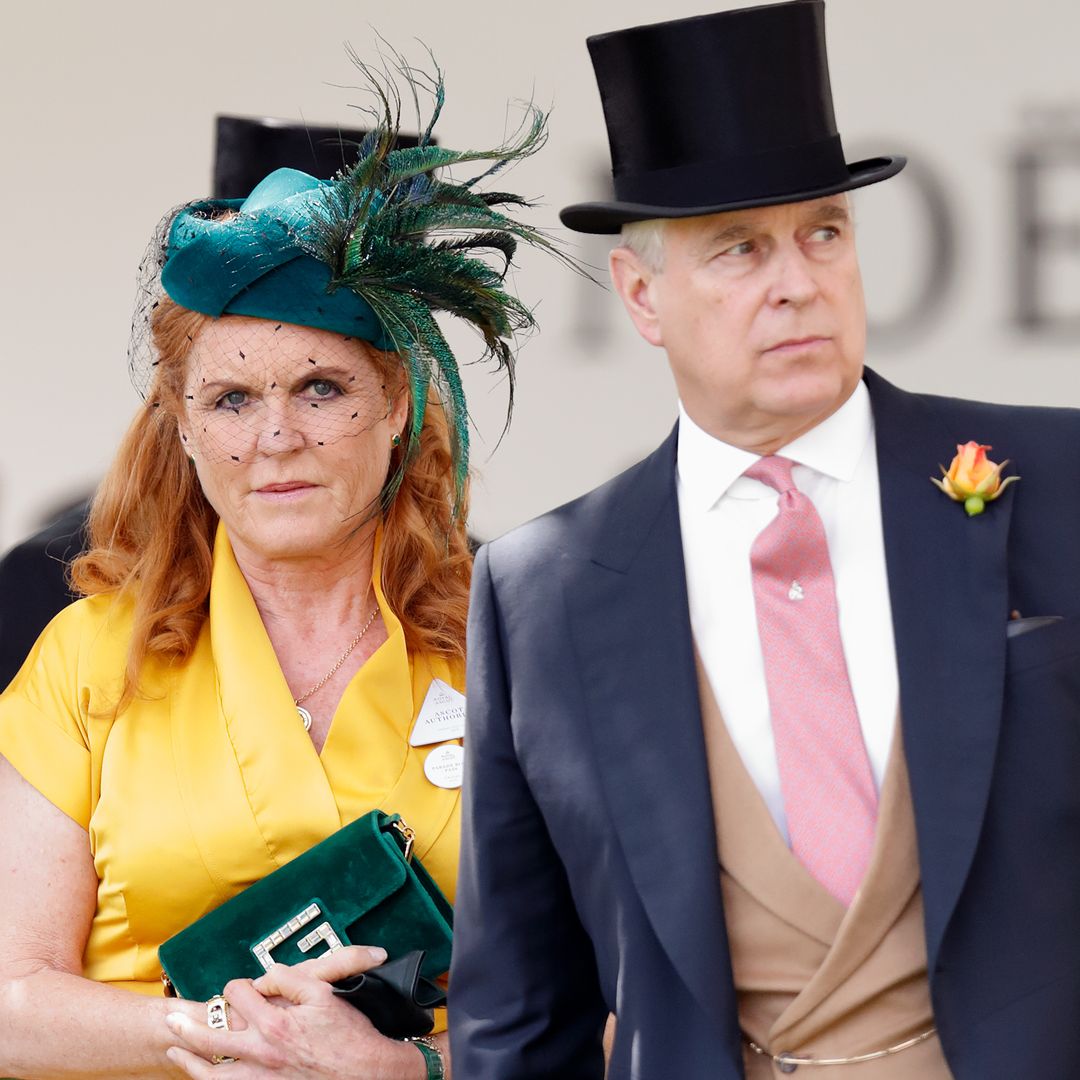
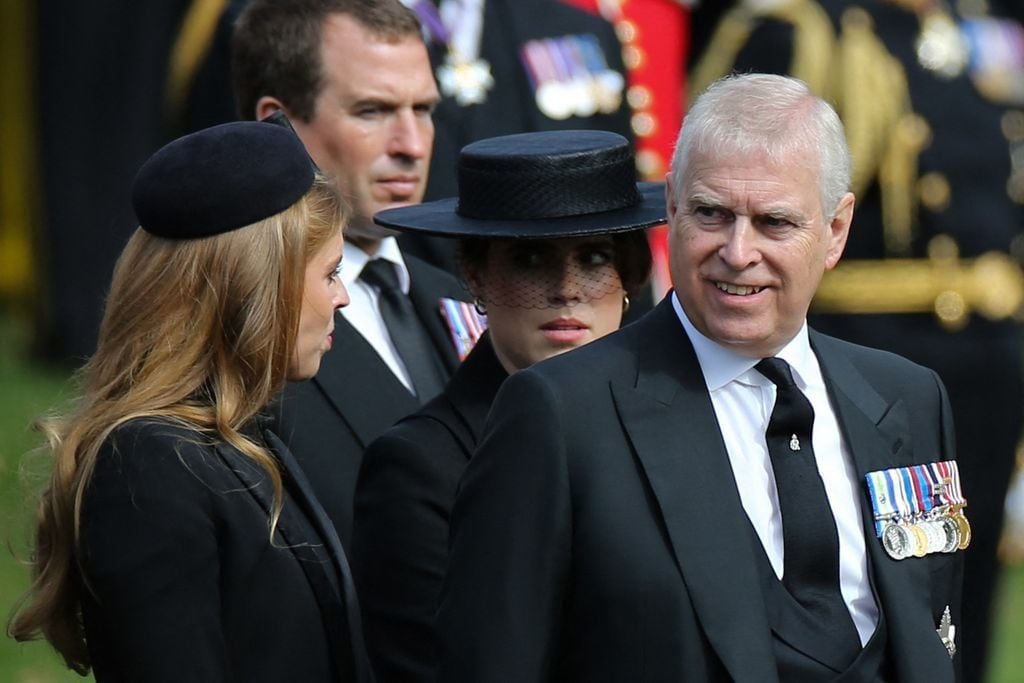
The email surfaced just weeks after his ex-wife, Sarah Ferguson, was also implicated for the same reason. An email she sent to Epstein contradicted her public claim that she had ended contact with him. Despite mounting pressure, Andrew clung to his remaining privileges, including his continued residence at Royal Lodge, a situation that caused growing frustration for King Charles III. The strain extended to Prince William as well, who strongly disapproved of his uncle’s conduct.
 © Karwai Tang
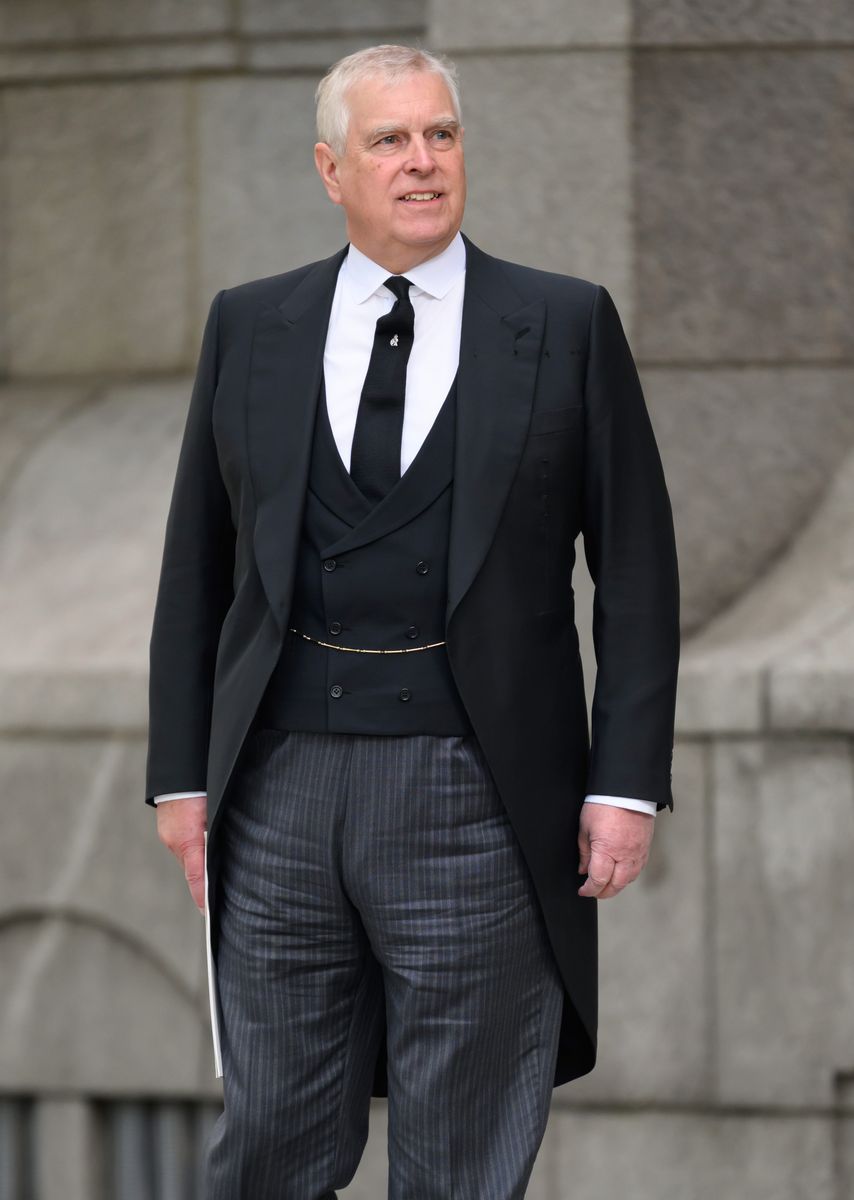
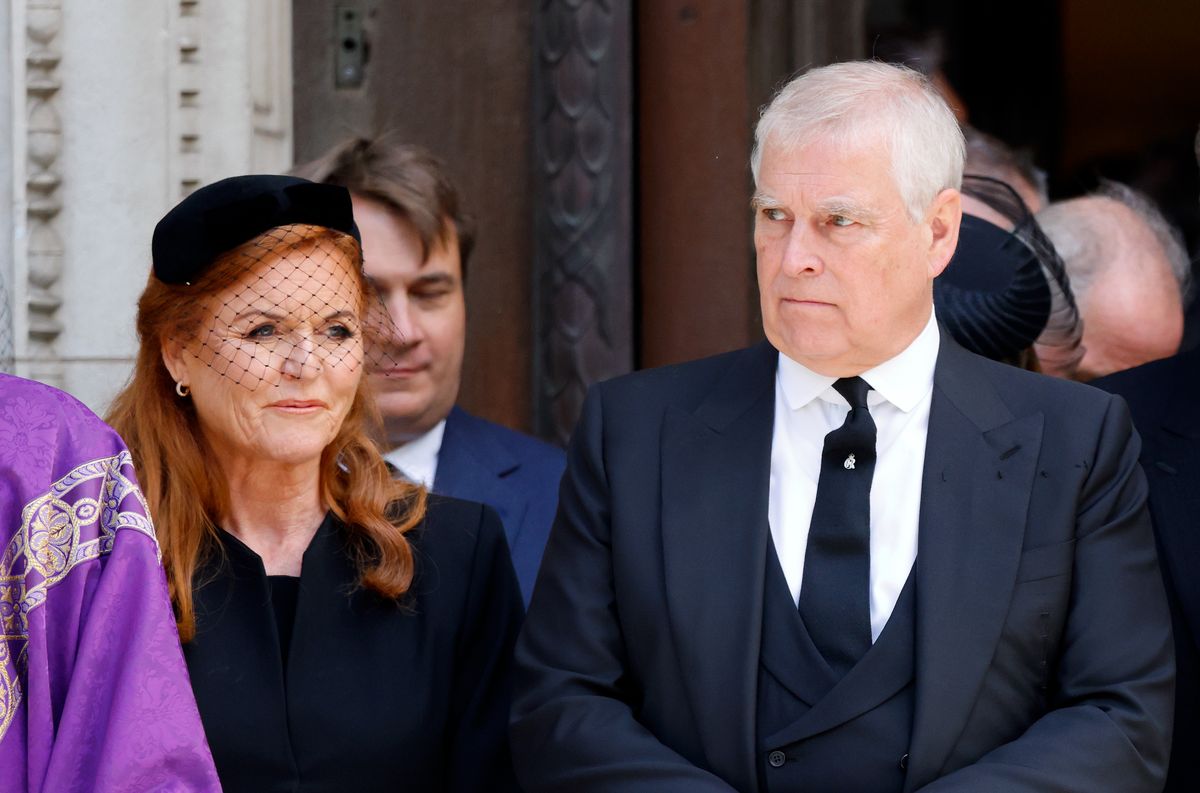
The most tragic moment came in April, when Virginia Giuffre, the primary victim in the case and the woman who accused Andrew, took her own life. Against this backdrop, on October 17, Andrew announced his long-anticipated resignation. “I will no longer use my title of Duke of York or the honors granted to me,” he said in a statement. The decision was made in agreement with King Charles III to prevent further damage to the monarchy’s image.
 © Max Mumby/Indigo
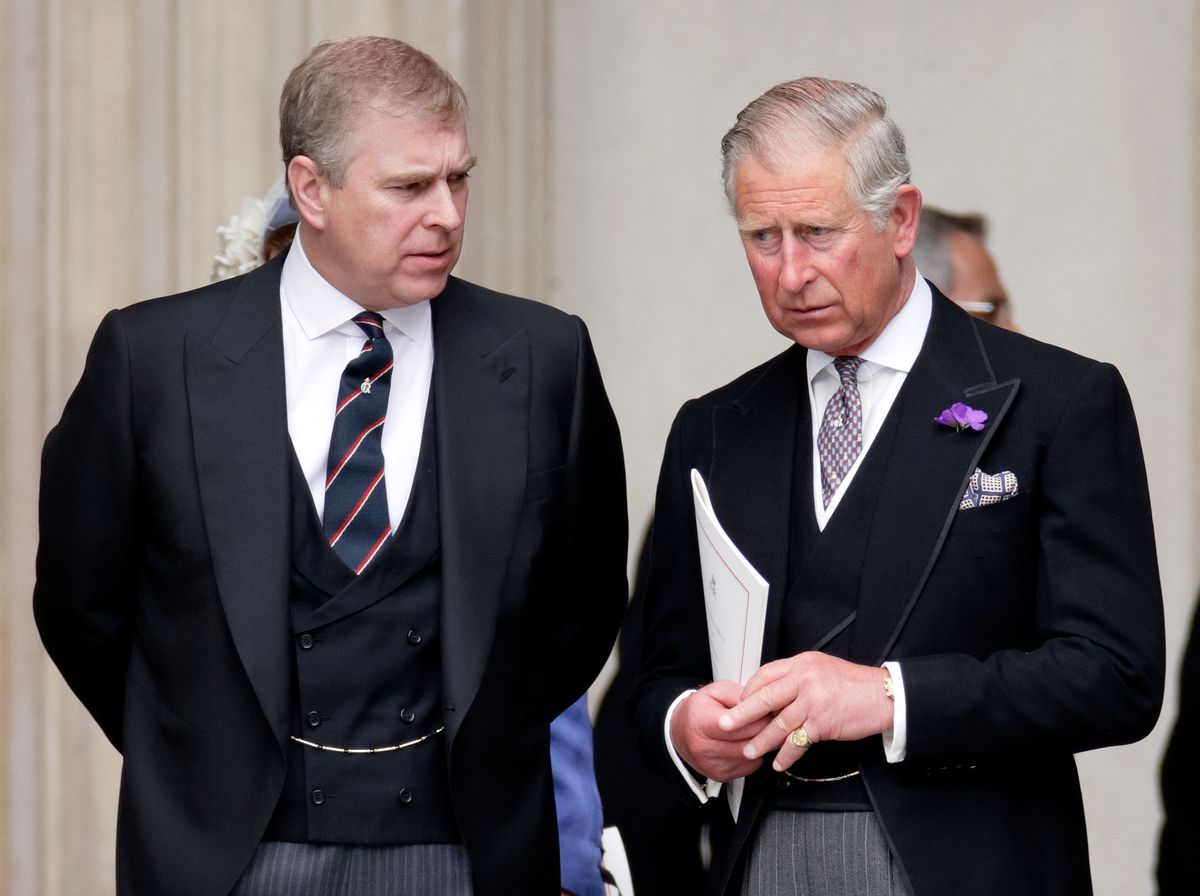
Two weeks later, the king delivered the final blow by formally stripping his brother of the title of prince he held by birth and canceling the agreement that allowed him to remain on the Windsor estate. By that point, public pressure had become overwhelming, with many demanding decisive action from the monarch. Beatrice and Eugenie of York, Andrew’s daughters, will retain their titles. For the king, protecting his nieces was essential, as they remain assets to the Royal Household despite not serving in full-time royal roles.
 © Max Mumby/Indigo
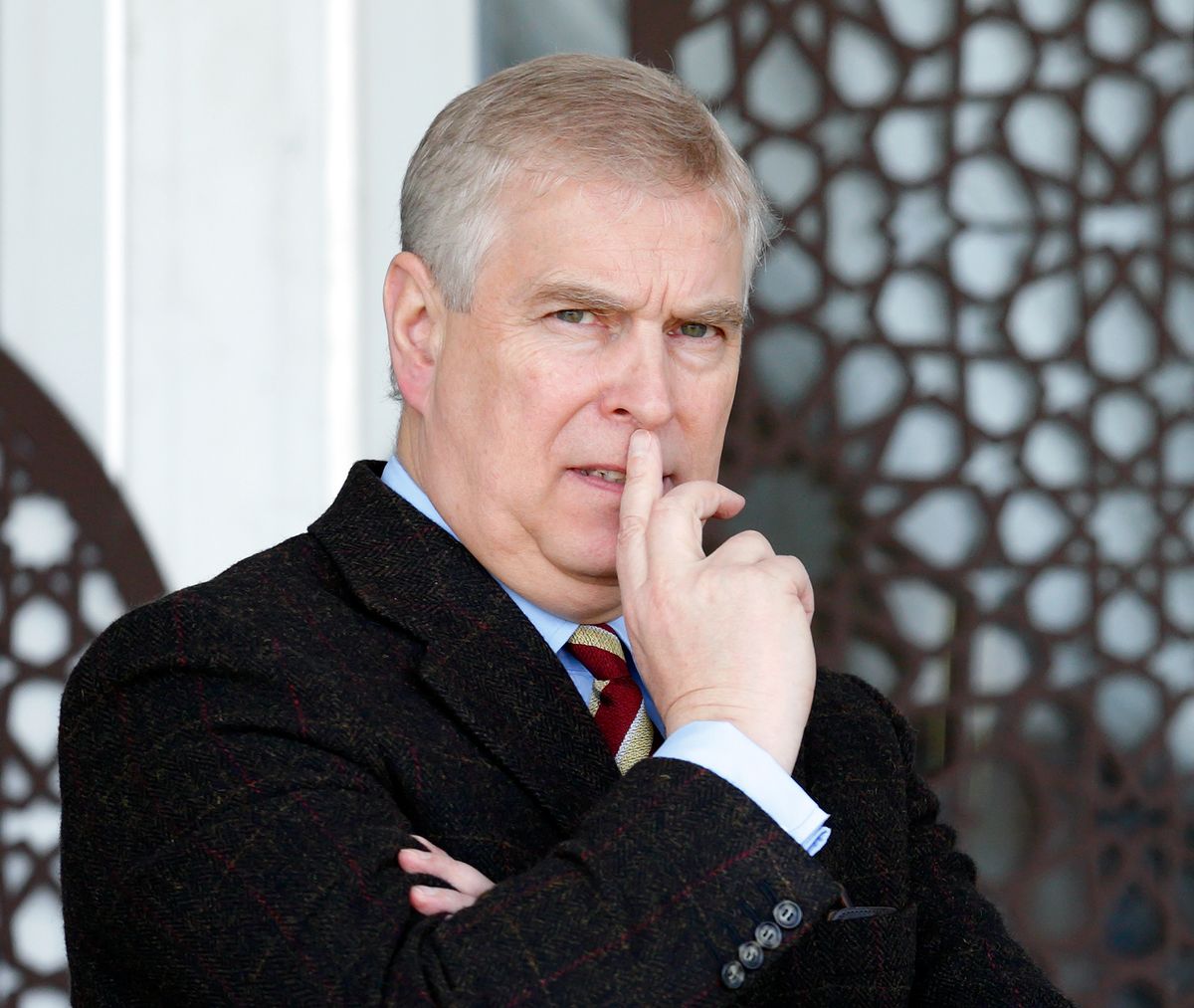
Andrew’s most recent public appearance took place on December 12 at the baptism of his granddaughter Athena, the youngest daughter of Beatrice of York. The private ceremony was held at the Chapel Royal in St. James’s Palace in London. Among those in attendance was Sarah Ferguson, now also stripped of her duchess title following her connection to the Epstein scandal.
 © Getty Images
Recent events overshadowed what would normally have been a joyful family occasion. Although Beatrice's relationship with her father isn't particularly close, she wanted to include him in such an important moment. Those close to her say she felt it would have been cruel to deny him the experience, knowing how devoted he is to his granddaughters and how difficult this period has been for him. She was not ready to end the bond, as she was isolated and abandoned.
Marius Borg and the crisis facing the Norwegian monarchy
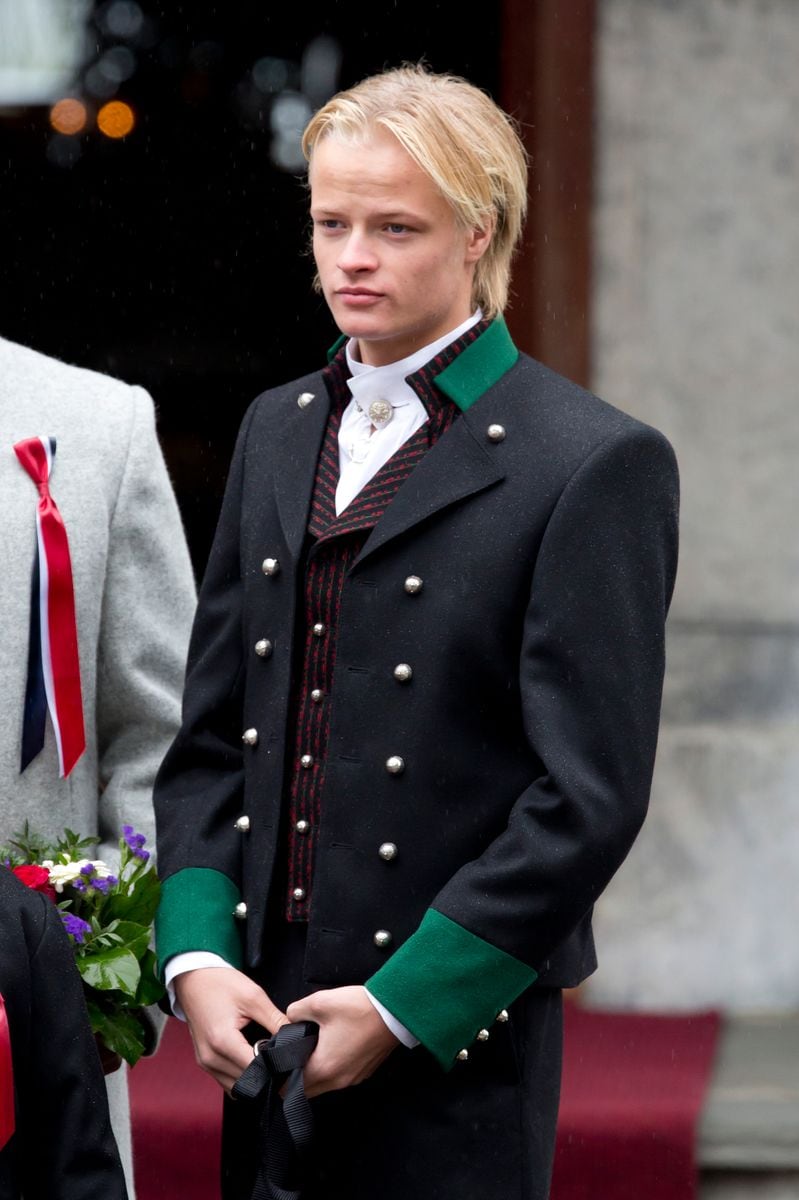
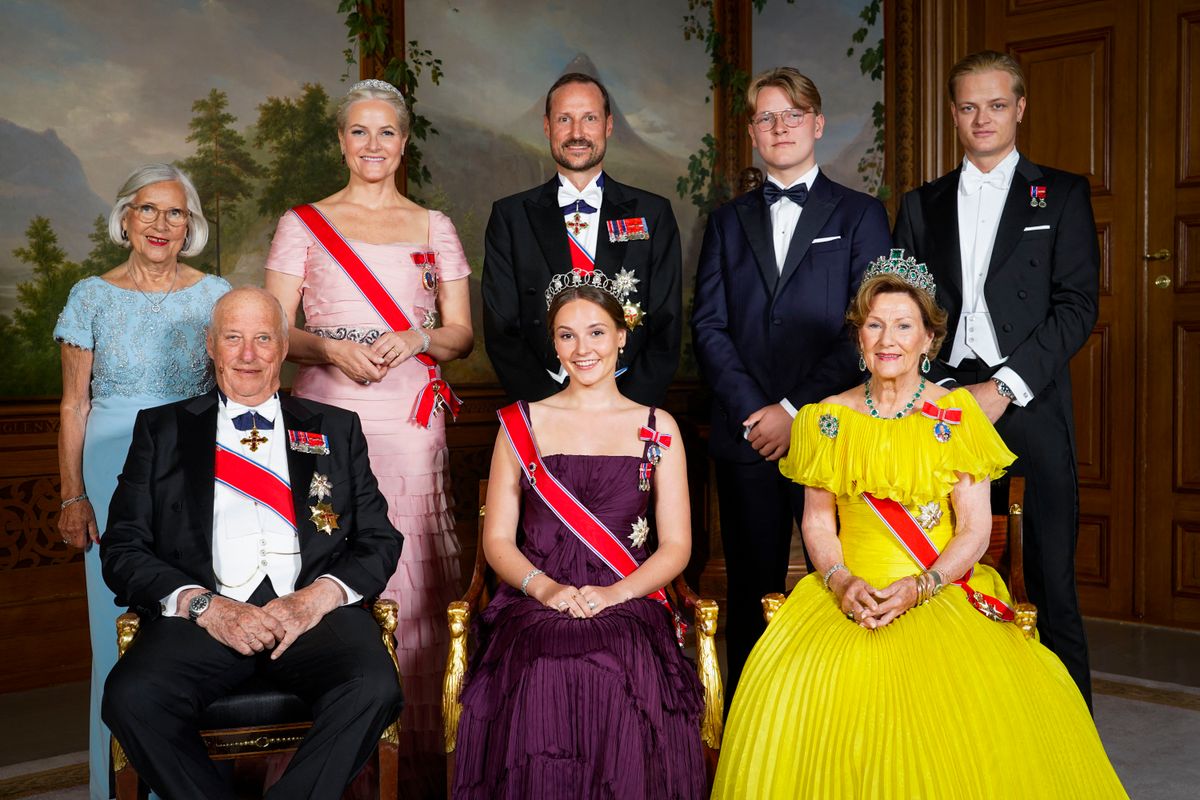
On February 3, Marius Borg Høiby will appear before the Oslo District Court in what has been dubbed the “trial of the century.” He faces 32 criminal charges, including four counts of sexual assault involving different women, abuse of his former partner Nora Haukland, and violent acts against another romantic partner. If convicted, he could face up to 10 years in prison under Norwegian law.
 © Julian Parker
 © LISE ASERUD
Police investigations indicate that many of the alleged crimes took place at his residence in Skaugum, a royal property. The home sits on an estate purchased by King Olav for the heir to the throne, his grandson and future king, Haakon. “This is a very serious case,” said Norway’s Director of Public Prosecutions, Sturla Henriksbø, when addressing the press. “These are acts that can destroy lives.”
 © UK Press via Getty Images
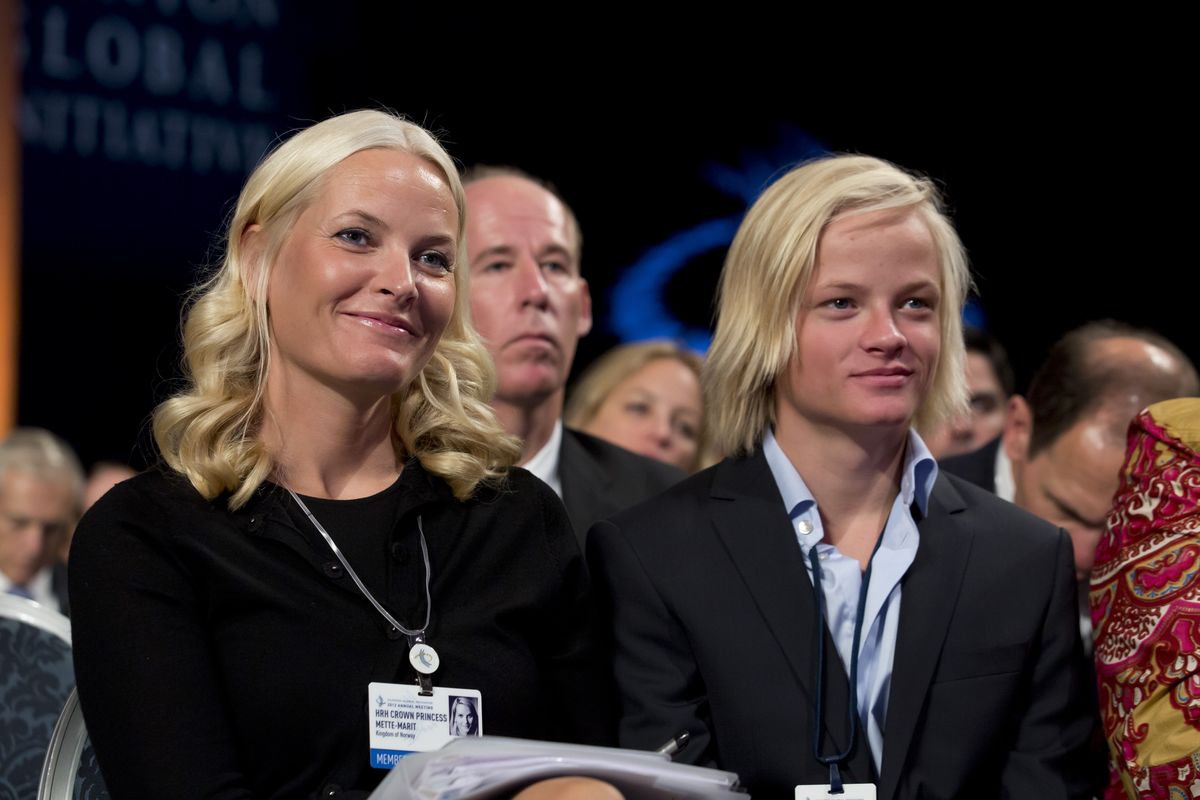
The case, centered on Crown Princess Mette Marit’s eldest son, has deeply shaken the foundations of the Norwegian monarchy. It has also emerged that one of the alleged rapes may have occurred after Marius had already been arrested and released, a fact the prosecutor described as deeply concerning. Henriksbø suggested that Marius appeared to feel untouchable, continuing his behavior rather than showing remorse, thereby compounding the damage to the royal family’s public image.
 © Julian Parker
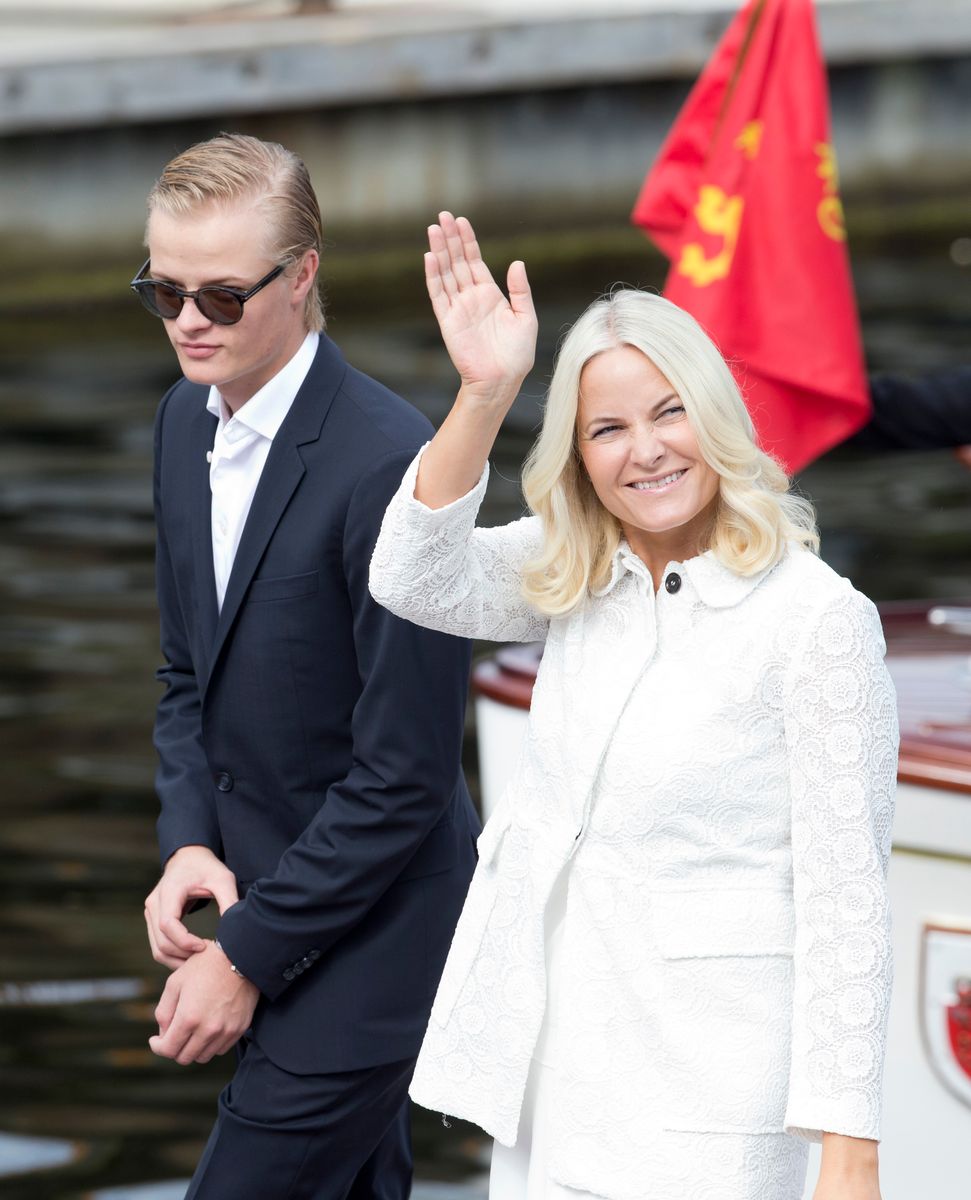
The alleged assaults reportedly occurred in his bedroom between 2018 and 2024, after consensual sexual encounters. Investigators allege that he attacked the women while they were asleep and recorded the acts. Police found photos and videos of the victims during a review of digital files, evidence the prosecutor described as key to the case. Marius also faces charges for death threats, assaulting a public official, and traffic violations.
 © HAKON MOSVOLD LARSEN
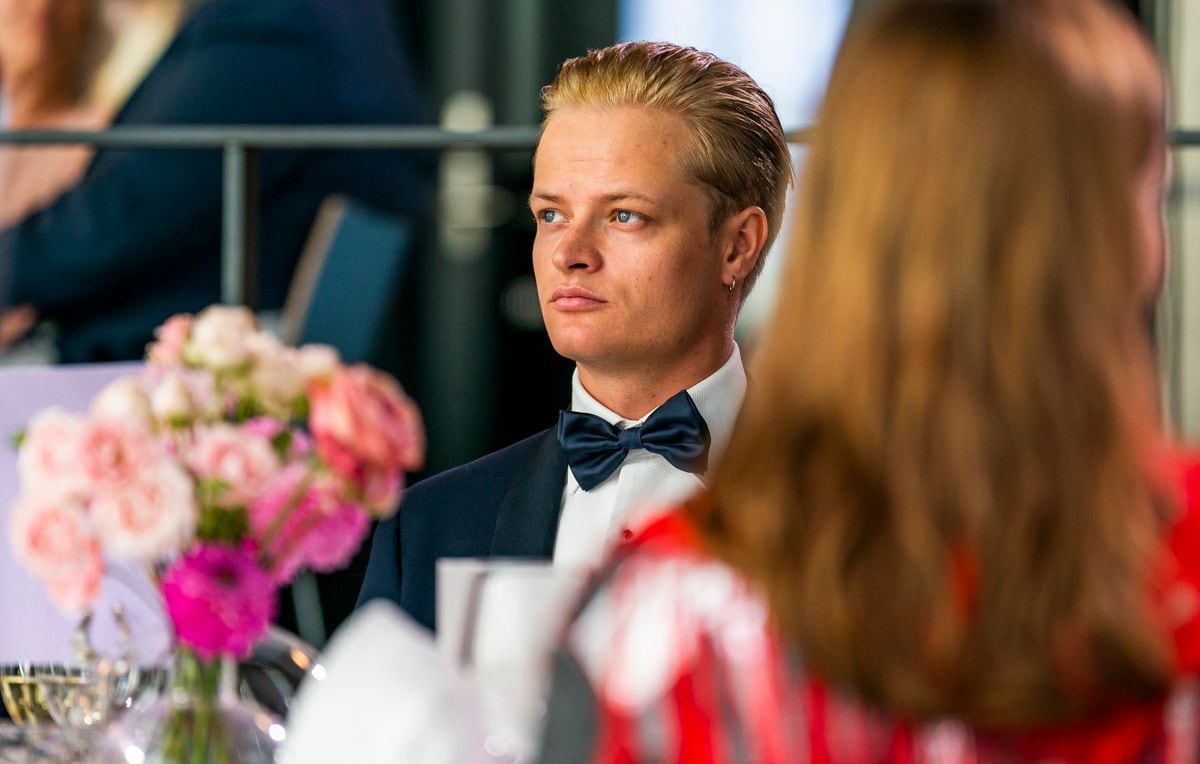
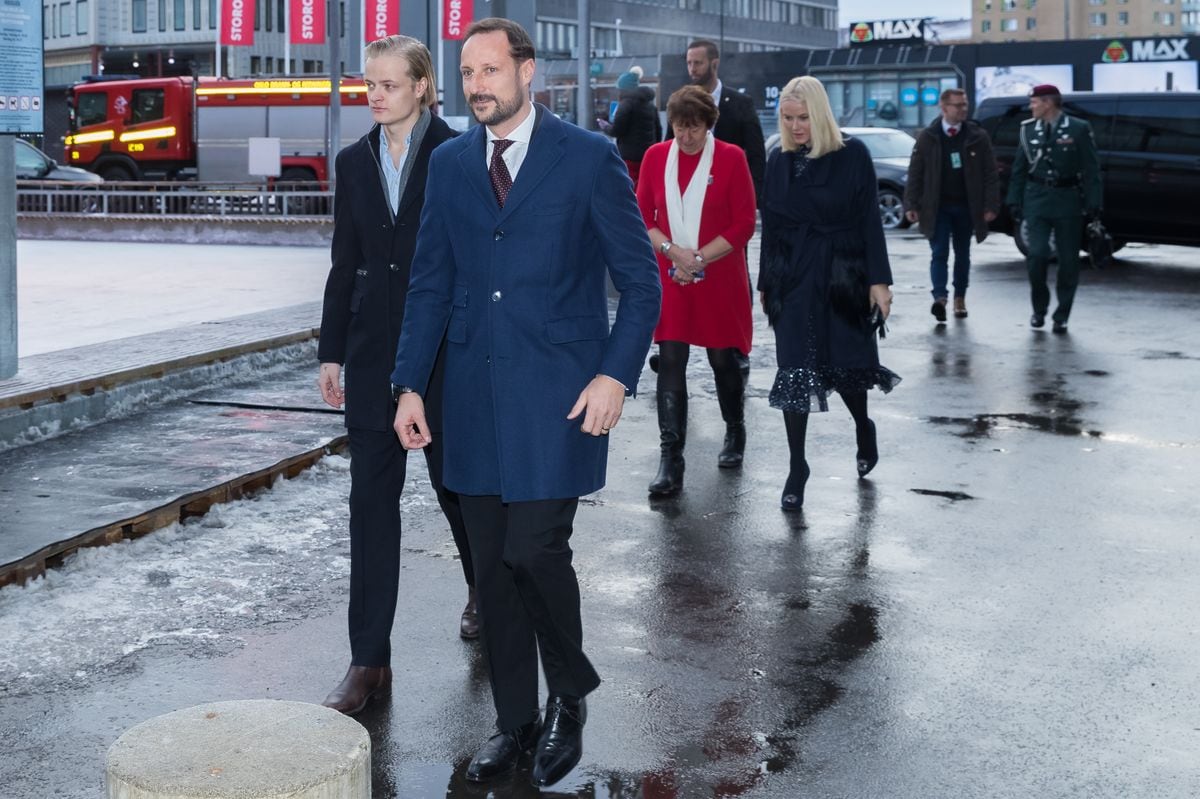
Since the scandal broke in August 2024, the Norwegian royal family has largely avoided commenting. Both Crown Prince Haakon and his daughter Ingrid Alexandra gave similar succinct answers when questioned. “This is very difficult for all of us. The charges are clear. Now it is up to the court to decide. We will continue to fulfill our duties.” Their message underscored the monarchy’s intention to carry on despite the turmoil.
 © Getty Images
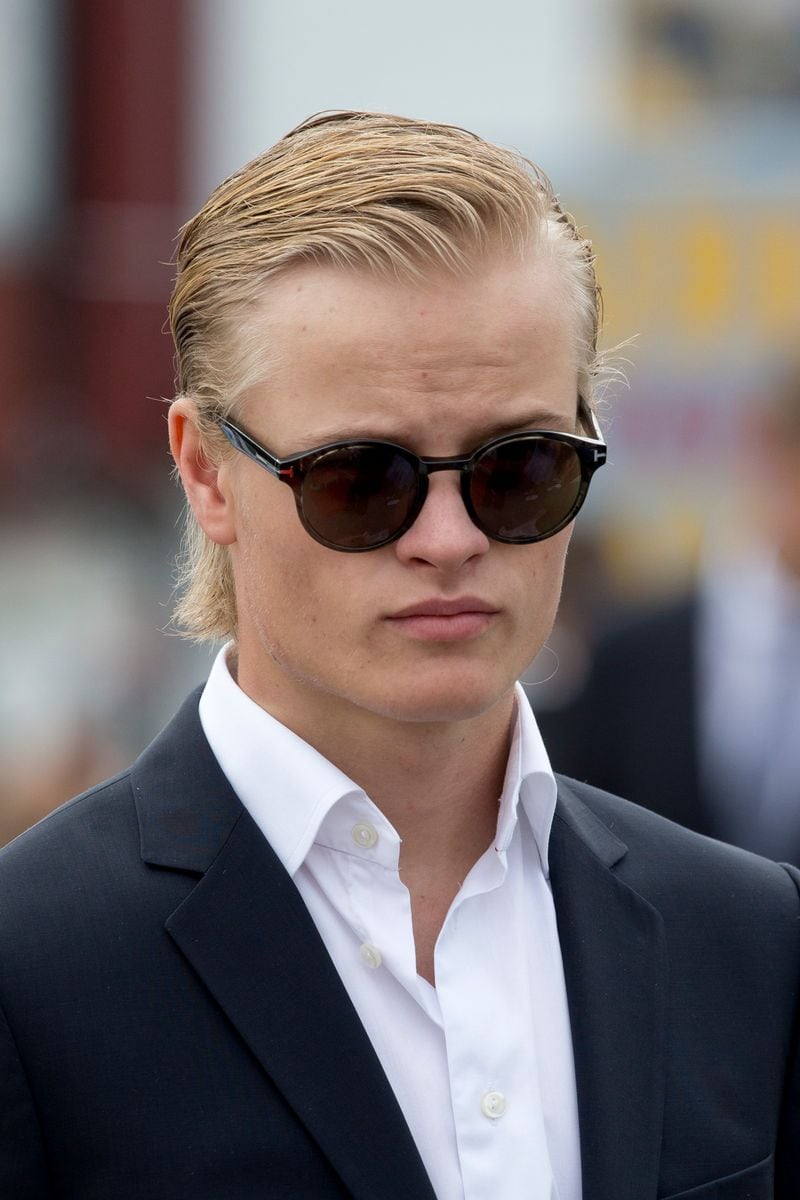
Legal experts say Marius’s defense hinges on claims of consent, a position considered weak given the volume of evidence. It has also been reported that he searched online for terms such as “rape” and “sexual assault,” suggesting awareness of potential consequences. If acquitted of the most serious charges, lawyers note he could still be convicted based on the incidents he has admitted.
Marius has only acknowledged events that occurred in Frogner, an affluent Oslo neighborhood, where an argument with his then partner escalated into violence, threats, and property damage. His lawyer attributes his behavior to mental health issues fueled by media pressure and substance abuse. It has since emerged that Marius entered a rehabilitation center, a factor that could be considered mitigating and potentially reduce his sentence.
 © UK Press via Getty Images
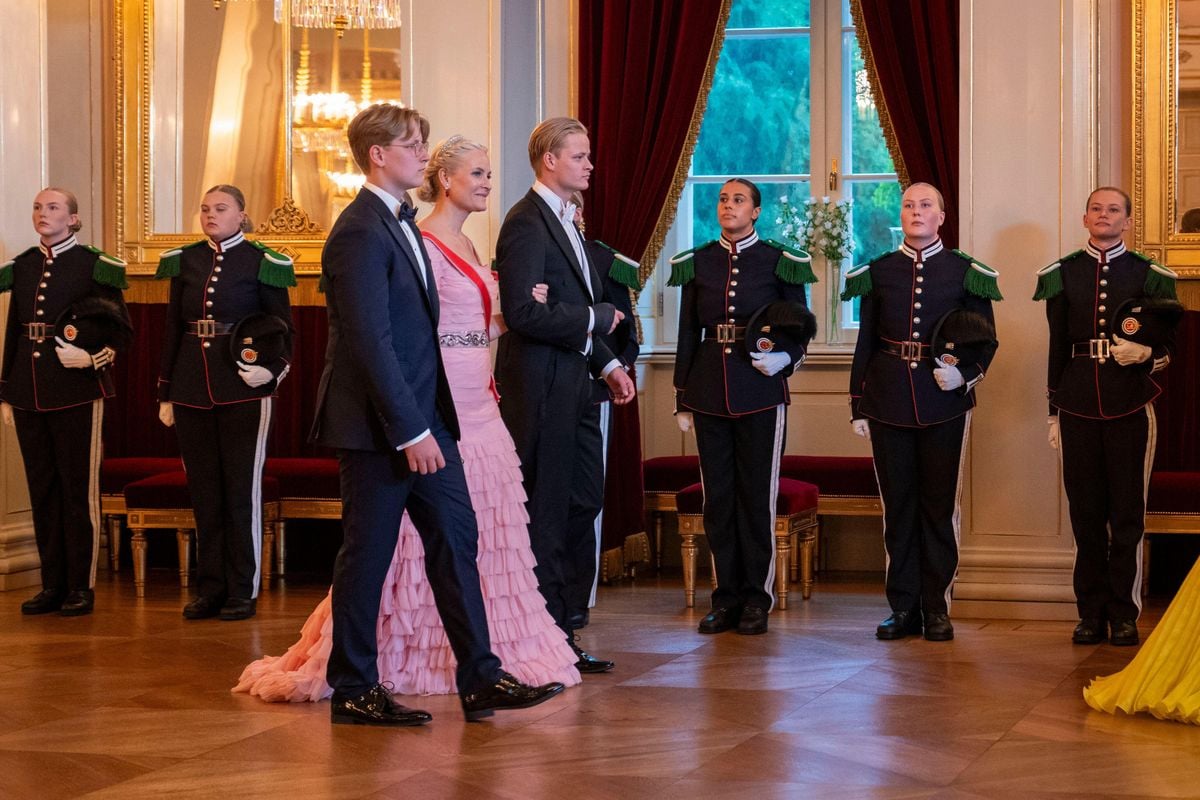
Any perceived royal privilege is unlikely to benefit him. If anything, experts believe the sentence could be especially strict to reinforce the principle that no one in Norway is above the law. Finally, Scandinavian media report that legal costs are being covered by his grandmother, Marit Tjessem, Mette Marit’s mother, who has allegedly committed half of her 230,000 euro assets to fund her grandson’s defense.
 © NTB
© NTB