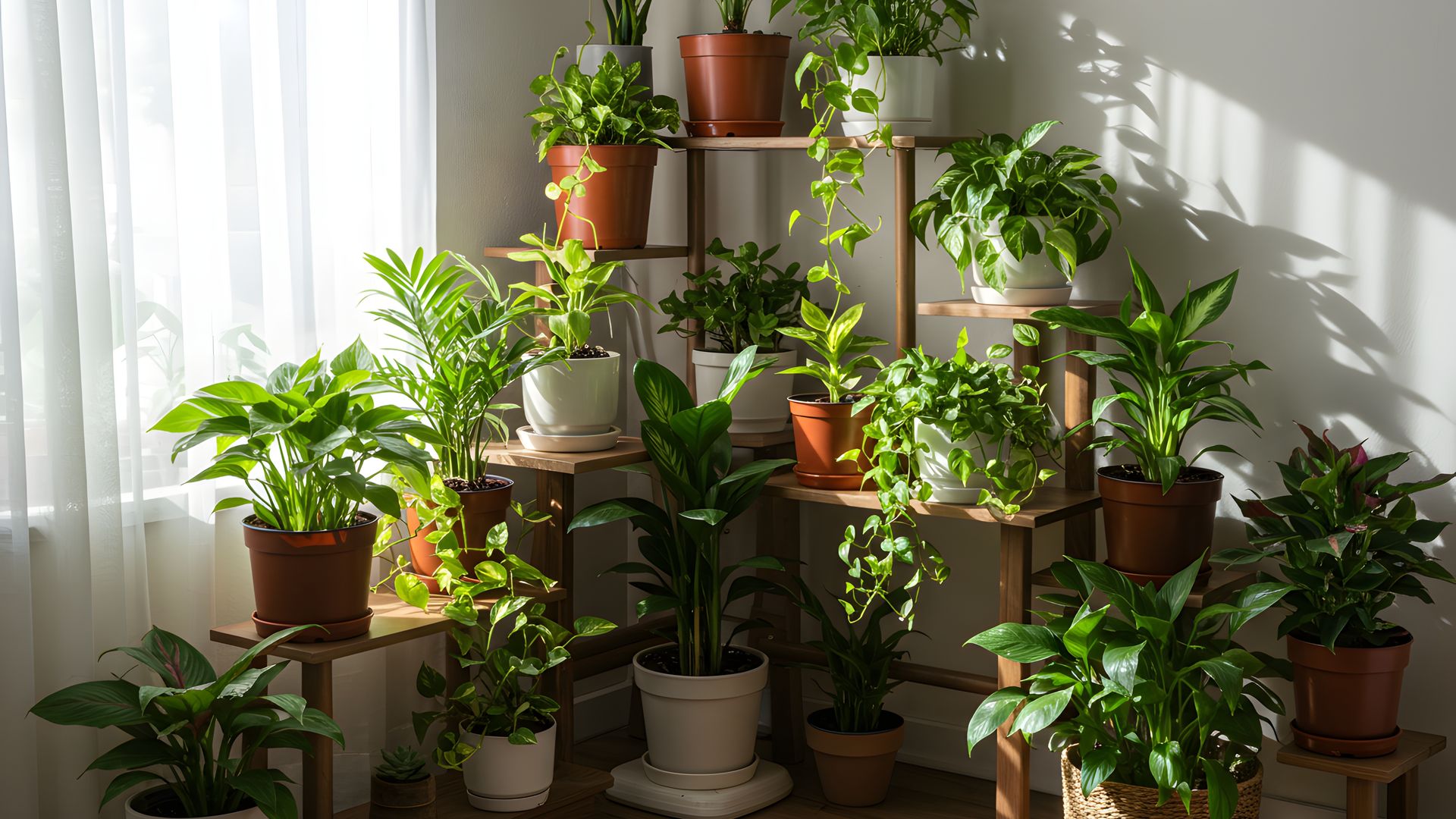
If you love plants and are starting to introduce a few species into your home, creating a green corner is one of the most stylish and practical ways to decorate. Instead of placing plants randomly throughout the space, a curated plant corner allows you to highlight their beauty while adding freshness, texture, and personality to your interior.
There are many ways to decorate with plants, but today we’re focusing on how to design a dedicated green corner, one that feels intentional, balanced, and visually striking.
 © Lumina/Stocksy - stock.adobe.com
What Is a 'Green Corner'?
A green corner is a carefully styled area where several indoor plants are grouped together to create a strong decorative impact. Rather than spreading plants throughout the room, they are arranged in one specific spot, turning it into a natural statement piece that elevates the entire space.
To achieve the best result, it’s essential to choose the right plants and the right location. Here’s everything you need to know.
 © kramynina - stock.adobe.com
Find the perfect spot
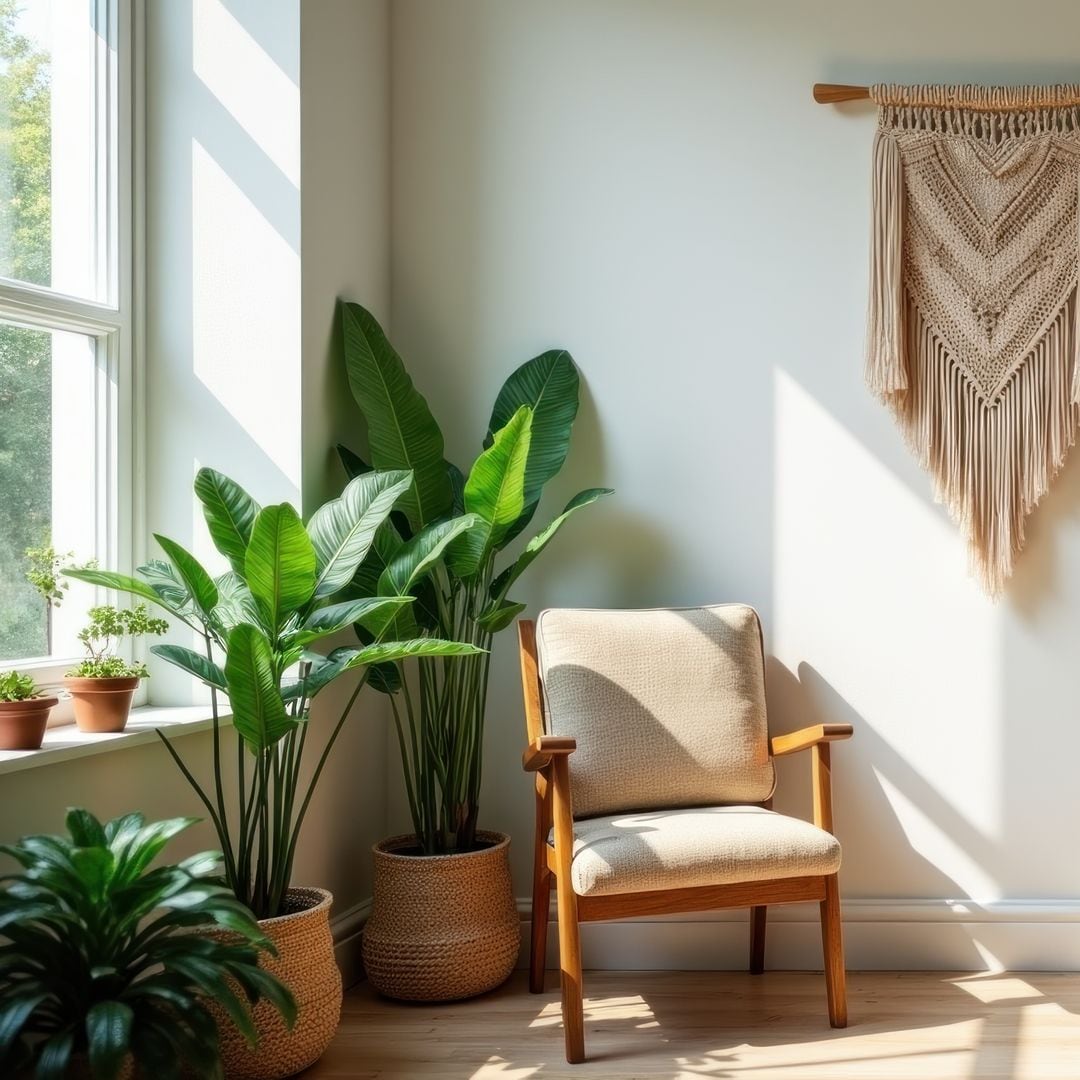
Choosing the right location is the foundation of a successful green corner. The area should meet the basic needs of indoor plants:
- Natural light: Bright, indirect light is ideal for most indoor plants. Avoid harsh, direct sunlight unless the species specifically requires it.
- Stable temperature: Keep plants away from heaters, fireplaces, ovens, or radiators.
- Good ventilation: Fresh air is beneficial, but avoid strong drafts or constant airflow.
Living rooms, dining areas, or bright corners near windows usually work best.
 © Frederico - stock.adobe.com
Choose the right plant species
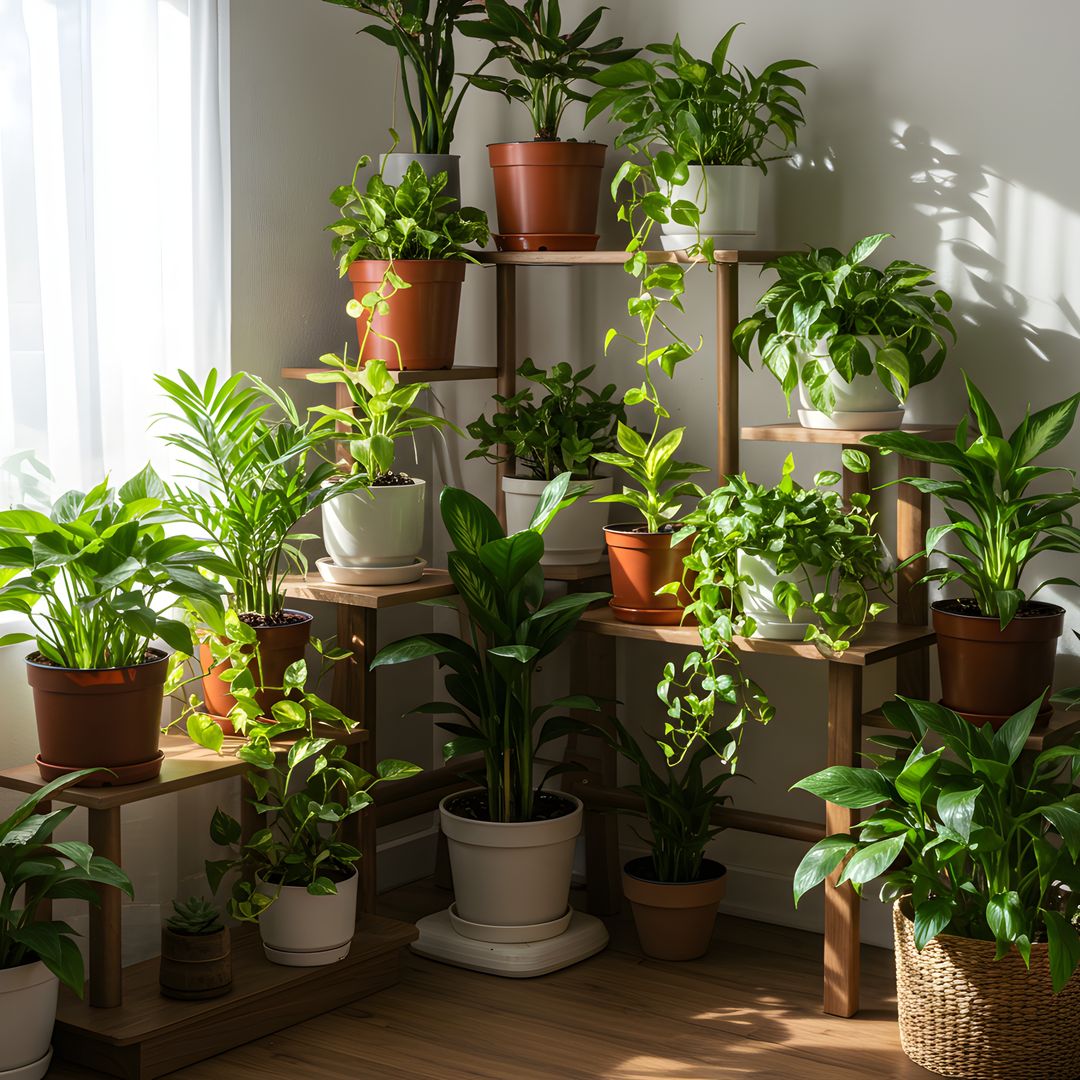
When selecting plants for your green corner, it’s best to group species with similar care requirements. Combining tropical plants with other tropical varieties, or succulents with succulents, makes maintenance easier and ensures all plants thrive under the same conditions.
This approach not only simplifies care but also creates a more cohesive and harmonious look.
 © Miguel Romero - stock.adobe.com
Mix different heights for visual interest
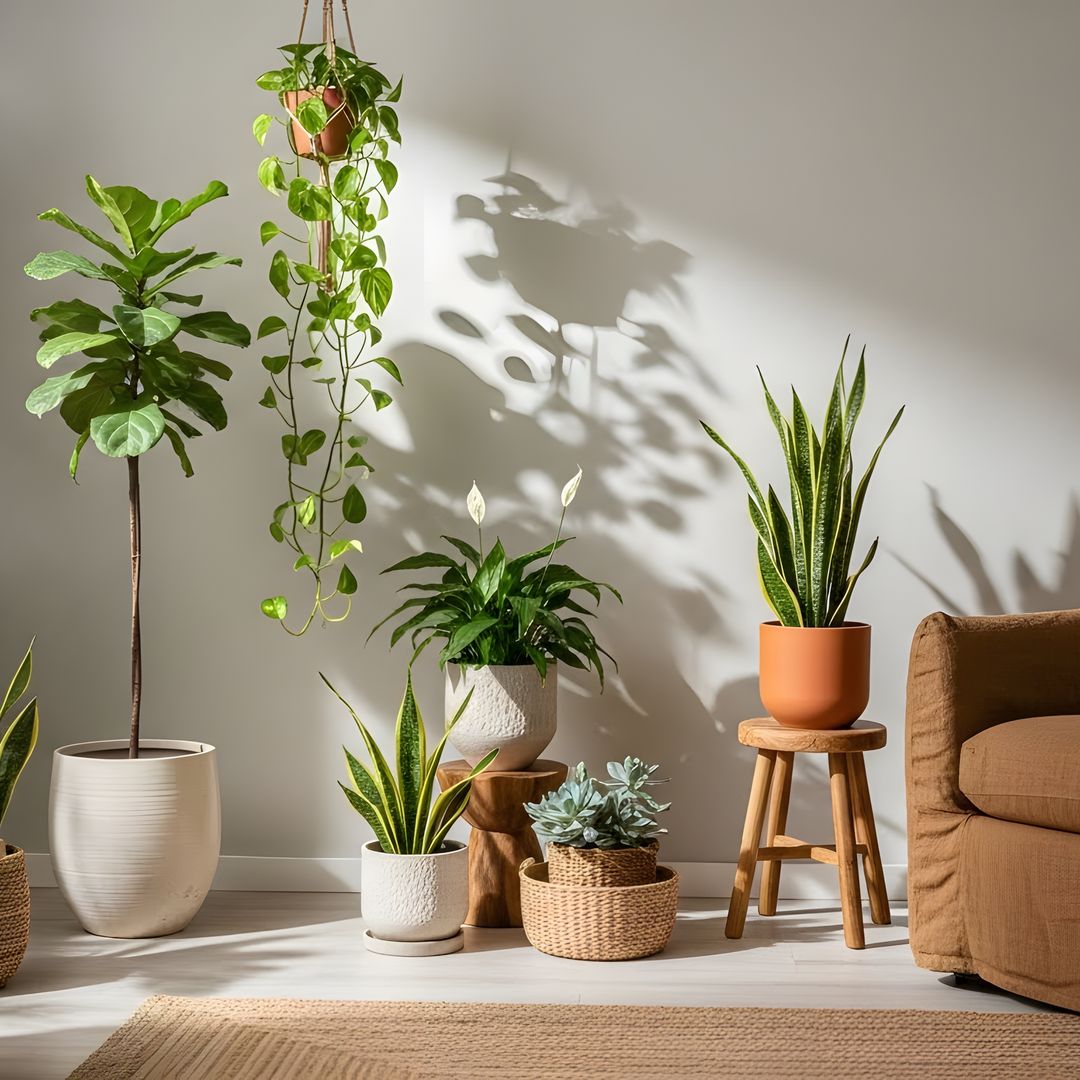
A visually appealing green corner relies on height variation. Combining plants of different sizes creates movement, depth, and volume.
A simple rule is to work with three levels:
- Tall plants as the focal point
- Medium-height plants to add fullness
- Smaller plants in the front for balance
Start by choosing one tall, vertical plant to anchor the composition.
 © kvladimirv - stock.adobe.com
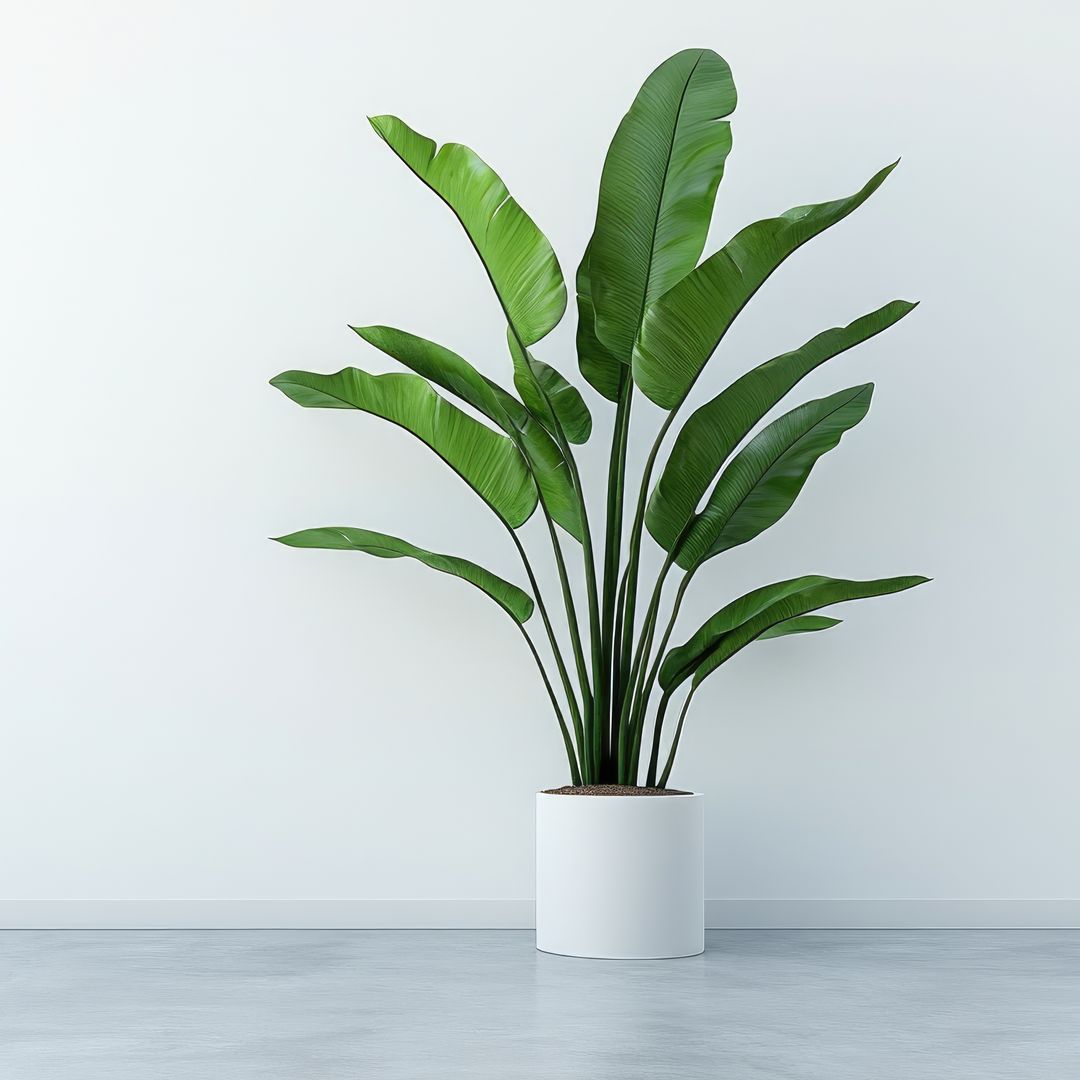
Tall plants for the center
Large floor plants work beautifully as the main element of a green corner.
- Strelitzia (Bird of Paradise): A striking indoor plant that thrives in bright light and moderate temperatures. It requires more frequent watering in summer and less in winter.
- Fiddle-leaf fig: With its large, sculptural leaves and vertical growth, it adds drama and elegance to any plant corner.
 © Zeeshan - stock.adobe.com
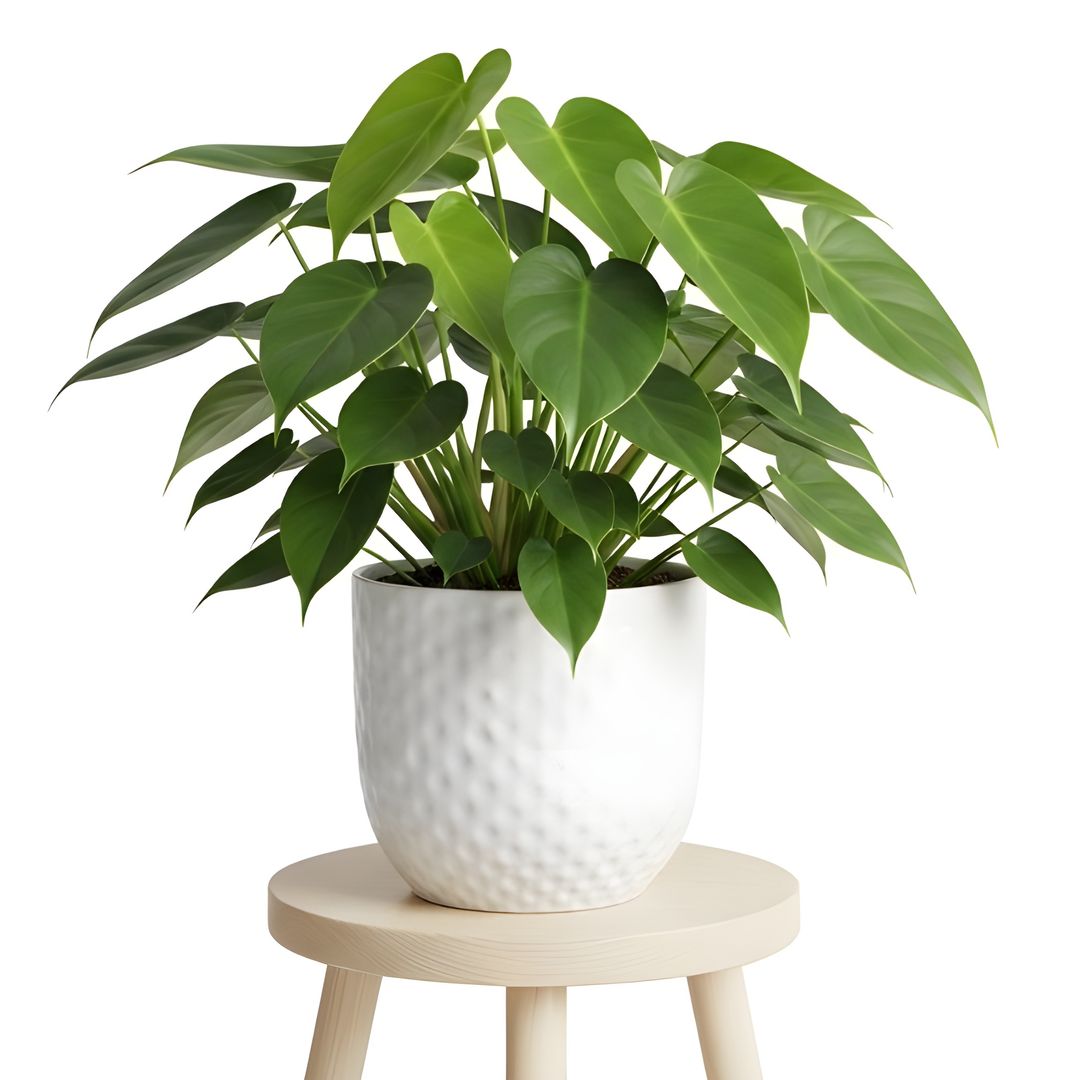
Medium-height plants for the second level
Medium-sized plants help fill the space and connect taller plants with smaller ones.
- Philodendron: A tropical favorite that prefers warm environments and moderate watering.
- Weeping fig: A classic indoor plant that adapts well to interior spaces when watering is controlled.
These plants add volume without overwhelming the composition.
 © Ðлена Ðиколаева - stock.adobe.com
Smaller plants for the front
Adding a third, lower level enhances depth and creates a more professional, styled look.
- Dieffenbachia: Known for its colorful, decorative leaves
- Syngonium: With arrow-shaped leaves that bring texture and softness
These plants help visually balance the corner and soften the transition between levels.
 © 0712 - stock.adobe.com
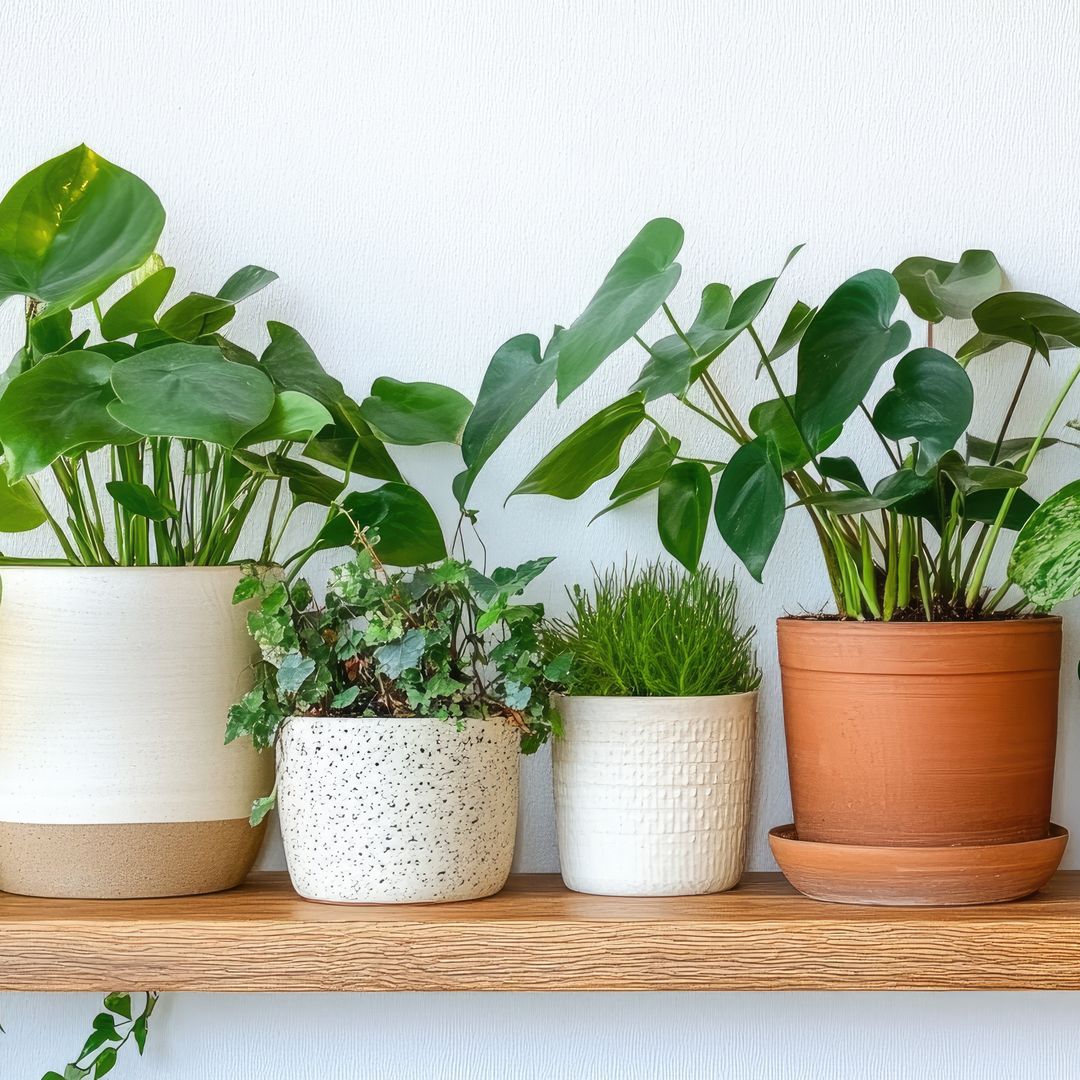
Pots: the element that brings everything together
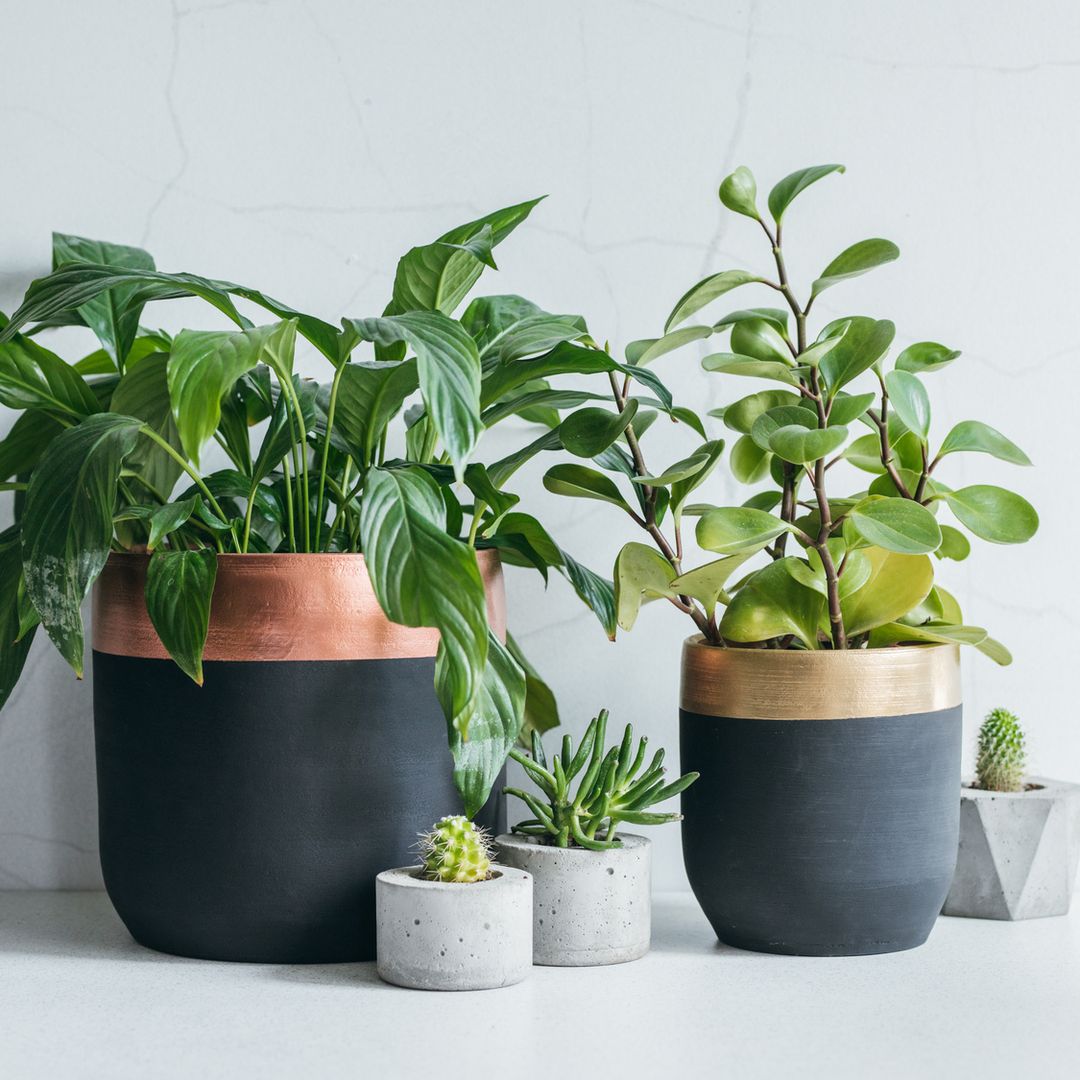
Choosing the right pots is essential for cohesion. Using similar materials or colors creates harmony and keeps the look polished.
- White or black pots: Modern, minimalist, and perfect for contemporary interiors
- Earth-toned or brown pots: Ideal for rustic, Nordic, or natural styles
- Ceramic finishes: Add warmth and sophistication
Consistency is key, let the plants shine while the pots unify the look.
 © bejopayon - stock.adobe.com
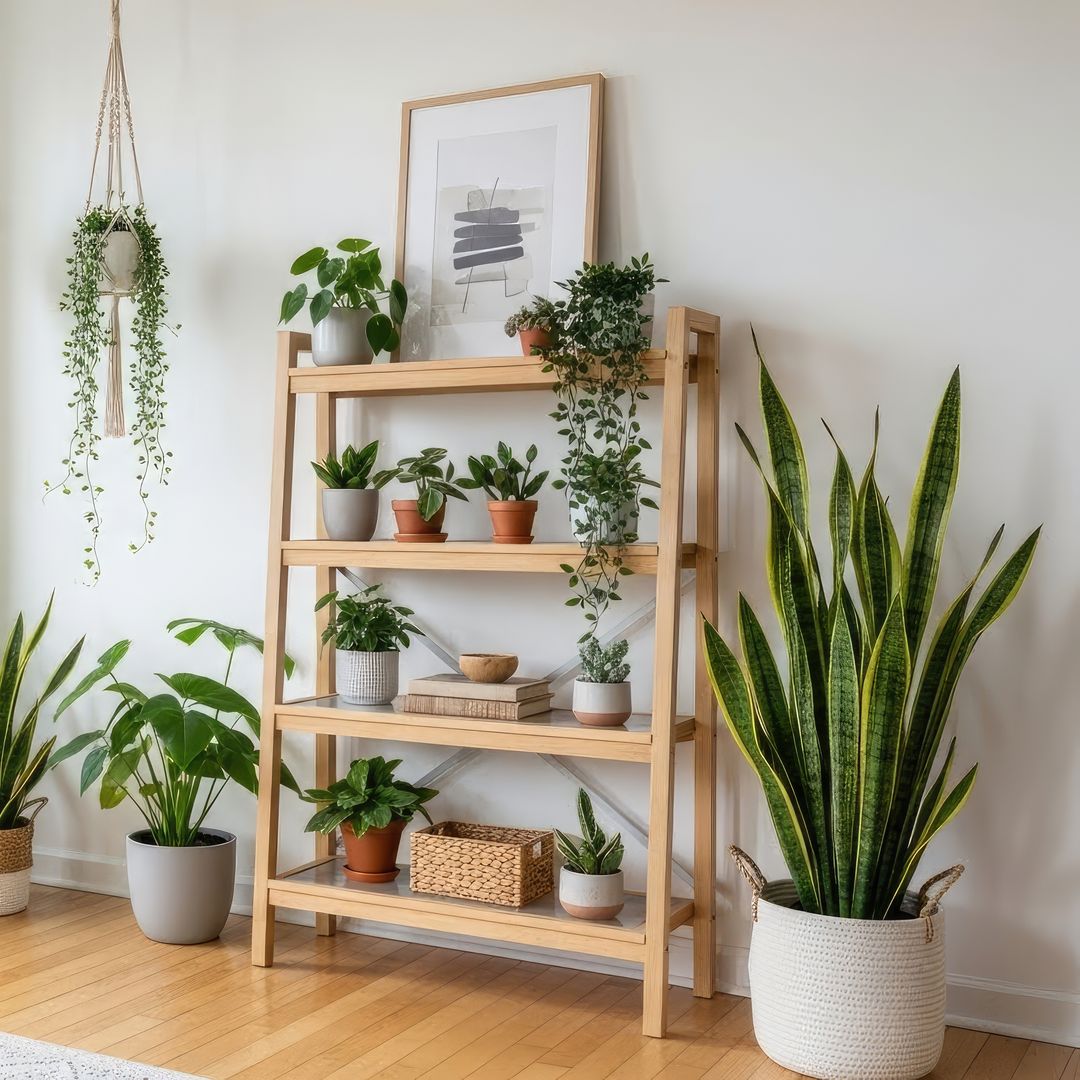
Create a green corner on a plant stand or shelf
Another stylish option is to build your green corner vertically using a stand or shelving unit. This approach works especially well in smaller spaces.
You can mix plants with decorative objects such as books, sculptures, or a small lamp. The key is balance.
Use the same three-level concept:
- Lower level: Larger or heavier plants (or place them on the floor next to the stand)
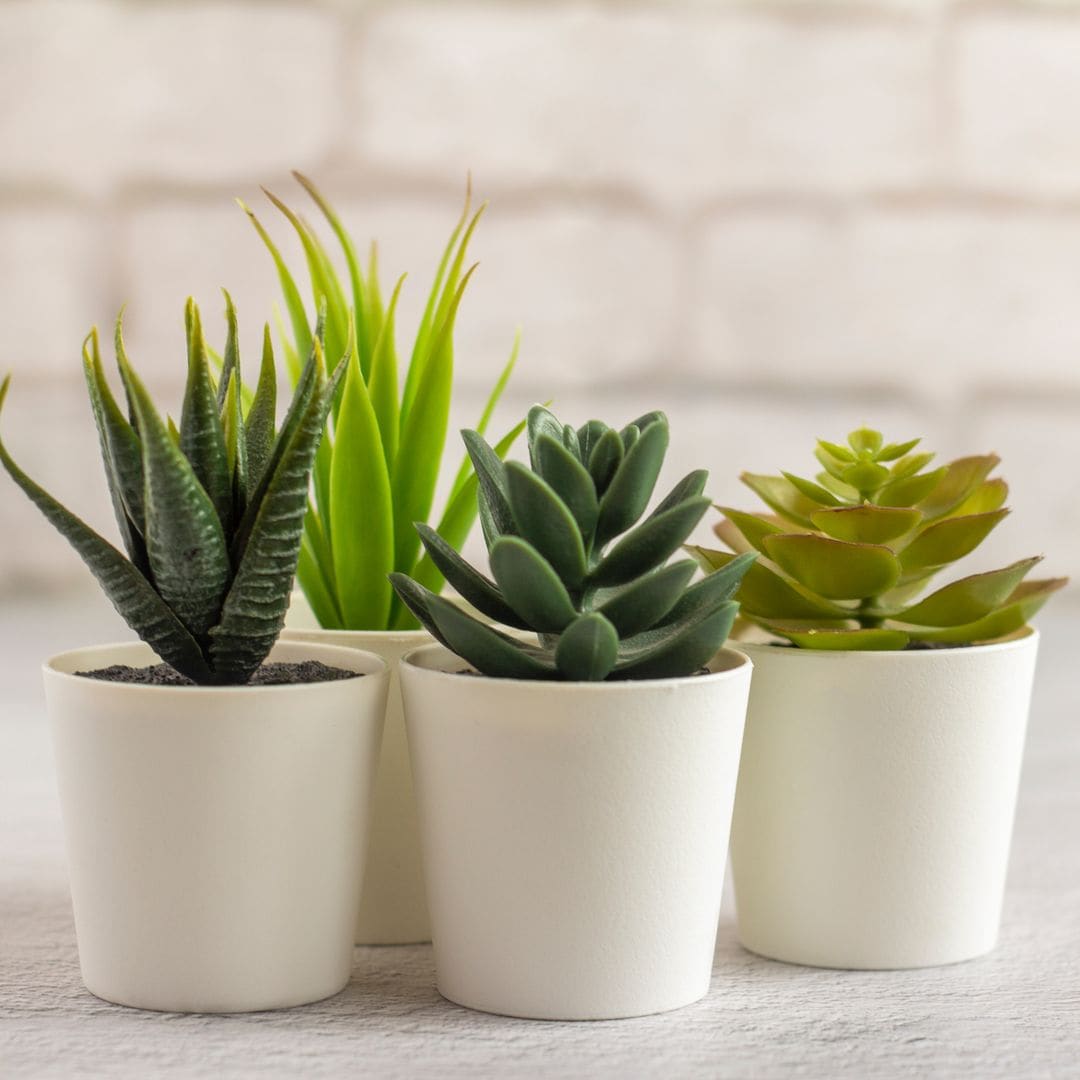
- Middle level: Medium plants or slow-growing varieties like succulents
- Upper level: Trailing plants that cascade naturally and add movement
Succulents are especially practical for shelves, as they grow slowly and require minimal maintenance.
 © Visglow - stock.adobe.com
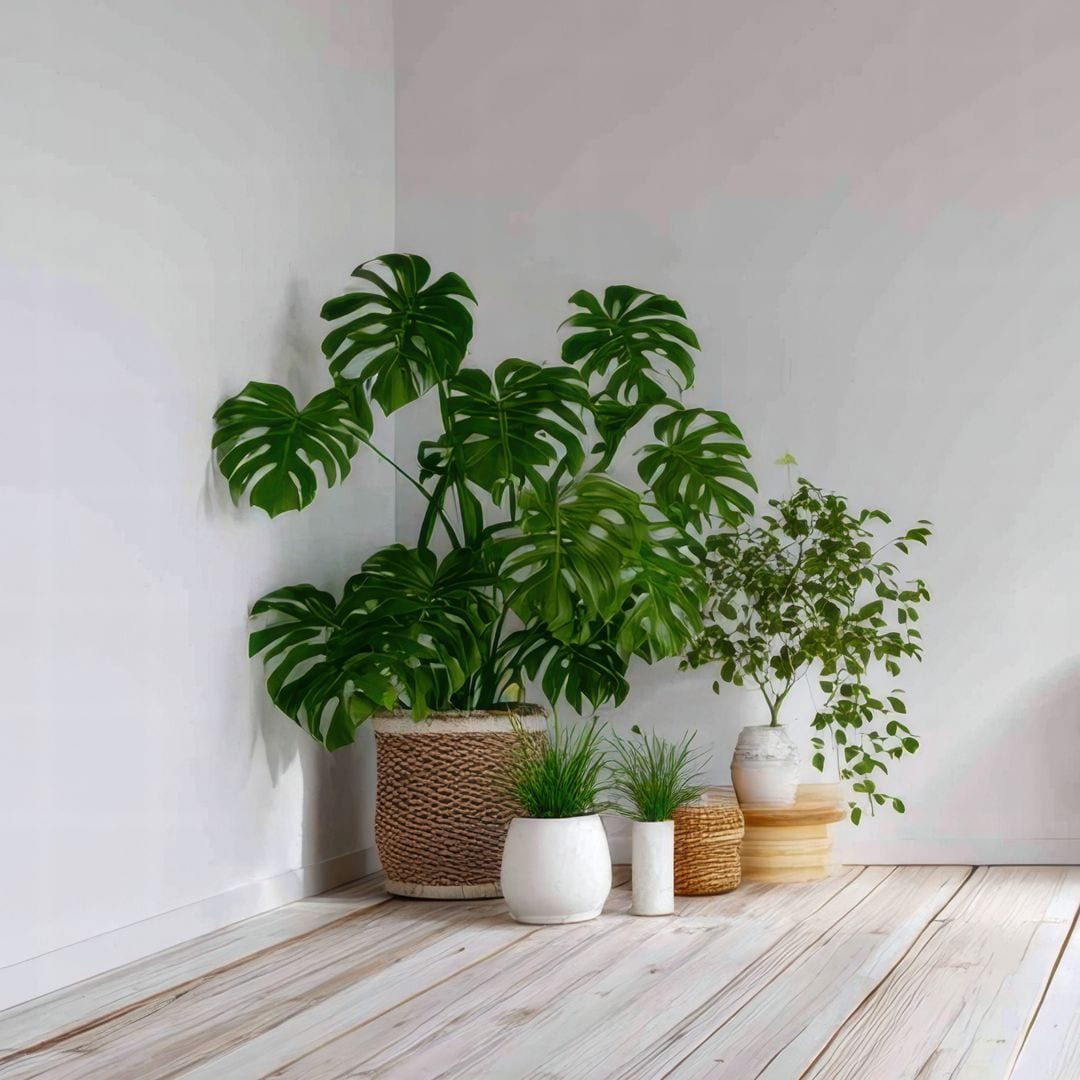
The final touch
Trailing or hanging plants placed at the top level bring everything together, creating a soft, flowing effect that feels organic and decorative.
By following these simple guidelines, you can design a green corner that feels intentional, stylish, and perfectly adapted to your home, bringing nature indoors in the most beautiful way possible.
If you’d like, I can also help you create:
- A shopping list of easy-care plants
- A small-space green corner guide
- A Nordic, boho, or minimalist version of this article