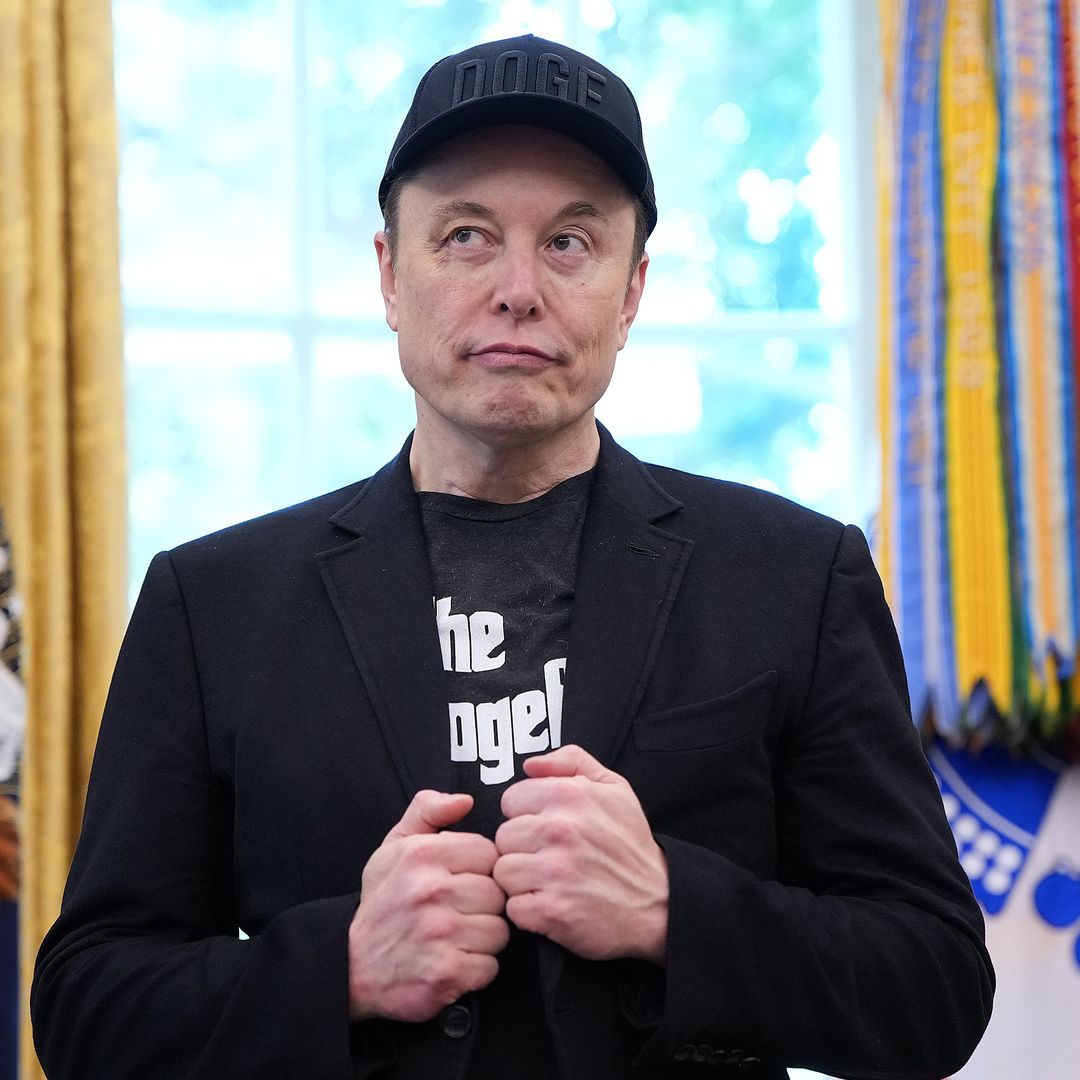
SpaceX boss Elon Musk has said the company's new Starship rocket could rank among the most important milestones in the evolution of life itself. The SpaceX founder, 54, made the remarks while discussing the company’s next-generation launch vehicle. The rocket is designed to be fully reusable and central to his long-term ambition of making humanity a multi-planetary species, despite the program experiencing repeated test failures and growing scrutiny from NASA.
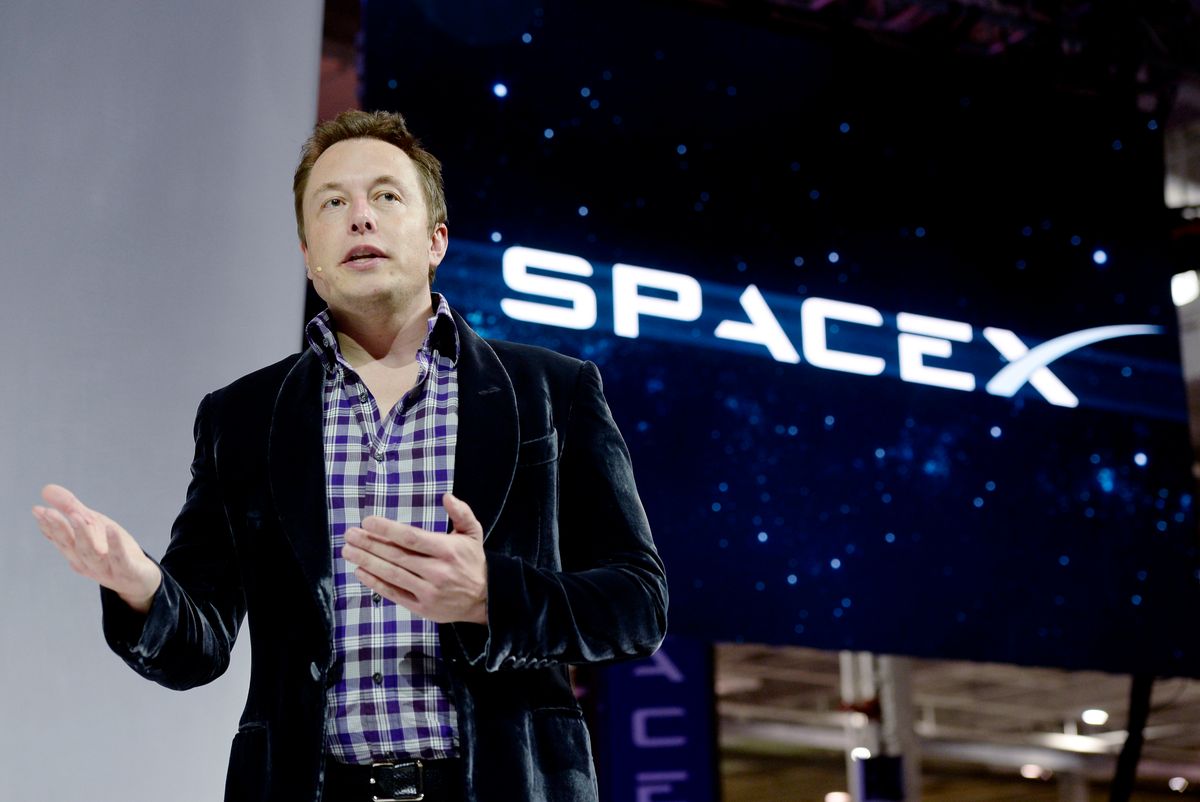 © Kevork Djansezian
Speaking on a podcast with influencer Katie Miller - the wife of Trump’s deputy chief of staff Stephen Miller - Musk said, “There’s a lot coming down the pipe.” When asked what he meant, he replied: “Starship. The degree to which Starship is a revolutionary technology is not well understood in the world.”
Musk went on to argue that the rocket represents a breakthrough in spaceflight engineering because of its intended reusability. He said: “It’s the first time that there’s been any rocket design, where full rapid reusability is possible, well, full reusability at all is possible, or full reusability at all is possible.” He added, “This is the first design where a reusable rocket is one of the possible (with success) one of the possible outcomes.”
 © Katie Miller Podcast
The Tesla owner then placed Starship in an extraordinary historical context, suggesting future historians would see it as a pivotal moment in evolution itself. He said, “You can think of historic events as, where would they fit in the evolutionary hall of fame? You got things like single cell life, multi-cellular life, capturing a mitochondria, and then also on that scale, probably in the top 10, is life becoming multiplanetary.”
“If there are historians in the future, they’ll look back at Starship and say it’s one of the most profound things that’s ever happened."
Starship - the largest and most powerful rocket ever built - is intended to carry humans and cargo to the Moon and eventually Mars. However, its development has been marked by a series of high-profile test launches that ended in explosions during ascent or landing.
Those setbacks have reportedly prompted NASA to explore alternative options for parts of its Artemis programme, which had planned to use a modified version of Starship to land astronauts on the Moon later this decade.
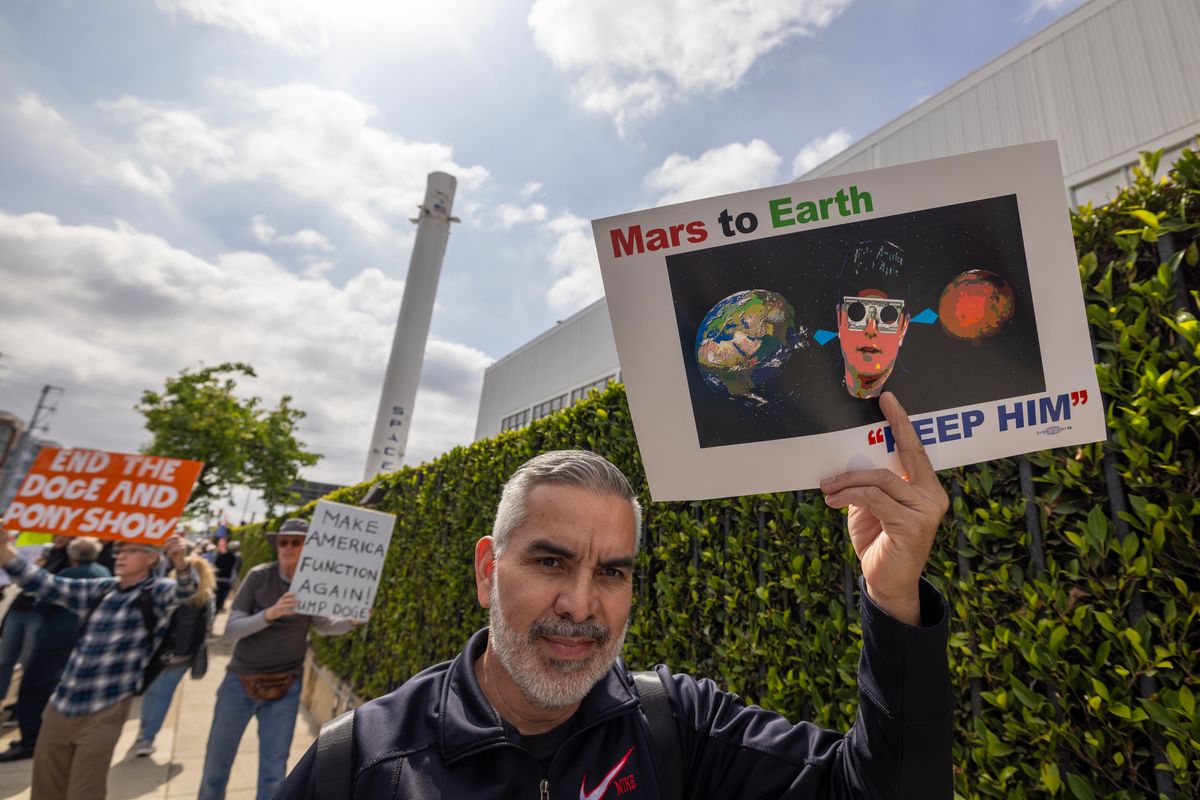 © David McNew
Despite those challenges, Musk remained undeterred during the interview, reiterating his belief that expanding life beyond Earth is a defining milestone. He said, “There just aren’t very many things that are in the top ten of the evolution of life, where you can basically say, where you can evaluate any given civilization or any given life form as, y’know, on that, that scale. So life becoming multi-planetary, it’s in the top 10.”