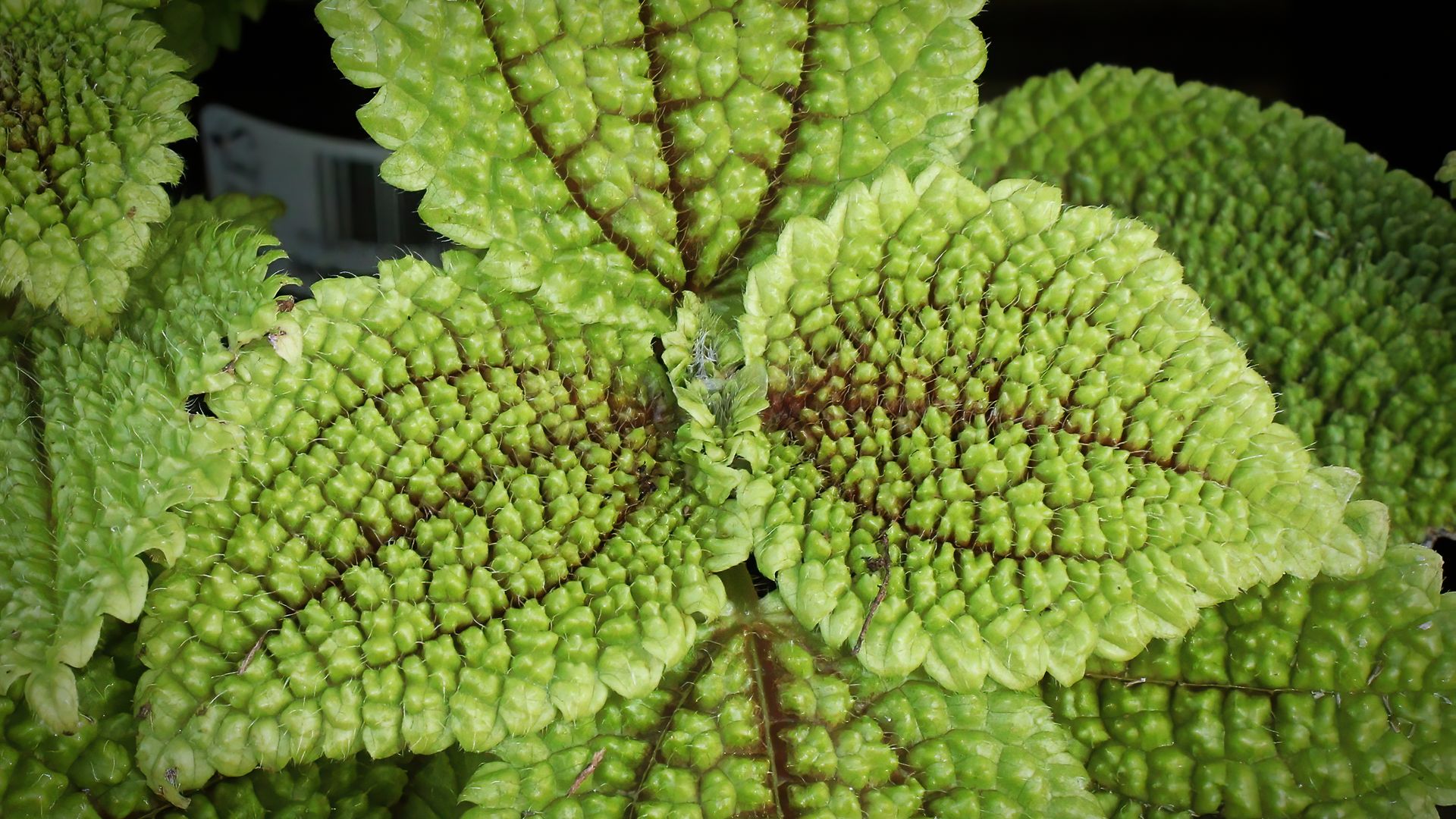
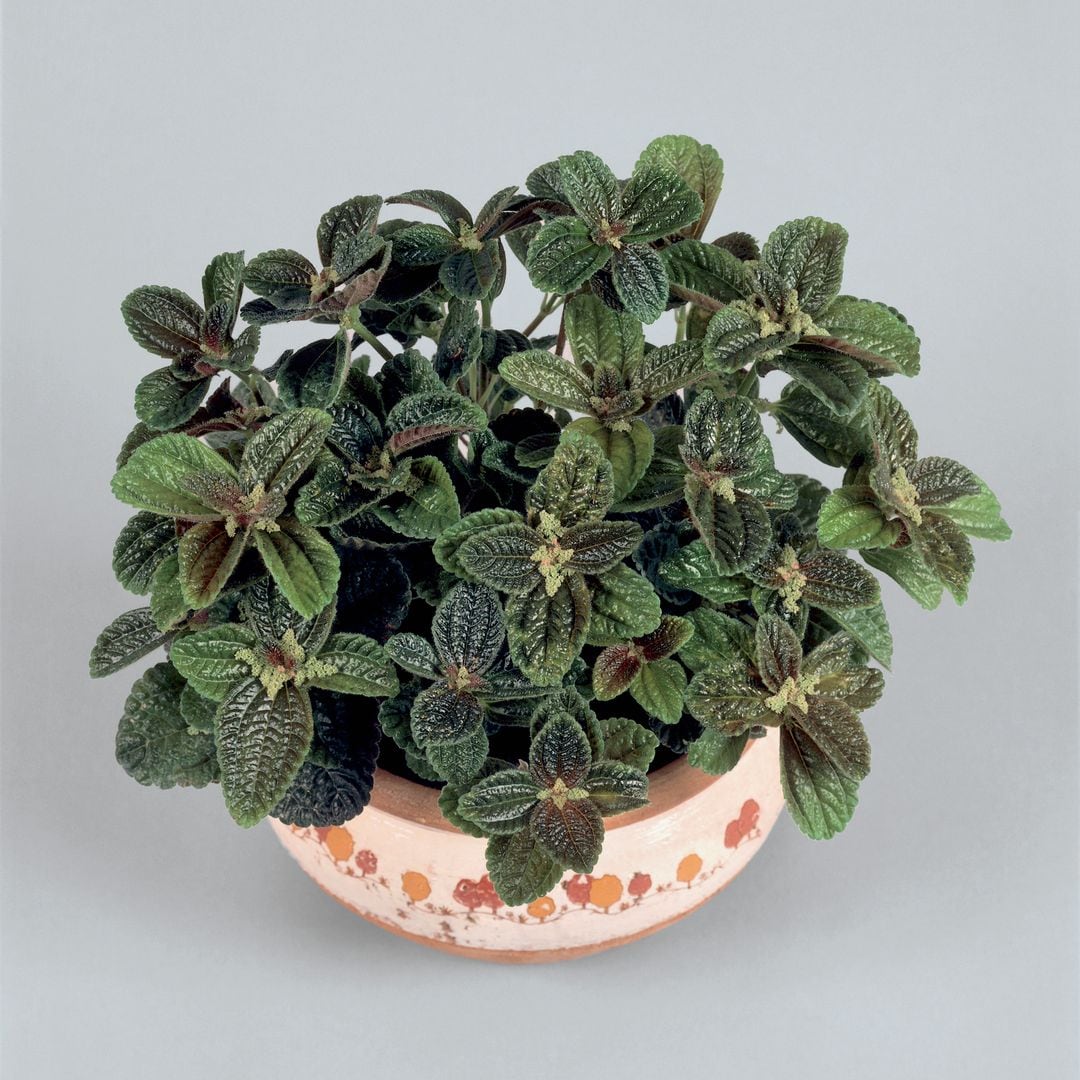
Known as the “happiness plant” for how easily it expands and multiplies, Pilea involucrata has earned its nickname as the perfect gift to share with friends and family. This charming indoor plant is full of advantages, grows quickly, and requires very little attention.
Here’s everything you need to know to care for it at home.
 © Amelia Martin / 500px
Tropical origins
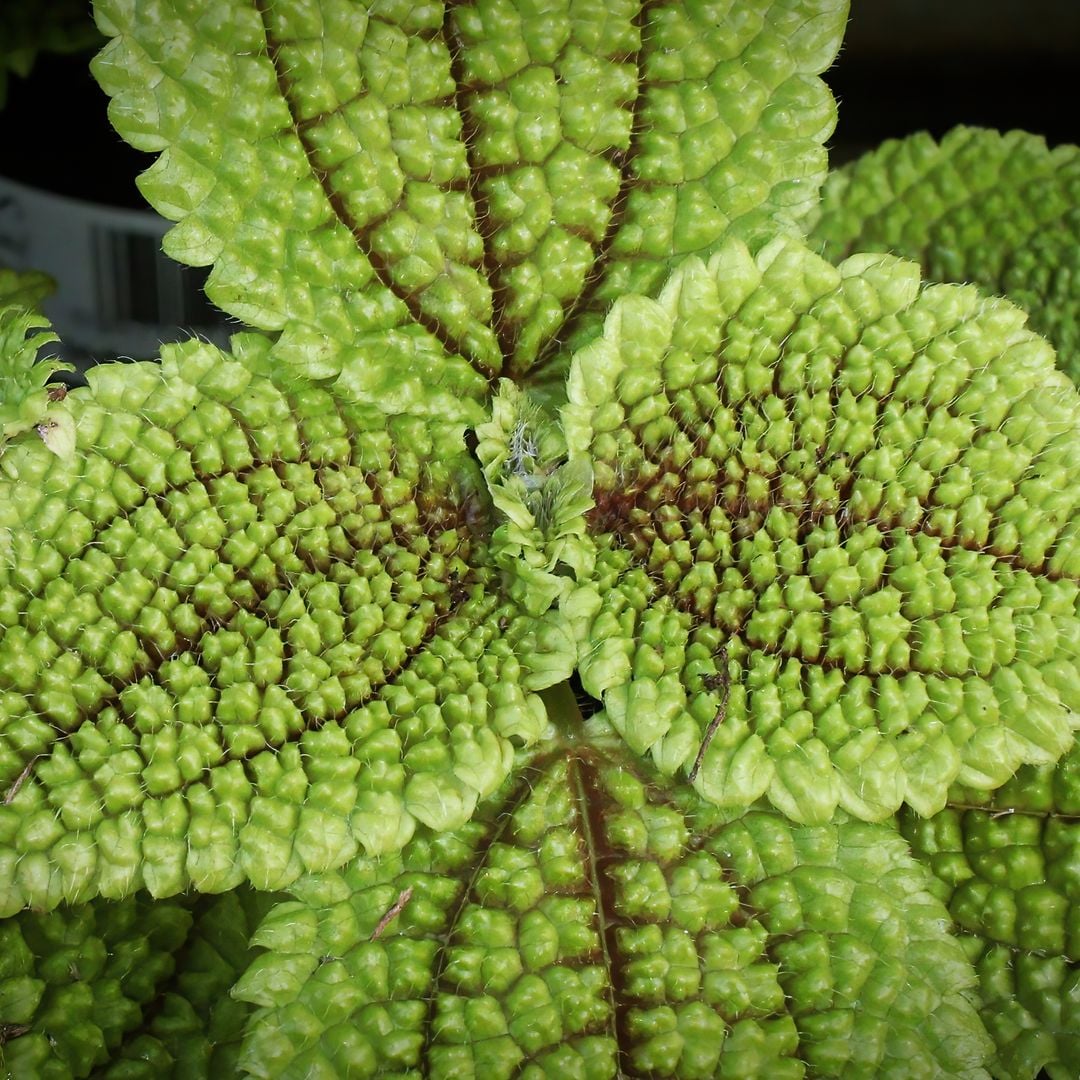
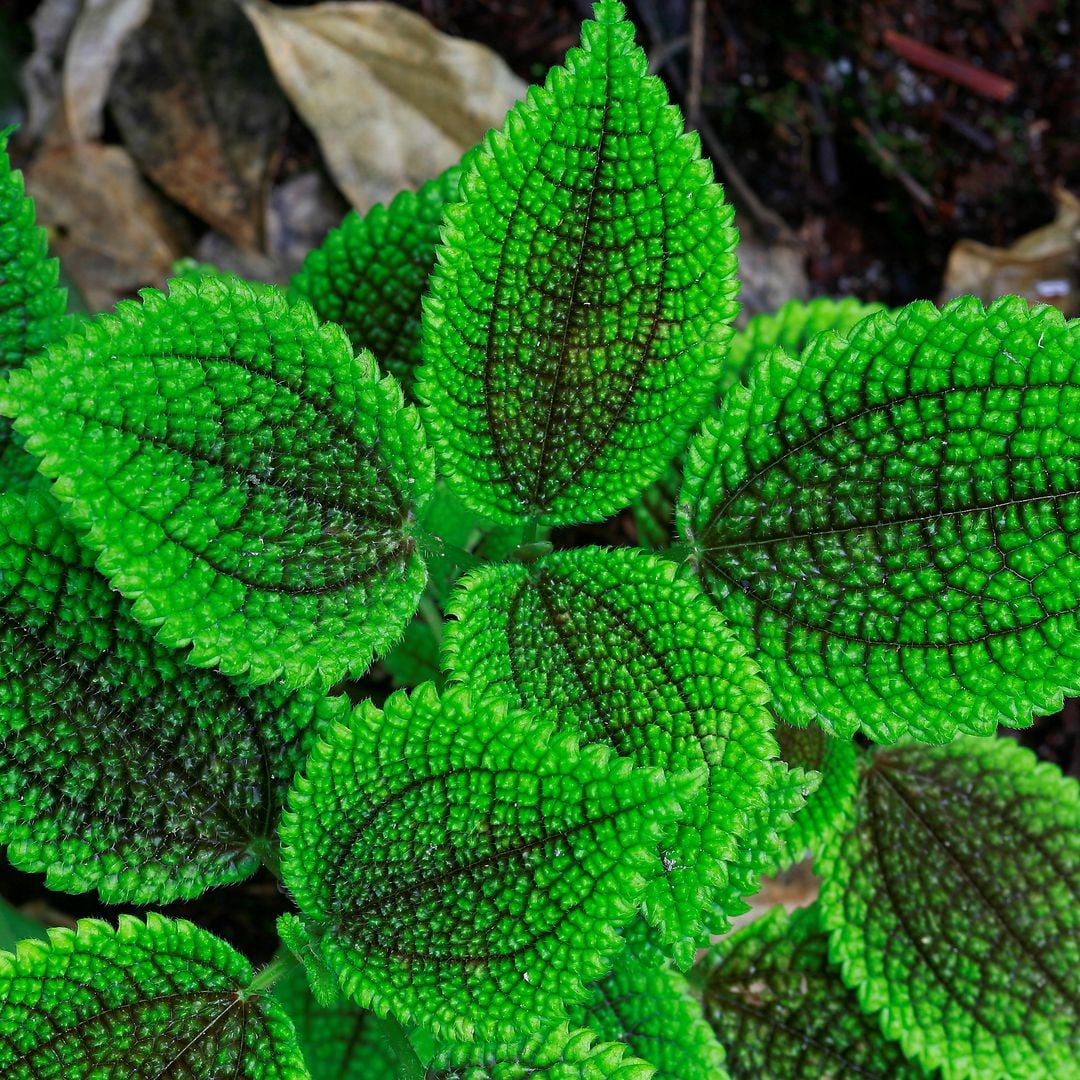
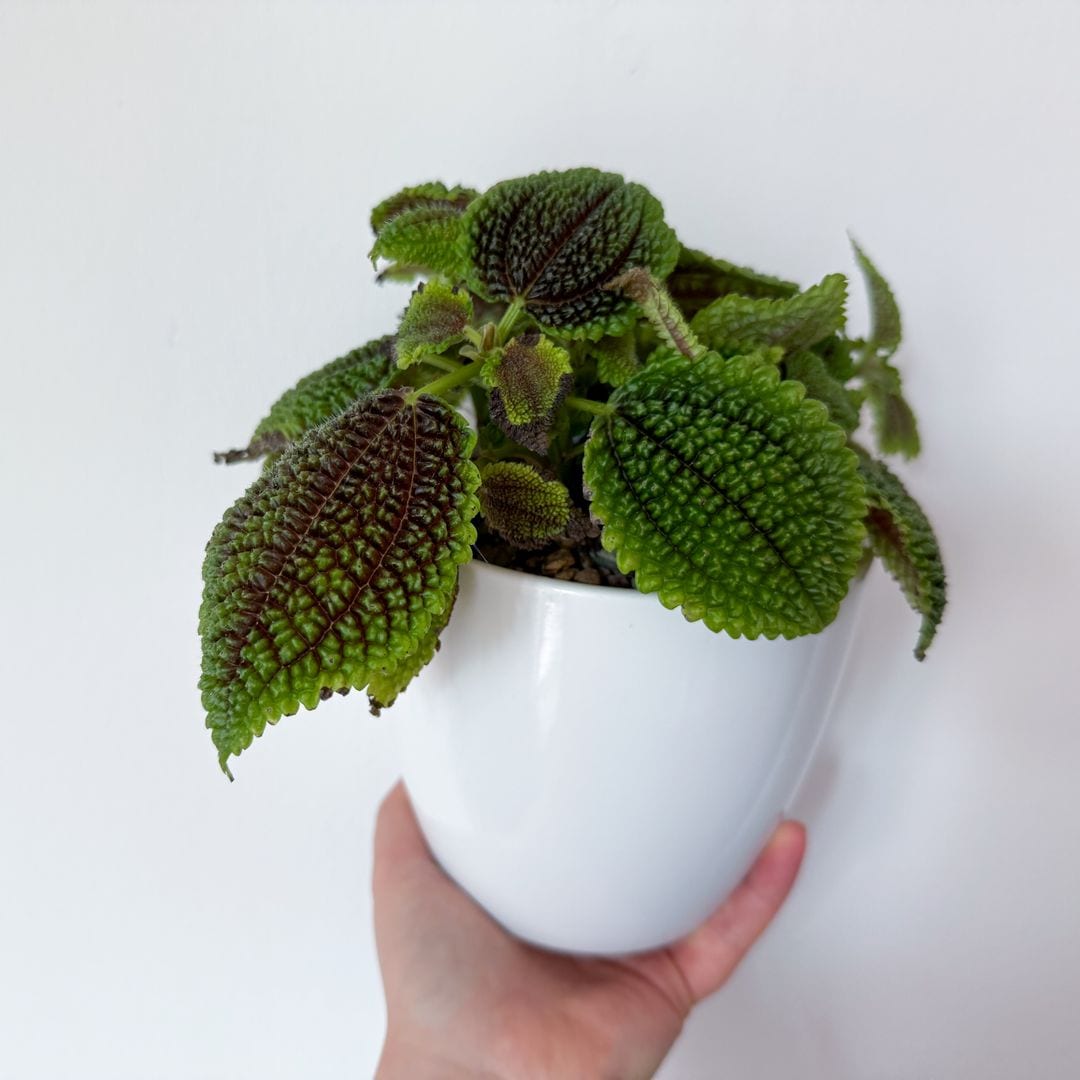
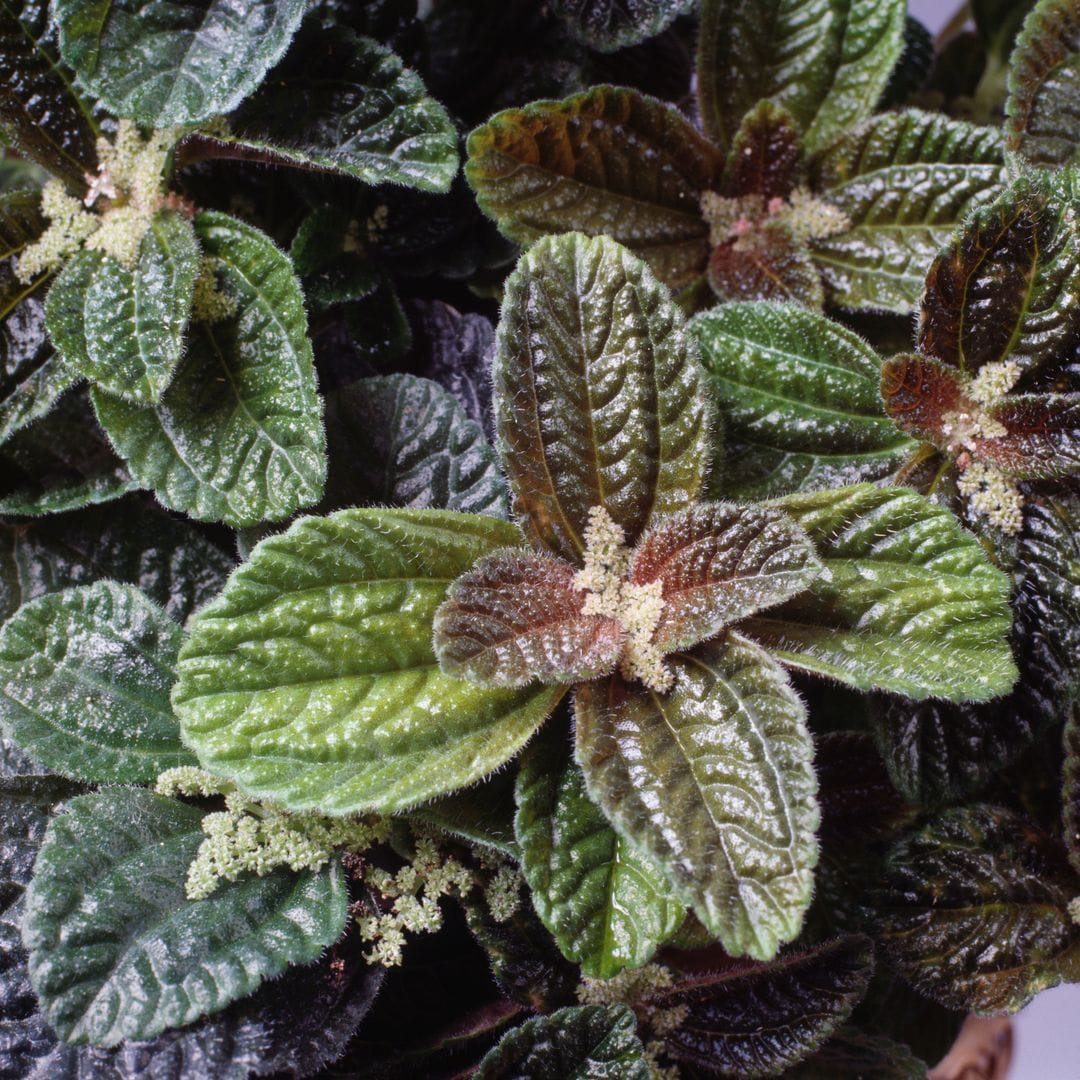
Pilea involucrata comes from the tropical forests of Central and South America, as well as some regions in Asia. It is a creeping plant from the Urticaceae family, characterized by its long-lasting, compact, and fast-growing nature, making it ideal for indoor cultivation. Its foliage stands out for its oval, glossy leaves with deeply marked veins in gray or even yellowish tones.
 © DEA / G.CIGOLINI
Where to place it indoors
The first step is choosing the perfect spot. Place it in a bright area that receives 6 to 8 hours of indirect sunlight. Light is essential for its growth; if your home lacks sufficient natural light, you can supplement it with a plant grow light (LED). This plant also needs a stable environment without drastic temperature changes. Keep it between 54°F and 68°F. Sudden changes or cold drafts can damage the plant.
 © rista - stock.adobe.com
Perfect for terrariums
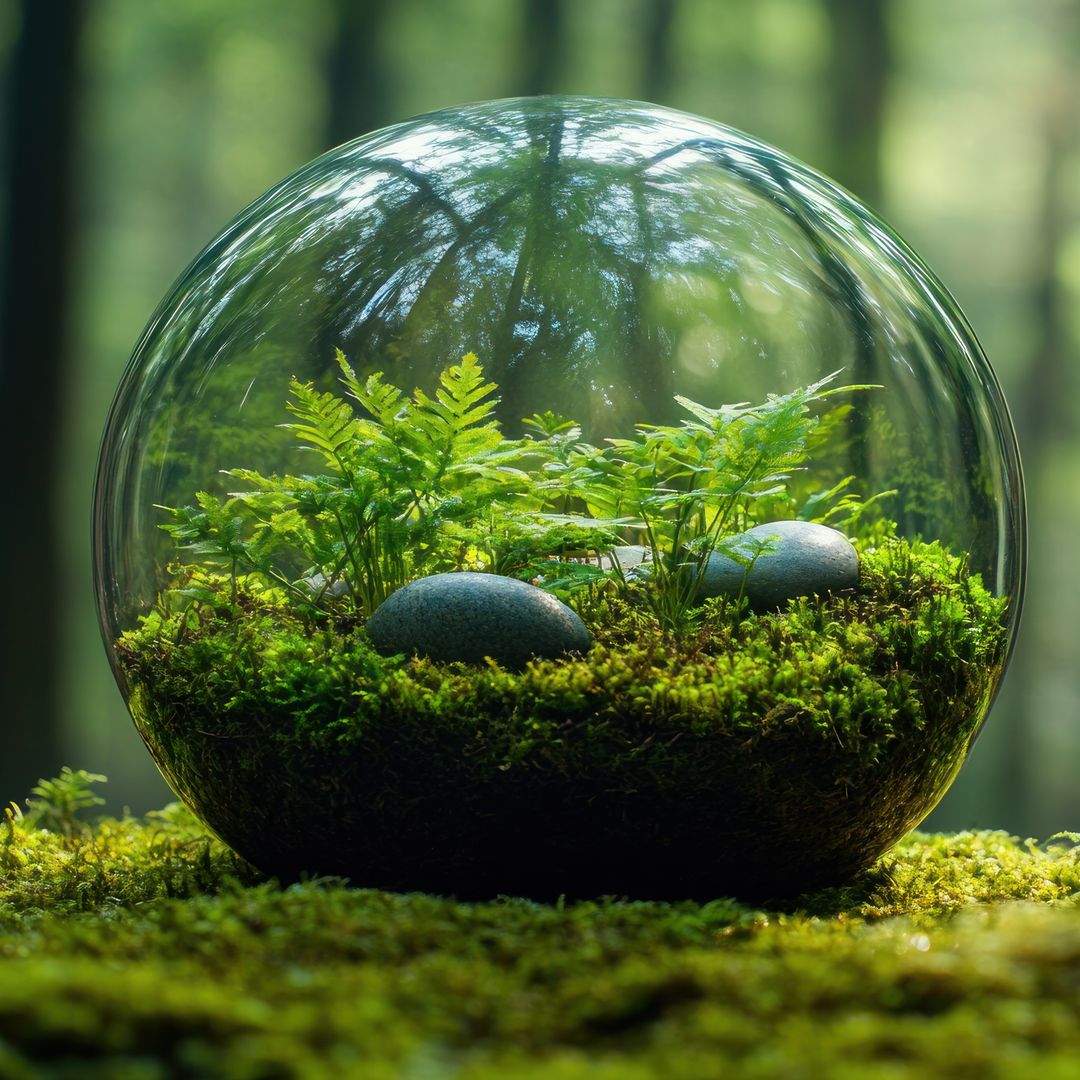
If you love terrariums, natural mini-gardens inside glass containers, you’ll find Pilea involucrata to be an ideal species. Thanks to its tropical origin, it thrives in humid environments, one of the main advantages of closed terrariums. To create the perfect terrarium, choose a glass container, place a layer of small rocks at the bottom, then add a layer of moss and a mix of peat and perlite. Plant your Pilea and enjoy watching it grow healthy and vibrant in its mini ecosystem.
 © Asim-Backgrounds - stock.adobe.com
Other popular Pilea varieties
Beyond Pilea involucrata, several other species are highly recommended for indoor growing:
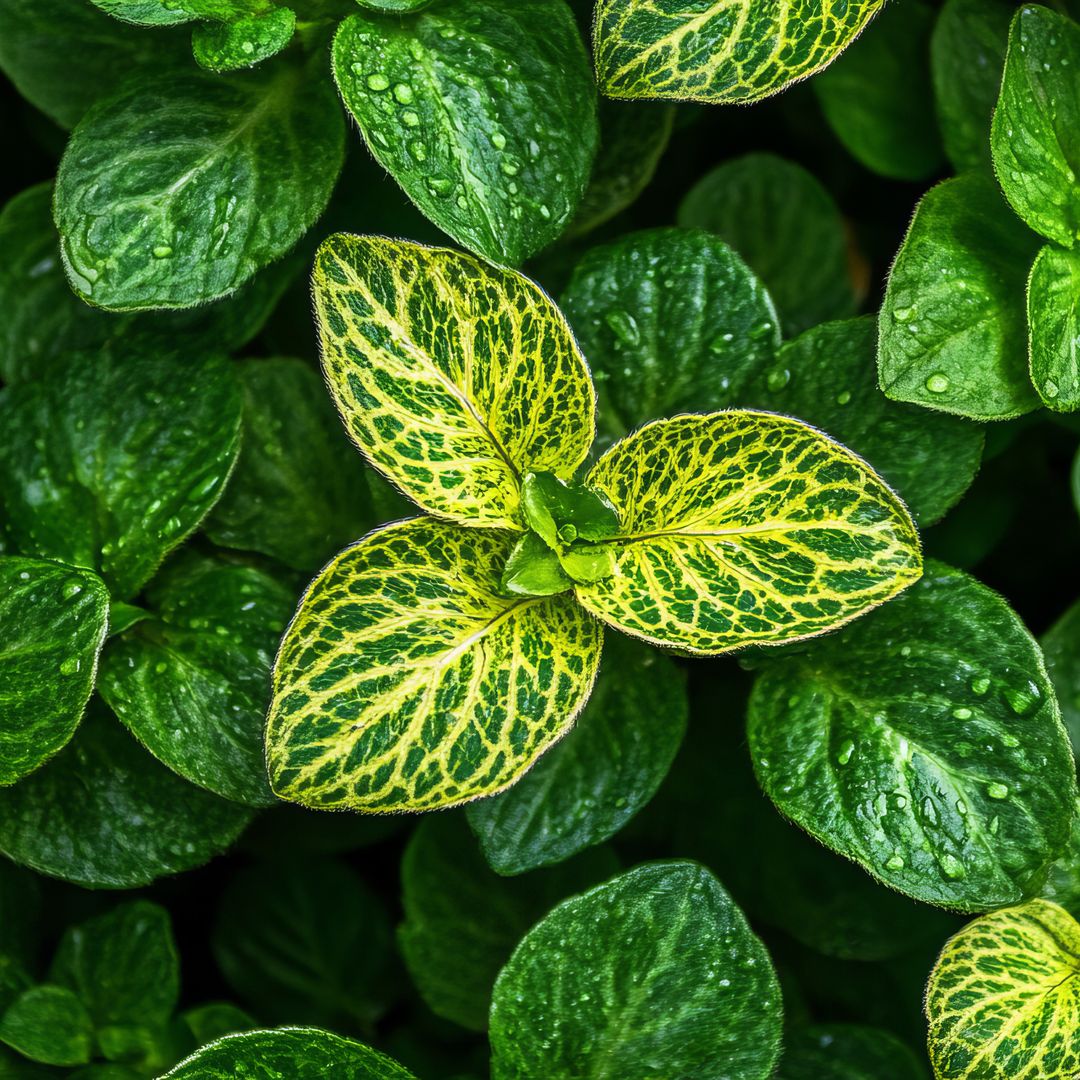
- Pilea cadierei: features highly decorative leaves in green with white or silvery veins. It needs high humidity to stay healthy.
- Pilea glauca: has tiny gray-green leaves that give it a soft, delicate look.
- Pilea peperomioides: one of the most popular houseplants, known as the “money plant.” Its round, bright-green leaves are smooth and uniform in tone.
- Pilea spruceana ‘Silver’: displays very dark green leaves with striking silver veins.
 © Elena Zaretskaya
How to water it
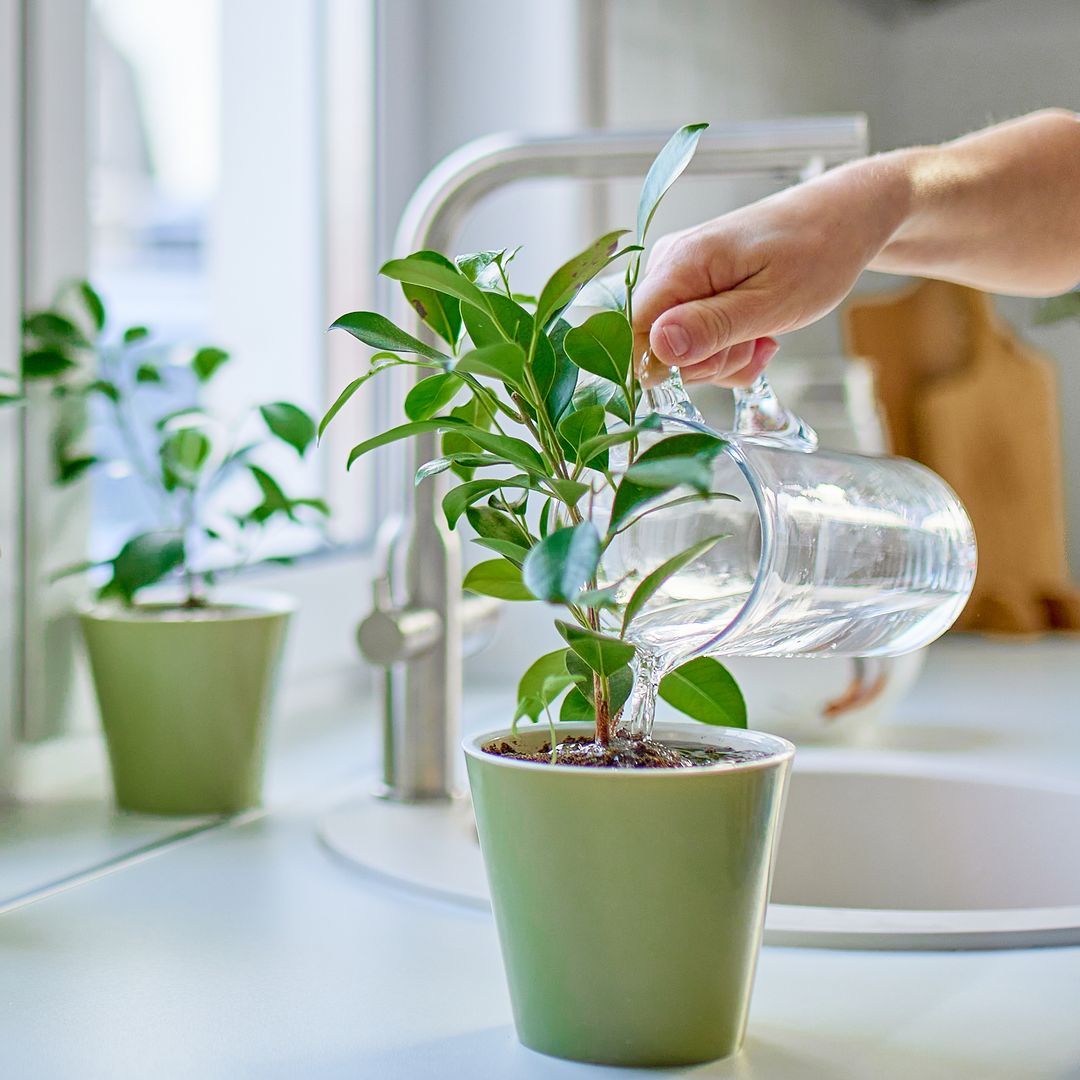
Although it loves humidity, it shouldn’t be overwatered. Water it 2 to 3 times per week in spring and summer, when temperatures are warmer. In winter, reduce watering to once a week, allowing the soil to remain lightly moist. You can water it from the bottom by placing the pot in a dish of water or by watering the soil directly, never the leaves. Humidity is essential, so if you live in a dry climate, place a humidifier near the plant.
Bonus tip: insert your finger about 1 inch into the soil. If it feels dry, it’s time to water.
 © REDA
Does Pilea involucrata need fertilizing?
It prefers slightly acidic, well-draining soil. In addition to a fertile substrate, it’s best to apply a universal liquid fertilizer every two weeks during spring and summer. Dilute it in water according to the manufacturer’s instructions to ensure the plant receives the nutrients it needs.
 © Lapasmile - stock.adobe.com
When should you repot it?
Over time, the roots will begin to show through the drainage holes at the bottom of the pot. This is your sign that it needs more space. Repotting is best done in spring, just before the growth season begins. The warmer weather helps the plant recover quickly. Bonus tip: take the opportunity to refresh the soil so the plant gains new nutrients.
 © DEA / G. CIGOLINI
An easy-to-propagate species
If you love this beautiful plant, you’re in luck: propagation is incredibly simple. Cut a 4-inch stem and place it in a glass of water. After about 2 weeks, roots will appear and you can plant it in a pot with fresh substrate. Water lightly and place it in a bright spot.
 © Boy_Anupong
What’s happening to my Pilea involucrata?
If your happiness plant isn’t looking its best, it may be signaling a problem. Watch for these symptoms:
- Brown spots on the leaves: a clear sign of fungal infection. Apply an appropriate fungicide.
- Yellow leaves: the stems and leaves lose their green color and turn yellow as the plant ages.
- White powder on the leaves indicates a fungus that appears in overly humid conditions. Treat with a suitable fungicide.
 © Bosca78
Common pests: mealybugs and aphids
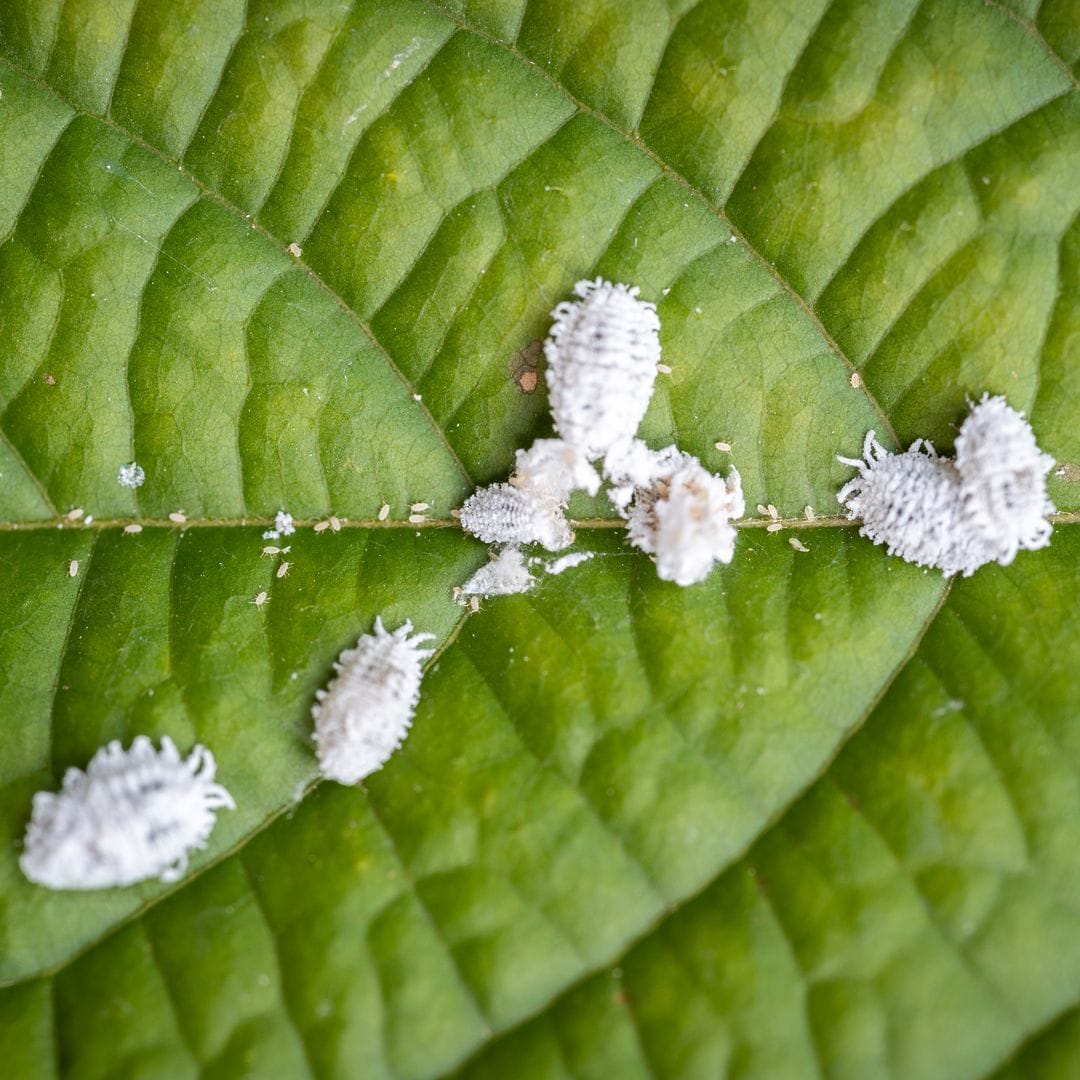
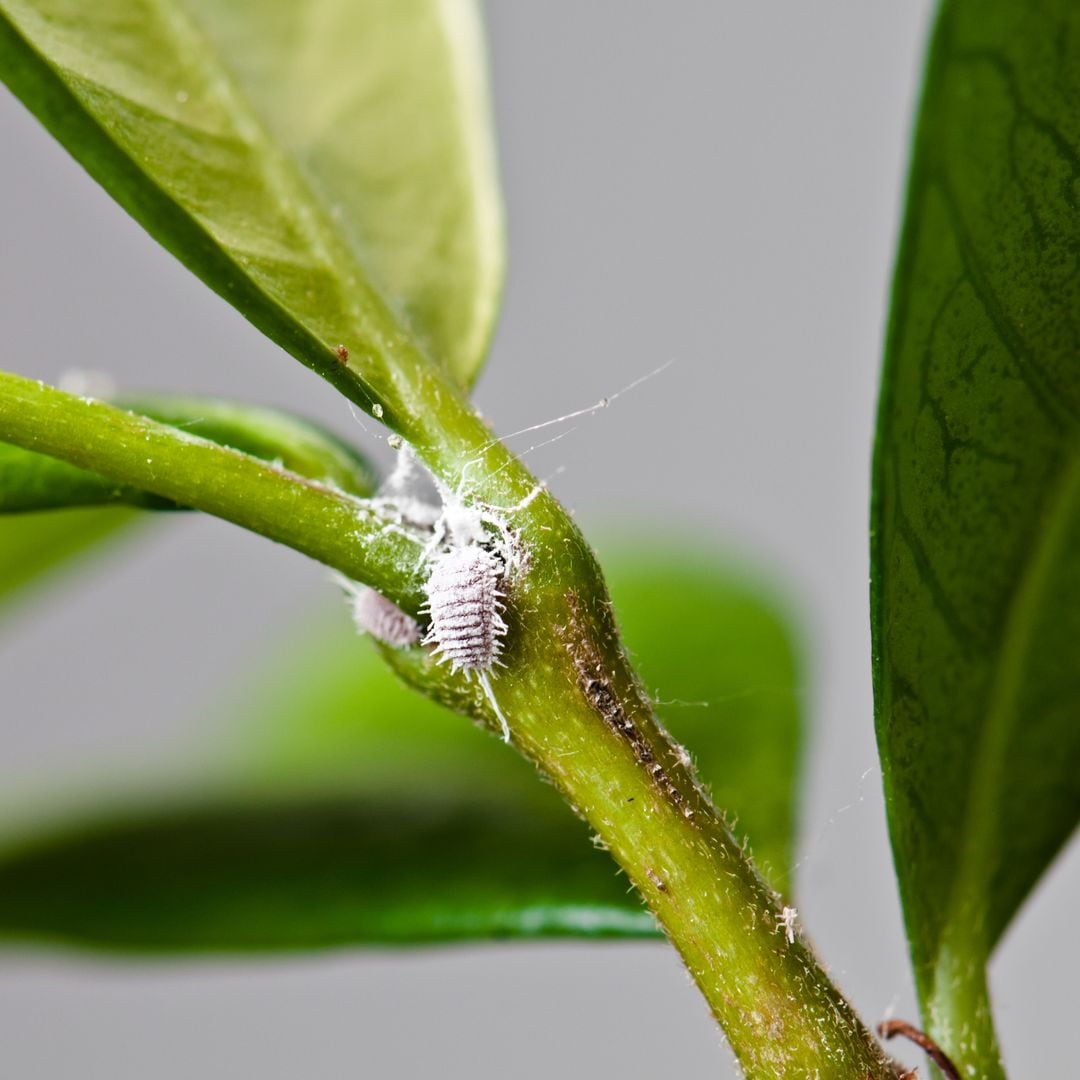
Pilea involucrata can attract pests, most commonly mealybugs and aphids, two insects that feed on the plant’s sap. To eliminate them, use a standard pesticide or create a natural solution by mixing water with potassium soap, a highly effective remedy. Bonus tip: control humidity levels, as excess moisture can trigger pest infestations.