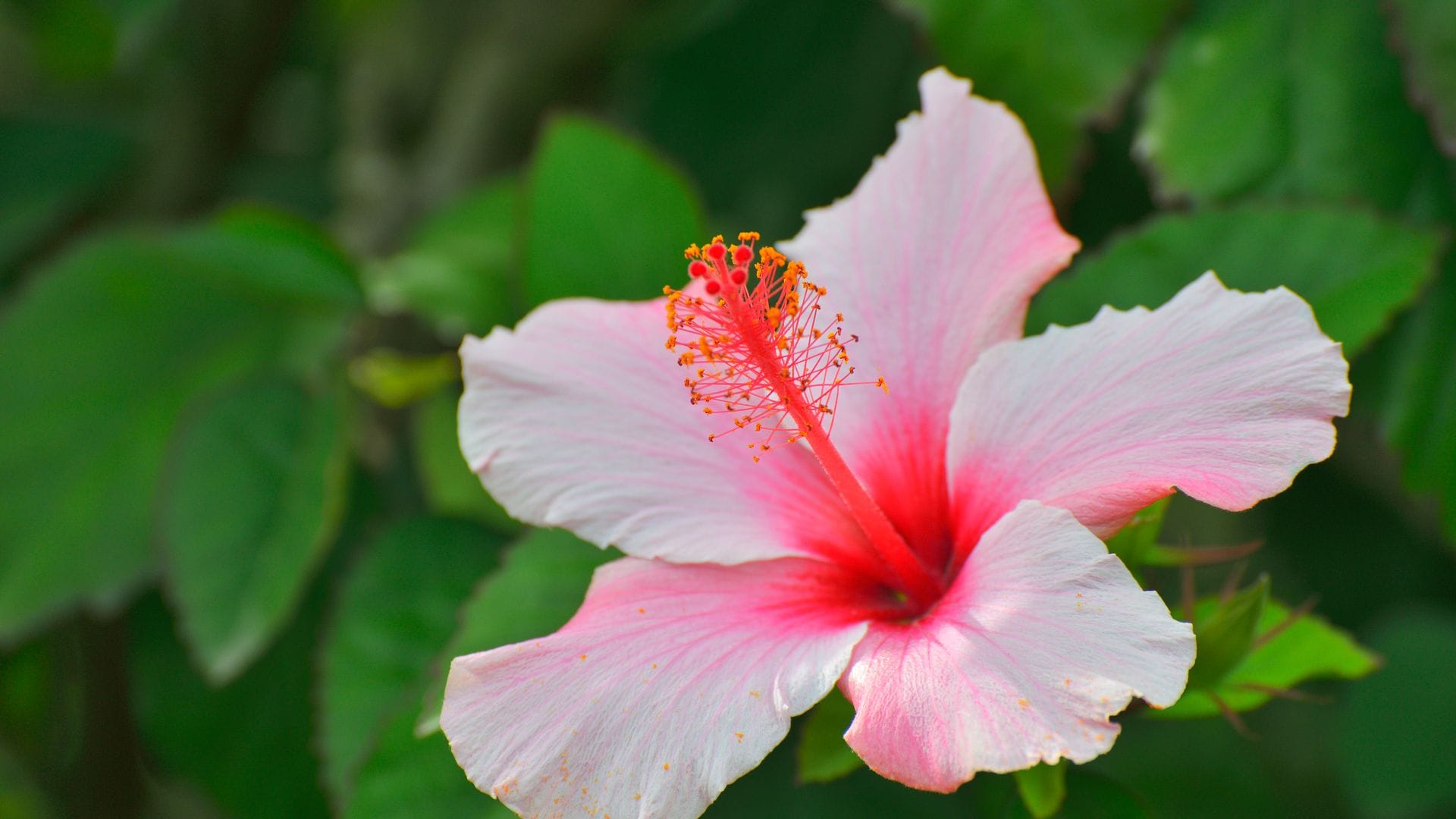
Beautiful and exotic, hibiscus (Hibiscus rosa-sinensis) flowers are the perfect choice for bringing tropical flair into your home. With their vibrant colors and lush blooms, they’ve become one of the most popular plants for both gardens and patios.
Easy to grow and highly rewarding, hibiscus thrives with just a few simple care tips. It’s no surprise this plant is the official flower of the Hawaiian Islands.
Here’s everything you need to know to plant, care for, and enjoy this show-stopping tropical beauty.
1/10
 © Olena Malik
A rainbow of colors
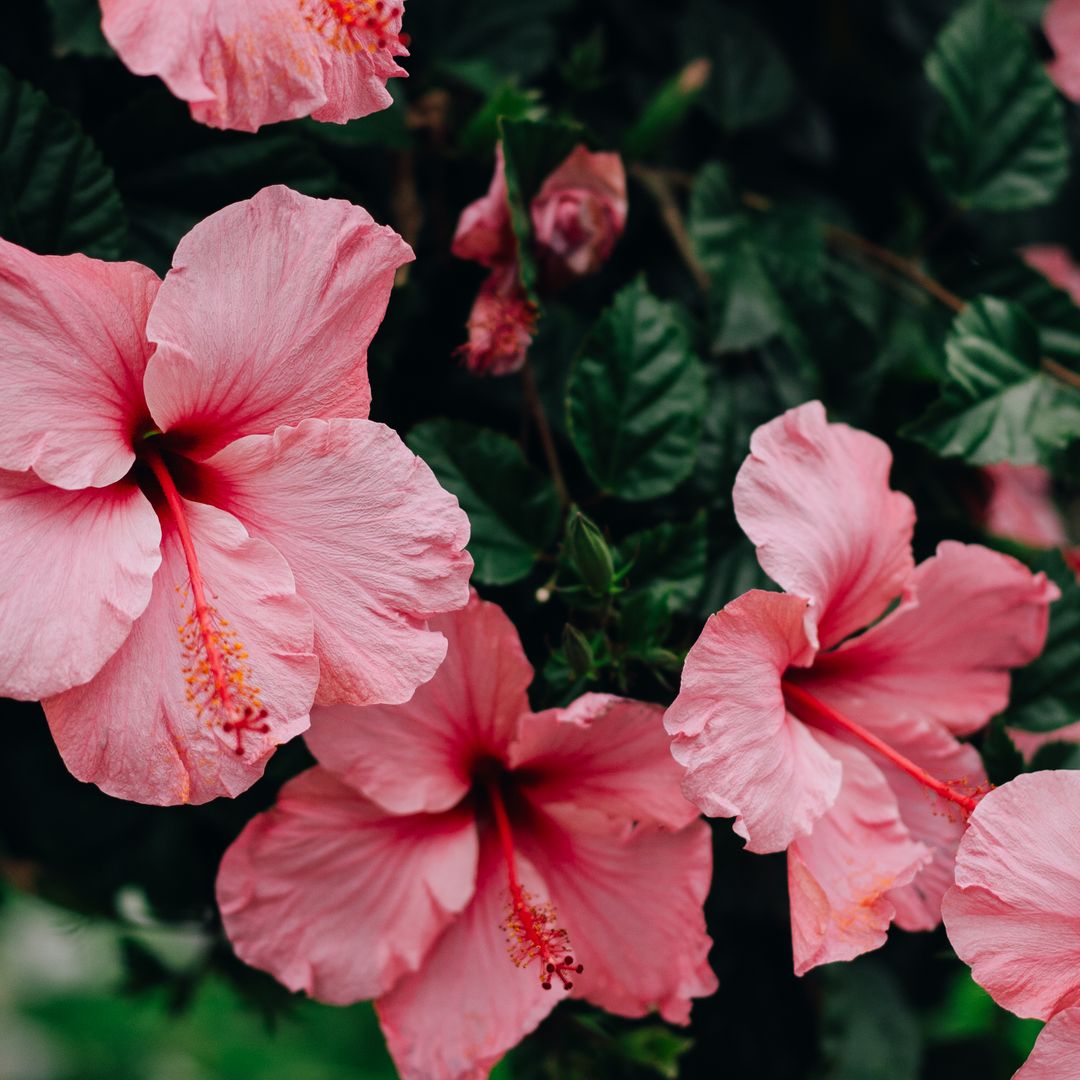
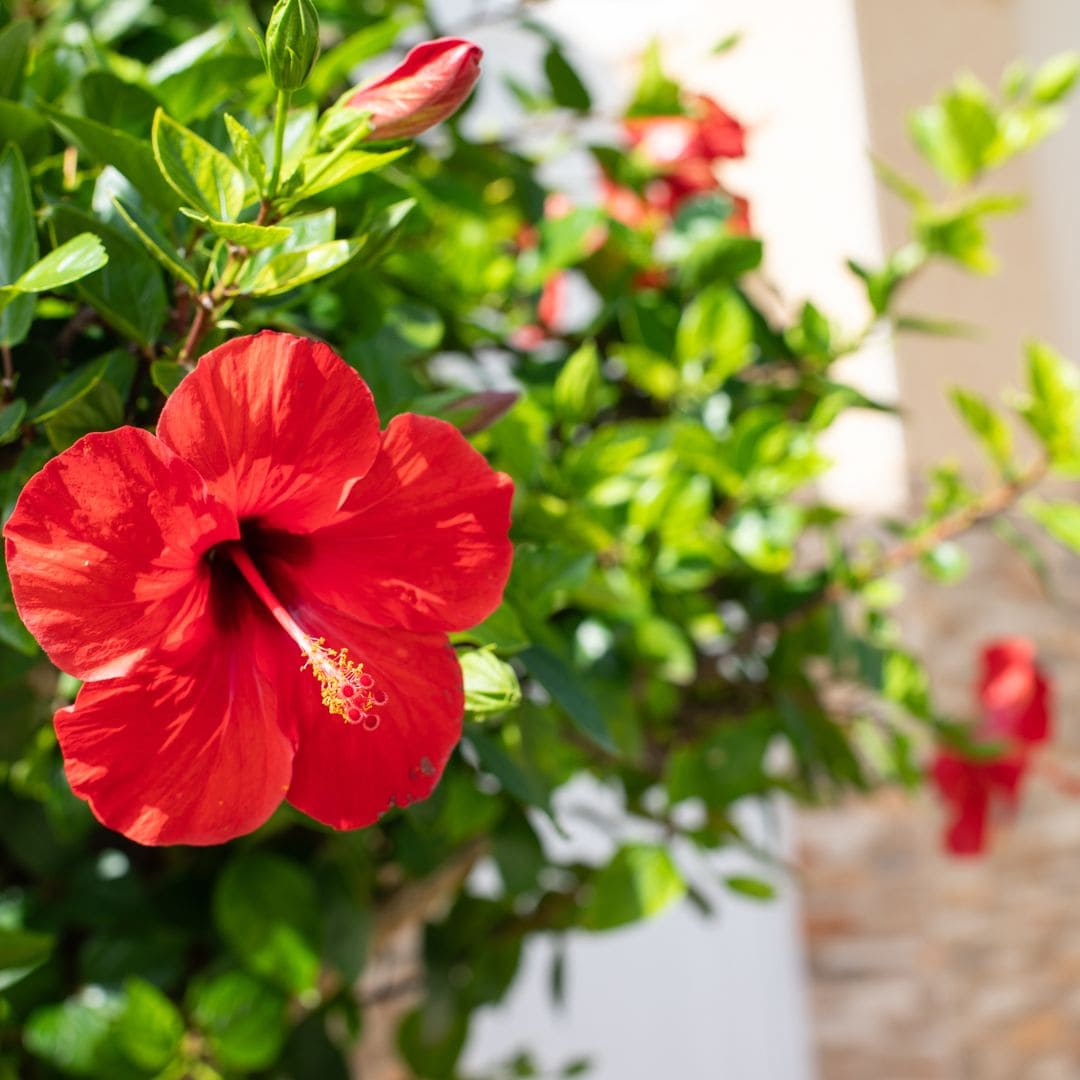
Native to Jamaica, Hawaii, and tropical regions of China, hibiscus is typically grown outdoors and can reach up to 16 feet tall. When grown in pots, it stays smaller, usually up to 6 feet tall. Its real charm lies in the flowers, which appear in a dazzling array of colors: red, yellow, orange, pink, purple, and white.
2/10
 © David C Tomlinson
Loves sunlight and warm temperatures
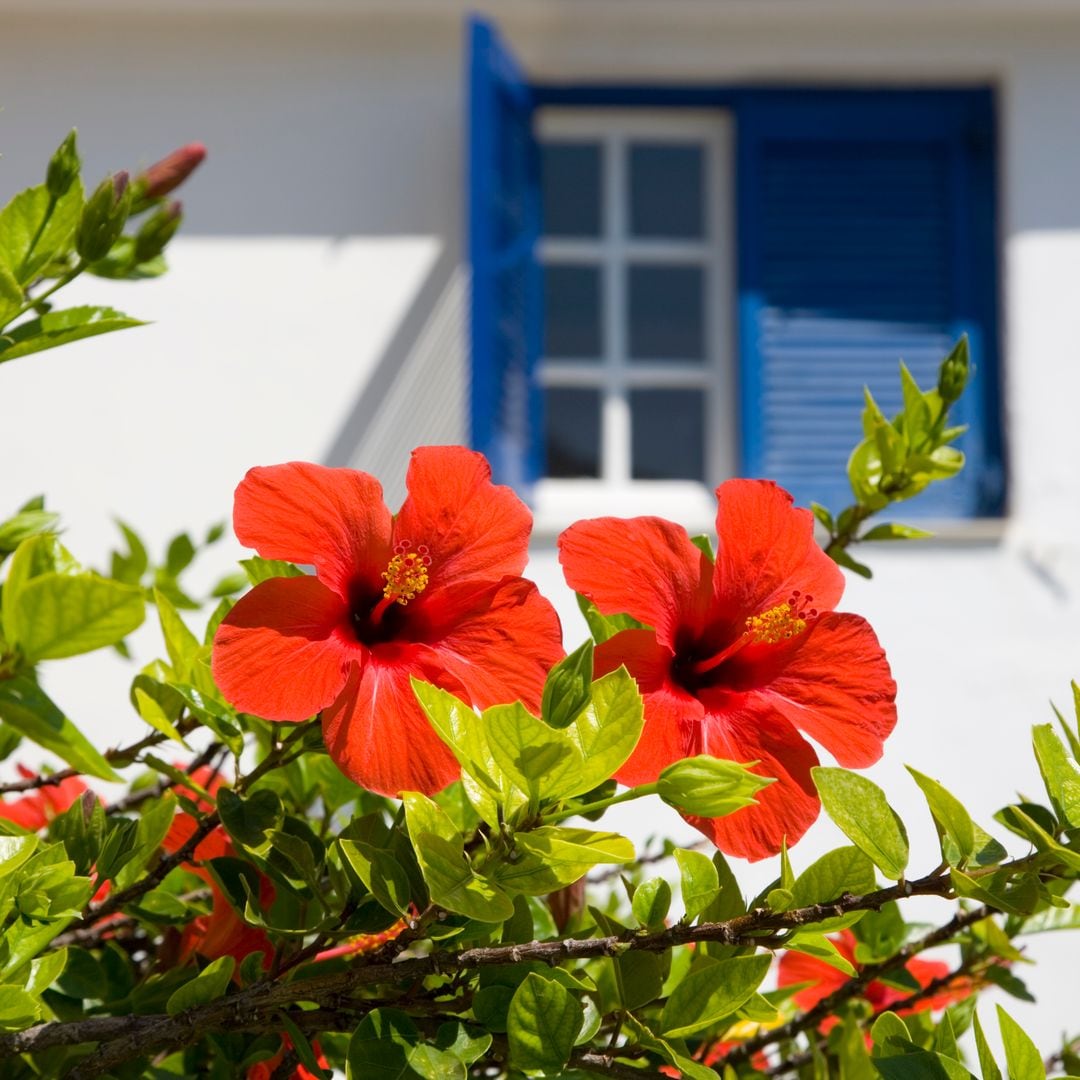
Because hibiscus comes from tropical areas, it needs warmth, light, and humidity to thrive. Ideally, it prefers temperatures between 55°F and 72°F. If you live in a region with cold winters, plant your hibiscus in a pot so you can bring it indoors when temperatures drop. In hot summer climates, protect it from harsh afternoon sun by placing it in partial shade and add mulch around the base to help retain soil moisture.
3/10
 © Krit of Studio OMG
Watering: The most challenging part
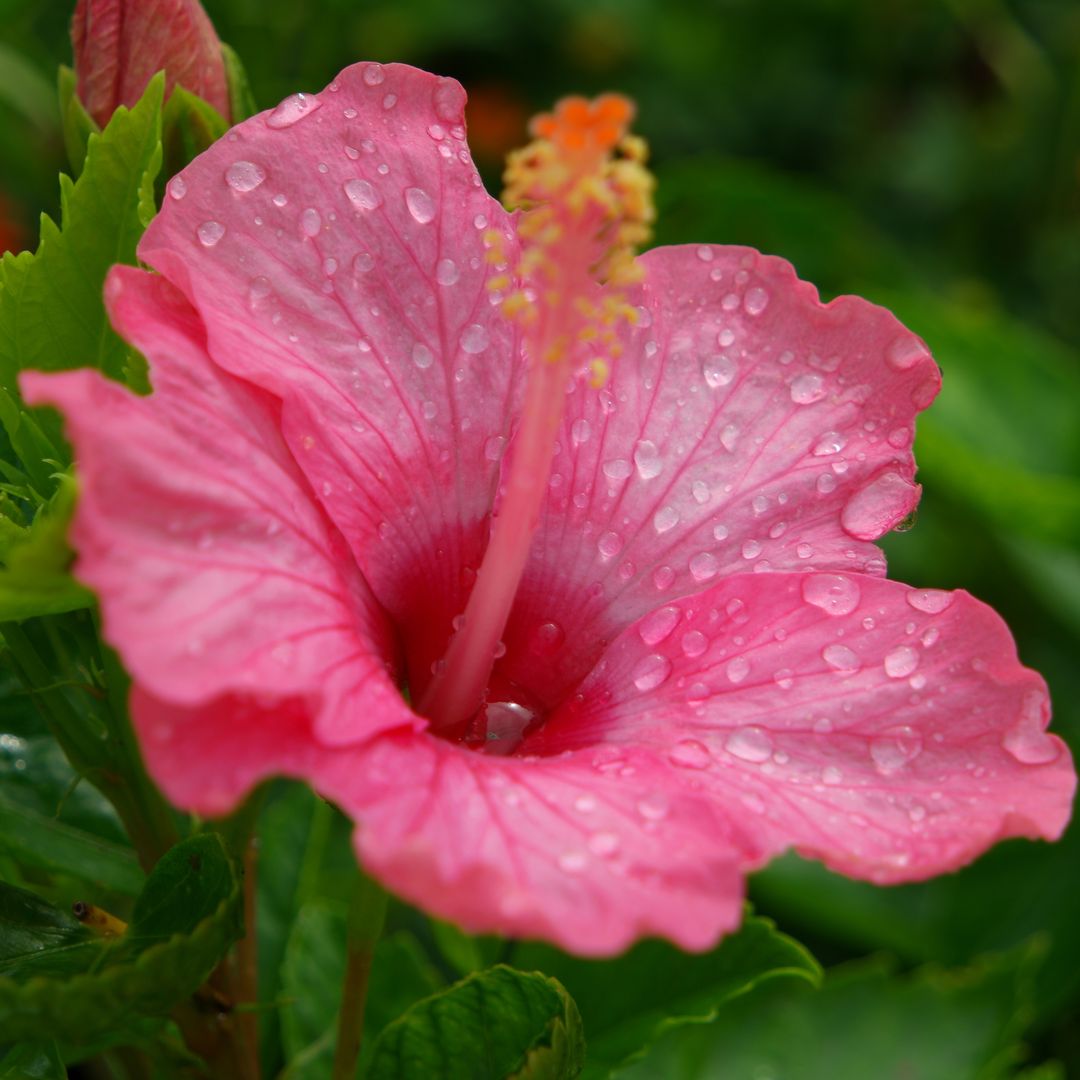
Watering hibiscus can be tricky. The soil should remain consistently moist but never waterlogged. Hibiscus cannot tolerate dryness, especially during its blooming season, but overwatering will damage the roots. If you grow it in a pot, use a sandy, well-draining potting mix.
Tip: Hibiscus loves ambient humidity. Lightly misting the leaves on hot days helps the plant thrive.
4/10
 © Boy_Anupong
Should you fertilize Hibiscus?
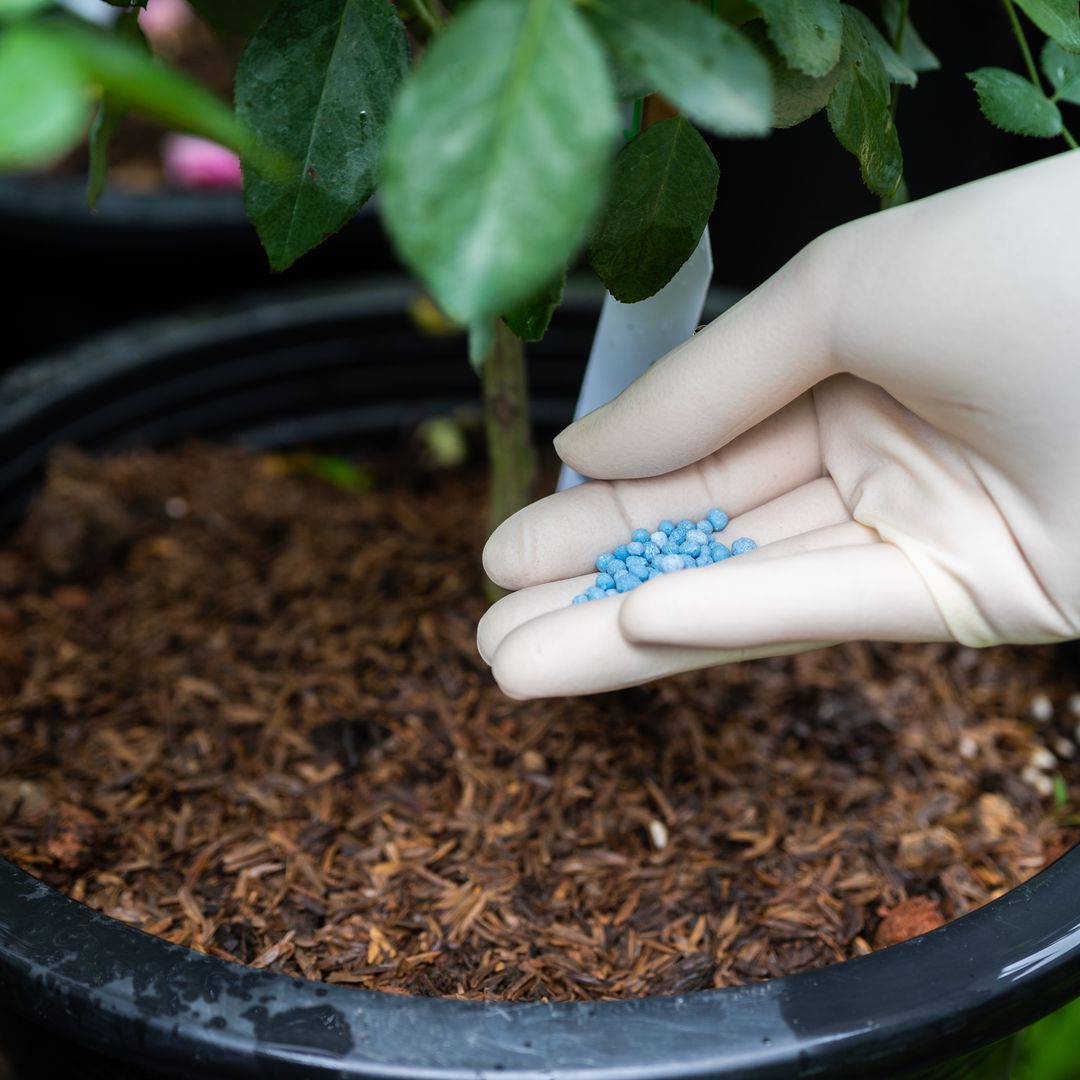
Hibiscus thrives best in fertile soil rich in organic matter, so fertilizing is essential. During the blooming season (spring and summer), feed your plant every two weeks with a slow-release granular fertilizer. This will gradually nourish the soil and encourage more flowers.
Tip: Add organic fertilizer, such as compost or worm castings, at least once a year for extra nutrition.
5/10
 © simarik
Pruning to encourage growth
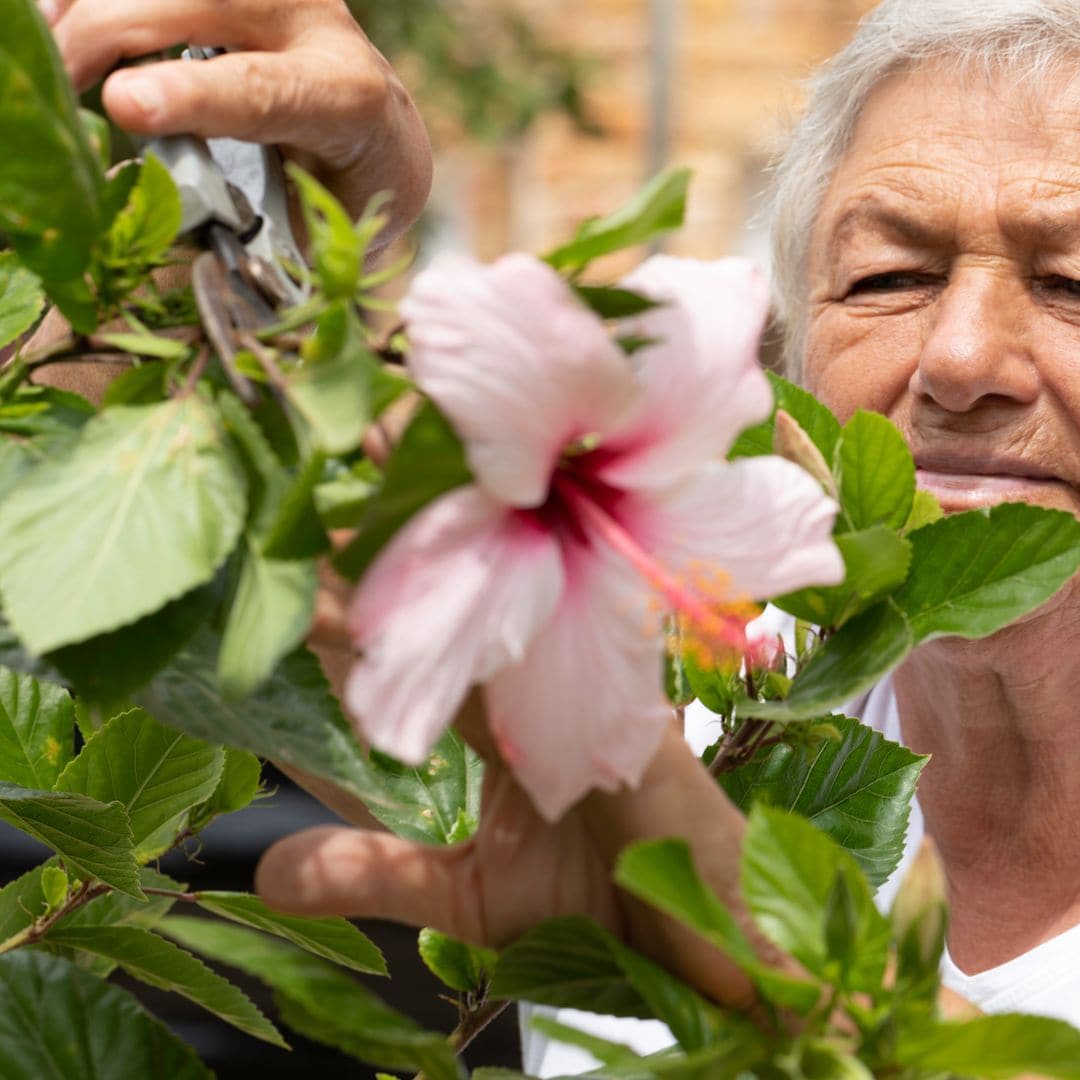
Pruning hibiscus is important to maintain its shape and stimulate healthy growth. The best time to prune is in early spring, once cold winds are gone. Cut away damaged, dry, or old stems, especially in the center of the shrub, to encourage new growth and bigger blooms.
6/10
 © Geraint Rowland Photography
Propagation by cuttings
One of the easiest ways to propagate hibiscus is by cuttings. This method is simple and gives faster results than growing from seeds. The best time to do it is in spring:
- Select a healthy stem measuring 4 to 6 inches long.
- Cut it with disinfected pruning shears.
- Remove most of the leaves, leaving only two or three at the tip.
- Plant the cutting about 2 inches deep in a small pot filled with potting mix and coconut fiber for better drainage.
- Keep the soil moist and place the pot in a warm spot with indirect light.
- Water lightly every three to four days.
7/10
 © VCG
© VCGPropagation by seeds
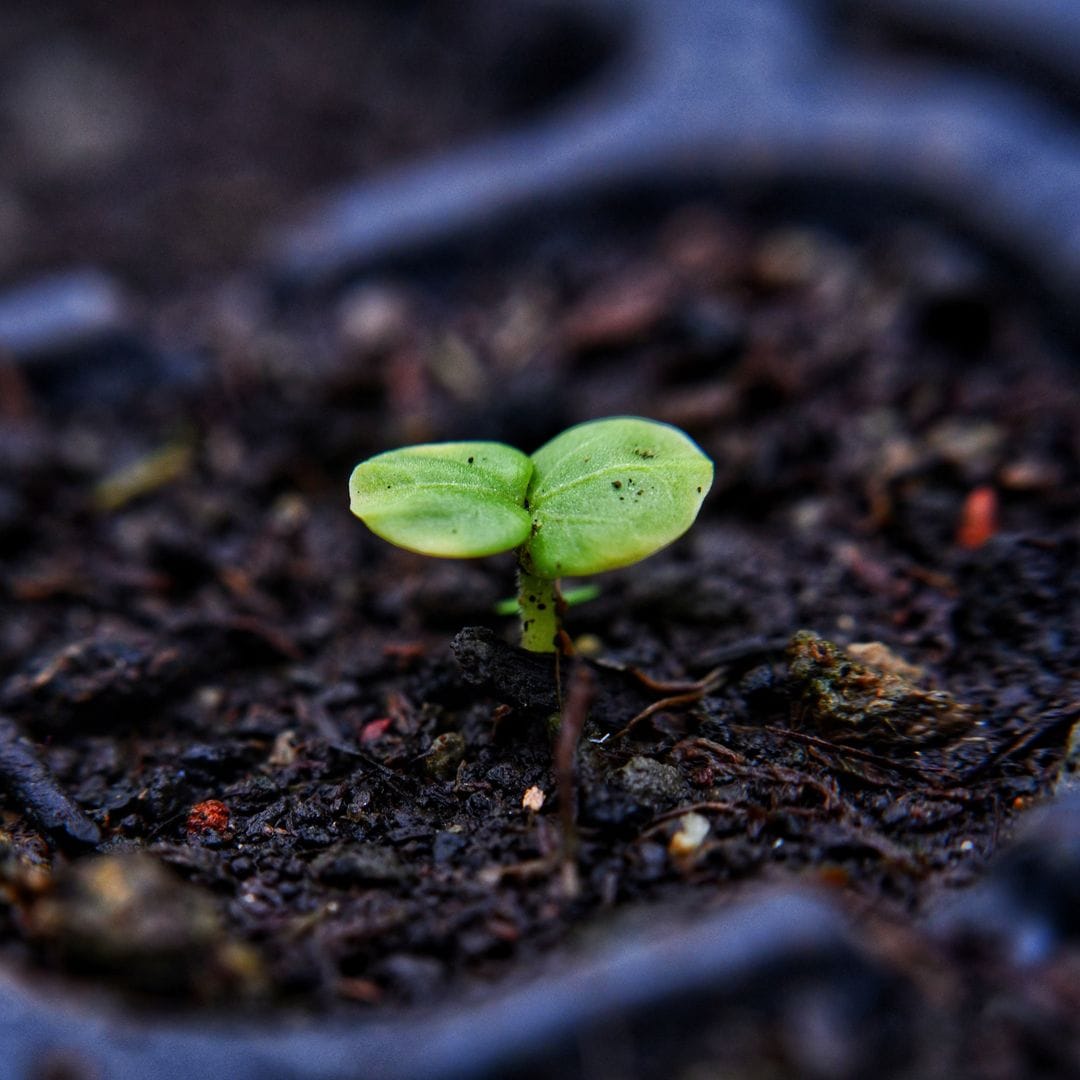
Growing hibiscus from seeds is slower but also effective:
- Let the seeds dry for 10 to 15 days.
- Scarify (gently nick) the roundest part of the seed to improve germination.
- Moisten the seeds slightly and sow them about ½ inch deep in a seed tray with potting mix.
- Cover to maintain humidity and place in a warm spot.
- Once they germinate, remove the cover and place the trays in brighter light.
- Transplant seedlings with true leaves to their final location, either in the garden or in containers.
8/10
 © Uma Shankar sharma
Protecting Hibiscus from pests
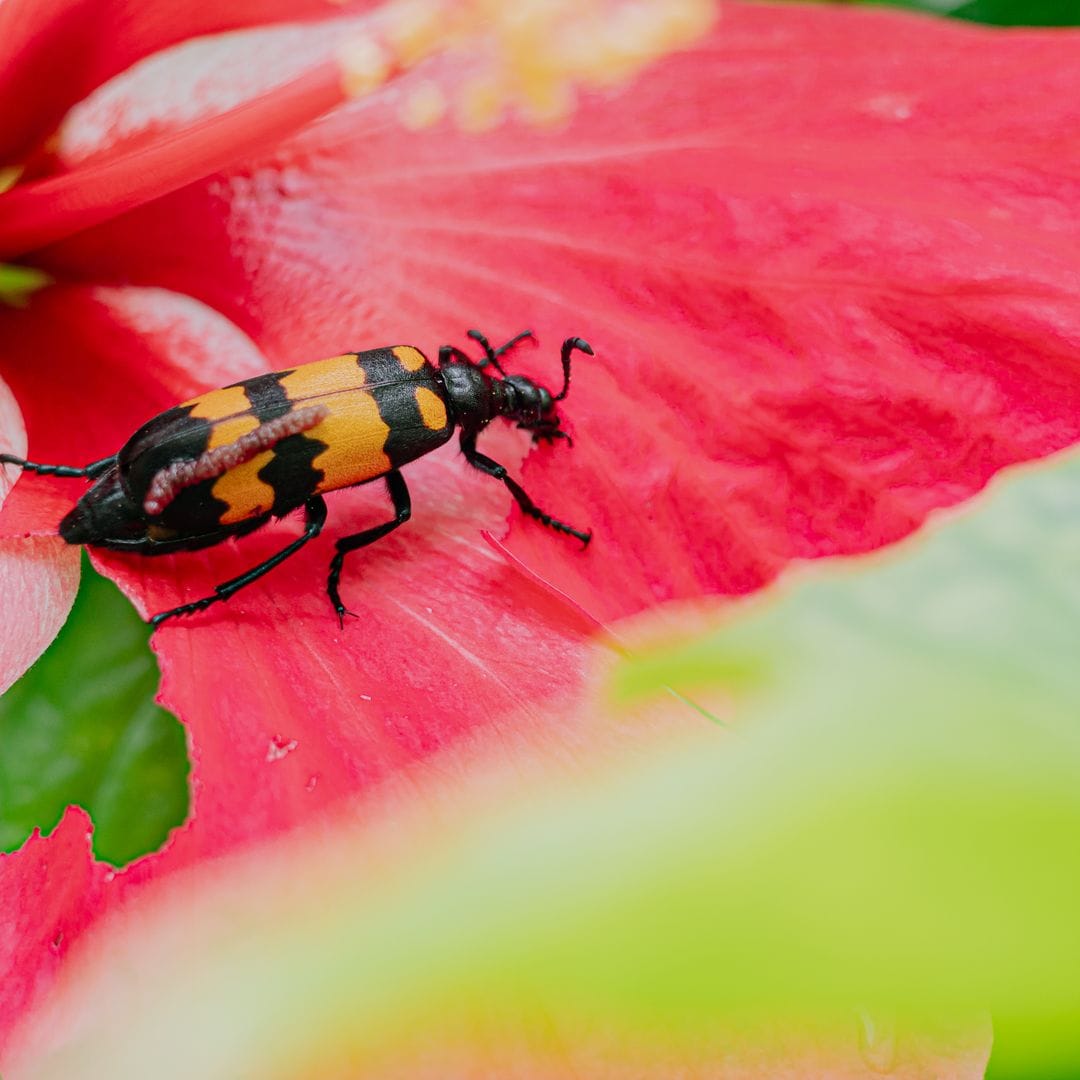
Unfortunately, hibiscus attracts pests because of its fresh sap and colorful flowers. The most common are aphids (often on young leaves), mealybugs (which suck sap from stems), red spider mites (common in hot, dry weather), and whiteflies.
To protect your plant, check it regularly and treat infestations early with a targeted insecticide.
9/10
 © Veena Nair
Troubleshooting Hibiscus problems
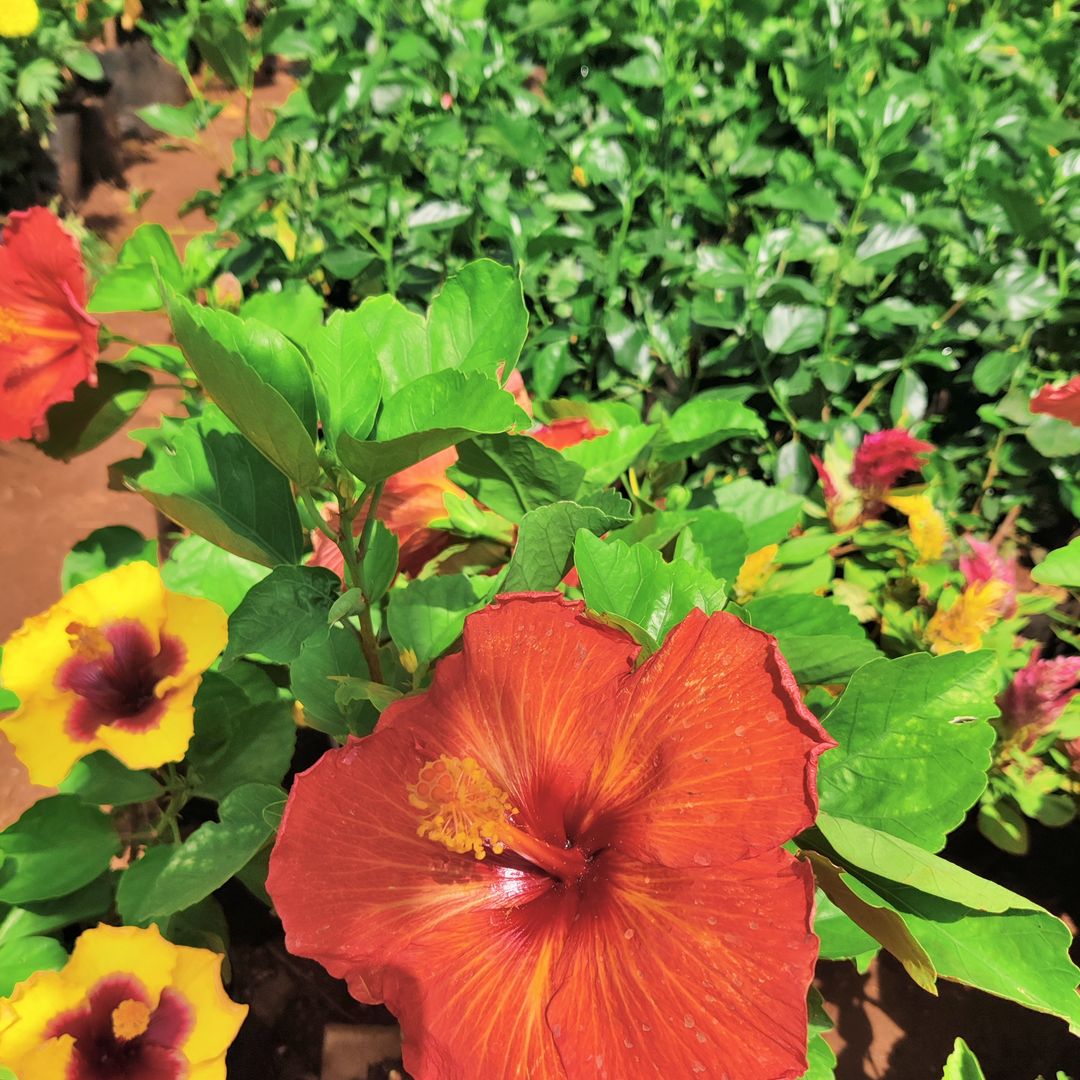
Even though hibiscus is resilient, it can show signs of stress:
- Yellowing leaves: Often due to overwatering or underwatering. Let the soil dry completely before watering again. Sometimes, yellow leaves signal a nutrient deficiency, fertilize with a product rich in nitrogen, magnesium, and iron.
- Flowers falling before opening: This can happen in overly cold or very dry environments. If dryness is the issue, mist the leaves and stems regularly. If cold is the problem, move the plant indoors. Hibiscus cannot tolerate temperatures below 57°F.
10/10
 © Ekaterina Smirnova
Medicinal properties of Hibiscus
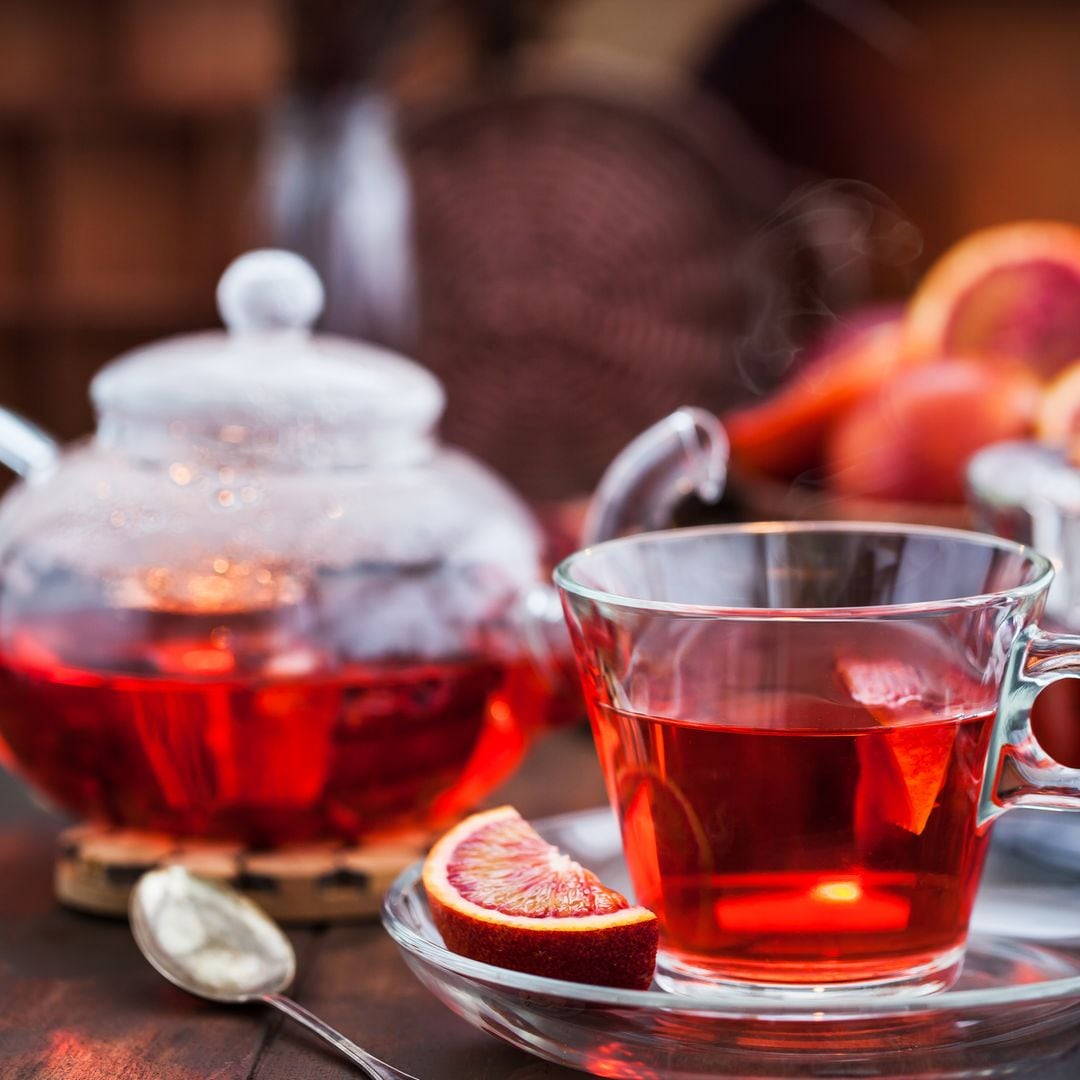
Beyond its beauty, hibiscus has been valued for centuries for its health benefits:
- Powerful antioxidant, thanks to ascorbic and nitric acids.
- Rich in vitamin C, thiamine, and riboflavin, nutrients that boost the immune system and help lower cholesterol.
- Helps regulate high blood pressure.
- Natural diuretic that supports weight loss.
- Aids digestion, relieves acidity, and helps with gastroenteritis and constipation.
Disclaimer: Despite its benefits, hibiscus should not be consumed without medical guidance. It is not recommended during pregnancy or breastfeeding, nor for people with low blood pressure, diabetes, or those taking certain medications. Always consult a doctor before using hibiscus medicinally.