Skip to main contentSkip to footer
Fallen bladder: causes, symptoms and treatment
  • España
  • Americas
  • México
  • Celebrities
    • Celebrity Couples
    • Celebrity Moms
    • Celebrity Kids
    • Celebrity Parents
    • Celebrity Homes
  • Entertainment
    • Music
    • Movies
    • TV
    • What to Watch
  • Royals
    • Kate Middleton
    • Meghan Markle
    • Prince Harry
    • Queen Letizia
    • Queen Maxima
    • Charlotte Casiraghi
    • Spanish Royals
    • British Royals
    • Monaco Royals
  • Beauty
    • Skincare
    • Makeup
    • Nails
    • Hair
    • Celebrity Beauty
  • Fashion
    • Celebrity Style
    • Royal Style
    • Fashion Trends
    • Street Style
    • Red Carpet
    • Runway
  • Lifestyle
    • Health and Wellness
    • Fitness and Workout
    • Leisure and Travel
    • Parenting
  • Food
    • Recipes
    • Healthy Food
    • Latin Cooking
    • Drinks and Cocktails
  • Americas
    • Celebridades
    • Entretenimiento
    • Realeza
    • Belleza
    • Moda
    • Lifestyle
    • Fotos
    • Latina Powerhouse
  • Latina Powerhouse
  • Photos
  • HOLA+
  • Celebrities
  • Entertainment
  • Royals
  • Beauty
  • Fashion
  • Lifestyle
  • Food
  • Americas
  • Latina Powerhouse
  • Photos
  • Hola+
  • Home
  • Lifestyle

Fallen bladder: causes, symptoms and treatment


Get all the details from a urologist


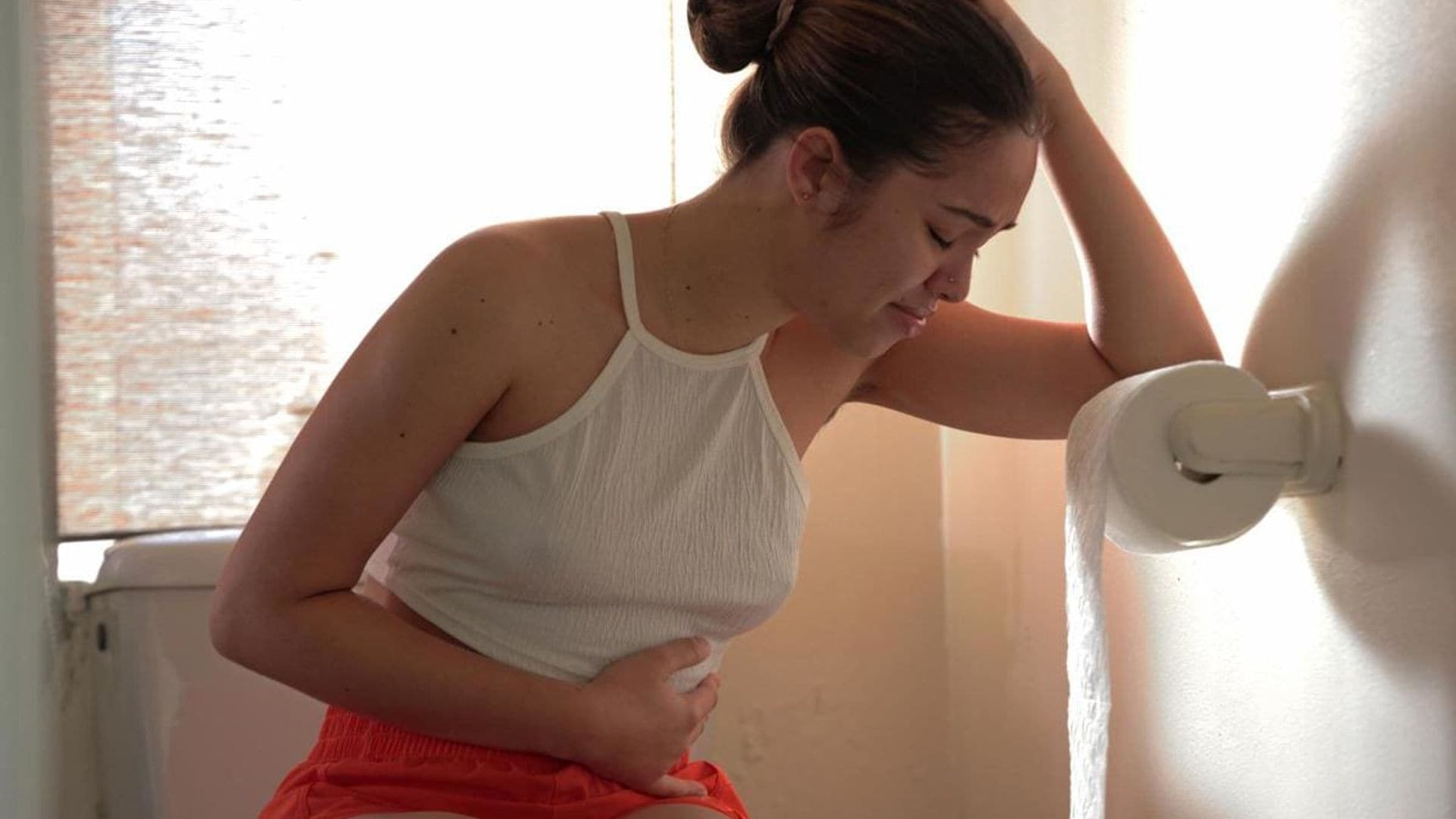
FALLEN BLADDER - The causes, symptoms and treatment© GettyImages
HOLA! USA
APRIL 13, 2023 2:31 PM EDTAPR 13, 2023, 2:31 PM EDT

Bladder-related problems are a concern for a lot of women. One of the best known is cystocele, also known as fallen bladder or medically as anterior prolapse, which occurs when the floor of the bladder sinks into the vagina. As Sanitas urologist Dr Ignacio Moncada explains, there are three degrees of cystocele, defined according to severity.

  • Grade 1, mild: The bladder bulges slightly through the front wall of the vagina.
  • Grade 2, severe: The bladder sinks until it meets the opening of the vagina.
  • Grade 3, advanced: The bladder protrudes through the opening of the vagina.

How is it diagnosed?

Whenever a woman notices discomfort in the pelvic area, she should consult a doctor in order to deal with any problem as soon as possible. Dr Moncada explains that in the case of cystocele, diagnosis is based on a physical examination along with the patient’s medical history.

“The patient usually tells us that when she has a full bladder it bulges into the vagina so that she feels a lump there. Physical examination confirms this anterior prolapse,” he confirms.

What are the causes?

According to the doctor, the fundamental cause is weakness of the pelvic floor, a group of muscles and connective tissues that forms a ‘hammock’ across the bottom of the pelvis, holding key organs in place. This becomes weaker as we age. Other factors that can contribute are vaginal births, especially difficult ones; obesity; chronic constipation and repeated abdominal straining, such as through violent coughing or heavy lifting.

What are the commonest symptoms?

Symptoms include a feeling of heaviness or bulging in the pelvis and vagina; discomfort when coughing or sneezing; the sensation of incomplete emptying of the bladder when urinating; recurrent bladder infections and pain or urinary incontinence during sexual intercourse.

What is the treatment?

It depends on the degree of severity. “In the mildest cases, the solution is to strengthen the pelvic floor muscles with Kegel exercises and abdominal hypopressive exercises,” the specialist explains.

“In more severe cases, we resort to surgery.”

How about prevention?

Prevention relies on keeping the pelvic floor muscles toned with exercises and also avoiding obesity.

Disclaimer: This information is for general knowledge only and should not be used in place of professional medical advice. Always consult with your doctor or a qualified healthcare provider for advice on any medical concerns.


Related Video:

© ¡HOLA! Reproduction of this article and its photographs in whole or in part is prohibited, even when citing their source.

Other Topics
  • Health
READ MORE
Does your first period predict perimenopause age?
Does your first period predict perimenopause age?By Shirley Gomez
Bad sleep can make you gain weight after 40: Here’s how it throws off your hunger hormones
FDA approves Wegovy pill and changes everything about GLP-1 drugs
FDA approves Wegovy pill and changes everything about GLP-1 drugsBy Shirley Gomez
Peanuts may boost brain blood flow and memory in older adults
LATEST NEWS
Joe Jonas reveals which Latin American cuisine he prefers to eat while in Miami
Why has drinking hot water gone viral? Discover its benefits
Eva Mendes opens up about keeping her second pregnancy out of the spotlight
Jessica Alba's vegetable-filled pozole recipe divides the internet
Natalia Boneta
What to Watch: 7 best movies and TV shows to stream this week — Jan 16
Sophie Turner drops her signature blonde hair for a bold brunette look
Anne Hathaway’s disco-ball metallic look has us counting down to Devil Wears Prada 2
© 2000-2026, HOLA S.L.
  • ¡HOLA! Spain
  • ¡HOLA! Americas
  • HELLO! UK
  • HELLO! US
  • HELLO! Canada
  • Privacy Policy
  • Legal Notice
  • Cookies Policy
  • Compliant channel
  • Contact