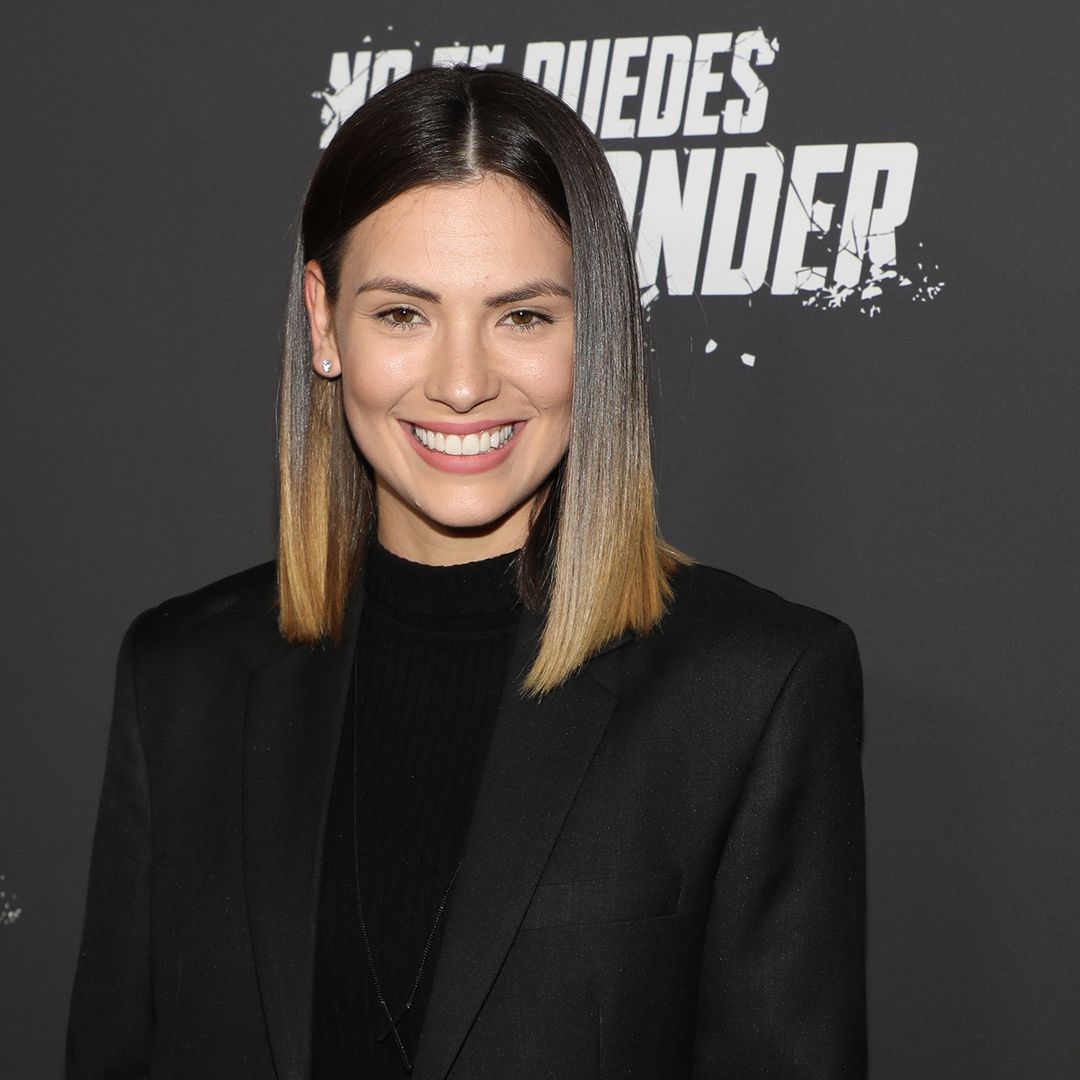
Laura Chimaras had been acting most of her life when a poem unexpectedly changed the direction of her career. She was about to perform “24 horas,” written as a goodbye to her father, Venezuelan actor Yanis Chimaras, when she decided at the last minute that she wanted music behind her.
Her husband found a royalty-free track on YouTube. Chimaras walked onstage, recited the poem, and watched as people in the audience rose to their feet in tears. “Music gives words the perfect wings,” she told ¡HOLA! in 2026.
For an actress accustomed to working from someone else’s script, the experience opened another possibility. Chimaras had started acting at eight in Venezuela and later moved to the United States, where she played Serena Zambrano in Telemundo’s Sangre de mi tierra. She also appeared in Bad Bunny’s “Solo de mí” video, portraying a woman breaking free from an abusive relationship.
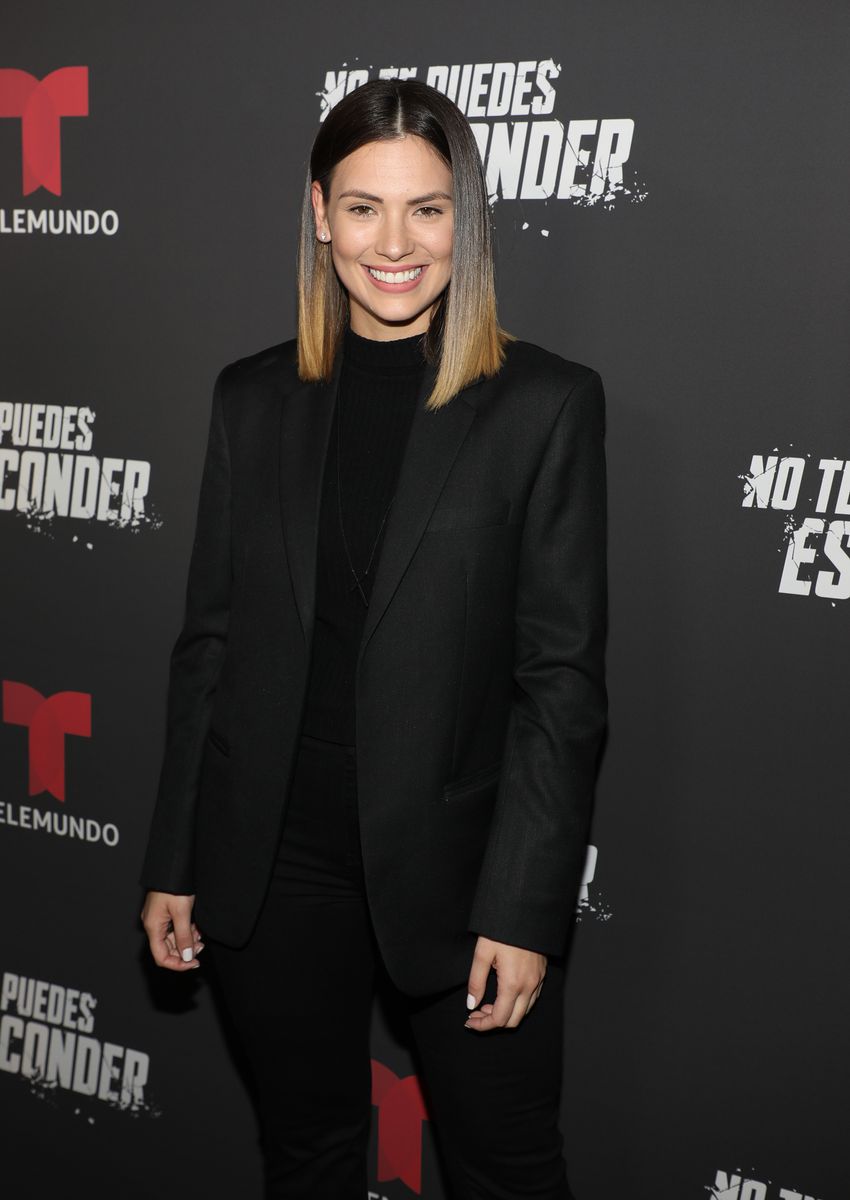 © Alexander Tamargo
Her most personal work, however, was happening off-camera. Chimaras was 15 when her father was killed during a robbery outside Caracas in 2007. She eventually began sharing her writing online, then published books, including 'Nunca pierdas la fe', about her father, which reached No. 1 on Amazon. She later co-wrote Bully, a short documentary about bullying experienced by Hispanic children that earned her two Suncoast Regional Emmy nominations in 2022.
The discovery she made with “24 horas” eventually grew into Memorias, her first studio album, released in 2024. A live album followed in 2025, along with the singles “Amistad a Distancia” and “Llegaste tú.” By February 2026, Chimaras was at Casa ¡HOLA! in Miami bringing poetry, music and flamenco together onstage. This August, she released “Me Gustas,” continuing to develop the musical side of a career that once seemed firmly rooted in acting.
She is now working on her second studio album, a project that had already been taking shape for a year and a half. Chimaras described its world as one where listeners will encounter both “darkness and beauty.”
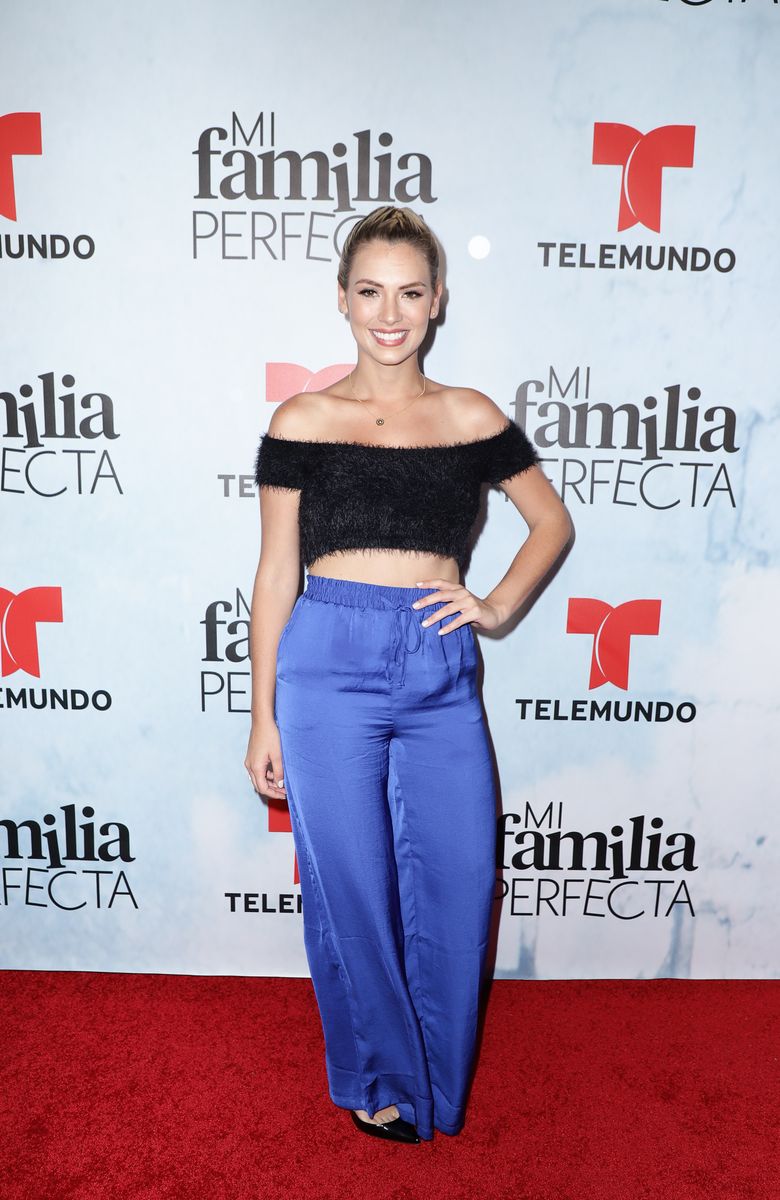 © John Parra
It is also where the different pieces of her career finally make sense together. Acting taught her how to inhabit a story; writing gave her a way to tell her own; music changed how she could share it. Today, Chimaras calls herself a “poet, singer and writer,” without feeling the need to choose just one.
“Everything I write is real.” At this point in her career, that personal connection isn't something happening behind the scenes. It is the work.