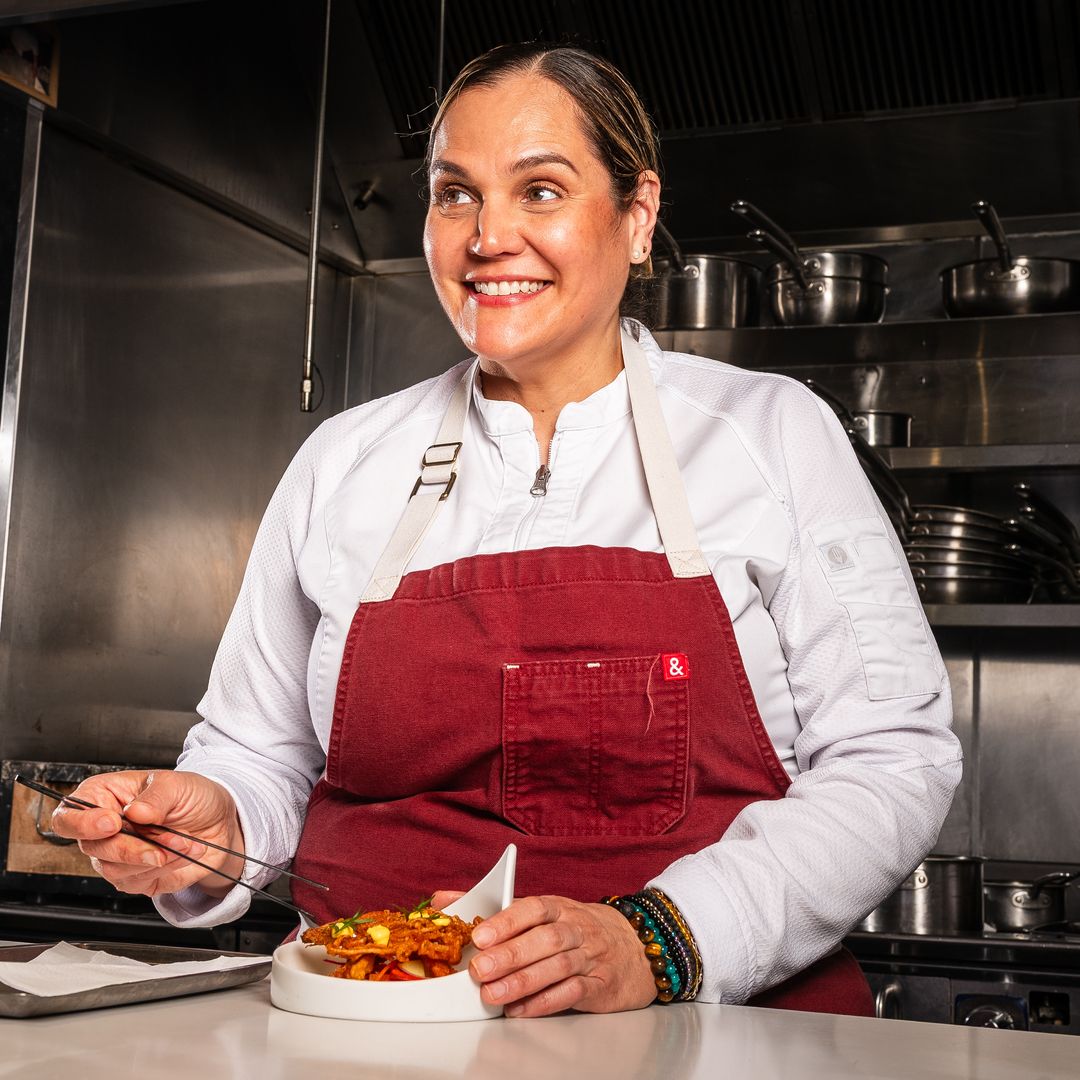
Born in Mérida, Venezuela, Chef Tatiana Mora found her way into the kitchen at a young age. After losing her mother at 10, she learned to cook with her grandmothers, preparing dishes like arepas and arroz con pollo. Those early lessons became the connection to home and the foundation of her culinary voice.
Following hospitality school in Venezuela, Mora’s career took her from a Walt Disney internship in the United States to kitchens in Spain, Barbados and Mexico. Eventually, Washington, D.C. became home. There, she and fellow Venezuelan chef Miguel Guerra created MITA, first as a series of plant-based Latin American dinners and pop-ups before opening their permanent restaurant in late 2023.
This year has been especially meaningful for Mora. MITA, which earned its first Michelin star in 2024, has since retained the distinction and was also recognized as a James Beard Award nominee for Best New Restaurant. In addition, this year, 2026, Mora and Guerra added another honor to the list when they were named James Beard Award semifinalists for Best Chef: Mid-Atlantic.
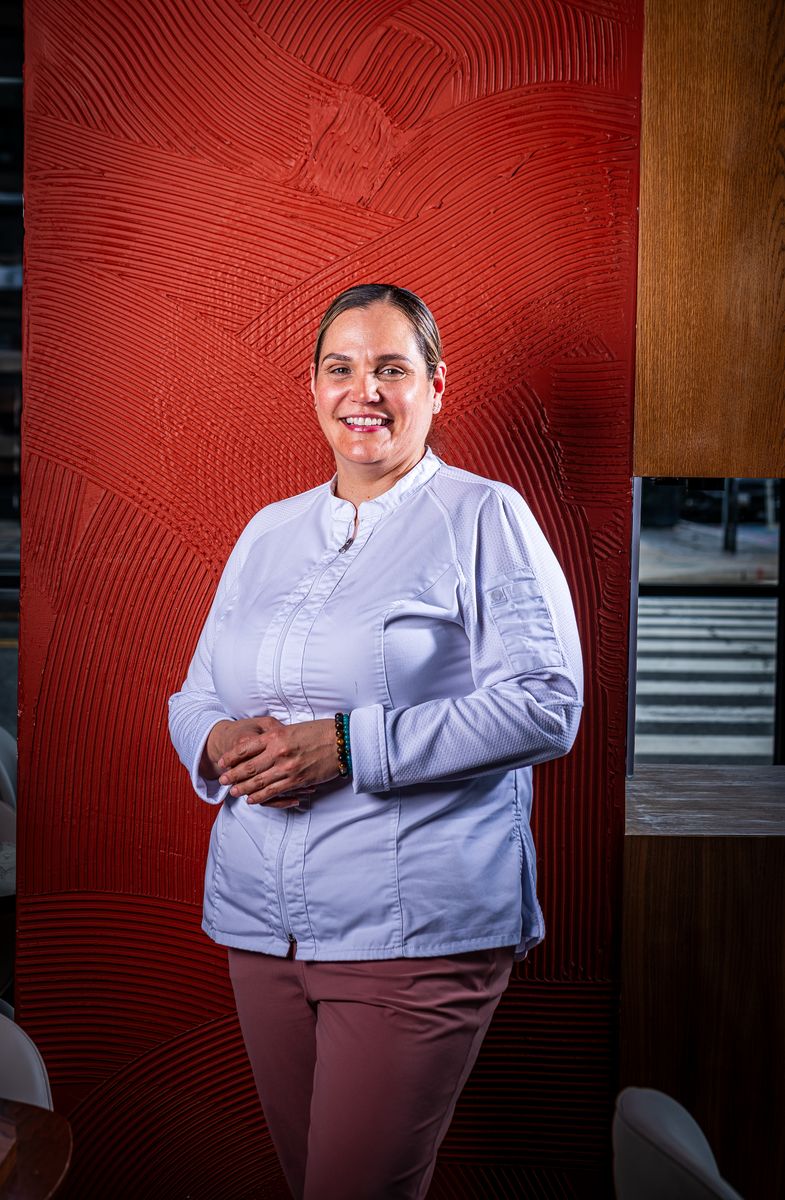 © Rey Lopez
Now, Mora is expanding her personal brand with a more human, holistic and wellness-oriented approach to the culinary world. Her 2026 initiatives include MITA Wellness Days, sensory experiences that connect cultural memory, food, and holistic well-being. In late August, she is planning a special Wellness Fundraiser supporting humanitarian efforts in Venezuela.
She is also developing a book proposal that weaves her personal story and Venezuelan roots with her ideas about food, identity, resilience, and the feminine experience. Drawing on her journey as a woman, immigrant, chef, and entrepreneur, Mora explores cooking as a way to reconnect with ourselves, our histories, and the wisdom we carry. In late November, she will also take that philosophy international, leading a culinary takeover at Siari, a Ritz-Carlton Reserve, showcasing MITA’s vegetable-centred approach and Latin American identity.
For Mora, that journey may have taken her across countries and kitchens, but Venezuela has always been part of the story. “My Venezuelan heritage is the soul of my work,” she says. “It has taught me that cooking is a language of resilience, memory, and love.”