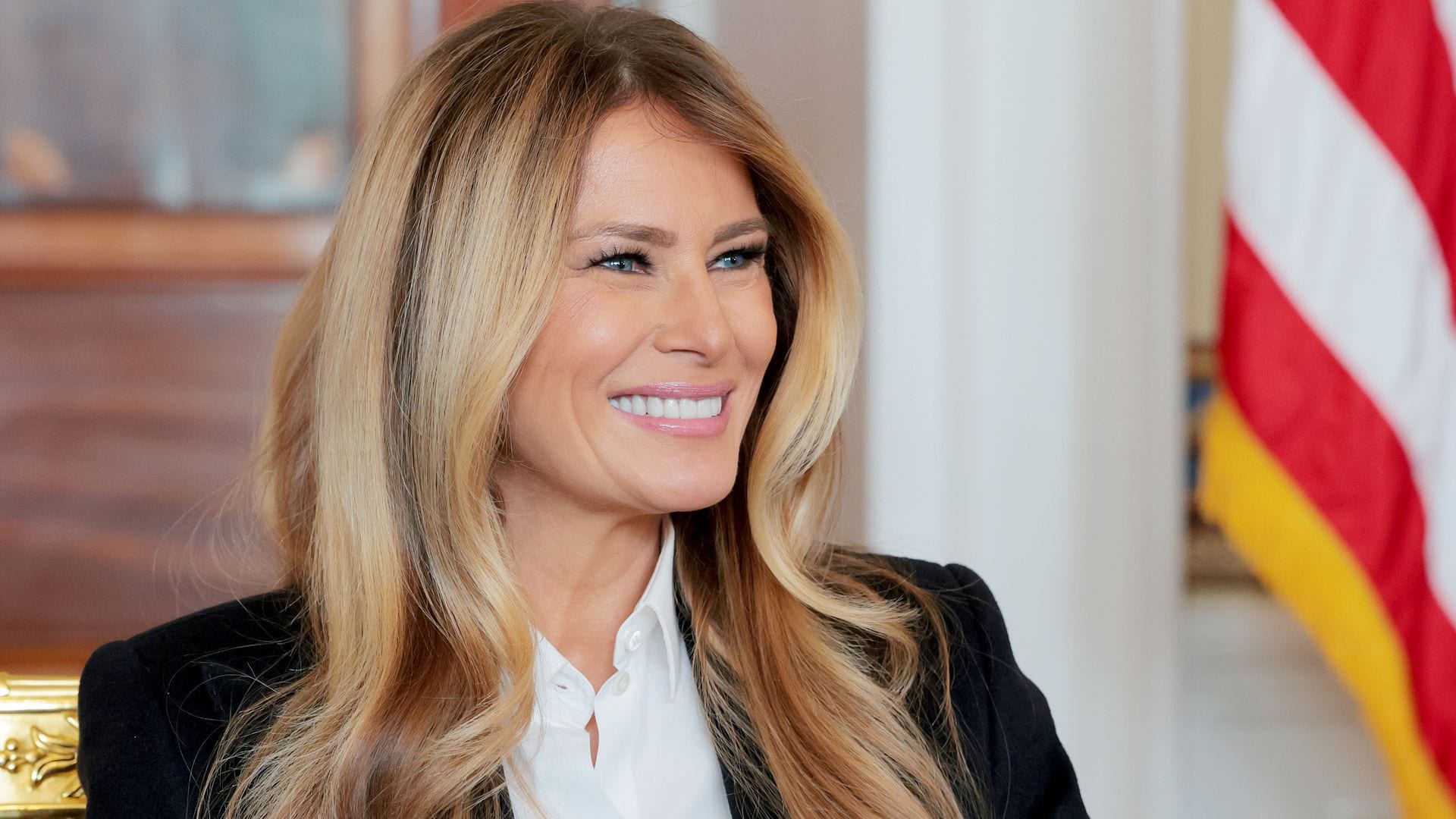
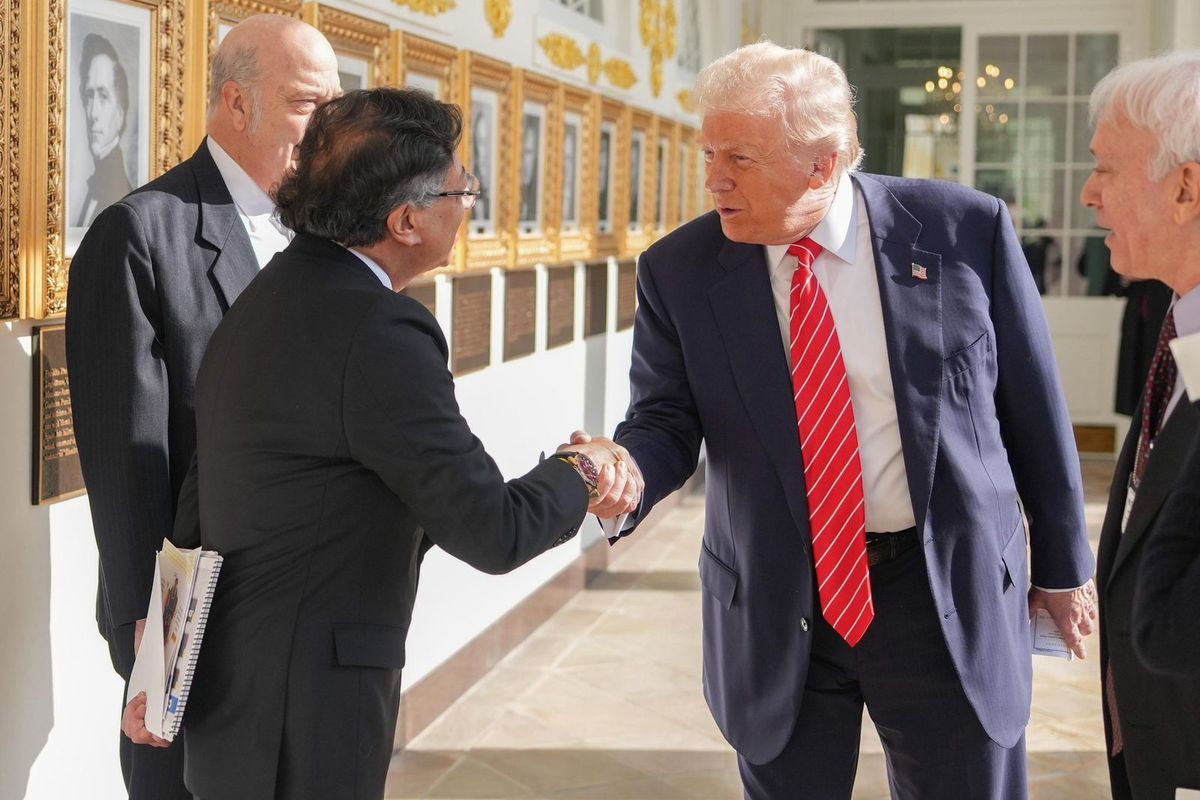
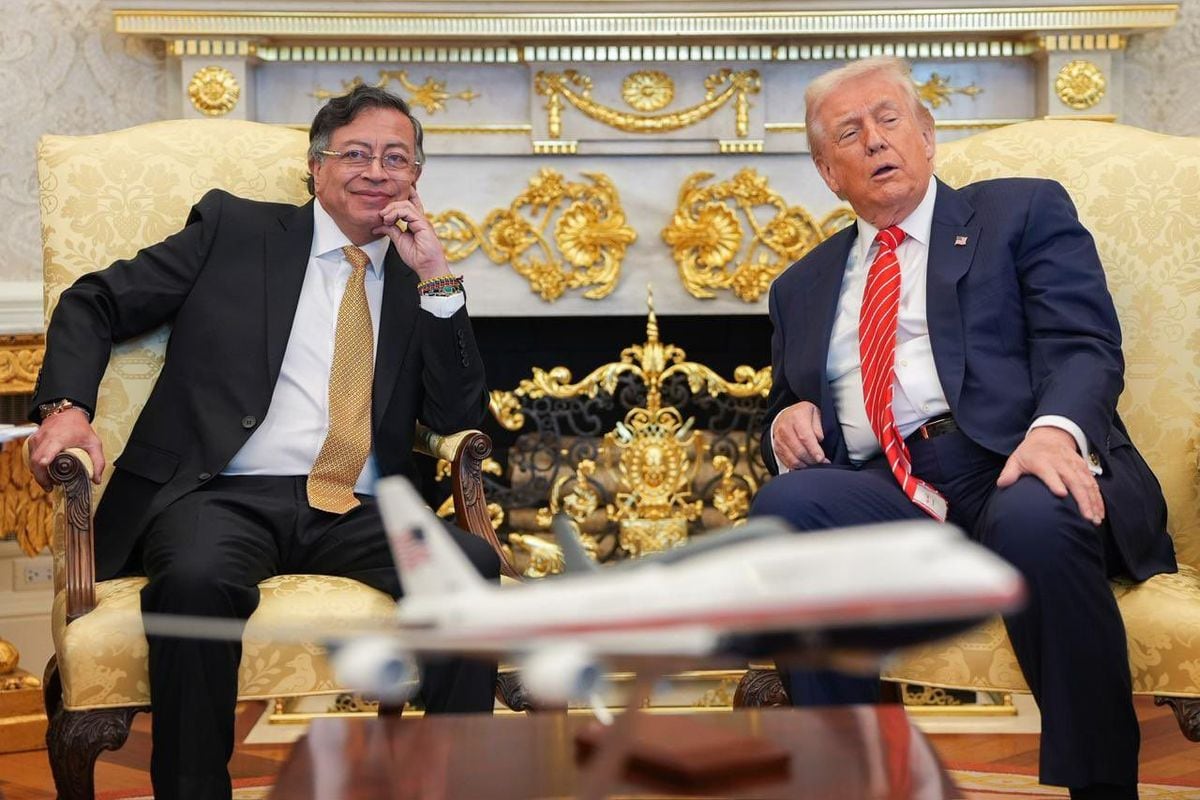
During his official visit to the United States on February 3, 2026, Colombian President Gustavo Petro brought more than diplomatic dialogue to the White House. He carried a story of heritage, sustainability, and artistry.
Among a selection of culturally emblematic gifts, one piece stood out, a handcrafted dress, woven by indigenous artisans from Nariño, Colombia, presented to First Lady Melania Trump.
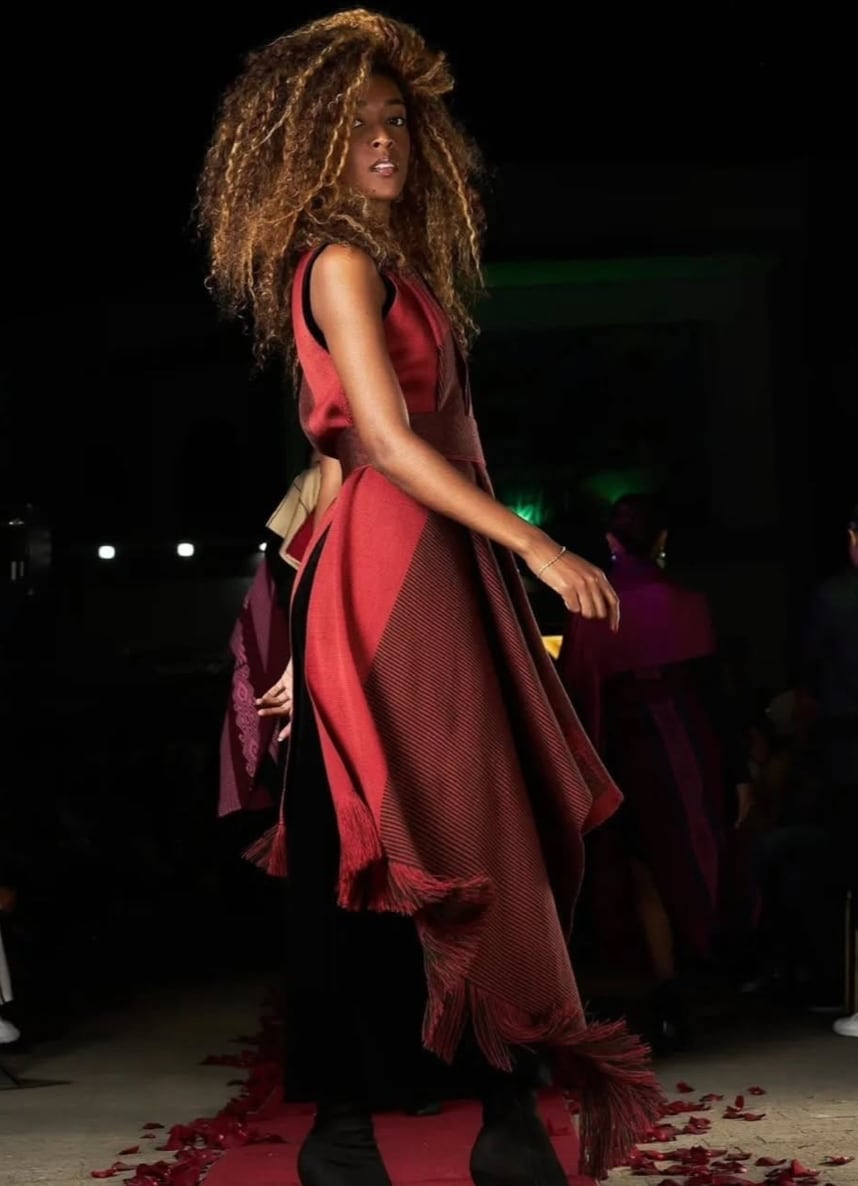
The dress, a terracotta-colored garment with subtle green accents, was created by Hajsú Etnomoda, an initiative led by Flor Imbacuán Pantoja, a designer from the Pastos indigenous community.
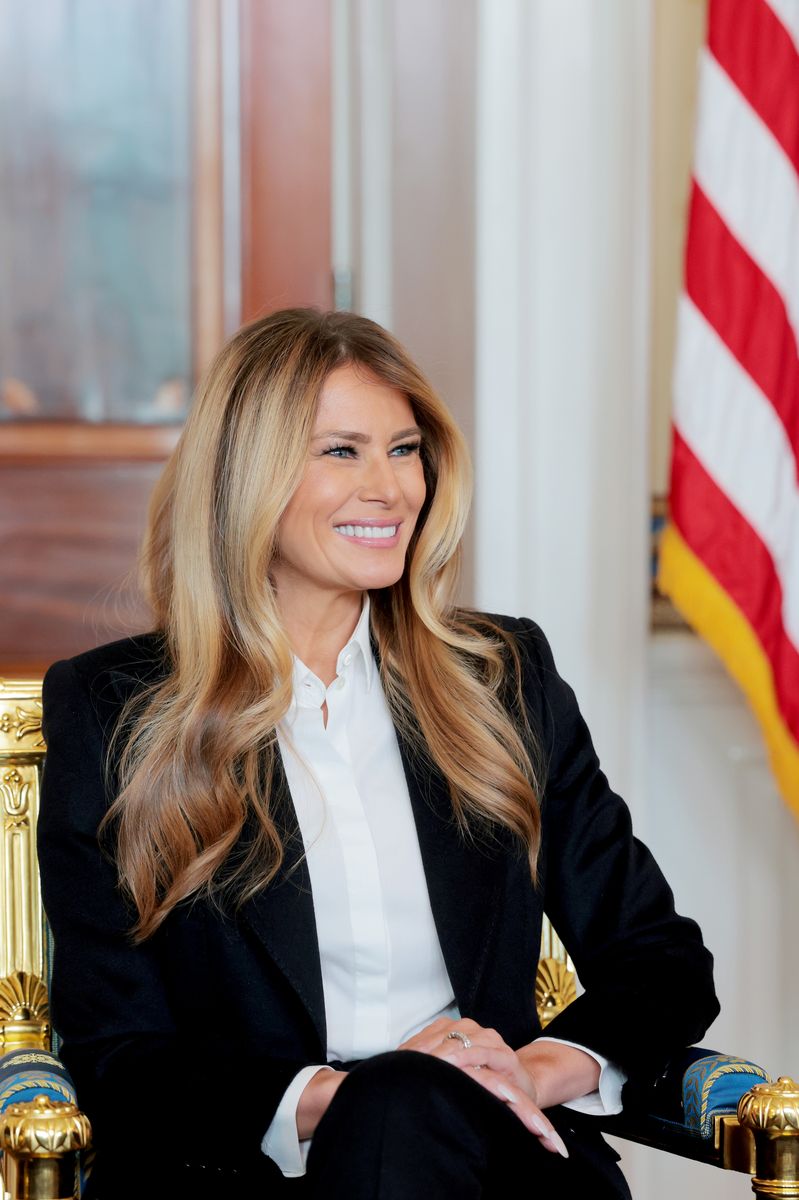 © Anna Moneymaker
“It is a pleasure for us to now deliver, through the hands of our country’s presidency, a beautiful outfit made from the heart, from the womb of our land, from our being, and we feel extremely proud and grateful for it,” Flor Imbacuán Pantoja told Caracol Radio.
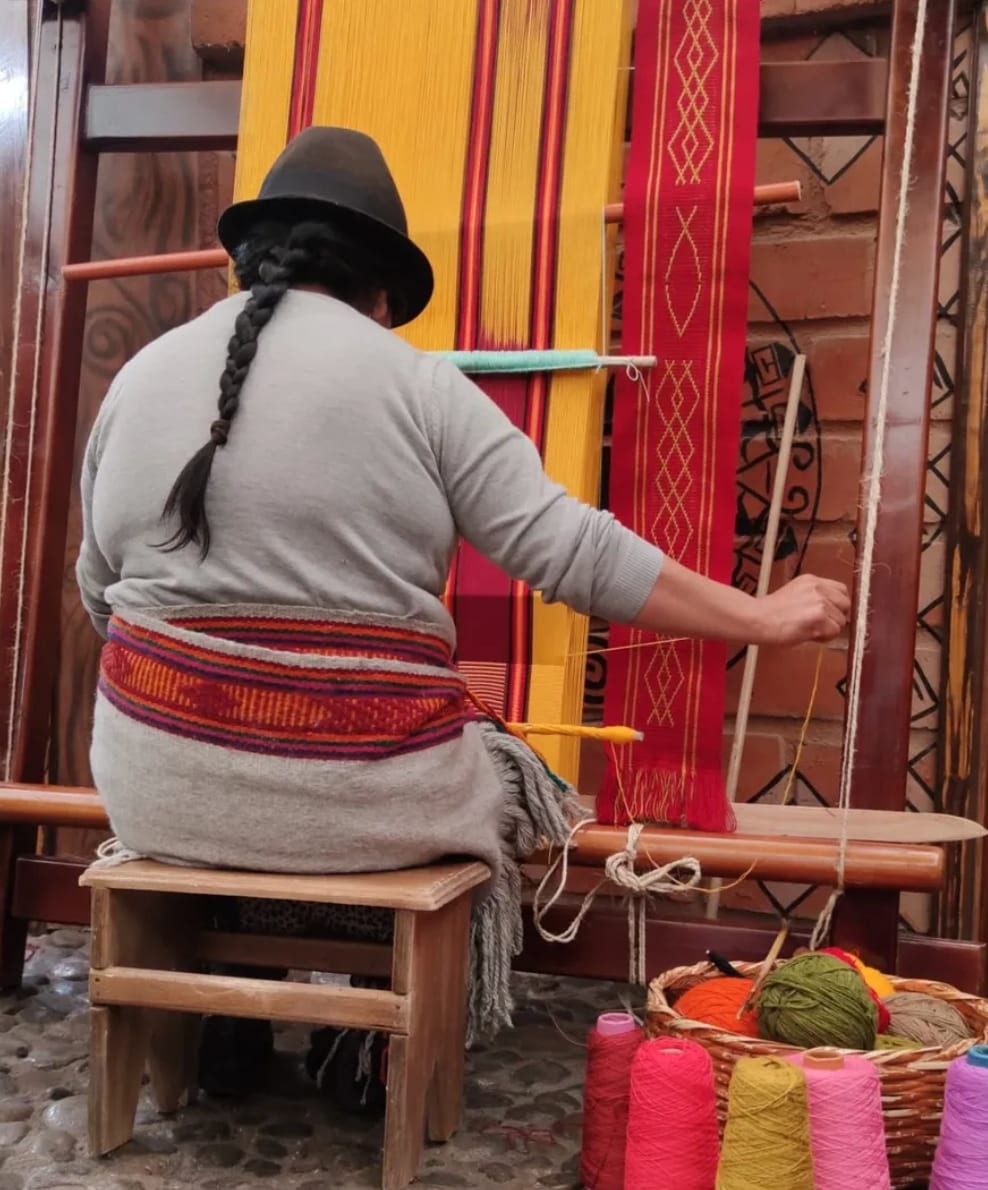
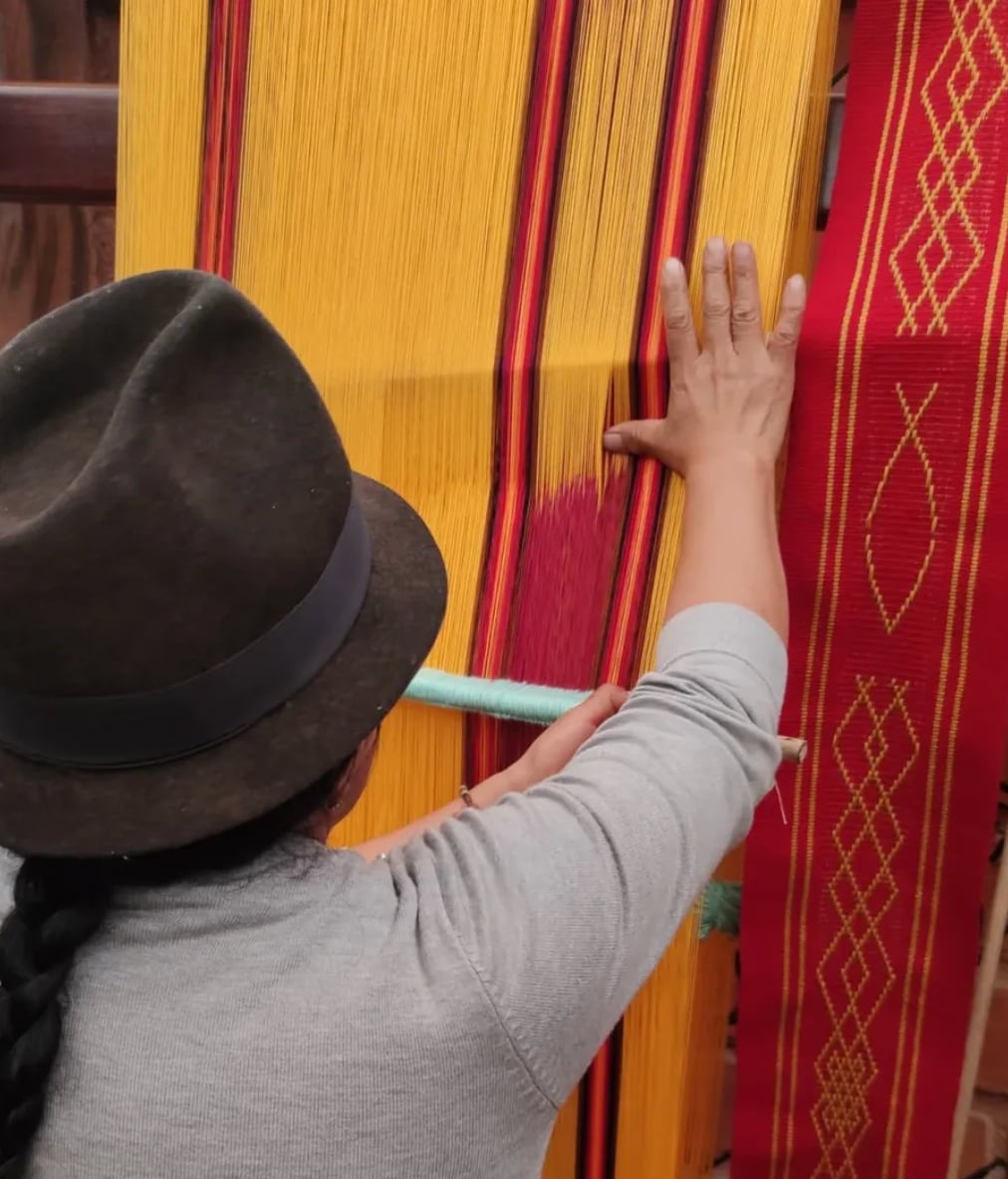
The dress was meticulously crafted on guanga, an ancestral Andean loom, a technique preserved for generations by the Pastos people. Hajsú Etnomoda, based in the Carlosama indigenous reserve in Nariño, works with approximately 35 families dedicated to traditional weaving.
 © Hajsú Etnomoda/IG
Using materials such as sheep wool, alpaca, cotton, bamboo fiber, linen, and natural silk, these artisans transform raw fibers into wearable art.
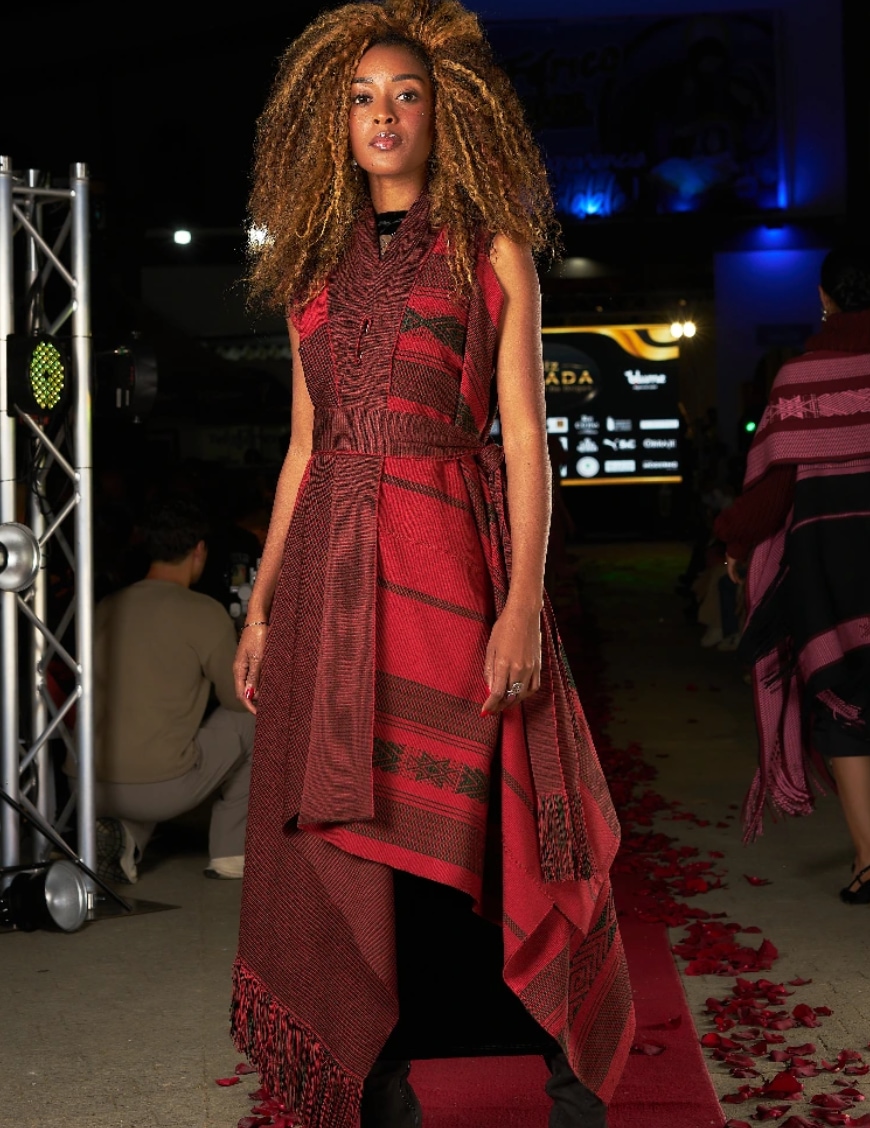
“This dress has five pieces, like a puzzle,” Imbacuán explained to Cambio, describing the labor-intensive process.
 © Hajsú Etnomoda/IG
It took two months and seven artisans to complete, starting with the sketch and technical blueprint, followed by individual weaving in the artisans’ homes, and ending with assembly and finishing in the studio.
“The work honors our history and connects people with their roots while preserving balance with nature,” Flor said.
The collection, titled Raíz Dorada, was launched in late 2025 and celebrates versatility and cultural storytelling.
 © Anadolu
The symbolism behind the dress:
Named “Vientre de la Tierra” (Womb of the Earth), the dress is more than a garment.
“It refers to our connection with Mother Earth, to the daily effort of our hands, because each piece is not made at random, but has a very important and spiritual connection with the territory and our worldview. It carries the sun of the Pastos, the cosmic duality, sowing, and harvest in the piece, which is why it is called ‘Womb of the Earth,’” Flor explained to Cambio.
 © Hajsú Etnomoda/IG
This maxi ruana-style dress can be worn in five different ways, blending practicality with ritual symbolism. Its terracotta tones evoke fire, warmth, light, and life, while the green details honor the mountains and the fertility of the land, central to the Pastos worldview.
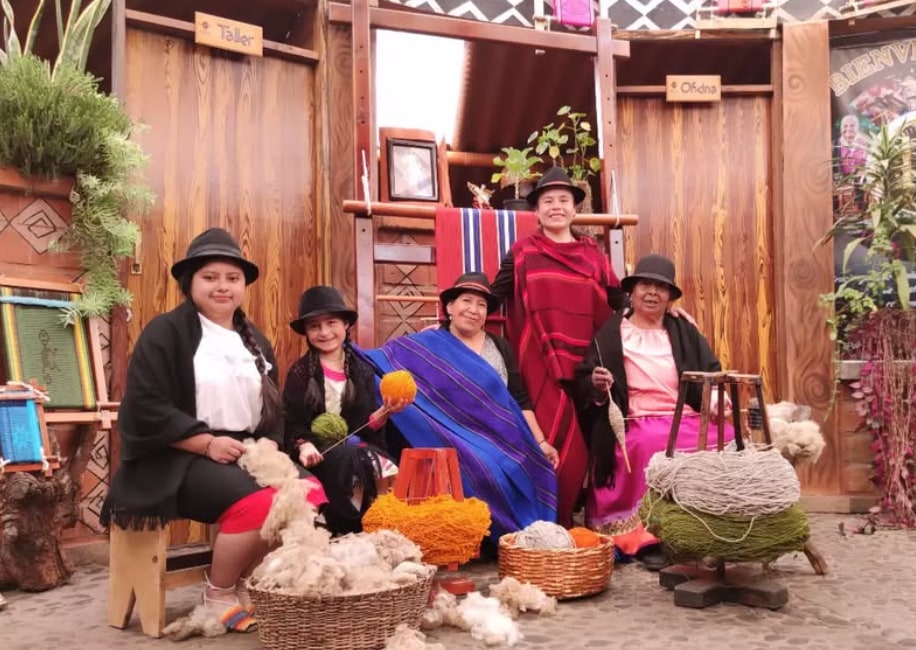
Flor Imbacuán Pantoja founded Hajsú Etnomoda around 15 years ago after studying fashion design at the University of Nariño. Returning to her community, she reunited local women weavers, preserving the sacred guanga loom technique passed down through generations.
 © Hajsú Etnomoda/IG
“It is very moving for my community to see this recognition little by little of our work and effort. A piece we have created with so much dedication, it carries the life of our people within it, and this action dignifies us as a culture and as a people,” she said.
Each fiber is prepared in the community, from sheep shearing to spinning, ensuring the dress embodies authenticity, memory, and ancestral knowledge.
 © Hajsú Etnomoda/IG
President Petro’s gift was part of a broader diplomatic gesture, complementing Colombian specialties for Donald and Melania Trump. This included Specialty coffee from Argelia, Cauca, a region historically affected by armed conflict and coca cultivation, and Chocolates produced by 18,000 cacao-farming families across Meta, Córdoba, Santander, Nariño, and Arauca.
By presenting a garment rooted in ancestral techniques, Petro underscored Colombia’s rich cultural heritage and the value of preserving traditions, even as the nation navigates contemporary political and economic challenges.
 © Anadolu
The dress exemplifies a fusion of art, tradition, and diplomacy. Through its creation, the Pastos community communicates respect for nature, cultural continuity, and the resilience of indigenous craftsmanship. Hajsú Etnomoda’s work not only honors the past but also projects it onto the global stage, showing that ancestral art can bridge continents and conversations.